
Our readers keep the lights on and the coffee maker working hard! As an Amazon Associate, I earn from qualifying purchases.
Specs are compiled from manufacturer listings and verified buyer reviews and can change over time — please confirm the key details on the product page before buying.
If you live in the weight room, your shoes decide how your squat feels, how your deadlift plants, and whether your feet ache by the third set. The right pair gives you a stable, flat base so you can push the floor away — the wrong pair has you wobbling on squishy foam and fighting your own soles. This guide cuts through the noise to the nine pairs actually worth your money, from roomy toe-box trainers to flat, stable lifting platforms you can also wear to a HIIT class. You will find a clear winner up front and honest trade-offs spelled out for every single pick.
I’m Mohammad — the founder and writer behind Calories Fit. This guide is built by comparing the manufacturers’ published specifications and the patterns across verified customer reviews, so you get each pick’s real strengths and trade-offs instead of marketing spin.
Your gym shoes are the foundation of every rep, so choosing the right women’s cross-training shoes means balancing stability for lifting with flexibility for cardio and a fit that never fights your feet.
Our Picks at a Glance
How To Choose The Best Women’s Cross-Training Shoes
Cross-training shoes are built to do a little of everything — lift, jump, sprint, and move sideways. Unlike running shoes, which cushion every step forward, a trainer needs a firmer, flatter base so you feel planted when the weight gets heavy. Here is what actually separates a great one from a so-so pair.
Stability and heel drop
The number that matters most is the heel-to-toe drop — the height difference between your heel and your forefoot. A lower drop (like 6 mm or even zero) keeps you flat and balanced for squats and deadlifts, while a higher drop tilts you forward, which is better for running but worse for lifting. If your week is mostly barbell work, aim for a low or zero drop.
Toe-box width and fit
A narrow toe box squeezes your toes together, which hurts balance and can make your feet ache during long sessions. Many trainers now offer a wide toe box that lets your toes spread naturally — a huge win if you have wide feet or simply hate a cramped front. Sizing runs differently across brands, so read the fit notes closely before you click buy.
Traction and outsole grip
You need grip that holds on gym floors, rubber mats, and even a rope climb. Look for a full-coverage rubber outsole with a traction pattern — a slick sole means you slide during lunges and lose power transfer on lifts. A high-traction outsole is the difference between feeling glued to the floor and feeling like you are on ice.
Quick Comparison
| Model | Best For | Weight | Drop | Toe Box | Amazon |
|---|---|---|---|---|---|
| Reebok Nano Gym★ Best Overall | All-around gym & lifting | — | — | Snug, size up | Amazon |
| Under Armour Project Rock 5Stability Star | HIIT & CrossFit stability | — | — | Roomy | Amazon |
| Reebok Nanoflex TR 2.0Versatile Value | CrossFit & versatile training | 3 lb | — | Wide | Amazon |
| New Balance 608 V5 | Walking & all-day comfort | 2.4 lb | — | Wide | Amazon |
| Nike Flex Train | Light, flexible workouts | — | — | Wide | Amazon |
| Nike in-Season Tr 14 | Strength training, high arches | — | — | Narrow | Amazon |
| Adidas Dropset 3 | Stability for heavy lifts | 2.43 lb | 6 mm | — | Amazon |
| Flux Adapt Graphene XT | Barefoot feel, wide fit | 10.2 oz | Zero | Extra wide | Amazon |
In-Depth Reviews
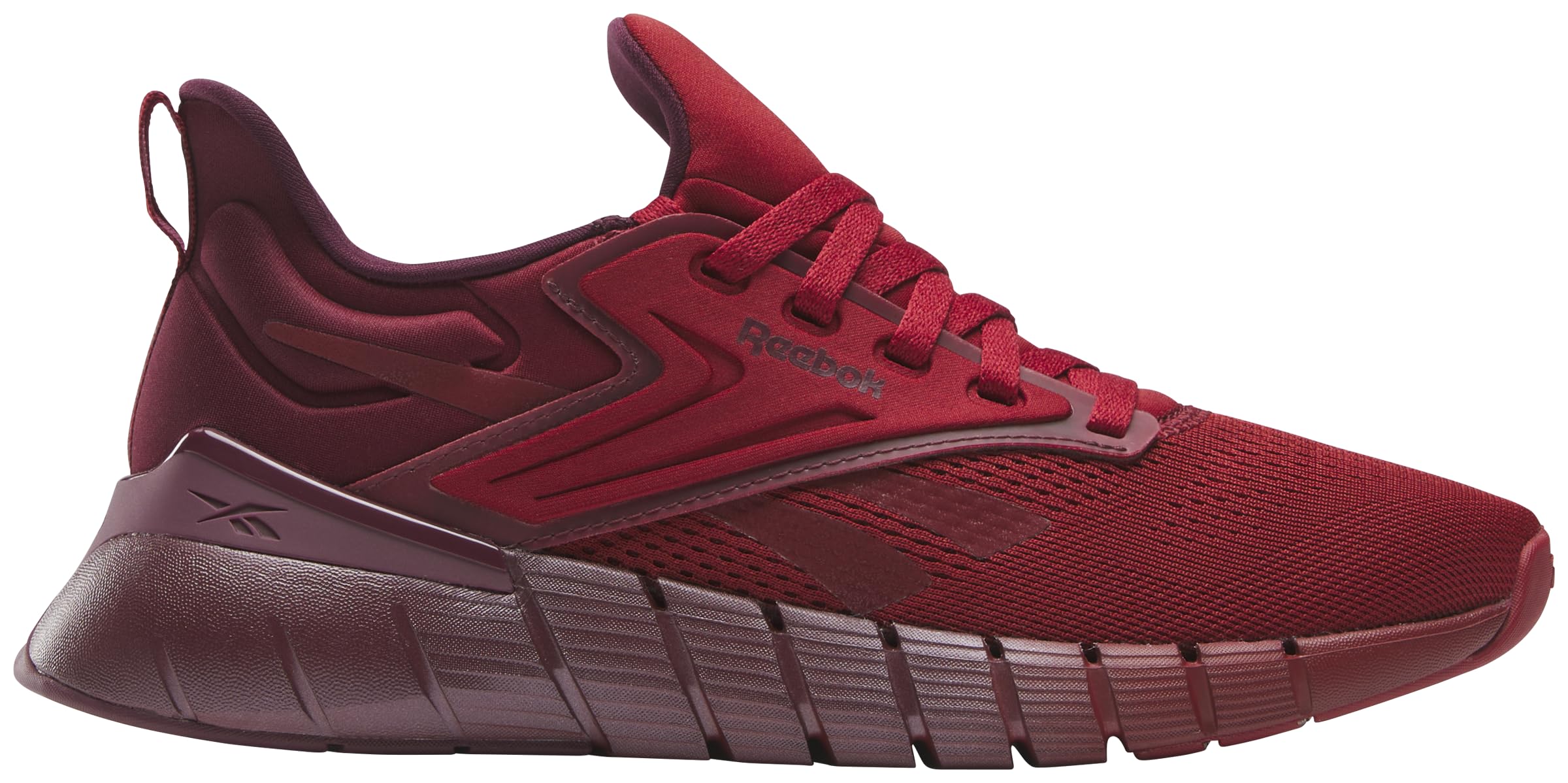
1. Reebok Nano Gym
Our pick — over 4.5★ from 800+ verified ratings; the strongest balance of quality and price.
The crowd favorite that handles heavy lifts and Zumba classes without missing a beat.
The Nano line has a legendary gym reputation, and the Nano Gym earns it with a fit that feels broken-in from day one. That “day one” comfort is the headline here — no agonizing break-in period, just a shoe that grips your foot and supports your arch the moment you lace up. Buyers report these hold up to a brutal schedule — a pair used three times a week for two-hour sessions still looks new after a year, which is the kind of durability you want from a daily trainer.
What wins people over is the comfort — easily the most-praised trait, far ahead of the color options and build quality. The arch support is a standout for lifters, with flat-footed owners and those with a history of plantar fasciitis finding real relief. It is versatile enough for weightlifting, cardio, and even walk-pad sessions, making it the rare shoe that does not force you to choose between activities.
The honest catch is the fit: the toe box runs snug, and the one-piece design (no separate tongue) limits how much you can adjust it. Most owners recommend sizing up half a size, especially if you have wider feet or prefer a roomier front. Stiffness also gets a few mentions, though most find the ankle area softens with use.
What wins people over
- Supreme day-one comfort — the top reason owners buy again
- Strong arch support that flat-footed lifters rave about
- Truly versatile for lifting, cardio, and everyday wear
- Durable enough to look new after a year of heavy use
What to watch
- Snug toe box — sizing up half a size is the smart move
- One-piece design limits fit adjustment for narrow feet
- A few find the shoe stiff before it breaks in
Reach for this if: you want one do-it-all trainer that is comfortable from the start for lifting and cardio alike.
Look elsewhere if: you need a genuinely wide toe box — this one runs snug, so size up or skip.
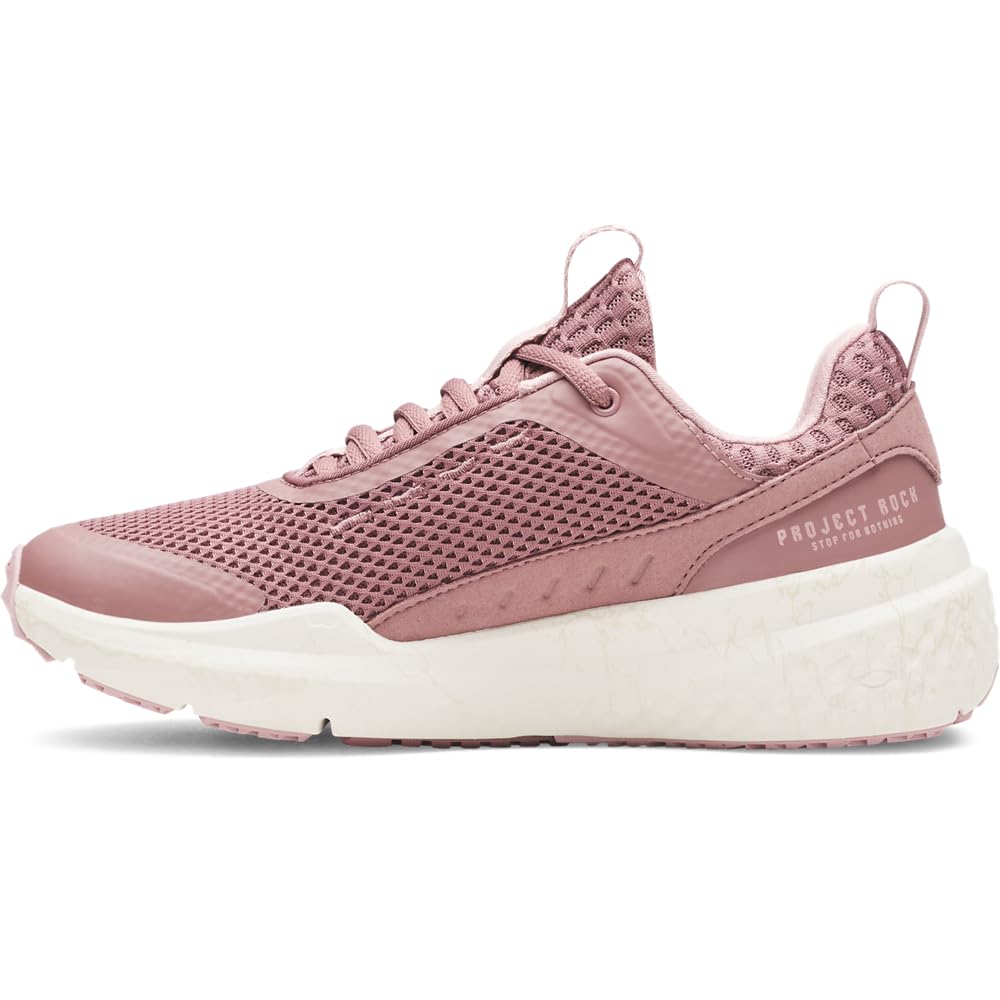
2. Under Armour Women’s Project Rock Blood Sweat Respect 5
Plush cushioning meets a stable platform for HIIT and CrossFit without the blisters.
If your workouts mix explosive HIIT moves with balance work and barbell lifts, the Project Rock 5 walks a clever line between soft and stable. The padding is genuinely cushioned — owners describe it as walking in slippers — yet the base stays planted for CrossFit-style stability drills. That combination is rare: most shoes pick a side, but this one gives you springy cushioning for cardio and a stable enough platform for lifting.
Comfort is the trait owners mention most, and the support follows close behind. The shoe is lightweight, has a roomy toe box, and the short laces stay tied through a tough session — small details that add up. The fit is true to size for most, though some report it runs small, so the usual advice applies: check the size notes before ordering.
One standout detail from the review pages: no blisters even when the shoes are brand new, which is exactly what you want from a trainer you will wear straight from the start. The main trade-off is that a few owners find the toe area too roomy for slim feet, and one buyer could not get comfortable even after a break-in period. If you have narrow feet, expect some extra space up front.
Best for: the athlete who wants cloud-like cushioning without sacrificing the stable base needed for CrossFit-style workouts.
Weight the trade-off: true-to-size for most, but slim-footed owners may find the toe box a touch generous.
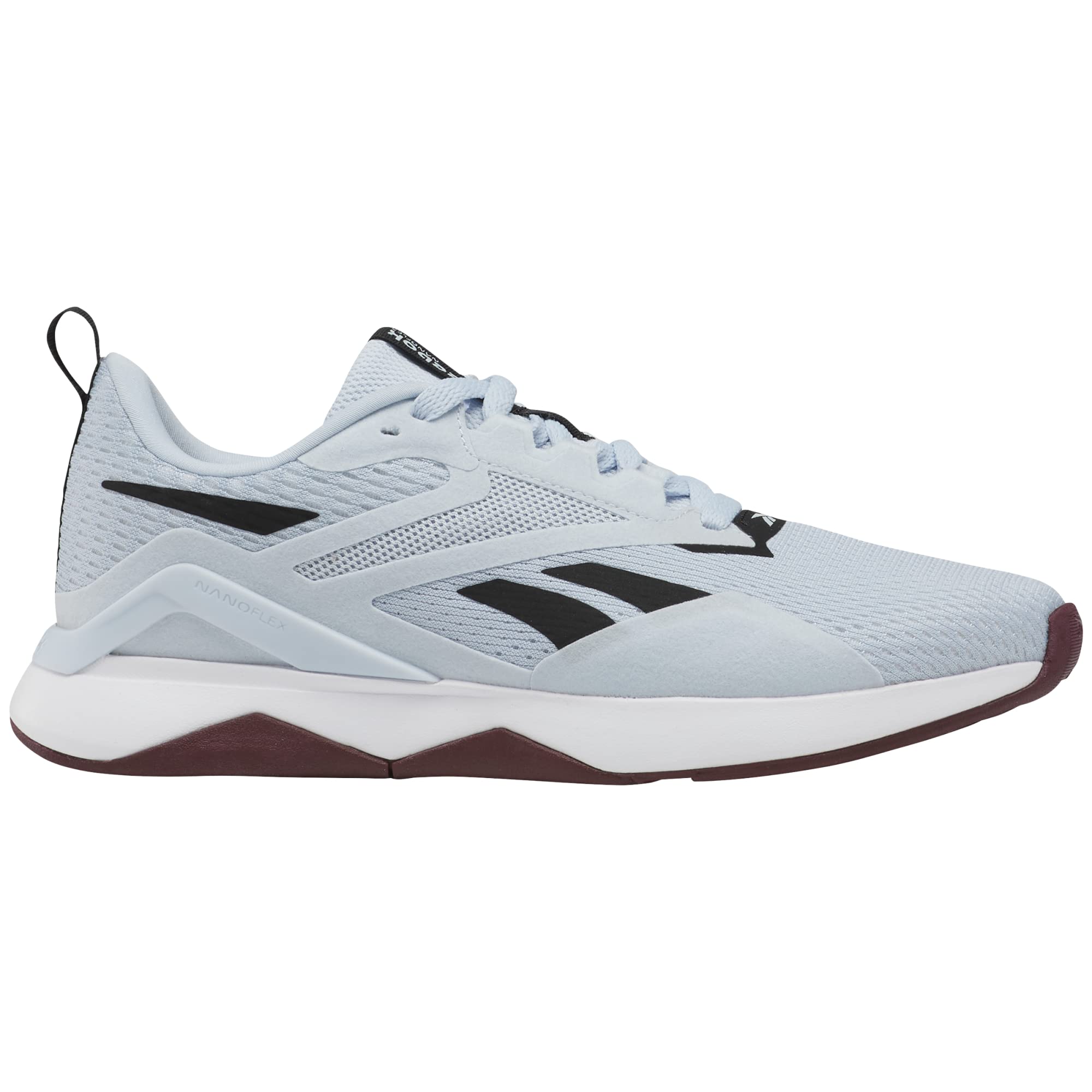
3. Reebok Nanoflex TR 2.0
A CrossFit workhorse that fits wide feet and feels broken-in the moment you put it on.
The Nanoflex TR 2.0 is the shoe owners keep coming back to — several are on their fourth pair, which says more than any spec sheet. The fit is the story: a wide toe box and true-to-size length (size up half a size if in doubt) mean no squeezing or cramped toes, even for wide-footed lifters. Owners mention these fit on day one like you have owned them for two years, a comfort claim echoed across the review pages.
The high-traction outsole and breathable mesh upper make it a genuine all-rounder — owners use it for lifting, walking, bike rides, and even cardio classes, though most would not choose it for long-distance running. At 3 pounds, it is not the lightest trainer here (the New Balance 608 below is 2.4 pounds), but the stability payoff for squats and kettlebell work is worth the extra heft.
The catch is a short break-in window: some owners find it stiff for the first couple of weeks before it softens into something very comfortable. Durability opinions are mixed too, though the many repeat buyers suggest the shoe holds up well for most. If you want a flat, stable base for lifting that still flexes for cardio, this is a strong mid-range pick.
The verdict: a wide-friendly, high-traction trainer that shines for lifting and CrossFit — the repeat-purchase rate is the real proof.
Just know: give it a two-week break-in, and skip it if long runs are your main goal.
4. New Balance Women’s 608 V5 Casual Comfort Cross Trainer
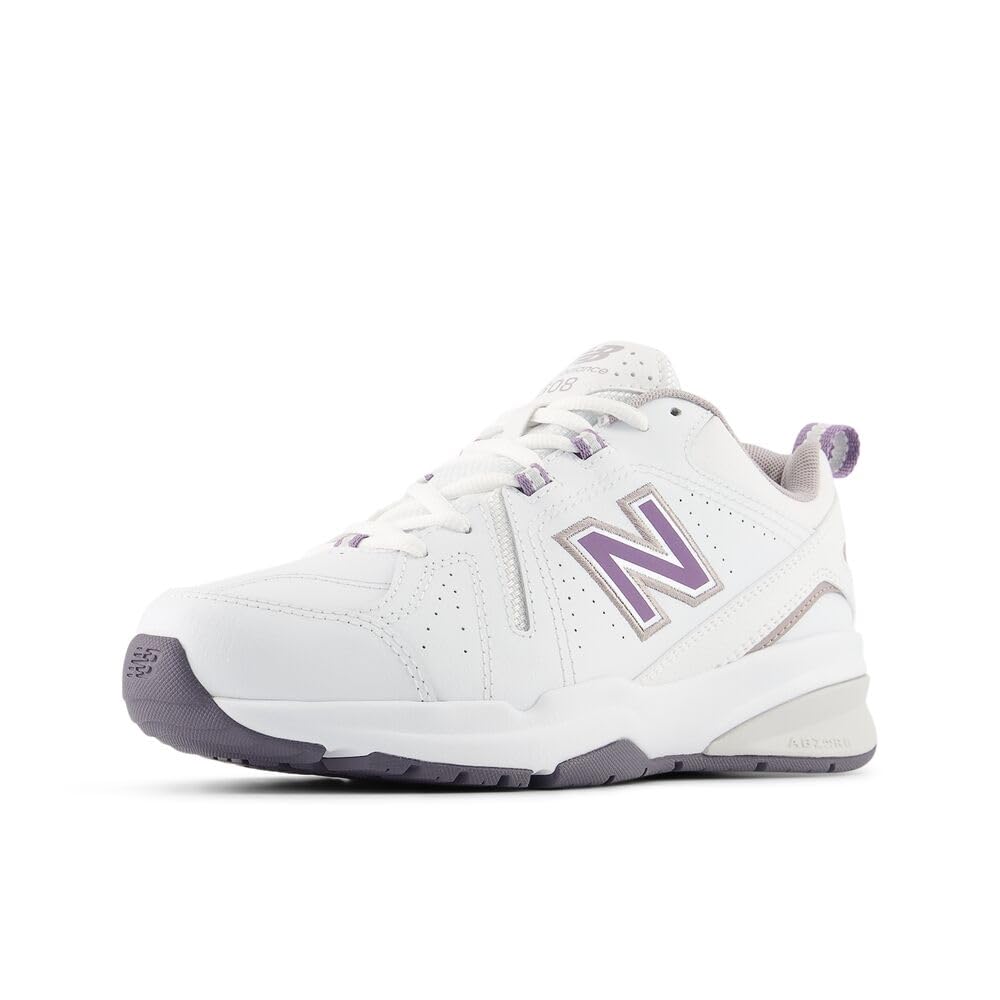
The proven workhorse for long shifts, long walks, and feet that need serious arch support.
If you stand all day at work or walk long distances, the 608 V5 is built to keep your feet comfortable. Its ABZORB heel crash pad (a cushioning foam in the heel) absorbs impact on every step, and the molded PU insert (a shaped polyurethane insole) plus relaxed fit last (a wider, roomier shoe shape) give you a soft underfoot feel. Tens of thousands of owners trust it for long shifts, but it is not designed for heavy lifting or sprinting.
The build quality is what owners praise most, with arch support a close second — nearly a thousand owners single it out. The sturdy suede upper breaks in nicely over time, and the dual-density collar foam supports the ankle. At 2.4 pounds it is noticeably lighter than the Reebok Nanoflex TR 2.0 above (3 pounds), making it the better choice if your day involves a lot of walking between workouts.
The honest trade-off is that this is a comfort-first trainer, not a lifting shoe. Owners note the firm sole is stable enough for weightlifting and squats, but the minimal cushioning and rigid feel make it a poor choice for running. Sizing is the other watch-point — one buyer found it ran 1.5 sizes large, so measure carefully and consider the wide width option if your feet lean wide.
Reach for it if: you want a durable, arch-supporting trainer that keeps your feet happy from morning to night.
Think twice if: you want a plush running feel — this one is firm and stable, not springy.
5. Nike Women’s Flex Train Training/Workout Shoes
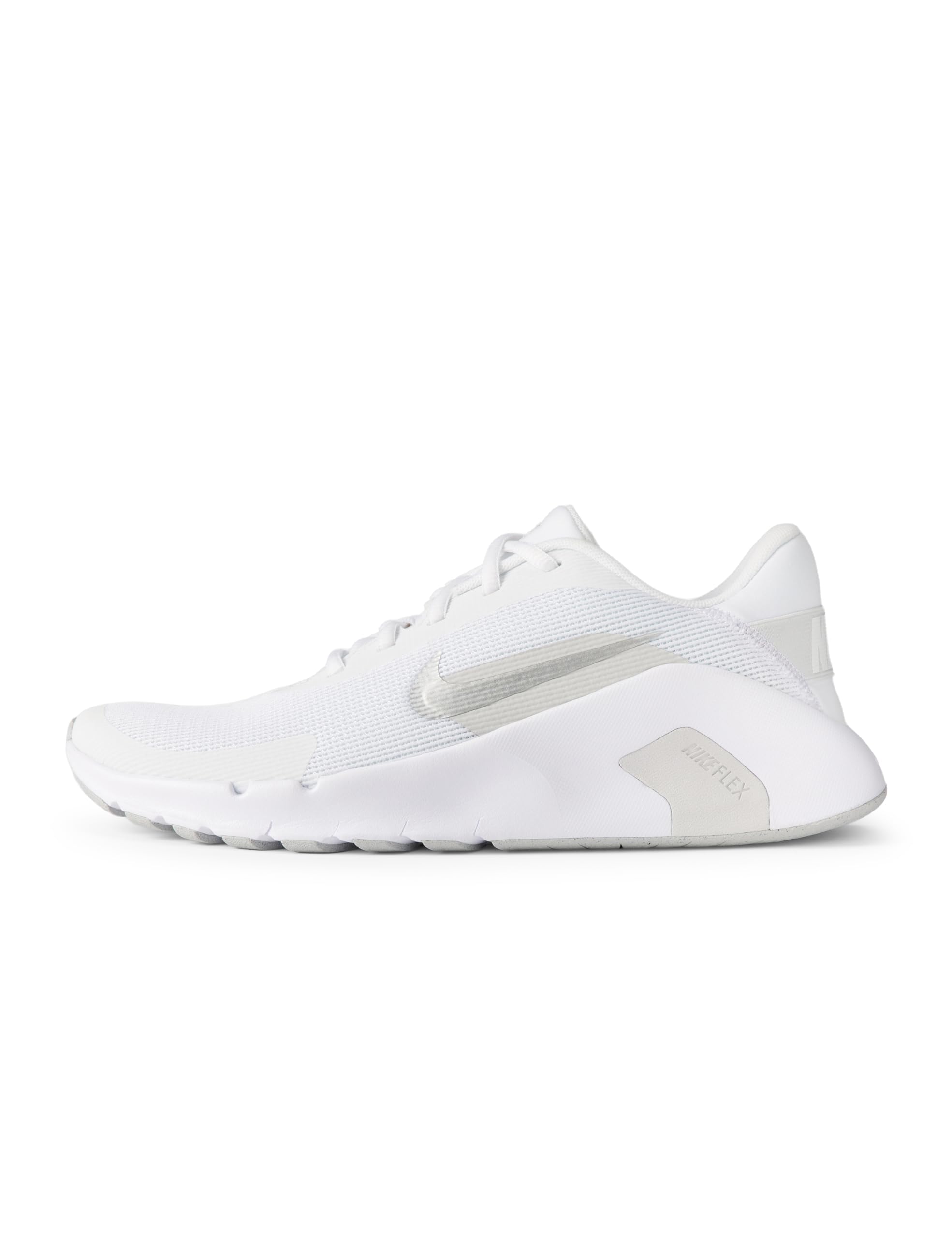
A light, flexible trainer that bends with your foot through every type of workout.
The Flex Train is built around one idea: freedom to move. The rubber outsole has built-in cutouts that let the shoe flex naturally, and the soft, lightweight mesh upper keeps your feet cool when the workout heats up. The full-length foam midsole adds cushioning without the heavy, clunky feel that plagues some trainers — owners describe it as comfortable without feeling heavy.
This is a great option if you have overpronating feet (your ankles roll inward when you walk or run) — owners with that issue specifically praise the arch support. The wide toe box is another plus, giving your toes room to spread. Buyers also report real relief for plantar fasciitis, with one owner seeing a big drop in pain after switching to these for all-day warehouse work.
The biggest watch-point is sizing: the Flex Train runs large, so most owners recommend sizing down half to a full size. One buyer who normally wears a 9.5 found a snug 8.5 fit perfectly. The grip on the sole is solid for gym floors, though it is not a dedicated lifting shoe — think of it as a flexible, everyday trainer rather than a heavy-duty stability platform.
Best for: all-day wear, light gym work, and anyone with wide feet or plantar fasciitis looking for arch relief.
Just remember: size down — this one runs big, and it is not built for heavy barbell work.
6. Nike Women’s in-Season Tr 14 Training/Workout Shoes
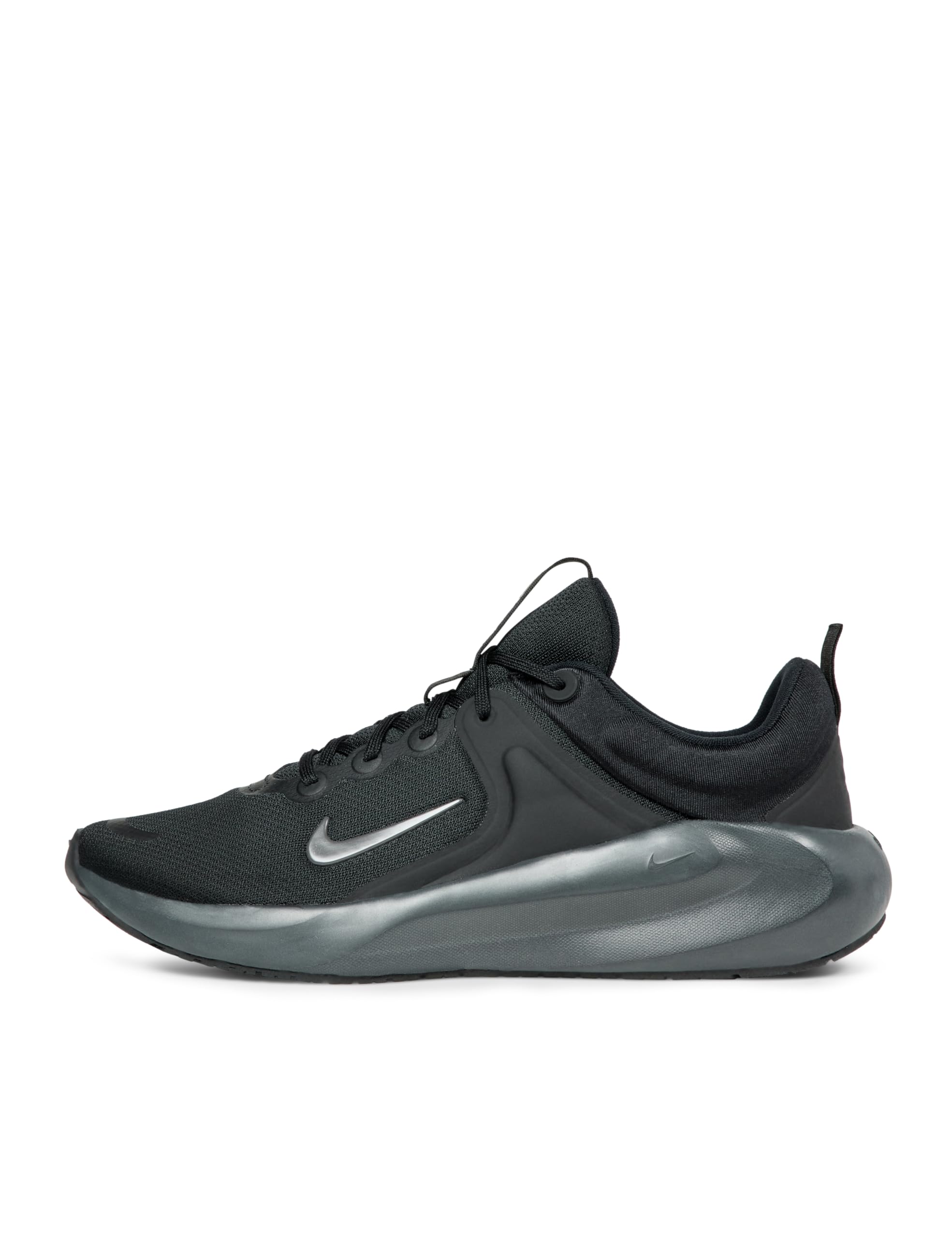
A cushioned, flexible trainer that owners with high arches swear by for strength days.
The in-Season Tr 14 is all about balance — high forefoot flex grooves give you ample flexibility, while the integrated traction pattern and full outsole coverage keep you planted. The thick midsole offers high cushioning, which is exactly what you want for workouts and all-day wear. Owners consistently praise the quality and the lightweight feel, and those with high arches specifically call out the arch support as a standout.
This is a good functional choice for strength training, though owners note it is not the grippiest Nike for running or dog walks — think of it as a gym-first shoe. The design gets compliments, and the comfortable fit works well for daily use. If you have high arches and want a cushioned trainer that still flexes, this is a solid middle-ground pick.
The trade-off is sizing, which runs small — several customers note needing to go up a full size. The fit is also on the narrow side, so wide-footed buyers should look elsewhere or size up. The ebony colorway has a tendency to look dirty quickly, a small cosmetic gripe in an otherwise well-liked shoe.
Best for: high-arched lifters who want cushioning without losing forefoot flexibility.
Watch out: runs a full size small and fits narrow — size up and skip if you have wide feet.
7. Adidas Unisex-Adult Dropset 3 Trainer

A lifting-first platform with a 6 mm drop that keeps you flat, stable, and aligned under heavy weight.
If your priority is the barbell, the Dropset 3 is built for you. The 6 mm midsole drop creates a flat, stable platform that helps you find proper alignment in every lift, and the dual-density midsole pairs comfort with controlled stability. The grippy Traxion outsole keeps your footing secure through squats and deadlifts — owners consistently describe the stability as excellent for lower-body work.
Quality is the most-praised trait, with supportiveness close behind. The upper is made with at least 50% recycled content, and the breathable mesh keeps feet cool through long sessions. At 2.43 pounds, it is one of the lighter stability trainers here, and owners appreciate the durable build and protected toe. It is a genuine upgrade from the Dropset 2 for many repeat buyers.
The trade-off is that this is a lifter, not a cardio shoe — the solid heel is not comfortable for walking or running, and some owners get blisters on longer walks. The tongue tends to move around during workouts, needing occasional readjustment, and the fit runs small for some (size up half a size). The vented outsole also lets water in on rainy days, a small flaw in an otherwise excellent lifting shoe.
Best for: dedicated lifters who want a flat, stable, high-quality platform for squats and deadlifts.
Not for: cardio-forward athletes — the solid heel is built for the barbell, not the treadmill.
8. Flux Footwear Adapt Graphene XT
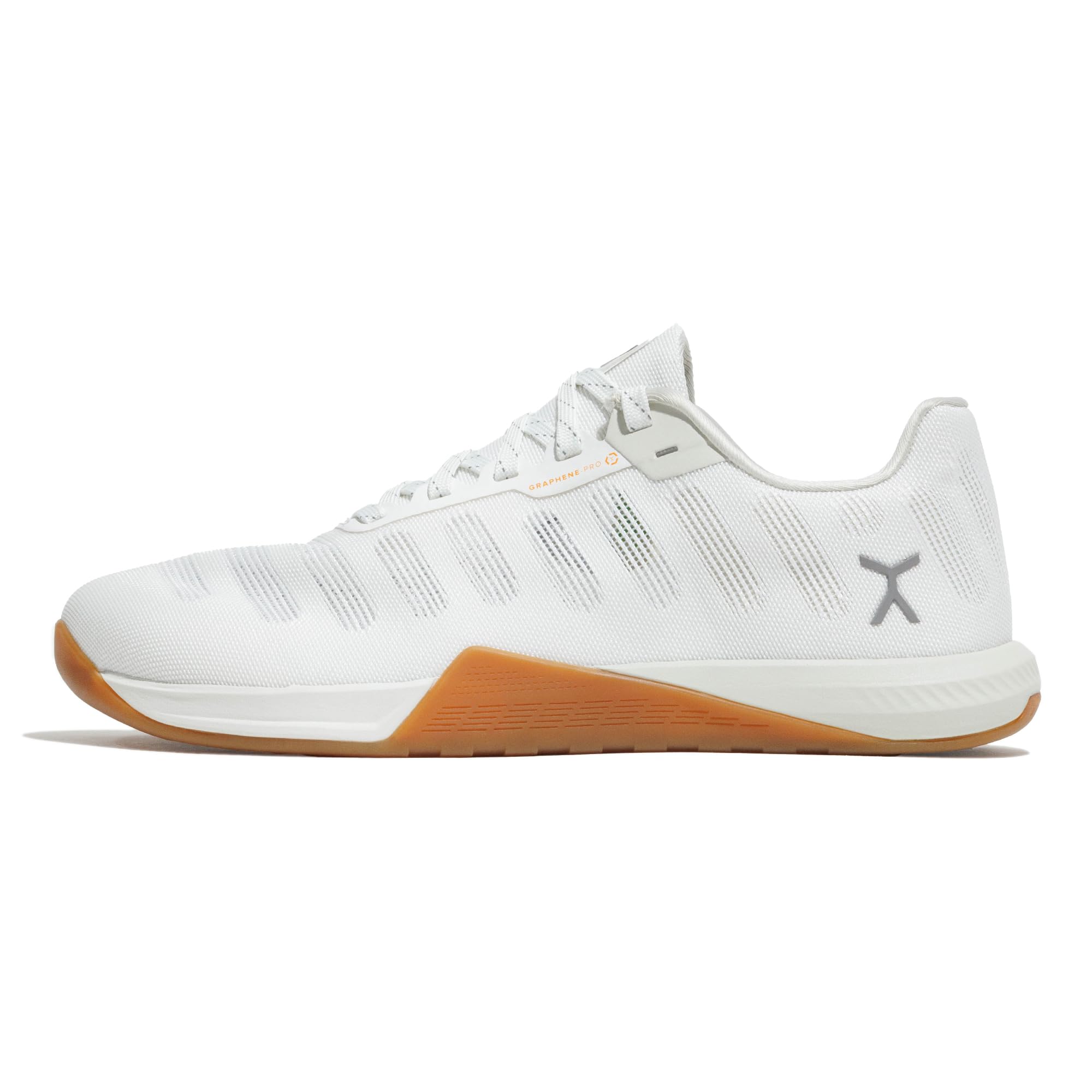
A zero-drop, wide-toe-box trainer that lets your feet move naturally while you lift.
The Flux Adapt Graphene XT takes a completely different approach: instead of caging your foot, it lets your toes spread and align naturally. The zero-drop design (heel and forefoot at the same height) puts you flat on the ground, building strength, improving balance, and supporting posture — the philosophy behind the barefoot movement. The ballistic mesh upper and graphene-tuned outsole combine durability with a grip that owners love for CrossFit and rope climbs.
At just 10.2 ounces, this is the lightest shoe in this guide — barely half the weight of the Reebok Nanoflex above. Owners praise the sturdy, lightweight build and the wide toe box, with several on their fourth or fifth pair. The fit locks in for lifting, and the generous toe space means no foot squeeze even through long sessions. Cushioning is more generous than typical barefoot shoes, making the transition easier for newcomers, but it is still a barefoot-style shoe, so expect less arch support than a traditional trainer.
The catch is twofold. First, the fit runs small — the brand recommends sizing up half a size, and owners confirm you should follow that advice. Second, the barefoot style takes adjustment: there is less support than major brands offer, which is intentional (it strengthens your feet and ankles) but can be a shock if you are new to it. A few owners also report the graphene outsole nubs are fragile, so treat them with care.
Reach for these if: you want a wide, zero-drop trainer that strengthens your feet and handles lifting, HIIT, and rope climbs.
Know before you buy: size up half a size, and expect an adjustment period as your feet adapt to less support.
Understanding the Specs
Heel-to-toe drop
The drop is the height difference between your heel and your forefoot, measured in millimeters. A lower drop (6 mm or zero) keeps your foot flat and balanced — ideal for squats, deadlifts, and lifting. A higher drop tilts you slightly forward, which suits running but can make lifting feel unstable. For cross-training, a low or zero drop is usually the balance, so you stay stable under the bar.
Toe-box width
The toe box is the space at the front of the shoe where your toes sit. A wide toe box lets your toes spread and align naturally, improving balance and reducing pressure and discomfort. Narrow toe boxes squeeze your toes together, which can cause pain during long sessions. If you have wide feet or just hate a cramped front, prioritize a wide toe box.
Outsole traction and grip
The outsole is the rubber bottom of the shoe that touches the ground. A high-traction outsole with a full traction pattern keeps you glued to gym floors, rubber mats, and rope climbs. A slick sole means you slide during lunges and lose power on lifts. Look for full outsole coverage and a visible grip pattern for the most secure footing.
Midsole firmness and cushioning
The midsole is the foam layer between the outsole and your foot. In a cross-training shoe, you want firmness for stability under heavy weight — a squishy sole wastes energy and makes you wobble. Some trainers add cushioning for HIIT impact or all-day wear, which is a trade-off: more cushion means less floor feel. Match the firmness to your dominant activity.
FAQ
Can I use running shoes for cross-training?
What does a 6 mm drop mean for my lifts?
Should I size up in cross-training shoes?
What is the difference between a wide toe box and a regular one?
Are cross-training shoes good for walking all day?
What is a zero-drop shoe and who should use it?
How long should cross-training shoes last?
Can I do HIIT and cardio in a lifting shoe?
Final Thoughts: The Verdict
For most lifters, the women’s cross-training shoes winner is the Reebok Nano Gym because it pairs day-one comfort with the arch support and durability that flat-footed lifters need, all in a shoe that handles both barbell and cardio sessions. If you want plush cushioning with CrossFit-ready stability, grab the Under Armour Project Rock 5. And for a wide, zero-drop barefoot feel that strengthens your feet, the Flux Adapt Graphene XT is the one to reach for.
How We Picked
We do not accept paid placement. Every pick is matched to a real buyer and a real use-case; we do not hands-on test units.
Sources & Methodology
Specifications: manufacturer listings and product documentation. Review insights: verified customer reviews, as of August 2026. Pricing: not shown on this page (it changes often); check the current price via the retailer link.
As an Amazon Associate, Calories Fit earns from qualifying purchases. This does not affect which products we feature.