
Our readers keep the lights on and the coffee maker working hard! As an Amazon Associate, I earn from qualifying purchases.
Specs are compiled from manufacturer listings and verified buyer reviews and can change over time — please confirm the key details on the product page before buying.
You want a hiking boot that lets your feet move, spread, and grip the ground naturally — but you also want to stay warm, dry, and blister-free on the trail. That’s the real promise of a barefoot boot, and the picks here deliver it in very different ways, from toasty winter pull-ons to leather Chelsea boots you can wear to dinner.
I’m Mohammad — the founder and writer behind Calories Fit. This guide is built by comparing the manufacturers’ published specifications and the patterns across verified customer reviews, so you get each pick’s real strengths and trade-offs instead of marketing spin.
The best women’s barefoot hiking boots balance a wide toe box with warmth and traction, and this guide breaks down which ones truly deliver.
Our Picks at a Glance
How To Choose The Best Women’s Barefoot Hiking Boots
You want a boot that lets your foot move naturally, and that depends on three things: how flat the sole is, how much room your toes get, and how flexible the whole shoe feels. The goal is to feel the ground under you while your foot bends and spreads the way it was designed to.
Zero Drop and Sole Flexibility
Zero drop means the heel and toe sit at the same height, so your foot rests flat like it would barefoot. A flexible sole lets the boot bend with your foot instead of fighting it, which helps you feel rocks, roots, and uneven ground. If you’re new to this style, your calves and Achilles will need a little time to adapt.
Toe Box Width
A wide toe box is the defining feature of a barefoot boot. It gives your toes room to spread out naturally, which improves balance and reduces crowding. Some brands run wider than others, so check the fit notes carefully before you order.
Warmth and Waterproofing
Not every barefoot boot is built for snow or rain. Some use insulation and a waterproof membrane for winter, while others rely on leather that handles light moisture. Think about your local trails and the seasons you hike most before picking.
Quick Comparison
| Model | Best For | Insulation | Waterproof | Upper Material | Amazon |
|---|---|---|---|---|---|
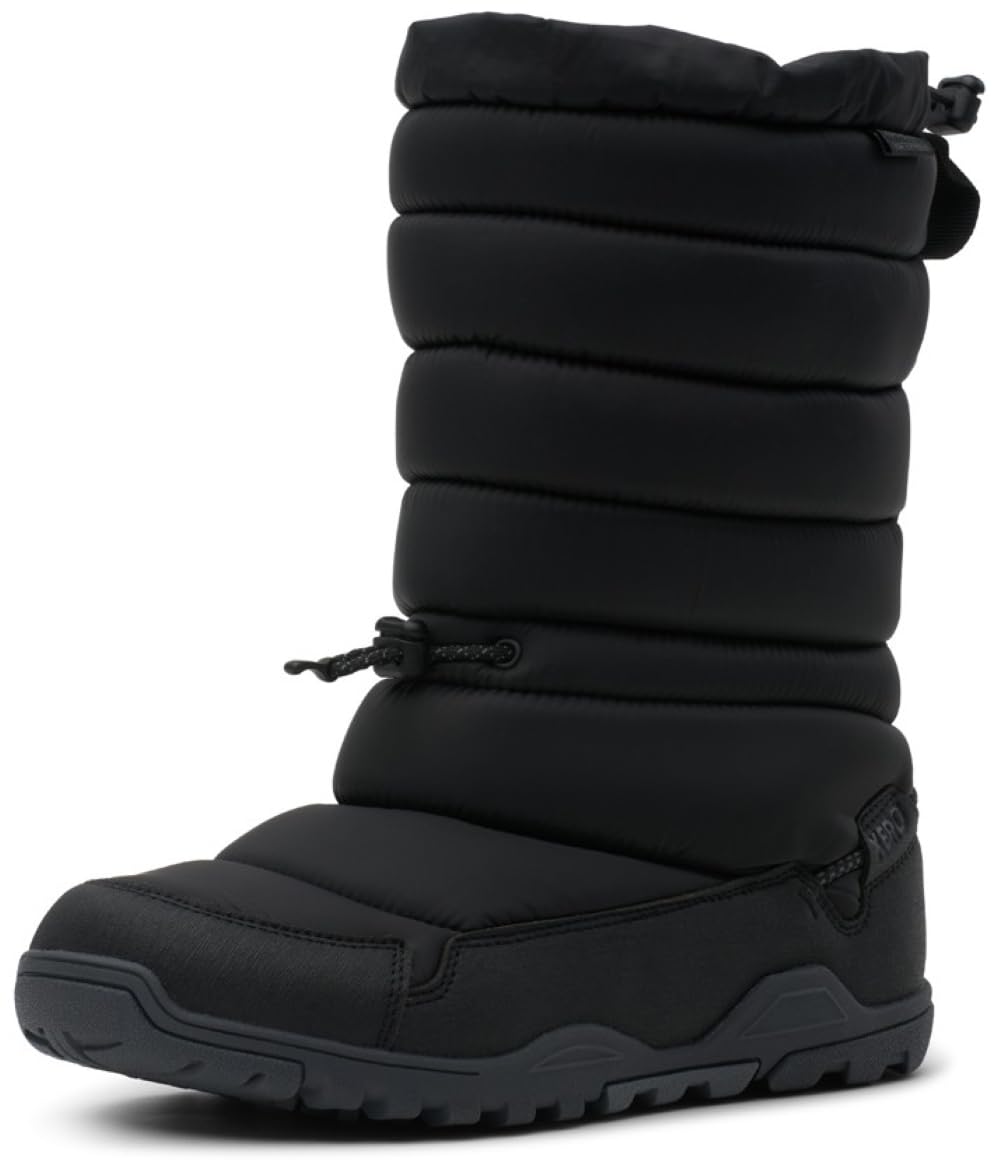
| Xero Alpine Pull-On★ Best Overall | Snow and extreme cold | 200g | Yes | Puffy nylon | Amazon |
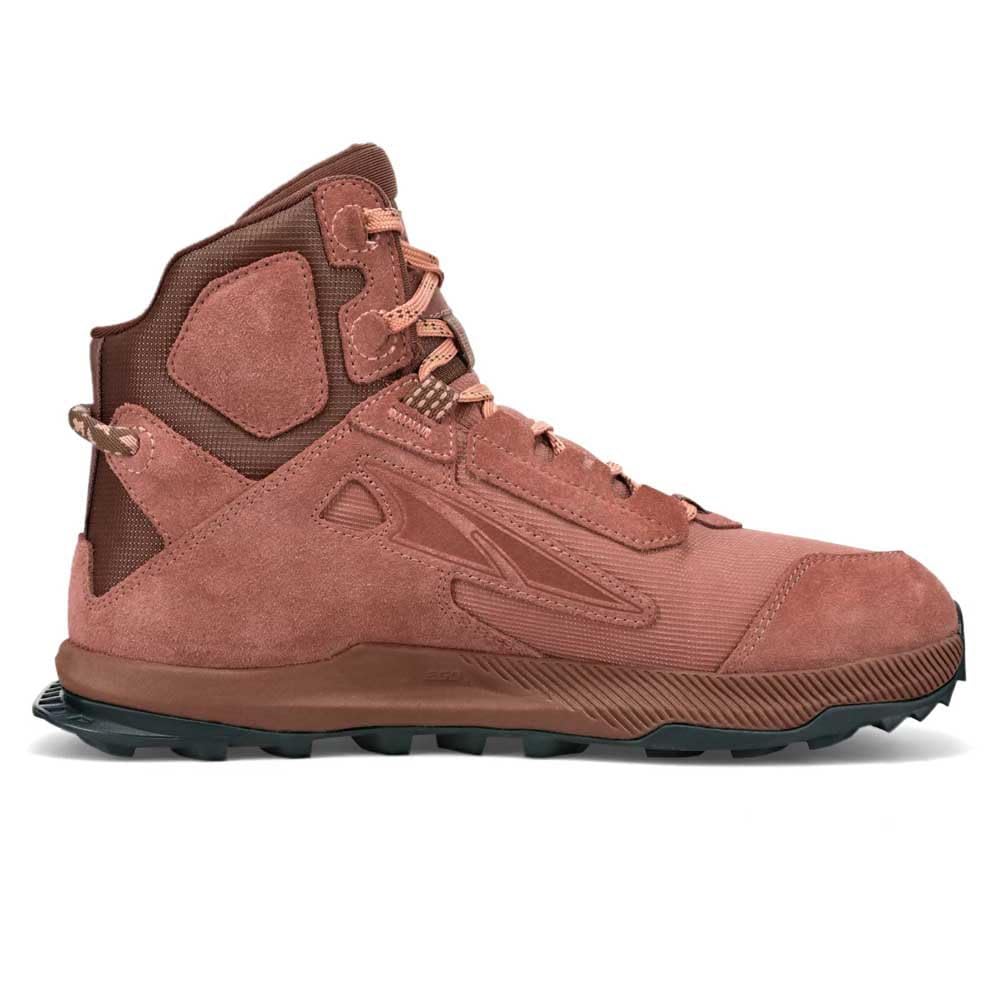
| ALTRA Lone Peak Hiker 2Comfort King | Comfort and daily wear | — | — | Modern upper | Amazon |
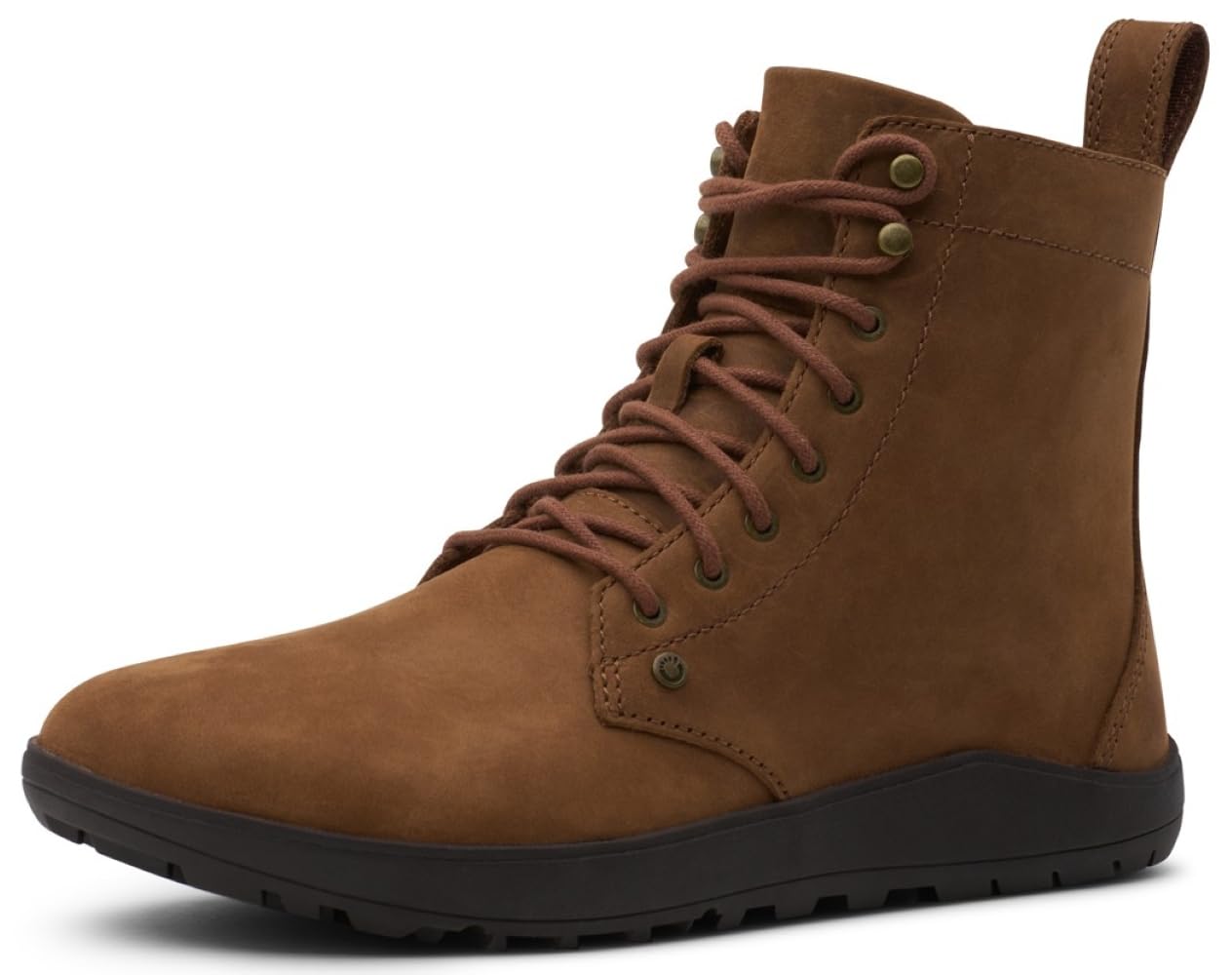
| Xero BreckenridgeTrail Style | Ankle support and durability | — | — | Leather | Amazon |
| Vivobarefoot Magna Forest | Soft-ground grip | — | — | Leather and wool | Amazon |
| ALTRA Lone Peak 9 WP Mid | Waterproof trail comfort | — | Yes | Recycled polyester mesh | Amazon |
| Vivobarefoot Tracker Forest | Ground feel and grip | — | — | Leather | Amazon |
In‑Depth Reviews
1. Xero Shoes Women’s Alpine Barefoot Pull-On Snow Boots
Our pick — over 4★ from 50+ verified ratings; the strongest balance of quality and price.
The toasty winter winner that keeps toes free while the thermometer drops.
This is the boot for anyone who hikes, shovels, or plays in the snow and refuses to freeze. It packs 200g of insulation plus a heat-reflective insole, so warmth is the headline here — the thing owners praise most, with 16 of them singling it out. A draw cord at the top and another at the ankle let you snug the fit around your leg, which helps keep snow out and warmth in.
The XeroTex™ waterproof membrane is the other big story. Buyers report the Alpine “survived extreme cold and long snow walks pain-free,” and several note standing in puddles or playing in snowstorms with dry feet. The wide toe box gets consistent love too, with owners saying it fits larger calves and even accommodates two sock layers when you size up.
One thing to know before you order: the fit is the most-discussed aspect, and it’s genuinely mixed. Some owners find the heel a bit sloppy, with fabric that can fold and risk blisters, while others call the fit perfect. If you’re between sizes, sizing up and adding an insole is the common fix.
What wins people over
- Serious warmth with 200g insulation and a heat-reflective insole
- Waterproof membrane keeps feet dry in snow and puddles
- Easy pull-on design with draw cords for a snug leg fit
The trade-off to know
- Heel fit can feel loose or sloppy for some foot shapes
- Toe box runs a bit narrower than some expect
Reach for these if: you want one boot that handles freezing winters, snow play, and long cold walks without sacrificing the barefoot feel.
Look elsewhere if: you have a very narrow heel and need a locked-in fit, since the heel is the recurring gripe.
2. ALTRA WOMENS LONE PEAK HIKER 2
The pain-free hiker that owners swear by for plantar fasciitis relief.
Comfort is the story here — it’s the top-praised aspect with 24 owners calling it out, and for good reason. One hiker with severe plantar fasciitis logged 175+ pain-free miles, a standout real-world result. The Altra EGO midsole and Original FootShape Fit work together to let your toes spread while your foot stays supported.
The zero-drop platform takes a little adjustment, but owners say it’s worth it. The MaxTrac outsole delivers grip that held up through rivers, mountains, and even crampons, according to one long-distance tester. At a lighter weight than you’d expect from a boot, it feels more like a trail runner with ankle coverage than a clunky hiker.
The honest caveats: durability gets mixed reviews, with one owner reporting holes in the soles after about 400 miles over a year and a half. The laces are widely described as cheap, and getting your foot in can be tricky without unlacing far down the shaft.
Why it stands out: Pain-free hiking for plantar fasciitis sufferers, validated by a 175-mile field test and a wide toe box.
Fair warning: expect to replace laces and consider a shoehorn for the snug entry.
3. Xero Shoes Women’s Breckenridge Barefoot Boots
The lace-up leather boot that handles real workdays without feeling like a boot.
If you need ankle support and durability but hate the stiff feel of traditional boots, this one fits the bill. Owners call it the only shoe that fits over an ankle brace, and one buyer who walked long distances “didn’t even feel like I had boots on.” Comfort and quality are the joint top-praised aspects, each with 16 mentions, and the wide toe box runs true to size.
The craftsmanship gets specific praise — soft, supple leather, a narrow heel-and-arch fit, and laces that are the perfect length and won’t catch. It replaces Blundstones for some owners, with one noting no odor after months of use and a roomy toe box that keeps socks in place. For aggressive, active work situations, this is the pick.
The durability story is mixed: some say the boots hold up well over time, while others report scratches on arrival. A small number of owners had real fit issues — one experienced pain in the ball of the foot, and another bruised both big toes after a single day. For most, though, the craftsmanship wins.
What earns the praise
- Genuine ankle support that even fits over a brace
- Soft, supple leather that breaks in beautifully
- Wide toe box with a true-to-size fit
Where it stumbles
- Occasional scratches on arrival
- A few reviewers point out ball-of-foot pain or toe bruising
Choose this for: long workdays or hikes where ankle support and quality leather matter more than anything else.
skip it if: you need instant zero break-in comfort — a minority of feet find the fit unforgiving.
4. Vivobarefoot Magna Forest ESG, Womens Leather And Wool Hiking Trainers

The featherweight feel of a trail runner with serious Michelin-soled grip.
This is the boot for Pacific Northwest trails and any soft, muddy ground. The Michelin sole is the standout — owners call it a huge plus for soft ground, with deep grooves that grip without collecting muck. One hiker put it perfectly: it “feels like a heavy boot but feels light and flexible like a trail runner,” which is the best of both worlds.
Foot strength is a real benefit here. One owner saw foot improvement from daily gym and errand wear; another praised the large thumb pull for easier entry than other Vivo models. The leather and wool upper breaks in well and looks great, which is why appearance is the top-praised aspect.
Here’s the honest sizing reality: these run small and narrow. The most-discussed theme is fit, and it’s genuinely mixed — some owners size down, others size up, and a few with average-width feet found them too narrow across the top, causing numbness. The Michelin sole and beautiful build don’t help if the fit is wrong, so order carefully.
The standout: Michelin-soled grip that excels on soft ground, wrapped in a flexible, trail-runner-light package.
The reality check: fit is the biggest variable — size carefully and expect a narrower toe box than some barefoot purists want.
5. ALTRA Women’s Lone Peak 9 Waterproof Mid Hiking Shoe

The ultralight waterproof mid that owners forget they’re wearing.
You get waterproof protection without the usual clunk. Owners say it’s so light and comfortable that it feels like you’re not wearing shoes at all — one hiker wore them through southern Utah creeks and called them “ultra light (14oz)” and comfortable for at least 12 miles a day. The wide toe box and zero-drop platform (where your heel sits level with your toes) let your toes spread naturally.
Comfort is the top-praised aspect with 17 mentions, and it’s genuinely comfortable from the start with no break-in period. The AltR EGO midsole foam provides ground connection without harshness, while the Stoneguard insert protects your feet from rocks and debris. The molded heel collar and enhanced lacing system add a snug, secure fit that owners appreciate on long hikes.
The waterproof claim is the big caveat, and it’s mixed. Some owners confirm dry feet in rain and creeks, but one hiker’s feet were “soaked and boots were squishy within 30 minutes of heavy rain.” The upper is made from recycled polyester mesh, which is light but raises durability questions — one owner reported the exterior fabric shredding after a few weeks of hiking.
Why it’s loved
- Ultralight 14oz feel that disappears on your feet
- Comfortable straight from the start with a roomy toe box
- Stoneguard insert protects against rocks and debris
What to watch
- Waterproofing fails for some in heavy rain
- Exterior mesh can shred with regular trail use
Best for: hikers who log long miles and want a barely-there, zero-drop boot with ankle support.
Not for: reliable downpour protection — treat the waterproofing as a bonus, not a guarantee.
6. Vivobarefoot Women’s Tracker Forest ESC Leather Trainers

The log-walking confidence builder for hikers who want to feel every root.
This is the boot for people who want maximum ground feel, and the thin soles deliver it. Owners say the soles give you confidence walking on logs or uneven terrain because you can literally feel what you’re stepping on. One long-time owner called them “the BEST shoes I’ve ever owned,” clocking over a hundred miles with the treads still excellent after a year.
The ankle support and traction both get strong praise. The leather upper molds to your foot better than clunkier models, so one owner noted they “hardly feel like I’m wearing shoes.” For hikers who want that barefoot connection on technical terrain, this is the purest expression of it in this roundup.
Quality control is the honest concern here, and it’s the most-discussed negative. Multiple owners reported lace hooks breaking off — one on the very first wear, another within a month of daily concrete-floor work. One buyer’s leather cracked within 90 days. These are premium-priced boots, so the hardware failures sting more than they would elsewhere.
What it does best: class-leading ground feel and ankle support for technical, uneven terrain.
The risk: the lace hooks are the weak point — inspect them immediately and reinforce if needed.
Understanding the Specs
Zero Drop
Zero drop means the heel and toe sit at the same height, so your foot rests flat just like it would barefoot. This encourages a mid-foot or forefoot strike instead of heel-first, reducing joint impact. If you’re new to it, take a few short walks first — your calves will need to adapt.
Wide Toe Box
A wide toe box gives your toes room to splay out naturally when you step, which improves balance and grip on uneven ground. It also prevents toe crowding, which causes blisters and bunions. Brands vary in how wide they run, so the fit notes in each review matter more than the marketing claims.
Waterproofing and Insulation
Waterproof membranes like XeroTex™ or Hydroguard keep wet trail conditions from soaking your feet, while insulation like 200g of synthetic fill traps warmth for winter hikes. Not every barefoot boot has both, and some waterproof claims are more reliable than others. Match these features to the climate you actually hike in.
Sole Flexibility
A flexible sole bends with your foot so you can feel the ground beneath you, which is the whole point of barefoot hiking. Stiffer soles protect more but dull the sensory feedback. The trade-off is between ground feel and debris protection, and the right balance depends on your trails.
FAQ
Do barefoot hiking boots really have no arch support?
How do I know which size to order in Xero or Vivobarefoot boots?
Are the waterproof claims on these boots reliable?
Will these boots work for snow and ice?
What is the difference between zero drop and a traditional hiking boot?
Can I wear these boots for everyday use, not just hiking?
How long do barefoot hiking boots typically last?
Are these boots suitable for wide feet?
Do I need to break in barefoot hiking boots?
Which boot is best for someone new to barefoot hiking?
Final Thoughts: The Verdict
If you want one dependable pick, the women’s barefoot hiking boots winner is the Xero Alpine Pull-On because it delivers the warmth and waterproofing that make barefoot hiking possible in winter, backed by the strongest owner praise in this roundup. If you want pain-free comfort for high-mileage trails, the ALTRA Lone Peak Hiker 2 is the one to grab. And for a boot that moves from trail to dinner table, the Xero Breckenridge is the style pick that earns its keep.
How We Picked
We do not accept paid placement. Every pick is matched to a real buyer and a real use-case; we do not hands-on test units.
Sources & Methodology
Specifications: manufacturer listings and product documentation. Review insights: verified customer reviews, as of August 2026. Pricing: not shown on this page (it changes often); check the current price via the retailer link.
As an Amazon Associate, Calories Fit earns from qualifying purchases. This does not affect which products we feature.