
Our readers keep the lights on and the coffee maker working hard! As an Amazon Associate, I earn from qualifying purchases.
Specs are compiled from manufacturer listings and verified buyer reviews and can change over time — please confirm the key details on the product page before buying.
You step under the bar, and the first thing that happens is your heels lift off the floor, or you tip forward, or your lower back rounds. That is not a strength problem — it is a shoe problem. Regular running sneakers have squishy, curved soles built for forward motion, not vertical force. A proper lifting shoe answers one question: can you plant your feet flat under a loaded barbell?
I’m Mohammad — the founder and writer behind Calories Fit. This guide is built by comparing the manufacturers’ published specifications and the patterns across verified customer reviews, so you get each pick’s real strengths and trade-offs instead of marketing spin.
Whether you are chasing a PR in your squat or just want a stable foundation for heavy leg days, finding the right pair starts here — a flat, non-compressible sole and an improve heel that keeps your torso upright are what actually separate a good shoe from a bad one. This article breaks down the eight best women lifting shoes that earned their spot through spec accuracy and real owner feedback.
Our Picks at a Glance
How To Choose The Best Women Lifting Shoes
Picking the wrong shoe is the most common mistake new lifters make. A cushioned running shoe absorbs the force you are trying to push into the floor, and that soft platform makes your foot unstable under heavy weight. Here is what actually matters.
Heel Height and Your Squat Mechanics
The raised heel is the single most defining feature of a dedicated lifting shoe. It does not make you taller in the gym — it compensates for tight ankles by letting you hit depth without your lower back rounding. Typical heel heights range from a mild lift to about the height of a quarter. If you struggle to keep your chest up in a squat, a higher heel helps. If you deadlift conventional, a flat sole (zero drop) keeps the bar path clean.
Non-Compressible Sole
Rubber that squishes under your bodyweight is great for a jog, terrible for a squat. A lifting shoe uses a hard, rigid outsole — often wood, TPU, or dense rubber — that does not compress even under a heavy load. This gives you a direct, solid connection to the floor, which means every ounce of force goes into the barbell, not into the foam under your foot.
Fit and Lockdown
A lifting shoe should feel snug, not loose. Your foot shifting inside the shoe during a squat or deadlift wastes energy and risks your balance. Many models use velcro straps on top of laces to lock the midfoot in place. Women with narrow feet may need to size down or look for brands that offer a women’s-specific last, while wider feet often require sizing up by half a size.
Quick Comparison
| Model | Best For | Sole Type | Weight | Closure | Amazon |
|---|---|---|---|---|---|
| Adidas Powerlift 5★ Best Overall | Beginner to intermediate squatting | Raised heel | 1 lb | Laces + strap | Amazon |
| Osterland Weightlifting ShoesBudget Champion | Budget-friendly stability | Raised heel | — | Laces + strap | Amazon |
| Castiron Lifting Weightlifting ShoesMid-Range All-Rounder | Mid-range all-rounder | Raised heel | — | Laces + strap | Amazon |
| CORE Weightlifting Shoes | Squats, deadlifts & Olympic lifts | Raised 0.67″ heel, non-slip | — | Laces + midfoot strap | Amazon |
| Otomix Stingray Escape (Women) | Flat-soled deadlifting & bodybuilding | Flat sole | — | Laces | Amazon |
| Reebok Nano X5 (Women) | Cross-training and lifting | Flat with flex | — | Laces | Amazon |
| Reebok Women’s Nano 2.0 | CrossFit and box jumps | Flat with flex | — | Laces | Amazon |
| Adidas Dropset 3 (Unisex) | Versatile lifting with a 6mm drop | Flat with 6mm drop | 2.43 lb | Laces | Amazon |
In‑Depth Reviews
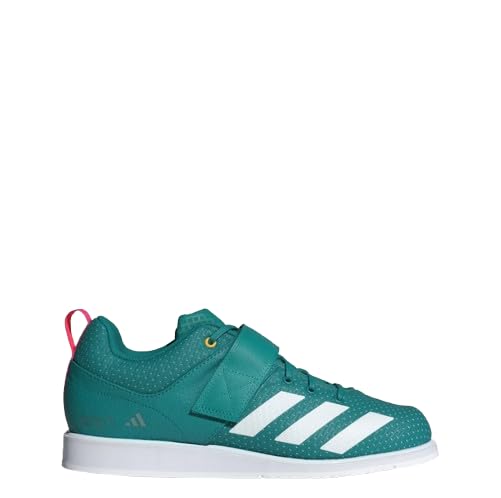
1. Adidas Unisex-Adult Powerlift 5 Weightlifting Shoes
Our pick — over 4.5★ from 350+ verified ratings; the strongest balance of quality and price.
The crowd-favorite dedicated lifter that makes squatting feel like you have new ankles.
This is the shoe that the biggest consensus of owners agree on — it delivers a stable, mild heel rise that helps you shift your weight into your heels, and the velcro strap locks the midfoot so nothing slides around. It weighs 1 pound, so you feel connected to the floor without a boat on your foot. The comfort and support are what people praise most, and the feedback on fit is overwhelming: the shoe runs true to size, though wider feet may find the midfoot snug. “Definitely helps me focus more on quad isolation while squatting, size fit perfectly, very comfortable,” buyers report.
The trade-off is clear: this is a dedicated lifting shoe, not a gym do-everything sneaker. It is not comfortable for walking or jogging, and the sole is firm by design — you feel every plate on the floor. But for heavy leg days and anyone serious about improving squat depth, this shoe earned the top spot. The crowd favorite across hundreds of owners.
The Powerlift 5 also beats hybrid options on stability because it does not try to be flexible — it is built purely for vertical force. If you have tight ankles or struggle with depth, the small heel lift lets you sink your hips lower without your chest dropping forward.
Powerlift stability heel: Fit is the most-discussed aspect — the sizing is consistent, and the support under the bar is immediate. Owners also rave about the comfort for a non-cushioned shoe and say the value for money is strong.
Narrow toe box: This is not a CrossFit or cardio shoe. The sole is rigid, and walking any real distance feels clunky. Buy it for the squat rack, not the treadmill.
Best for lifting you want a no-compromise squat shoe at a mid-range price that fits well and provides immediate stability under the bar.
Not for walking you need one shoe for lifting, running, and jumping — the Powerlift 5 is purpose-built for the weight room only.
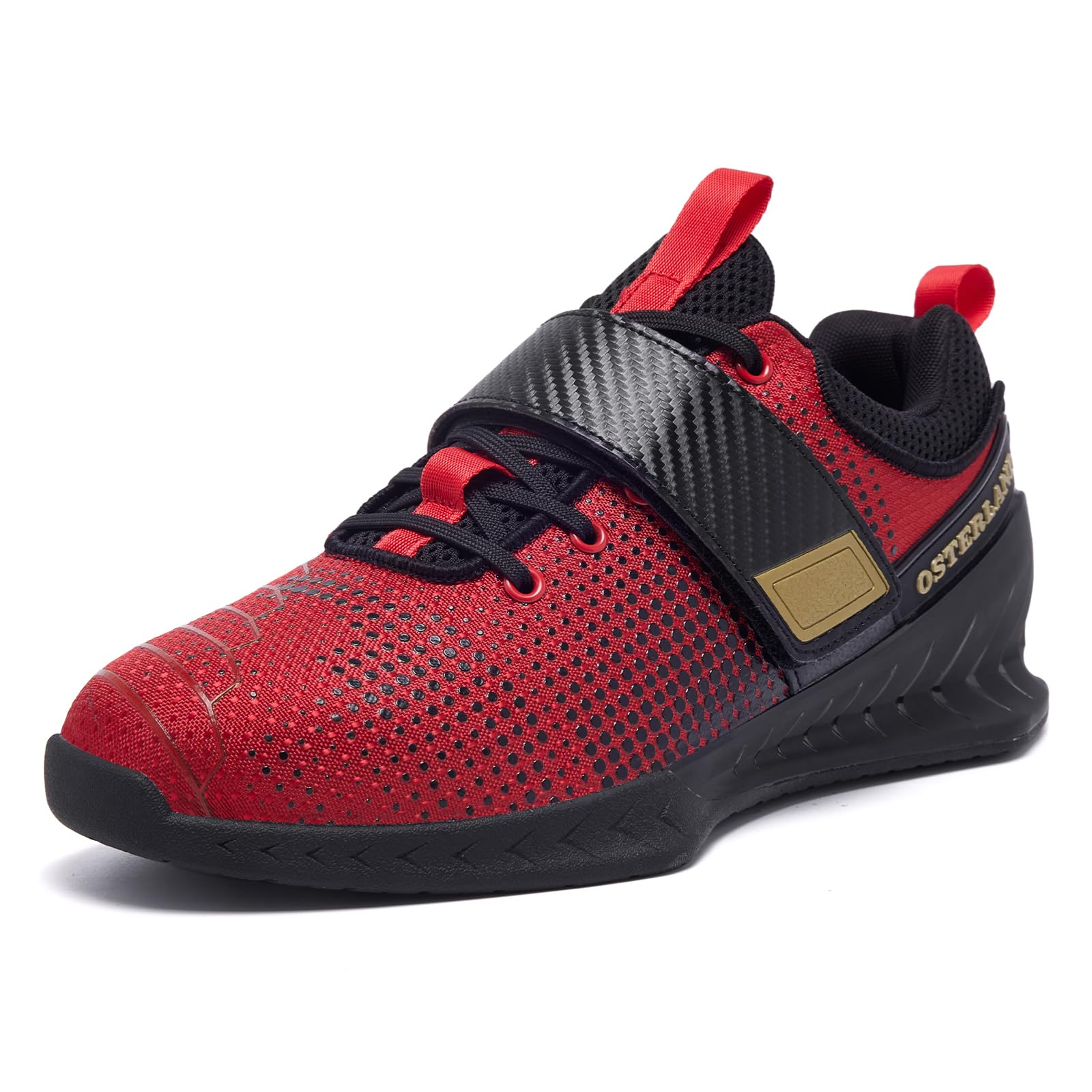
2. Osterland Weightlifting Shoes: High-Performance Footwear for Gym Powerlifting
A surprisingly capable lifter that undercuts premium rivals on price without sacrificing stability.
Here is where you do not have to spend a lot to get a real raised heel and a non-compressible sole. The Osterland shoe uses a solid rubber outsole — not the soft foam of running shoes — so you get the same force transfer as pricier models for a fraction of the cost. The quality is the aspect people praise most, and the lifting performance and stability tie closely behind. For beginner and intermediate lifters, the moderate heel activates the quads effectively and reduces lower back strain on deep squats.
The honest downsides are minor but real. After about three months of once-a-week use, the pull tab on the tongue can rip — a small piece of hardware on an otherwise well-constructed shoe. A few owners with wide feet found the fit runs a little large, so sizing down might be the move for a snug lockdown. But for anyone wondering if they even like lifting shoes before committing to a premium pair, this is the entry point that does not feel cheap.
Budget-friendly option: Quality construction at this price point surprises most owners. The shoe feels well-built, comfortable, and provides a proper heel lift for squats while staying affordable.
Less durable sole: The pull tab durability is the recurring complaint, and the toe box can feel stiff for some foot shapes during exercises like deadlifts.
Value pick you are a beginner or intermediate lifter who wants a real lifting shoe without spending premium money.
Limited support you need a shoe that will survive daily training for years — the hardware is the weak link here.
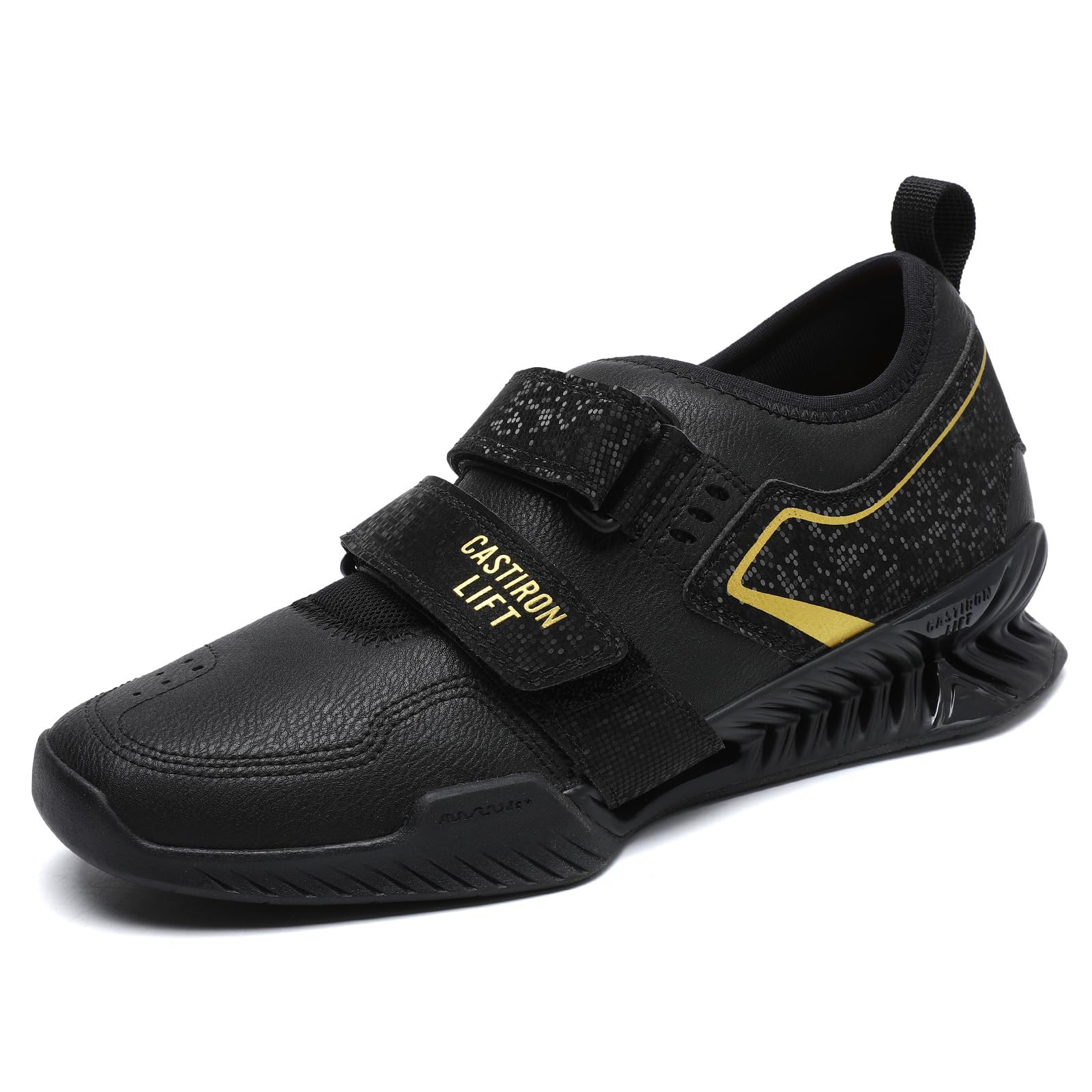
3. Weightlifting Shoes, Powerlifting Shoes Gym Shoes for Crossfit Lifting Footwear, Castiron Lift
A solid, true-to-size lifter that fits wide feet like a glove and holds up over years of use.
If you have a wider foot, this is the shoe that owners with wide 8.5 women’s feet call a perfect fit — “TRUE TO SIZE. I have a wide 8.5 women’s foot. In men’s I’m a 6. These fit like a snug, perfect glove,” owners mention. The quality and fit are the two most praised aspects, and the angled sole provides a stable platform for squats, deadlifts, and overhead pressing. The velcro straps are strong and the improve heel helps you hit deeper squats without mobility work being a prerequisite.
The main caveat is that the heel takes some adjustment — the raised feel is noticeable if you are used to flat sneakers. A few owners also noted the black flap on the strap can curl over time, but that is cosmetic, not functional.
Versatile gym shoe: The fit is the second most-discussed aspect, and for good reason — it accommodates wide feet better than most lifting shoes in this price range. The quality and arch support also earn frequent praise.
Sizing runs small: The heel lift feels pronounced for new lifters, so there is a short adjustment period. Some owners also mentioned the aesthetics are polarizing — the color combinations can look mismatched.
All-rounder you have wide feet or want a durable shoe for Olympic lifting and heavy squats at a mid-range price.
Not heavy-duty you want a sleek, minimalist look or a shoe that doubles as a casual sneaker.
4. CORE Weightlifting Shoes (Squat Shoes, Strap + Lace)

A proper squat shoe — raised heel, non-slip flat outsole, and a midfoot strap — with over a thousand ratings behind it.
This is the entry point into real lifting footwear. CORE lists it as a unisex-adult squat shoe built for powerlifting, deadlifting, Olympic lifting, and crosstraining, and it carries the three features that separate a lifting shoe from a gym sneaker: a 0.67-inch elevated heel that lets you sit deeper into a squat with an upright torso, a non-slip flat outsole that does not compress under load, and a hook-and-loop strap layered over the laces to lock the midfoot down.
The heel rise sits at the modest end of the scale — 0.67 inches against the roughly 0.6 to 0.75 inches you see across the rest of CORE’s line — so it suits lifters who want stability without the aggressive angle of a dedicated Olympic shoe. It holds a 4.2-star average across 1,086 ratings and ranks #357 in Amazon’s Women’s Cross Training Shoes, which is a deep record for a shoe at this price. The 4.2 average is the honest caveat: it is lower than the Adidas Powerlift 5, and sizing feedback is the usual sticking point with budget lifting shoes, so check the chart rather than ordering your street size.
Real lifting geometry: Raised incompressible heel, flat non-slip sole, and a midfoot strap — the full specification, not a sneaker with a firm midsole.
Budget build: A 4.2 average across 1,086 ratings is solid but not class-leading, and the finish is not premium.
Squat focus you want genuine lifting-shoe geometry — heel lift, rigid sole, strap — without paying premium prices.
Mixed training your sessions include running, rope climbs, or box jumps. A rigid raised-heel shoe fights you there.
5. Otomix Women’s Stingray Escape Bodybuilding Weightlifting MMA & Wrestling Shoes

A featherlight flat sole built for deadlifting, bodybuilding, and wrestling — zero heel, maximum floor feel.
This is the opposite of a raised-heel squat shoe. The Otomix Stingray Escape uses an ultra-light construction with a flat sole that is sewn (not glued) onto the upper — a detail the manufacturer emphasizes as a quality marker. If you pull conventional deadlifts or prefer a completely flat platform for bodybuilding, this gives you the closest thing to being barefoot with a thin protective layer. The quality is what owners praise most, and the comfort and lightweight design come next. One owner noted that after working 9-plus-hour days on their feet as a retail manager, their back pain mostly disappeared after switching to these — the flat sole aligns the body differently than cushioned sneakers.
The fit is the most-mentioned aspect overall, but it is rated as mixed by Amazon — some owners find them true to size, while others say they run small or wide. Several owners with narrow feet wished for a women’s-specific narrower design. The durability is also mixed, with some reporting stitching coming apart over time. This is a niche shoe for a specific use case.
Flexible bodybuilding: The quality of construction and the comfortable, lightweight feel earn consistent praise. Owners who wear them for long hours on their feet report real relief compared to cushioned shoes.
Thin outsole: Fit is unpredictable — some sizes run large, some run wide. If you have narrow feet, this may not be the right shape. Durability reports are also mixed.
Pose-friendly you want a flat sole for deadlifting, bodybuilding, or martial arts, and you prioritize floor feel and a lightweight build.
Low arch support you need a raised heel for squatting, or if you have narrow feet and cannot try the fit on first.
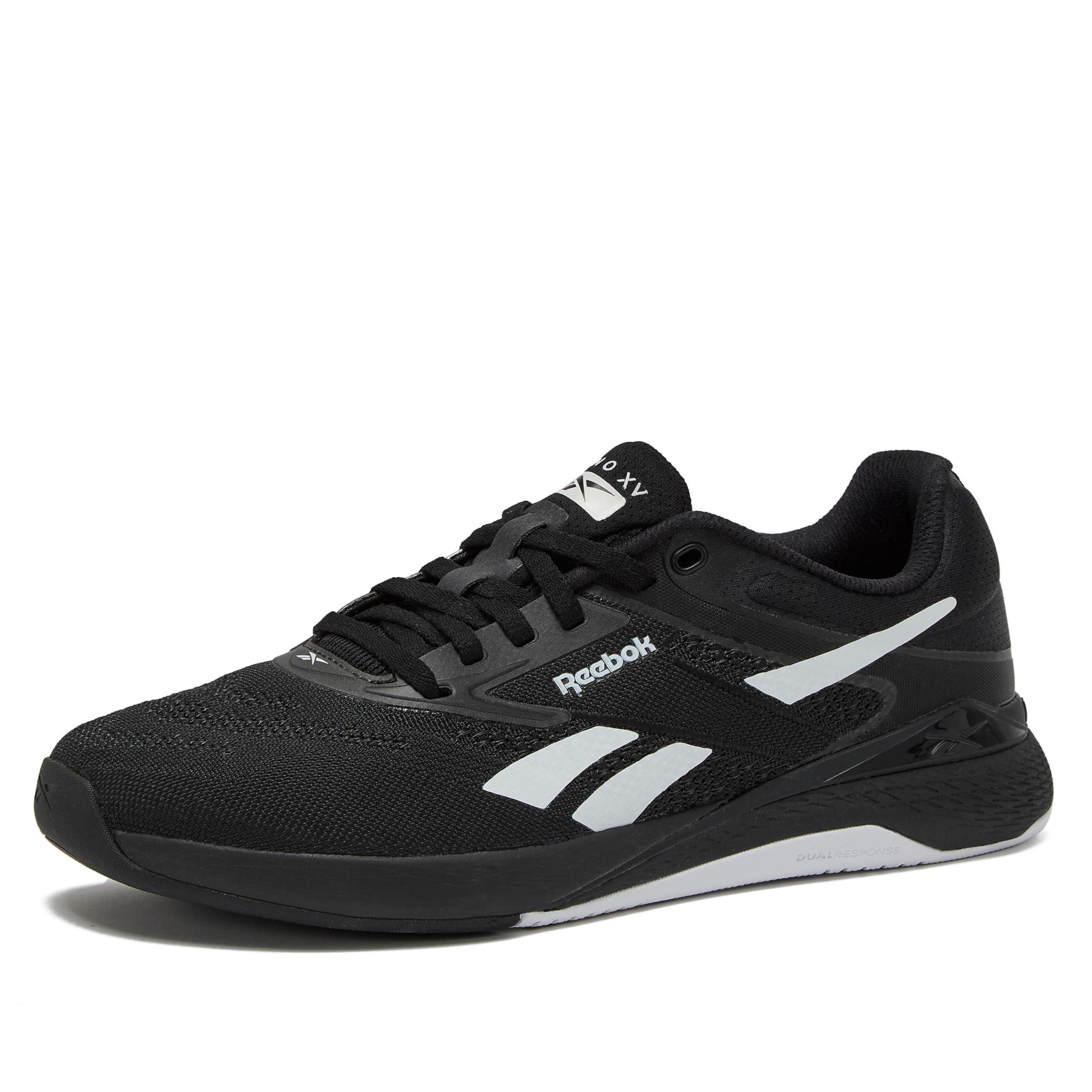
6. Reebok Nano X5 Sneakers for Women, Cross Training Gym Walking Shoes Women
A sturdy gym shoe that keeps you grounded for lifts and flexible enough for treadmill transitions.
The Nano line is legendary in CrossFit circles, and the X5 continues that reputation with a sturdy base that handles heavy lifting while offering enough flex for box jumps and stairs. Gym functionality is the most-praised aspect, with owners saying the shoe provides a solid, grounded feel without the stiffness of a pure lifter. The comfort and durability tie for second in owner feedback. One owner with a narrow size 12 — a notoriously hard fit to find — said they fit perfectly and serve as both gym and everyday shoes.
The mixed feedback comes on fit and arch support. Some owners find the shoe runs wide, which is great for wider feet but leaves narrow feet feeling loose. The arch support is placed in a way that some find uncomfortable, with a few owners describing it as positioned too far back. This is a solid hybrid that leans more toward lifting than running, but it is not a pure specialist.
Responsive cushioning: The gym functionality is the clear highlight — owners appreciate the stable, grounded feel for lifting combined with enough flexibility for dynamic movements.
Narrow fit: Fit and arch support are polarizing. If you have narrow feet or sensitive arches, you may find the shoe does not lock you in as well as you need.
HIIT ready you do CrossFit-style training and need one shoe for lifting and dynamic movement, and you have normal to wide feet.
Not for lifting you have narrow, high-arched feet — the fit runs wide and the arch support may not match your foot shape.
7. Reebok Women’s Nano 2.0
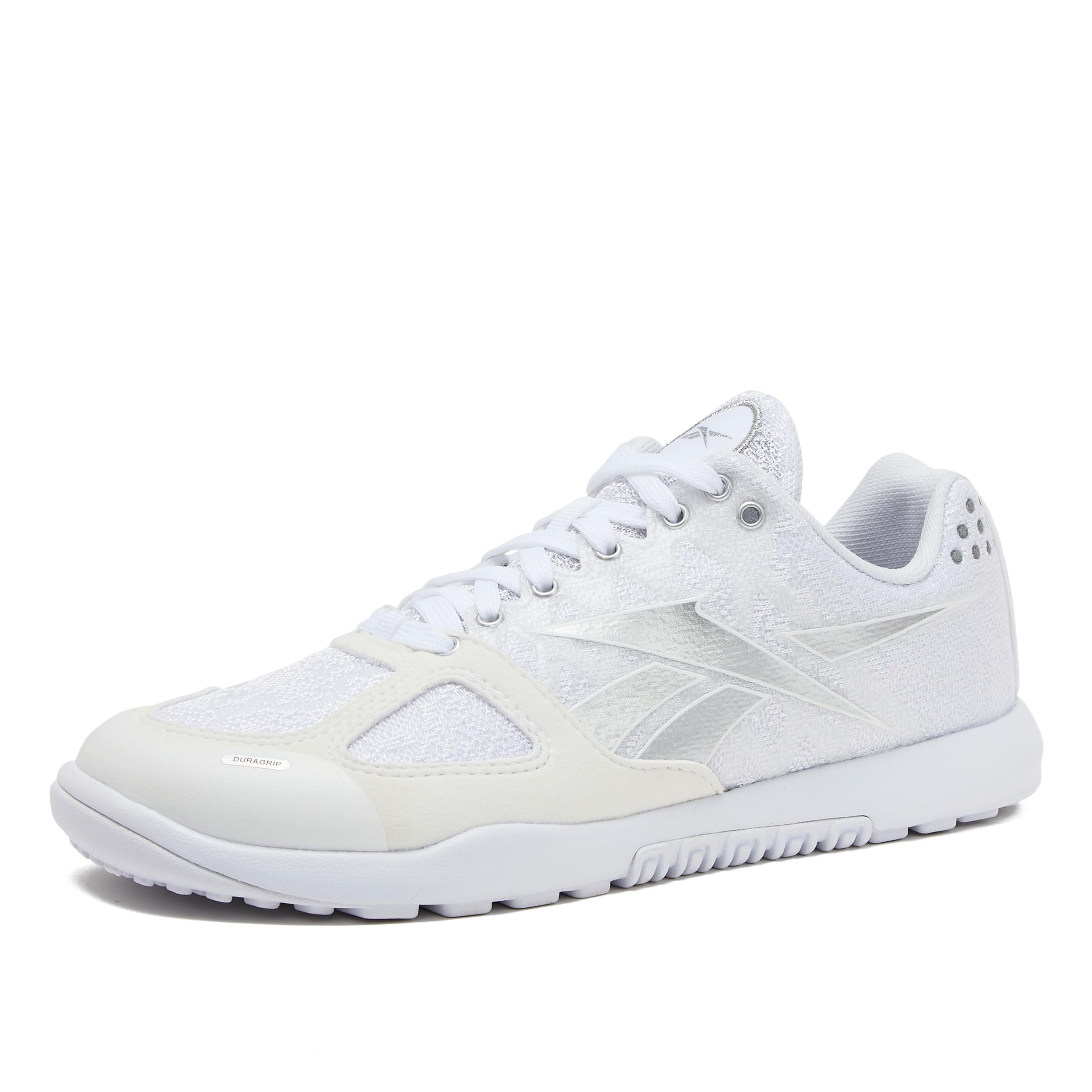
A fan-favorite CrossFit shoe with a roomy toe box that feels like a hug for your forefoot.
The Nano 2.0 has a dedicated following for a reason — it offers stability for lifting but stays flexible enough for WODs (workout-of-the-day routines) that involve burpees, box jumps, and rope climbs. The large toe box is the standout feature, giving your toes room to splay naturally without feeling cramped. Owners call it a perfect weightlifting shoe and say it is their favorite CrossFit sneaker of all time. The comfort is excellent, and the sizing is accurate if you stick with your regular size — several owners warn against sizing up, as the shoe runs large.
The major caveat is that there is basically zero arch support. If you need arch support, this is not the shoe for you. The fit is also mixed — while many find the toe box roomy, some owners say the shoes run small and tight. And white colorways are notoriously hard to keep clean in a gym environment. This is a specialized tool for CrossFitters who want stability with flexibility, not a walking shoe.
Retro style grip: The combination of stability for lifting and flexibility for dynamic movements is what earns this shoe its loyal fanbase. The large toe box is a consistent praise point.
Stiff upper: No arch support at all — if your feet need that structure, look elsewhere. The white color also shows every chalk and dirt mark from the gym floor.
Classic design you do CrossFit or HIIT and want a shoe that lifts well and moves well, and you prefer a roomy toe box.
Break-in needed you need arch support or want a shoe you can wear casually without it looking like a gym shoe.
8. Adidas Unisex-Adult Dropset 3 Trainer

A training shoe with a 6mm drop that gives you a flat, stable platform for perfect alignment.
The unisex Dropset 3 is the sibling of the women’s version above, sharing the same dual-density midsole and grippy Traxion outsole, but with a 6mm midsole drop that helps you find proper alignment in all your lifts. Quality and comfort are the two most praised aspects — owners call it an amazing cross training shoe that provides excellent support for squats and deadlifts. The flat sole offers stability that dedicated lifters need, with balanced cushioning that keeps you grounded but not uncomfortable. The upper is breathable and made with at least 50% recycled materials.
Fit, however, is the most-mentioned aspect overall, and it is rated as mixed. Some owners say the shoe runs small and needs a half-size up, while others with wide feet found the shoe too narrow even though it is marketed as a wide fit. “I bought them with the understanding that they are for wide feet. They aren’t,” one owner reported. The heel stiffness issue appears here too, though less frequently than on the women’s version. A few owners also noted that the back of the shoe turned yellow after a single gym session.
Unisex comfort: Quality and comfort are the clear strengths. Owners who find the right fit say it is a fantastic shoe for strength training with a flat, stable platform.
Heel slip risk: Fit inconsistency is the biggest issue — the shoe runs small for some and narrow for others. The heel stiffness can also cause rubbing for certain foot shapes.
Neutral trainer you want a training shoe with a specific 6mm drop for proper alignment during squats and deadlifts, and you have normal-width feet.
Not for heavy lifts you have wide feet — the unisex version may not accommodate them despite the marketing — or if you need a shoe for running and cardio.
Understanding the Specs
Heel Height (Drop)
Lifting shoes either have a raised heel or sit flat. A raised heel — usually between 12mm and 24mm — helps you hit squat depth by compensating for tight ankles. It shifts your weight back onto your heels and keeps your torso upright. A flat sole (zero drop) is preferred for deadlifting, since any heel lift moves the bar path forward of midfoot. Most shoes in this list fall between a mild lift and a moderate one; the Adidas Dropset 3 spec sheet states a 6mm drop, which is a gentle lift that still feels flat compared to running shoes.
Sole Rigidity
The outsole material determines how much of your force reaches the floor. A non-compressible sole — made of hard rubber, wood, or TPU — does not squish under load, so your energy goes into moving the barbell, not deforming the foam. Running shoes are designed to compress for shock absorption, which is the exact opposite of what you want under a squat. A lifting shoe’s sole should be stiff enough that you feel like you are standing on a wooden block, not a marshmallow.
FAQ
Can I use running shoes for weightlifting instead?
Do I need a raised heel for deadlifting?
What is the difference between a cross-trainer and a weightlifting shoe?
How should weightlifting shoes fit?
Can I walk around in weightlifting shoes all day?
How long do weightlifting shoes last?
Are weightlifting shoes worth the money if I am a beginner?
Should I size up or down for weightlifting shoes?
Can I use weightlifting shoes for CrossFit?
What does a flat sole do for deadlifting?
Final Thoughts: The Verdict
For most buyers, the women lifting shoes winner is the Adidas Powerlift 5 because it combines the most consistent fit, a supportive raised heel, and proven durability at a reasonable price. If you want a budget-friendly entry that still delivers real stability for squats, grab the Osterland Weightlifting Shoes. And if you need one shoe for lifting and CrossFit-style training, the Reebok Nano X5 bridges that gap better than anything else here.
How We Picked
We do not accept paid placement. Every pick is matched to a real buyer and a real use-case; we do not hands-on test units.
Sources & Methodology
Specifications: manufacturer listings and product documentation. Review insights: verified customer reviews, as of July 2026. Pricing: not shown on this page (it changes often); check the current price via the retailer link.
As an Amazon Associate, Calories Fit earns from qualifying purchases. This does not affect which products we feature.