
Our readers keep the lights on and the coffee maker working hard! As an Amazon Associate, I earn from qualifying purchases.
Specs are compiled from manufacturer listings and verified buyer reviews and can change over time — please confirm the key details on the product page before buying.
Winter sidewalks and snowy paths force a tough choice — pick a warm boot that slips on ice, or a grippy shoe that lets cold air straight in. The right pair of winter walking shoes solves both at once, turning slushy commutes and frosty morning walks into something you barely notice. This guide cuts through the insulation ratings and waterproof claims to find the pairs that actually handle real winter conditions without leaving you with numb toes or a bruised ego on the ice.
I’m Mohammad — the founder and writer behind Calories Fit. This guide is built by comparing the manufacturers’ published specifications and the patterns across verified customer reviews, so you get each pick’s real strengths and trade-offs instead of marketing spin.
You want winter shoes that keep your feet warm and steady on icy sidewalks, whether you are trudging through deep snow or heading to the office. These winter walking shoes give you dependable traction and lasting warmth, as runners, hikers, and daily commuters have found.
Our Picks at a Glance
How To Choose The Best Winter Walking Shoes
Picking winter footwear is different from buying any other shoe. You are balancing three things that usually fight each other: warmth, waterproofing, and grip. A thick insulated boot might keep toes toasty but feels like wearing cinder blocks on a long walk. A lightweight shoe with a great tread might lack the lining to handle freezing temperatures. Knowing which spec matters most for your specific winter (wet city slush, dry icy trails, or deep snow) is the shortcut to getting it right the first time.
Insulation and Warmth
Check the insulation rating, measured in grams — 200g is the balance for most cold-weather walking. It handles temperatures well below freezing without making your feet sweat indoors. Some shoes skip a gram rating and use a synthetic lining like faux fur or Thinsulate instead; those work best for milder winter days around freezing, especially when you stay active.
Waterproofing vs. Water Resistance
If you step in slush or puddles daily, a sealed waterproof bootie (like the XPETI or New Balance use) keeps feet completely dry. Water-resistant coatings handle light rain and snow but will soak through if you stand in a deep puddle. The trade-off is breathability — fully waterproof shoes can trap sweat on warmer days.
Traction on Ice and Snow
The outsole pattern and rubber compound matter more than most people realize. Deep, self-cleaning lugs shed snow so you don’t walk on packed ice balls underfoot. Winterized rubber compounds stay flexible in cold temperatures, so the grip doesn’t turn rock-hard and lose traction. A few models also include molded heel kicks for scraping snow off before you step indoors.
Quick Comparison
| Model | Best For | Insulation | Waterproofing | Weight | Amazon |
|---|---|---|---|---|---|
| Skechers Modern Hour★ Best Overall | Everyday commuters | Faux fur lining | Water resistant | Lightweight | Amazon |
| New Balance BM1000v1Premium Winter Walker | Wide-foot winter walker | NB HEAT | Waterproof membrane | 1.1 lb | Amazon |
| KEEN Greta 2 ChelseaInsulated All-Weather | Insulated all-weather | 200g insulation | Waterproof leather | Lightweight | Amazon |
| XPETI Thermator Mid | Budget hiking/trails | 200g Freeze Guard (uninsulated variant) | Waterproof membrane | Lightweight | Amazon |
| SOREL Emelie III | Fashion meets function | Standard lining | Waterproof construction | Lightweight | Amazon |
| adidas Terrex Anylander | Warm active hiker | CLIMAWARM+ | Water resistant | 2.43 lb | Amazon |
| Easy Spirit Epic Bootie | Comfort-first walker | Fur lining | Water resistant | 1.76 lb | Amazon |
| Propet Blizzard Mid | Extra-wide & snow | Thinsulate + Vaporex | Sealed waterproof bootie | 4 lb | Amazon |
| Oboz Bridger 8″ | Extreme cold hiker | 200g Freeze Guard | B-DRY waterproof membrane | 24.6 oz / 697 g | Amazon |
In‑Depth Reviews
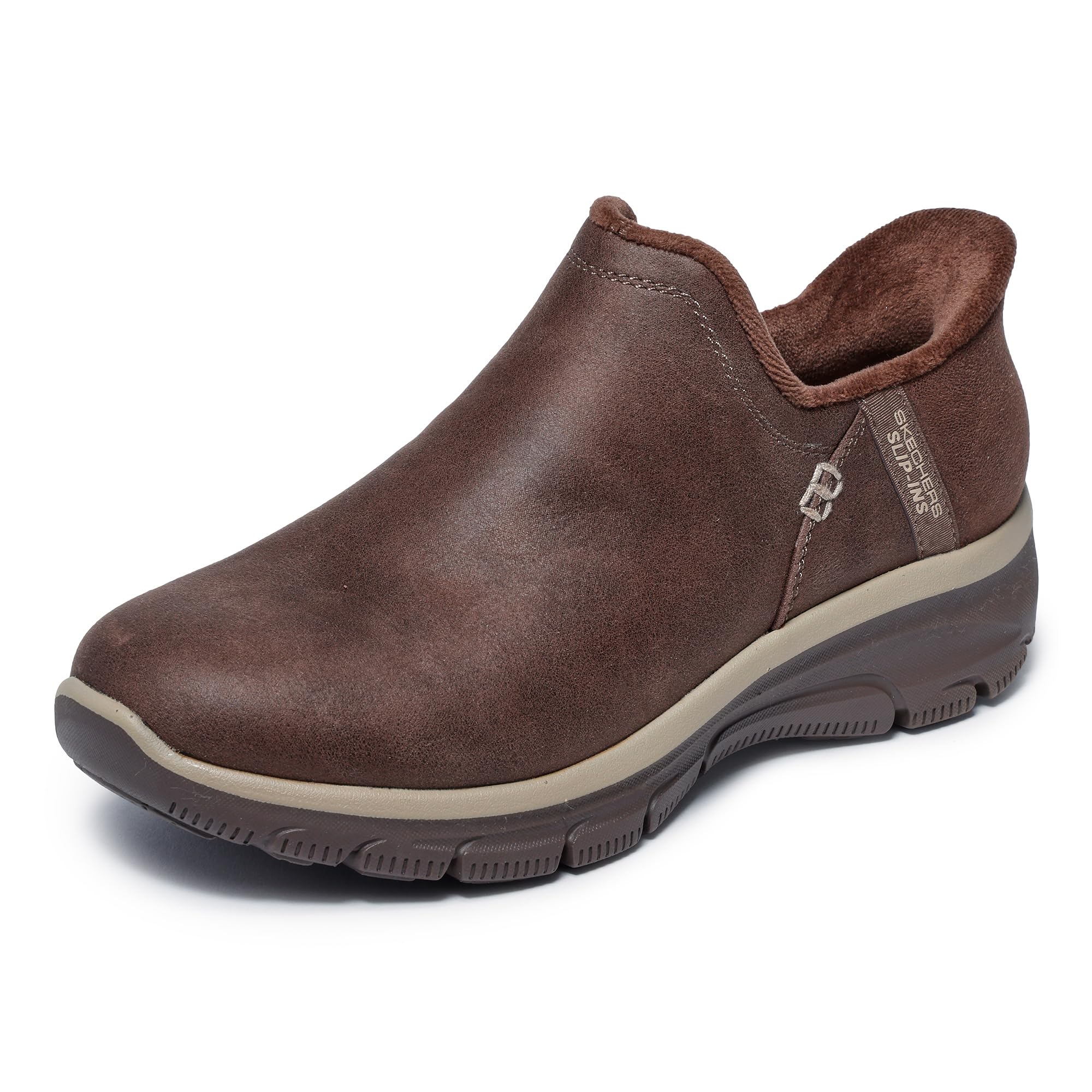
1. Skechers Women’s Easy Going – Modern Hour – Hands Free Slip-ins Ankle Boot
Our pick — over 4.5★ from 500+ verified ratings; the strongest balance of quality and price.
Hands-free slip-ins that kept feet warm through a 10-day winter trip across Europe.
The plush faux fur lining wraps your foot in immediate warmth, and the water-resistant microleather upper shrugs off light rain and snow. A flexible traction outsole keeps each step steady, while the Memory Foam insole cradles the arch — the thing everyone raves about is how comfortable they feel from the very first wear. Buyers report wearing them nearly every day on a winter vacation with snow and rain, calling them “so comfortable” for all-day walking.
The Relaxed Fit design (a roomier toe box) gives extra space if you like thicker socks, though a few owners note the heel can feel slightly wide for narrow feet. The outsole is genuinely versatile — one owner mentioned the good traction working well for daily travel, while the boot also performed fine in warm weather, making this a rare single-shoe winter solution that transitions into milder days. If you prioritize snug heel lock over convenience, you may want a laced option instead.
What wins people over
- Plush faux fur lining provides immediate warmth
- Easy hands-free slip-in design for quick on/off
- Roomy toe box fits thicker winter socks
Consider this if
- Some find the heel a bit wide for narrow feet
- Water resistant, not fully waterproof for deep puddles
Reach for this if: you want a warm, truly comfortable winter commuter that you can slip into without bending down and wear all day on wet pavement.
Look elsewhere if: you need a fully waterproof boot for standing in deep slush or prefer a lace-up for a locked-down heel fit.
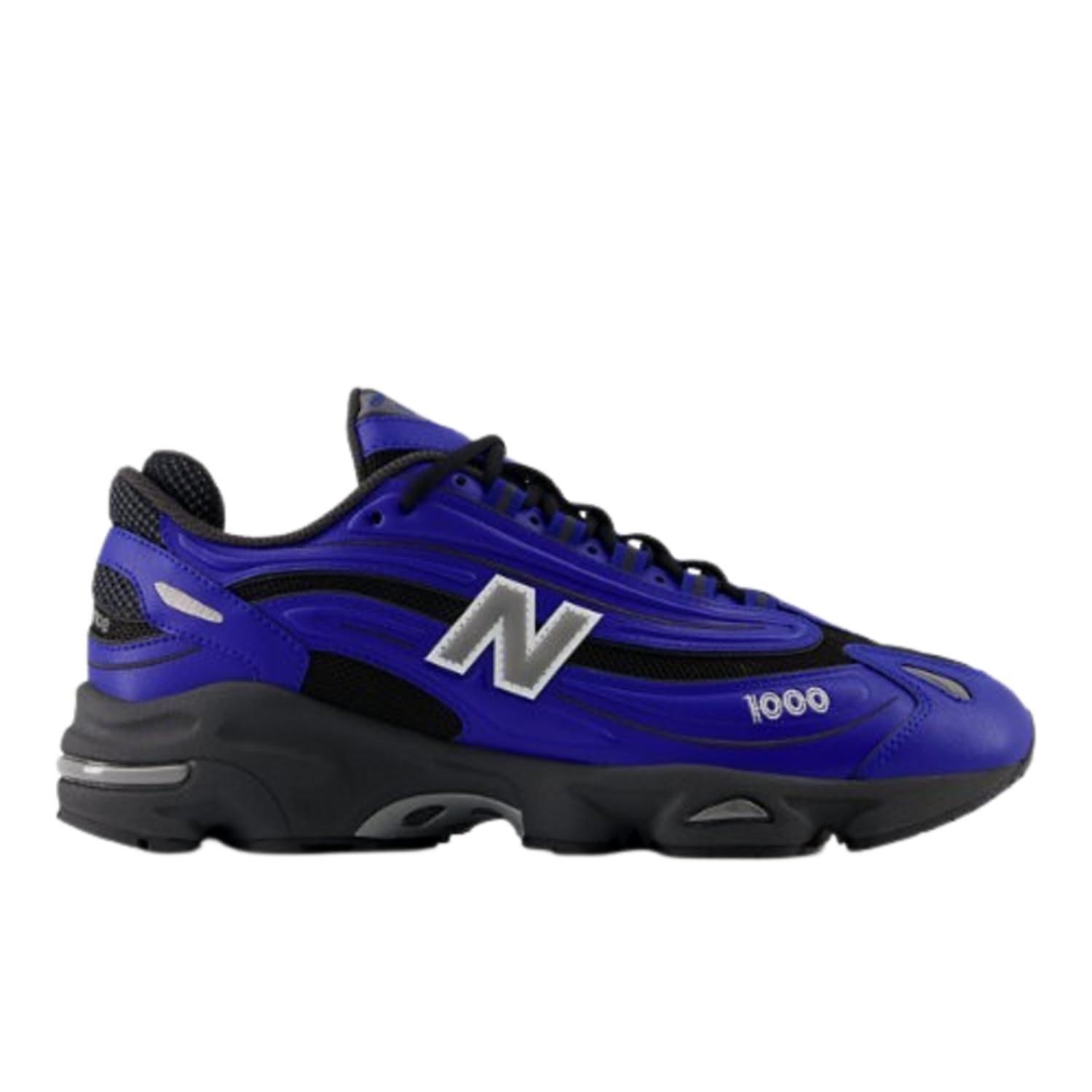
2. New Balance Men’s bm1000v1 Fresh Foam Walking Shoe
A lightweight winter shoe that feels like a sneaker but seals out wet snow completely.
New Balance combines a fully waterproof membrane with NB HEAT insulation and Fresh Foam cushioning — so you get dry feet, warm toes, and a smooth ride that feels nothing like a heavy winter boot. At just over a pound (1.1 lb), it is dramatically lighter than the Propet Blizzard Mid (4 lb), making it ideal for longer pavement walks or commutes where you don’t want tired legs. Owners call it “extremely comfortable” and praise the warmth that holds down to below freezing, with one noting perfect performance even at 0°F.
The fit runs slightly narrow, so going up to a 2E width is a common recommendation from owners. The easy-off tab at the heel is a small but smart touch for kicking them off after a winter walk. While it handles daily paved routes and light trails beautifully, it is not built for rugged backcountry hikes — stick to the Oboz Bridger for that. For the winter walker who values sneaker-like feel with serious weather protection, this is the pick.
The defining strengths
- Very lightweight at 1.1 lb — easier on the legs for long walks
- Waterproof membrane keeps feet dry through slush
- NB HEAT insulation tested warm below 0°F
The trade-off
- Narrow fit; many owners recommend ordering 2E width
- Paved and light trail only, not for rugged backcountry
Best for lighter winter walks: if you prioritize low weight and sneaker comfort with guaranteed waterproofing, this is the top pick. The caveat is the narrow fit — size up for thicker socks or wide feet.
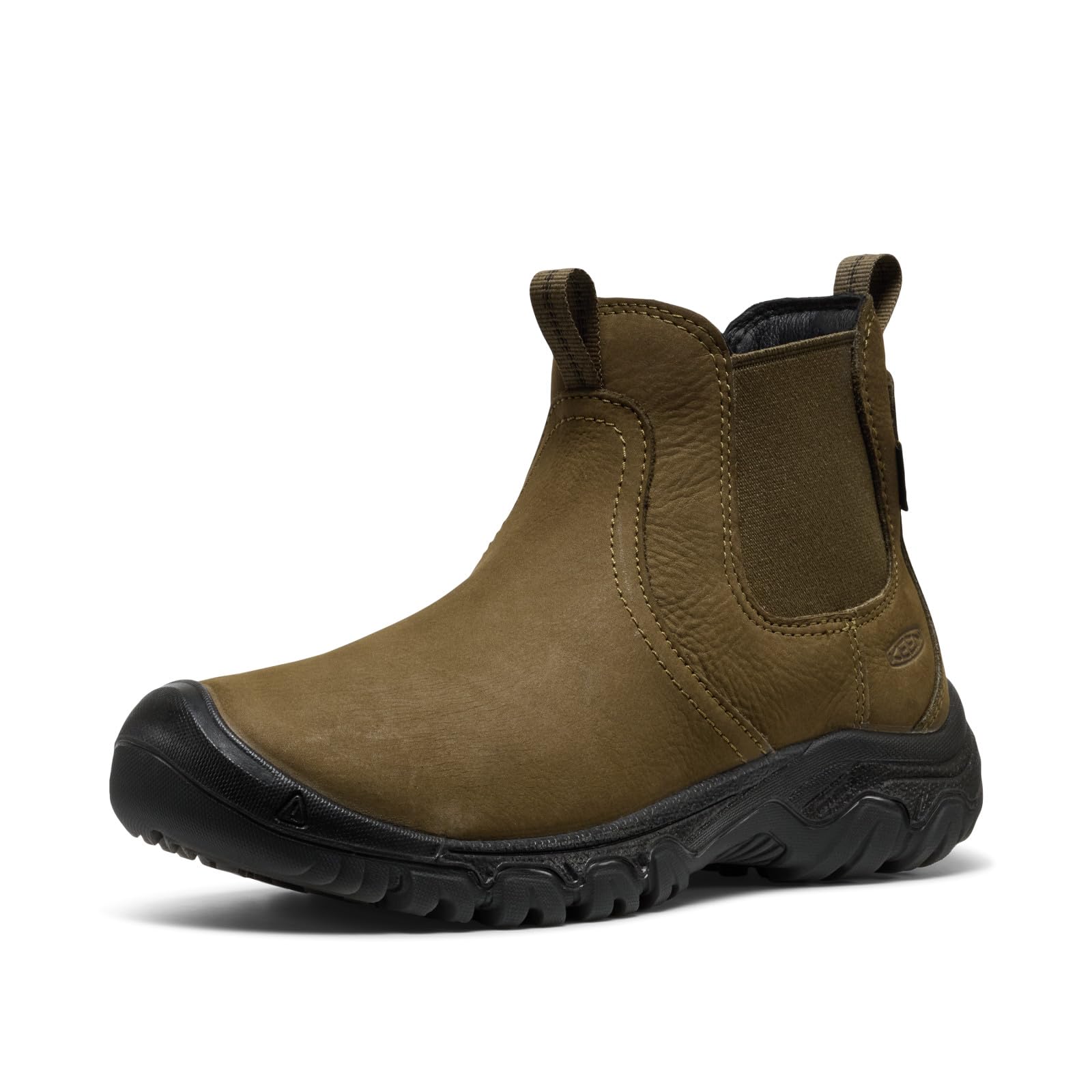
3. KEEN Women’s Greta 2 Chelsea Waterproof Boots
A Chelsea boot with 200g insulation that an art market vendor wears for 12-hour concrete shifts.
The KEEN Greta 2 packs serious winter tech into a sleek pull-on silhouette — 200g of insulation, a waterproof leather upper, and a grippy outsole that handles slick surfaces. The direct-attach construction means no glue separation over time, and the quilted collar adds a stylish touch while keeping snow out. Owners praise the comfort for all-day standing, with one art vendor noting “great and don’t disappoint after a long day of selling” on concrete floors for 12 hours straight.
KEEN’s traditional wider toe box gives toes room to splay, which is rare in a Chelsea boot. The trade-off is a tight throat opening — some owners find it a struggle to pull on despite the easy pull-on design. If you have a high instep or wide midfoot, try a half-size up. For anyone who needs a warm, waterproof boot that looks good with jeans and leggings and supports hours on hard floors, the Greta 2 delivers.
What stands out
- 200g insulation provides genuine winter warmth
- Wide toe box allows toe splay for all-day comfort
- Waterproof leather with glue-free construction for durability
The fit note
- Tight throat opening makes pulling on tricky
- Fit runs wide — not ideal if you have narrow feet
Solid choice for long-standing days: the insulation and wide toe box make this a comfort powerhouse for winter commutes or market vending. Tight on the instep, so try before you buy if possible.
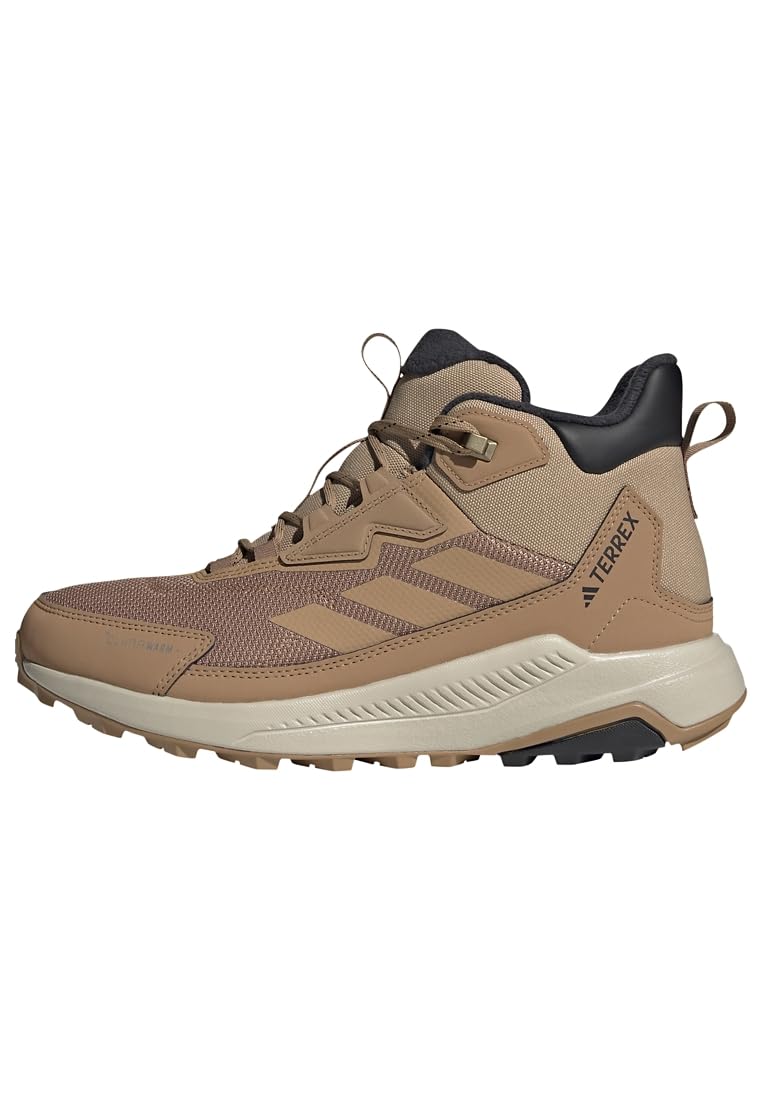
4. adidas Men’s Terrex Anylander CLIMAWARM+ Hiking Shoes
A sneaker-height winter shoe that one owner calls their “go to daily boot” — with and without insulation.
The adidas Terrex Anylander uses CLIMAWARM+ advanced insulation to trap heat without adding bulk, so your feet stay warm in cold conditions while the shoe remains low-profile enough for casual wear. The rubber outsole delivers reliable traction on varied terrain, and the brushed winter lining adds an extra layer of warmth. Multiple owners describe it as very comfortable, warm, and surprisingly waterproof for a shoe that looks more like a sneaker than a traditional winter boot.
The shoe weighs 2.43 lb, which is moderate — lighter than the Propet Blizzard but heavier than the New Balance BM1000v1. It offers a bit of ankle support without being a full-height boot, making it a strong crossover for winter hikes that transition into everyday errands. If you need deep-snow protection or a fully sealed waterproof bootie, look at the XPETI or Oboz instead. For milder winter conditions and active walking, the Terrex Anylander is a warm, nimble choice.
Why owners love it
- CLIMAWARM+ insulation keeps feet warm without bulk
- Low-profile sneaker feel with rubber outsole traction
- Good for active use — hiking, walking, daily wear
What it is not
- Not fully waterproof for deep puddles or slush
- Limited ankle support compared to mid-rise boots
Best for active winter days: grab this if you want a warm sneaker that handles cold hikes and daily errands without feeling like a boot. skip it if you need full waterproofing or high ankle support.
5. SOREL Women’s Emelie III Chelsea Waterproof Boot
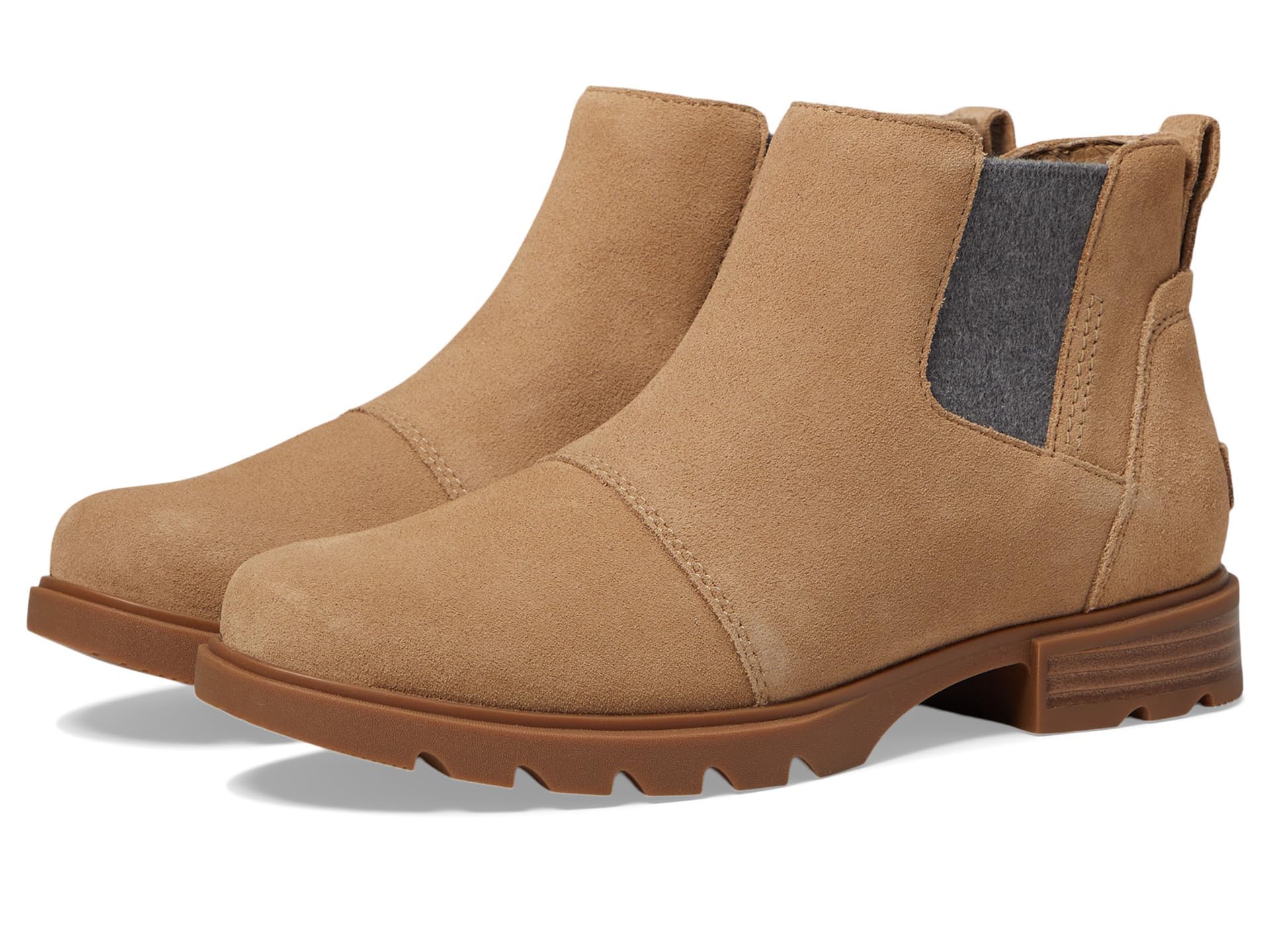
A travel-tested Chelsea that survived Irish rain and wind without letting a drop inside.
The SOREL Emelie III gives you a waterproof build and a classic silhouette that looks right at home in the office or on a wet city street. Its durable-yet-lightweight design includes extra cushioning and support for all-day wear, and buyers confirm it keeps feet dry through serious rain and snow — one reviewer wore them “every other day with the rain & wind” in Ireland and came home with dry, warm feet. The tread handles slippery conditions well, and the taupe color is described as a versatile smoky grey that pairs with everything.
The fit is the main consideration — many owners find the boot slightly narrow, especially across the top and at the bunion area. A size 7 owner noted the leather has not stretched much, so if you have a wider foot, plan to size up or try a wide width. One owner also mentioned they are “not very warm” and recommended heavier socks for true cold. For milder wet winters where style matters as much as function, the Emelie III is a strong candidate.
What makes it popular
- True waterproof construction proven in heavy rain
- Timeless Chelsea silhouette works with office or casual wear
- Lightweight and cushioned for all-day walking
Know before buying
- Runs narrow — consider sizing up for wider feet
- Not heavily insulated; colder days require thicker socks
Grab this for wet-city winters: if waterproofing and style are your priorities, the Emelie III delivers. The narrow fit and moderate insulation mean it suits milder cold, not deep-freeze weather.
6. Oboz Men’s Bridger 8″ Insulated B-DRY Hiking Boot

A 20-year Marine veteran calls this the best boot he has ever bought for flat feet with orthotics.
The Oboz Bridger 8″ is built for extreme conditions — 200g of Freeze Guard insulation, a B-DRY waterproof membrane, and a winterized Granite Peak Outsole with a molded heel kick for scraping snow. The 12mm heel drop provides solid support for heavy packs and long hikes, while the TPU chassis adds stability on uneven terrain. Owners confirm warmth at -9°F with midweight socks and 100% waterproofing even during river crossings, with one calling it “perfect for extreme weather conditions and heavy hiking.”
At 24.6 oz (697 g) per boot, it is lighter than the Propet Blizzard (4 lb total) but heavier than the New Balance BM1000v1. The fit runs slightly narrow and requires a break-in period for some owners — the review pages sum it up: “a very well made boot, but… runs slightly narrow.” With a molded rubber toe cap and gaiter D-ring, this is a serious winter hiking boot for anyone who needs real backcountry performance. For purely paved winter walking, the New Balance or Skechers are more appropriate.
The serious winter credentials
- 200g Freeze Guard insulation handles below-zero temperatures
- 100% waterproof B-DRY membrane survives stream crossings
- Excellent arch support and orthotic-friendly volume
What to watch for
- Slightly narrow fit; some owners need a break-in period
- Not a casual shoe — designed for hiking and snowshoeing
Built for deep cold and rough trails: if you hike in extreme conditions and need reliable insulation, waterproofing, and support, this is the boot. For flat or wide feet, the volume works well with orthotics — just budget time to break them in.
7. Propet Men’s Blizzard Mid Round Toe Snow Casual Boot
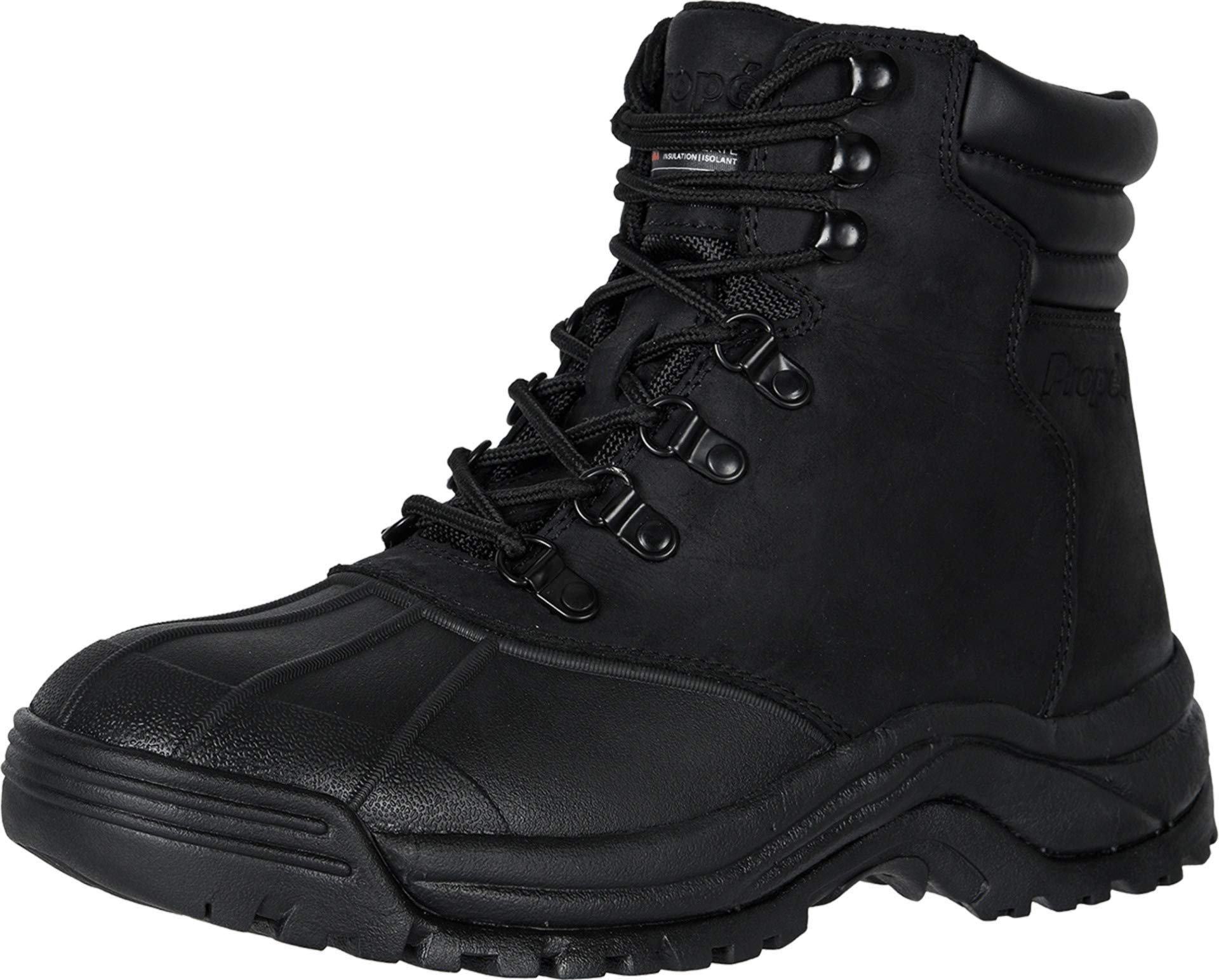
Built for feet that need XXW width — one owner with Morton’s Neuroma fits toe spacers and orthotics inside.
The Propet Blizzard Mid is a rugged snow boot designed for extreme widths and cold weather. It features a scotchgard-treated leather upper with a molded rubber toe cap, Thinsulate lining for warmth, and a Vaporex heat-retaining insole that adds extra insulation and cushioning. A sealed waterproof bootie construction keeps moisture out, and the self-cleaning rubber outsole handles snow and ice. One owner who logged 200-300 miles of winter hiking and snowshoeing reported almost no wear and expects 2-3 more years of use.
The boot accommodates extra-extra-wide feet (up to XXW) with room for custom orthotics and toe spacers, making it a standout for anyone with hard-to-fit feet. It weighs 4 lb, which is heavy compared to the New Balance BM1000v1 (1.1 lb) — that heft is the price you pay for serious insulation and durable construction. Some owners note it feels fragile at first but expands to fit the foot after a few weeks of wear. If you don’t need the extra-wide sizing, the lighter Oboz or XPETI may serve you better.
The major strengths
- Excellent for extra-wide feet (XXW available)
- Thinsulate + Vaporex provide serious cold-weather warmth
- Sealed waterproof bootie keeps feet bone-dry in snow
The honest trade-offs
- Heavy at 4 lb — noticeable on longer walks
- Some owners mention the toe runs narrow initially
Ideal for wide or problem feet: if nothing else fits your width, orthotics, or toe spacers, the Propet Blizzard is a lifesaver. The weight is significant, so it shines in deep snow and shoveling rather than long pavement walks.
8. XPETI Men’s Thermator Mid-Rise Lightweight Hiking Insulated Boots

The crowd-funded feeling of getting serious winter features for what feels like half the typical price.
The XPETI Thermator Mid delivers a waterproof membrane and non-slip outsole at a price point that leaves room for a second pair. Owners consistently rave about the comfort — many say it requires zero break-in and feels great from the start. The boot provides excellent traction on ice and slush, with a mud-shedding sole pattern that self-cleans as you walk. Warmth holds well down to about 28-30°F with decent socks, though the boot is lighter and less insulated than the Oboz or Propet. One owner called them “cheap kickass boots” and noted perfect fit and warmth after waterproofing with silicone spray.
The durability catch is real — after 6 months, one owner reported the rubber soles separated from the upper material around the front foot area. Waterproofing also gets mixed marks: while the membrane works for most, a few owners say water enters at the rubber-skin junction in heavy rain or deep snow. For the price, the comfort and traction are exceptional, but this is not a boot you buy expecting 5 years of heavy use. It is a smart choice for moderate winter hiking or as a backup pair.
What makes it a value standout
- Zero break-in needed — comfortable from day one
- Excellent grip on ice, slush, and mud
- Lightweight for a waterproof mid-rise boot
The honest cost trade-offs
- Long-term durability is mixed; some soles separate after months
- Waterproofing inconsistent at the rubber-to-upper seam
Best for budget-conscious hikers: you get real waterproofing and great traction for a low entry price. pass on it if you need a boot that will survive multiple harsh winters of daily wear.
9. Easy Spirit Women’s Epic Bootie
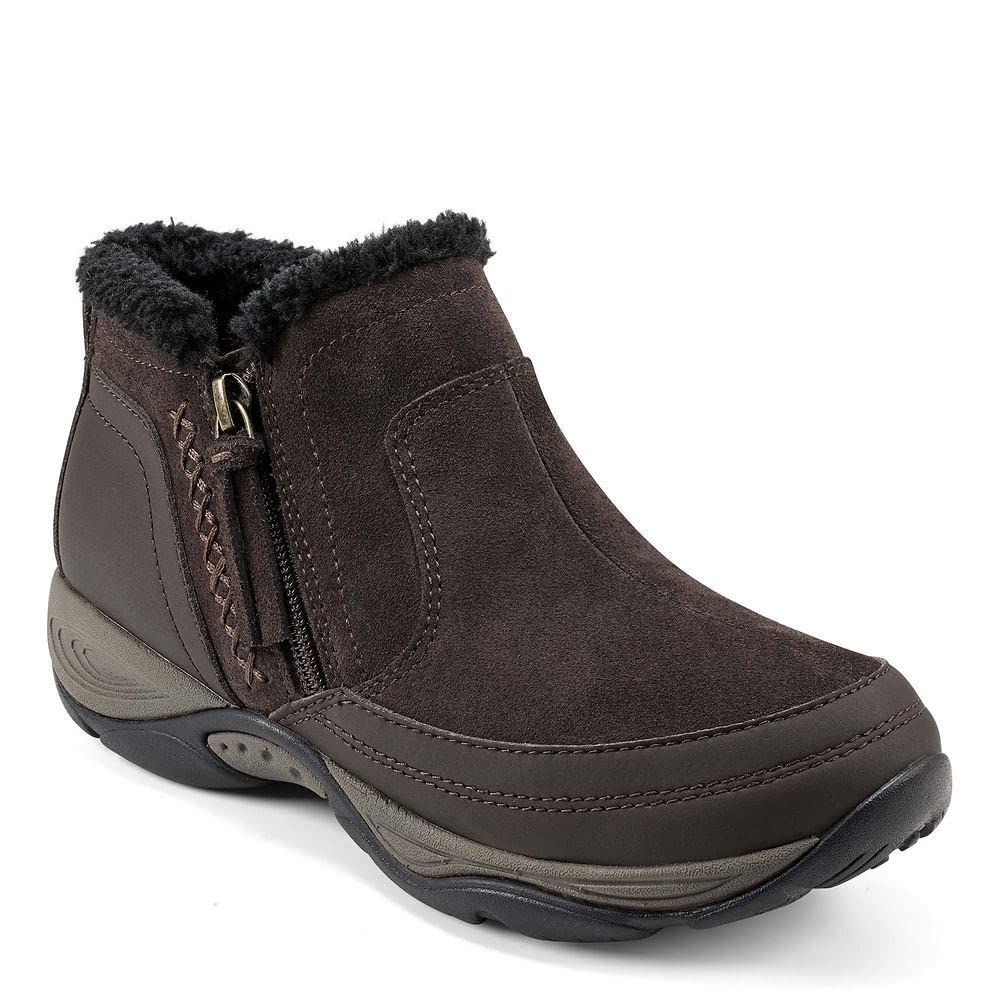
The bootie that one Michigan owner relied on through back-to-back snowy winters — now buying a second pair.
The Easy Spirit Epic Bootie is a hiking-inspired sneaker boot with a water-resistant upper, fur lining for warmth, and a sculpted midsole built for all-terrain comfort. The side zipper and gusset make it easy to get on and off, which 44 owners single out as a top convenience feature. Comfort is the biggest reason people buy — 192 owners highlight it, with one noting they can walk 2 miles easily and another calling it “the best cold weather boots” for Michigan’s relentless winter. The boot weighs 1.76 lb, lighter than the XPETI and much lighter than the Propet, making it a comfortable daily driver.
The fit is the recurring conversation — 157 owners mention it, and the verdict is mixed. Many find the boot true to size, but others say it is too narrow across the ball of the foot. A size 8 wide owner found a great fit with room for heavier socks, but a 8.5 owner noted a loose heel. Traction also gets mixed feedback: while most find the grip good on snow and ice, some report slippery soles on smooth surfaces. If your feet run wide, go up a width. For mild-to-moderate winter walking with a focus on step-in ease, this bootie is a solid pick.
What owners come back for
- Extremely comfortable — 192 owners praise the comfort for walking
- Side zipper makes them easy to pull on and off
- Fur lining keeps toes warm in snowy conditions
The decisions to make
- Fit is mixed: some find it too narrow across the ball
- Traction inconsistent on smooth or icy surfaces
Go for comfort and ease: when you prioritize convenience and a cushioned step, the Epic Bootie delivers — just check the fit, especially if you have a wider foot. Not built for deep snow or extreme cold.
Understanding the Specs
Insulation: Grams vs. Lining
Winter shoes often list insulation as a weight in grams (200g is the standard for genuine cold-weather protection) or simply a lining material like faux fur, Thinsulate, or fleece. A 200g rating means the shoe can handle temperatures well below freezing during active walking. A fur or fleece lining is better for milder winters around freezing where you stay moving. If you tend to run cold or stand still outdoors, go for a specific gram rating rather than a vague lining claim.
Waterproofing: Membrane vs. Coating
A waterproof membrane (like B-DRY or a sealed bootie) is a physical layer that blocks water completely, so you can stand in slush without wet feet. A water-resistant coating repels light rain and snow but will soak through in deep puddles or prolonged rain. For daily winter commutes with puddles, prioritize a membrane. For occasional light snow, a water-resistant coating with a treated upper (like scotchgard or microleather) is sufficient and more breathable.
FAQ
Will winter walking shoes fit the same as my normal shoe size?
Can I wear winter walking shoes indoors without overheating?
What is the difference between waterproof and water-resistant for winter shoes?
How do I clean winter walking shoes after walking in snow and salt?
Are winter walking shoes good for hiking on icy trails?
How long do winter walking shoes typically last?
Can I use winter walking shoes for running errands or office wear?
What is a good temperature range for 200g insulated winter shoes?
How do I know if I need extra wide winter walking shoes?
Are slip-on winter walking shoes as warm as lace-up boots?
Final Thoughts: The Verdict
Across the board, the winter walking shoes winner is the Skechers Modern Hour because it combines genuine comfort, easy slip-on convenience, and warm faux fur lining at a price that beats most competitors. If you want lightweight waterproofing and sneaker-like feel, grab the New Balance BM1000v1. And for deep snow, extreme cold, or serious hiking, the Oboz Bridger 8″ is the one to reach for — its 200g insulation and B-DRY membrane handle conditions that would soak or freeze lesser boots.
How We Picked
We do not accept paid placement. Every pick is matched to a real buyer and a real use-case; we do not hands-on test units.
Sources & Methodology
Specifications: manufacturer listings and product documentation. Review insights: verified customer reviews, as of July 2026. Pricing: not shown on this page (it changes often); check the current price via the retailer link.
As an Amazon Associate, Calories Fit earns from qualifying purchases. This does not affect which products we feature.