
Our readers keep the lights on and the coffee maker working hard! As an Amazon Associate, I earn from qualifying purchases.
Specs are compiled from manufacturer listings and verified buyer reviews and can change over time — please confirm the key details on the product page before buying.
Finding a winter walking boot that keeps your feet warm, dry, and steady on icy sidewalks without feeling like you’re wearing concrete blocks is the real challenge. The best options pair a waterproof membrane with real insulation, and the right fit matters more than any spec on a box. This guide breaks down nine of the strongest women’s winter walking boots by what actually matters on a cold morning walk, not just what looks good in a product photo.
I’m Mohammad — the founder and writer behind Calories Fit. This guide is built by comparing the manufacturers’ published specifications and the patterns across verified customer reviews, so you get each pick’s real strengths and trade-offs instead of marketing spin.
When you pick the right pair of winter walking boots for women, your feet stay warm, dry, and sure-footed through snow and ice — here is how to match the features to your own winter routine.
Our Picks at a Glance


How To Choose The Best Winter Walking Boots for Women
Think of a winter boot as a system with four jobs: keep water out, keep heat in, keep you upright, and fit well enough to walk miles without pain. Ignore one and the others don’t matter — a warm boot that slips on ice is useless, and a waterproof one that blisters is unwearable. Here’s how to weigh each piece.
Insulation: Matching Warmth to Your Activity
Insulation is measured in grams, and the number tells you how much fill is packed in. A 200g boot keeps most walkers comfortable in cold, dry conditions, while a 400g boot handles extreme cold for low-activity outings like standing at a bus stop or snowshoeing. The catch is that too much insulation on a brisk power walk leads to sweaty feet, which actually makes you colder. Match the grams to what you’ll do — more for standing, less for moving.
Waterproofing: The Difference Between Dry and Just Damp
A real waterproof boot uses a sealed membrane — like KEEN.DRY or Columbia’s Omni-Tech — layered inside the upper to block water while letting sweat escape. These are far more reliable than a water-resistant spray on the surface, which wears off and needs frequent reapplication. Seam-sealed construction, where the stitching is taped on the inside, is another signal that the boot is built for slush and puddles, not just light rain.
Traction: Reading the Outsole for Your Terrain
The outsole’s rubber compound and lug pattern — the treads on the bottom — decide how you handle snow versus ice. Multi-directional lugs (treads that point several ways) bite into soft snow and mud, while winter-specific rubber compounds with microscopic shards or deeper siping (thin slits) grip slick ice. If your walk is mostly plowed sidewalks, a standard lug pattern with a winter rubber is plenty.
Quick Comparison
| Model | Best For | Insulation | Waterproofing | Weight | Amazon |
|---|---|---|---|---|---|
| KEEN Revel III★ Best Overall | Icy sidewalk grip | KEEN.WARM + Heat Trapolator | KEEN.DRY membrane | 1 lb | Amazon |
| XPETI Crest ThermoBest Value | Budget winter hiking | Thermo lining | Waterproof | — | Amazon |
| KEEN Revel 4Extreme Cold Pick | Extreme cold hikes | 200g KEEN.WARM (to -25°F) | KEEN.DRY membrane | 20.32 oz | Amazon |
| Columbia Newton Ridge Omni-Heat II | Warm, light daily wear | Omni-Heat II | Waterproof Omni-Tech | — | Amazon |
| Kamik Momentum 3 | All-day warmth outdoors | HEAT-MX™ | Seam-sealed waterproof | — | Amazon |
| Comfy Moda Legend II | Commute & city style | Full wool lining | CanDry waterproof | — | Amazon |
| SOREL Out N About IV Chillz | Urban wet weather | Insulated | Waterproof | 3.38 lb | Amazon |
| SOREL Tivoli V Tall | Deep snow, tall coverage | Insulated | Waterproof | — | Amazon |
| North Face Chilkat V 400 | Glacier-level cold | 400g premium | Waterproof | 1.63 lb | Amazon |
In-Depth Reviews
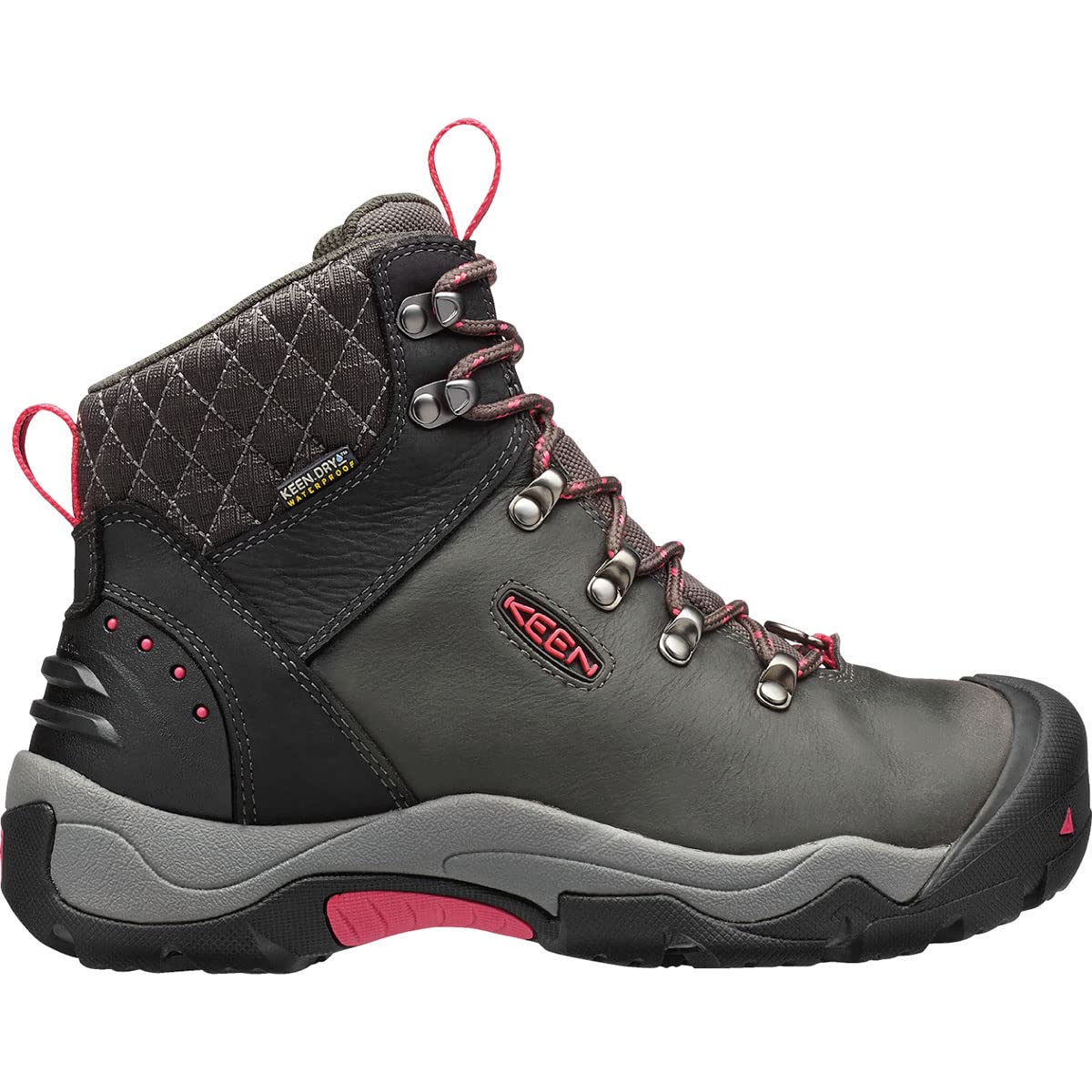
1. KEEN Women’s Revel III Cold Weather Hiking Boot
Our pick — over 4.5★ from 850+ verified ratings; the strongest balance of quality and price.
The icy-sidewalk specialist that combines roomy comfort with real winter grip.
The wide toe box (KEEN’s “Original Fit”) lets toes spread for 2-3 mile walks without discomfort. The boots run wide, so most buyers size down half to a full size.
The dual-compound snow and ice grip outsole holds on slick surfaces, and the nubuck leather upper repels slush. Dual insulation (KEEN.WARM lining plus tri-layer Heat Trapolator underfoot) delivers warmth from both top and bottom. Owners confirm dry, warm feet in wet Wisconsin winters, with waterproofing that survives hosing off. At 1 pound, it feels secure without weighing you down.
The ankle height lets deep snow in over the top, and the wide profile adds visual bulk. A few owners find the toe box short for certain foot shapes, and one reported sole rubber peeling over time. If you need serious snow-drifting coverage, a taller boot like the SOREL Tivoli V handles that better. But for cold-weather walking on ice and packed trails, this is the most complete package.
warm and rugged
- Fit is the standout — 280 owners praise the roomy, comfortable toe box.
- Warmth is second — 98 buyers report toasty feet in deep cold.
- Excellence traction on ice and packed snow, straight from the start.
- Waterproofing holds through slush and even a hosed-off cleaning.
stiff break-in
- Runs wide — most owners size down half a size.
- Ankle height offers no protection for deep snow.
- A few owners find the toe box short for their foot shape.
best for: you walk icy sidewalks and trails and want out-of-box comfort with reliable grip.
not for: you need deep-snow coverage past the ankle or prefer a narrow, sleek profile.
2. XPETI Women’s Crest Thermo Waterproof Winter Snow Boots Insulated
Ice-proof comfort that handles Iceland and a full day of walking without a single blister.
Owners mention these boots are “Light weight, definitely waterproof and comfortable” — and that trifecta at this price point is rare. Owners wore them for 10-16 hours a day on Iceland trips, through rivers, cobblestones, and ice, with no blisters even without a break-in period. The warmth holds up in serious cold, and the traction on ice and wet rock is strong enough for glacier walks.
The one thing everyone agrees on: size up. Owners with a narrow size 8 foot needed a size 9, and a size 10 buyer went to 10.5 for thicker socks. The fit runs narrow and small, so the sizing advice is the same across the board — go up at least half a size, more if you plan on wool socks. Wide feet likely won’t find enough room here, which is the clearest word of caution.
Water resistance gets mixed feedback — the boots repel rain and river water, but owners note they need a reproofing treatment after extended wear, and the ankle height tops out well below the knee, so gaiters are needed for snow. One dramatic review describes shoelaces hooking together mid-walk and causing a fall, so it’s worth cinching the laces carefully. This is a value pick best for warmer winter hiking and travel, not extreme cold or deep snow.
grab these if: budget-minded walkers and travelers who want a light, waterproof, comfortable boot for mild-to-cold days.
skip them if: wide-footed buyers and anyone needing deep-snow or intense-cold coverage.
3. KEEN Women’s Revel 4 Mid Height Polar Insulated Waterproof Snow Boots
The featherweight hiker with 200g of insulation rated for brutal cold down to -25°F.
This is the boot that pairs the agility of a light hiker with the warmth of a down jacket. The 200g of KEEN.WARM recycled P.E.T. insulation is rated to -25°F/-32°C, and it’s backed by a three-layer Heat Trapolator system underfoot that traps heat between your foot and the cold ground. At just over 20 ounces, it’s lighter than you’d expect for that level of warmth, so it moves like a hiker rather than a snow boot.
The KEEN.POLAR TRACTION outsole uses microscopic shards in the rubber to dig into icy terrain, and the 5mm multi-directional lugs (treads) handle packed snow. Owners praise the comfort — it’s the highest-ranked aspect — along with the warmth and winter grip. The waterproof KEEN.DRY membrane and PFAS-free water repellency keep slush out, and the notch in the back allows for Achilles movement so walking feels natural.
Fit is mixed: some owners find plenty of room for thick socks, while others report a snug toe box, a recurring note in the durability feedback (52 owners flag durability as mixed). The 100mm shaft height sits at mid-level, so deep snow can still top it. The 10mm heel-to-toe drop is noticeable if you’re used to flatter hikers. For extreme-cold walking and winter hikes, this may be the warmest mid-weight option here.
insulated and tall
- Comfort is the top praise — 102 owners call them out for it.
- 200g insulation rated to -25°F for genuine extreme-cold coverage.
- WinterLab-tested POLAR TRACTION rubber for ice grip.
- Heat Trapolator underfoot blocks cold from the ground up.
heavy feel
- Toe box feels snug to some owners despite the KEEN wide fit.
- Durability feedback runs mixed in the review data.
- Mid height leaves deep snow a risk.
choose these for: frigid walks and hikes where you need real insulation without bulky weight.
pass if: you want a roomy toe box by default or need tall coverage for snowdrifts.
4. Columbia Women’s Newton Ridge Waterproof Omni-Heat II Insulated Hiking Boots
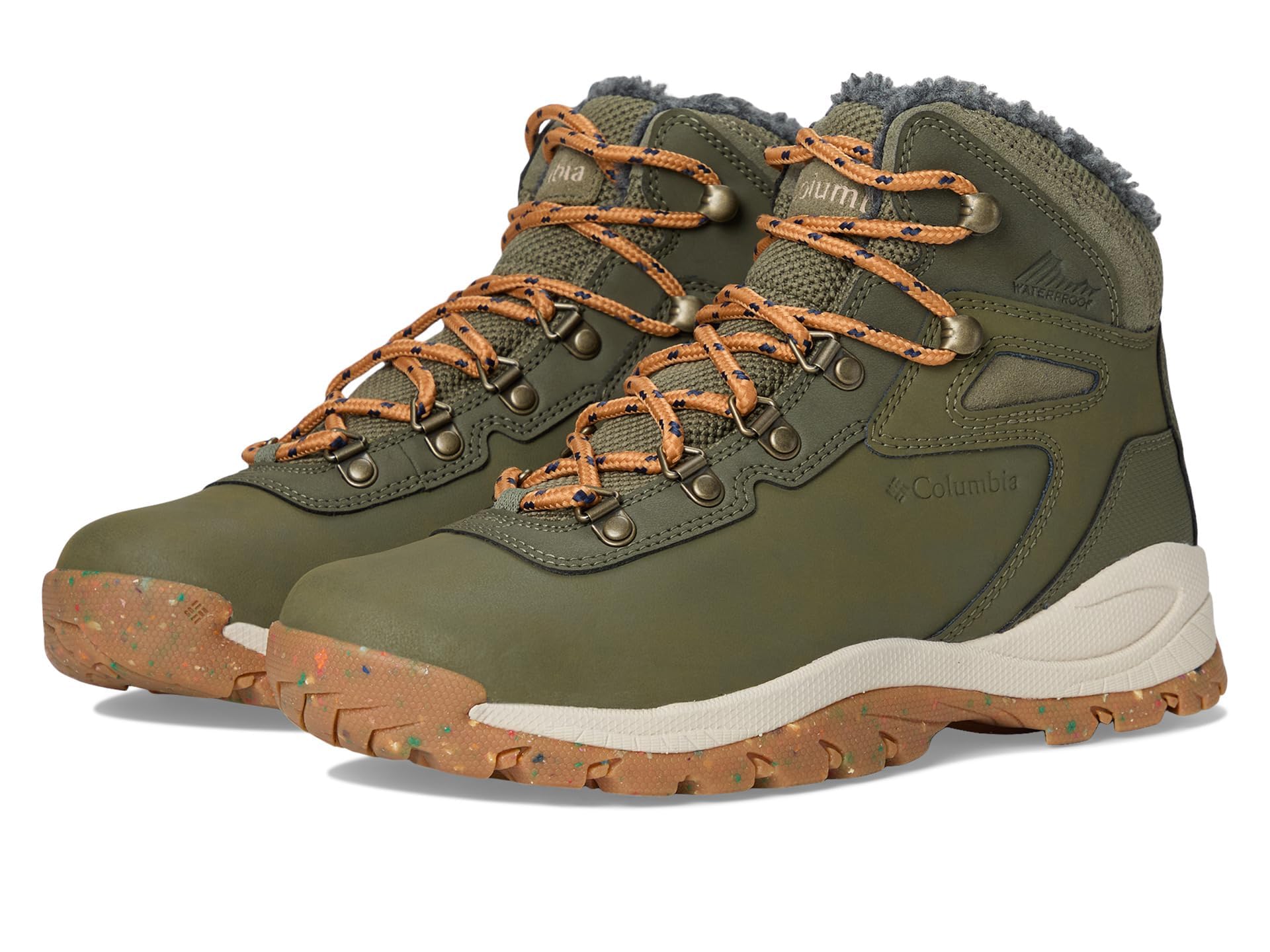
A classic mountain silhouette that handles cement sidewalks and cold commutes in equal measure.
Appearance is the single biggest draw here — 64 owners single out the look, which is uncommon for a winter boot. The Newton Ridge is a familiar, outdoorsy design that fits in on a trail and at a casual office. But it’s not just about looks; customers note the boots are comfortable even on hard cement and tile floors, which matters if your walk includes pavement.
The Omni-Heat II insulation reflects body heat back to your foot while the waterproof Omni-Tech membrane keeps rain and slush out. Owners consistently mention the boots keep feet warm and dry in cold weather, with extra room for thick socks built into the fit. The lightweight build and sturdy feel get their share of praise, and the value-vs-price equation lands positive.
This one runs closer to a traditional hiking boot than a pure snow boot, so it’s not built for extreme cold or deep powder. It’s the right call for the walker who wants one boot that works from autumn chill into early winter — and looks good doing it. The Omni-Heat reflective lining is a genuine warmth boost for active days, not a gimmick.
reach for these if: you want a versatile, good-looking boot for cold commutes and mixed walks on pavement and trail.
look elsewhere if: you face deep snow or genuine sub-zero temperatures regularly — this is a cool-weather boot.
5. Kamik Momentum 3 Insulated Snow Boots
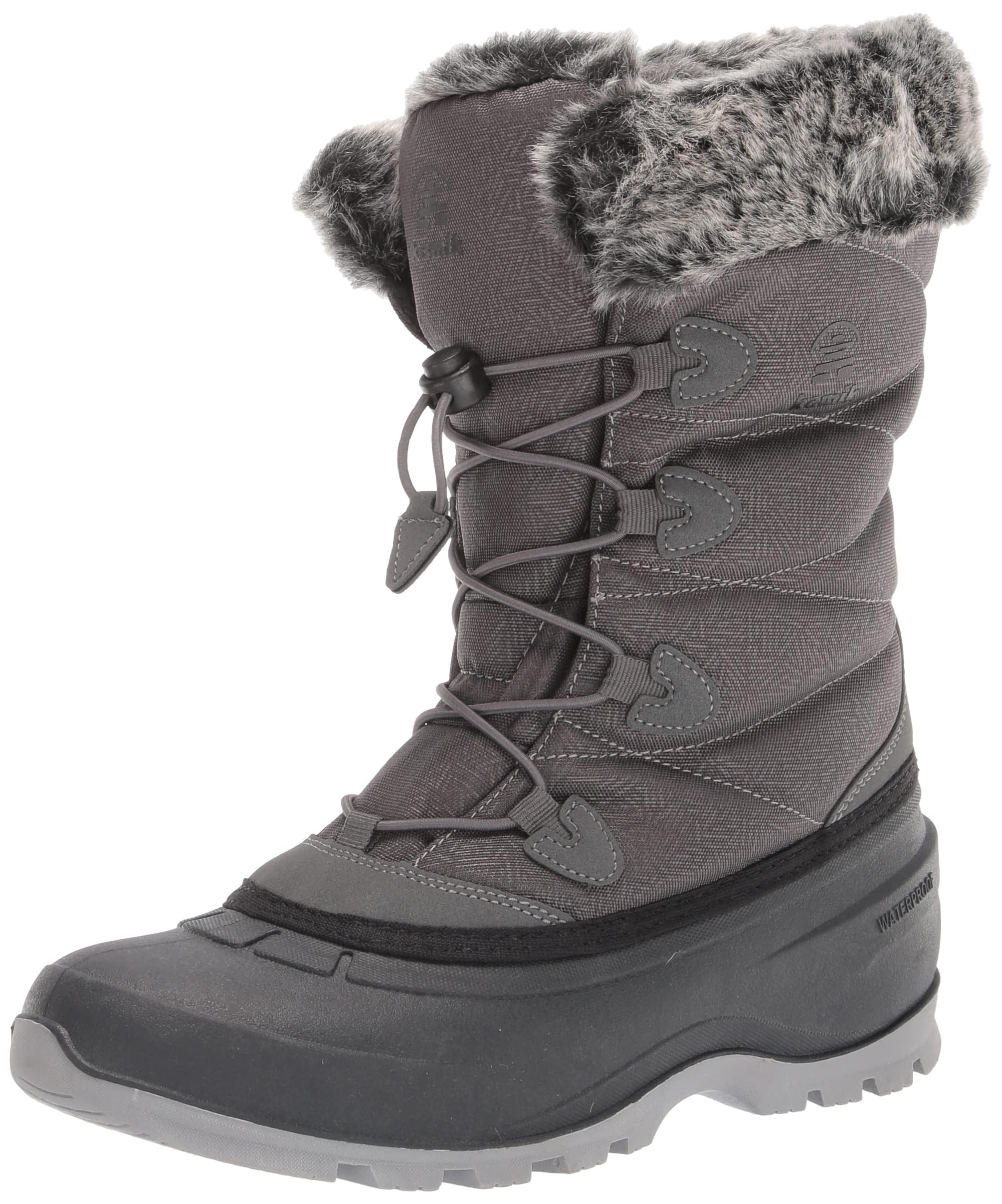
The cold-weather workhorse with thick padding that owners rave about for all-day warmth.
Warmth dominates the feedback — 130 owners call it out, making it the top aspect by a wide margin. The HEAT-MX™ technology is built for all-day wear, and owners describe the thick padding as serious protection for extreme cold. The look gets compliments too, particularly the fur detail at the top, which adds a touch of charm to a boot that’s clearly about function.
The waterproof, seam-sealed construction means snow and slush stay on the outside, and owners find the boots easy to put on and take off. Comfort scores second with 84 mentions, with lots of support noted for longer stands. They fit snugly without socks, so there’s room to layer a pair of thick socks inside for extra warmth.
The mixed notes center on size — 30 owners flag sizing as mixed, so the snug fit without socks may trip up half-sizes. Durability also runs mixed at 26 mentions, meaning these are best treated as a warm cold-weather companion rather than a decades-long investment. For standing outdoors or walking slowly through deep cold, this is the warmest choice in the list.
ideal for: long, cold outdoor sessions like shoveling, standing at markets, or slow winter strolls where warmth trumps everything.
avoid if: fast-paced hiking where heavy insulation causes sweaty feet.
6. Comfy Moda Women’s Waterproof Leather Wool Lined Chelsea Winter Boots
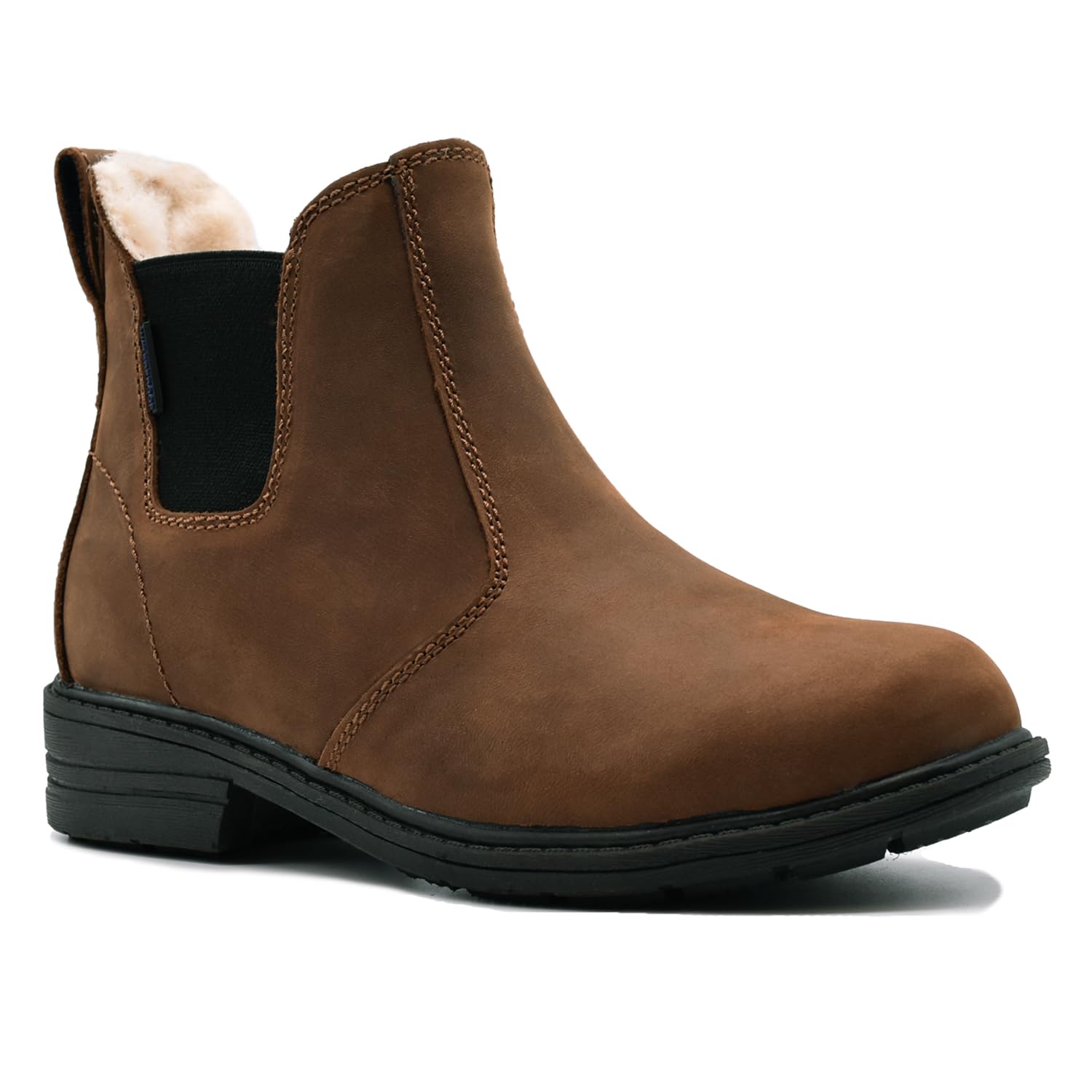
The slip-on Chelsea that brings genuine wool warmth and waterproof leather to the daily commute.
Reviewers point out these are “the best everyday winter/fall boots,” and the praise focuses on the full wool lining — one owner said it’s superior to Uggs for warmth. The CanDry waterproof technology works alongside the premium leather upper and sealed seams to shrug off rain, slush, and snow. Owners have taken them to Iceland and across Montana and Minnesota winters, walking all terrain in comfort.
The comfort story is strong: 43 owners praise it, noting no irritating rubbing around the ankles for most, and the WarmEx insole system adds memory foam cushioning under a soft wool top layer. The slip-on convenience with elastic side panels makes them easy for commuting or dog walks. Additional spacer inserts let you fine-tune the fit, and removable inserts are a nice touch.
The genuine catch is traction: a recurring note says there’s limited grip in snow and slush, so wet, icy sidewalks aren’t this boot’s strength. The fit runs mixed — the toe box can feel snug for some and boxy for others, and a few shoppers say the top digging into the ankle before breaking in. For style-first winter walking on mostly clear surfaces, this is the most polished pick.
pick these for: commuting, travel, and everyday outfits where style and wool warmth matter more than icy traction.
think twice if: your walk is mostly snow or ice — the outsole isn’t winter-grip rated.
7. SOREL Women’s Out N About IV Chillz Waterproof Boot
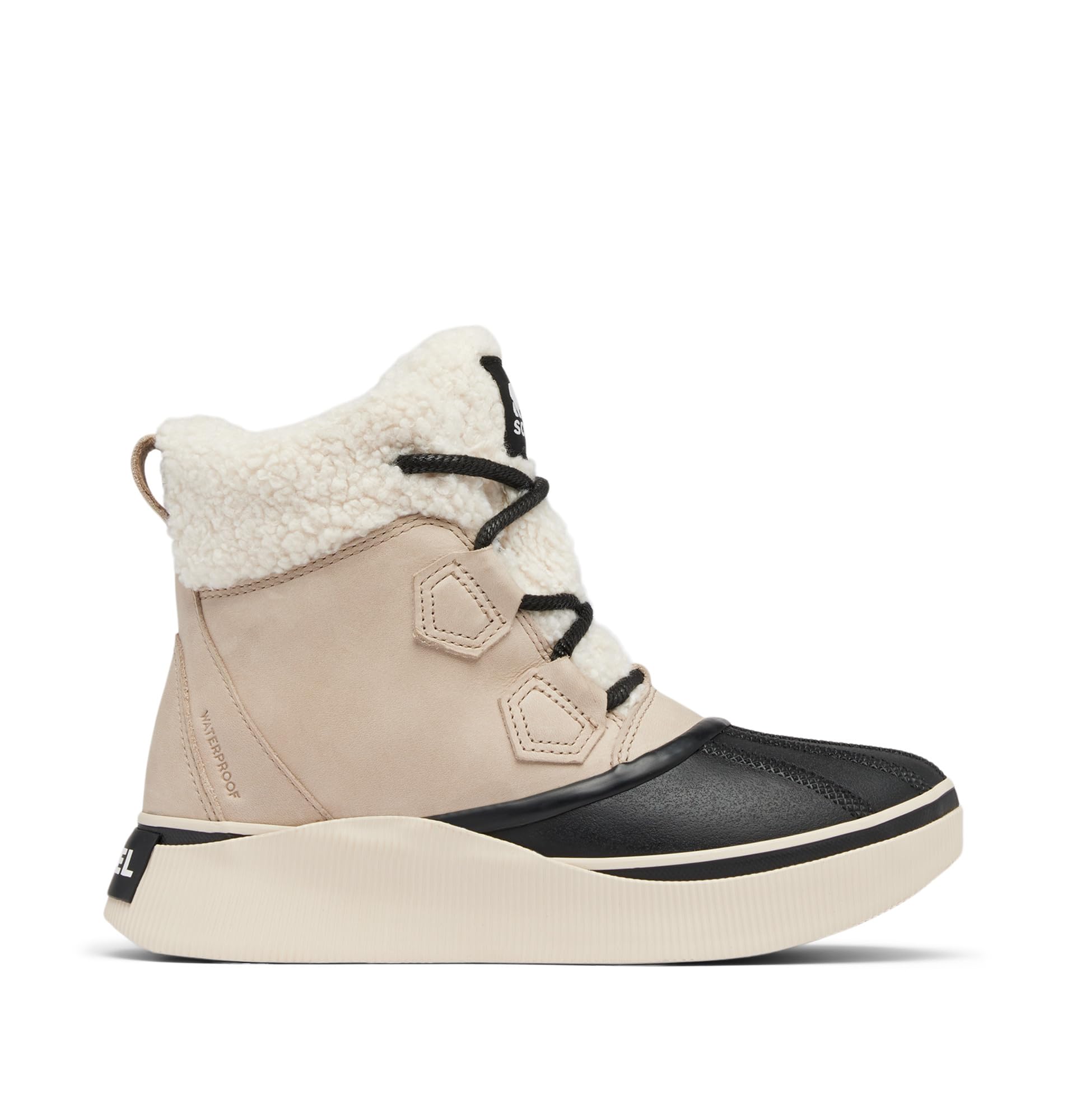
The city boot that survived mud, sand, water, and wet terrain without missing a step.
Owners call this “the best winter footwear ever,” with a key detail: feet never hurt, even after long wear. The comfort score earns 57 mentions, second only to appearance at 66. The roomy fit easily accommodates thick socks, and the waterproof build holds up in rain and snow — one owner put it through mud, sand, and wet terrain and it came through.
At 3.38 pounds, this is a heavier boot, and that heft translates to a solid, supportive feel rather than a featherlight stride. The insulation keeps feet warm and dry in genuine winter conditions, and the cushioning is called out specifically at 10 mentions. SOREL’s design language is visible here — it blends technical function with a modern, improve look that works from alpine trails to city streets.
The fit runs mixed on size — 27 owners note size discrepancies, so plan to try your usual size first, and sizing up for thick socks may be needed. Durability feedback is also mixed at 10 mentions. This is a premium, fashion-forward boot for the walker who wants one pair that goes from slushy sidewalks to a nicer restaurant without looking out of place.
best suited for: you want a premium, good-looking boot that’s genuinely waterproof and comfortable for all-day wear.
not ideal for: weight is a concern or you need extreme-cold insulation beyond standard warmth.
8. SOREL Women’s Tivoli V Tall Waterproof Boot
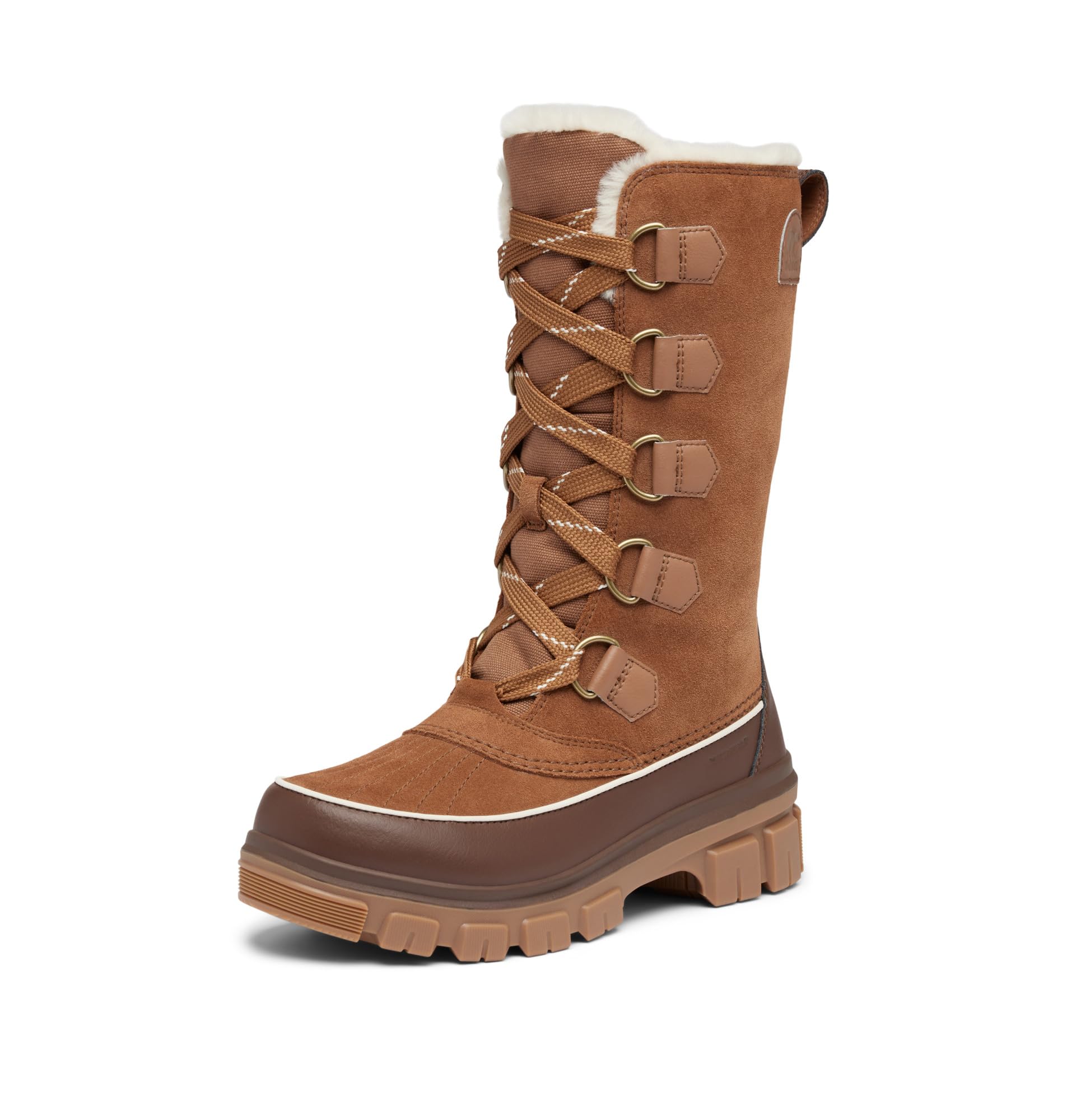
The tall boot that lets you tuck in your pants and wade through deep snow in warmth and style.
This is the boot owners keep for years — one reported a prior SOREL pair lasting 10+ years. Quality leads the feedback with 150 mentions, and warmth scores second at 121, with owners reporting toasty feet in 2 feet of snow and low-teen temperatures. The tall shaft lets you tuck pants in for deep-snow protection, a feature that separates it from every mid-height boot here.
The super-soft inside keeps feet warm and dry, and owners confirm the boots work for snow and cold weather while still getting compliments on the look. Laces are thick and don’t freeze in colder temps, and owners walk comfortably for hours. The waterproofing holds in wet hunting conditions, and the traction on snow and ice is strong enough for winter hikes.
Fit trends small — a size 10 owner needed an 11 for thick socks, and the toe box can feel snug initially before it expands. Ankle rub can occur when laces are cinched tight, fixed with looser lacing. One owner notes warm to 0°F with heated insoles needed below zero due to poor circulation. For deep-snow walkers who want tall coverage and genuine longevity, this is the premium choice.
great for: deep-snow winters and anyone who wants a tall, durable boot that lasts years and takes compliments.
size up for: buyers planning thick socks — this one runs small, so go up at least half a size.
9. THE NORTH FACE Women’s Chilkat V 400 Waterproof Snow Boot

The glacier-grade boot with 400g of premium insulation that survives Colorado Rockies winters for years.
The headline here is 400g of premium insulation — the most in this lineup — and owners confirm it delivers. One buyer wore a pair for 5 years in the Colorado Rockies with soles intact, warm and waterproof, used for hikes, snowshoeing, and daily wear. “Super Warm, comfortable, super light weight,” is how one owner sums it up, noting the boots are great for wide feet. The warmth-to-weight ratio at 1.63 pounds is genuinely impressive for this much insulation.
The outsoles handle glacier walks and slick roads without slipping, and the waterproof rubber with metal grommets keeps feet dry in snow, rain, and even farm muck. Buyers report toes stay warm for 4-7 hours in snow, and the boots are comfortable for long walks. The quality rating leads at 112 mentions, with warmth close behind at 88.
The recurring caveat is sizing — it’s the most negative aspect in the data at 50 mentions. Owners consistently say the boots run small, with a size 7.5 needing an 8.5. One buyer with a 24cm foot (usually a size 8) ordered a 9.5 and found it big, so the sizing is genuinely inconsistent; expect to try multiple sizes. Some owners note the boots aren’t 100% waterproof in deep puddles, and a few mention the weight, which is the price of 400g of insulation. For extreme-cold hiking and snowshoeing, this is the warmest, most durable choice here.
top pick for: extreme cold, glacier walks, and snowshoeing where 400g insulation and proven durability are non-negotiable.
skip for: a real sizing hunt — order two sizes and return the wrong one, because the fit varies by foot.
Understanding the Specs
Insulation Weight (grams)
This number (200g, 400g) tells you how much fill is packed between the outer shell and the lining. More grams means more trapped heat, but also more bulk and weight. A 200g boot suits brisk walking and active days in moderate cold, while 400g is built for standing still or exploring in deep freeze. Your activity level, not just the temperature, should decide which one you need.
Waterproof Membrane
Brands use their own names for this — KEEN.DRY, Omni-Tech, CanDry — but they all do the same job: a breathable layer that blocks water from getting in while letting sweat vapor escape. The alternative, a DWR spray-on coating, repels light rain at first but wears off. Seam-sealed construction, where the inner stitching is taped, is the second half of true waterproofing and matters for slush and puddles.
FAQ
Should I size up for winter walking boots?
What is the difference between 200g and 400g insulation?
Is a waterproof membrane better than a water-resistant coating?
How do I know if a boot has good ice traction?
Will these boots work for wide feet?
How long should a good winter walking boot last?
Can I wear winter walking boots indoors or for commuting?
Are these boots warm enough without heated insoles?
What is the difference between a winter walking boot and a snow boot?
Final Thoughts: The Verdict
For most walkers, the best winter walking boots for women is the KEEN Revel III because it nails the three things that matter most — fit, warmth, and ice grip — in a single, comfortable package that’s easy to size correctly. If you want maximum warmth for extreme cold, the North Face Chilkat V 400 brings serious insulation and proven long-term durability. And for the walker who needs tall coverage and years of use, the SOREL Tivoli V is the one to reach for.
How We Picked
We do not accept paid placement. Every pick is matched to a real buyer and a real use-case; we do not hands-on test units.
Sources & Methodology
Specifications: manufacturer listings and product documentation. Review insights: verified customer reviews, as of August 2026. Pricing: not shown on this page (it changes often); check the current price via the retailer link.
As an Amazon Associate, Calories Fit earns from qualifying purchases. This does not affect which products we feature.