
Our readers keep the lights on and the coffee maker working hard! As an Amazon Associate, I earn from qualifying purchases.
Specs are compiled from manufacturer listings and verified buyer reviews and can change over time — please confirm the key details on the product page before buying.
Winter has a way of finding the gaps in a thin jacket, and a good puffer closes them all. The right one traps warm air in quilted chambers, blocks wind, and allows full mobility, while the wrong one leaves you cold or overheated. This guide looks at nine of the most-talked-about puffer jackets on Amazon, weighs real owner experiences against the specs, and points you to the one that fits how you actually spend your winter.
I’m Mohammad — the founder and writer behind Calories Fit. This guide is built by comparing the manufacturers’ published specifications and the patterns across verified customer reviews, so you get each pick’s real strengths and trade-offs instead of marketing spin.
Cut through the noise and find the winter jacket puffer that delivers dependable warmth, honest sizing, and real value for your money.
Our Picks at a Glance


How To Choose The Best Winter Jacket Puffer
A puffer traps still air in its quilted chambers to retain body heat. Before you buy, you need to know what kind of insulation is inside, how much of it there is, and whether the shell can handle the weather you’ll actually face.
Down vs. Synthetic Insulation
Down (goose or duck feathers) offers the best warmth-to-weight ratio and compresses small, but loses loft when wet. Synthetic insulation (polyester or recycled fibers) retains warmth when damp, dries quickly, and is more affordable. For wet, slushy winters, synthetic is the safer bet; for bitter dry cold, down wins.
The Shell’s Job: Water and Wind
The shell is the puffer’s first defense against water and wind. A water-repellent finish (often called DWR) makes light rain bead up and roll off, while a truly waterproof fabric stops snow and sleet from soaking in. Windproofing prevents cold air from flushing out trapped heat; a breezy shell undermines warmth in gusts.
Quick Comparison
| Model | Best For | Insulation Type | Warmth Focus | Key Feature | Amazon |
|---|---|---|---|---|---|
| Carhartt Gilliam★ Best Overall | All-around work & casual | Synthetic | Wet & windy days | Water-repellent shell | Amazon |
| Little Donkey AndyWindproof Pick | Deep-cold wind protection | Recycled synthetic | Sub-zero wind | Welded baffles | Amazon |
| Reebok Heavyweight PufferStyle Pick | Everyday warmth & style | Synthetic (plush) | Chilly walks | Faux-fur trim hood | Amazon |
| ANOTHER CHOICE Down Puffer | Fitted, flattering warmth | Down & synthetic blend | Cold mornings | Thumb-hole cuffs | Amazon |
| Columbia Copper Crest II | Cozy, soft everyday wear | Synthetic | Mild to cold days | Silky-soft fleece lining | Amazon |
| IKAZZ Long Parka | Extreme-cold arctic coverage | Vegan down (synthetic) | Below-zero temps | Mid-calf length | Amazon |
| North Face Junction | Lightweight versatility | 100g HEATSEEKER synthetic | Moderate cold | Recycled fabric (non-PFC DWR) | Amazon |
| Pioneer Camp Long Coat | High-value extreme warmth | Synthetic (thickened) | Freezing temps | Mid-thigh waterproof parka | Amazon |
| North Face McMurdo Bomber | Premium waterproof down | Waterfowl down | Deep winter nights | Removable faux-fur hood | Amazon |
In‑Depth Reviews
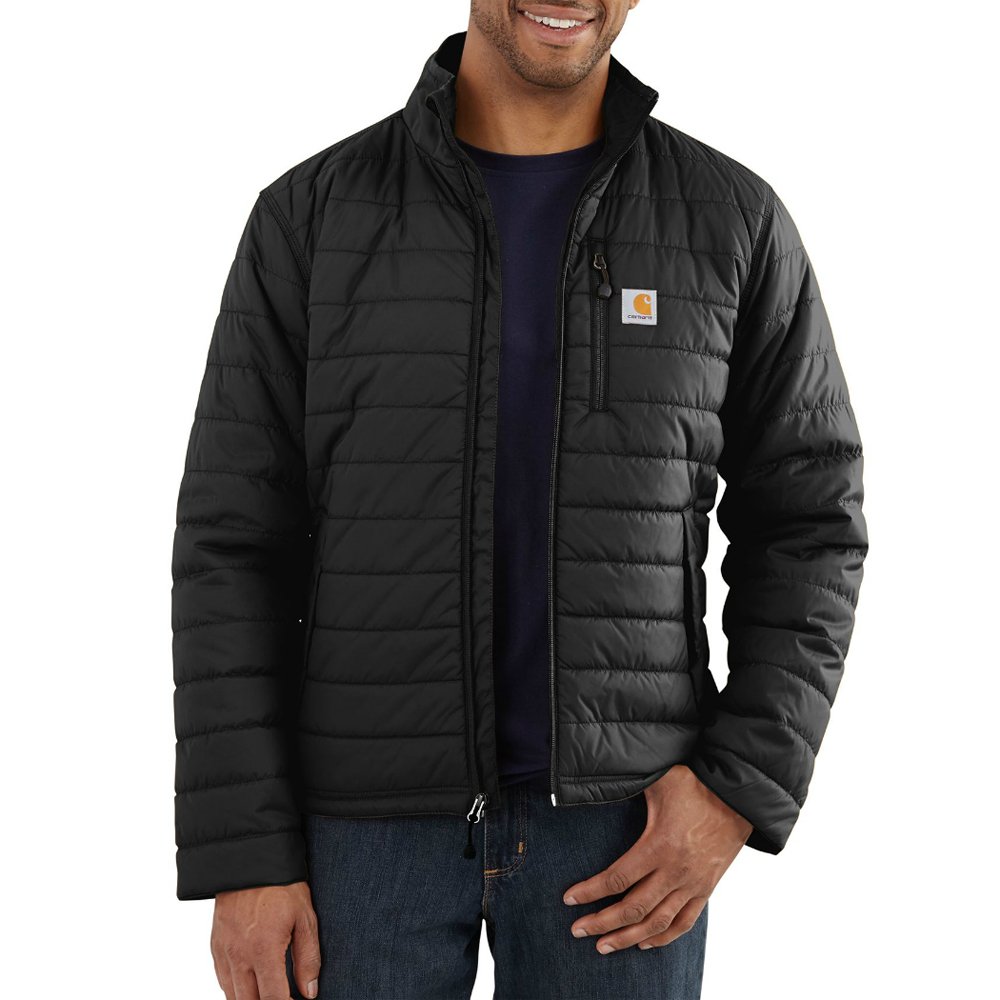
1. Carhartt Men’s Gilliam Jacket
Our pick — over 4.5★ from 600+ verified ratings; the strongest balance of quality and price.
A work-ready puffer that shrugs off snowballs and keeps its shape season after season.
The Carhartt Gilliam is the jacket people buy twice, and the reasons pile up fast: owners call it the best synthetic option under, praise its build quality, and note how rain beads up and rolls right off the shell. That water resistance is the headline feature — the fabric is treated so moisture doesn’t soak in, which means you can handle a snowball fight or a light downpour without feeling damp underneath.
What wins people over is the quality — it’s the single most-praised aspect by a wide margin. At a large regular the back length runs 29 inches, so it covers your lower back when you bend and reach, and the relaxed cut leaves room for a sweater or fleece underneath. The warmth is strong but not extreme, which makes it a versatile pick for everyday winter wear rather than a deep-freeze specialist, and the lightweight feel means it packs easily for travel.
The trade-off for that roomy fit is that sizing runs a little large — some owners find the shoulders snug while the waist feels baggy. It’s a minor gripe against an otherwise excellent, durable jacket with a reputation for outlasting expectations.
What Owners Rave About
- Quality construction that holds up to daily wear
- Water beads off the shell — snow and light rain slide away
- Snap hand-warmer pockets and adjustable cuffs for cold days
What To Know Before Buying
- Runs a little large — some find the waist baggy
- Warm but not extreme, so not for sub-zero specialists
The takeaway: The Gilliam is the best all-around winter puffer — it’s warm, it’s tough, and it shrugs off wet weather without the bulk.
Reach for it if: you want one reliable jacket for commuting, errands, and the occasional snow day. Look elsewhere if you need arctic-level coverage.
2. Little Donkey Andy Men’s Waterproof Puffer Jacket
Welded seams lock out wind and wet, making this a budget puffer that punches far above its class.
The Little Donkey Andy uses welded baffle construction, which means the quilted chambers are bonded instead of sewn, leaving no needle holes in the outer fabric. That single design choice is why buyers report it’s windproof to -5°F with no cold sensation — the wind simply can’t find a path through the shell. It’s the kind of engineering you’d expect to pay triple for, and it makes this one of the best values on this list.
The warmth is the aspect owners talk about most, and the stories back it up: one buyer wore it through three Ohio winters and found it wind and waterproof as advertised, with a durable outer material that never ripped. Another calls his a coat that rivals puffers, worn perfectly with a wool base layer in 15°F. The recycled insulation keeps you toasty, and the ripstop shell sheds water.
The honest downsides are small but real: the sleeves lack wrist elastic, so some owners feel a little heat escape from the arm openings, and it runs slightly large for some body types. It’s also warm enough that it’s too hot for indoor wear — this is a jacket for the outdoors, not the office.
The headline: Welded baffles deliver genuine windproofing at a price that beats comparable big-name puffers.
Who it’s for: Men who face bitter wind and wet snow and want a jacket that performs like a premium model without the premium tag.
3. Reebok Women’s Heavyweight Puffer Coat
A plush, fashion-forward puffer that turns a snowy walk into a style statement.
The Reebok Heavyweight Puffer leads with warmth — it’s the most-praised aspect by far, and owners describe it as toasty without being heavy. The plush quilted insulation is built for harsh weather, and the faux-fur trimmed hood adds a touch of elegance while trapping extra heat around your face. Buyers love the color and the generous pocket situation, with both front and side options for warming hands.
For a coat that looks this good, the value is strong: owners call it lightweight, very warm, and well made, with a removable hood for versatility and a silhouette that works for snowstorms or a chilly downtown stroll. The quality is the second-most-praised aspect, and the stretchy, soft fabric keeps it comfortable for all-day wear.
The recurring note is fit: it runs a bit small, so most owners advise sizing up, especially if you want to layer a hoodie underneath. The hood isn’t detachable on all versions, and a few owners mention seam durability over the long term. But for everyday cold-weather style, this is a crowd-pleaser.
The verdict: A warm, good-looking puffer that owners consistently call a bargain for the quality.
Size up: If you’re between sizes or want layering room, order the next size up — the fit runs snug for many.
4. ANOTHER CHOICE Women’s Winter Down Puffer Jacket
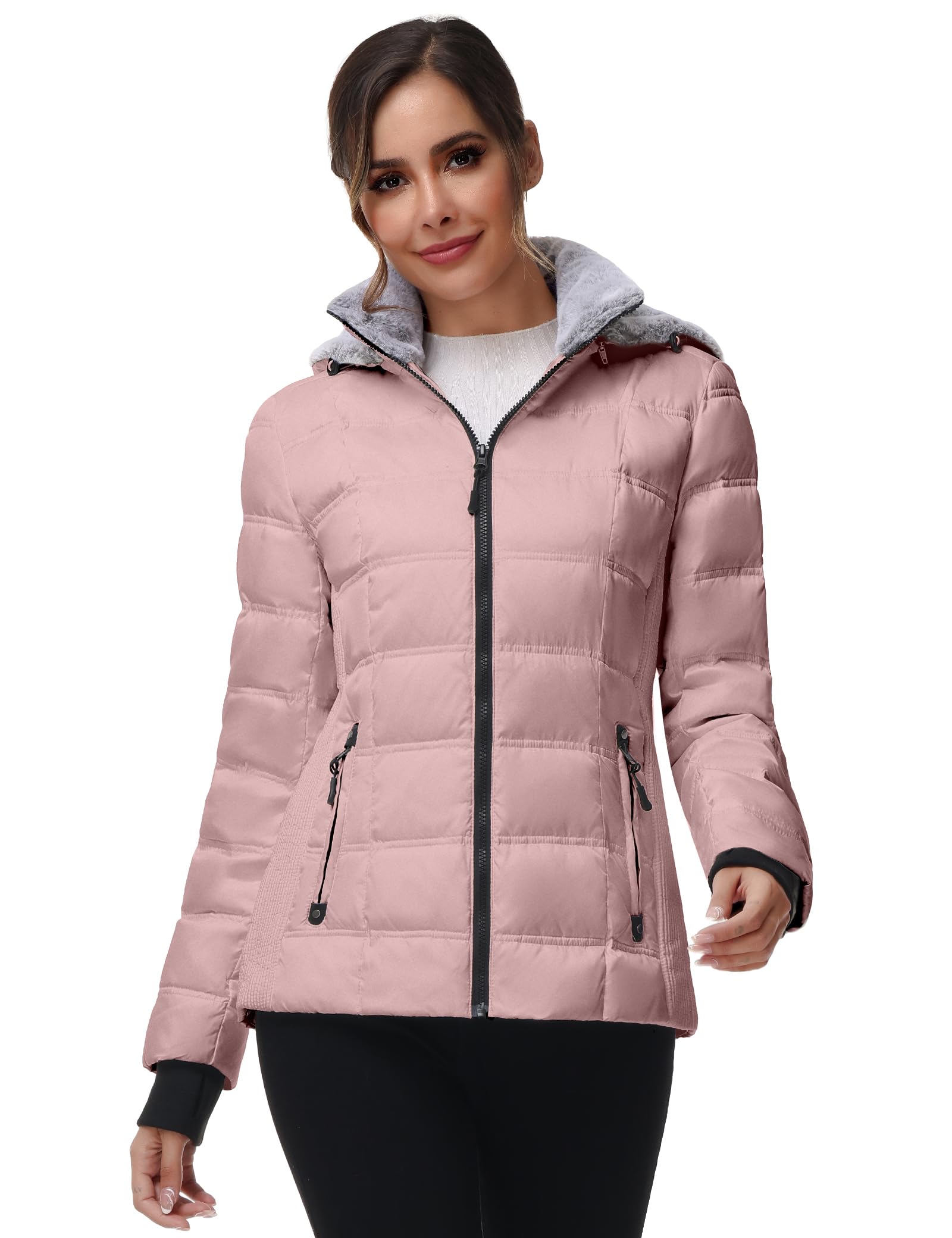
A form-fitting puffer with thumb-hole cuffs that seal out cold better than most coats twice the price.
Warmth is the quality that defines this jacket, and it comes with a flattering fit that owners call “perfect” and “adorable.” The side stretchy panels pull the silhouette in for a slim, comfortable shape, while the ribbed cuffs with thumb holes lock out cold air — a detail that earns repeated praise for keeping wrists warm, especially while driving. The faux-fur lined hood adds warmth and a soft, elegant frame around the face.
Buyers consistently note the fit is true to size, with one 5’2″, 135-pound owner confirming a medium fits well and covers her backside in cold, windy conditions. The fleece-lined pockets are well-placed and roomy, with zippers to keep essentials secure, and the detachable hood offers flexibility. It’s warm enough for a New York winter yet light enough to wear without feeling weighed down.
The one thing to know: this is not a waterproof jacket. Owners are clear that any drizzle will soak right in, so you’ll want a rain layer over it for wet days. And if you’re between sizes, the snug fit through the hips means sizing up is the safer call.
The takeaway: A warm, flattering down jacket that nails the fit and the details — just keep it dry.
Best for: Cold, dry days and commutes where you want to look put-together without bulky layers. skip it if rain is a regular part of your winter.
5. Columbia Women’s Copper Crest II Hooded Jacket
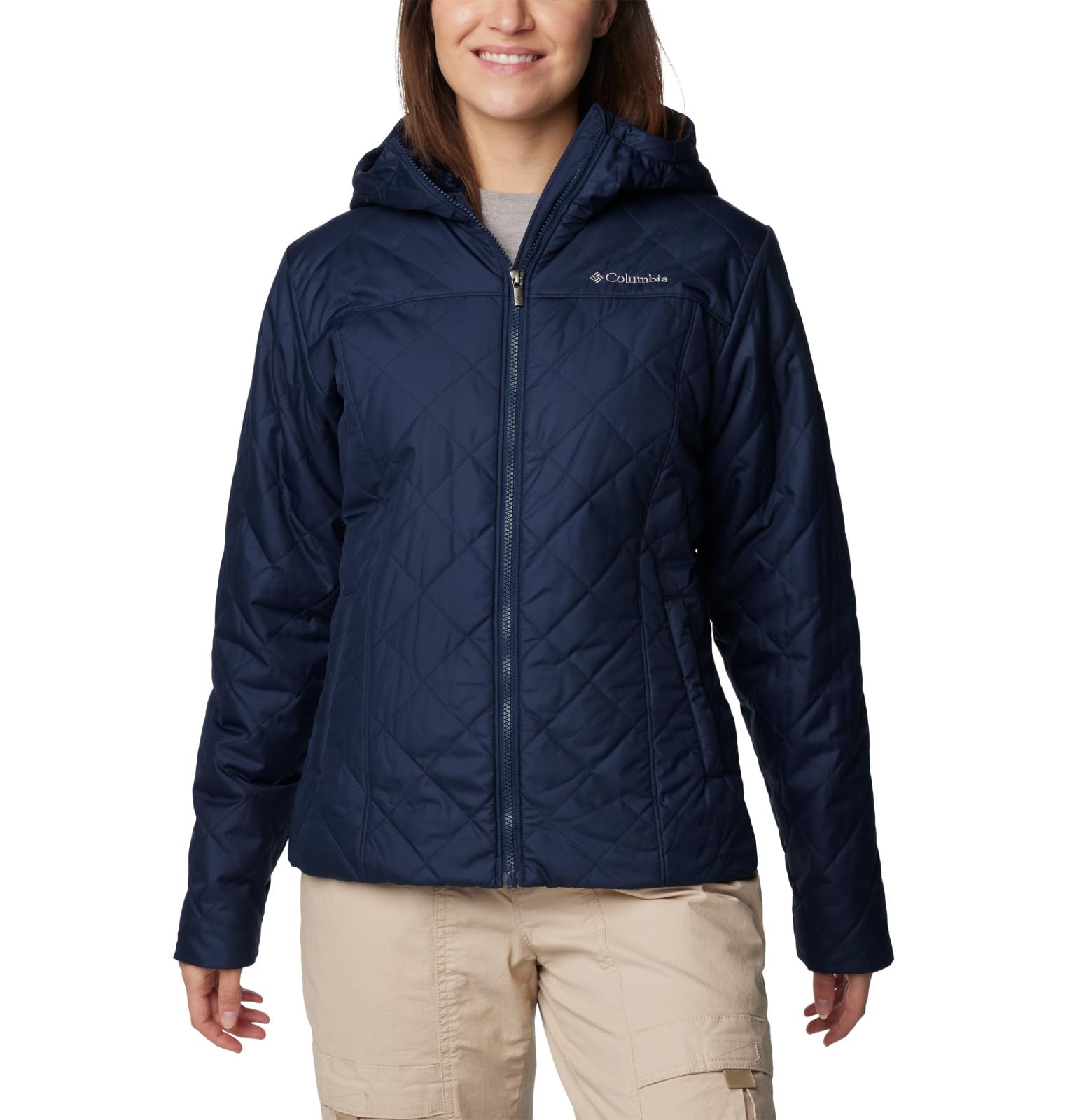
A silky-soft fleece lining makes this quilted classic feel like a wearable hug.
The Copper Crest II wins on pure comfort. The silky-soft fleece lining inside the body, sleeves, and hood is the detail owners can’t stop mentioning — one describes the coat as “blissfully warm,” and the softness is a top-praised aspect. It’s a water-resistant jacket with a classic quilted design, ready for light rain and wind, with an active fit that still leaves room for a sweater underneath.
Warmth is the number-one praised aspect, and owners find it perfect for the 30-60°F range — warm without being bulky, with coverage that reaches past the waist. One owner loves it so much she owns three, calling it her absolute favorite coat, and another notes the lining “completely blocks the cold.” The quality is strong, and the price is consistently called a great deal.
The sizing runs small, and that’s the main friction point: most buyers recommend sizing up, especially if you want layering room. The zipper durability gets mixed feedback from a few owners, and the white color has been known to run slightly yellow for some. For a cozy, reliable winter jacket, though, this one delivers.
The Cozy Wins
- Plush fleece lining that blocks cold and feels soft
- Warm and light — no bulk for daily wear
- Water-resistant finish handles light rain and snow
The Fit Caveat
- Runs small — order a size up for comfort
- A few owners flag zipper durability over time
The call: Columbia delivers a warm, soft, reliable puffer that’s easy to love — and easy to recommend.
Ideal for: Daily wear in mild-to-cold winters where comfort matters more than extreme ratings.
6. IKAZZ Women’s Long Parka Jacket

A long, insulated parka built for the coldest days winter can throw at you.
When the temperature drops below zero, the IKAZZ Parka is the coat people reach for. Warmth is the overwhelming theme, with a huge share of owners praising it, and the stories are dramatic: tested in -10°F with wind chill, worn through Buffalo winters, and called the warmest coat one owner has ever owned. The mid-calf length is a key part of that warmth, trapping heat from your shoulders to your shins.
The quality is the second-most-praised aspect, and the design details support it: a hood that shields the neck without needing a scarf, cuffs that seal out weather, a dual zipper that makes it easier to get in and out of a car, and roomy pockets that fit ski gloves. It’s a warm, windproof, and waterproof workhorse that one owner says was a lifesaver through a full cold winter.
The main trade-offs are fit-related: the coat runs quite large, so sizing down is often necessary, and the zipper quality gets mixed feedback — a few owners mention it coming undone. The insulated collar also caused skin sensitivity for one buyer. For anyone facing genuinely brutal winters, though, this is the coverage you want.
The headline: Arctic-level warmth and coverage that owners swear by for the coldest climates.
The fit note: Order a size down, and be ready to handle the zipper with care — those are the two consistent themes.
7. The North Face Women’s Junction Insulated Jacket
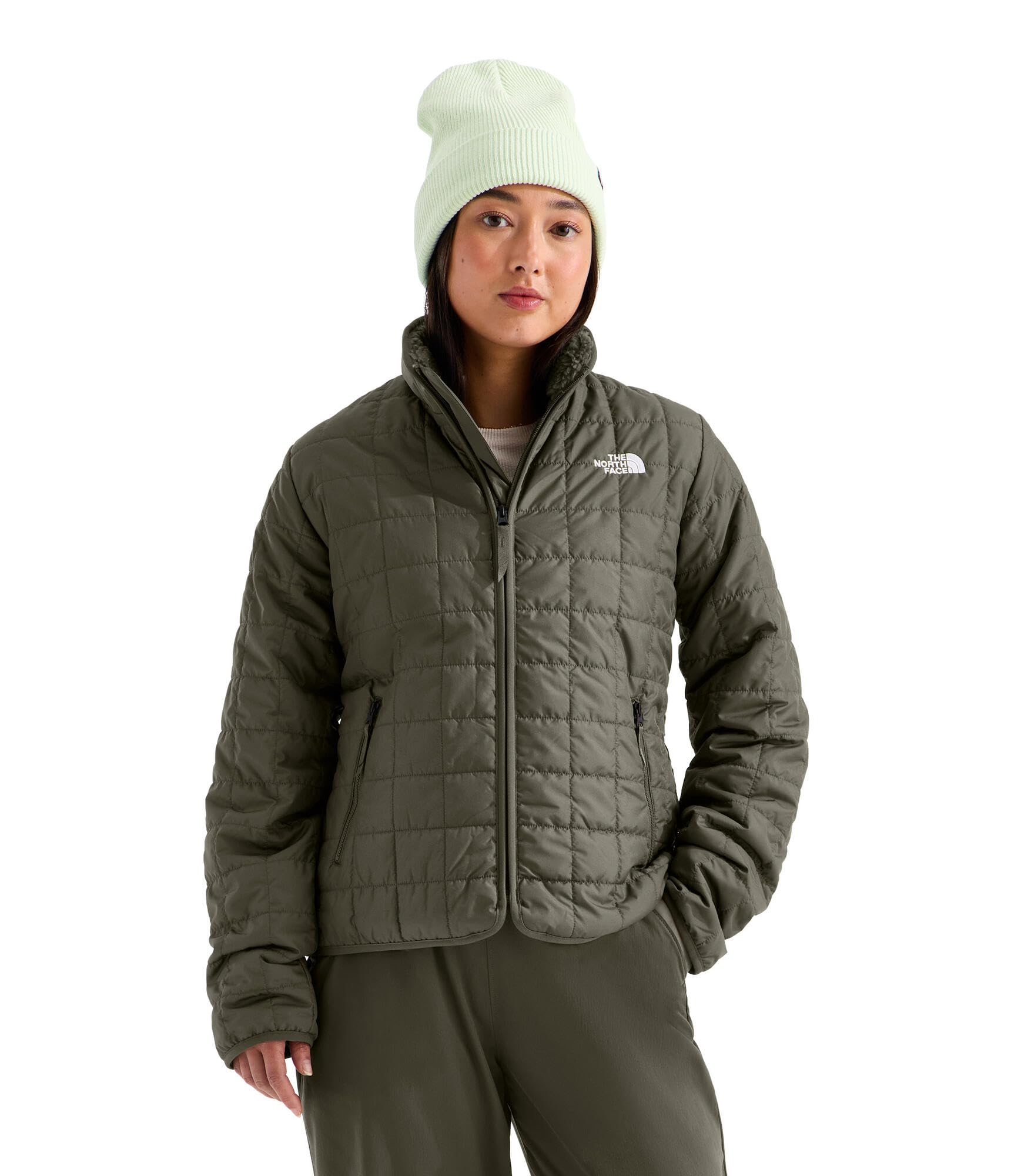
A featherlight quilted puffer that layers beautifully and handles everyday winter with ease.
The Junction Jacket is the definition of versatile. It’s packed with 100g of HEATSEEKER synthetic insulation made from post-consumer recycled polyester, a hollow-core fiber designed to provide lightweight, compressible warmth. At just 9.6 ounces, it’s remarkably light — light enough that one owner calls it her “all season jacket,” layering it for winter and wearing it solo on cooler summer nights.
The shell is 100% recycled polyester with a non-PFC durable water-repellent finish, which means it sheds light rain and snow without the harsh chemicals older treatments used. An exposed front zipper with an internal draft flap adds an extra barrier against cold, and the secure-zip hand pockets keep your essentials safe. Owners praise the pretty color options and the true North Face quality.
The warm spot here is moderate cold — buyers find it perfect in 30-40°F with wind, but it’s not built for deep-freeze temps. The fit runs small, with several owners advising to order two sizes up, and the sleeves run very long. If you want a light, layer-friendly jacket for everyday winter, this is an easy pick.
The takeaway: A light, eco-conscious puffer that shines in moderate cold and packs easily.
Best for: Commuters and travelers who want one lightweight jacket that layers up for winter and down for fall. Size up for the right fit.
8. Pioneer Camp Men’s Long Winter Coat
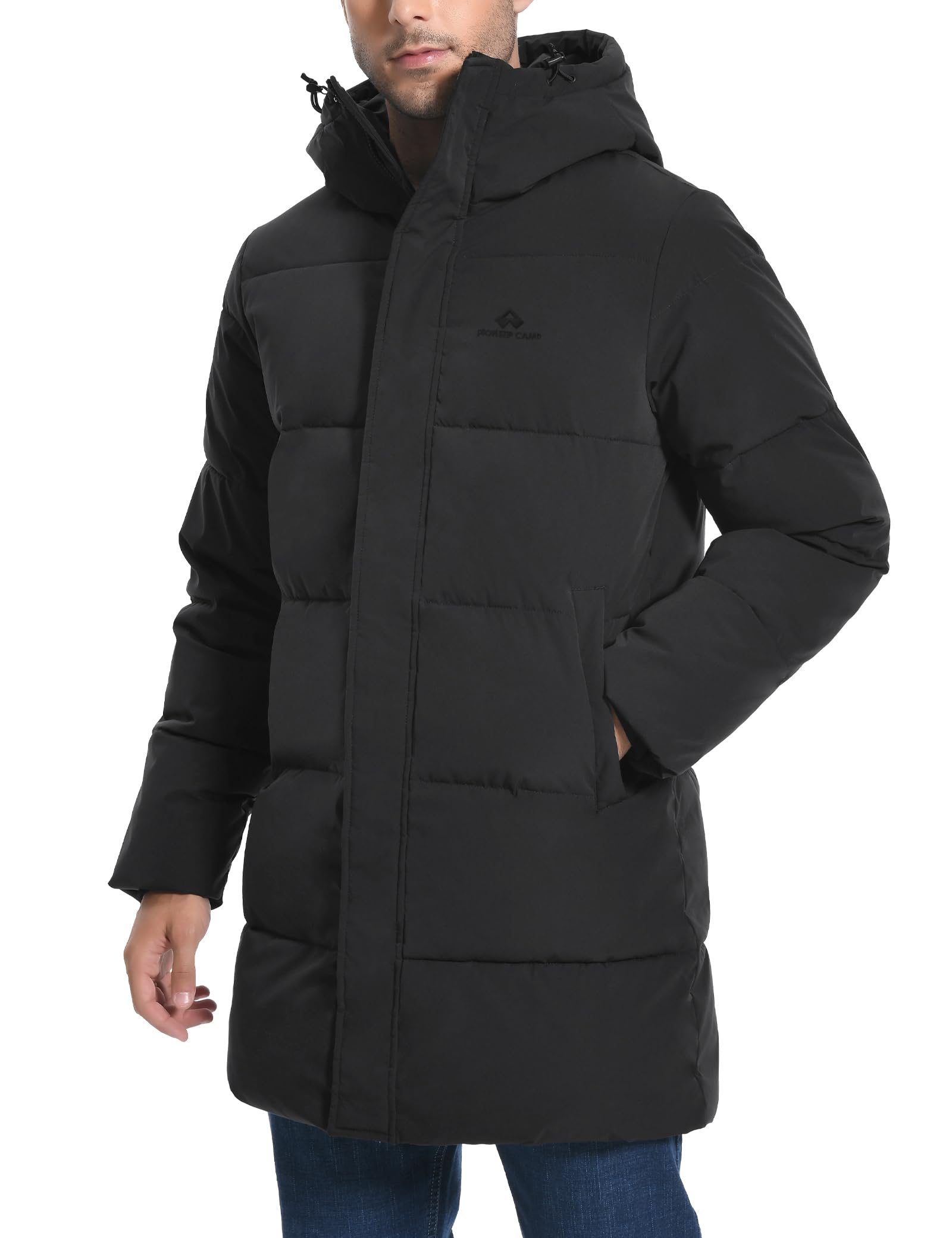
A long, waterproof parka that delivers premium warmth at a fraction of the big-name price.
The Pioneer Camp Long Coat is the value king of this list. Owners regularly compare it to jackets costing several times more — one calls it comparable to Helly Hansen, another says it beats his Eddie Bauer, Columbia, and Arc’teryx coats for cold-weather performance. The warmth is the most-praised aspect, backed by stories of wearing it in 3°F winds without feeling the chill and walking hours through cold rain in France while staying completely warm and dry.
The waterproof fabric is a standout feature, making this a true all-weather parka rather than a fair-weather puffer. The mid-thigh length adds coverage, the double zipper is handy for movement, and the fleece-lined pockets keep hands warm. It’s designed with a windproof build and anti-static construction, and owners note the quality of the zippers, buttons, and seams is excellent.
The trade-offs are minor: it’s a heavier coat, and some owners find it a bit bulky or warm for milder days. The fit runs true to size, with some suggesting sizing down for a slimmer athletic look. For anyone facing freezing winters who wants maximum warmth without the premium markup, this is the pick.
Why It Wins
- Warm and waterproof — built for freezing temps
- Long length adds coverage against wind and snow
- Quality that owners compare to far pricier brands
The Honest Trade-off
- Heavier than a standard puffer — not for active wear
- Size down if you prefer a slimmer athletic fit
The verdict: The Pioneer Camp is the smart buy for men who need serious winter protection and don’t want to pay the brand tax.
Reach for it if: your winters are genuinely freezing and you want a long, waterproof coat that performs like a much more expensive one.
9. The North Face Men’s McMurdo Bomber Jacket
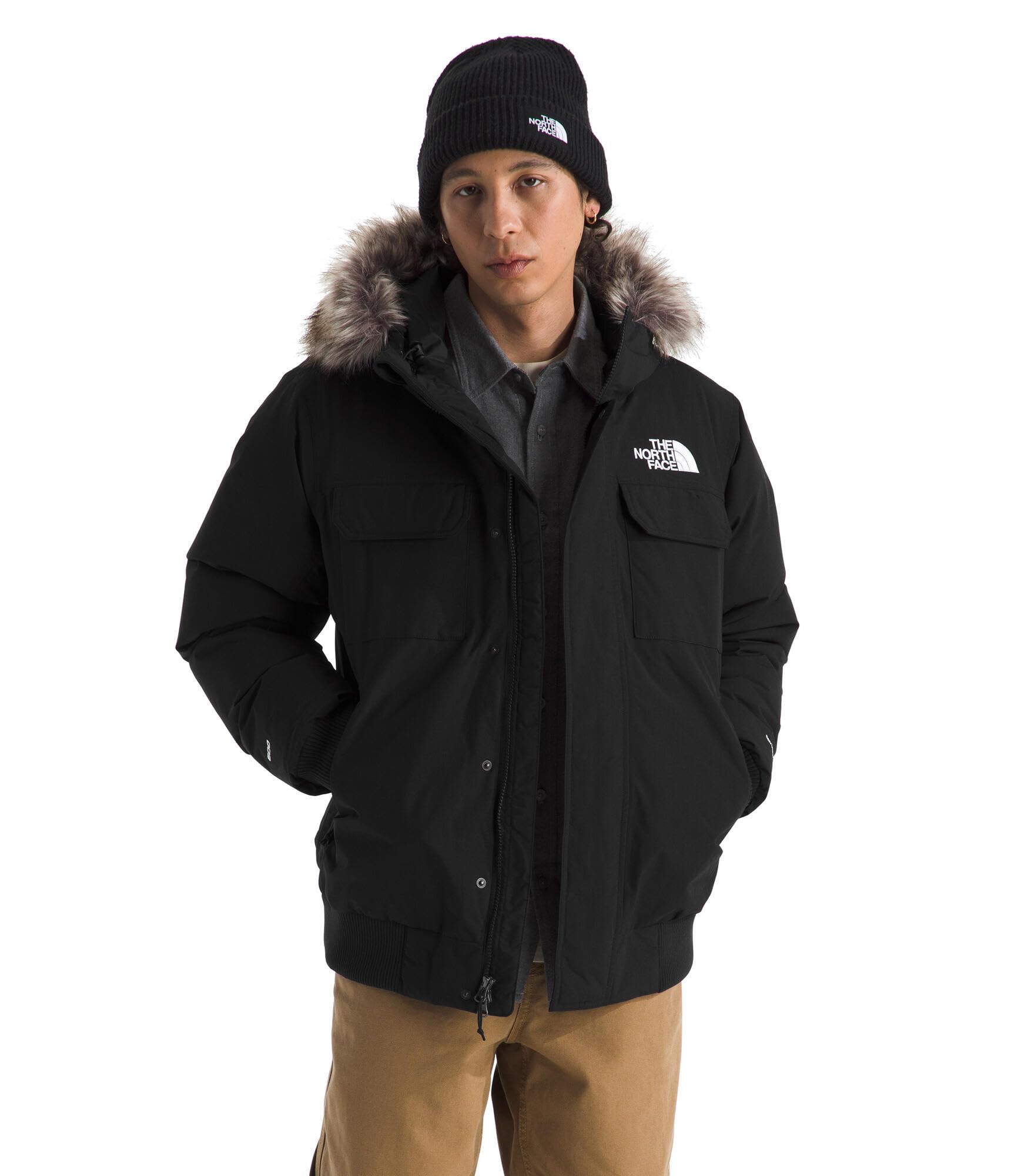
A bomber stuffed with waterfowl down that’s insanely warm and looks sharp doing it.
The McMurdo Bomber is the premium statement piece of this list. It’s insulated with waterfowl down — the real deal — and owners describe the warmth as extreme: “insanely warm” is a recurring phrase, with one buyer noting it’s warmer than the expensive heavy arctic coats he’s owned before. It’s waterproof, windproof, and built to keep cold and wind out completely, making it perfect for early winter nights and brutal lake-effect weather.
The quality and appearance are top-praised aspects. It’s thick but light, with ample pockets and a removable faux-fur hood for style flexibility. One owner, living a mile from a lake in Indiana where winter “weather” is constant, calls it a very nice coat to have. The fit leaves room for layering, and the color options look better in person than in photos, according to owners.
The elephant in the room is the price — it’s the most expensive jacket here by a wide margin. Some owners feel the price tag is justified by the quality and warmth, while others admit it’s pricey and note the cuff ends can peel over time. Sizing runs large for some, so it’s worth checking the size chart. If you want the best of the best and don’t mind paying for it, this is it.
The bottom line: A premium down bomber that delivers serious warmth and looks great doing it — if the budget allows.
Who it’s for: Buyers who want a top-tier, waterproof down jacket and are willing to pay for the North Face name and the real down insulation.
Understanding the Specs
Down vs. Synthetic Insulation
Down is the warmest and lightest insulation, packing small, but loses nearly all warmth when wet. Synthetic insulation (often recycled polyester) stays warm when damp, dries faster, and costs less. For wet, slushy winters, synthetic is usually the smarter choice; for dry, bitter cold, down is unbeatable. Some jackets blend both to get the best of each.
Water-Repellent vs. Waterproof
A water-repellent finish (often called DWR) makes light rain and snow bead up and roll off the surface — good for light showers, but it can wear off over time. A waterproof membrane or fabric stops water from soaking in entirely, which is essential for heavy snow or rain. A puffer with a water-resistant shell but synthetic insulation is more forgiving than a down jacket, which you want to keep as dry as possible.
Warmth Ratings and Fill Power
For down jackets, “fill power” tells you the loft — how much warm air the down traps per ounce. Higher numbers (600, 700, 800) mean more warmth for less weight. For synthetic jackets, look for the weight of insulation in grams (like 100g), which tells you how much warmth is packed in. In real terms, a 100g synthetic jacket is great for moderate cold, while a long, thickened parka is built for below-zero conditions.
Length and Fit
A hip-length puffer is great for active use because it doesn’t restrict movement, but a long parka that hits mid-thigh or mid-calf traps far more heat and protects your lower body in extreme cold. Fit is about layering: a relaxed fit leaves room for a sweater or hoodie, while a slim fit looks sharper but limits what you can wear underneath. Always check sizing reviews — many puffers run small or large depending on the brand.
FAQ
Is a down jacket or a synthetic puffer warmer?
What does “fill power” mean on a down jacket?
Will a puffer jacket keep me warm in below-freezing temperatures?
Can I wear a puffer jacket in the rain?
How should a winter puffer jacket fit?
How do I care for and wash a puffer jacket?
Can I wear a puffer jacket for outdoor activities like hiking or skiing?
What is the difference between a puffer jacket and a parka?
How long does a good winter puffer jacket last?
Are more expensive puffer jackets worth the higher price?
Final Thoughts: The Verdict
For most people, the winter jacket puffer winner is the Carhartt Gilliam because it nails the balance of warmth, durability, and water resistance at a fair price — a jacket owners repeatedly buy twice. If you face bitter wind and want to beat the cold on a budget, the Little Donkey Andy delivers windproofing that rivals jackets triple its price. And for arctic-level coverage, the Pioneer Camp Long Coat is the one to reach for — long, waterproof, and warm enough for the worst winter days. Whichever you choose, matching the insulation and length to your local climate matters more than any brand name.
How We Picked
We do not accept paid placement. Every pick is matched to a real buyer and a real use-case; we do not hands-on test units.
Sources & Methodology
Specifications: manufacturer listings and product documentation. Review insights: verified customer reviews, as of August 2026. Pricing: not shown on this page (it changes often); check the current price via the retailer link.
As an Amazon Associate, Calories Fit earns from qualifying purchases. This does not affect which products we feature.