
Our readers keep the lights on and the coffee maker working hard! As an Amazon Associate, I earn from qualifying purchases.
Specs are compiled from manufacturer listings and verified buyer reviews and can change over time — please confirm the key details on the product page before buying.
Choosing a winter jacket for women means deciding how you’ll feel when the temperature drops and the wind picks up. The right one balances warmth and mobility for your specific routine—commuting, skiing, or dog walks. We evaluate each pick on insulation type, weatherproofing, and verified owner feedback.
I’m Mohammad — the founder and writer behind Calories Fit. This guide is built by comparing the manufacturers’ published specifications and the patterns across verified customer reviews, so you get each pick’s real strengths and trade-offs instead of marketing spin.
From arctic-weight duck canvas to recycled down parkas, here are the best picks for winter jackets womens, matched to the climates and activities they truly serve.
Our Picks at a Glance
How To Choose The Best Winter Jackets Womens
Before you buy, match the jacket to your coldest real-world scenario, not just the average winter day. A light puffer that’s perfect for 30°F errands will leave you shivering at 5°F, while an arctic parka will feel like overkill in a mild coastal winter.
Insulation: Synthetic vs. Down
Down (like 600 fill) offers the best warmth-to-weight ratio and packs down small, but it loses its loft when wet. Synthetic insulation like HEATSEEKER or Thermarator keeps you warm even if damp, dries fast, and is usually cheaper — the smarter choice for wet, slushy climates.
Quick Comparison
| Model | Best For | Insulation | Water Resistance | Fit/Size Range | Amazon |
|---|---|---|---|---|---|
| Carhartt Sierra★ Best Overall | Arctic workwear | Sherpa Fleece | Canvas shell | Relaxed; S-3XL | Amazon |
| Skieer Ski JacketSki Ready | Skiing & snow | Thicken Filling | 10,000mm PU | Standard | Amazon |
| GGleaf PufferBest Value | Everyday value | Quilted Thicken | Water-resistant | S-3XL; Plus | Amazon |
| Reebok Puffer | Stylish warmth | Plush Quilted | — | S-XL (snug) | Amazon |
| Columbia Copper Crest | Mild winters | Fleece lining | Water-resistant | Active; Plus | Amazon |
| Carhartt Duck Coat | Chore work | Arctic Weight | Duck canvas | Loose fit | Amazon |
| NF Junction | City commutes | 100g HEATSEEKER | Non-PFC DWR | Regular; Plus | Amazon |
| Columbia Suttle Mountain | Long coverage | Insulated | Water-resistant | True to size | Amazon |
| NF Arctic Parka | Deep cold | 600 Fill Down | DryVent | Standard; Plus | Amazon |
In‑Depth Reviews
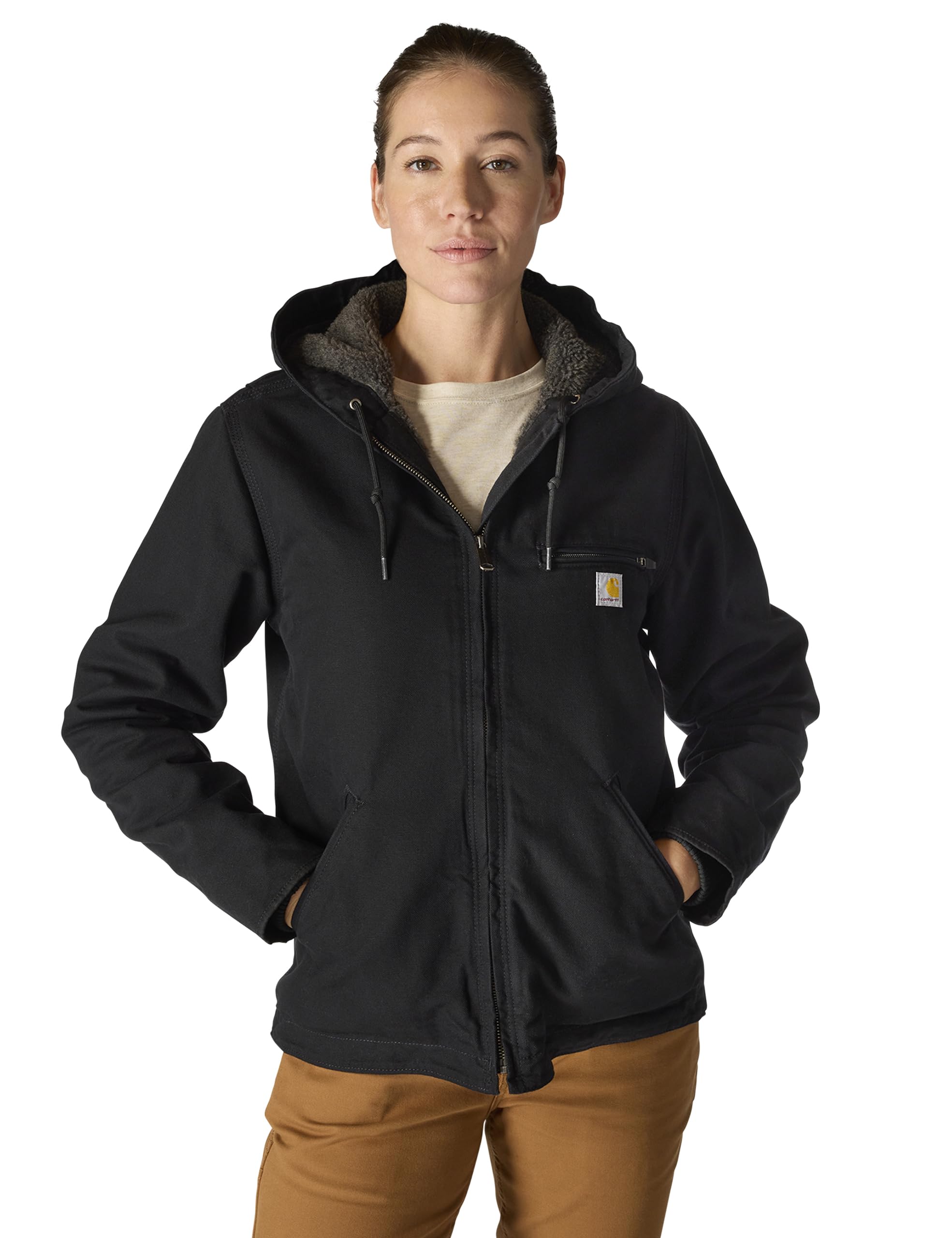
1. Carhartt Women’s Iconic Washed Duck Sierra Jacket
Our pick — over 4.5★ from 350+ verified ratings; the strongest balance of quality and price.
The polar-vortex workhorse that shrugs off -17° windchill without the Michelin-Man bulk.
For women who need a jacket that treats winter like a job, the Sierra is the definitive pick. In Central MN at 2°F with a -17° windchill, buyers report feeling no cold at all — proof of its real-world warmth. Inside, you get a soft sherpa fleece lining in the body paired with quilted nylon-lined sleeves that slide easily over layers, and the canvas outer shell brings that legendary Carhartt durability.
You get a work jacket that fits well, not a fashion piece. Sleeves hit at the right length, and there’s room for a thick sweatshirt underneath—a 5’5″ buyer found a size L fits a chunky sweatshirt and hits at the butt. One owner summed it up: “you get what you pay for here, Quality and durability.” Deep pockets and a heavy-duty zipper round it out, though that zipper can be finicky to start.
What wins people over is the warmth-to-bulk ratio: it runs warm without feeling heavy, making it a crowd favorite for Midwest winters and daily errands alike. A 5’10” owner who sized up to a Large for extra room noted the canvas outer sheds water nicely, keeping the interior cozy underneath.
Why it owns the top spot
- Proven warmth in extreme negatives — genuine arctic-level performance
- Roomier fit that layers well over thick sweaters
- Deep, functional pockets and windproof canvas shell
The honest trade-offs
- Zipper can be a pain to start sometimes
- It’s a sturdy work jacket, not a sleek fashion piece
Your best bet if: you face brutal sub-zero winters and need a tough, warm coat for chores, work, or errands.
Think twice if: you want a lightweight, dressy puffer — this is a heavy canvas workhorse.
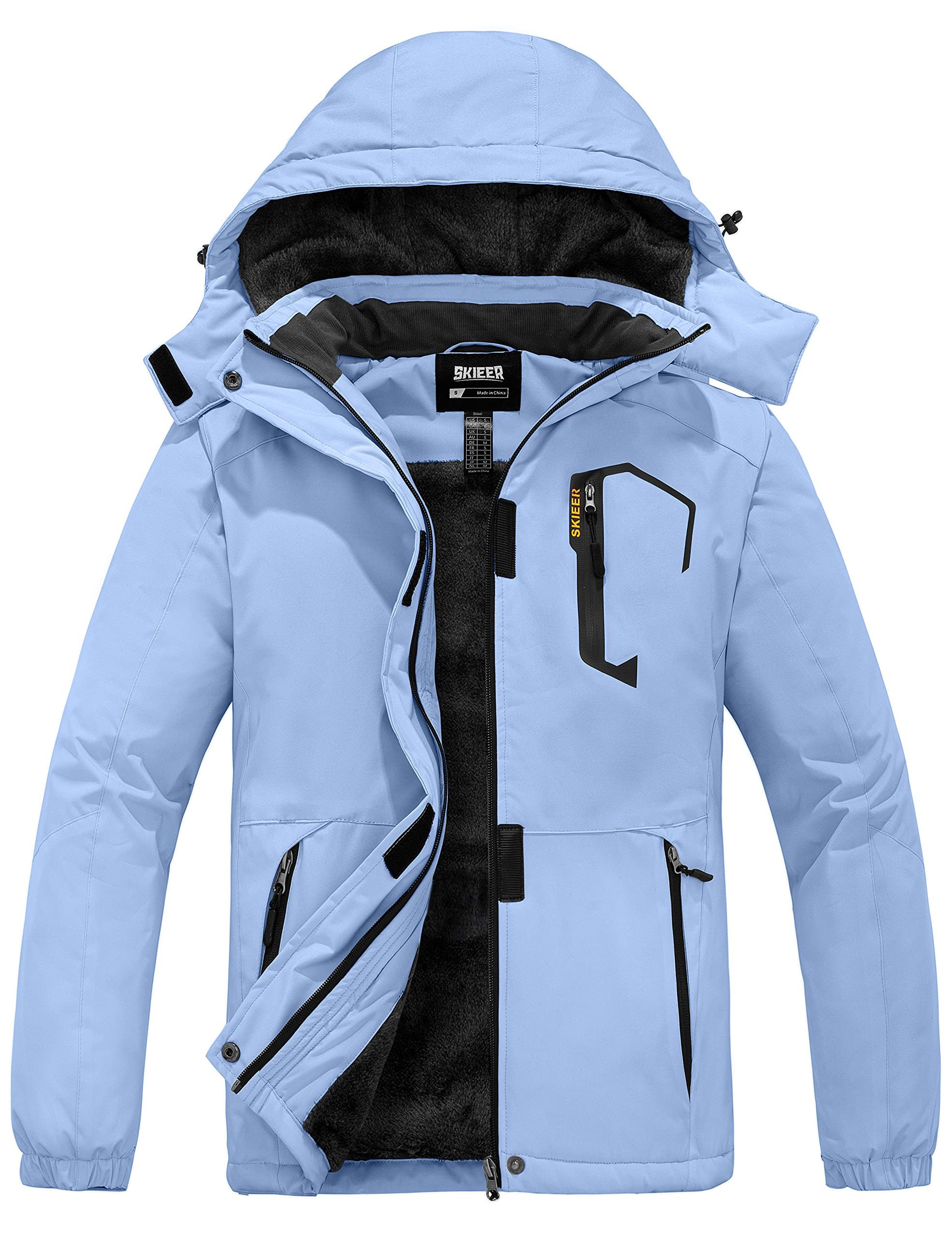
2. Skieer Women’s Waterproof Ski Jacket
A cross-country performer that stays toasty at 0°F and shrugs off 18mph winds without restriction.
Cross-country skiers and snowboarders will love this one: it’s warm in 0°F wind chill with 18mph winds, windproof, and lightweight enough to move freely in. The 10,000mm waterproof PU membrane handles snow and rain alike, and the adjustable drawstring hem lets you cinch out cold gusts. At a value price, it “outperforms pricier brands,” as one owner put it during a cross-country session.
Your essentials stay secure with two big hand pockets and two chest pockets. The interior is soft and fluffy—one buyer loved how it felt “against my ears and arms.” The removable fleece-lined hood adapts to conditions, and the sturdy SBS zipper (a brand known for smooth zippers) glides smoothly. Sizing runs slightly big for some, and a few note it can feel a touch bulky, so check the fit if you prefer a trim silhouette.
It holds its own against the Carhartt above for pure warmth but beats it on weather protection — the Skieer’s 10,000mm waterproofing means you can ski in wet snow without feeling damp. The trade-off is that it’s purpose-built for activity, not for dressing up.
Built for the slopes: a windproof, waterproof shell that keeps you warm from head to hips without restricting movement.
Watch the fit: some find it runs big and a few call it bulky — size down if you want a sleeker cut.
Reach for this if: you ski, snowboard, or hike in cold, wet conditions and want serious weather protection at a fair price.
Look elsewhere if: you need a dressy city coat — this is an athletic shell first.
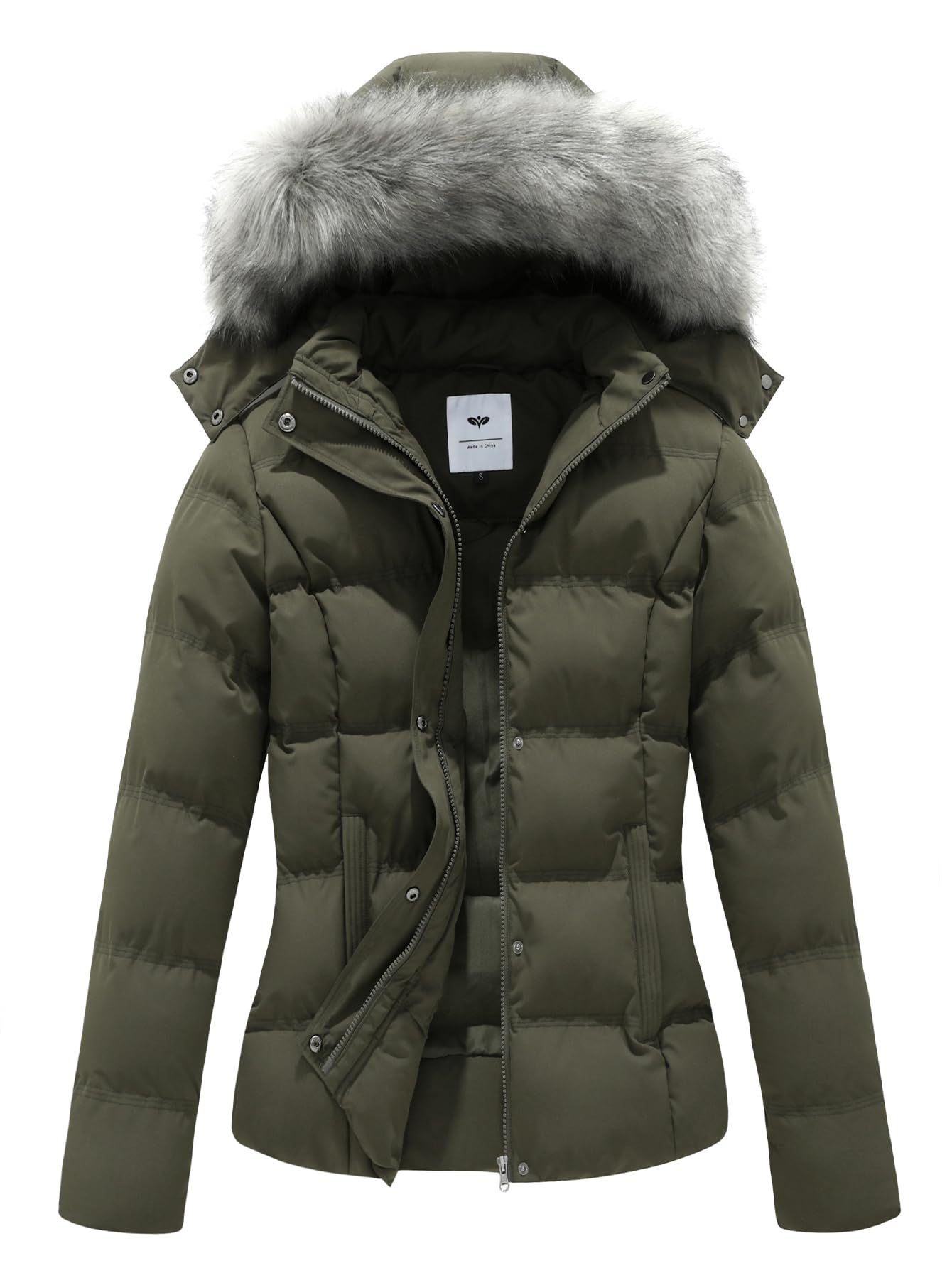
3. GGleaf Women’s Hooded Warm Winter Coat
A budget puffer that survived a -4°F NYC storm and still looks sharp doing it.
The GGleaf is the value pick that outperforms pricier rivals. It survived a -4°F New York City storm, though owners mention it “needs layering in extreme cold” — a fair caveat for a sub- coat. The removable faux fur hood adds a pretty touch (some wish it were fluffier), and it hits below the waist to block wind from underneath, which is a big reason it feels warmer than its price suggests.
Warmth is the headline here — it’s the most-praised feature by a wide margin, and the quilted thicken filling keeps you cozy through average winter days. It’s water-resistant, dries well, and the zippers work smoothly. Pockets are genuinely useful: an iPhone 15 Pro Max and a 5x5x2 wallet both fit. Sizing is the catch — it runs small, so expect to order 2-3 sizes up for an oversized look, and it hits near the hips on taller frames rather than covering the booty.
Compared to the Skieer above, the GGleaf trades some weatherproofing for everyday style and a longer cut — it’s the better choice for commuting and casual wear rather than the slopes. At 5’9″, one owner found it flattering and loose enough for a hoodie underneath.
The value pitch
- Survived a -4°F storm with layering — real winter legit
- Below-waist length blocks wind from underneath
- Roomy pockets that fit a Pro Max phone and wallet
Know before you buy
- Runs small — size up 2-3 sizes for a relaxed fit
- Hood gap can let wind in near the neck
Grab it for: budget-conscious buyers who want a warm, flattering puffer for daily winter wear.
skip it if: you need a coat that covers the butt or fits true to size without sizing up.
4. Reebok Women’s Heavyweight Puffer Jacket

A “toasty without being heavy” puffer that brings the cozy-chic vibe to cold sidewalks.
For chilly fall walks and stylish winter errands, the Reebok puffer delivers warmth without the weight—one owner called it “toasty without being heavy” and “a bargain at this price.” The plush quilted insulation and soft faux fur hood/collar make it feel premium, and the convenient front and side pockets earn consistent praise. It’s officially licensed Reebok, so the branding is legit.
Owners describe it as “very warm” for its weight, making it an easy throw-on for cold mornings. The fit runs snug—a 5’3″ buyer found a Medium fits her 130lb daughter closely, and another owner returned hers because it was “too tight in the bust.” Sizing is the biggest variable, so most buyers size up for a looser drape, especially if you want to layer a hoodie underneath. The hood is removable for some versions but not all, so check the listing if that matters to you.
Compared to the GGleaf above, the Reebok is trimmer and dressier, with a scaled-down puff that flatters rather than balloons. The trade-off is durability — a few customers note seams splitting over a full season, so this is better for occasional wear than daily abuse.
Style with substance: a cute, warm puffer that’s genuinely comfortable and well-made for its class.
Size up: it runs small, especially across the bust — go up a size if you like room to move.
Perfect for: women who want a fashionable, warm puffer for everyday fall and winter wear without the bulk.
Not for: rough daily use — treat it as a style-first jacket, not a workhorse.
5. Columbia Women’s Copper Crest II Hooded Jacket

A silky-soft fleece-lined classic that’s “blissfully warm” for 30-60°F days, not deep freezes.
If your winter stays in the mild zone, the Copper Crest II is the cozy companion. The silky-soft fleece lining runs through the body, sleeves, and hood—one owner called it “blissfully warm” and said the fur lining “completely blocks the cold.” It’s best for 30-60°F weather, which makes it ideal for west coast winters or fall-to-spring layering. The water-resistant finish fends off light rain and snow, and the classic quilted design keeps it looking sharp.
What wins people over is the softness-to-warmth balance: it’s “super warm to snuggle up in,” per one buyer, without the puffy bulk. It covers the butt, which blocks drafts, and the active fit flatters. A 5’2″ owner who usually wears Small found Medium the right call for a snugger, plush feel. Sizing runs small across the board — one buyer needed to size up from Large to XL — so plan ahead if you want room for a sweater.
It’s a step down from the Carhartt Sierra in sheer warmth but far more wearable for milder days and driving. The main gripe is zipper durability, which a handful of owners flag, and it’s not built for downpours — just light rain and snow. For early spring and mild winters, this is the pick.
Why it’s a favorite
- Silky-soft fleece that blocks cold completely
- Non-bulky cut that covers the butt
- Perfect for 30-60°F mild winters
The limitations
- Runs small — size up for layering
- Not for downpours or deep-freeze temps
Reach for it if: you want a soft, cozy jacket for mild winters and transitional seasons.
Pass if: you face sub-zero temps — this is a 30-60°F coat, not an arctic one.
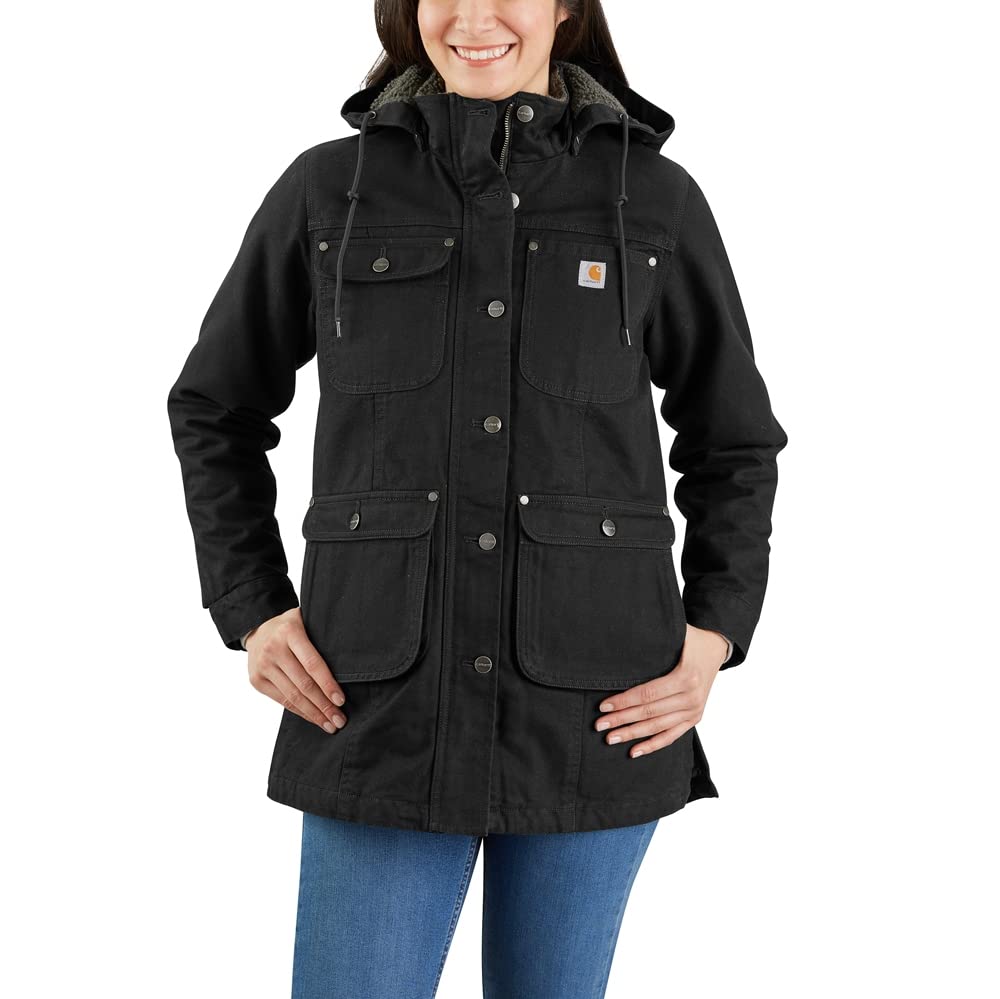
6. Carhartt Women’s Loose Fit Washed Duck Coat
Rated the “warmest casual coat ever” — a heavy duck-canvas workhorse for sub-zero chores.
For women who live in their winter coat — feeding animals, clearing snow, working outdoors — the Loose Fit Duck Coat is the “warmest casual coat ever,” with owners reporting it’s fine in sub-zero temps. The arctic weight insulation brings maximum warmth, while the quilted nylon lining makes it easy to slip on over layers. The heavy duck canvas shell is wind-resistant and built for years of hard wear.
Fit is the big conversation here, and the advice is consistent: size down. A 5’1″ buyer who normally wears Small/Medium found Medium ideal, and another noted a Large was “huge” before swapping to Medium. The loose cut offers plenty of room to move and fits over a hoodie, but the coat is heavy—noticeably so when carrying it, though one owner said it’s “unnoticeable when worn.” The lined handwarmer pockets are a genuine highlight, sitting at a natural hand position.
The known flaw is the same as the Sierra: the zipper is hard to start. It’s a recurring theme across Carhartt’s duck line, and several owners simply leave it unzipped a few inches or power through. At this price, it beats comparable outdoor brands for warmth, but if you want a lighter, sleeker coat, look to the North Face Junction below instead.
Arctic workhorse: sub-zero warmth in a heavy duck shell that shrugs off wind and wear.
The catch: size down for the right fit, and be patient with the stubborn zipper.
Built for: outdoor chores, farm work, and brutal winters where warmth beats fashion every time.
Not for: anyone wanting a lightweight, easy-zip coat — this one is heavy and the zipper tests you.
7. The North Face Women’s Junction Insulated Jacket
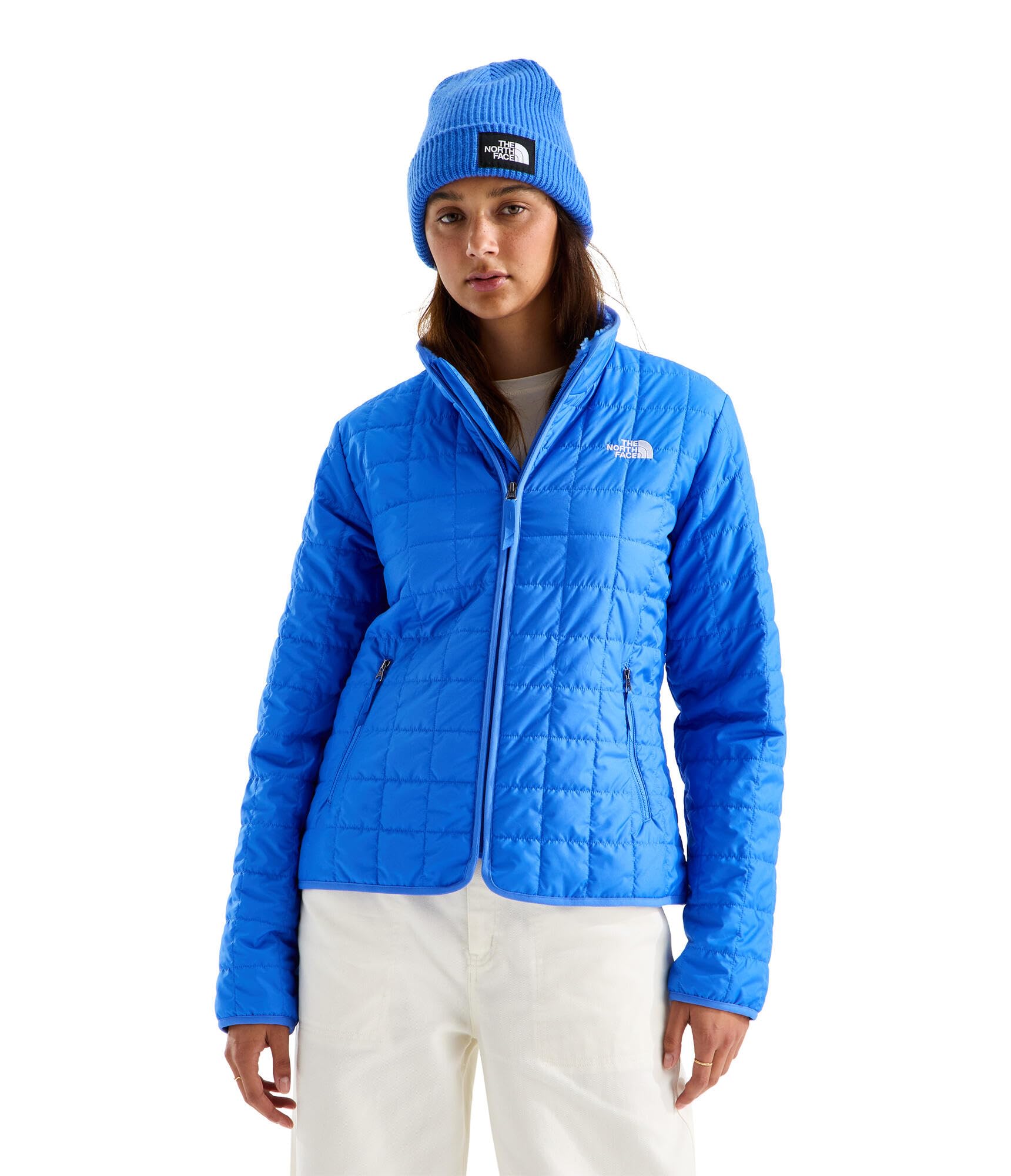
A “sleek look” city commuter packed with 100g of recycled HEATSEEKER for dependable cold-weather comfort.
For city commutes and weekend getaways, the Junction is the sleek, versatile pick. It’s packed with 100g of HEATSEEKER synthetic insulation made from post-consumer recycled polyester — hollow-core fibers that stay warm even when damp. That translates to a lightweight jacket that one owner calls her “all season jacket,” layering it for winter or wearing it alone on cooler summer nights. At 30-40°F with wind, it holds up impressively for its weight.
The recycled polyester shell wears a non-PFC DWR finish (a water-repellent coating without the harsh forever chemicals), and the exposed front zipper has an internal draft flap as an extra wind barrier. Secure-zip hand pockets, stretch binding on the collar and cuffs, and an embroidered logo round out a thoughtfully designed piece. It’s part of North Face’s sustainability line — made with 75% or greater recycled materials by weight.
Sizing is the sticking point: North Face’s women’s sizing runs small, with one buyer finding an XL fits like a Medium. The sleeves run long too, even on a buyer with long limbs. If you want a loose, layered fit, size up. Compared to the Reebok puffer above, the Junction is lighter and more technical, trading some plushness for better weather protection — the better commuter jacket.
The commuter edge
- Lightweight yet warm in 30-40°F windy conditions
- Recycled HEATSEEKER insulation that works when damp
- Secure-zip pockets and wind-blocking draft flap
Fit flags
- Runs small — size up, sometimes two sizes
- Sleeves run very long even on tall frames
Best for: commuters and travelers who want a lightweight, weather-resistant jacket for moderate cold.
Skip if: you need arctic warmth or prefer a regular fit without sizing up.
8. Columbia Women’s Suttle Mountain Long Insulated Jacket
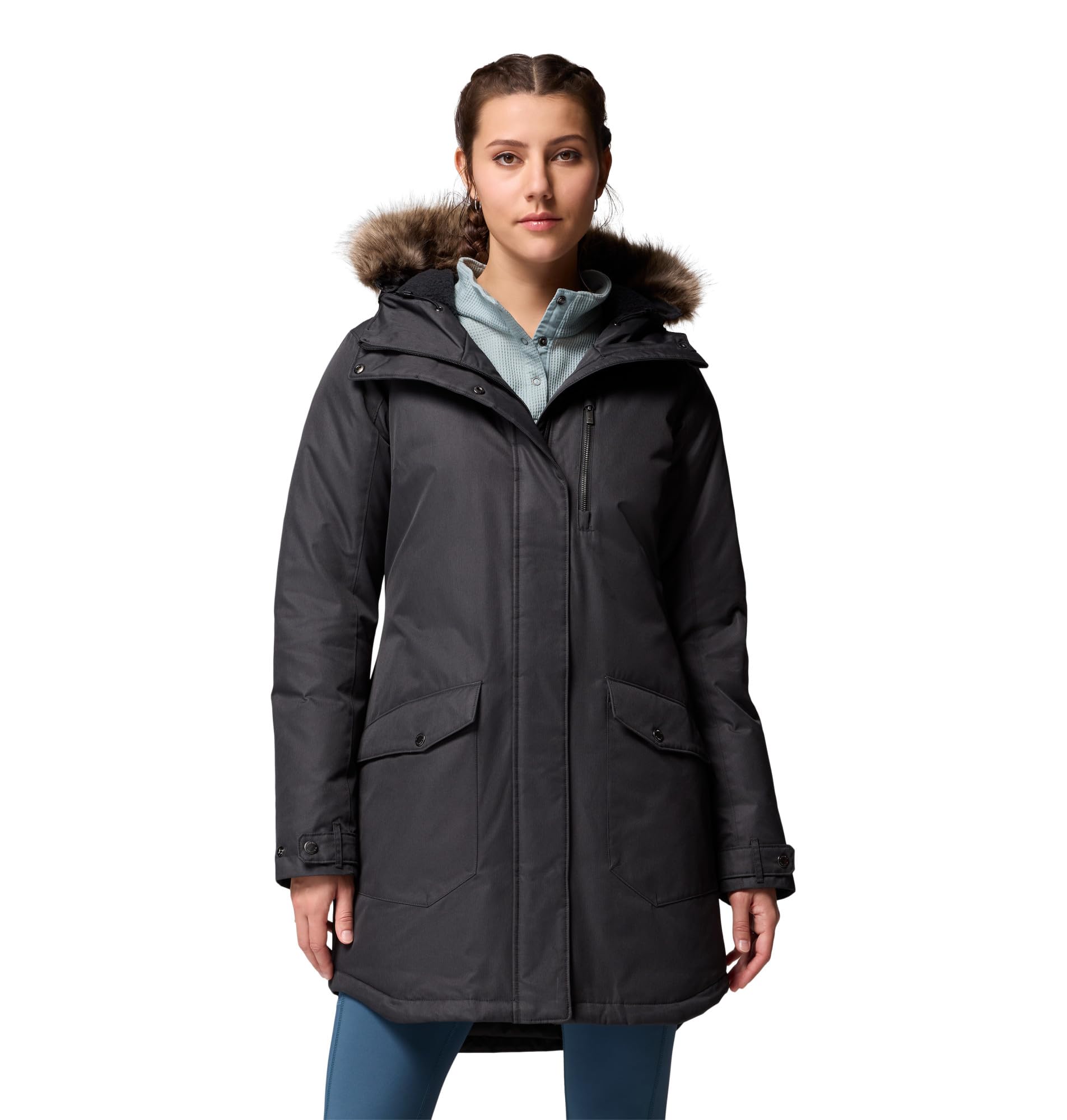
The long-line coat that covers the booty and blocks winter wind — a Midwest favorite for good reason.
If you hate cold drafts sneaking up your back, the Suttle Mountain’s longer cut is the answer—one owner called it “great winter coat for Midwest winters,” and another noted the length “helps protect against the winter wind.” It’s long enough to cover the booty well, which is the single biggest reason buyers pick it over shorter puffers. The warm hood with faux fur and a water-resistant shell add real all-weather capability, holding up in Alaska with layers.
The 2-way zipper is a thoughtful touch, letting you unzip from the bottom so you don’t overheat on the go. It’s warm without being bulky, and a 5’5″/160lb buyer found a size L allowed comfortable layering. One owner praised it as “lightweight yet warm” and more waterproof than her prior jackets. The main gripes: no inside pockets, the top chest pocket is shallow, and sleeves run a bit tight for some. Also, a few find it on the heavier side for a Columbia, though warm enough to wear constantly.
Compared to the North Face Junction above, the Suttle Mountain offers more coverage but heftier weight — pick it if you prioritize draft-blocking length over featherlight portability. It runs true to size for most, which is a relief after the Junction’s small fit.
Draft-proof design: a long, water-resistant coat that covers the booty and blocks wind, perfect for harsh winters.
Weigh the cons: no inner pockets and slightly tight sleeves for some frames.
Choose this if: you want a long, warm coat for brutal Midwest or mountain winters.
Pass if: you need inner pockets or a featherlight jacket — it’s heavier than expected.
9. The North Face Women’s Arctic Parka
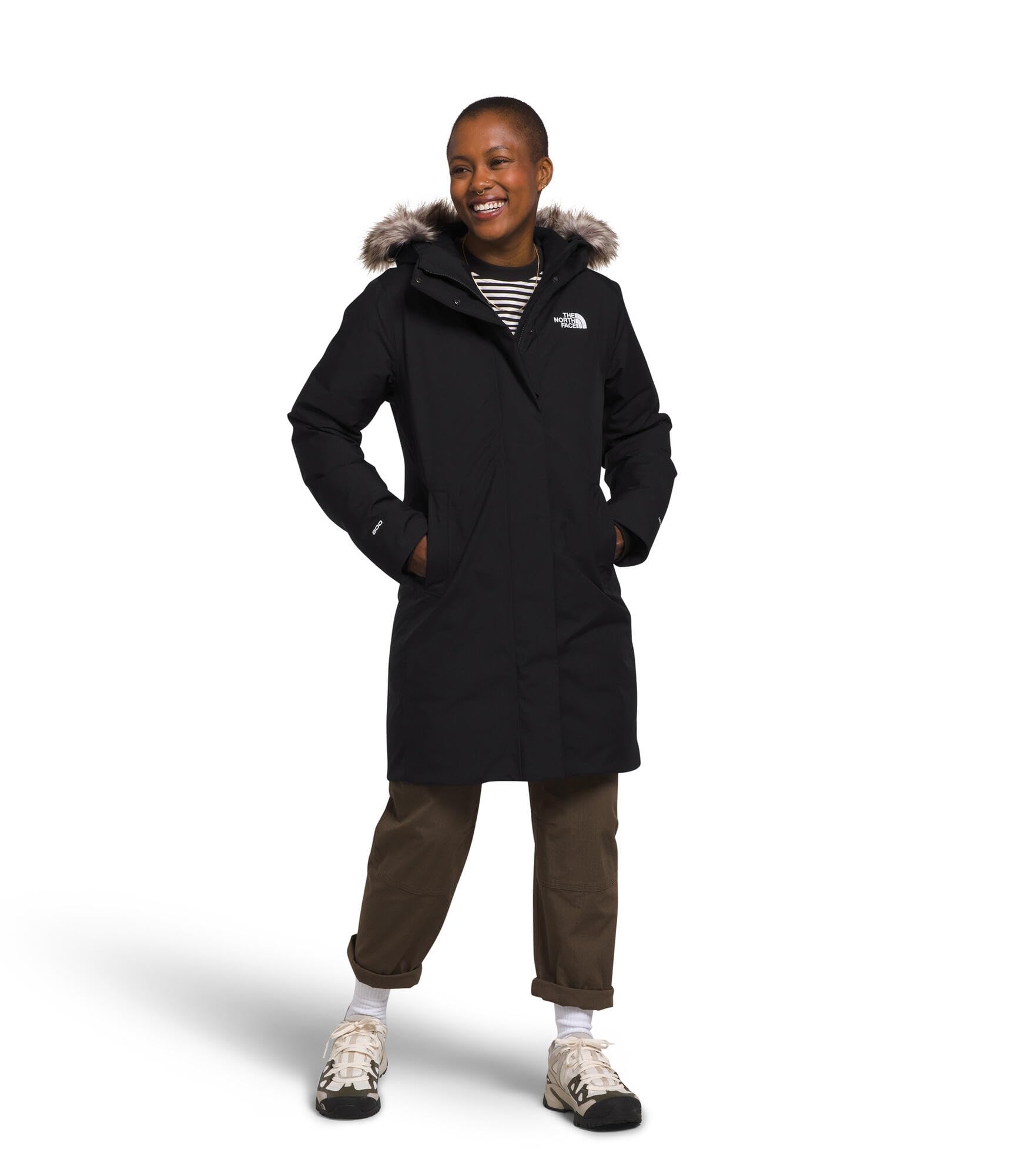
The waterproof down parka that’s “perfect for Montana winters” and still looks sleek on city streets.
When winter turns truly arctic, the Arctic Parka steps in. It’s packed with 600 fill recycled down (part of North Face’s 75-100% recycled materials line), wrapped in a waterproof DryVent shell with a Non-PFC DWR finish. Owners call it “perfect for Montana winters” and praise it as warm without being bulky. The adjustable hood and soft cuffs keep cold wind out without annoying your wrists — the details are dialed in.
The down insulation delivers serious warmth for its weight, and the roomy fit accommodates layers underneath — one buyer sized up to wear sweaters beneath. A trip to Germany owner confirmed it “kept me warm and dry” through both cold rainy days and bitter snowy ones. The pockets are deep, with a deeper interior pocket and hand loops that were an upgrade over previous North Face models, though some wish they were fleece-lined like older versions.
It’s the most expensive pick here, and one owner called it “overpriced” compared to a thinner Columbia in 20°F wind — though the same buyer admitted it’s warmer when the wind calms down. If you want the best winter jacket for women in a truly cold climate, the down insulation and DryVent waterproofing justify the premium. For milder winters, the Junction above gives you 80% of the utility at a fraction of the price.
The arctic advantage
- 600 fill recycled down with waterproof DryVent shell
- Roomy fit that layers over sweaters comfortably
- Deep pockets with hand loops and soft cuffs
Before you commit
- Premium price — some owners question the value vs. lighter coats
- Pockets are unlined; a few miss the fleece lining
Splurge on this if: you face Montana-grade winters and want down warmth plus total waterproofing.
Save your money if: your winters hover around 20°F — a cheaper synthetic coat will do the job.
Understanding the Specs
Insulation: Down vs. Synthetic
Down insulation (like 600 fill) traps heat in fluffy clusters, offering the best warmth-to-weight ratio, but it loses loft and warmth when wet. Synthetic insulation (like HEATSEEKER or arctic weight fill) keeps performing even when damp, dries faster, and is generally more affordable — the wiser choice for wet, slushy climates.
Water Resistance vs. Waterproof
A waterproof rating like 10,000mm means the fabric can withstand a 10,000mm column of water pressure before leaking — enough for snow and rain during active sports. A water-resistant finish (like DWR) only beads off light moisture, making it fine for light snow but not sustained downpours. Match the level to how much wet weather you actually face.
FAQ
How do I know if a winter jacket is actually warm enough for extreme cold?
Should I size up when buying a winter jacket for layering?
What does a waterproof rating like 10,000mm actually mean?
Is down or synthetic insulation better for wet winter climates?
How long should a quality winter jacket last?
Can I wear a ski jacket for everyday winter use?
Is a longer jacket worth it for winter?
Why do some winter jackets have zipper problems?
Final Thoughts: The Verdict
For most people, the winter jackets womens winner is the Carhartt Sierra because it combines proven sub-zero warmth (surviving -17° windchill) with legendary durability people trust through the toughest winters. If you want a waterproof ski companion with the best value, grab the Skieer Ski Jacket. And for a stylish city commuter that layers beautifully, the North Face Junction is the one to reach for — it’s the crowd favorite with over 400 owners backing its everyday versatility.
How We Picked
We do not accept paid placement. Every pick is matched to a real buyer and a real use-case; we do not hands-on test units.
Sources & Methodology
Specifications: manufacturer listings and product documentation. Review insights: verified customer reviews, as of August 2026. Pricing: not shown on this page (it changes often); check the current price via the retailer link.
As an Amazon Associate, Calories Fit earns from qualifying purchases. This does not affect which products we feature.