
Our readers keep the lights on and the coffee maker working hard! As an Amazon Associate, I earn from qualifying purchases.
Specs are compiled from manufacturer listings and verified buyer reviews and can change over time — please confirm the key details on the product page before buying.
The hardest part of going zero waste isn’t finding eco products — it’s finding ones you’ll still use next month. Many fail because they’re flimsy, hard to clean, or just more hassle than the plastic they replace. This guide cuts through the greenwashing to the reusable kitchen and home swaps that genuinely hold up, with real specs and honest trade-offs so you know exactly what you’re buying.
I’m Mohammad — the founder and writer behind Calories Fit. This guide is built by comparing the manufacturers’ published specifications and the patterns across verified customer reviews, so you get each pick’s real strengths and trade-offs instead of marketing spin.
You’ll learn which materials truly last, how to read compostability claims, and why the best zero waste products prioritize durability over disposability in your daily routine.
Our Picks at a Glance

How To Choose The Best Zero Waste Products
Zero waste shopping feels overwhelming because every brand claims to be “eco-friendly.” The real test isn’t the marketing — it’s the material, the certifications, and whether the product can survive regular use. Start by asking what you’ll actually replace in your home, then match the product to that habit.
Match the material to the job
For food storage, you’re choosing between compostable biopolymer bags, reusable polyethylene (PE) bags, and food-grade silicone. Biopolymer bags break down in months under the right conditions but aren’t meant for years of heavy reuse. PE and silicone bags are built for hundreds of wash-and-reuse cycles — silicon withstands temperatures up to 428°F for oven and microwave use, while PE handles freezer-to-microwave transitions if you follow the heat limits.
Verify the claims, not just the labels
Certifications matter more than adjectives. Look for BPI Industrial or TUV Home certifications on compostable products — those mean a third party verified the breakdown claims. For wood products, FSC certification ensures the material was responsibly sourced. If a brand only says “biodegradable” without a certifying body, treat that claim with skepticism.
Think about the daily friction
The best eco product is the one you’ll actually use. A cutting board that requires hand-washing and oiling is a wonderful swap if you’re already careful with kitchen tools, but a hassle if you rely on the dishwasher. Similarly, reusable bags that need air-drying take more effort than disposables. Be honest about your habits before you commit.
Quick Comparison
| Model | Best For | Material | Count | Key Feature | Amazon |
|---|---|---|---|---|---|
| Matter Compostable Bags★ Best Overall | All-purpose kitchen storage | Biopolymer | 230 bags | BPI + TUV certified | Amazon |
| SPLF Reusable BagsBest Value | Freezer meal prep | Polyethylene (PE) | 24 bags | Dishwasher & microwave safe | Amazon |
| Cotton Cloth NapkinsStyle Pick | Paper towel replacement | 100% cotton flannel | 30 pieces | 10 x 10 inch | Amazon |
| XL Wool Dryer Balls | Laundry softening | 100% New Zealand wool | 6-pack | Cuts drying time by 25-40% | Amazon |
| Reusable Tissue Roll | Kitchen spills & napkins | 100% cotton flannel | 25-pack | 10.6 x 10.6 inch | Amazon |
| Zero Waste Dish Soap Bar | Plastic-free dishwashing | Cold-processed oils | 3 bars | Plastic-free packaging | Amazon |
| Pixie Cotton Cloth Pads | Reusable feminine care | OCS certified organic cotton | 1 pad | 5-layer moisture-wicking | Amazon |
| Annaklin Silicone Bags | Oven & microwave storage | 100% food-grade silicone | 12 bags | Heat safe to 428°F | Amazon |
| Ziruma Acacia Cutting Boards | Non-toxic food prep | FSC-certified acacia wood | 3 boards | Mineral oil-free finish | Amazon |
In-Depth Reviews
1. Matter Compostable Resealable Bags, 230 Count
Our pick — over 4.5★ from 850+ verified ratings; the strongest balance of quality and price.
The 230-bag kitchen drawer staple that breaks down in months, not decades.
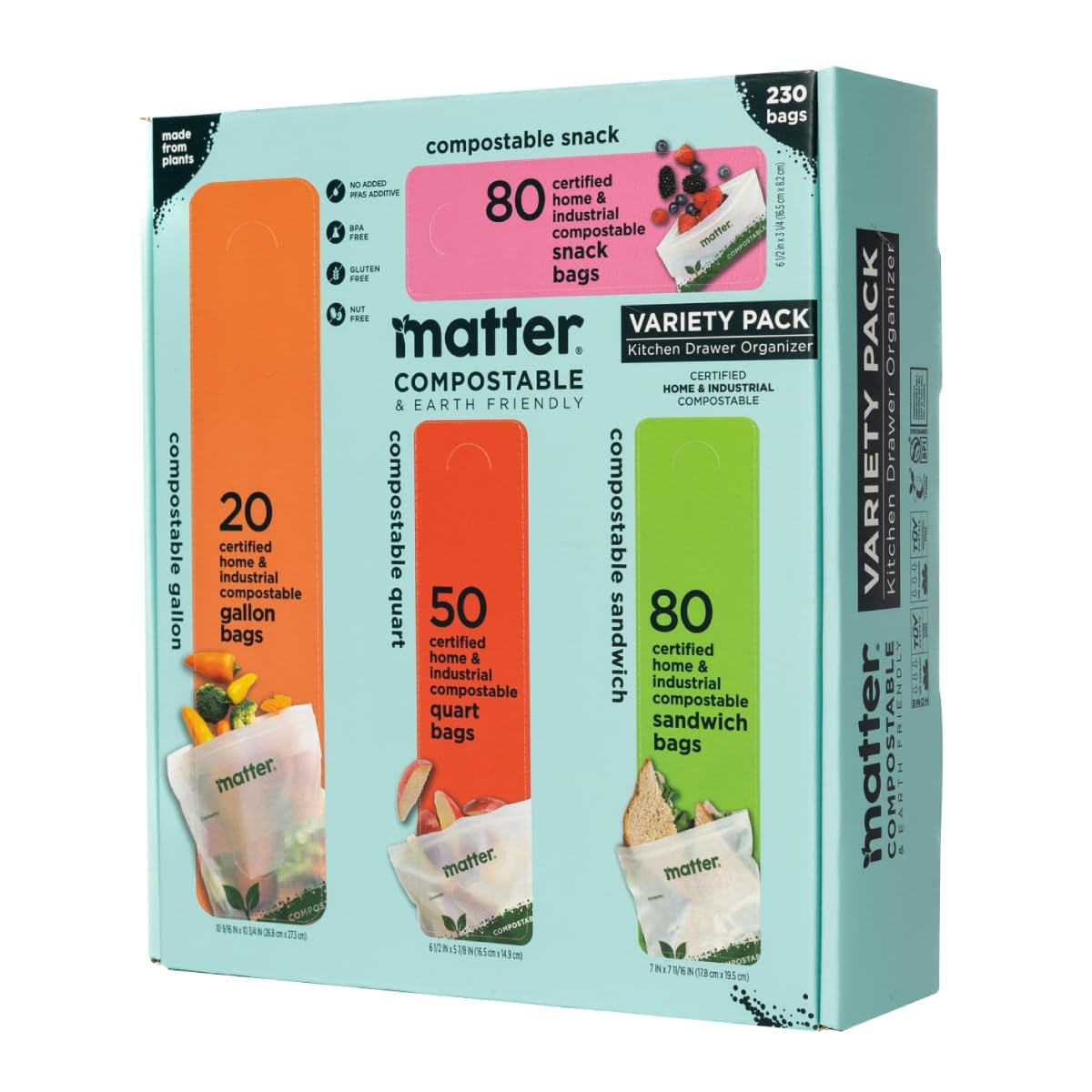
This is the rare zero waste product that asks nothing of you — just reach in and grab a bag like you always have. The variety pack delivers 80 snack, 80 sandwich, and 50 quart bags, all made from biopolymer (plant-based material) instead of petroleum plastic. The clever storage case is sized to fit your kitchen drawer at 11.1″L x 10.25″W x 3.1″H, with separate perforations per size so you grab without rummaging.
What wins people over is the quality — owners consistently praise how tough these feel, with the crowd favorite aspect being build quality across the board. They’re refrigerator and freezer safe, tough enough to reuse repeatedly until you’re ready to compost them. Buyers report none have worn out even after two months of rinsing and reusing, and they’re versatile enough for both food and non-food storage. The certified compostable claim is real: BPI Industrial and TUV Home and TUV Industrial certifications back it, with no added PFAS additives.
You get 230 bags in one box, so the value is tough to beat, and the box keeps everything tidy. The honest trade-off is the seal — it’s a zipper closure, not an airtight lock. Most owners find it seals well and keeps food fresh, but a few note it isn’t fully airtight for long-term liquid storage. With a 4.7-star rating across hundreds of owners, this is the most trusted pick in this guide.
What owners rave about
- Certified compostable with BPI and TUV backing
- Strong enough to rinse, reuse, and freeze
- No odor, no PFAS, made from plants
- Fits a kitchen drawer with easy grab-and-go perforations
The realistic catch
- Zipper seal isn’t fully airtight for liquids
- Bags can shift out of order in the box
- Some owners wish more large sizes were included
Reach for this if: you want the easiest possible swap from plastic bags without changing your routine — grab, use, rinse, repeat, then compost.
Look elsewhere if: you need a truly airtight seal for liquids or soups, where a reusable silicone bag handles pressure better.
2. SPLF 24 Pack Reusable Food Storage Bags
Dishwasher-safe meal-prep bags that shrug off the freezer and microwave.
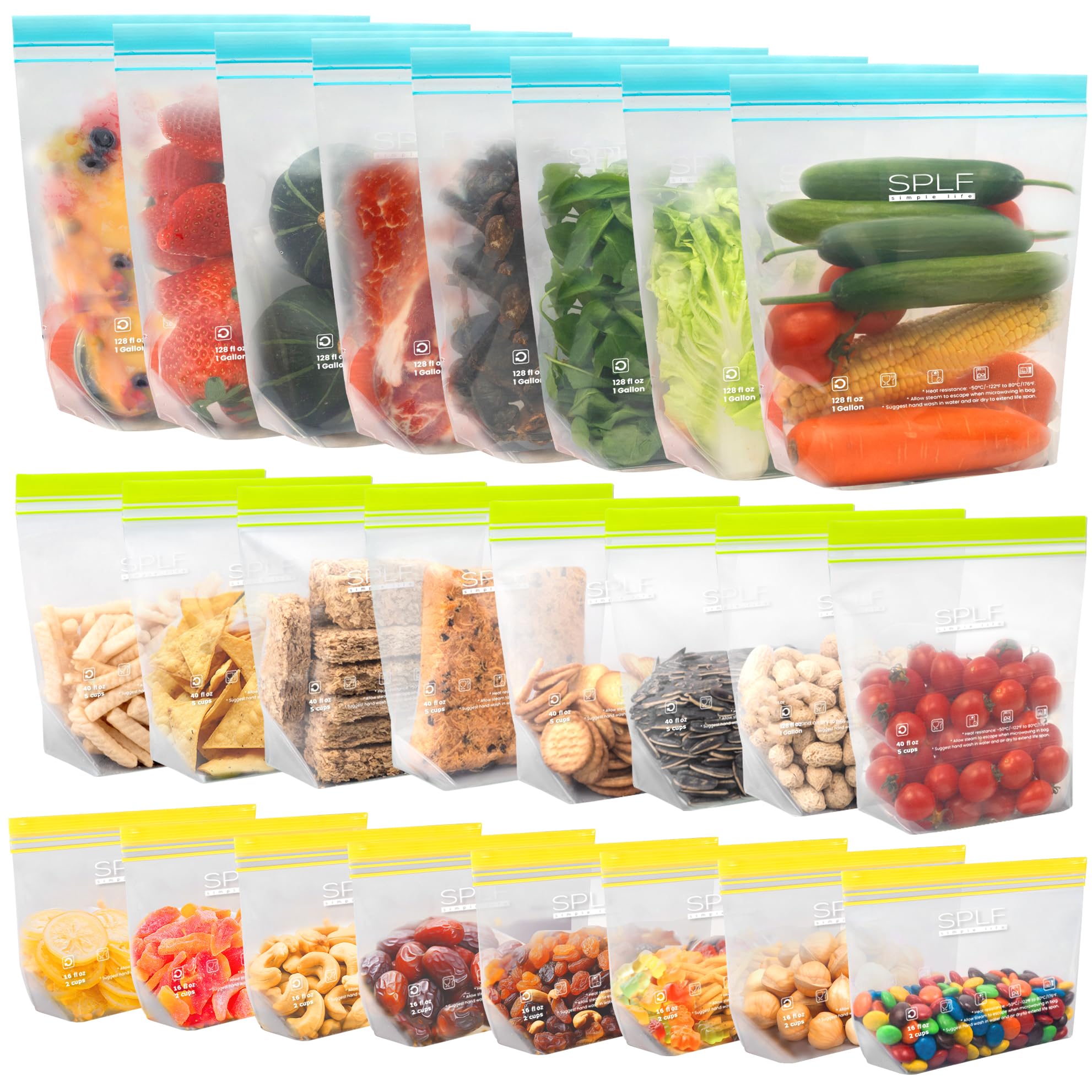
If your zero waste goal is cutting the daily Ziploc habit, this 24-pack gives you 8 gallon, 8 sandwich, and 8 snack bags made from extra-thick food-grade polyethylene (PE) — the same flexible plastic family as disposables, but built to be reused hundreds of times. The special foldable bottom lets each bag stand up on its own for easy filling, which makes them far more portable than bulky silicone options.
The heat range is the headline: safe from -50°C/-122°F up to 80°C/176°F, so they handle freezer, dishwasher, and microwave duty. Owners mention using these daily for freezing prepped meals and warming them on the go — one common note is that a few seams can bust if you freeze bags packed very full and then try to break up the frozen pieces inside. The double zipper lock delivers an airtight, leakproof seal that owners find easy to open thanks to the anti-slip design.
Compared to the Matter compostable bags above, these are the long-term investment — 24 bags vs 230 disposables, but Each replaces 100+ single-use bags. The quality impresses for the price, with owners noting they’re better made than pricier brands they’ve tried. The one recurring gripe is the seal: some find it very good while others say it takes effort to close properly, and air-drying takes extra positioning. A 4.4-star crowd rating across hundreds of owners reflects that honest split.
Where it shines
- Freezer, dishwasher, and microwave friendly in one bag
- Stand-up design makes filling and storing easy
- Extra-thick PE feels sturdy and washes well
- One bag replaces 100+ disposable plastic bags
Where it’s honest
- A few seams can bust when frozen overstuffed
- Air-drying takes time and positioning
- Sealing effort varies from bag to bag
Best for: meal-prep households that freeze weekly portions and want bags that go from freezer to microwave without a second thought.
Think twice if: you overfill freezer bags to the brim — those seams need some breathing room.
3. Reusable 30 Pack Cotton Cloth Napkins
Thirty 10-inch cotton squares that quietly end your paper towel dependency.
Each set brings 6 colors across 30 pieces of 10 x 10 inch 100% cotton flannel — a cheerful stack that replaces both paper towels and napkins. The absorbency improves after the first few washes, and the fast-drying fabric is ready again between uses. Customers note these handle real-life spills like applesauce and soda without a problem, and they come out of the wash looking fresh.
The eco math is striking: Each reusable piece can be used more than 10,000 times, which is the kind of durability that makes the modest upfront cost disappear fast. They’re machine-washable and dry quickly in their natural state. The versatility spans kitchens, bathrooms, and nurseries, and they fit most existing paper towel holders.
The honest caveat is that these run slightly thinner than some owners hoped, which means slightly less absorbency for big spills. Light colors also stain more visibly — a few owners noted prints would hide stains better, and one found only one side soft. Homeowners who’ve washed and reused them around 20 times report they still look like new. At 4.3 stars from a few hundred owners, this is a solid, budget-friendly entry into cloth over paper.
Soft but sturdy: these hold up through dozens of washes, with the absorbency growing over time — the classic trade-off for cotton.
Watch the whites: lighter shades show stains faster, so darker prints are the smarter buy for heavy kitchen use.
4. XL Wool Dryer Balls 6-Pack
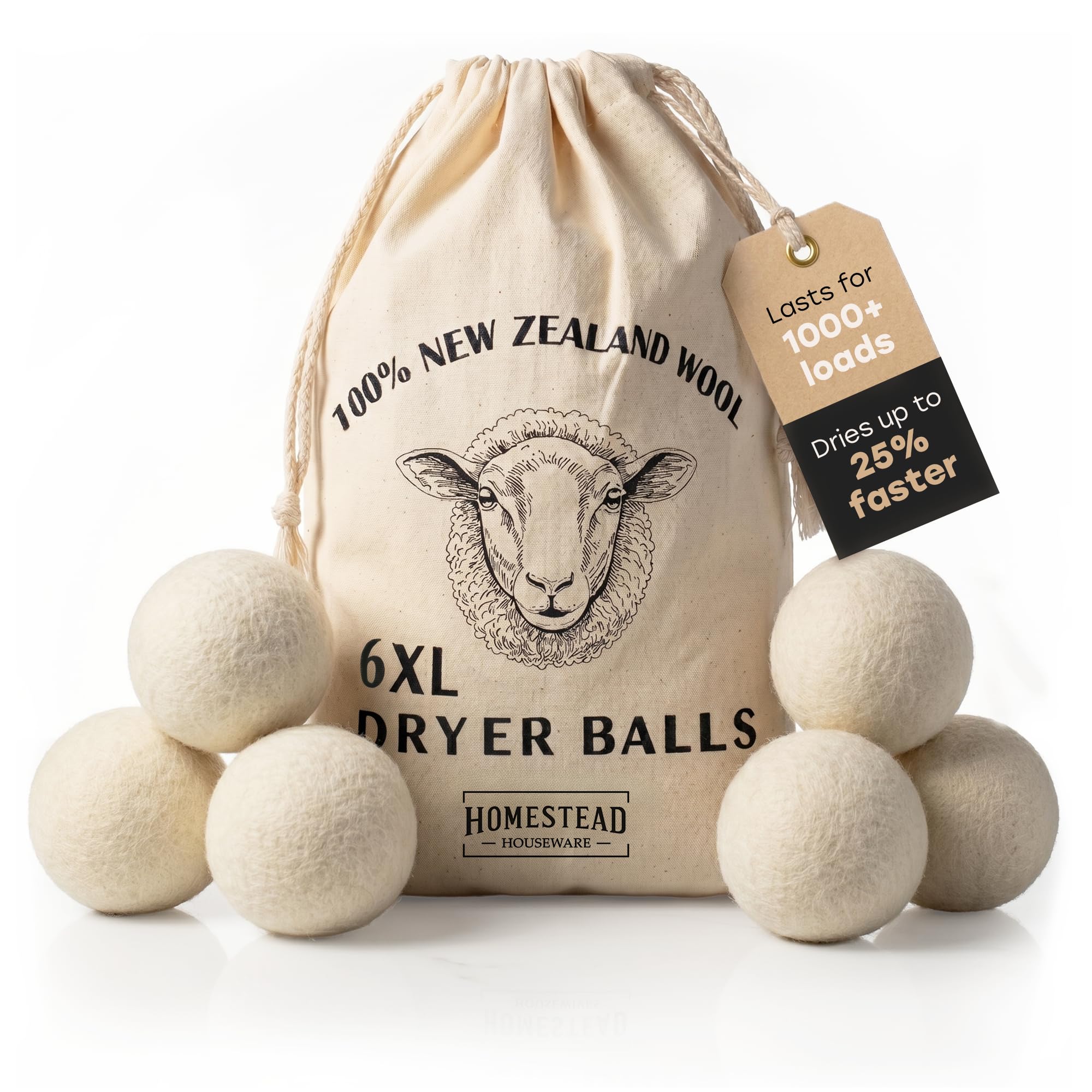
Six extra-large wool balls that cut drying time by 25-40% and kill the dryer sheet habit.
These felted balls from 100% New Zealand wool with zero fillers do the job of both fabric softener and dryer sheets — without the chemicals. They lift and separate laundry to boost airflow, which is where The 25-40% drying time reduction comes from. Reviewers point out clothes come out fluffier, softer, and with less static, all without any fragrance or chemical residue.
The durability math is compelling: Rated for 1,000+ reuses and plastic-free, they pay for themselves versus buying dryer sheets repeatedly. The honest note is that the first wash can shed some lint and cause static shock before settling into bliss — owners describe a brief adjustment period. At 4.6 stars from over 500 owners, the crowd consensus is clear: these work. The effectiveness and quality are the most-praised aspects, with drying time and static control close behind.
Workhorse laundry swap: the single most effective zero waste replacement for a product you’d otherwise rebuy every month.
First-wash warning: expect some lint and static the first time — it disappears after that initial cycle.
5. 25 Pack Reusable Tissue Paperless Towel Roll

A 25-pack cotton roll that gets softer and more absorbent with every single wash.
This roll of 25 reusable towels, each 10.6 x 10.6 inches, mounts on your existing paper towel holder and looks great on the counter. Made from 100% cotton flannel with overlock-stitched rounded edges to prevent fraying, these are built to survive the daily grind of kitchen spills, dish drying, and quick cleanups. Shoppers say they’re thick enough for real spills yet soft enough for your face.
The standout feature is how they improve with age — the cotton becomes softer and more absorbent with each wash, and stains come out easily. They roll easily back onto the core after washing, keeping your counter tidy. The reusability is the most-praised aspect, with cleaning performance and absorbency close behind. One family bought them for the kitchen and ended up using them as bath cloths for their baby.
The honest notes: expect some shrinkage since the cotton isn’t pre-washed, and they’re smaller than standard paper towels — a few owners still reach for paper for animal messes. Machine wash cold, tumble dry low, and avoid chlorine bleach or fabric softener. At 4.6 stars from hundreds of owners, this is a nearly frictionless swap for anyone who rips paper towels daily.
Why owners stick with it
- Softens and improves absorbency with each wash
- Fits a standard paper towel holder
- Overlock stitching prevents fraying
- No odor and machine washable
The small print
- Cotton shrinks on first wash — expect it
- Smaller than paper towels for big messes
- Single-ply cloth suits light-to-medium spills
Choose this if: you want the familiar paper-towel experience — roll, tear, use, wash — with zero plastic waste.
skip it if: you need oversized cloths for heavy-duty cleanup, where the cloth napkin pack above gives more square footage.
6. Zero Waste Natural Dish Soap Bar (Pack of 3)

Three cold-processed bars that cut grease in cold water and arrive with zero plastic.
This dish soap bar replaces an entire category of plastic bottles with a solid block that lasts. Made from coconut oil, lemon-peel oil, grape seed oil, jojoba seeds oil, rosemary extract, centella asiatica extract, and vitamin E, it’s free from chemical residue, dyes, surfactants, and artificial fragrances. Each bar is cold processed with a 1000-hour maturation period, which preserves the natural properties of the ingredients.
Owners consistently praise the cleaning performance — cutting through grease and grime even in cold water — with strong lather and a pleasant, subtle scent. The durability is remarkable: one family of four reports A single bar lasts 3+ months. The plastic-free packaging breaks down easily, and since it’s free from palm oil, it also avoids a major deforestation driver. The glycerin content keeps it gentle on hands, ideal for sensitive skin — “doesn’t dry out my hands, washes up great!” is the recurring sentiment.
The honest caveat is residue — some buyers report zero residue while others mention a greasy filmy feel, so results vary. The lather doesn’t last long, making it better for quick washing than heavy-duty greasy pots; you’ll need to load up the bar for stubborn residue. It’s safe for septic systems and greywater setups, which matters for off-grid homes. At 4.4 stars from 700+ owners, this is a proven plastic-free swap for daily dish duty.
The real wins
- Glycerin keeps hands moisturized while washing
- One bar lasts months — a family of four got 3+ months
- Free from palm oil, dyes, and artificial fragrance
- Plastic-free packaging that breaks down
Know before you buy
- Residue experience varies — some report a greasy film
- Lather fades fast, so load up for greasy pans
- Store in a small bowl to reduce runoff
Grab this if: you want to eliminate plastic dish bottles and prefer natural ingredients on your hands daily.
Pass if: you regularly tackle heavily greasy roasters — this bar needs repeat lathers for the toughest jobs.
7. Pixie Cotton Cloth Pads for Feminine Care
Five layers of organic cotton that beat disposables for comfort and breathability.
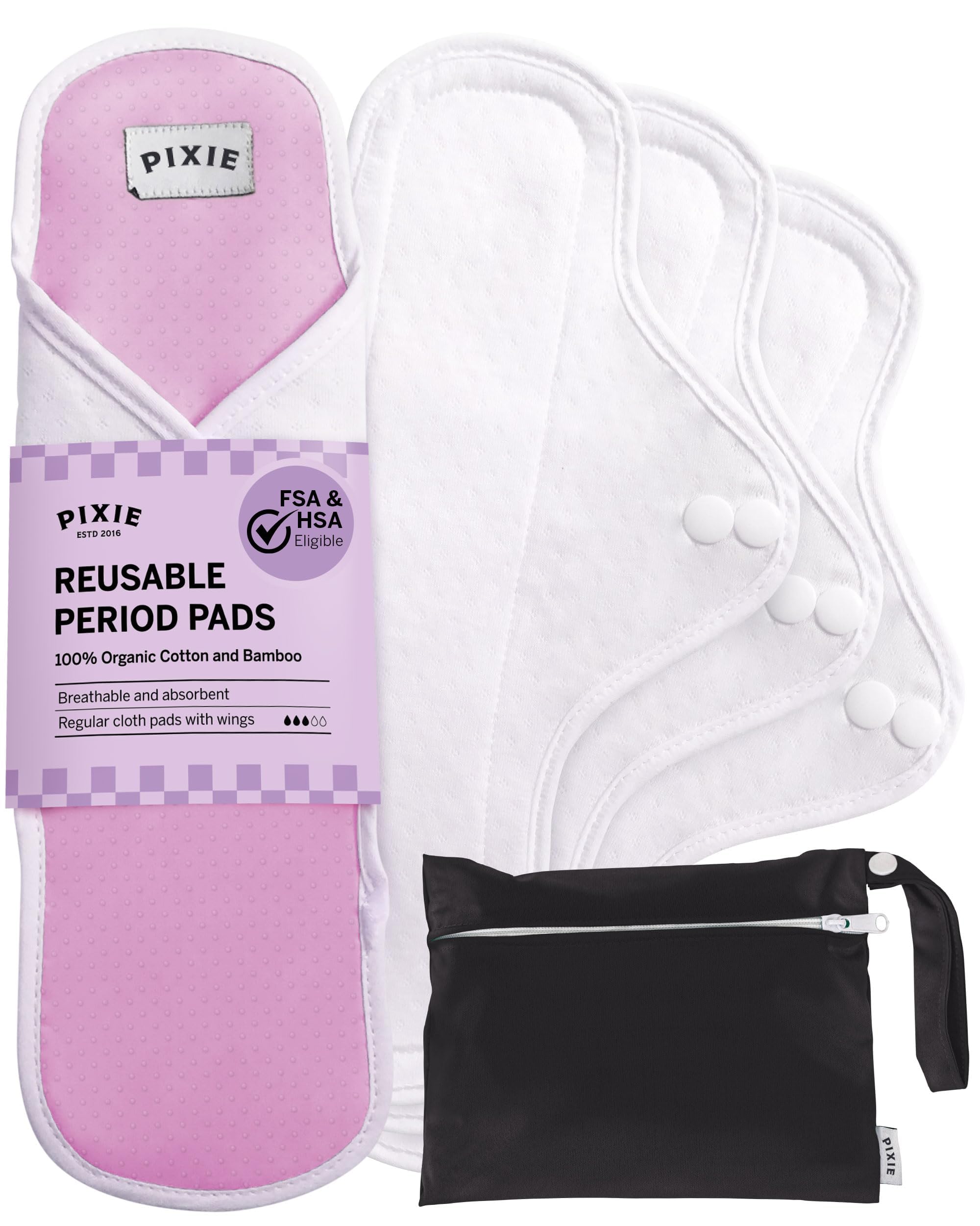
This reusable pad swaps disposable sanitary napkins for OCS certified organic cotton — no toxins, chlorine, pesticides, or fragrance touching your skin. The top layer is certified organic, and the double snap closure wraps around your underwear gusset for a secure, no-slip fit. The slight hourglass shape follows your body, and 5 layers of moisture-wicking cotton minimize odors and irritation.
The comfort is the most-praised aspect — owners describe it as softer than disposables, with one noting it works for cotton-sensitive skin and textile dermatitis. It’s thin yet highly absorbent, handling heavy flow while staying comfortable for 10-12 hours. The included wet bag makes the rinse-and-store cycle hygienic, and they machine wash and tumble dry well. Owners mention they’re leak-proof and don’t shift — superior to other cloth brands that slip.
The honest trade-offs: staying-in-place gets mixed feedback — some find the snap closure secure while others say they need snug underwear to stay put. Staining is inevitable if you don’t rinse promptly; hydrogen peroxide or enzyme spray helps. The wet bag is basic quality. At 4.3 stars from over 400 owners, this is a comfortable, effective entry into reusable feminine care.
Softness that converts: the fabric genuinely feels better than disposables, and the breathability reduces irritation for sensitive skin.
Care matters: prompt rinsing is the difference between minimal and stubborn staining — plan for that habit.
8. Annaklin Reusable Silicone Food Storage Bags, 12 Pack
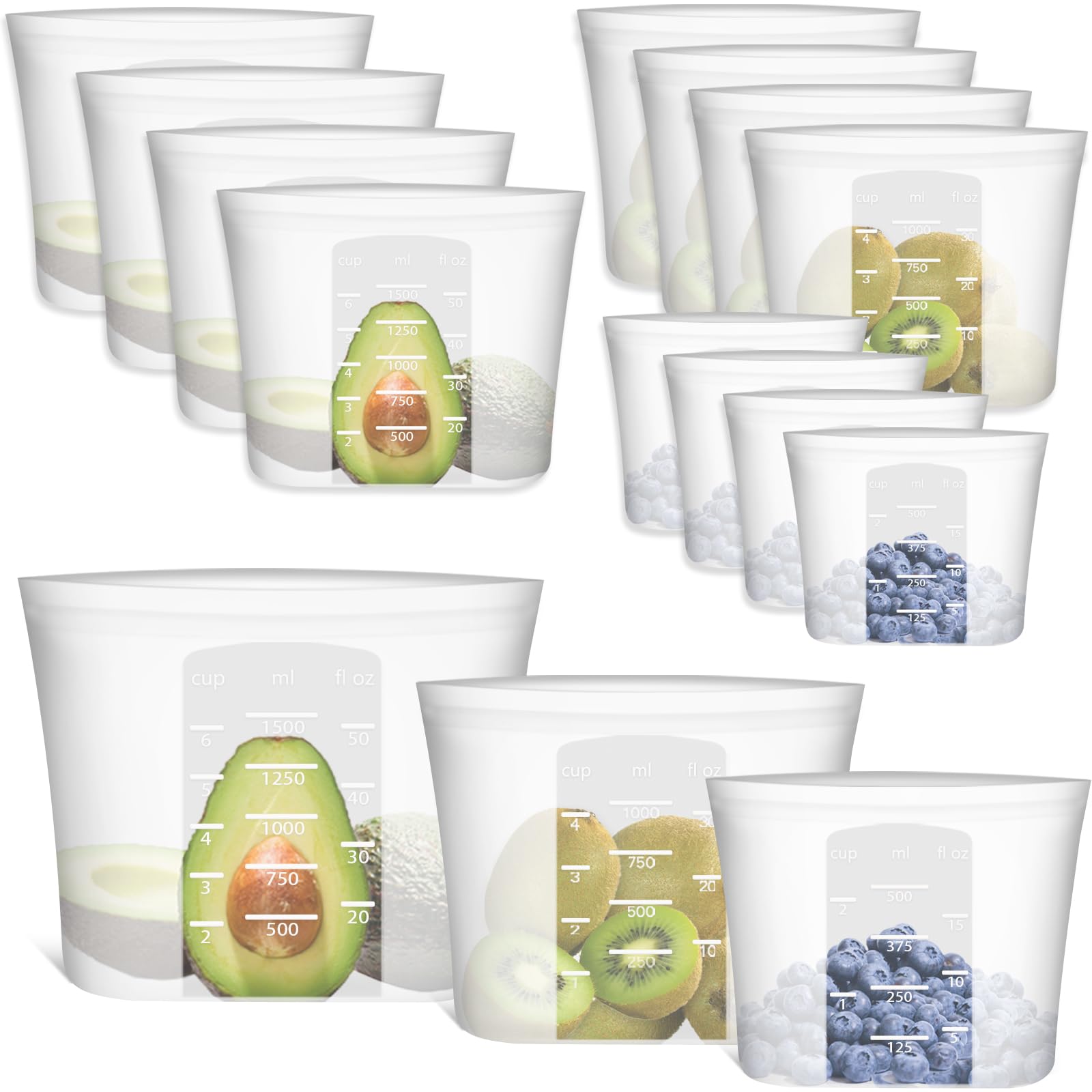
Food-grade silicone bags that go from oven to freezer without a second thought.
This 12-pack of 100% food-grade silicone bags is the heavyweight champion of food storage. You get 4 medium (1.5 quart/1500ml), 4 small (33.8 fl oz/1000ml), and 4 extra-small (16.9 fl oz/500ml) — clearly marked in cups, milliliters, and fluid ounces. They withstand temperatures up to 428°F, making them safe for microwave, freezer, oven, and dishwasher duty. Each silicone bag can replace up to 300+ single-use plastic bags annually.
The zip-lock closure is the most-praised feature — it opens and closes easily, with no pesky lids to lose. The stand-up design frees one hand during filling, and the translucent body lets you see what’s inside, though not crisp. Customers note the seal holds reliably, keeping broth fresh for weeks in the fridge after freezing — “better than ziploc” is a recurring refrain. The wide opening and flexible material make them user-friendly, and even a toddler can operate the closure.
The honest limitations: the liquid seal fails under outside pressure, so don’t pack these tight for travel with liquids — keep them upright and fold the top when filling. Hand-grated cheddar absorbed fridge odor after a week, and staining is possible (use a ziploc inside for strongly colored foods). The translucent body isn’t fully see-through in darker colors, and you can’t easily write on them — use a wet-erase marker. At 4.5 stars from 600+ owners, this is a premium investment that replaces hundreds of disposables.
Why it’s worth the splurge
- Withstands 428°F — oven, microwave, freezer, dishwasher
- Seal is the standout feature, reliable and toddler-friendly
- Stands up on its own for easy filling
- Volume marks in cups, ml, and fl oz
Handle with care
- Liquid seal fails under pressure — keep upright, not for tight packing
- Not for sous vide, despite the heat rating
- Can absorb strong fridge odors over time
Invest here if: you want the most versatile food storage that eliminates single-use plastic entirely and handles heat like a pro.
Choose the SPLF above if: you prefer lighter, cheaper bags and don’t need oven-safe storage.
9. Ziruma Non-Toxic Acacia Cutting Board Set of 3
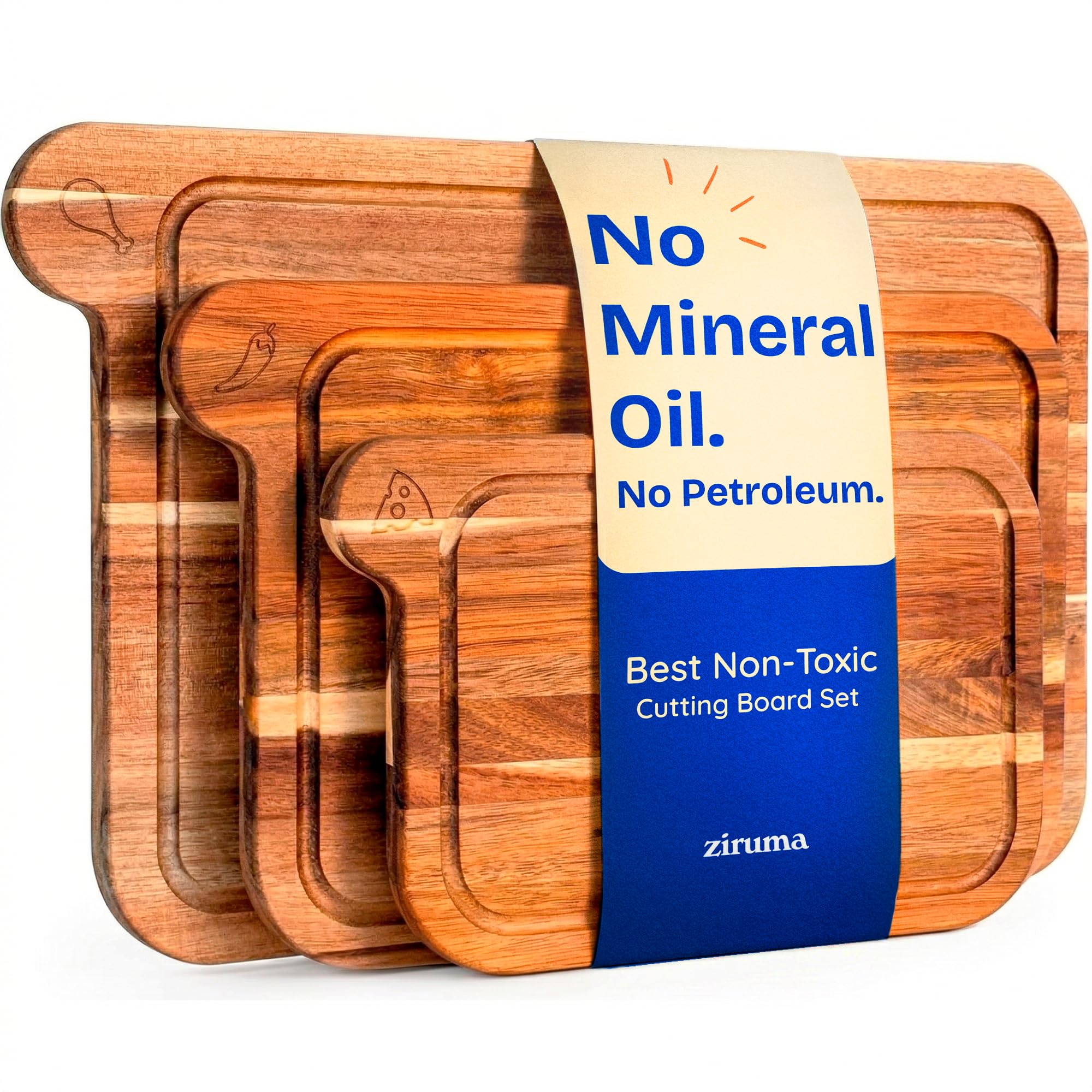
Three FSC-certified acacia boards finished with beeswax, flaxseed, and lemon oil.
This set of three acacia wood boards — 17×11, 14×9, and 11×7 inches — is finished with a clean blend of unbleached beeswax, flaxseed oil, and lemon oil instead of mineral oil, a petroleum byproduct. No mineral oil, no BPA, no phthalates. The wood is FSC-certified, meaning it’s responsibly sourced from forests managed with sustainability in mind. Each board features a laser-engraved icon — meat, veggies, or cheese — so you can easily separate ingredients and reduce cross-contamination.
Owners praise the premium feel: rich grain, smooth finish, no chemical smell. The boards are lightweight enough to move easily yet strong for chopping, and they’re gentler on knife edges than plastic. The juice groove catches runoff, and the serving-board quality means they double as charcuterie boards. The set is packaged with zero plastic anywhere.
The honest trade-off is maintenance — these require hand washing, thorough drying, and periodic reconditioning with oil. One owner described splintering and coating issues after scrubbing, though this appears to be an occasional problem rather than the norm. They’re not dishwasher-safe and not scratch-resistant. At 4.2 stars from 500+ owners, the consensus is that these are beautiful boards that reward careful owners — ideal if you already hand-wash your kitchen tools.
Clean materials, clean prep: the engraved icons and natural finish make this the most thoughtful food-safety swap in the guide.
Commit to care: hand-wash, dry, and oil regularly — neglected wood will warp or crack, so this is for the attentive cook.
Understanding the Specs
Compostability certifications
Not all “biodegradable” claims are equal. BPI Industrial certification means the product meets standards for industrial composting facilities. TUV Home certification is rarer and stricter — it verifies breakdown in home compost conditions. If you’re composting at home, look for TUV Home; if you have access to municipal composting, BPI is sufficient. Products with neither certification may still break down, but you’re trusting the brand’s word alone.
Reusable bag materials
You’ll see three main options: biopolymer (plant-based plastic, compostable but less durable), polyethylene or PE (the same material as disposables but thick enough to reuse hundreds of times), and food-grade silicone (the most durable and heat-resistant, withstanding up to 428°F, but heavier and pricier). Your choice depends on whether you prioritize compostability at end-of-life or maximum durability during use.
FAQ
What does BPI certified compostable actually mean?
Are reusable silicone bags better than compostable ones?
Can I put reusable PE bags in the microwave?
How long do wool dryer balls actually last?
Will reusable paper towels get softer with washing?
Do dish soap bars work in cold water?
How do I prevent staining on reusable cloth pads?
Why does my acacia cutting board need special care?
How many single-use plastic bags can one silicone bag replace?
Final Thoughts: The Verdict
The zero waste products winner for most households is the Matter Compostable Bags because they deliver the easiest possible swap from plastic with certified compostability. If you want maximum durability in food storage, grab the Annaklin Silicone Bags. And for the most effective single swap in your laundry routine, the XL Wool Dryer Balls are the one to reach for — the crowd favorite at 4.6 stars from over 500 owners, proving that the best zero waste products are the ones you never have to rebuy.
How We Picked
We do not accept paid placement. Every pick is matched to a real buyer and a real use-case; we do not hands-on test units.
Sources & Methodology
Specifications: manufacturer listings and product documentation. Review insights: verified customer reviews, as of August 2026. Pricing: not shown on this page (it changes often); check the current price via the retailer link.
As an Amazon Associate, Calories Fit earns from qualifying purchases. This does not affect which products we feature.