
Our readers keep the lights on and the coffee maker working hard! As an Amazon Associate, I earn from qualifying purchases.
Specs are compiled from manufacturer listings and verified buyer reviews and can change over time — please confirm the key details on the product page before buying.
Zero-drop hiking boots sit your heel and forefoot at the same height, so your foot lands the way it does when you’re barefoot. That single flat platform is the whole point of the category — it encourages a more natural stride and lets your toes spread wide inside the shoe. The trade-off is real, though: your calf muscles and arches do more work, which is exactly why the fit and the last (the shoe’s internal shape) matter more here than in any other boot category.
I’m Mohammad — the founder and writer behind Calories Fit. This guide is built by comparing the manufacturers’ published specifications and the patterns across verified customer reviews, so you get each pick’s real strengths and trade-offs instead of marketing spin.
Find the pair that fits your foot shape, your trail, and your budget with this breakdown of the zero drop hiking boots worth your attention in 2025.
Our Picks at a Glance
How To Choose The Best Zero Drop Hiking Boots
Choosing a zero-drop boot starts with understanding that the flat sole is just the beginning. The real differences hide in the toe box width, the amount of cushion underfoot, and how the boot handles water — and those three choices will decide whether your feet feel free or punished after mile ten.
Toe Box Width Is The Real Spec
A wide toe box is the defining feature of this category, but “wide” means different things to different brands. Some manufacturers build a genuinely anatomical shape that lets your big toe and pinkie toe splay out naturally, while others just add a few millimeters to a standard last. If you have broad feet or bunions, look for owners who mention the specific width of their foot and whether the boot truly accommodated it — a boot that squishes your toes defeats the entire purpose of going zero-drop.
Cushion: Barefoot Feel vs. Trail Comfort
Zero-drop boots range from ultra-thin soles that let you feel every pebble to moderate cushion that protects your feet on rocky descents. A thinner midsole (around 2 mm of shock-diffusing material) gives you the most ground feel but demands stronger feet, while a thicker stack height (around 25 mm) softens impacts for longer days on hard trails. Decide which end of that spectrum your feet are ready for before you pick.
Waterproofing Is A Compromise
A waterproof membrane keeps rain and stream crossings out, but it also traps heat and slows drying once water gets in. Some boots use a breathable mesh upper that dries fast and stays cool in warm weather, sacrificing wet-weather protection entirely. Think about your local trails — if you hike through morning dew and puddles, a waterproof model earns its place; if you hike in the desert, skip it and save the weight.
Quick Comparison
| Model | Best For | Toe Box | Midsole / Cushion | Upper | Amazon |
|---|---|---|---|---|---|
| Belleville TR501 AMRAP★ Best Overall | Military & rucking | Wide | Expanded TPU | Leather/Nylon | Amazon |
| Belleville Mini-MilBest Value | Warm-weather hiking | Wide | 2mm Shock-Diffusing | Breathable Mesh | Amazon |
| Merrell Wrapt MidComfort Pick | Women’s all-round trails | Wide | Moderate | Waterproof | Amazon |
| Xero Shoes Mika | Women’s cold weather | Squared | Thin, Flexible | Faux Leather, Wool Cuff | Amazon |
| ALTRA Lone Peak Hiker 3 | Men’s roomy forefoot | Roomiest FootShape | 25 mm/25 mm | Polyester Mesh | Amazon |
| Belleville Mini Mil TR102 | Minimalist tactical | Wide | 2mm Die Cut EVA | Leather & Nylon | Amazon |
| Vivobarefoot Magna Forest ESG | Women’s leather hikers | Wide | Michelin Sole | Leather & Wool | Amazon |
| ALTRA Lone Peak 9 WP Mid | Women’s waterproof hikes | Roomy FootShape | 25 mm/25 mm | Hydroguard Waterproof | Amazon |
| JIM GREEN African Ranger | Rugged leather durability | Wide Round | Thin, Resoleable | Full Grain Leather | Amazon |
| Vivobarefoot Tracker Textile AT | Men’s all-weather hikes | Wide Fit | Thin, Puncture Resistant | Waterproof Textile | Amazon |
In‑Depth Reviews
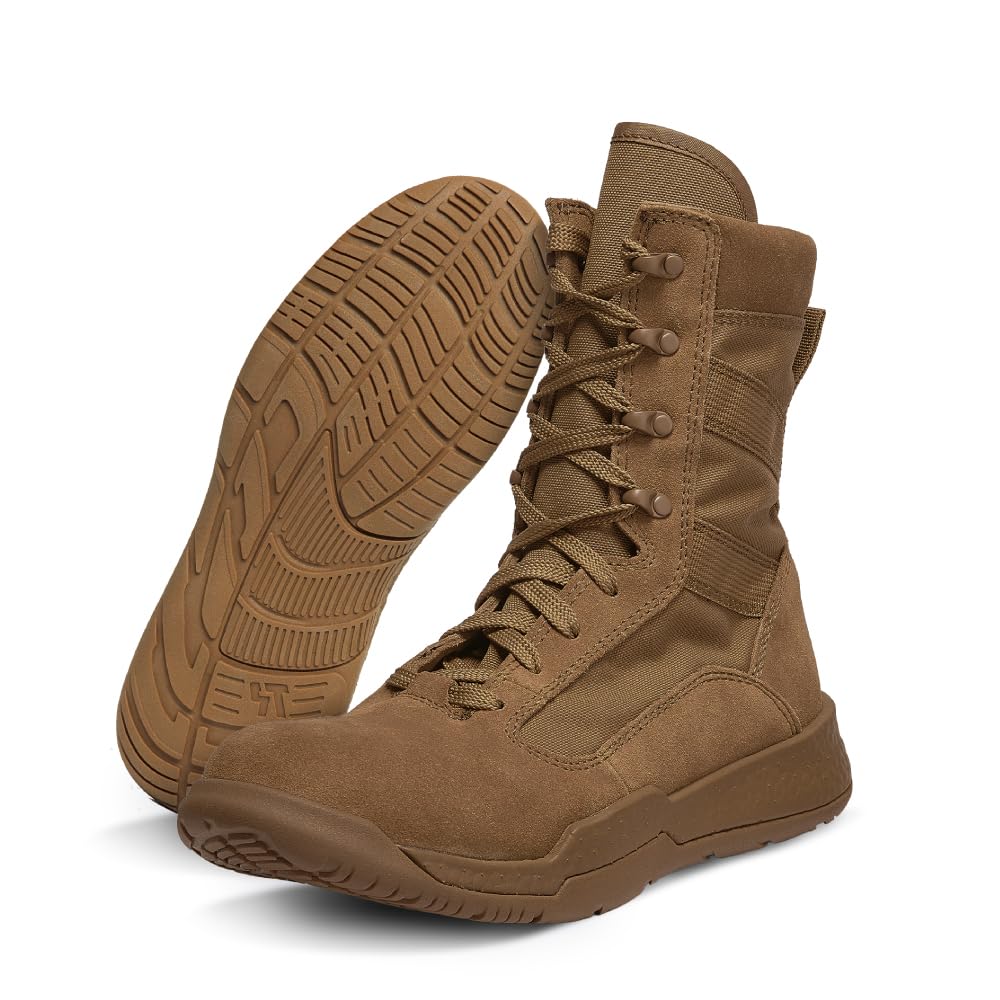
1. Belleville TR501 AMRAP Military Boots
Our pick — over 4.5★ from 500+ verified ratings; the strongest balance of quality and price.
The spring-loaded military boot that rucks all day and feels like a sneaker.
What wins people over here is the comfort — the top-mentioned trait by a wide margin, and it’s easy to see why. The boot pairs an athletic, tennis-shoe feel with the support of a jump boot, and the springy E-TPU (expanded TPU, a bouncy cushioning foam) midsole absorbs impact during ruck marches. The 8-inch height and soft toe keep it AR 670-1 compliant for uniform wear, which is why it’s a fixture in military circles.
The fit consensus is clear: order half a size down. Several owners note the boot runs large, and that sizing down (8.5 to 8, for example) gives a snugger, blister-free fit. The wide toe box and supportive ankle collar get consistent praise, and the upper breathes comfortably in the 30-70°F range. A flat-footed buyer found the arch support lacking after 18 hours on their feet and added an insole — worth knowing if you need real arch structure.
The durability story is a mixed bag. Buyers report the boots hold up for years of steady wear, but the Vibram sole’s grip fades on slick surfaces over time — “very slippery on any slick surface” after a year, as one long-term owner puts it. The suede also water-stains easily and benefits from a water repellent treatment. At under, the value is hard to argue with for a boot that has lasted some owners over two years.
What Owners Love
- Feels like a lightweight sneaker with jump-boot support
- Almost no break-in time required
- Holds up for years of regular wear
The Trade-Offs
- Slippery on slick surfaces after a year of use
- Suede water-stains easily; needs repellent
- Order half a size down for the best fit
Ideal for: military personnel, ruckers, and anyone who wants a zero-drop boot that feels like a running shoe from day one.
Think twice if: you hike on wet rock or ice — the tread loses its bite as the sole wears.
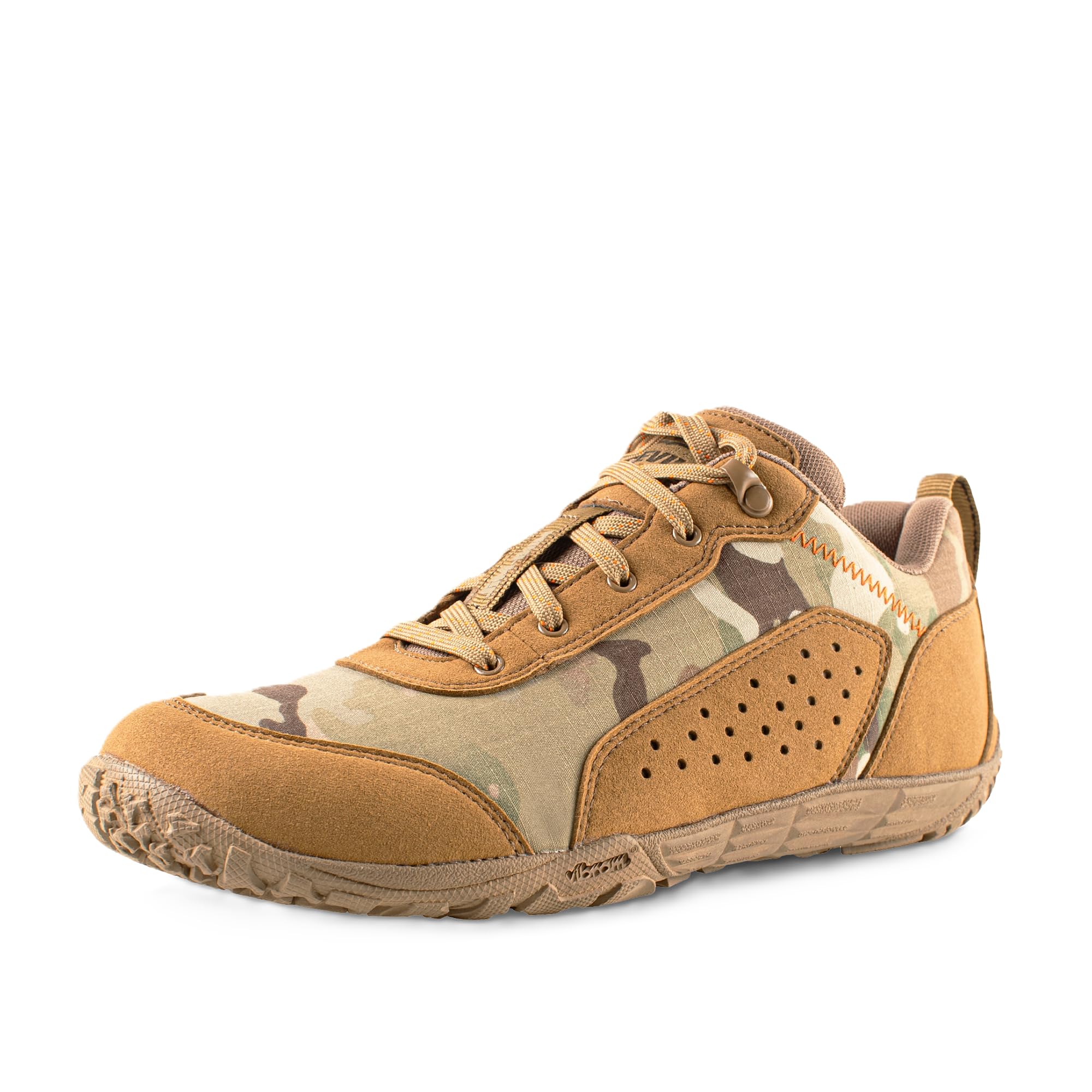
2. Belleville Mini-Mil Hiking Barefoot Shoes
A barefoot trainer that hides serious hiking chops under a sneaker look.
This is the budget-friendly gateway into genuinely minimal footwear, and it doesn’t cut corners on the fundamentals. The 2mm shock-diffusing midsole cushions impacts while keeping you connected to the ground, and the oil- and slip-resistant rubber outsole grips slick terrain in a way most hiking shoes can’t match. The breathable mesh upper keeps feet cool as summer turns to fall, and the moisture-wicking lining adds all-day dryness.
The durability is genuinely impressive for the price — owners mention the shoes “still look new” after 30 miles in rugged Vegas hills, and the construction draws repeated praise. The Strobel stitch construction adds flexibility that lets your foot move naturally, and the wide toe box gives your toes room to spread. The comfort is the most-cited positive, with one owner calling them “the best shoes I’ve ever owned” for all-day wear.
The fit is where you need to be careful. While some find them true to size, others report the wide sizing doesn’t feel as wide as advertised — “the wide size still felt too narrow,” as one disappointed buyer put it. If you have genuinely wide feet, this might not be the roomy fit you’re hoping for. The replaceable insoles are a nice touch, letting you swap in arch support without ruining the shoe, unlike glued-in foam alternatives.
Solid pick: a well-built, flexible barefoot shoe that’s tough enough for trails and cheap enough to try the category without commitment.
Watch the fit: if you need a true wide, look elsewhere — the toe box runs narrower than the marketing suggests.
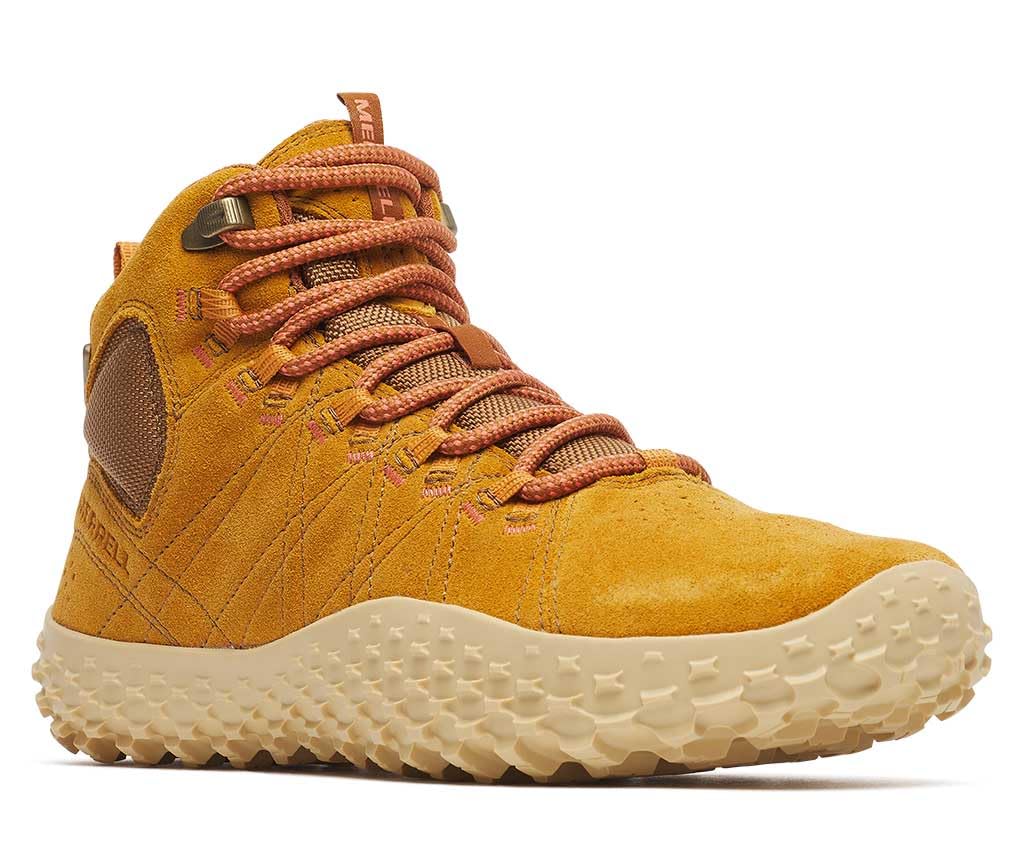
3. Merrell Women’s Wrapt Mid Waterproof Hiking Boots
The barefoot hybrid that disappears on your foot and grips like a true hiker.
This boot borrows the fit of Merrell’s famous barefoot collection and wraps it in an aggressive rubber sole built for real trails. The wide toe box and zero-drop platform mimic the shape of the human foot, keeping it in its natural position, and at just 1 lb 5 oz, it’s light enough to forget you’re wearing it. The fit is the most praised aspect — true to size for Merrell, with a heel that hugs securely.
The “barefoot but supportive” balance is the story here. One owner who wore these through a full week of waterfall trails and rocky hikes called them “literally the most comfortable shoes I have,” while another found them supremely supportive after ankle surgery. The traction is excellent on snow and ice, and the waterproofing holds up in practice, even though some haven’t put it to a real downpour test yet.
The trade-off is the arch support. This isn’t a true barefoot boot — it has visible arch support, which disappointed one owner coming from Merrell’s Glove line. If you want a completely flat, unstructured footbed, this boot’s arch will get in the way. The opening also runs snug, so you’ll want to loosen the laces when putting them on, and the fit leans narrow if you have thick socks.
Best balance: a supportive, grippy, lightweight boot that converts barefoot fans without demanding a full transition period.
Not for purists: if you want zero arch structure, this one has more support than true barefoot shoes.
4. Xero Shoes Women’s Mika Boots
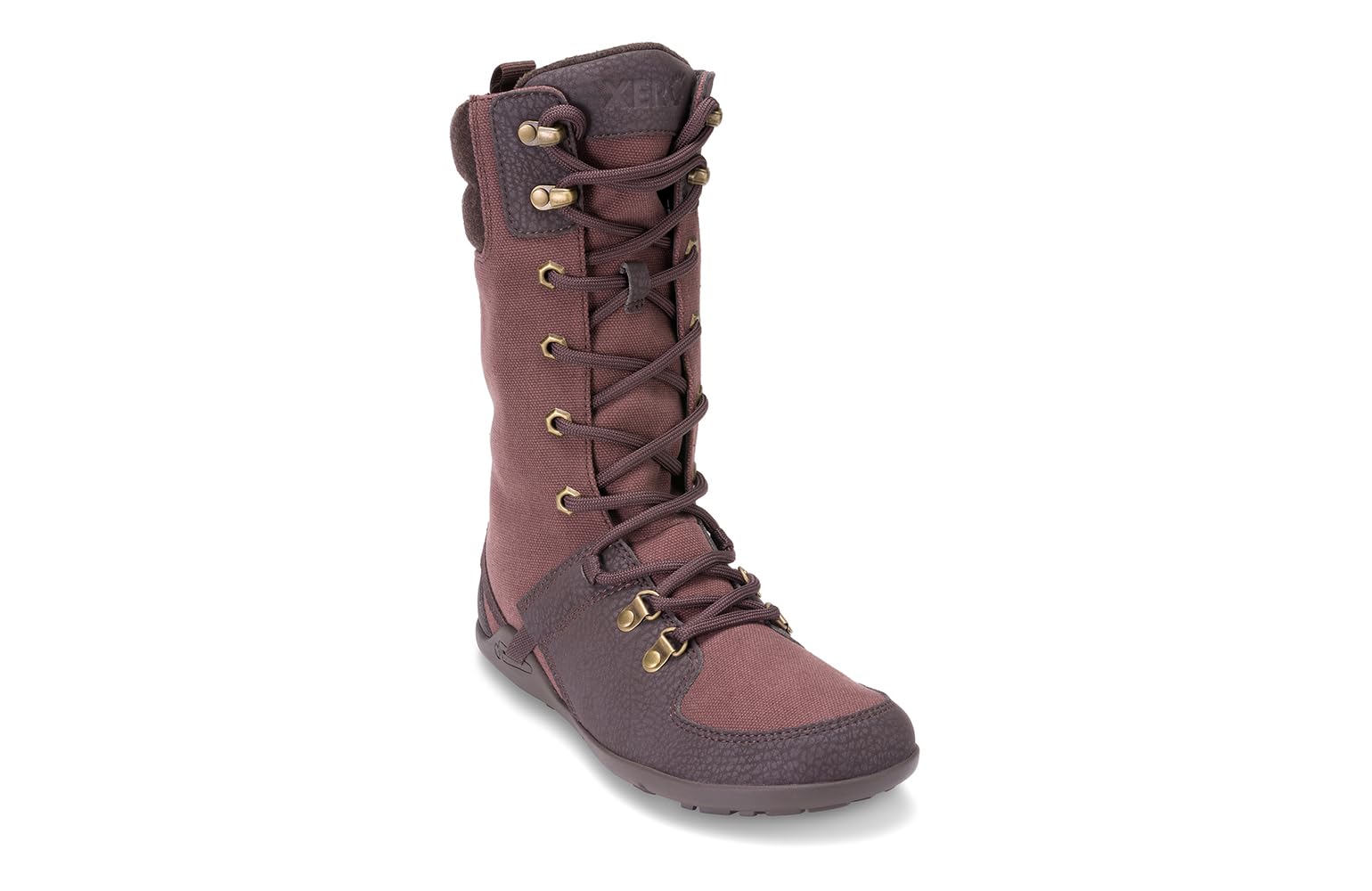
A winter boot that keeps toes warm and happy when the temperature drops.
These are the boots to reach for when the forecast says snow and your feet still want that barefoot feel. The warmth is the standout — the second most-mentioned trait after comfort — and owners wear them comfortably in 20-30°F weather without socks. The faux leather upper with a wool cuff and tartan lining keeps you cozy without overheating indoors, and they’re grippy enough for icy sidewalks and winter dog walks.
The barefoot ground feel is intact, and the comfort is “life-changing” for some owners who can now stand all day without foot pain. The squared toe box gives toes room to splay without pinching, and the zipper-plus-laces design makes them easy to get on and off, even with ankle swelling. They’re water-resistant enough for snow and light rain, keeping toes dry even when the outside gets damp.
Ice is the honest weak point here. While the traction holds on packed snow, one owner reported they were “terrible on ice” — slippery enough to cause two falls. These are cold-weather boots, not ice-climbing gear. The fit also runs narrow, and owners recommend sizing up 0.5 to 1 full size to get a comfortable fit with normal socks.
Reach for these if: you want a warm, stylish, barefoot-style boot for winter walks and errands in temperatures down to 20°F.
Skip them if: your winter includes icy trails — the soles don’t have the bite for frozen surfaces.
5. ALTRA Men’s Lone Peak Hiker 3
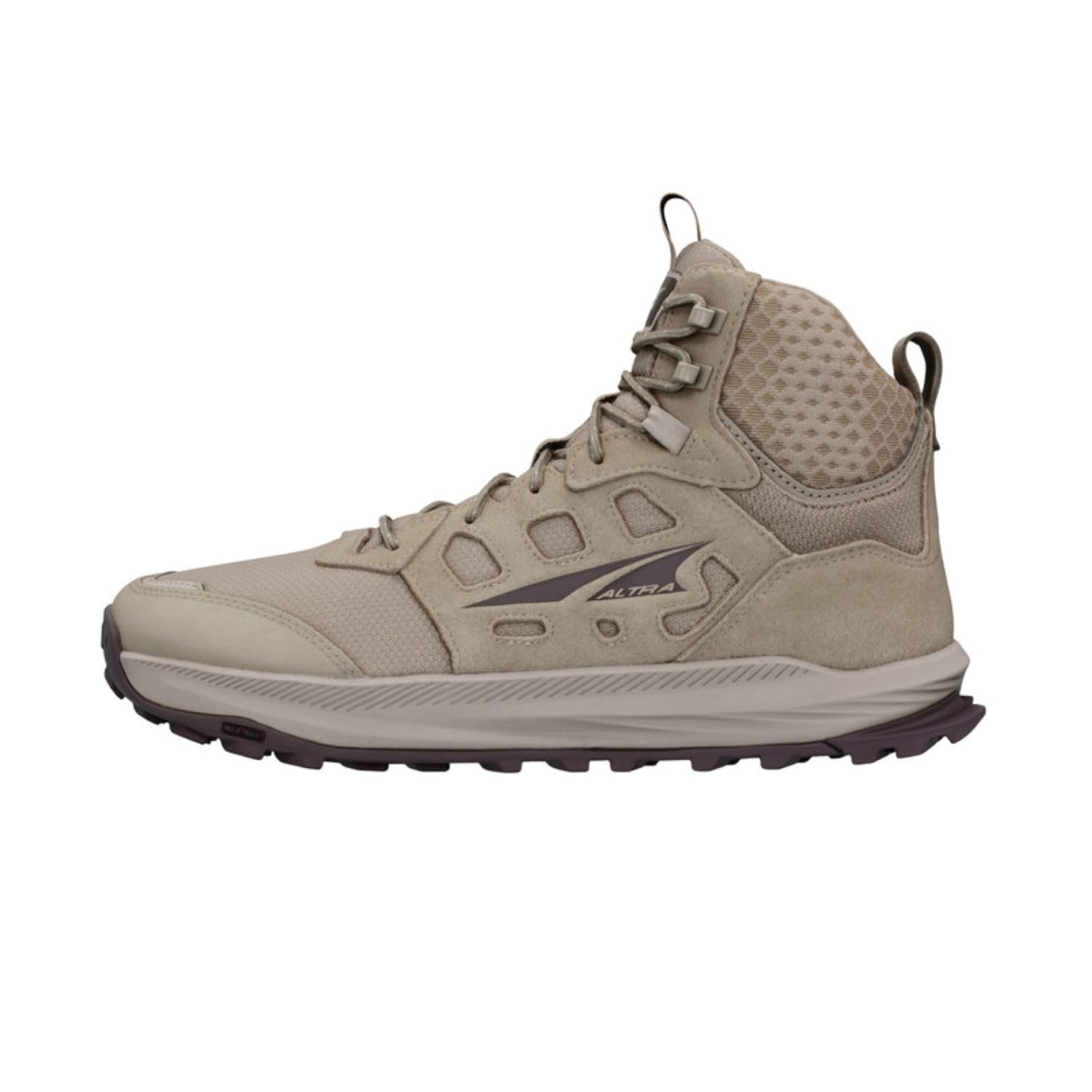
The legendary trail shoe that got a boot makeover without losing its soul.
This is the boot version of ALTRA’s famous Lone Peak trail runner, and it keeps everything that made the original loved — the roomiest toe box in the lineup, zero drop, and that signature Altra feel. The 25mm/25mm stack height delivers moderate cushion that connects you to the ground while protecting your feet on rocky descents. The rebuilt upper uses a polyester mesh vamp with an air-mesh heel collar for a softer, more breathable fit.
The real-world results are compelling. One owner with Morton’s Neuroma found these “better than most hiking boots I’ve worn,” while a heavier hiker reported that 8-12 hour days on concrete and decomposed granite left feet “tired but not sore.” The grippy MaxTrac outsole holds on steep 45°+ rock faces and kept sand out on desert treks without gaiters. Ankle support is the second most-praised trait after overall quality.
The most honest caveat? These are not waterproof boots. Owners who pushed through stream crossings and rain came away with wet feet, so this is a dry-trail shoe at heart. The fit also runs large for some — one size 12 buyer found them too small and needed to go up three sizes, though others found them true to size. The tongue can rub the ankle at the top lace hook, a minor annoyance solved by skipping the top eyelet.
The High Points
- Roomy FootShape toe box lets toes move freely
- Grippy MaxTrac outsole holds steep rock
- Relieves foot and ankle pain for heavy hikers
The Limits
- Not waterproof — wet feet in rain and streams
- Fit runs large for some buyers
- Tongue can rub the ankle at the top hook
Best for: hikers who want a proven, roomy zero-drop platform with real cushioning and ankle support on dry trails.
Pass if: your hikes regularly cross streams — you’ll want the waterproof version instead.
6. Belleville Mini Mil TR102 Minimalist Tactical Boots

The 8-inch minimalist tactical boot that disappears on your foot.
If you want a high-top zero-drop boot with serious ankle coverage, this is the one. The leather and nylon upper rises 8 inches, giving you protection that trail shoes can’t match, and the 2mm die-cut EVA midsole provides ground feel without being punishing. The flexible Vibram Tarsus outsole delivers stability and traction that held up through a 12.5-hour rocky hunting trip with a 40lb pack and zero foot fatigue.
The minimalist design is the core appeal — owners describe it as “feeling like wearing nothing,” with a wide toe box that suits flat feet and reduces knee fatigue. The leather and nylon upper breathes well and dries quickly after stream crossings, which makes it versatile for military, motorcycle, and EMS use. The quality passes military scrutiny, and the boot holds up to a year of hard daily abuse.
Sizing is the recurring challenge. The boots run large and narrow — multiple customers note needing a wide size even when their regular width works in other boots, and one found the left boot a half-size smaller than the right. The leather coating also tends to peel at the creases, and the break-in period is longer than most, requiring a calf and Achilles adjustment period if you’re new to barefoot-style shoes. The laces are strong, but the loops can dig into your foot if laced too tight.
Choose this if: you want a high-top minimalist boot with real traction and don’t mind a longer adjustment period.
Be aware: order wide and expect the black leather coating to wear at the creases.
7. Vivobarefoot Magna Forest ESG

A leather-and-wool hiking trainer with a Michelin sole that’s made for soft ground.
The defining feature here is the Michelin sole — a beefy tread designed for soft, muddy ground that owners say is a huge plus in the Pacific Northwest. The deep sole grooves provide excellent grip that holds up on long hikes without odor buildup, and the leather-and-wool construction gives it a premium look that owners consistently praise as the top positive trait. It performs like a heavy hiking boot but feels light and flexible like a trail runner.
The appearance is genuinely the standout — owners love how the boot looks, and the leather breaks in beautifully over time. The sole feel is the second most-praised aspect, with the Michelin rubber providing a secure, connected ride. One owner who has roughly ten pairs of Vivos calls this their favorite for the large thumb pull that makes it easy to get on, and another notes it’s been through a week of mountain hiking with all-day comfort.
The comfort and fit are where opinions split hard. The most-mentioned traits are comfort and fit, and both are marked mixed — while some owners find them perfectly comfortable, others report the boot runs small and narrow. Multiple buyers had to size up or down to find the right fit, and one average-width owner found the toe box too narrow, causing numb toes after 20 minutes. If you have wide feet, this is a risky pick — even the wide sizing cramped one owner’s feet.
Buy it for: the Michelin sole, the beautiful leather, and a barefoot boot that shines on soft PNW trails.
Check your width first: the fit is polarizing, and wide-footed owners often end up returning it.
8. ALTRA Women’s Lone Peak 9 Waterproof Mid

The waterproof Lone Peak that handles creek crossings without the soak.
This is the answer for hikers who love the Lone Peak’s roomy toe box but need actual wet-weather protection. The Hydroguard waterproof membrane keeps your feet dry through rain and shallow creek crossings — one owner wore them through the creeks in Escalante and barely leaked, and only because they went too deep. The Molded heel collar and enhanced lacing system deliver a snug, secure fit, and the 25mm/25mm stack height keeps the barefoot feel intact.
The comfort is the most-praised aspect here, and it starts from the first wear — no break-in needed. The wide FootShape toe box accommodates wide feet, high arches, and even metatarsal inserts without complaint. Owners with neuromas and corns find the soft, roomy fit genuinely comfortable. The Stoneguard insert protects your feet from rocks and debris, and the MaxTrac outsole grips well enough that one owner reported no slips in Sedona.
The waterproofing is the honest question mark. While many owners confirm it works, the water resistance is the one mixed-reviewed aspect — some report the entire inside gets soaked in wet conditions. The exterior fabric also tends to shred after a few weeks of hard hiking for some owners, and the seams sit right on the ankle bone, which can rub on long hikes with thin socks. The fit runs small for some, so sizing up is a common recommendation.
Grab these for: a roomy, comfortable waterproof boot that’s ready for rain and rocky trails from day one.
Keep in mind: waterproofing isn’t guaranteed for every pair, and the fabric can wear at the seams.
9. JIM GREEN Men’s Barefoot African Ranger Boots

Old-world leather craftsmanship meets barefoot design in a boot built to last.
This is the most-reviewed and highest-rated premium pick in the lineup, and the quality is the thing everyone raves about — the top-mentioned trait, backed by the stitched-down construction and beautiful full-grain leather. Owners describe it as “old world style boots that just work,” with a wide round toe box that’s relieved bunions and let toes splay naturally. The thin soles give you excellent ground feel without pain, and the resoleable construction means these can outlast most synthetic boots.
The comfort is nearly as celebrated as the quality, with owners reporting no blisters or hot spots once broken in. The high-volume fit and true-to-length sizing accommodate wide feet well, and the leather-wrapped footbed prevents odor even after long wear. The boots are water-resistant and handle grass, dirt, and light trail duty beautifully — one owner’s husband wears them daily and gets compliments on the style.
The honest trade-offs are real but manageable. The barefoot design means no cushioning — these are firm underfoot by design, best on softer terrain rather than concrete. The break-in is longer than modern boots, with some owners reporting blisters before the leather softens. The laces are tricky — too tight hurts, too loose shifts — and the boots run slightly heavy due to the real leather. You’re buying these for durability and ground feel, not plush comfort, and reviewers advise skipping insoles, which can cause squeezing and ankle cutting.
Why It Wins
- Top-rated quality in the lineup with 85 dedicated mentions
- Resoleable stitched-down construction lasts years
- Genuinely wide toe box relieves bunions
Where It Falls Short
- No cushioning — firm on hard surfaces
- Long break-in period with possible blisters
- Heavier than synthetic zero-drop boots
Built for: hikers who value leather craftsmanship, durability, and ground feel over cushioned comfort.
Not for: those who hike mostly on concrete or want a zero break-in experience.
10. Vivobarefoot Tracker Textile AT
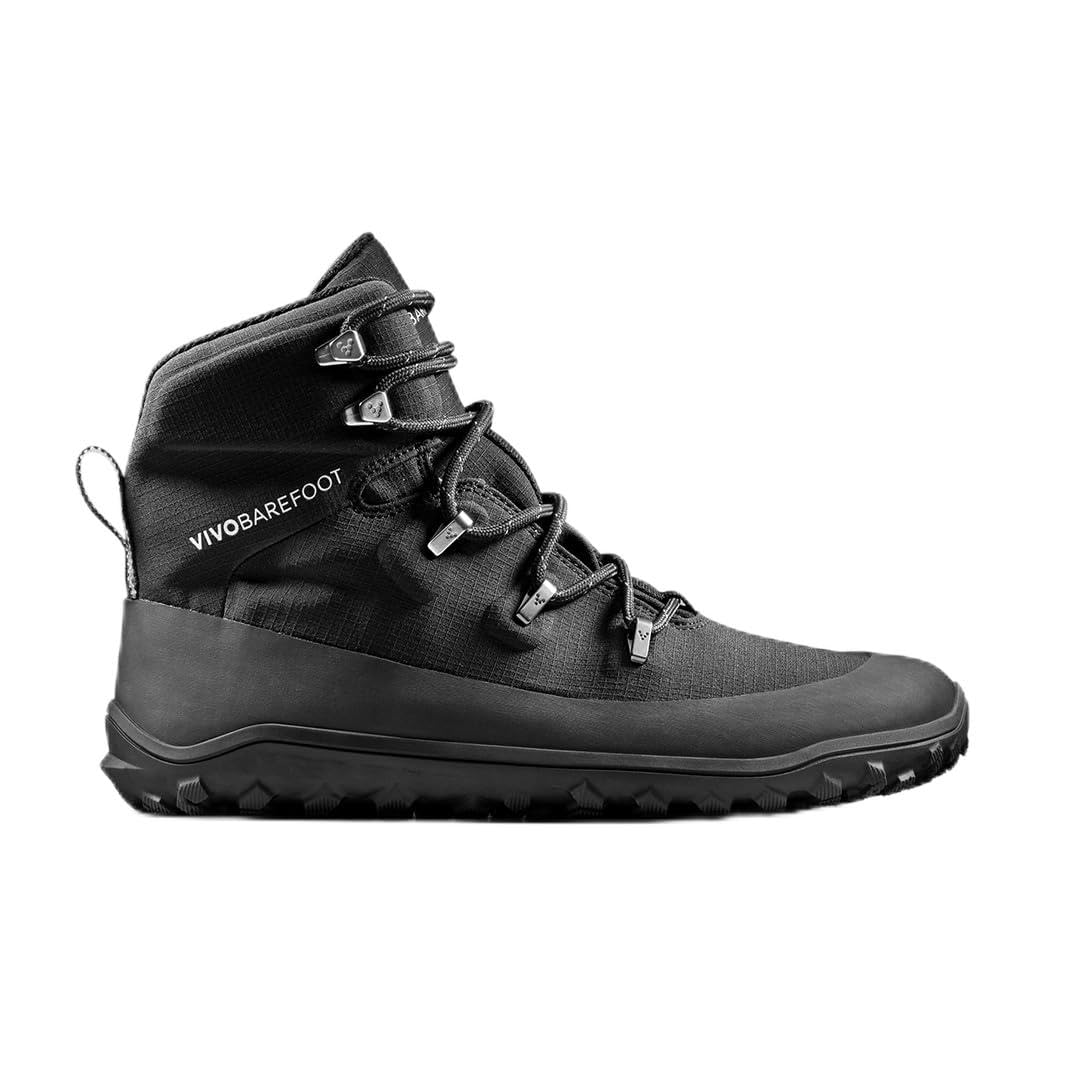
A modern barefoot boot that takes on snow, stone, and mud without the break-in.
Vivobarefoot’s own marketing busts the myths here: stiff boots restrict mobility, ankle support reduces your ability to adapt, and bulky soles disconnect you from the ground. The Tracker Textile AT puts that philosophy to work with a waterproof textile upper, a puncture-resistant sole, and a wide fit that lets your feet move naturally. Reviewers point out it’s excellent in the Rockies — handling snow, water, stone, mud, and dirt while keeping feet warm, dry, and comfortable, even without socks.
The quality and value are the most-praised aspects, and the comfort follows close behind. One owner wore them through snow and slush up to their ankles with no socks and came away with warm, dry feet, calling them “worth the price tag.” The ground feel is exceptional, the boots are lightweight for their ruggedness, and the gaiters fit well over the top. The no-break-in design is a genuine relief — these feel right from the first step.
The durability is the main concern, and it’s the most-mentioned trait overall, marked as mixed. While some owners find them durable, others report the toe box glue peeling after a week or the boots breaking apart within a month or two — a disappointing outcome at this price point. The traction also falls short on wet or icy stone, so they’re not ideal for slick conditions. The fit runs large; sizing down a half to full size is the common recommendation.
Pick this if: you want a modern, no-break-in barefoot boot that handles varied weather and terrain with great ground feel.
Be cautious: durability is inconsistent — some pairs fall apart quickly, and wet rock is slippery.
Understanding the Specs
Drop vs. Stack Height
Drop is the difference in height between your heel and forefoot — zero drop means they sit level, like barefoot. Stack height is the total thickness of the sole between your foot and the ground, usually measured in millimeters. A 25mm/25mm stack (the same under heel and forefoot) offers moderate cushion while keeping the zero-drop platform. A 2mm midsole is much thinner, giving you more ground feel but demanding stronger feet.
Toe Box Shape
An anatomical or wide toe box lets your toes spread naturally instead of being squeezed together. Different brands use different names — ALTRA calls it FootShape, others just call it wide. The actual width varies between brands and even between models from the same brand, which is why so many reviews mention sizing up or down. For zero-drop boots, a toe box that fits your actual foot width is the single most important spec to get right.
FAQ
What does zero drop actually mean for my stride?
Will zero-drop boots hurt my feet if I’m used to regular hiking boots?
How do I know if a boot has a truly wide toe box?
Are waterproof zero-drop boots better than breathable ones?
Should I size up or down in zero-drop boots?
Can I use my own insoles with zero-drop boots?
Are barefoot hiking boots good for people with bunions or wide feet?
How long does it take to break in zero-drop boots?
Final Thoughts: The Verdict
Across the board, the zero drop hiking boots winner is the Belleville TR501 because it balances the category’s biggest ask — comfort that feels like a sneaker — with the durability and support you need for long rucks and hikes. If you want the durability of traditional leather craftsmanship, grab the JIM GREEN African Ranger. And for a waterproof, roomy option right from the start, the ALTRA Lone Peak 9 Waterproof Mid is the one to reach for.
How We Picked
We do not accept paid placement. Every pick is matched to a real buyer and a real use-case; we do not hands-on test units.
Sources & Methodology
Specifications: manufacturer listings and product documentation. Review insights: verified customer reviews, as of August 2026. Pricing: not shown on this page (it changes often); check the current price via the retailer link.
As an Amazon Associate, Calories Fit earns from qualifying purchases. This does not affect which products we feature.