
Our readers keep the lights on and the coffee maker working hard! As an Amazon Associate, I earn from qualifying purchases.
Specs are compiled from manufacturer listings and verified buyer reviews and can change over time — please confirm the key details on the product page before buying.
Finding winter boots that keep your feet both warm and dry without feeling like you’re lifting weights on every step is the real challenge. The best winter walking boots balance three things above all else: insulation that holds heat, a waterproof build that shrugs off slush, and traction that grips ice and packed snow.
I’m Mohammad — the founder and writer behind Calories Fit. This guide is built by comparing the manufacturers’ published specifications and the patterns across verified customer reviews, so you get each pick’s real strengths and trade-offs instead of marketing spin.
You need boots that keep your feet warm without feeling like bricks on every step. The winter walking boots here balance insulation with flexibility, so you can walk for miles in snow without overheating or slipping.
Our Picks at a Glance
How To Choose The Best Winter Walking Boots
Start with the weather you actually face, not the worst storm you can imagine. A boot rated for deep snow hikes is overkill for dry commuter sidewalks, and a sleek leather Chelsea boot will slide on icy paths.
Match insulation to your activity level
Standing still in the cold needs heavy insulation, but walking briskly generates your own heat. If you’re moving, a boot with 200g of insulation (a measure of how thick the synthetic fill is, where higher numbers trap more heat) usually keeps you warm without cooking your feet.
Check the waterproofing method
Seam-sealed construction or a dedicated waterproof membrane (a thin layer that blocks water while letting sweat escape) keeps feet dry better than a simple water-repellent coating. Look for how the boot handles standing water and slush, not just light rain.
Read the traction story closely
Deep lugs are great for mud but slide on hard ice. Soles with a special winter compound or added rubber grip (like Vibram Arctic Grip, a rubber blend made to bite into icy surfaces) are what keep you upright on frozen sidewalks.
Quick Comparison
| Model | Best For | Insulation | Waterproofing | Traction Focus | Amazon |
|---|---|---|---|---|---|
| SOREL Tivoli V Tall★ Best Overall | Snowy commutes | Warm lining | Waterproof | Strong grip | Amazon |
| Kamik Nation PlusArctic Rated | Extreme cold & work | HEAT-MX liner | Seam-sealed | SNOWTREAD deep lugs | Amazon |
| Comfy Moda Legend IIBest Style | Casual style | Wool lining | CanDry tech | Durable rubber | Amazon |
| Columbia Minx IV | Warmth & light feel | Soft interior | Water resistant | Good snow grip | Amazon |
| Columbia Expeditionist Shield | Daily drivers | Thermal-reflective | Waterproof-breathable | Cold-tune | Amazon |
| KEEN Greta 2 | Icy city winters | 200g insulation | Waterproof leather | Versatile traction | Amazon |
| KEEN Revel III | Hiking & long walks | 200g insulation | Waterproof membrane | Ice-gripping sole | Amazon |
| The North Face Thermoball | Deep snow trails | Thermoball fill | Waterproof | Snow protection | Amazon |
| Merrell Coldpack 3 | Ice & hard winters | 200g + fleece | Waterproof | Vibram Arctic Grip | Amazon |
In‑Depth Reviews
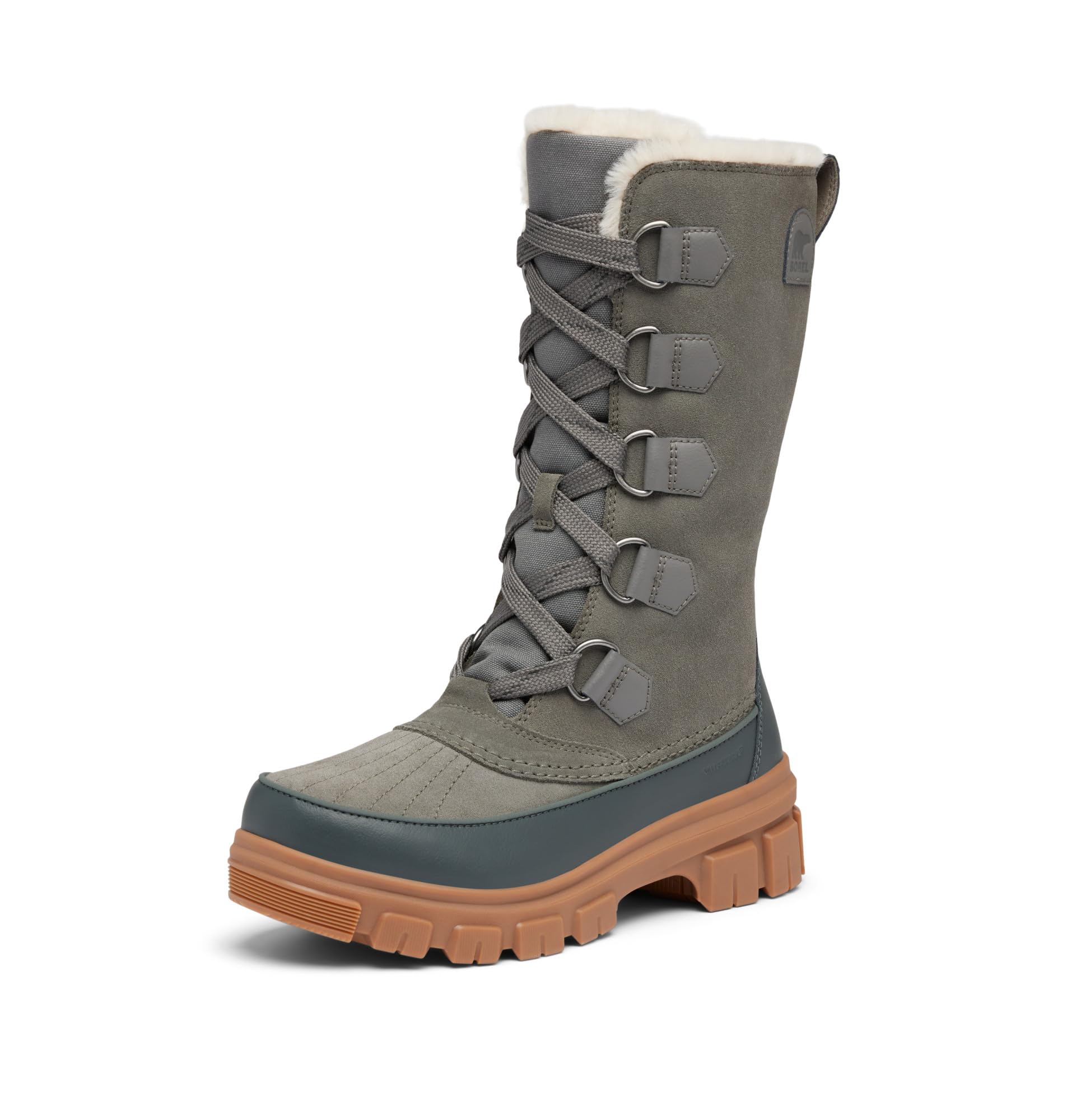
1. SOREL Women’s Tivoli V Tall Waterproof Boot
Our pick — over 4.5★ from 550+ verified ratings; the strongest balance of quality and price.
The tall, warm, all-day walkable boot that handles 2+ feet of snow without making you feel clumsy.
Warmth is the headline here. Owners consistently report perfectly warm and dry feet in 2+ feet of snow and teens-degree temperatures, with one long-term fan noting a previous Sorel pair lasted over 10 years. The thick laces don’t freeze in cold weather, so you can keep walking for hours without fiddling.
It’s not just a snow warrior — it’s dressy enough to wear out to eat, and the super-soft interior earns praise from nearly every owner. Some find it runs slightly small, so sizing up for thick socks is a smart move. A minor ankle rub can happen when laced very snugly, easily fixed with looser laces.
Compared to the more casual Comfy Moda Legend II below, this Sorel gives you far more ankle coverage and a taller shaft for deep snow. It’s the crowd favorite — 4.7 stars across 500+ owners — for good reason. The grip is strong, the waterproofing is real, and the style actually looks good.
What wins people over
- Genuine warmth in deep snow and freezing temperatures
- Super-soft, comfortable interior that feels plush
- Holds up for years, with some pairs lasting 10+
- Stylish enough for dinner, rugged enough for snow
What to watch for
- Runs slightly small for some, so size up for thick socks
- Ankle can rub when laces are pulled very tight
Your best bet if: you need one do-it-all winter boot for snowy commutes, errands, and even a dinner out.
Think twice if: you hate any sense of bulk — this is a substantial boot, not a sleek one.
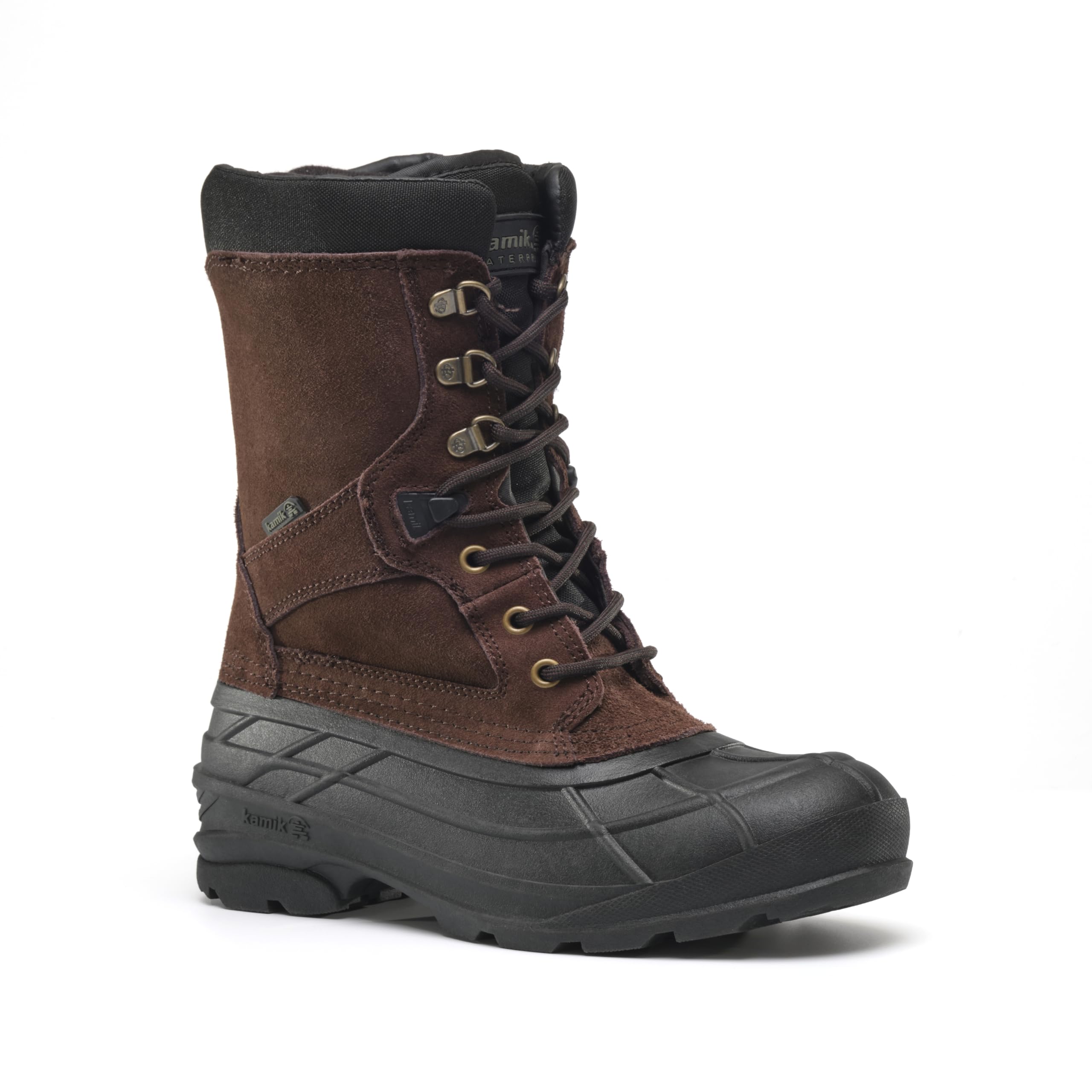
2. Kamik Nation Plus Snow Boot
A rugged, brutally warm workhorse that takes deep snow and single-digit hikes in stride.
This is the boot for truly cold weather. It’s rated comfortable down to -40°C (-40°F), and while some owners say it’s realistically warm to about 10-15°F when sitting still, it shines on the move. One hiker reported warm, blister-free feet on 10.4-mile hikes in 5°F and 20°F weather through deep snow.
The HEAT-MX™ liner is removable, which means you can wash it or replace it as it wears. The seam-sealed waterproof suede upper keeps slush out, and the deep, self-cleaning SNOWTREAD lugs (tread pattern that sheds mud and snow as you walk) stay grippy. Crampons fit over them for ice work.
Fit feedback is mixed — many say it runs small, so sizing up is common advice, and a few note the flat footbed lacks arch support. Add an insole if you need support. It’s heavier and bulkier than the KEEN Revel III, but nothing in this list matches its cold-weather rating.
The bottom line: a trusted, recommended cold-weather boot that owners describe as “solid” and “warm” — built for shoveling, tobogganing, and serious winter work.
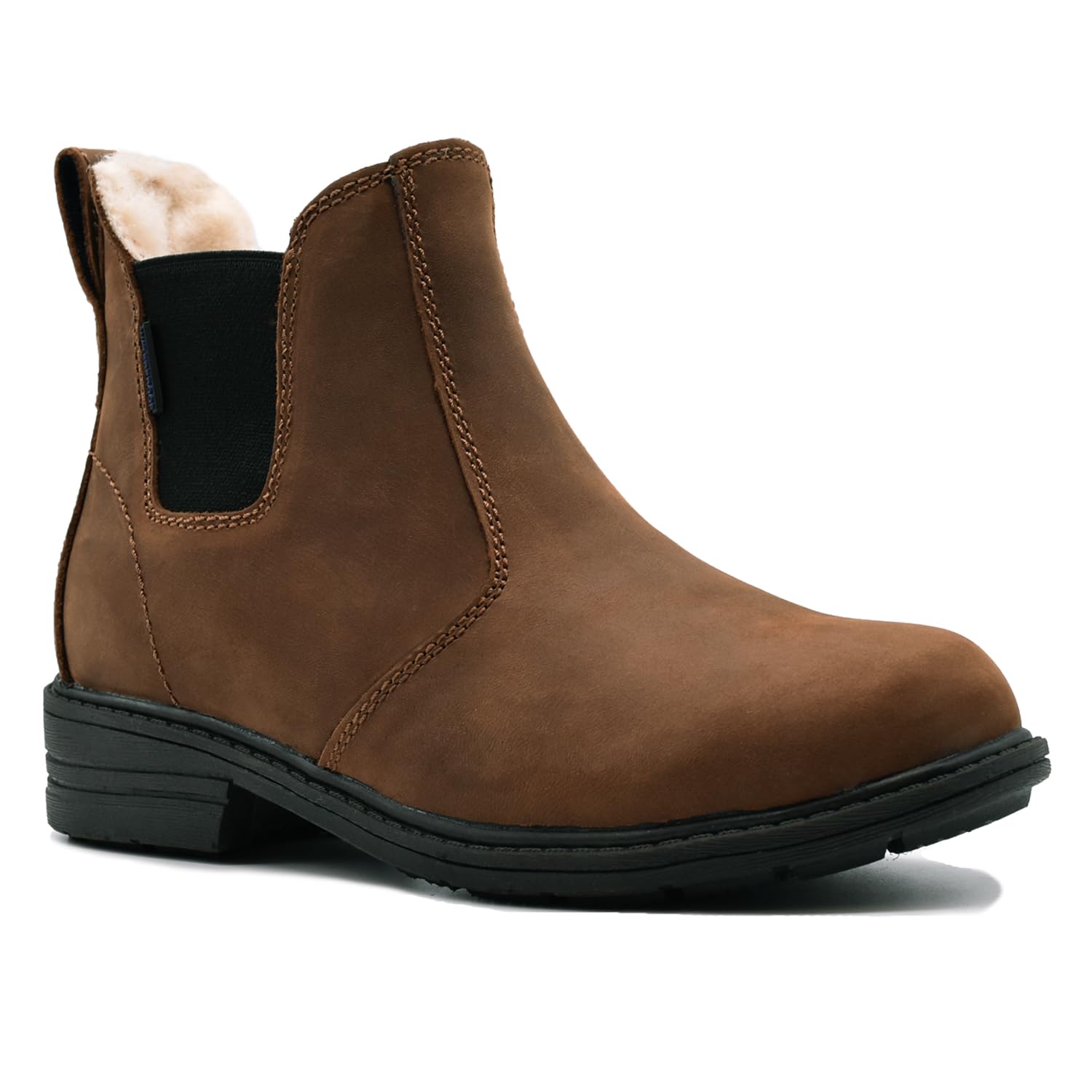
3. Comfy Moda Women’s Legend II Chelsea Boot
A wool-lined Chelsea that dresses up winter walks while keeping your feet toasty and dry.
This is the boot for everyday winter style. The full wool lining retains heat naturally while managing moisture, and the CanDry Waterproof Technology makes water bead right off the leather. Owners love how easy it is to slip on and off thanks to the elastic side panels.
Comfort is the most-praised aspect, with many noting no irritating rubbing around the ankles and plenty of room for thick socks. The WarmEx insole system adds memory foam cushioning and shock absorption for all-day wear. One owner took them to Iceland and walked every terrain.
The catch is traction and fit. A few owners warn there’s next to no grip in snow or slush, so this isn’t the boot for icy hills. And while the toe box is comfy for some, others find it snug or boxy. One owner found it cute and warm but uncomfortable after long wear, so consider your foot shape.
Grab these if: you need a versatile, cute boot for commuting and casual winter walks where style matters.
Skip them if: your walks are mostly on ice or packed snow — you’ll want a grippier sole.
4. Columbia Minx IV
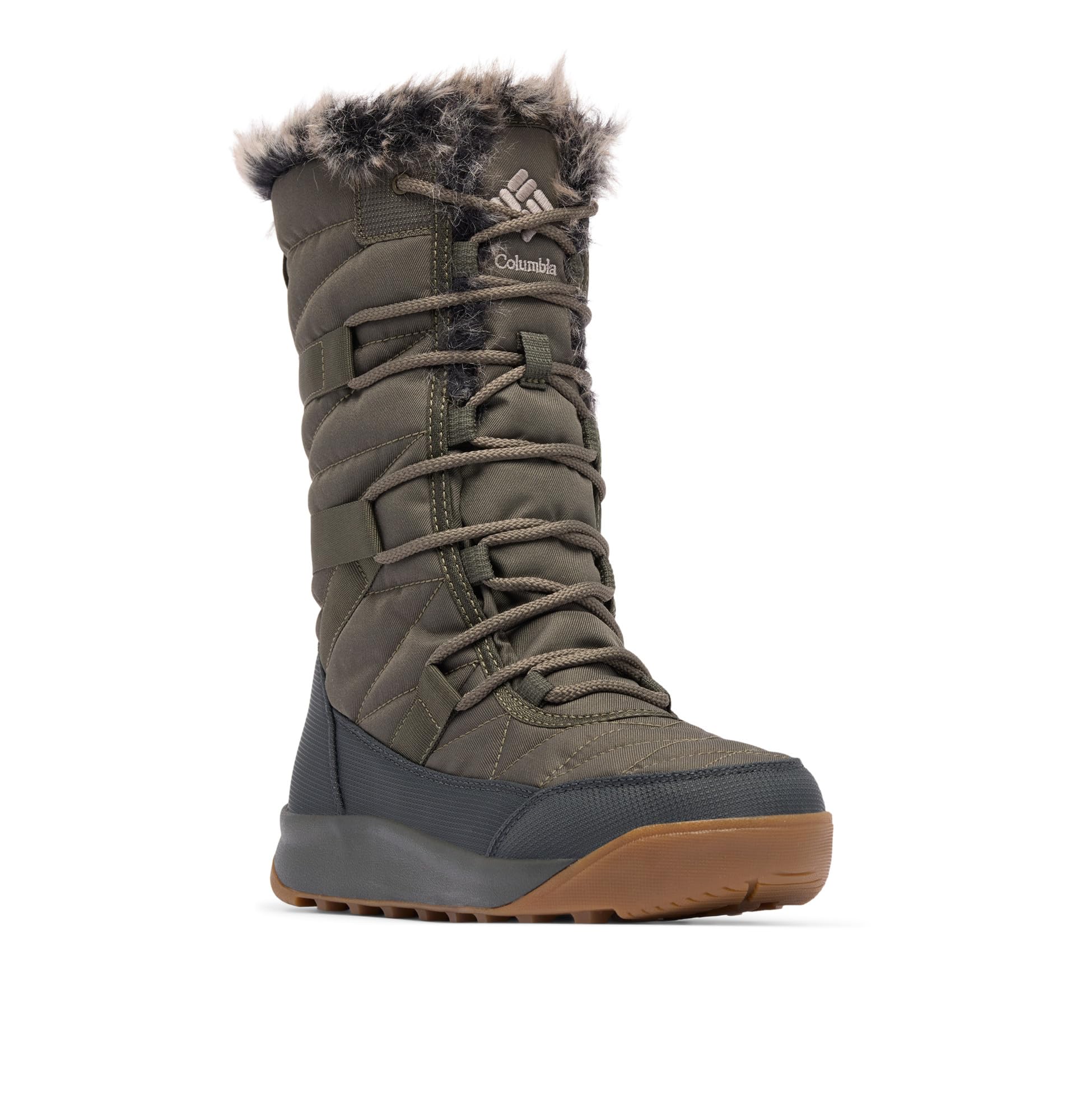
A light, soft, sneaker-like boot that feels like a slipper but stays seriously warm.
The defining feature here is how lightweight it feels. Multiple owners say it feels like wearing sneakers, not snow boots, making it an easy pick for casual winter walks and errands. The soft interior and fur around the top add to the comfort-first design.
Warmth is the most-praised aspect, with one owner calling it “toasty warm” even without thick socks in record lows. It runs narrow though — a very common piece of feedback. Owners consistently recommend sizing up, sometimes a full size, especially if you plan to wear wool socks.
Compared to the Columbia Expeditionist Shield below, this one is softer and more style-forward but less technical. Be aware that several owners find it slippery on ice, so it’s better for snow than frozen patches. Arch support is hit-or-miss depending on your foot.
Reach for these if: you want a warm, light, easy-on boot for everyday casual walks and want it to look adorable.
Look elsewhere if: your winter is all ice and you need serious ankle support — this one’s softer and slicker on ice.
5. Columbia Men’s Expeditionist Shield

A lightweight daily driver that keeps feet dry and warm through deep snow and everyday wear.
This is the boot that owners end up wearing every single day. Columbia’s most advanced thermal-reflective tech bounces your body heat back, keeping you warm without the bulk. Multiple owners describe it as lightweight, comfortable, and great to walk in all day.
It handles real winter conditions. One owner stayed dry and warm in deep snow, and another praised the waterproof-breathable build in rainy, muddy conditions. It’s lighter than the SOREL above, feeling more like a hiker than a heavy snow boot.
There’s a nagging sizing issue — it runs about half a size small, so ordering up is the common fix. The aggressive tread is great for snow but tracks it inside, and the removable insole is thin. One owner called the gold trim at the collar ugly, a purely cosmetic gripe.
Why it’s a daily driver
- Lightweight enough to wear all day, every day
- Warm but not hot, even in wool socks
- Waterproof-breathable build sheds rain and snow
Things to know
- Size up half — it runs small for most
- Aggressive tread tracks snow and salt indoors
Pick this one if: you want a versatile, light winter boot for daily walks and commutes that doesn’t feel like a chore to wear.
Note: not fully waterproof after months of wear according to one owner, so treat it as highly water-resistant.
6. KEEN Women’s Greta 2 Classic Waterproof Insulated Boots
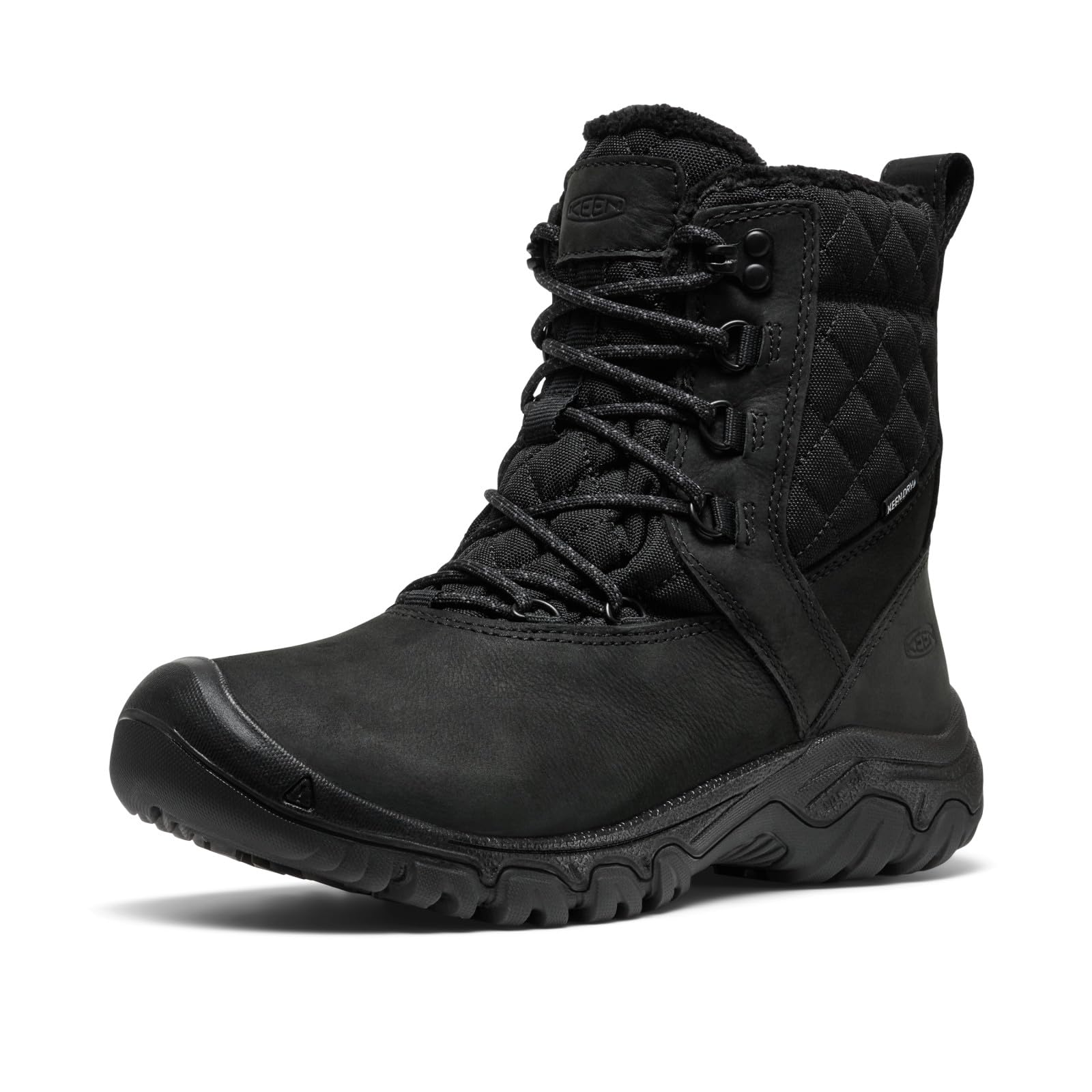
A puffy-jacket-warm hiker with 200g of insulation built for icy city winters.
KEEN built this on their traditional wider footwear form, which is great news if you have wide feet or love thick socks. One owner with plantar fasciitis found them supportive enough for a winter trip to Europe, staying warm and dry. The toasty 200g insulation is balanced by a breathable interior that doesn’t overheat.
Owners highlight how well they perform in icy and snowy conditions, with one calling them ideal for Buffalo winters. The quilted collar and waterproof leather give it a fashionable edge — one owner gets compliments on the atypical color and calls it “elegant.”
The main gripe is the short laces that won’t reach all the way up, and the fit runs slightly big for some. While most find the support great, one owner felt the sole was too flexible with almost no arch support, so it may depend on your foot. They’re lightweight and not bulky despite the insulation.
Best for: women who want a warm, waterproof, stylish boot with room for thick socks and a bit of extra width.
7. KEEN Men’s Revel III Mid Height Waterproof Insulated Hiking Boot
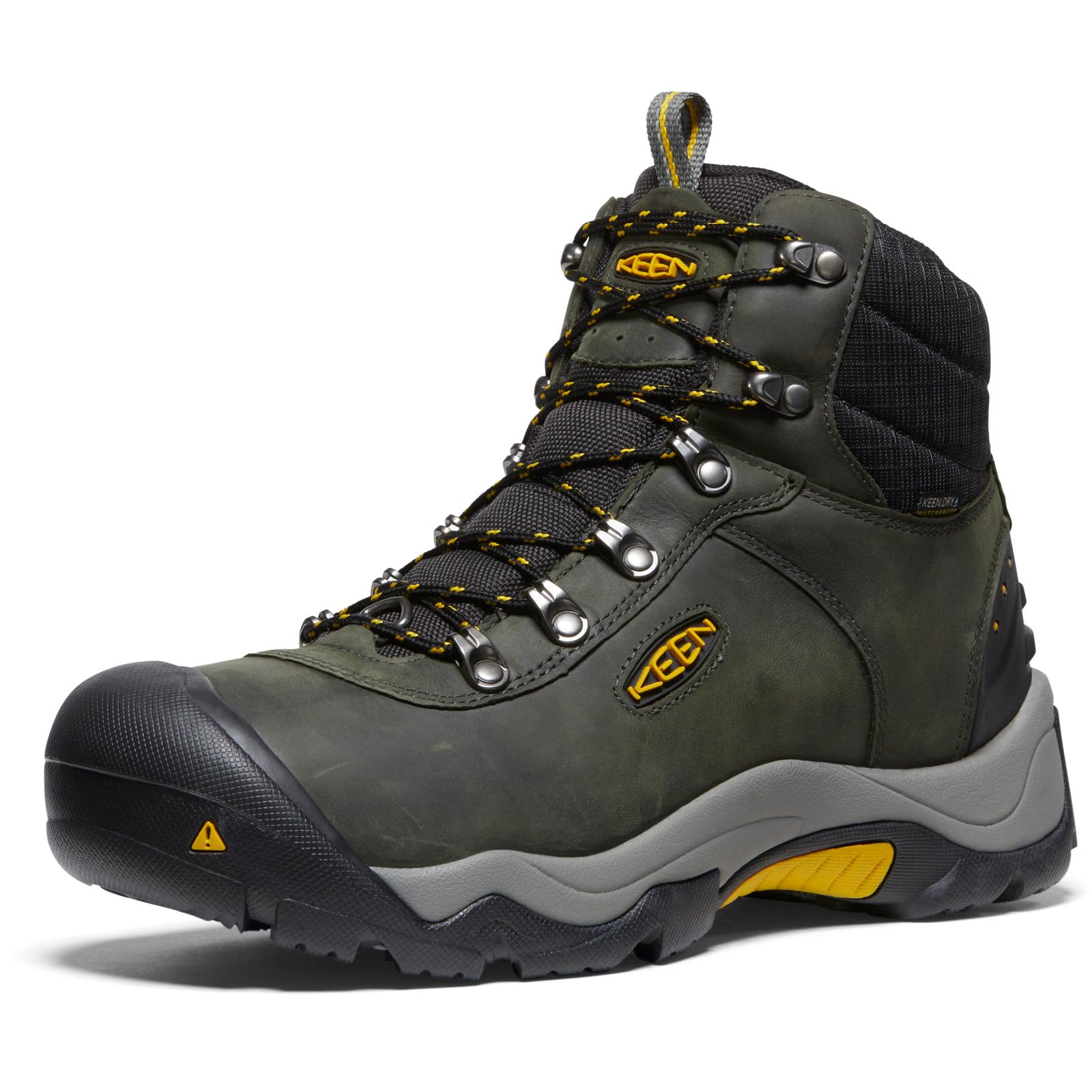
A mile-hungry hiker that combines a wide toe box with 200g of insulation for long cold walks.
The wide toe box is the standout here, earning praise from owners with wide feet who tried 13 other brands before settling on this one. The thermal heat shield inside captures warmth, and the 200g insulation keeps feet cozy in very cold weather. One owner wore them for 12-hour delivery shifts across two winters.
Arch support is genuinely good, with one owner comparing it to HOKA, and the high ankle helps prevent rolls on uneven ground. The soft sole grips ice surprisingly well, and buyers report it’s waterproof for 10+ months untreated. Minimal break-in time is a recurring theme.
It runs a bit large for some, and the padded collar can feel sloppy and need re-tightening. Weak ankle support and hit-or-miss quality control get occasional mentions. Compared to the Merrell Coldpack 3, this is the lighter, more hiking-focused option with a wider fit.
Why hikers love it
- Roomy toe box for wide feet
- Great arch support
- Minimal break-in, comfortable from the start
Fair warnings
- Runs large for some — size down if between sizes
- Ankle support is on the weaker side
Reach for it if: you want a warm, comfortable hiking boot for long winter walks and have wide feet.
Avoid if: you need maximum ankle support for rough, uneven terrain.
8. The North Face Thermoball™ Lace Up WP

A lightweight, packable boot that keeps toes warm in extreme cold and deep snow trails.
This is the boot that went to Alaska and came back a hero. Owners mention never having cold feet even without thick socks, and the Thermoball fill (a synthetic insulation made of tiny clusters that trap heat like down) stays warm in extreme conditions down to 4°F. It’s lightweight, comfy, and waterproof in both rain and snow.
The tight top seal is a key feature — it keeps snow out effectively, making it suitable for deep snow trails. Owners love how cute it looks under jeans and how easy it is to slip on. One owner wore them to Big Sky, Montana in January and never had cold toes.
The catch is getting them on. The opening is stiff and narrow, so some owners needed a shoe horn, and it can feel very tight around the ankle. If you have larger ankles or wide feet, this might not be the boot for you. Sizing up half is the common fix.
A great pick if: you want a warm, light, stylish boot for extreme cold and snow, and your ankles are on the slimmer side.
Not for you if: the narrow opening will be a battle every time you put them on.
9. Merrell Men’s Coldpack 3 Thermo Mid Waterproof

The ice-gripping specialist whose Vibram Arctic Grip sole bites slippery surfaces like nothing else here.
Traction is the story with this boot. The Vibram Arctic Grip outsole is a rubber compound specifically designed to grip wet ice, and it delivers — one owner who works on an ice rink calls them ideal, with superior grip all shift long. If you walk on frozen sidewalks or icy trails, this is the boot to beat.
Warmth comes from 200 grams of insulation plus a fleece lining, and owners confirm it holds up in teens-degree weather, even through 7 hours of shoveling. It’s true to size for most, with the wide option running like a New Balance wide. One owner wore them below -5°F and praised both the grip and warmth.
The premium build shows in comfort — customers note no blisters, no break-in needed, and great arch support. The main drawbacks are short laces and warm feet indoors, since the insulation is so effective. It’s the priciest pick here, but owners say it’s worth it.
Why it leads on ice
- Vibram Arctic Grip excels on wet ice and frozen surfaces
- 200g insulation plus fleece is genuinely warm
- No break-in, no blisters, great arch support
Keep in mind
- Laces are on the short side
- Can feel too warm indoors or during high activity
Buy it if: your winter means walking on ice and you want the best grip money can buy here.
Consider alternatives if: you run hot and need a less insulated boot for mild winters.
Understanding the Specs
Insulation Weight (200g)
This number (in grams) measures the synthetic insulation packed inside the boot—higher numbers trap more heat. A 200g fill keeps your feet warm on a brisk winter walk without making them sweat, so you stay comfortable when you’re moving. If you plan to stand still in extreme cold, choose a boot with more insulation, like 400g or higher.
Waterproof vs. Water-Resistant
A seam-sealed or membrane-based waterproof build blocks water entirely, while a water-resistant coating sheds light rain but fails in standing slush. If you’ll be stomping through wet snow, look for the stronger waterproof construction. You can also check if the boot has a gusseted tongue to keep snow from leaking in through the laces.
Traction Technology (Vibram Arctic Grip)
Deep lugs grab mud and soft snow, but hard ice is a different challenge. Some soles use a winter-specific rubber compound designed to grip slippery surfaces. Vibram Arctic Grip is one example, and it’s why some boots simply don’t slide on frozen sidewalks. If ice is in your forecast, this trumps lug depth.
Sizing for Thick Socks
Many winter boots run snug, especially if you wear wool socks or heat packs inside. The consistent owner advice is to size up half to a full size in insulated boots. A roomy toe box lets your toes wiggle, which actually helps keep them warm. Pay attention to whether the boot runs narrow or wide.
FAQ
What does 200g of insulation actually mean for my feet?
Should I size up in winter boots for thick socks?
What’s the difference between waterproof and water-resistant boots?
How do I know if a boot grips well on ice?
Are these boots good for everyday walking or just snow?
How should I care for leather winter boots?
What are the best winter walking boots for wide feet?
Are insulated boots too warm for inside wear?
How long should a quality winter boot last?
Can I wear these boots for hiking and trails too?
Final Thoughts: The Verdict
Across the board, the winter walking boots winner is the SOREL Tivoli V Tall because it nails the warm, dry, walkable balance with a tall shaft for deep snow and a style that works beyond the trail. If you want the best traction on ice and don’t mind a premium price, grab the Merrell Coldpack 3 with its Vibram Arctic Grip. And for a light, everyday daily driver that owners wear constantly, the Columbia Expeditionist Shield is the one to reach for.
How We Picked
We do not accept paid placement. Every pick is matched to a real buyer and a real use-case; we do not hands-on test units.
Sources & Methodology
Specifications: manufacturer listings and product documentation. Review insights: verified customer reviews, as of August 2026. Pricing: not shown on this page (it changes often); check the current price via the retailer link.
As an Amazon Associate, Calories Fit earns from qualifying purchases. This does not affect which products we feature.