
Our readers keep the lights on and the coffee maker working hard! As an Amazon Associate, I earn from qualifying purchases.
Specs are compiled from manufacturer listings and verified buyer reviews and can change over time — please confirm the key details on the product page before buying.
Your feet carry every step, so the right pair of hiking shoes can turn a rocky trail into a day you enjoy instead of endure. The best women’s hiking shoes give you a toe box that lets your foot spread naturally, a sole that grips loose dirt and wet rock, and cushioning that absorbs the impact of rocky descents. This guide cuts through the marketing to help you find the pair that fits your foot shape and the terrain you actually hike.
I’m Mohammad — the founder and writer behind Calories Fit. This guide is built by comparing the manufacturers’ published specifications and the patterns across verified customer reviews, so you get each pick’s real strengths and trade-offs instead of marketing spin.
We break down nine top-rated pairs, from waterproof premium builds to budget-friendly trail runners, so you can pinpoint the ideal women’s hiking shoes for your next adventure.
Our Picks at a Glance
How To Choose The Best Women’s Hiking Shoes
Before you pick a color, focus on the three things that determine how your feet will feel after mile five: the shape of the toe box, the drop of the sole, and the type of traction. A shoe that squeezes your toes will cause pain no matter how much cushioning it has, while a shoe that’s too roomy can let your foot slide and cause blisters.
Match the Shoe to Your Terrain
Think about the trails you actually visit. If you hike on rocky, uneven ground, you’ll want a stiffer sole with deep lugs for stability. If your walks are mostly on packed dirt and gravel paths, a more flexible trail runner with moderate cushioning will feel lighter and more responsive. Waterproof models are worth the extra warmth if you cross streams or hike in the rain, but they run hotter than breathable mesh on summer days.
Understand Drop and Cushioning
The “drop” is the height difference between your heel and your toe inside the shoe. A zero-drop shoe puts your heel and forefoot at the same level, which encourages a natural, mid-foot strike but demands more from your calf muscles. A 15 mm drop, by contrast, tilts your heel up and can feel more familiar to runners but reduces that ground connection. Cushioning is a personal preference: more foam soaks up impact on long days, but less foam gives you a better feel for the trail beneath you.
Check the Toe Box First
The most common complaint across all hiking shoes is a toe box that’s too narrow. Your toes need room to splay out for balance, especially on downhill sections. If you have bunions, wide feet, or just hate cramped toes, look for shoes with a “FootShape” or “wide” designation. Always read whether buyers report the shoe runs small, since many brands require you to size up half a size or more to get the right fit.
Quick Comparison
| Model | Best For | Drop | Weight | Waterproofing | Amazon |
|---|---|---|---|---|---|
| ALTRA Lone Peak 8★ Best Overall | Zero-drop, wide-toe natural fit | 0 mm | 10.7 oz / 303 g | No (Quick-Dry Mesh) | Amazon |
| New Balance Tektrel V1Best Value | Budget gravel-path walking | — | 2.1 lbs (pair) | No | Amazon |
| Columbia Vertisol TrailZero Break-In | Out-of-the-box trail comfort | — | — | No | Amazon |
| ASICS Gel-Venture 11 | Budget road-to-trail versatility | — | 1.44 lbs (pair) | No | Amazon |
| Merrell Speed Strike 2 | Athletic feel with hiker support | — | 1.5 lbs (pair) | No (water-resistant) | Amazon |
| Adidas Terrex Anylander | Rainy muddy trails | — | 2.43 lbs (pair) | Yes (RAIN.RDY) | Amazon |
| Oboz Sawtooth II Low | Supportive all-day hikes | 15 mm | 17.4 oz / 493 g | Yes (B-DRY) | Amazon |
| Merrell Moab 3 | Rocky terrain durability | — | 2.09 lbs (pair) | Yes | Amazon |
| Columbia Peakfreak II | Waterproof all-weather hikes | — | — | Yes (Outdry) | Amazon |
In‑Depth Reviews
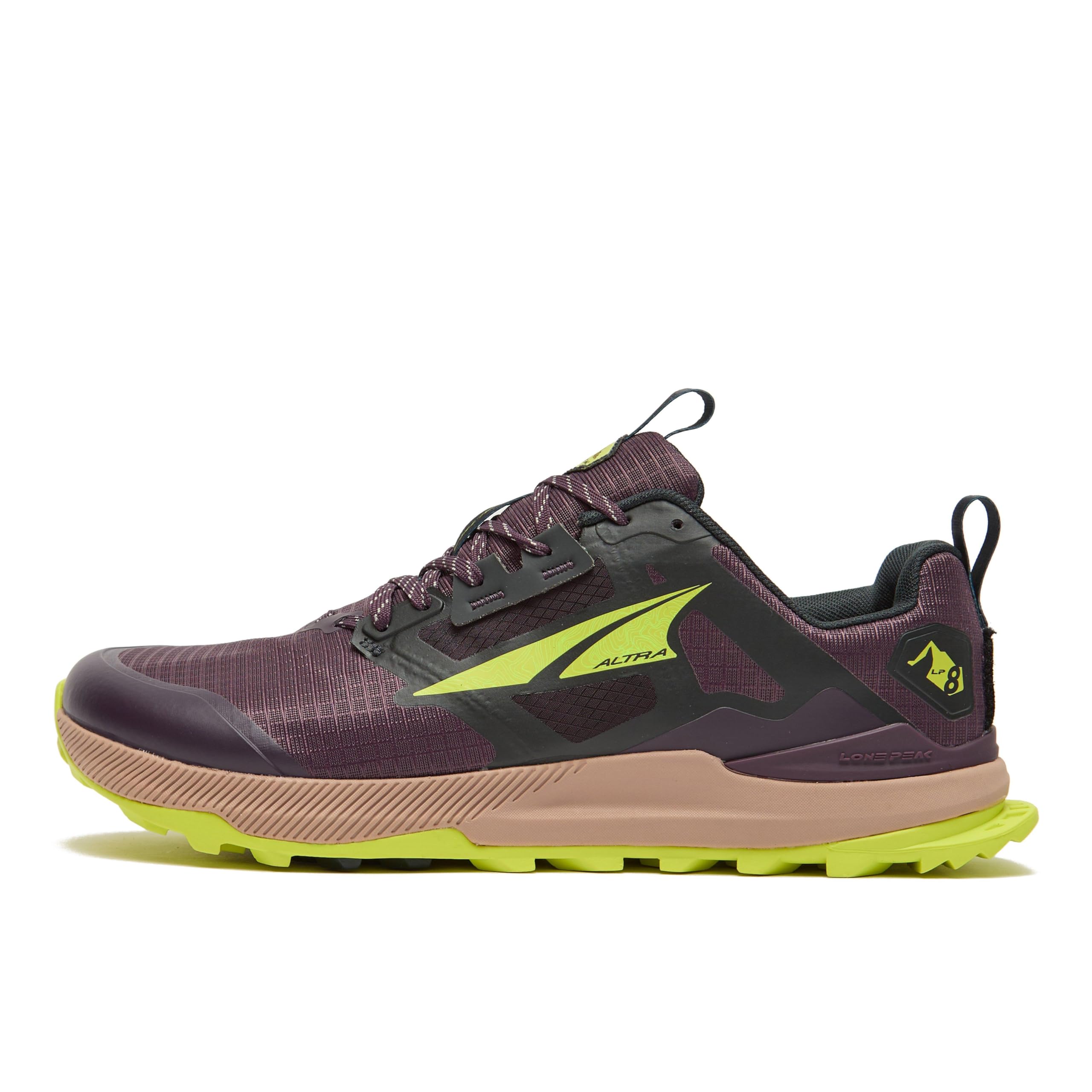
1. ALTRA Women’s Lone Peak 8 Trail Running Shoe
Our pick — over 4.5★ from 750+ verified ratings; the strongest balance of quality and price.
The thru-hiker’s favorite that gives your toes room to breathe and a flat platform to feel the trail.
The defining feature here is the combination of a 0 mm drop and a FootShape toe box, which puts your heel and forefoot at the same height and lets your toes splay naturally. That geometry is why owners mention no toe pinching and no rubs or blisters, even after hours of rocky, steep terrain. The MaxTrac outsole and TrailClaw lugs (those canted bumps placed under the ball of your foot) dig into loose dirt and rock for superior grip.
What wins people over is the comfort — it’s the single most-praised feature. The 25 mm stack height gives you balanced cushioning without lifting your heel, and the ripstop mesh upper (made from recycled RPET) adds ruggedness while staying breathable. At 10.7 oz / 303 g, it’s light enough for running but protective enough for a full day of hiking. As one owner put it, they wore them for “10 days all-day on feet packing house: no foot/knee/hip pain, no PF flare-ups.”
Owners with plantar fasciitis report this shoe reduces pain better than other brands, thanks to the natural foot position. The MaxTrac outsole grips loose rock and steep declines, and dark color options hide trail stains. It transitions from daily neighborhood walks to serious mountain trails without missing a step.
Why It Wins
- Zero-drop design encourages natural alignment and a low-impact landing
- Roomy toe box prevents pinching, blisters, and hiker’s toe
- Excellent traction on loose dirt and rock
- Lightweight at 10.7 oz / 303 g despite its rugged build
Who Should Think Twice
- Zero drop takes some getting used to if you’re coming from a heel-lifted shoe
- Not waterproof, so your feet will get wet crossing streams
- Limited color options compared to other brands
Reach for this if: You want a foot-health-first shoe that handles big miles and rocky trails without squeezing your toes.
Look elsewhere if: You need a waterproof boot for wet climates or prefer a traditional heel-to-toe height difference.
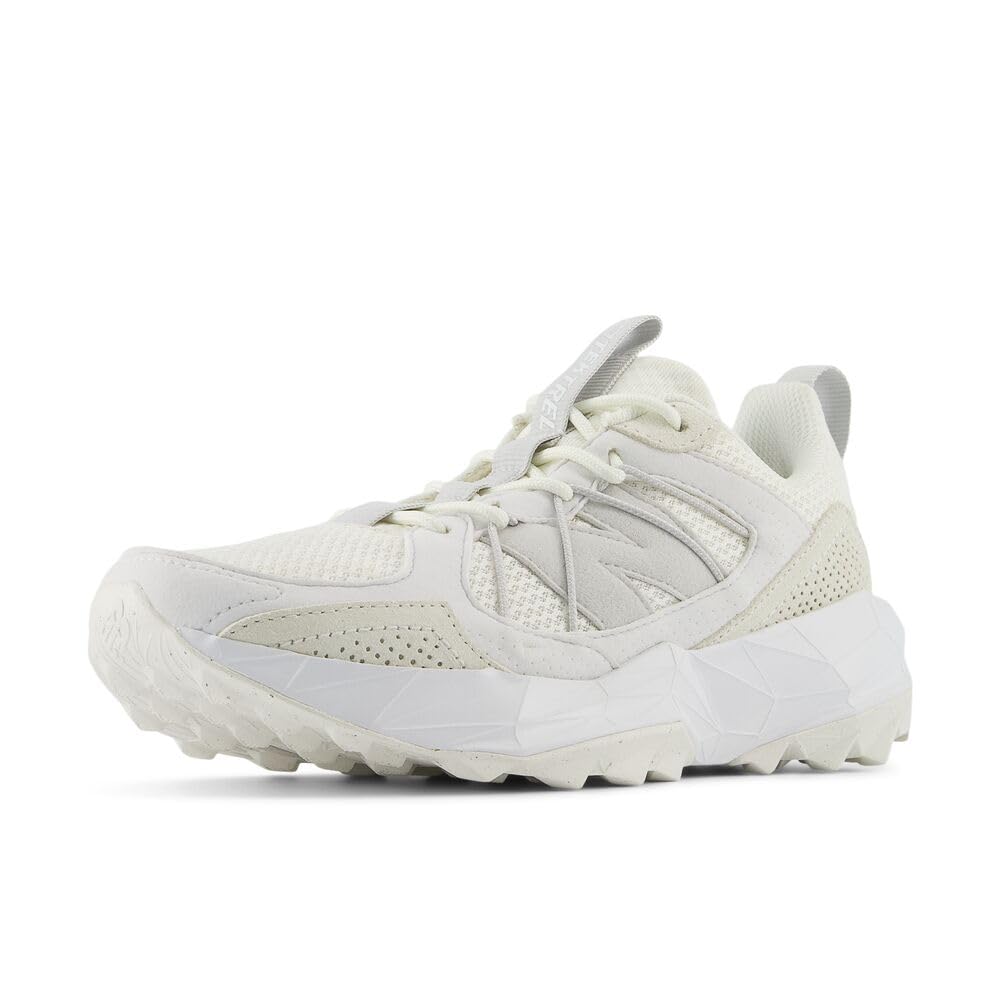
2. New Balance Women’s Dynasoft Tektrel V1 Suede
A budget-friendly trail shoe with an aggressive lug design that clings to slippery, wet ground.
This is the pick for walkers who want solid trail grip without a premium price tag. The aggressive lug pattern is the standout feature, delivering fantastic grip on slippery surfaces and uneven gravel roads, so you feel stable whether you’re out for a fast walk or a casual hike. It’s a versatile shoe that handles a range of non-technical terrain with confidence.
The Dynasoft midsole (the foam layer between your foot and the outsole) gives you a supportive, flexible platform that feels comfortable right from the start. It’s a lighter, more athletic build than a traditional hiking boot, so it suits everyday wear and fast walking. A teacher who wears them all day reports no foot pain, which speaks to the all-day comfort, though the fit runs small and you’ll likely want to size up half to a full size — one wide-footed owner needed an 11W when they normally wear a 10.
The balance of quality and price makes this an easy recommendation for someone who wants a capable shoe for walks on gravel roads and light trails. The recurring trade-off is that the soles wear down faster than other trail shoes, so they’re better for paved paths and packed dirt than for sharp, rocky terrain. The suede and mesh upper is stylish, but the color selection is limited.
Standout Strengths
- Excellent grip on wet and slippery surfaces
- Lightweight and comfortable straight from the start
- Great arch support and a wide, stable platform
The Trade-Offs
- Runs small — plan to size up half to a full size
- Soles wear down faster than more rugged trail shoes
- Laces tend to untie easily; a double knot is needed
Best for: Budget-focused walkers who stick to gravel, dirt, and light trails and want a stylish, grippy shoe.
Not for: Serious hikers tackling sharp, rocky terrain where maximum sole durability is a must.
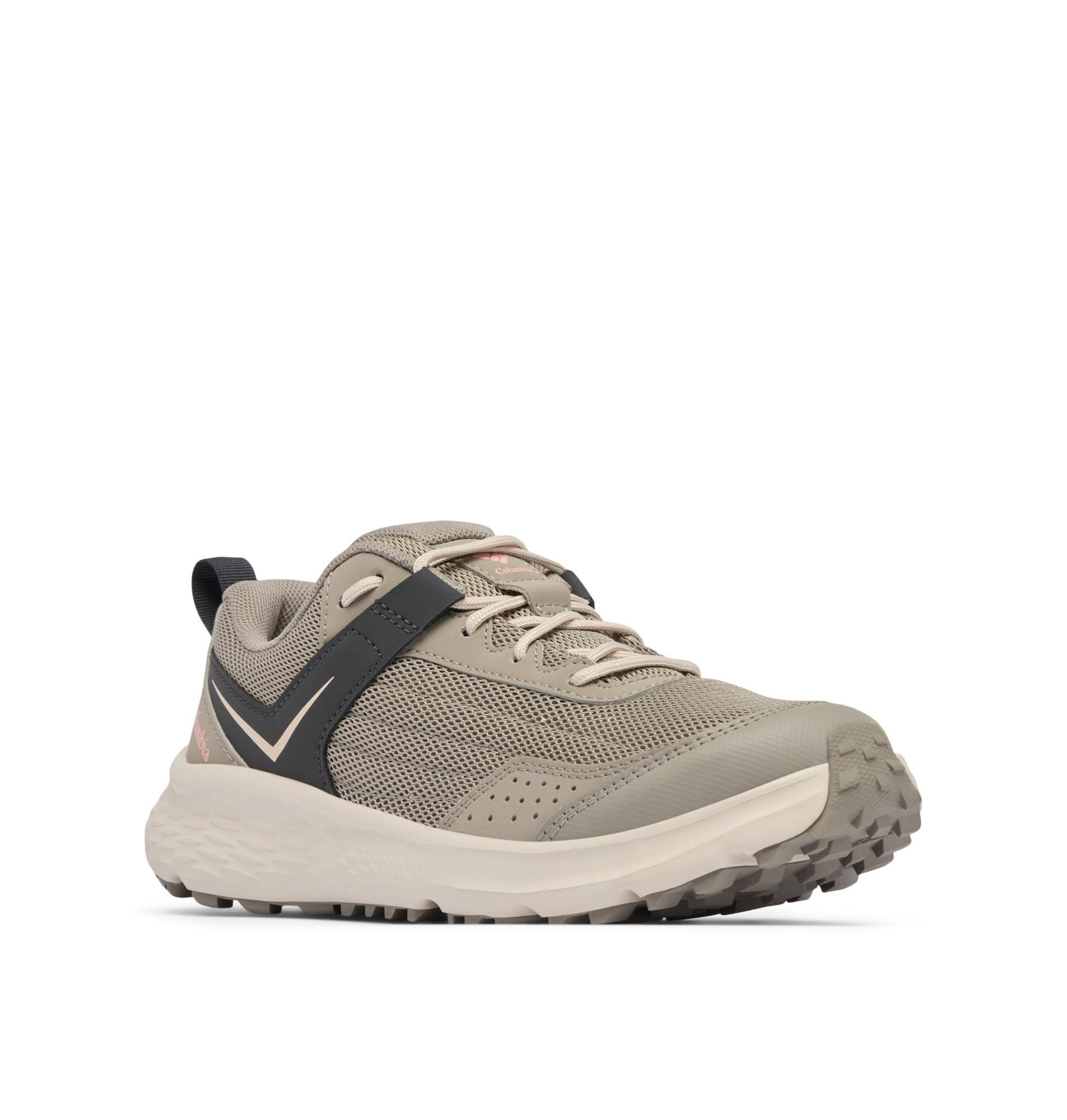
3. Columbia Vertisol Trail™
The shoe that goes from the box to a 7-mile hike with zero blisters or soreness.
Comfort is the headline here — it’s the most-cited reason owners love the Vertisol Trail. An engineered underfoot system delivers superior comfort, stability, and rebound, which translates to a shoe that feels broken-in from the very first step. One owner’s experience sums it up perfectly: they “opened them and went straight to a 7 mile hike. Next day 5.5. No blisters or soreness.”
It’s a do-it-all sneaker ready for paved roads, dirt paths, and even slippery slopes. The traction rubber sole keeps you sure-footed, and the lightweight build means they don’t weigh you down over long distances. The roomy toe box is a big plus for normal and wide feet, yet the laces tighten enough to feel supportive, even for those with narrow feet.
The durable construction and supportive fit have won over hikers who need strong ankle support on mountains, with multiple owners reporting no blistering or rubbing from the very first wear. It’s a great value for daily walks and serious hikes, though long-term durability over many seasons is unproven. If you want to hit the trail immediately without a break-in period, this is your pair.
Why it stands out: The combination of out-of-the-box comfort and all-terrain grip means you can plan a big hike the same day your shoes arrive, a rarity in this category.
Keep in mind: It’s not a waterproof boot, so it’s best for dry conditions, and the long-term durability after many hard miles doesn’t yet have a track record with most owners.
Choose this for: A comfortable, versatile shoe that’s ready for action immediately, whether that’s a 7-mile mountain trek or a daily walking routine.
Think twice if: You need waterproofing or plan to punish your shoes on sharp, abrasive rock every weekend.
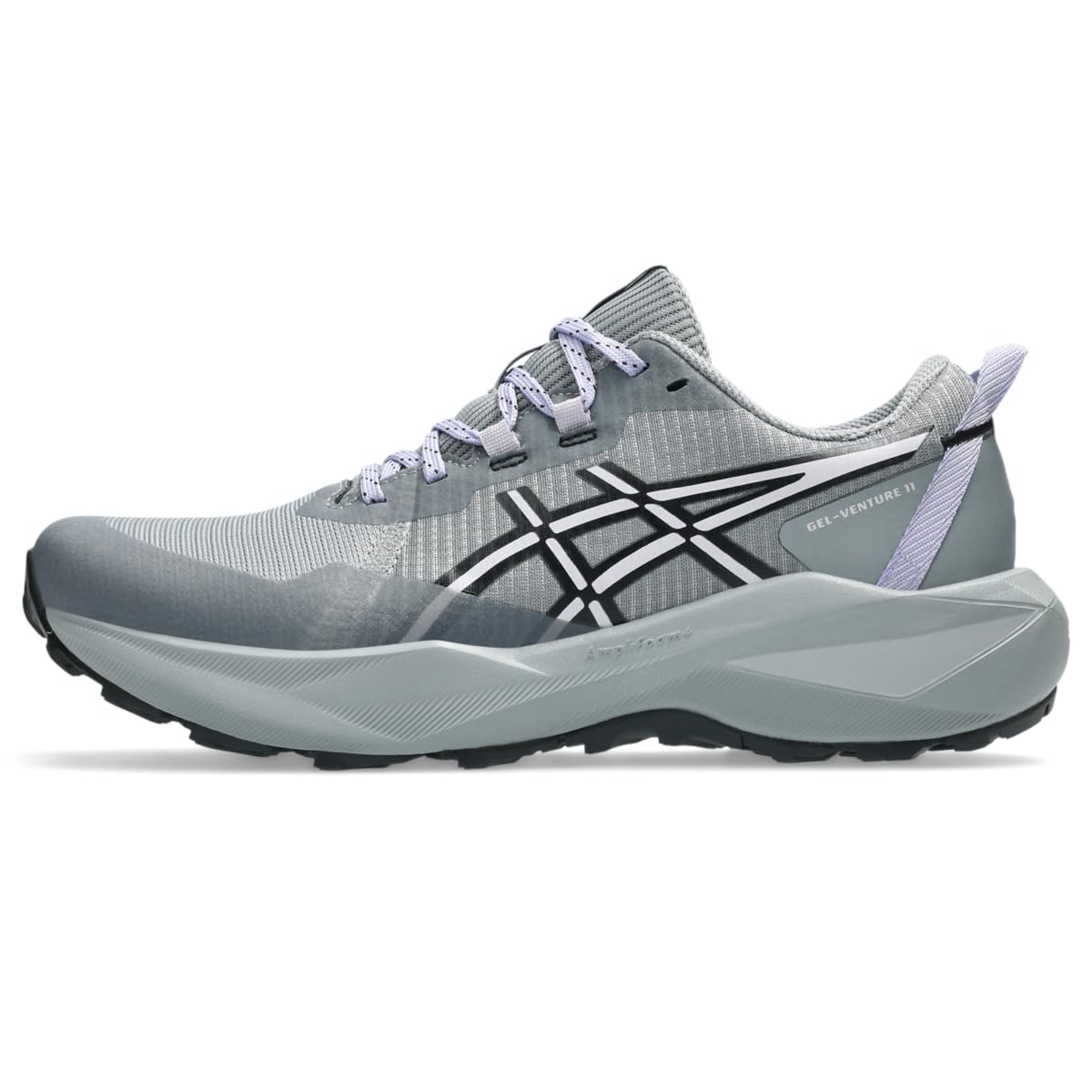
4. ASICS Women’s Gel-Venture 11 Trail Running Shoes
An entry-level trail shoe that offers classic ASICS comfort and arch support at a friendly price.
The Gel-Venture 11 is built for daily wear comfort, using AMPLIFOAM PLUS cushioning in the midsole. The foam is reinforced by a 2mm higher stack height for better impact absorption, and the update means your feet feel cushioned throughout the day. This is a solid, affordable choice for anyone who wants a shoe that works for hiking, running, and everyday walking while staying affordable.
Owners use them for speed walking, cross-training, and even walking strong dogs. The fit runs true to size with an ample toe box, and the arch support is good enough that customers note other brands cause heel pain where these don’t. The synthetic rubber outsole provides reliable traction on a variety of surfaces, making it a great road-to-trail hybrid.
While comfort and fit earn the most praise, the build quality and cushioning draw mixed feedback. Some owners note the newer version feels cheaper than older ASICS models, with plastic eyelet tabs that can be sharp, and a few find the soles slippery on certain surfaces. For the price, it’s a light, comfortable, and supportive shoe, but serious hikers on technical terrain may want a sturdier, more durable sole.
Everyday Strengths
- Comfortable, true-to-size fit with an ample toe box
- Good arch support that stops heel pain
- Lightweight and versatile for hiking, running, and walking
Considerations
- Some find the build quality cheaper than older versions
- A few reviewers point out slippery soles on certain surfaces
- Not designed for aggressive, rocky trail conditions
Ideal for: The budget-conscious walker who wants a comfy, supportive shoe for mixed use on roads and easy trails.
Not ideal for: Hardcore trail runners or hikers who need maximum grip and rugged durability on sharp rock.
5. Merrell Women’s Speed Strike 2
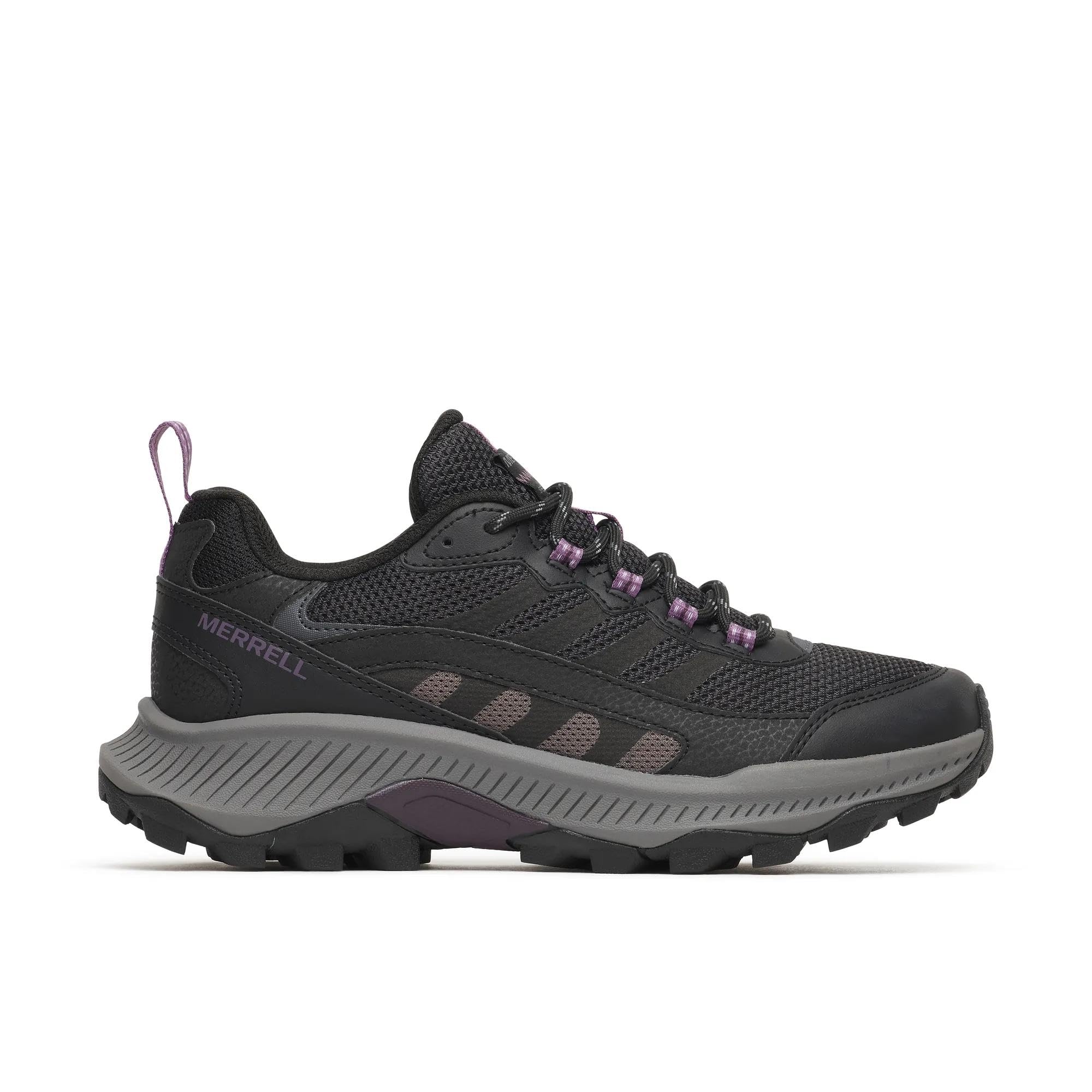
A hiking shoe with an athletic spirit that moves fast on the trail and looks good off it.
The Speed Strike 2 offers the protection of a hiking shoe in a sleeker, faster silhouette. The wide toe box accommodates thick socks comfortably, and the sticky rubber outsole provides durable traction that grips when you need it. Shoppers say feet stay pain-free during use, making it a great choice for both hiking and everyday walking — one owner even played pickleball in them.
Owners praise the out-of-the-box comfort and fit, with no break-in period needed. The 50% recycled removable EVA foam footbed offers decent arch support, and the overall build is lightweight yet sturdy. It’s a shoe that handles the demands of a Sedona hike without slipping, while still looking sharp enough for casual wear. A stiff sole provides stability for those who need it, resisting bending in a way that supports the foot.
It’s a great value that holds up well, though the thin stock insole may need swapping for orthotics. The shoe is water-resistant for light rain but isn’t fully waterproof, so you’ll want a spray treatment for wet conditions. Durability on the fabric around the ankle has drawn mixed reviews, so it’s best suited for dry, rocky trails.
What it does best: Blends athletic style with hiker support, delivering comfort and grip for a wide range of activities from trail walks to court games.
The honest catch: The thin stock insole is a weak point, and the fabric around the ankle can wear through faster than some owners would like — plan on better insoles and dry trails.
Reach for these if: You want one pair of shoes that works for trail hikes, daily walks, and casual outings with a wide toe box and good arch support.
Skip if: You need a fully waterproof boot for constant wet weather or plan to log hundreds of rugged miles where ankle fabric durability is critical.
6. Adidas Women’s Terrex Anylander Mid Top Rain.rdy Hiking Sneakers
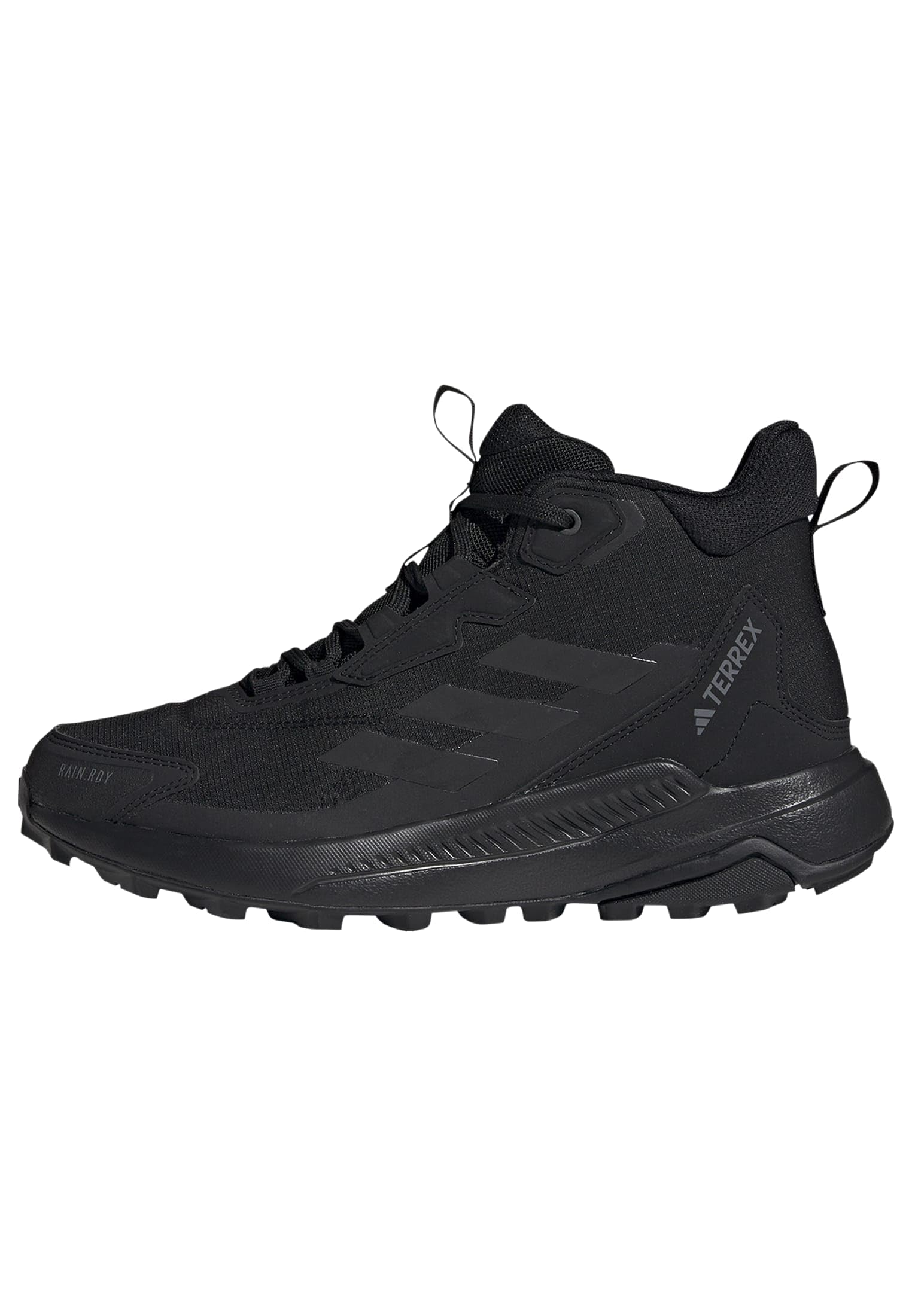
A mid-top waterproof hiker that keeps your feet bone-dry through downpours and mud.
The headline feature is RAIN.RDY, a waterproofing technology built to keep your feet dry over tough, wet terrain. It works — one owner got lost on a first hike, walked 9 miles through a downpour, and reported their feet were “completely dry the whole time! And no blisters!” The mid-top silhouette adds a bit of ankle coverage, and the Traxion outsole improve grip on slippery surfaces.
Comfort and durability get the most positive feedback, with owners noting they can wear these for 16-hour workdays without issue. The material quality holds up well in demanding environments — one EMS professional wears them through mud and water with dry feet. The EVA midsole provides lightweight cushioning, and the classic look works for hiking, running, or even tactical use.
The main point of disagreement is the fit, with some finding them true to size and others reporting they run a bit big. A heavier sock solves the loose feel, but a few owners found the wide fit uncomfortable, especially those with narrower feet. The shoe also runs warm and isn’t breathable, so it’s better suited for cooler, wet conditions rather than hot summer hikes.
Weather Warriors
- RAIN.RDY keeps feet dry through downpours and mud
- Durable materials that hold up to long workdays outdoors
- Good grip on wet and uneven terrain
Fit and Feel
- Fit runs large for some; a heavier sock is needed
- Not breathable — can feel hot in warm weather
- Insole is on the thin side
Grab these if: You hike, work, or play in rainy, muddy conditions and want a mid-cut waterproof shoe that keeps your feet dry all day.
Pass if: You have narrow feet or hike in hot, dry climates where breathability matters more than waterproofing.
7. Oboz Women’s Sawtooth II Low B-Dry Hiking Shoe
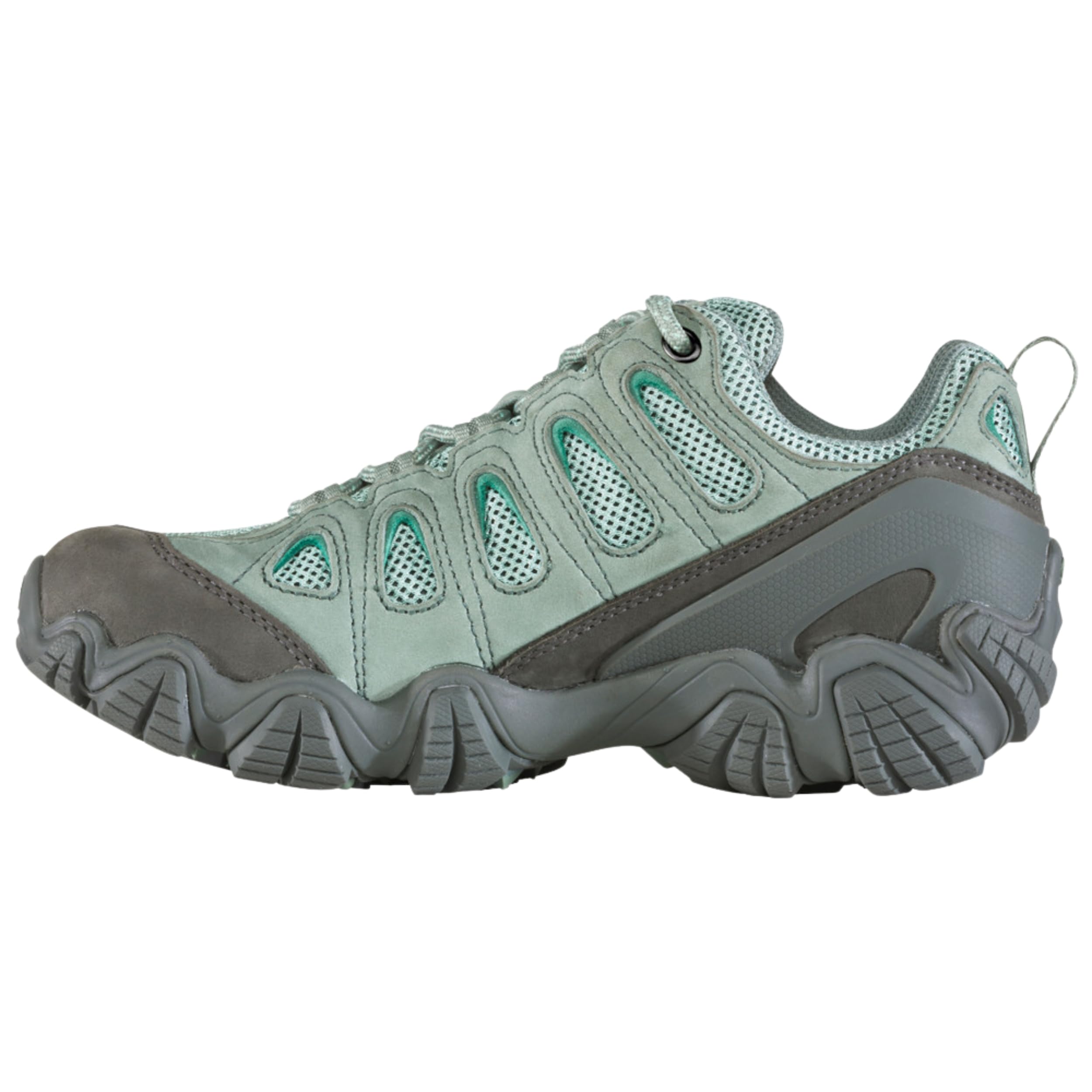
A rugged, supportive waterproof hiker built for long days and big mountain miles.
The Sawtooth II is a thru-hiker favorite, built around a dual-density midsole and a nylon shank for extra underfoot support. The 15 mm heel drop offers a more traditional ride, and the generous toe box provides room for your feet to spread. The B-DRY waterproofing keeps moisture out while letting sweat escape, and the outsole is designed with a tread map of Idaho’s Sawtooth mountain range.
Owners consistently praise the support, noting good arch support and a stable ankle feel that handles varied terrain with ease. The waterproof nubuck leather and abrasion-resistant textile upper are built to last, and the quality is evident from the first wear. It performs well on different surfaces, with solid grip that owners trust on rocky trails, though it’s a hefty shoe at 17.4 oz / 493 grams.
Most owners find the fit comfortable from the start, but some report the shoe runs small and narrow, recommending you size up — especially if you have wide feet or bunions. The firm heel and sole soften up after a break-in period of 10-12 miles, and the toe box may feel less roomy than advertised for some. This is a serious, durable hiking shoe that rewards those who need maximum support over light weight.
The core strength: Outstanding support and stability for long, demanding hikes, with quality materials and waterproofing that hold up over time.
What to watch: It’s heavy compared to trail runners, and the narrower fit means you should size up — don’t assume the “generous toe box” is a wide fit.
Choose this if: You prioritize support, durability, and waterproofing for multi-mile hikes on rocky terrain and carry a heavier pack.
Look elsewhere if: You want a light, nimble trail runner or have wide feet that need a genuine wide-width fit.
8. Merrell Women’s Moab 3 Waterproof Hiking Shoe

The world’s most popular hiker gets an upgrade with a grippier Vibram sole and softer cushioning.
The Moab is the bestselling hiker in the world for a reason, and version 3 refines the formula. It features a new, more supportive insole, a softer, more cushioned midsole, and a grippier Vibram outsole that delivers outstanding grip with no slipping on rocky trails. The waterproof version keeps your feet dry in wet conditions, and the partially recycled fabrics add a sustainable touch. Owners use it for everything from daily work to two-week trips through Ireland.
Owners praise the fit and quality most — the shoes fit well and are well-made, with good arch support that adds stability while walking. The solid, sturdy sole handles rocky and uneven terrain, and one owner notes it’s the “most durable shoe I have ever bought.” Another wore her first pair out completely before buying a second, proof of how much trail use these can handle. The out-of-the-box comfort is famous, with no break-in period needed before a big trip.
The main caution is the fit: a few owners say it runs small and recommend ordering half a size up, while others found it too big and clunky. The waterproofing also draws mixed reviews, with some questioning how well it holds up, so it’s not a guarantee for stream crossings. For a durable, do-everything hiker with proven performance on rocky ground, the Moab 3 remains a benchmark choice.
Legacy Strengths
- Outstanding grip and stability on rocky, uneven terrain
- Famous out-of-the-box comfort with no break-in
- Exceptional durability that lasts for years
Watch Out For
- Fit is inconsistent — some find it small, others too clunky
- Waterproofing performance draws mixed feedback
- Heavier and bulkier than modern trail runners
This is your hiker if: You want a proven, durable workhorse for rocky trails with great grip and arch support straight from the start.
Consider something else if: You need a light, agile shoe or are buying without trying them on, since the fit can be inconsistent.
9. Columbia Womens Peakfreak Ii Outdry
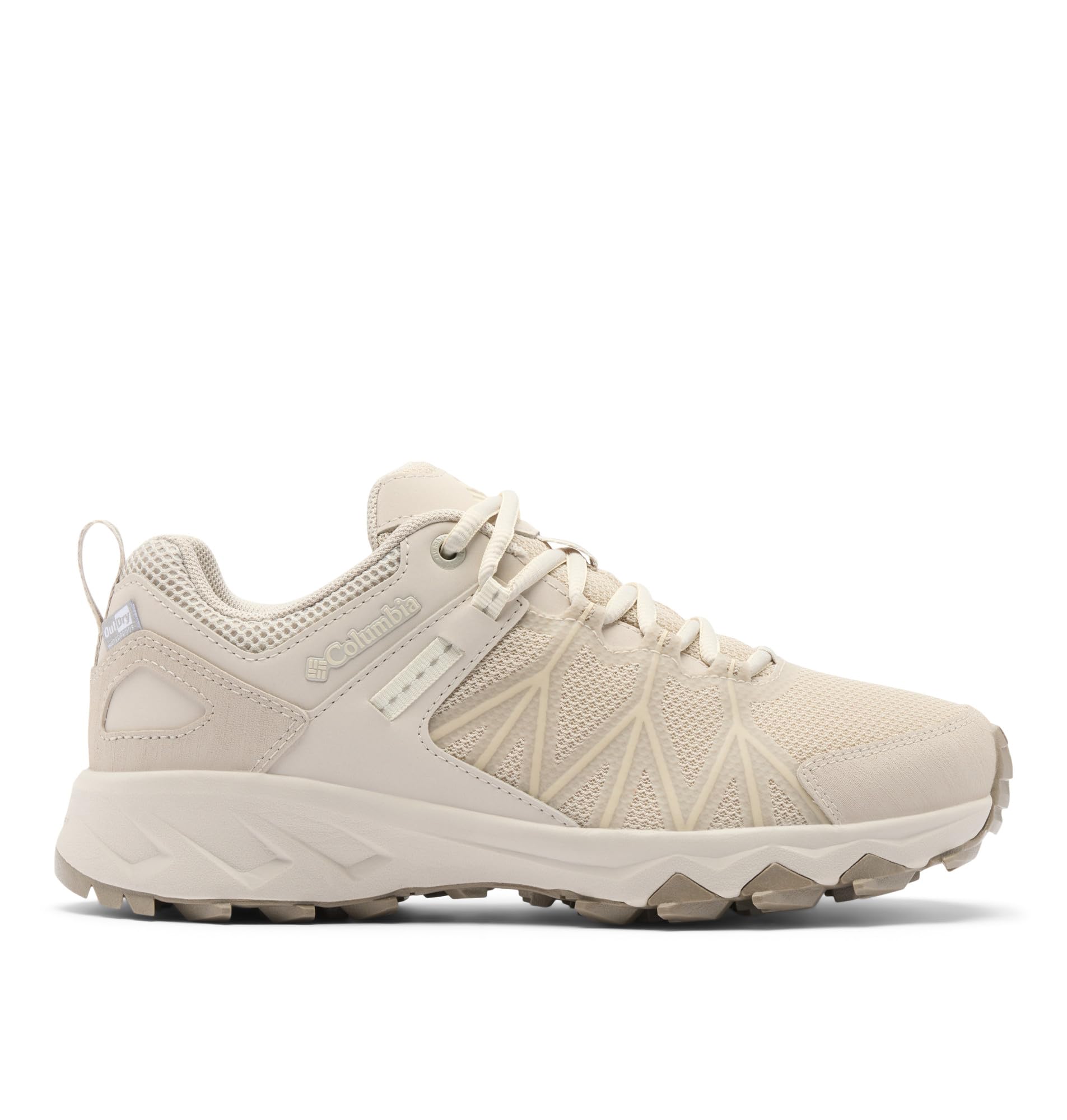
A featherweight waterproof hiker that laughs at icy water and slick rock.
The Peakfreak II is a serious performer for wet, demanding conditions, built with Columbia’s Outdry waterproofing (a membrane that blocks water from getting in) that keeps your feet dry. One owner stood in deep, icy water and reported her feet stayed completely dry and was “SOOOOOO impressed!” The shoe is also sure-footed on slick rock inclines, making it a go-to for damp, misty trails and big trips like Machu Picchu or Iceland.
Comfort is the top praise, with the shoe being extremely comfortable right from the start with zero blisters and no break-in needed. Owners rave about the high quality, perfect fit, and loads of support and cushioning. It’s lightweight despite the waterproofing, and the sturdy construction handles a beating — one owner brought them to Iceland, wore them immediately, and took them through rough terrain with dry feet and great grip the whole time. The roomy toe area is a plus for those with wide or flat feet and bunions.
The one consistent note is that the “wide” size still runs a bit narrow for some, so if you need a true wide fit, consider sizing up half a size, especially for hiking socks. The color options are stylish but bright. For a comfortable, waterproof, and well-supported hiker that performs in rain and cold, this is a top-tier choice.
What it nails: The rare combination of full waterproofing, lightweight feel, and zero break-in time, with comfort that owners single out as the highlight.
The one caveat: The wide size may still feel narrow to those with genuinely wide feet — order half a size up to be safe.
Pick this for: Rainy, cold, or wet adventures where you need dependable waterproofing and traction without the heavy weight of a boot.
skip it if: You have very wide feet that need a true wide-width fit as these may still feel snug.
Understanding the Specs
Heel-to-Toe Drop
The drop is the height difference, measured in millimeters, between your heel and your forefoot when your foot is in the shoe. A 0 mm drop (like the ALTRA Lone Peak) places your heel and toes level, which encourages a natural stride and stronger calf engagement but takes some adaptation. A 15 mm drop (like the Oboz Sawtooth) raises your heel higher, which feels more like a traditional running shoe and can ease strain on your Achilles tendon. Your choice depends on your foot strike and what feels natural to you.
Waterproofing vs. Breathability
Waterproof membranes like B-DRY, RAIN.RDY, and Outdry use a special layer to block outside water from getting in while letting sweat escape. This is a huge win for wet trails and stream crossings, but the trade-off is warmth — a waterproof shoe runs hotter and breathes less than a mesh trail runner. If you mostly hike in dry conditions, a breathable shoe like the ALTRA or Columbia Vertisol will dry faster and keep your feet cooler in summer.
FAQ
What does a zero drop mean for hiking?
Should I size up for a hiking shoe?
How long do hiking shoes last?
Do hiking shoes need a break-in period?
What is the difference between a hiking shoe and a trail runner?
Is a wide toe box better for hiking?
Will a waterproof shoe keep my feet dry in a stream?
Which is better, Merrell Moab or Columbia Vertisol?
How do I deal with plantar fasciitis when hiking?
Final Thoughts: The Verdict
For most hikers, the clear winner is the ALTRA Lone Peak 8, because its zero-drop design (where your heel and forefoot sit at the same height) and roomy toe box offer class-leading comfort for big miles, backed by thousands of happy owners. If you need a waterproof shoe for wet, rainy trails, the Columbia Peakfreak II Outdry is a top-tier pick that keeps feet dry and comfortable with zero break-in. And for a budget-friendly option that still delivers great grip, the New Balance Tektrel V1 is the smart, affordable choice for gravel paths and light hikes.
How We Picked
We do not accept paid placement. Every pick is matched to a real buyer and a real use-case; we do not hands-on test units.
Sources & Methodology
Specifications: manufacturer listings and product documentation. Review insights: verified customer reviews, as of August 2026. Pricing: not shown on this page (it changes often); check the current price via the retailer link.
As an Amazon Associate, Calories Fit earns from qualifying purchases. This does not affect which products we feature.