
Our readers keep the lights on and the coffee maker working hard! As an Amazon Associate, I earn from qualifying purchases.
Specs are compiled from manufacturer listings and verified buyer reviews and can change over time — please confirm the key details on the product page before buying.
If you are tired of rocking forward in sneakers or losing your brace at the bottom of a squat, a dedicated lifting shoe fixes the root cause. The raised, non-compressible heel keeps your torso upright, your ankles mobile, and your power transfer direct — the difference between a wobbly rep and a locked-in one. This guide breaks down the six best options for women, balancing heel height, fit, and durability so you can pick the pair that matches your lifting style.
I’m Mohammad — the founder and writer behind Calories Fit. This guide is built by comparing the manufacturers’ published specifications and the patterns across verified customer reviews, so you get each pick’s real strengths and trade-offs instead of marketing spin.
Whether you are chasing a new personal record or just want stable footing for leg day, the right shoe matters, the right women squatting shoes can genuinely change how your lifts feel.
Our Picks at a Glance

How To Choose The Best Women Squatting Shoes
Most lifters buy their first pair of squat shoes after struggling with running sneakers that compress under load. The key is understanding what makes a lifting shoe different: a solid, improve heel and a flat, non-compressible sole that transfer every ounce of force into the floor.
Heel Height and Your Mobility
The raised heel is the whole point. It lets you squat deeper by reducing the angle your ankle needs to bend, which helps you keep your chest up and your back tight. For reference, the Nordic Lifting Venja sits at a 1.06″ heel, while the Osterland offers a taller 1.4″ — a 32% taller heel for lifters who need extra ankle mobility.
Fit, Width, and Lockdown
Lifting shoes have very little stretch, so fit is everything. Some runs are roomy and wide, others are narrow — and a few reviewers recommend sizing up by half a size. The Velcro strap across the top is what locks your foot down so you don’t slide inside the shoe during heavy reps, so it matters as much as the heel.
Quick Comparison
| Model | Best For | Heel Height | Fit | Stability | Amazon |
|---|---|---|---|---|---|
| Nordic Lifting Venja★ Best Overall | Balanced value & stability | 1.06″ | Wide fit | Excellent | Amazon |
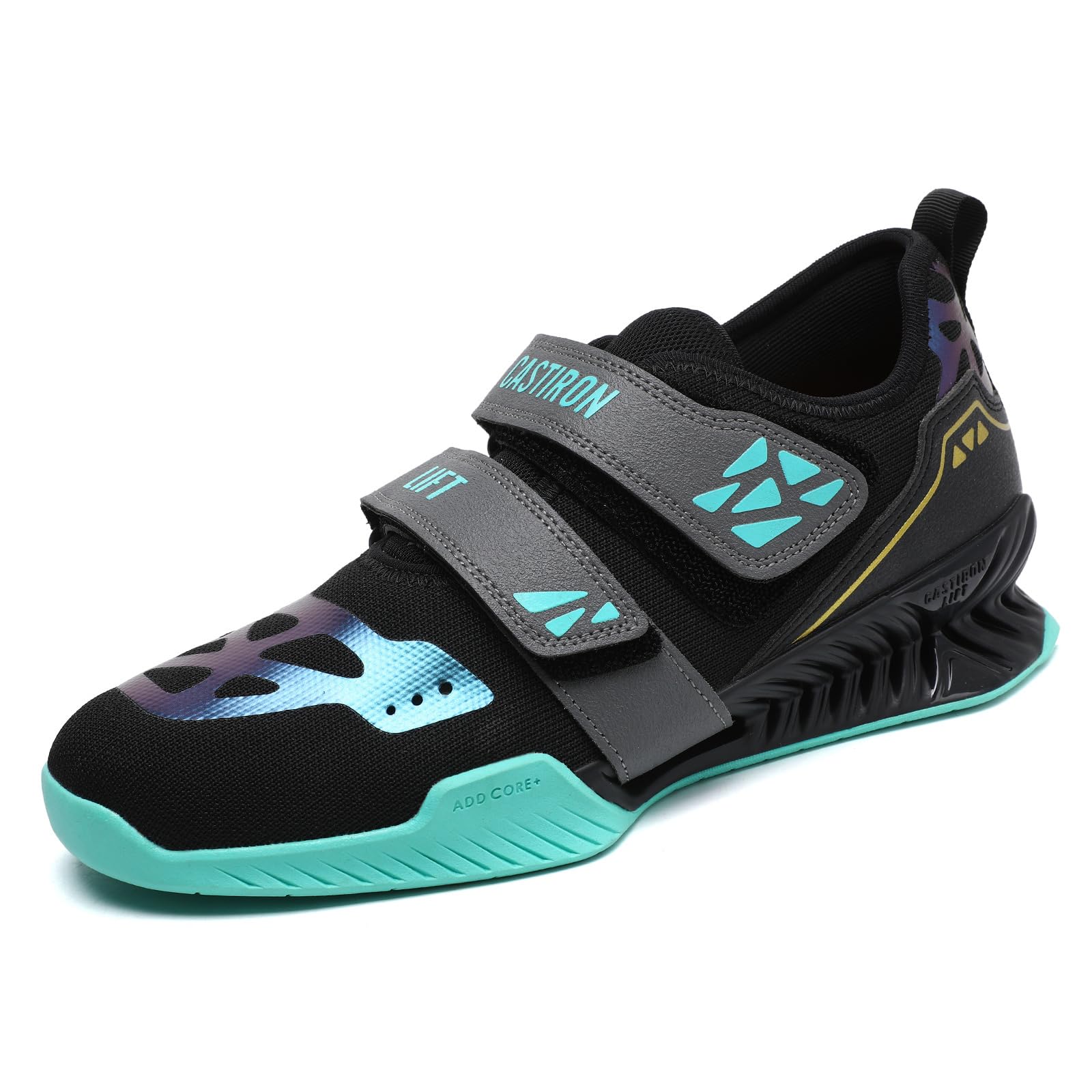
| Castiron Weightlifting ShoesBest Value | Wide feet & budget | improve heel | Wide, true to size | Excellent | Amazon |
| Osterland Squat Shoes | Deep squats & mobility | 1.4″ | Wide, size up half | Excellent | Amazon |
| adidas Dropset Control | CrossFit & hybrid training | Low midsole | Wide, roomy front | Solid | Amazon |
| Reebok Legacy Lifter II | Olympic lifts & narrow feet | 22mm | Narrow, size up | Excellent | Amazon |
| adidas Powerlift 5 | Beginners & lower heel | Lower heel | Narrow, size up | Good | Amazon |
In-Depth Reviews
1. Nordic Lifting Venja Weight Lifting Shoes
Our pick — over 4.5★ from 650+ verified ratings; the strongest balance of quality and price.
The crowd favorite that nails stability, comfort, and value in one balanced package.
The Venja is the rare lifting shoe that owners describe as genuinely comfortable, not just tolerable. The flat, non-compressible sole keeps your foot planted for heavy squats and deadlifts, while the roomy toe box lets your toes spread naturally — a detail that keeps long sessions pain-free. What wins people over is the quality: owners consistently praise the build, with one noting the shoe “lasted 4 yrs with heavy gym use (5-7 days/wk)” and remained durable, lightweight, and a great value.
The 1.06″ raised heel offers a moderate lift that aids balance during leg presses and squats without feeling drastic for newer lifters. The Velcro strap system locks your foot down securely, and the grippy outsole handles box jumps and lunges for CrossFit-style work. It is note these are built for stability, not cushioning — so daily wear or high-impact cardio is not the job here.
The recurring sentiment from owners is that this shoe simply gets the job done without fuss. Reviewers stepping up from running sneakers report an immediate, noticeable difference in squat stability, and even long-time Adidas wearers found the fit and feel superior. It is a true-to-size shoe, though those with wide feet may want to size up for extra comfort.
What Owners Love
- Quality build that survives years of heavy use
- Roomy toe box keeps feet comfortable
- Stable base for squats, deadlifts, and leg presses
- Great value for an advanced beginner
Keep In Mind
- Not cushioned for daily wear or running
- Size up if you have wide feet
Reach for these if: you want a durable, comfortable, well-rounded lifting shoe that handles squats, deadlifts, and CrossFit-style work while staying affordable.
Look elsewhere if: you need a tall heel — the 1.06″ lift is moderate compared to the 1.4″ on the Osterland.
2. Castiron Weightlifting Shoes
A solid, wide-fitting lifting shoe that delivers barefoot-like stability at a friendly price.
The Castiron earns its “value” label not by being cheap, but by being genuinely well-made for the money. Owners consistently highlight the quality materials and the wide fit — a lifesaver for lifters with wide feet who are tired of squeezing into narrow training shoes. One owner with a wide 8.5 women’s foot described the men’s size 6 as fitting “like a snug, perfect glove,” which tells you the sizing runs wide and true.
The angled, solid sole improves stability across all lifts, with owners reporting better squats, deadlifts, and kettlebell work thanks to the improve heel that aids squat depth. The Velcro strap is strong and holds snugly, and the shoe has been praised for lasting 2+ years with heavy use and zero issues. Owners also note the grippy outsole provides excellent traction on the gym floor.
The honest trade-off: the look. Some owners describe the strap color scheme as mismatched — one called it “really bad” and painted the straps black to feel confident wearing them in the gym. Comfort also earns mixed feedback, so it is not a universal slam-dunk on that front. But for the lifter who cares more about function than fashion, this is a dependable, high-quality pick.
Solid and Supportive: The wide fit, strong Velcro, and grippy sole make this a reliable companion for squats, overhead presses, and deadlifts.
Style Note: This is the one to pick if you prioritize performance and price over aesthetics.
Best for: lifters with wide feet who want a durable, supportive shoe without spending premium dollars.
Think twice if: you want a shoe that looks sharp on the platform — the strap colors divide opinion.
3. Osterland Weightlifting Shoes
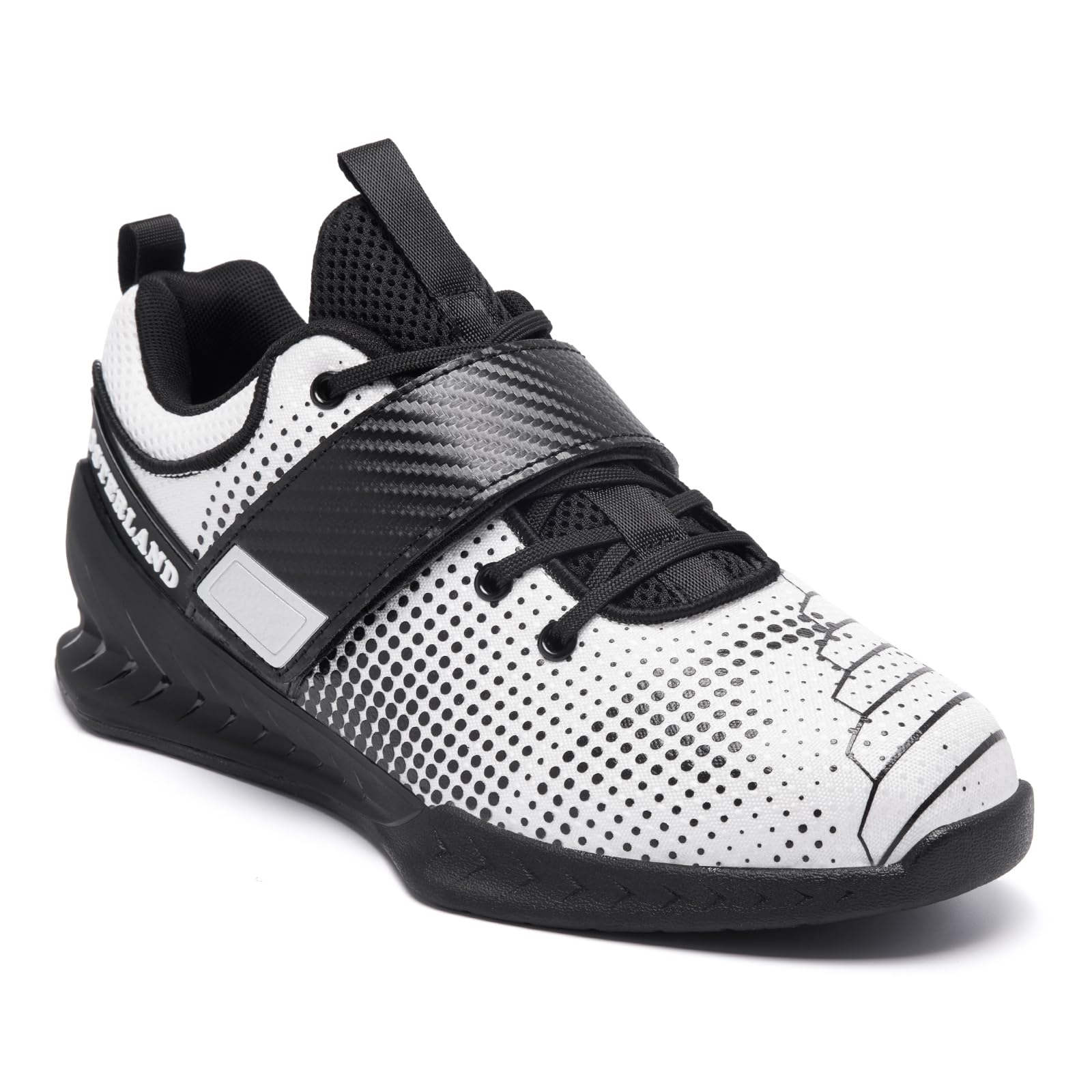
The tallest heel here — a 1.4″ lift built for lifters chasing deeper squats and better ankle mobility.
The Osterland is the specialist pick for anyone whose ankles limit their squat depth. Its 1.4″ heel is a full 32% taller than the Nordic Lifting Venja’s 1.06″, and owners say it delivers the right amount of lift for deep squat mobility. The higher heel helps you keep your torso upright, activates your quads more effectively, and improves force transfer through the floor. One owner called it “perfect for squats and leg days.”
The solid hard rubber outsole does not compress under heavy loads — a key difference from soft running shoes — so you get maximum stability and safety. The breathable mesh and microfiber upper wick moisture to keep your feet dry during long sessions, and the combination of lace-up with a Velcro strap secures your foot firmly. Owners say the fit runs true to size, though wide feet should size up half a size; some even suggest sizing down if you prefer a snugger fit.
The fair warning here is the toe box. One owner found the front stiff and uncomfortable during squats and deadlifts, causing pressure and cramping that did not improve with break-in. Most owners love the shoe, but if you have sensitive toes or need a very pliable upper, this might not be the one. It is also note one pull tab ripped after about three months of weekly use.
Why It Stands Out
- Tallest heel at 1.4″ for deep squat mobility
- Solid rubber sole with zero compression
- Breathable mesh keeps feet dry
- Excellent stability for heavy lifts
Watch Out For
- Stiff toe box can cause discomfort for some
- Runs wide — some owners wish they sized down
Choose this if: your squat depth is limited by ankle mobility and you want the maximum heel lift available here.
skip it if: you have sensitive toes or prefer a flexible, easily broken-in upper.
4. adidas Dropset Control Training Shoes
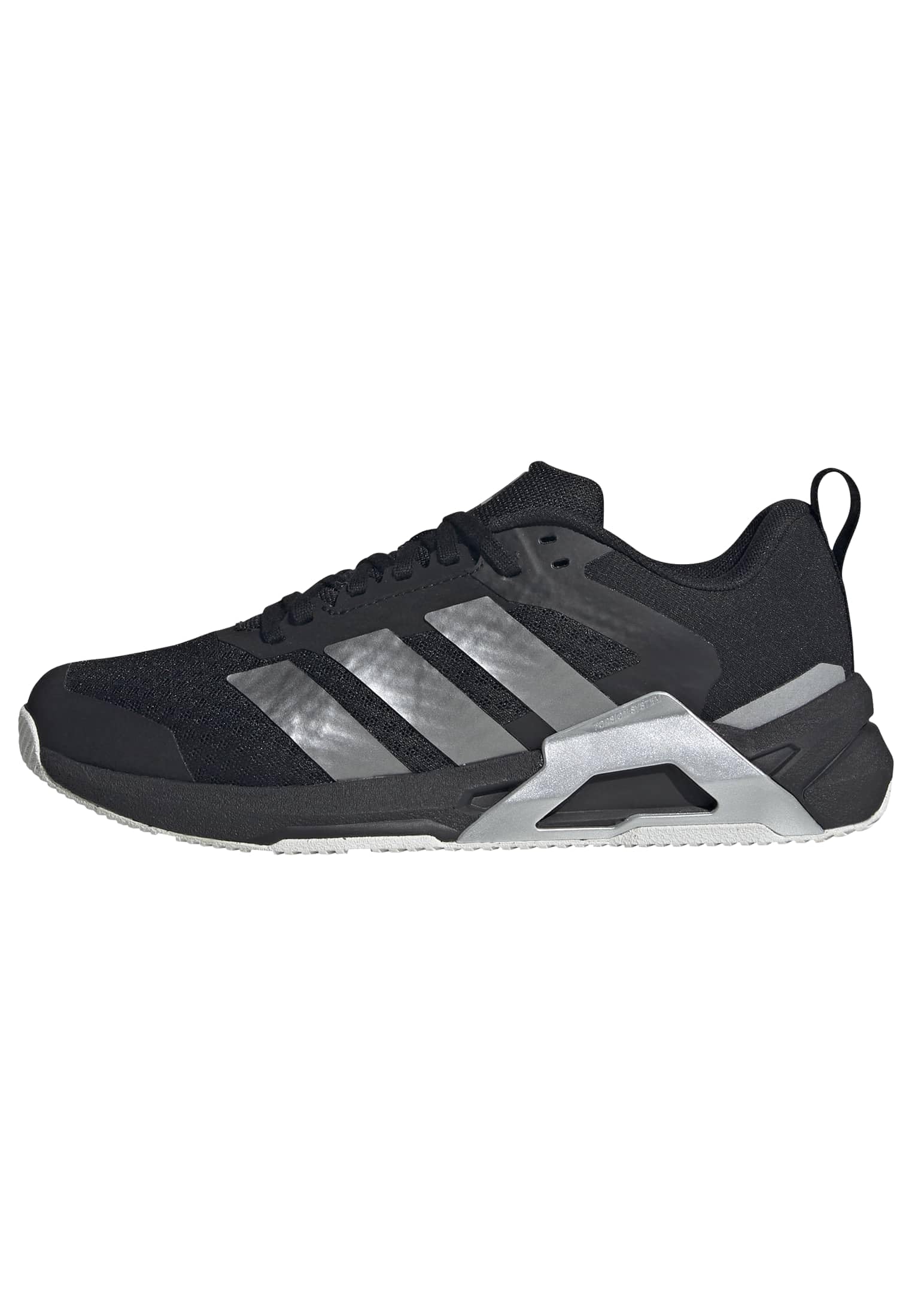
The CrossFit-friendly hybrid that trades a tall heel for versatility across lifts and lunges.
If you are not ready to commit to a stiff, dedicated lifting shoe, the Dropset Control is the middle ground. It features a solid midsole that resists compression under load — keeping you stable for squats, deadlifts, and overhead presses — but it stays flexible enough for warmups and accessory movements like lunges. The wide fit lets your foot spread naturally for maximum ground contact, and owners with wide feet specifically praise it as a rare find.
You get stable footing for side-to-side moves thanks to the TPU torsion system (a rigid plastic plate in the midfoot that resists twisting), which is why owners call it a true CrossFit starter shoe. The mesh upper lets air circulate, so your feet stay cooler during long gym sessions. Buyers report it feels stable and grounded for lower-body lifting, with one noting it is “perfect for CrossFit.” Sizing runs true-to-size with a roomy toe box, according to one owner; another wearing a 6.5 also found the fit roomy.
Comfort splits owners right down the middle. Some find it fine for long sessions, but others call the shoe stiff and say it is “not good for any type of cardio or even movement like lunges.” One buyer with narrow feet reported zero stretch room, which led to foot pain. So if you mostly stay at the squat bar, this shoe shines; if you want one sneaker for cardio too, skip it.
Stable and Adaptable: The solid midsole plus TPU torsion system supports both heavy compounds and dynamic movements.
Fit Caveat: Great for wide feet, but narrow-footed owners mention it is too stiff and snug.
Best for: CrossFit athletes and hybrid trainers who want one shoe for lifting plus warmups and lunges.
Not ideal for: lifters needing a tall heel or anyone planning to run — this is a training shoe, not a runner.
5. Reebok Legacy Lifter II

A true Olympic lifting shoe with a 22mm heel that owners say carved out better squat depth.
The Legacy Lifter II is the serious lifter’s shoe, built stiff and secure for Olympic lifts like cleans and jerks. The 22mm heel is substantial — it is the measurement owners credit with deepening their squats and and reduced lower back pain by keeping the torso more upright. One owner with good ankle mobility still found it “definitely helped with my squat depth.” The solid base keeps you anchored on the platform.
Owners consistently highlight the comfort and arch support, with the stiffness praised for aiding a proper squat stance rather than feeling uncomfortable. The laces tighten easily and the strap secures the foot, and owners say the shoe feels light on the feet despite its solid construction. It has also been called better than Metcons for clean and jerk work, and the rare women’s colorway is a bonus.
The key fit warning: this shoe runs small and fits narrow. Multiple owners note the fit “runs a smidgen on the small side,” and it is described as ideal for narrow feet — not for wide-footed lifters. It is also heavier than cross trainers, which new lifting-shoe owners will notice. And like all dedicated lifters, it is not for running or daily wear.
The Strong Points
- 22mm heel for serious squat depth
- Excellent arch support and comfort
- Secure lockdown with laces and strap
- Great for cleans, jerks, and squats
The Trade-Offs
- Runs small — order up
- Narrow fit, not for wide feet
- Heavier than cross trainers
Reach for it if: you are doing Olympic lifts and want a stiff, supportive platform with a tall heel.
pass on it if: you have wide feet — the narrow fit and small sizing will likely frustrate you.
6. adidas Powerlift 5
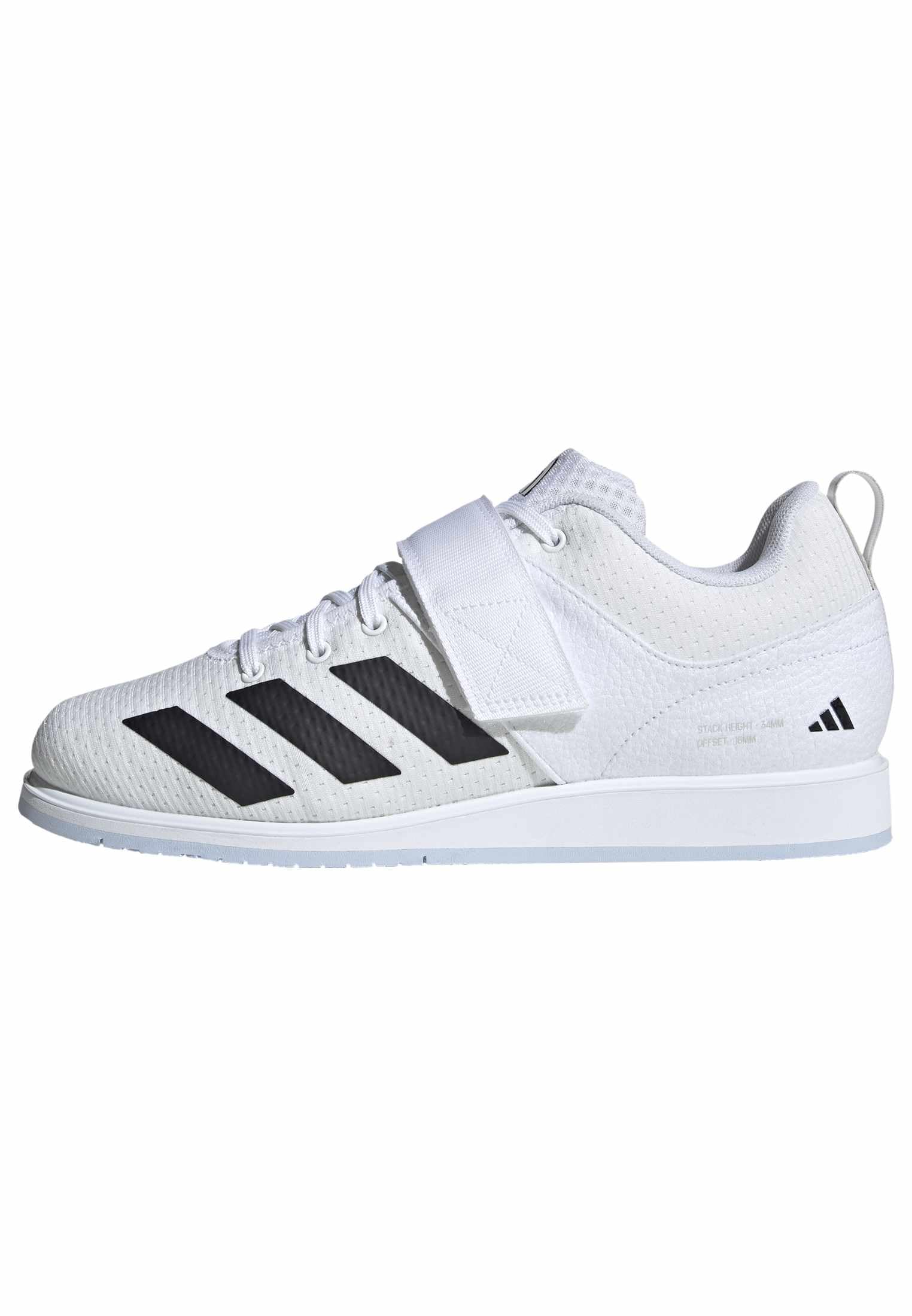
The most affordable adidas here, with a lower heel that new lifters repeatedly call a total standout.
Starting Strength gyms recommend the Powerlift 5 for its stable base and beginner-friendly heel because it gives you a stable base for squats without breaking a beginner’s budget. The lower heel (a smaller lift than the tall heels on other squat shoes) improves your squat form and feel right away, so you avoid the steep learning curve of a higher heel. One owner called it a “total standout” for squat alignment and glute activation, and it is easier to walk in than the higher-heeled options on this list.
Owners consistently describe the build as well-made and comfortable, providing nice stability for heavy lifts. The heel lift is credited with fantastic depth assistance in squats, and one owner reported it eliminated knee pain within weeks of switching. It is also noted as stylish, with gym-goers giving it compliments. If you are just starting to lift, the Powerlift 5 is the safe, quality entry point.
The major caveat is the toe box — it is narrow, and this is the most consistent complaint. Multiple customers note it runs narrow and tight at the toes and recommend ordering a half size up, while one owner with wider feet called it “extremely narrow” and planned to donate the shoes. The lower heel also means it offers less of a lift than the Osterland’s 1.4″ if your mobility really needs help.
Why Beginners Love It
- Lower heel is forgiving for new lifters
- Stable platform for squats and heavy lifts
- Well-made with a clean, stylish look
- Great value for a first pair
Know Before You Buy
- Very narrow toe box — size up half
- Not for wide feet
- Lower heel gives less mobility help
Grab these if: you are new to lifting and want a trusted, stable, budget-friendly starting point.
Pass them up if: you have wide feet or need a taller heel for serious ankle-mobility work.
Understanding the Specs
Heel Height
The raised heel is the core of a squat shoe. It reduces the angle your ankle must bend, so you can hit depth with your chest up and back tight. The Osterland leads here at 1.4″, the Nordic Lifting Venja sits at 1.06″, and the Reebok Legacy Lifter II measures 22mm. Taller heels help if your ankles are tight; lower heels feel more natural for beginners.
Sole Rigidity and Lockdown
A lifting shoe’s sole must not compress under heavy weight — that is what separates it from a running sneaker. Flat, non-compressible soles boost force transfer into the floor. The Velcro strap across the top locks your foot down so you do not slide forward during deep squats. The combination of a rigid sole and a secure strap is what makes a shoe feel stable under a loaded bar.
FAQ
How much heel height do I need in a squat shoe?
Will these shoes fit if I have wide feet?
Can I use squat shoes for running or daily wear?
Should I size up or down in squat shoes?
Are squat shoes worth it for a beginner?
What is the difference between a lifting shoe and a CrossFit training shoe?
How long do squat shoes last with regular gym use?
Can a squatter with good ankle mobility still benefit from a raised heel?
Final Thoughts: The Verdict
For the majority of shoppers, the women squatting shoes winner is the Nordic Lifting Venja because it pairs a comfortable wide fit with rock-solid stability and a quality build that owners trust for years. If your squat depth is limited by ankle mobility, grab the Osterland for its taller 1.4″ heel. And for CrossFit-style training that mixes lifting with movement, the adidas Dropset Control is the one to reach for.
How We Picked
We do not accept paid placement. Every pick is matched to a real buyer and a real use-case; we do not hands-on test units.
Sources & Methodology
Specifications: manufacturer listings and product documentation. Review insights: verified customer reviews, as of August 2026. Pricing: not shown on this page (it changes often); check the current price via the retailer link.
As an Amazon Associate, Calories Fit earns from qualifying purchases. This does not affect which products we feature.