
Our readers keep the lights on and the coffee maker working hard! As an Amazon Associate, I earn from qualifying purchases.
Specs are compiled from manufacturer listings and verified buyer reviews and can change over time — please confirm the key details on the product page before buying.
You want shoes that let your toes spread and your feet move naturally, without turning every pebble into a spike. The zero drop barefoot shoes here deliver on two core promises: a heel and forefoot at the same level (zero drop) and a toe box wide enough to splay your toes. Here is which one is worth your money and why.
I’m Mohammad — the founder and writer behind Calories Fit. This guide is built by comparing the manufacturers’ published specifications and the patterns across verified customer reviews, so you get each pick’s real strengths and trade-offs instead of marketing spin.
From rugged leather boots to feather-light trail runners and gym-focused cross-trainers, these are the zero-drop barefoot shoes that owners actually praise for relieving pain and restoring natural foot function.
Our Picks at a Glance

How To Choose The Best Zero Drop Barefoot Shoes
Zero-drop barefoot shoes are a shift in how you think about footwear. Instead of cushioning and arch support doing the work, these shoes put your foot in a flat, natural position so your muscles, tendons, and toes handle movement. Expect tired feet at first as your muscles adapt—that’s the intended effect.
Start with the toe box, not the brand
The key difference is the toe box shape: barefoot shoes are wide to let toes splay. A wide toe box lets your big toe and pinkie toe spread out flat, which relieves pressure and supports natural toe splay. If the shoe is narrow up front, it is not truly barefoot regardless of what the label says — your toes will still be squeezed together.
Understand ground feel and sole flexibility
Thin, flexible soles let you feel the ground beneath you, which trains your feet to adapt to surfaces. This means less protection from sharp rocks or rough terrain. Think about where you will wear them most: a flexible mesh runner suits roads and gym floors, while a sturdier leather or grippy trail sole handles hiking and uneven ground.
Quick Comparison
| Model | Best For | Toe Box | Weight | Outsole | Amazon |
|---|---|---|---|---|---|
| JIM GREEN African Ranger Boots★ Best Overall | Rugged leather work & hiking | Wide & spacious | Slightly heavy (sturdy leather) | Soft, grippy, resoleable | Amazon |
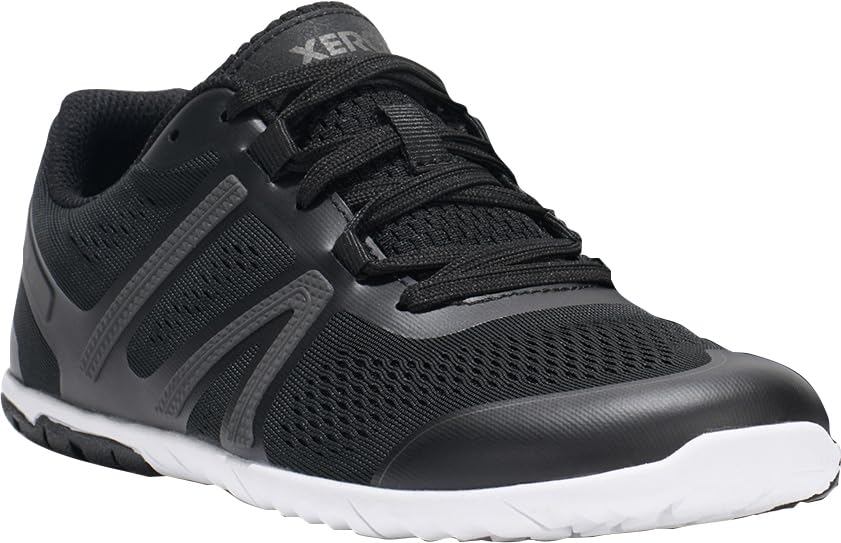
| Xero Shoes Women’s HFS OriginalBest Value | Daily running & walking | Wide, mesh stretches | Lightweight | Fully flexible | Amazon |
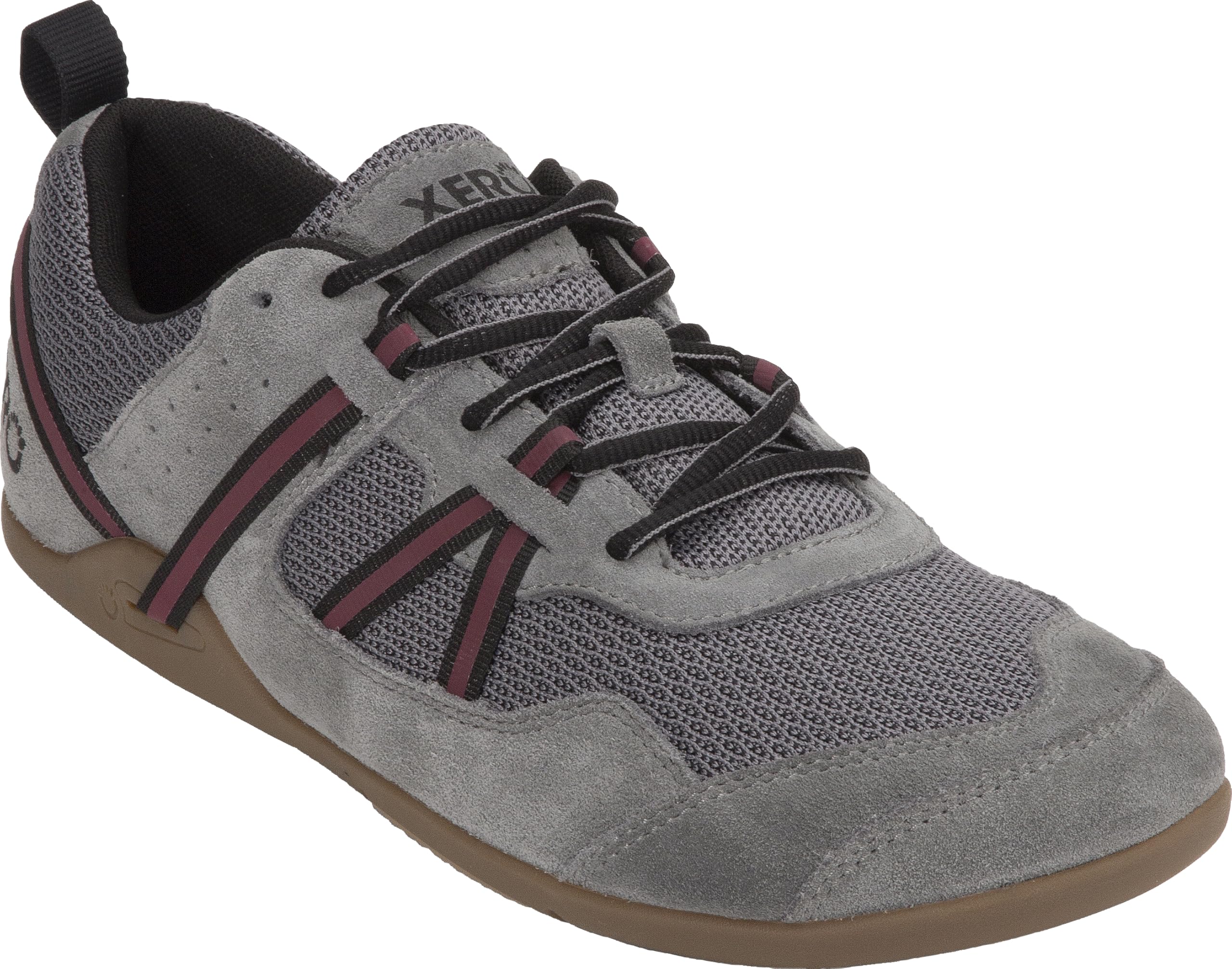
| Xero Shoes Men’s Prio SuedeStyle Pick | City walking & casual | Wide (tube-like fit) | Lightweight | Flexible with ground feel | Amazon |
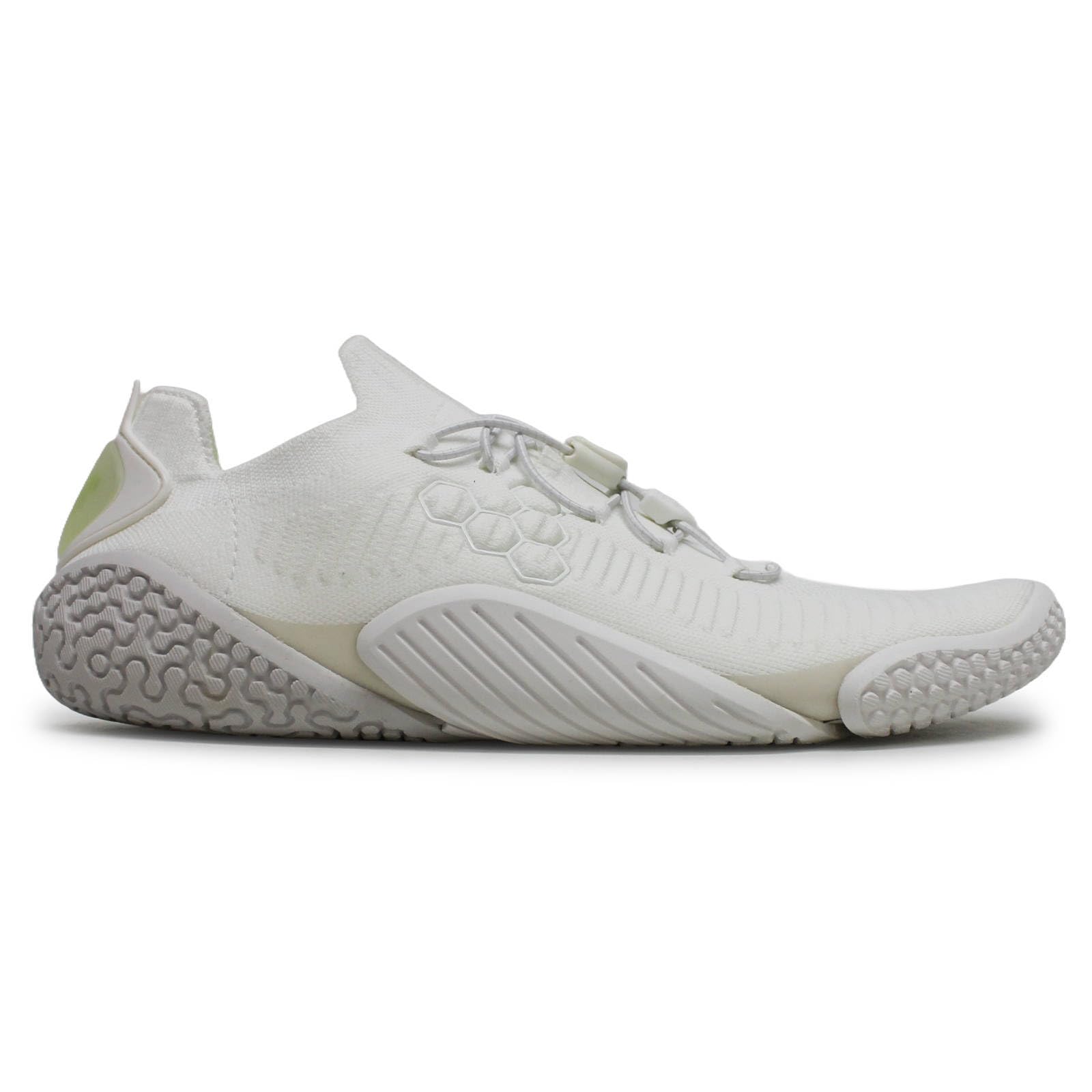
| Vivobarefoot Women’s Motus Flex | Calisthenics & training | True to size | 2.13 pounds | Flexible, breathable | Amazon |
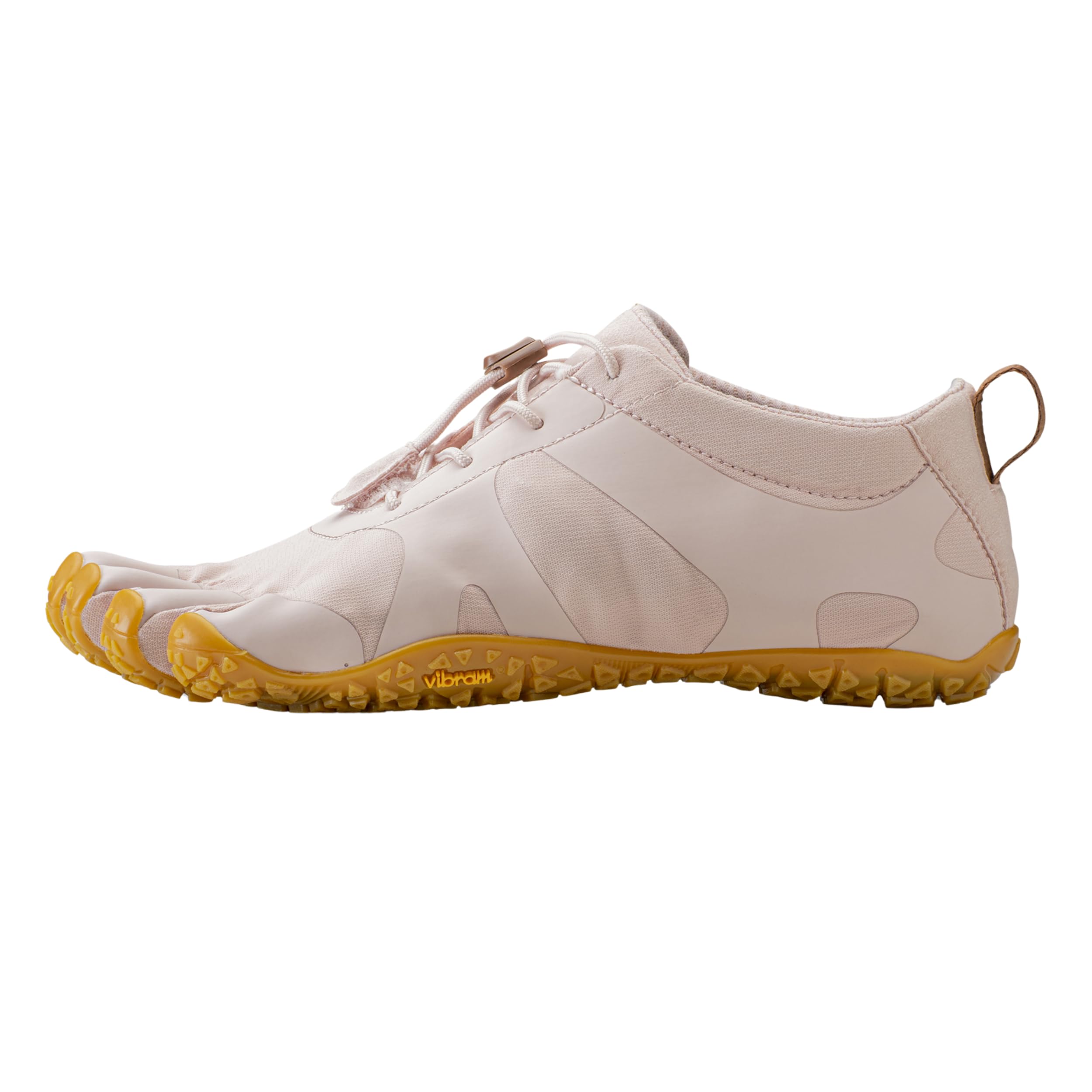
| Vibram FiveFingers V-Alpha | Hiking & light trail | Individual toe slots | 5 ounces | 3.7 mm Megagrip rubber | Amazon |
| ALTRA Women’s Lone Peak 9 | Trail running & hiking | Roomy, square | 11.15 oz / 316 g | MaxTrac | Amazon |
| FLUX FOOTWEAR Adapt Runners | Everyday walking & running | Wide | Lightweight | Hexagon massage sole | Amazon |
| Flux Adapt Graphene XT | Gym, HIIT & CrossFit | Wide | Lightweight | Graphene grip | Amazon |
In‑Depth Reviews
1. JIM GREEN Men’s Barefoot African Ranger Boots
Our pick — over 4.5★ from 300+ verified ratings; the strongest balance of quality and price.
Old-world leather boots that end bunion pain and toe squeezing for good.
The African Ranger looks like a classic leather work boot, not a barefoot shoe. The defining feature is the generous toe box, and buyers report it relieved a husband’s bunion while allowing natural toe splay. The thick full-grain leather and solid stitching hold up, with one owner noting no noticeable wear on the sole after regular use.
Unlike most barefoot trainers, this boot has a stitched-down construction that is resoleable, meaning a cobbler can replace the sole when it wears out instead of tossing the whole boot. The soft, grippy outsole handles grass and dirt terrain well, though a few owners mention it is not ideal for hard concrete surfaces — the Regular Ranger is the better call for pavement. Expect a break-in period rather than instant comfort, and skip adding insoles; customers note insoles cause squeezing and ankle cutting, while removing them fixes everything.
Build quality is the most praised trait, with owners highlighting it above all else. It is slightly heavy thanks to the sturdy leather, and the lace tension takes some fiddling (too tight hurts, too loose shifts). Zero drop is near-zero here by design, so you get ground feel without the shock of a thin training sole. For sturdy, feet-happy footwear that looks good enough for compliments, this boot is the one.
What wins people over
- Wide, spacious toe box relieves bunions and allows natural splay
- Resoleable stitched-down construction extends the boot’s life
- Leather-wrapped foot helps prevent odor
Who should look elsewhere
- Requires a break-in period, sometimes with blisters
- Best on grass and dirt, not hard concrete
- Slightly heavy due to sturdy leather
Reach for this if: you want a durable, handsome leather boot that lets your toes spread and works for hiking or off-work wear.
Look elsewhere if: you need a cushioned shoe for long days on concrete or want zero break-in time.
2. Xero Shoes Women’s HFS Original Barefoot Running Shoes
The everyday runner that erased years of foot, leg, and back pain.
The HFS Original is the go-to for buyers who have tried other barefoot shoes without relief. One owner logged 720 pain-free miles in 100 days after a decade of foot, leg, and back pain. — and the key is the fully flexible sole that lets your foot bend naturally. The mesh upper stretches to accommodate toe splay, which makes it a strong fit for bunion sufferers who need room without seams pressing on sore spots.
Buyers praise comfort most, thanks to the wide toe box. The shoe runs small for many, so ordering a half size up is the common fix — one runner normally wears 9.5 and needed a 10. The thin insoles offer little cushion, so some owners add their own insoles for extra give. This is a shoe for average runs, daily walking, and foot retraining, not for long-distance pounding; experienced marathoners note zero shock absorption makes it tough past the 5K mark.
The trade-off with this budget-friendly pick is sizing inconsistency and mixed durability reports — a few owners saw the heel fabric rip, and the laces can work loose mid-run and need a double knot. But for the price, it competes with far pricier trainers and holds its own against the Merrell Pace Glove for comfort. If you are starting your barefoot journey or need relief from bunions and tendon issues, this is the smart entry point.
Why it earns its spot
- Fully flexible sole restores natural foot bend and gait
- Wide mesh toe box suits bunions and wide feet
- Lightweight for daily wear
The honest catches
- Runs small — order a half size up
- Not built for long-distance running mileage
- Mixed durability reports on the heel fabric
Best for: runners and walkers wanting pain relief and natural foot motion at an entry-level price.
Think twice if: you regularly run 10+ miles and need shock absorption for the road.
3. Xero Shoes Men’s Prio Suede Barefoot Athletic Sneaker
A barefoot sneaker that looks sharp enough for the city and works for concrete.
The Prio Suede earns its spot because it looks like a normal sneaker, not a barefoot shoe. Reviewers point out the finish rivals Nike’s, so it fits into casual outfits and daily city walks. The suede upper holds up, and the minimal cushion keeps you connected to the ground — one owner walked 6 miles with no arch pain despite the lack of arch support, which is exactly how zero-drop shoes should work.
For concrete work and long walks, this shoe shines. It improved posture and reduced a limp over seven months, and the laces stay tied — a small detail that matters on long days. The fit is tube-like rather than full toe splay, so people with high-volume or very wide feet may find it snug. And while it is great for walking and everyday wear, distance running is not its game; knee pain can set in after a mile or two on the road.
Comfort is the top praise, but durability draws mixed feedback. Most hold up well, though a small number of shoppers say the seam or fabric failing within three months of regular use. The shoe also slaps loudly on hard indoor floors, which is a minor annoyance for office wear. As a flexible, good-looking barefoot sneaker for city life, it delivers — just treat it as a casual walking shoe, not a hard-use trainer.
The strong points
- Stylish suede finish that pairs with jeans and casual outfits
- No arch pain after long walks despite zero arch support
- Excellent ground feel for city walking
Where it falls short
- Tube-like fit limits full toe splay
- Not suited for distance running
- A few buyers report seams failing within months
Reach for this if: you want a good-looking barefoot sneaker for daily walking and standing on concrete.
skip it if: you need a roomy high-volume fit or plan to run long distances.
4. Vivobarefoot Women’s Motus Flex Barefoot Training Shoe
The most barefoot-feeling trainer for calisthenics and movement work.
Vivobarefoot designed the Motus Flex specifically for calisthenics, primal movement, and bodyweight training, and it shows in the sole. The flexible construction gives you ground feel with every rep, and at 2.13 pounds it is light enough for agility work. One owner used them indoors for dance and found them stylish, comfortable, and true to fit — and a pregnant owner wore them every day for support and stability.
What buyers praise most is the quality, with comfort close behind. The shoe is breathable and lightweight, and it works well with toe socks for that barefoot-inspired feel. A few owners note the design is sleek, though reactions to the look are mixed. The fit runs slightly big for some and snug for others, so sizing is the real variable here — remove the liner or wear thin socks if the sides feel tight.
The honest trade-off: this is not a structured trainer. Compared to the Primus Trail, the Motus Flex has zero structure and an ultra-stretchy fabric, which one owner found unsafe for heavy lifting and agility drills. If you want a barefoot-feeling shoe for bodyweight work, dance, or everyday comfort, it is a great choice. If you need lateral support for heavy gym sessions, look to a more structured cross-trainer.
What stands out
- Excellent flexibility and ground feel for bodyweight training
- Breathable and lightweight design
- Comfortable enough for all-day wear, even during pregnancy
What to watch
- Fit runs narrow for some; sizing is inconsistent
- Zero structure offers no lateral support for heavy lifting
- Mixed reactions to the design
Best for: calisthenics, dance, and everyday comfort where flexibility beats structure.
Not for: heavy lifting or agility work that demands lateral lockdown.
5. Vibram Women’s FiveFingers V-Alpha
Five-toe barefoot grip that feels as close to being barefoot as shoes get.
The FiveFingers V-Alpha takes barefoot to its logical end: individual slots for each toe, so your toes truly separate and move independently. At just 5 ounces, they are featherlight, and the 3.7 mm Megagrip rubber outsole provides grip on wet and dry surfaces alike. The Vibram Megagrip compound is the brand’s most versatile, making these a legitimate option for hiking, light trail, and even beach running.
Comfort tops the praise, and buyers describe the ground feel as “as close to being barefoot as I can get.” The 50/50 wool and synthetic upper blend keeps feet cool and cuts odor, while the 2 mm foam insole adds a touch of cushion without killing the sensory connection. These handle leg days, runs from 5K to 10 miles, and even -4°C with proper socks.
Sizing is the catch — and it is a big one. Some owners mention these run two sizes smaller than other Vibram models, while others find them true to size, so check the size chart carefully. The bungee lace and toggle closure makes them easy to slip on, though one owner’s outer fastener fell off on the first wear. If you want maximum toe separation and class-leading ground feel, nothing else here comes close.
Why they stand out
- Individual toe slots allow true toe separation and natural movement
- 3.7 mm Megagrip outsole grips wet and dry terrain
- Featherlight at 5 ounces
The real caveats
- Sizing is wildly inconsistent — runs up to 2 sizes small for some
- Difficult to put on for some buyers
- Cheap fasteners can fail early
Reach for these if: you want the ultimate in toe separation and ground feel for trail, gym, or beach.
Look elsewhere if: you want a conventional shoe shape or cannot risk sizing guesswork.
6. ALTRA Women’s Lone Peak 9 Trail Running Shoe
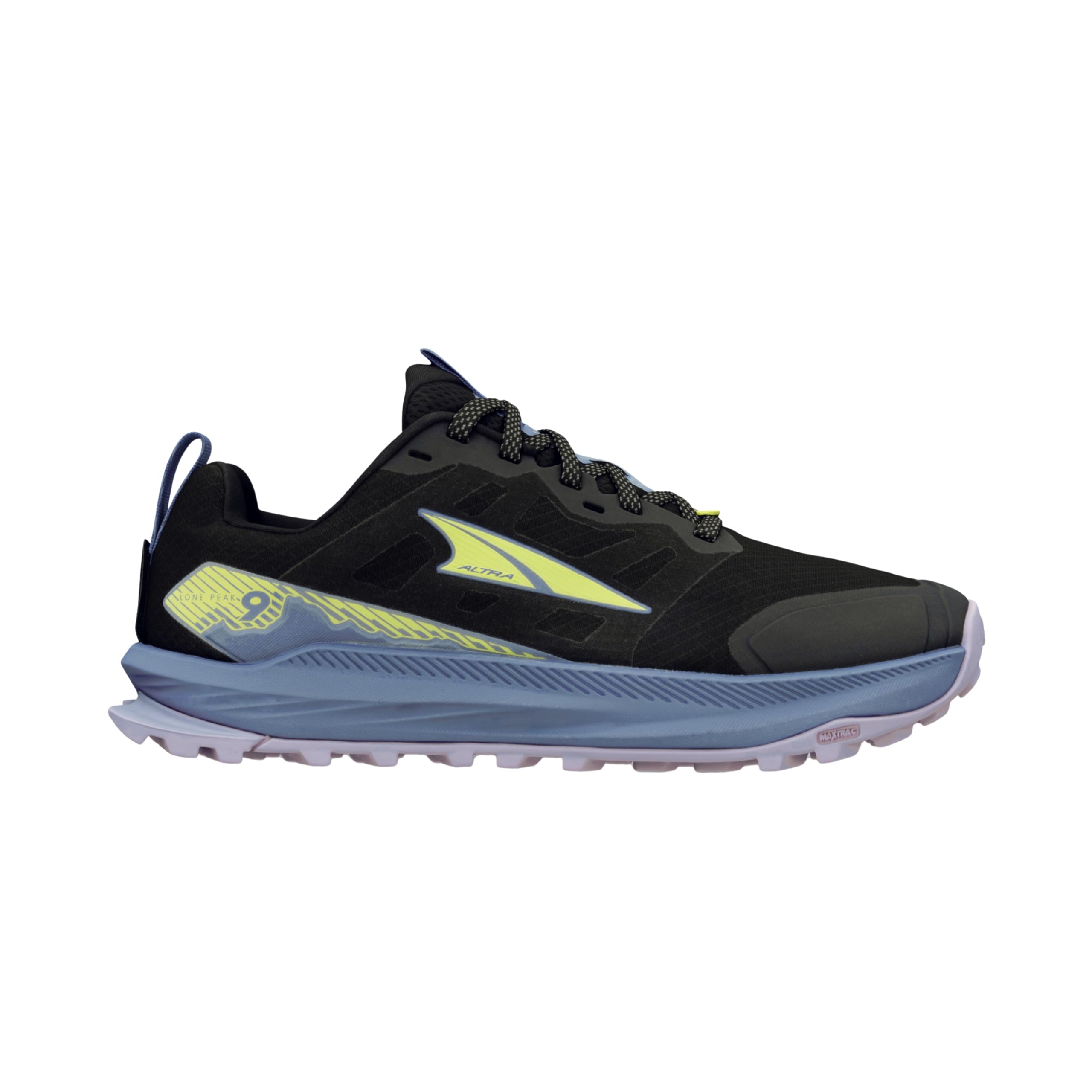
The legendary trail runner with a roomy toe box and sticky grip for any terrain.
The Lone Peak 9 is the trail shoe that keeps a loyal following for a reason. It combines a zero-drop platform with 25 mm of cushioned stack height, so you get the natural foot position of barefoot shoes plus enough midsole to stay comfortable on rocky trails. The MaxTrac outsole is genuinely grippy — buyers describe it as great on rocky and dirt terrain, with excellent traction on all surfaces.
The fit is what owners praise most, edging out even comfort. The roomy, square toe box accommodates bunions and wide feet, and the arch support is firm enough for people on their feet all day. It is comfortable from the start with no break-in, and the low-profile sole helps prevent tripping on the trail. At 11.15 oz / 316 g, it is not the lightest shoe here, but the durability and grip justify the weight for trail use.
The recurring gripes are the short laces that come untied and the hand-wash-only care. Durability gets mixed feedback — some customers note the shoes holding up amazingly while a few saw them fall apart. It is a premium pick, priced higher than most here, but the combination of zero drop, wide toe box, and real trail traction makes it the best choice for hikers and trail runners who want comfort over extreme ground feel.
What makes it legendary
- Roomy square toe box fits bunions and wide feet
- Grippy MaxTrac outsole handles rocky and dirt terrain
- 25 mm cushion keeps trails comfortable without losing zero drop
The trade-offs
- Short laces come untied — plan to replace them
- Hand wash only
- Mixed durability reports despite premium price
Best for: hikers and trail runners who want zero drop with real cushion and grip.
Not for: those seeking a thin, barefoot ground-feel sole.
7. FLUX FOOTWEAR Adapt Runners
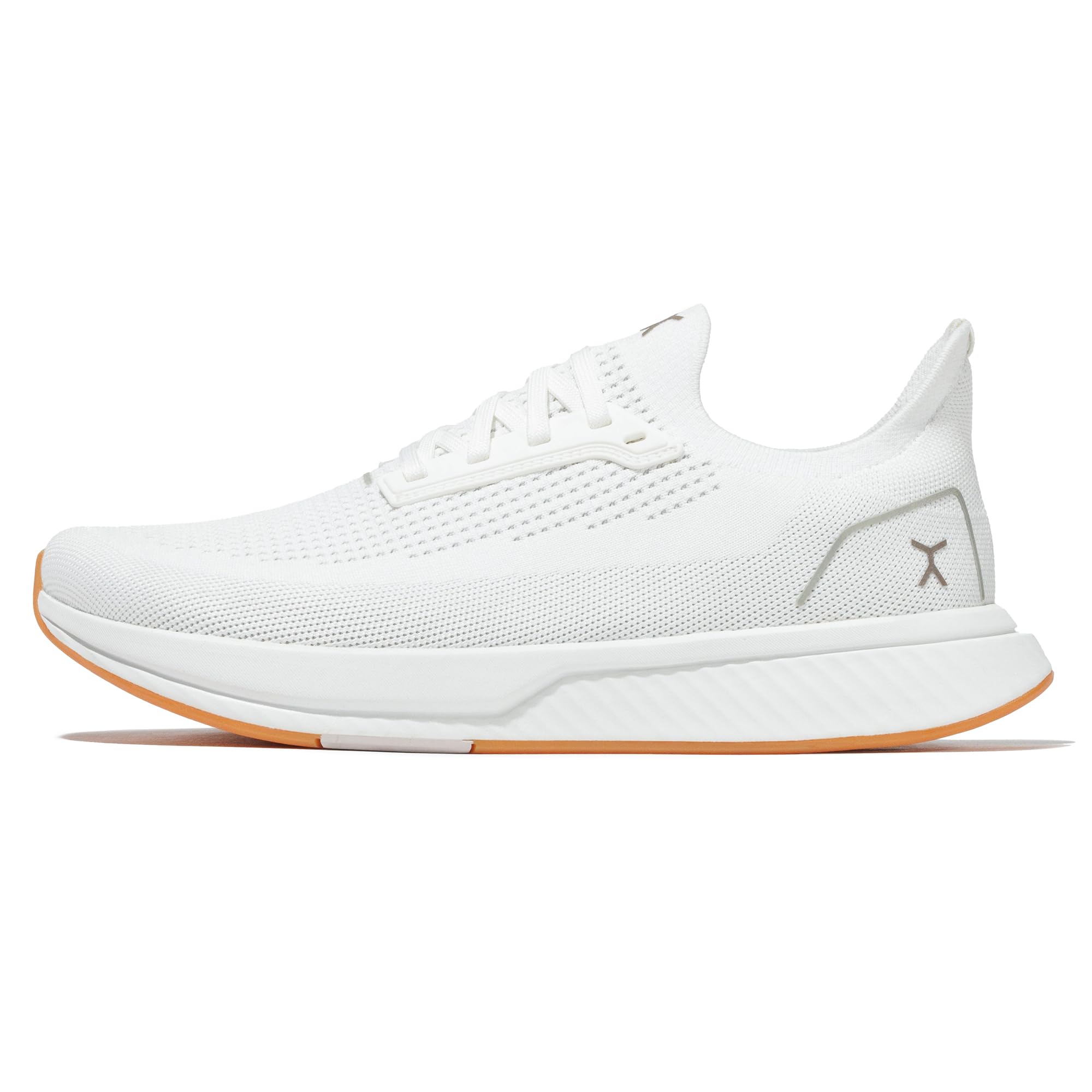
A machine-washable barefoot runner that survived Disney and 15k-step work days.
The Adapt Runners are the easy-living option in this list. They are machine-washable — cold water, gentle cycle, air dry — which makes them a practical pick for daily wear. Reviewers point out the hexagon sole has a massaging texture that takes some getting used to, and the wide toe box accommodates wide feet comfortably. One automotive painter logged 15,000 steps a day in them with less knee, back, and foot pain.
Fit is the most-discussed aspect here, and it is a mixed bag. The shoes run small for most, with sizing up a full half size the common recommendation — one owner normally wears a 7/7.5 and needed an 8.5. Some buyers with high arches and wide feet found the upper tight over the arch and painful after 30 minutes, so this is not the pick for very high-volume feet. For most, though, the wide toe bed and sturdy sole earn daily compliments.
Quality earns the most praise of any trait, and owners describe them as lightweight, easy to slip on, and comfortable for all-day wear. The cushioning is decent for indoor cardio, and the design dresses up well with jeans. The caveat is durability — some owners saw the heel sole separating, though the shoes broke in quickly and held up through a 6-day Disney trip. For a comfortable, washable barefoot shoe that works for walking, running, and work, this is a strong mid-range value.
Why owners love them
- Machine-washable for easy care
- Lightweight with a wide toe box for all-day wear
- Massage-textured hexagon sole
The fit warning
- Runs small — size up a half to full size
- Tight over the arch for high-arch, wide-foot buyers
- Some heel sole separation reported
Reach for this if: you want a washable, comfortable barefoot shoe for daily walking, work, and light running.
Look elsewhere if: you have high arches or very wide feet that need generous midfoot room.
8. Flux Adapt Graphene XT Barefoot Shoes
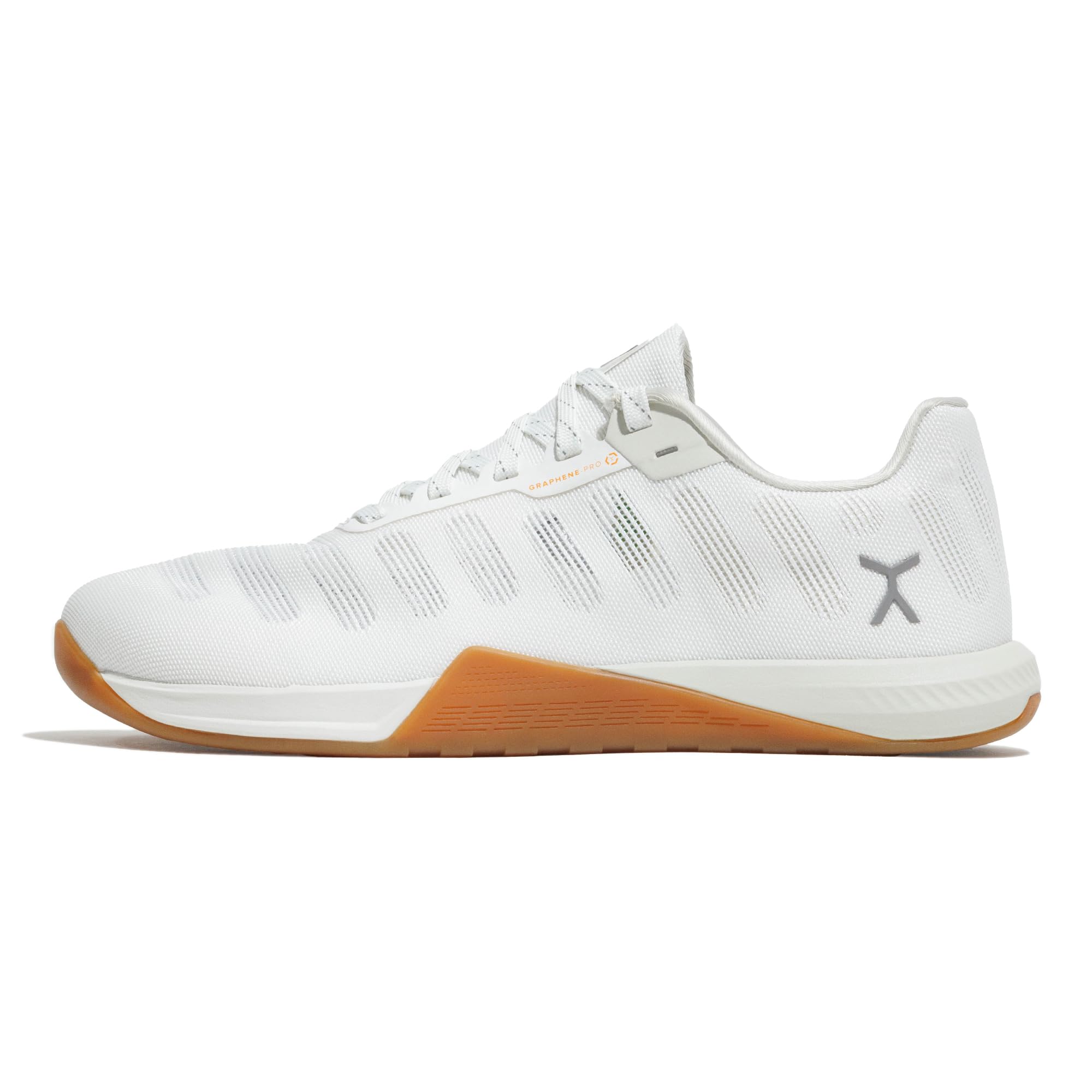
The cross-trainer that locks in your feet for lifting, HIIT, and rope climbs.
The Adapt Graphene XT is built for the gym, and it shows. The graphene-infused outsole provides grip that owners call ideal for quick sprints and rope climbs, while the wide toe box and midsole give enough room for natural toe spread without sacrificing lockdown. One owner calls it the best gym shoe they have ever had — comfy, tight fit, and a perfect base for leg day, with no desire to go back to barefoot squatting.
Fit is the most-praised trait, and it is more consistent than most barefoot shoes. Sizing up a half to full size is the standard advice, and owners with wide feet find the toe box and midsole accommodating. The insoles have a massaging texture that provides grip and support for lifting, and the ballistic mesh upper resists stains better than earlier models. This is a shoe for gym work, not outdoor wear — one owner keeps them strictly inside.
The gym-specific wins
- Graphene grip ideal for sprints, rope climbs, and lifting
- Wide toe box and midsole with a locked-in fit
- Massaging-texture insoles support foot strength
The caveats
- Size chart can be inaccurate — measure your foot length
- Not intended for outdoor wear
- Ankle support sits high around the lateral malleolus for some
Best for: lifters and CrossFit athletes who want barefoot feel with lockdown and grip.
Not for: outdoor running or trail use.
Understanding the Specs
Zero Drop vs. Low Drop
Zero drop means the heel and forefoot sit at the exact same height, so your foot rests in a flat, natural position. Low-drop shoes (4mm or 8mm) angle your foot slightly forward. Zero drop is the truest barefoot experience, and it shifts work to your calf muscles and Achilles, which is why a gradual transition matters.
Wide Toe Box
A wide toe box is the space at the front of the shoe that lets your toes align and spread naturally, reducing pressure on the toes. This is the feature that prevents bunions and toe squeezing. A shoe can claim zero drop but still cram your toes — always check the toe box width first.
FAQ
How long does it take to adjust to zero drop barefoot shoes?
Do zero drop shoes help with bunions?
Will zero drop barefoot shoes hurt my feet at first?
Can I run in zero drop barefoot shoes?
How do I know my size in barefoot shoes?
Can I wear zero drop shoes if I have high arches?
What is the difference between barefoot shoes and minimalist shoes?
Can I machine wash barefoot shoes?
Final Thoughts: The Verdict
For most people, the zero drop barefoot shoes winner is the JIM GREEN African Ranger Boots because they combine a genuinely wide toe box with rugged, resoleable leather construction that lasts. If you want a flexible runner for pain relief at a budget-friendly price, grab the Xero HFS Original. And for gym work and lifting, the Flux Adapt Graphene XT is the one to reach for.
How We Picked
We do not accept paid placement. Every pick is matched to a real buyer and a real use-case; we do not hands-on test units.
Sources & Methodology
Specifications: manufacturer listings and product documentation. Review insights: verified customer reviews, as of August 2026. Pricing: not shown on this page (it changes often); check the current price via the retailer link.
As an Amazon Associate, Calories Fit earns from qualifying purchases. This does not affect which products we feature.