
Our readers keep the lights on and the coffee maker working hard! As an Amazon Associate, I earn from qualifying purchases.
Specs are compiled from manufacturer listings and verified buyer reviews and can change over time — please confirm the key details on the product page before buying.
If your arches ache after a match, the right shoe makes the difference between limping off the court and staying for another set. This guide sorts through the strongest Women’s Tennis Shoes With Great Arch Support, separating the ones that genuinely cradle your midfoot from the ones that just look supportive on the shelf. You’ll get real owner experience and the specs that actually matter for plantar fasciitis, flat feet, and long days on hard courts.
I’m Mohammad — the founder and writer behind Calories Fit. This guide is built by comparing the manufacturers’ published specifications and the patterns across verified customer reviews, so you get each pick’s real strengths and trade-offs instead of marketing spin.
From podiatrist-certified Skechers to the K-Swiss with a built-in support chassis, these are the women’s tennis shoes with great arch support that owners say keep them moving match after match.
Our Picks at a Glance
How To Choose The Best Women’s Tennis Shoes With Great Arch Support
Arch support in a court shoe is not just about a bump under your midfoot. It is about how the whole shoe keeps your foot stable while you push off, cut sideways, and stop suddenly. A shoe that feels plush in the store can still let your arch collapse after an hour of play.
Look for a real support system, not just foam
The most effective shoes pair a cushioned insole with a rigid chassis embedded in the midsole. Brands call this different names — a thermal plastic support chassis, a Torsion system, a TRUSSTIC midsole — but the job is the same: it stops the middle of the shoe from twisting so your arch does all the work alone.
Match the shoe to your foot shape
Flat feet and high arches need different things. Flat-footed players often need a roomier toe box and a firmer medial post to keep the foot from rolling inward. If you have narrow heels, look for a shoe with a snug heel collar so your foot does not slide during lateral cuts, which can strain the arch.
Quick Comparison
| Model | Best For | Arch Support Tech | Cushioning | Weight | Amazon |
|---|---|---|---|---|---|
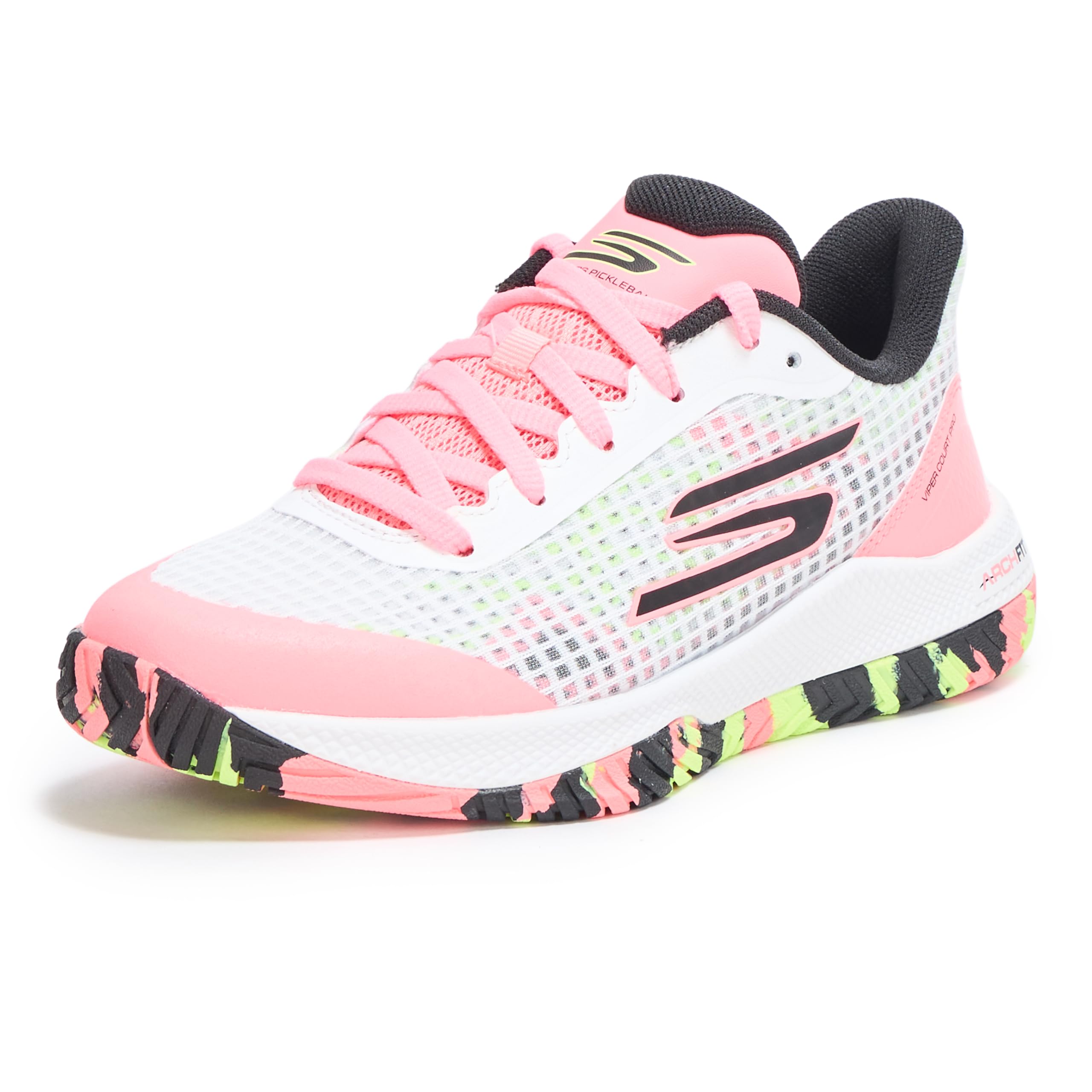
| Skechers Viper Court Pro★ Best Overall | Plantar fasciitis relief | Podiatrist-certified arch | ULTRA FLIGHT foam | 2.1 lb | Amazon |
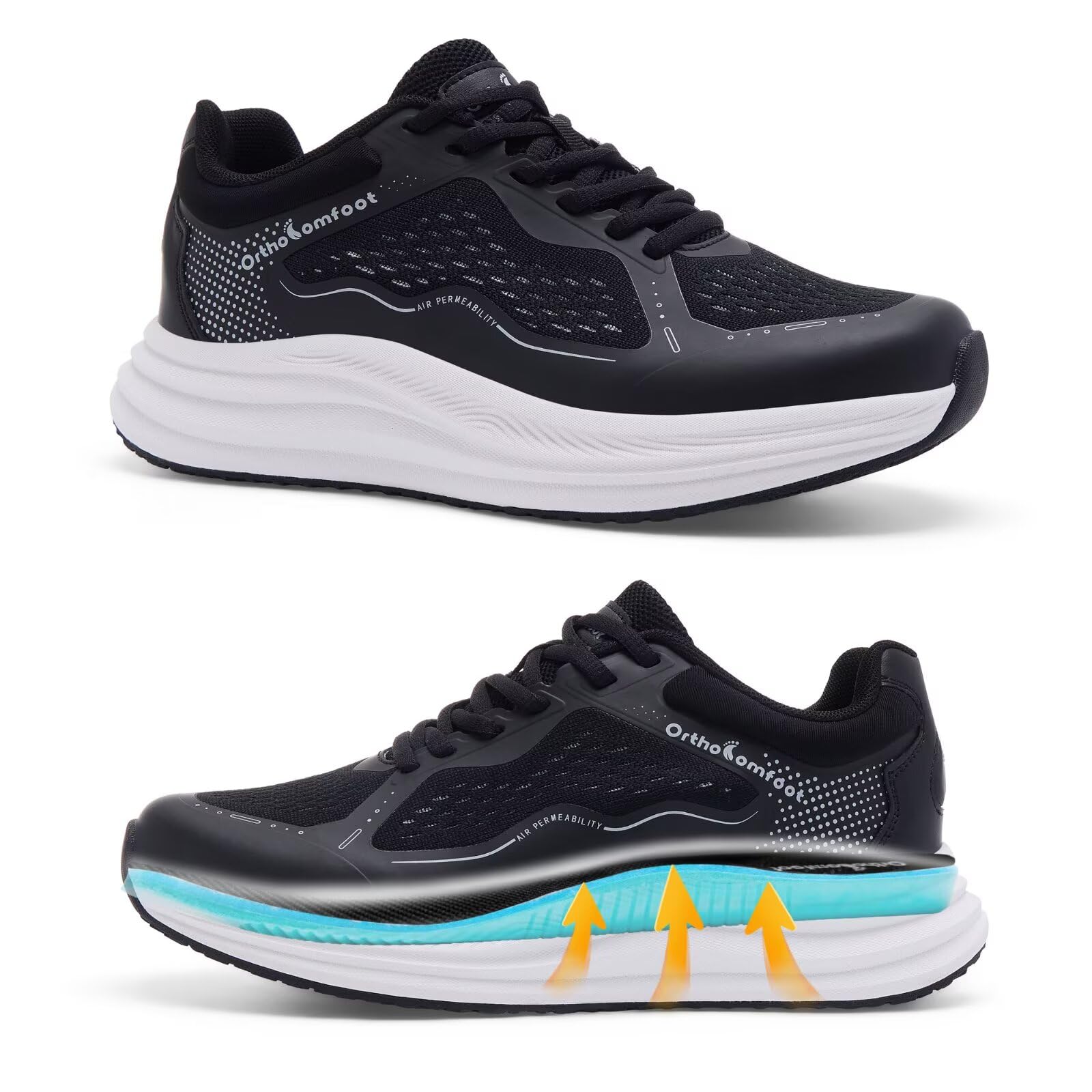
| OrthoComfoot OrthopedicBest Value | Budget orthotic fit | Built-in arch support | Orthotic athletic foam | — | Amazon |
| K-Swiss Bigshot Light 4 | Lateral stability | 180 PSC Plantar chassis | K–EVA midsole | — | Amazon |
| adidas Courtjam Control 3 | Quick stop-and-go play | Torsion System | Bounce cushioning | 2.43 lb | Amazon |
| New Balance FuelCell Delray V2 | Wide toe box | Responsive FuelCell midsole | FuelCell foam | — | Amazon |
| ASICS Game FlyteFoam | All-court versatility | TRUSSTIC midsole | FLYTEFOAM | 1.44 lb | Amazon |
| Ryka Court Agility | Women’s-specific fit | Anatomical insole | ACTIVfoam EVA | 8.9 oz per shoe | Amazon |
In‑Depth Reviews
1. Skechers Go Train Arch Fit Viper Court Pro
Our pick — over 4★ from 900+ verified ratings; the strongest balance of quality and price.
The crowd favorite that pairs certified arch support with a sole built for hard courts.
This is the shoe owners credit with ending plantar fasciitis pain, and the reason is a podiatrist-certified arch support built into the footbed. It sits inside a supportive mesh upper with synthetic overlays, so your midfoot stays cradled while the shoe breathes during long rallies. The 2.1-pound build keeps the whole package light enough for quick transitions.
The outsole uses a Goodyear Gold compound, which is what gives this shoe its famous grip and durability on court surfaces. Buyers report playing three-hour sessions with no knee strain afterward, and the traction holds through aggressive stop-and-start movement. The wide toe box is another recurring theme — owners with bunions and wider forefeet find the room they need without sizing up.
The main trade-off is the fit: a strong group of owners say the shoe runs large and recommend dropping a half size, while others find it true to size. A few mention the sole feels stiff and firm at first, needing a short break-in period before it softens up. The heel cup is firm and supportive, which is exactly what you want for arch relief but can take a session or two to get used to.
What Wins People Over
- The thing everyone raves about is the fit — owners consistently call it true to size with a roomy toe box.
- Arch support gets singled out constantly, with plantar fasciitis sufferers reporting real relief during play.
- The Goodyear outsole holds up through frequent weekly play and grips indoor and outdoor courts.
Fair Warnings
- Sizing is split — a notable number of owners say it runs large and you should size down a half.
- The sole feels stiff initially and needs break-in before it flexes naturally.
- Some owners with sensitive little toes report calluses developing during long sessions.
Reach for this if: you want the most proven arch-support court shoe for plantar fasciitis and play multiple times a week.
Look elsewhere if: you need a super-soft, plush ride right from the start — this one starts firm and breaks in.
2. OrthoComfoot Women’s Orthopedic Plantar Fasciitis Shoes
A budget-friendly orthotic sneaker that swaps between walking, road running, and casual court time.
This is the entry-level pick that still delivers genuine arch support, positioning itself as a flat-feet-friendly orthotic athletic road running sneaker. The design leans toward an orthopedic fit, meaning the insole does the heavy lifting for your arch while the breathable upper keeps things cool. Owners mention their feet no longer hurt during the day, and one even ditched a premium brand for these, calling them the new favorite shoe.
Compared to the Skechers above, this one trades some court-specific grip and stability for a softer, more casual all-day ride. It is a better companion for walking and standing than for aggressive side-to-side play, though it still handles light tennis duty. The arch profile is noticeable and springy — owners describe bouncing off the footbed with each step.
The honest catch is consistency: the fit runs wide for some buyers, and a few report the shoes arrived feeling like a wide width even when ordered standard. One owner found the sole does not bend naturally where it should while walking, which made the shoe feel stiff. The arch support gets uneven reviews — most feel it, but a vocal minority say they noticed no support at all.
Why it works: the arch support is the star here, with flat-footed owners reporting genuine relief and springy, comfortable steps all day.
Who should pass: if you need a tournament-grade court shoe with serious lateral stability, this leans more casual athletic than competitive.
Pick this if: you want an affordable orthotic-friendly sneaker for walking, standing, and light court play that helps your arch.
skip it if: your game involves frequent hard cuts and slides — the softer build is not built for that abuse.
3. K-Swiss Women’s Bigshot Light 4 Tennis Shoe

The stability specialist, with a 180-degree chassis that keeps your midfoot locked during hard cuts.
The defining feature here is the 180 PSC Plantar — a 180-degree thermal plastic support chassis that runs through the midfoot to stop the shoe from twisting. That is what gives this K-Swiss its rock-solid lateral stability, and it is paired with a K–EVA midsole for boost cushioning. Owners who play both tennis and pickleball say the support feels great right from the start, with no break-in period needed.
The DuraWrap Light material adds durability to the upper in strategic wear areas, while a DragGuard in the toe and heel boosts abrasion resistance where you drag your feet. This is a shoe built to survive weekly hard-court play, though one owner estimates the sole lasts about four months of that abuse. The fit runs true for medium-width feet, which is exactly who this shoe is designed for.
The recurring complaint is the heel: owners with narrow feet find the heel collar collapses inward and makes the shoe very hard to slip on without a shoehorn. For those with arthritis in the foot, that tight heel can be genuinely painful. The toe box runs a touch wide for some, but a heavier sock solves that easily.
Built To Perform
- The lateral stability is what owners praise most — it holds firm during sharp sideways movements.
- Comfortable immediately, with several buyers noting zero break-in required.
- Versatile across tennis and pickleball, making it a solid all-court option.
Know Before You Buy
- The heel collar collapses inward on narrow feet, making the shoe difficult to get on.
- The toe box runs slightly wide — plan for a heavier sock or a snugger fit.
- Sole durability is uncertain past several months of heavy weekly play.
Grab this for: medium-width feet that need serious lateral stability for tennis and pickleball straight from the start.
Think twice if: you have very narrow heels or foot arthritis — the stiff heel area is the weak point.
4. adidas Women’s Courtjam Control 3 Tennis Sneakers

The all-court workhorse whose Torsion System and split tread keep you planted through fast rallies.
The adidas Courtjam Control 3 attacks arch support through its Torsion System, a stiff bridge in the midfoot that provides stability during quick cuts and slides. That stability is the headline here, letting you cover more court without your arch caving in. The Bounce cushioning adds springiness to each step, while a split herringbone tread grips hard courts through stop-and-go movements.
The mesh upper lets air circulate as the match heats up, and an Adituff wrap guards the toe against foot drag. At 2.43 pounds, it is the heaviest shoe in this lineup — a trade-off for the added stability. That weight is a non-issue for healthcare workers who use it as a work shoe; the comfort holds up through full 12-hour shifts on your feet with no aching at the end of the day.
Sizing is the biggest source of disagreement here. A strong group of owners says it runs small and you need to size up, while another camp says it runs large and you should size down. The consensus for most is: if you have a narrow foot, start a half size up. Durability is the other mixed note — a casual player loves the feel, but one high-school varsity player wore a hole through the toe after three weeks.
The real strength: owners consistently call the lateral support and hard-court traction excellent, with a breathable upper that keeps feet cool mid-match.
The real hurdle: sizing is genuinely inconsistent between buyers — order with a flexible return policy in mind.
Best for: beginners and intermediate players who want a stable, breathable shoe for hard-court play while staying affordable.
Not for: competitive players hitting the court five-plus times a week — the outsole shows wear fast under heavy use.
5. New Balance Women’s FuelCell Delray V2 Tennis Shoes
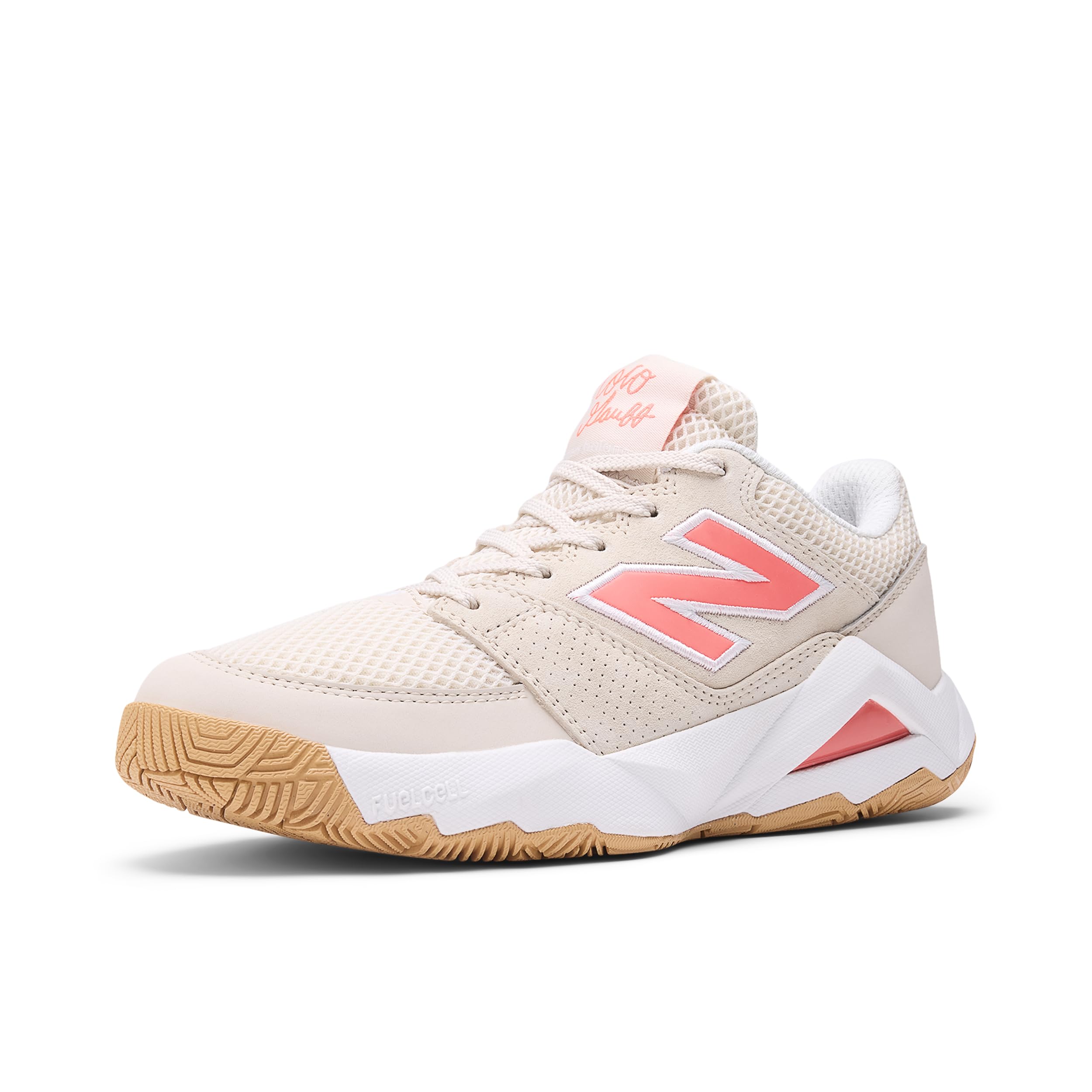
The wide-toe-box choice with a responsive FuelCell midsole and a low collar for off-court comfort.
Named for the Florida city where Coco Gauff grew up, the Delray V2 is built for every player and every court. The responsive FuelCell midsole delivers the springy, lightweight feel of the category, while the low-ankle collar keeps the shoe easy to slip on and equally at home off the court. It is a versatile option that performs on a range of surfaces without feeling like a clunky tennis-only brick.
Durability is where this shoe genuinely surprises owners: multiple pickleball players report that shoes which normally wear a hole in the sole after about two months are still going strong here, with only slight signs of wear after double that time. One collegiate player confirms it holds up through a full season of heavy tennis. The wide toe box is the standout fit feature for players who need extra forefoot room.
The fit is the divisive factor, and it cuts both ways. Some owners describe it as a good wide shoe with plenty of toe room, while others — even those who ordered the wide version — say it is still too snug in the toes. The heel is the second complaint: a few customers note heel slippage during running and lateral movement, and one pickleball player found the heel cup too short for active play support.
What stands out: the sole durability is the thing owners rave about — it outlasts most court shoes they have tried.
The caution: the fit is the most mixed aspect of this shoe; the toe box and heel both get conflicting reports from buyers.
Choose this if: you need a durable court shoe with a wide toe box and want something that doubles as an everyday sneaker.
Pass on it if: you have narrow feet or need a locked-in heel — this one runs loose in the back for some.
6. ASICS Women’s Game FlyteFoam Tennis Shoes
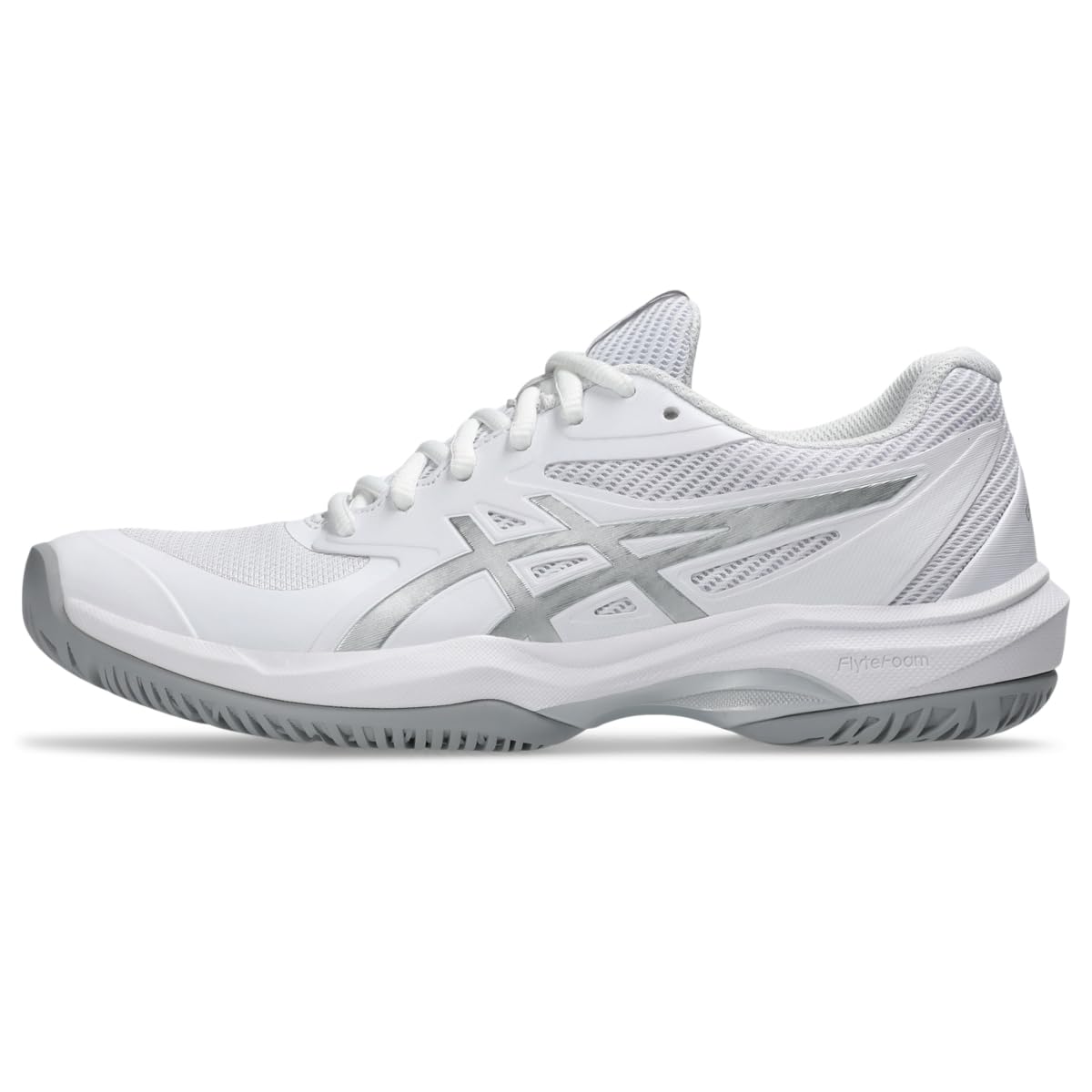
The featherweight all-court shoe with TRUSSTIC stability and FLYTEFOAM cushioning — 1.44 pounds of versatility.
ASICS packs serious engineering into this 1.44-pound frame, and the arch support story starts with TRUSSTIC technology in the midsole — a rigid bridge that generates better stability on the court. Around that sits FLYTEFOAM, a lightweight cushioning foam that keeps the shoe springy without the bulk. The open mesh upper improves airflow to keep feet cool, while synthetic leather overlays and a PU film add stability during abrupt transitions.
Owners consistently call the fit a “tight hug” on the foot, and that snug, supportive feel is exactly what arch-sensitive players want — it locks the midfoot in place during lateral moves. The shoe is versatile enough for both tennis and pickleball, and a teenage player deliberately chose it over 100 other pairs for the style and fit. The outsole offers better flexibility and durability than previous versions, and the color stays clean with minimal care.
The trade-off is the TOE BOX, which is the single most repeated complaint. Multiple owners with medium-width feet find it too narrow and snug, with one describing mild foot pain and toe blisters after an hour-long session. The shoe needs a break-in period because it is stiff initially, and it is not designed for long strolls or running — it is purely a court shoe. If your forefoot is on the wider side, this fit will likely fight you.
The Highlights
- Comfort is what owners praise most, with many calling it comfortable all day without foot pain.
- The snug, supportive fit hugs the foot and delivers solid court stability for pickleball and tennis.
- Lightweight and breathable, with a clean design that holds its color well.
The Limits
- The narrow toe box is the biggest complaint — medium-width feet often find it too tight.
- The shoe arrives stiff and needs a break-in period before it flexes comfortably.
- Not suited for long walks or running; this is a court-focused shoe.
Go with this if: you have narrow-to-medium feet and want a light, supportive, versatile court shoe for tennis and pickleball.
Look elsewhere if: you need toe-box room — the snug forefoot is the recurring reason owners send these back.
7. Ryka Court Agility Cross Training
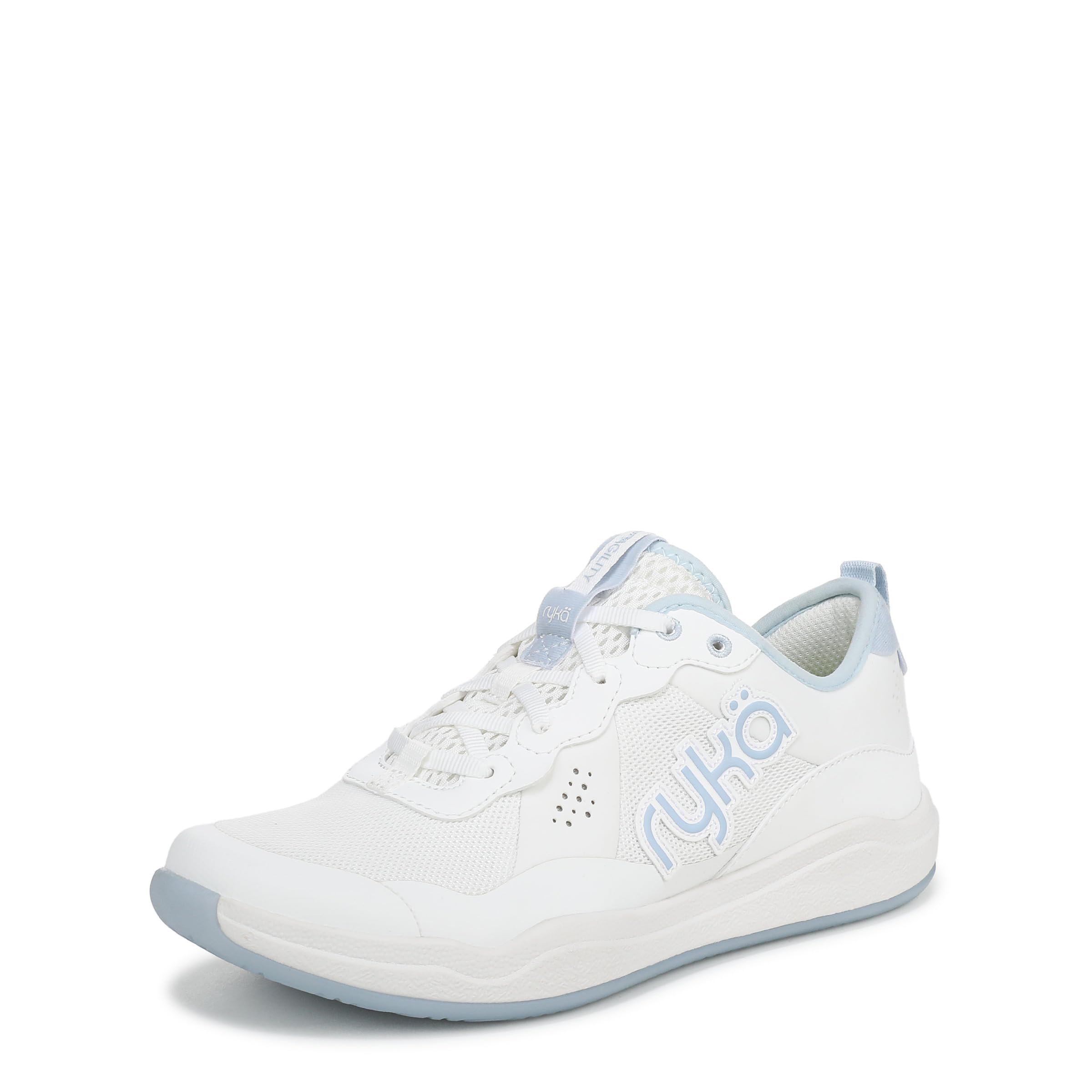
The women’s-specific court shoe that pairs a 7 mm drop with an anatomical insole for flat-footed players.
Ryka builds this shoe around a simple idea: a woman’s foot is shaped differently than a man’s. The Court Agility features a narrower heel, a roomier toe, and softer foot cushioning, wrapped around an anatomical insole with extra arch support and heel support. At 8.9 ounces per shoe with a 7 mm heel-to-toe drop, it is a genuinely light option that flat-footed players describe as feeling fantastic right from the start.
The outsole uses grippy non-marking rubber with a firm shank on the medial side to promote lateral stability, which is exactly what you need for tennis and pickleball. The ACTIVfoam EVA midsole delivers high energy return, and owners confirm two-hour sessions with no chafing or irritation. The roomy toe box is a recurring win for wide-footed players, and the tread holds up through about six months of regular weekly play.
The weakness is the heel collar, which several owners describe as very stiff and unyielding. It requires a shoehorn to get on, and one buyer developed blisters after a 30-minute treadmill walk. The width also runs a little wider than the usual medium, which is great for wide feet but a loose fit for narrow ones. A minority of buyers found the toe material bunches and the overall feel a bit cheap.
The Wins
- The fit earns the most praise — wide and flat feet feel genuinely comfortable with a roomy toe box.
- Arch support is real and immediate, with flat-footed owners feeling relief during play.
- Lightweight at 8.9 oz per shoe, with a tread that lasts about six months of weekly play.
The Trade-Offs
- The stiff heel collar is the top complaint — it needs a shoehorn and can cause blisters.
- Runs wider than a standard medium width, so narrow feet will slide around.
- A few reviewers point out the toe material bunches and the build feels less premium.
Best suited to: flat-footed and wide-footed players who want a light, supportive court shoe for tennis and pickleball.
Not ideal if: you have a narrow foot or a sensitive heel — the stiff collar is the biggest hurdle.
Understanding the Specs
Arch Support Systems
A support chassis is a rigid plate built into the midsole that stops the shoe from twisting during lateral movement. Without it, your arch does all the stabilizing work, which leads to strain and fatigue. Look for terms like “support chassis,” “Torsion System,” or “TRUSSTIC” — they all mean the shoe has a structural bridge under your midfoot, not just a squishy insole.
Heel-to-Toe Drop
The drop is the height difference between your heel and your forefoot inside the shoe, measured in millimeters. A lower drop like 7 mm keeps your foot closer to the ground and encourages a more natural stride, which can reduce strain on your arch and Achilles. A higher drop shifts more cushioning under your heel, which some players prefer for impact absorption.
FAQ
Will these tennis shoes help with plantar fasciitis?
How do I know if I need a support chassis in my court shoes?
Are these shoes good for wide feet?
Do these shoes work for pickleball or just tennis?
Should I size up or down in these shoes?
What is a 7 mm heel-to-toe drop and why does it matter?
How durable are these shoes for weekly court play?
Can I wear these shoes for all-day standing at work?
What is the difference between arch support and cushioning?
Final Thoughts: The Verdict
For most players, the women’s tennis shoes with great arch support winner is the Skechers Go Train Arch Fit Viper Court Pro because it combines podiatrist-certified arch support with a Goodyear outsole that owners trust through weekly play. If you want a budget-friendly orthotic option for walking and light court time, grab the OrthoComfoot. And for serious lateral stability in a true court shoe, the K-Swiss Bigshot Light 4 with its 180-degree support chassis is the one to reach for.
How We Picked
We do not accept paid placement. Every pick is matched to a real buyer and a real use-case; we do not hands-on test units.
Sources & Methodology
Specifications: manufacturer listings and product documentation. Review insights: verified customer reviews, as of August 2026. Pricing: not shown on this page (it changes often); check the current price via the retailer link.
As an Amazon Associate, Calories Fit earns from qualifying purchases. This does not affect which products we feature.