
Our readers keep the lights on and the coffee maker working hard! As an Amazon Associate, I earn from qualifying purchases.
Specs are compiled from manufacturer listings and verified buyer reviews and can change over time — please confirm the key details on the product page before buying.
Cold feet end a winter hike faster than any storm. The right pair of Women’s Hiking Boots For Winter keeps you warm, dry, and steady on ice—so you can focus on the trail instead of your toes. This guide cuts through the marketing to show you which insulated, waterproof boots actually earn their keep in snow and freezing temps.
I’m Mohammad — the founder and writer behind Calories Fit. This guide is built by comparing the manufacturers’ published specifications and the patterns across verified customer reviews, so you get each pick’s real strengths and trade-offs instead of marketing spin.
I have compared insulation weights, waterproof membranes, and outsole traction across top brands to find the best women’s hiking boots for winter that keep feet warm, dry, and steady on icy trails.
Our Picks at a Glance

How To Choose The Best Women’s Hiking Boots For Winter
Winter boots are a different beast than your summer trail shoes. You need three things working together: insulation to trap heat, a waterproof layer to block snow and slush, and an outsole that bites into ice. Get one of these wrong and you’ll be miserable mid-hike.
Start with the insulation weight
Insulation is measured in grams—200g is the balance for most winter hiking. It’s warm enough for freezing temps but breathable enough that you won’t overheat on an uphill climb. For bitter cold below zero, look for 400g of insulation, which trades some breathability for serious warmth.
Waterproofing is non-negotiable
A waterproof membrane is the barrier that keeps your feet dry when you step in a puddle or posthole into snow. Look for names like Gore-Tex, KEEN.Dry, or B-DRY. A boot that soaks through will chill your feet fast—even the best insulation is useless when it’s wet.
Don’t forget the outsole
Winter traction comes from the rubber compound and lug pattern on the bottom of the boot. Deep, aggressive lugs dig into snow and mud, while a softer rubber compound grips icy surfaces better. If you hike on packed trails, a dual-compound snow and ice grip outsole is your friend.
Quick Comparison
| Model | Best For | Insulation | Waterproofing | Weight | Amazon |
|---|---|---|---|---|---|
| Sorel Tivoli V Tall★ Best Overall | Deep Snow & Style | — | Waterproof | — | Amazon |
| Keen Greta 2Top Performer | City & Trail Comfort | 200g | Waterproof Leather | Lightweight | Amazon |
| Keen Kaci IIIWide-Foot Hero | Wide Feet | KEEN.WARM | Waterproof | — | Amazon |
| Merrell Siren 4 Thermo | Long Hikes | 200g SOLARCORE | Waterproof | Lightweight | Amazon |
| Sorel Kinetic Conquest | Warm & Stylish | — | Waterproof | 2.89 lbs | Amazon |
| Keen Revel III | Icy Sidewalks | KEEN.Warm | KEEN.Dry | 1 lbs | Amazon |
| Merrell Thermo Chill 2 | Eco-Friendly Warmth | — | Waterproof | Light | Amazon |
| North Face Shellista V | Everyday Winter | Insulated | Waterproof | — | Amazon |
| North Face Chilkat V 400 | Bitter Cold | 400g | Waterproof | 1.63 lbs | Amazon |
| Oboz Bridger 7″ | Snowshoeing & Treks | 200g Freeze Guard | B-DRY | 20.5 oz | Amazon |
In‑Depth Reviews
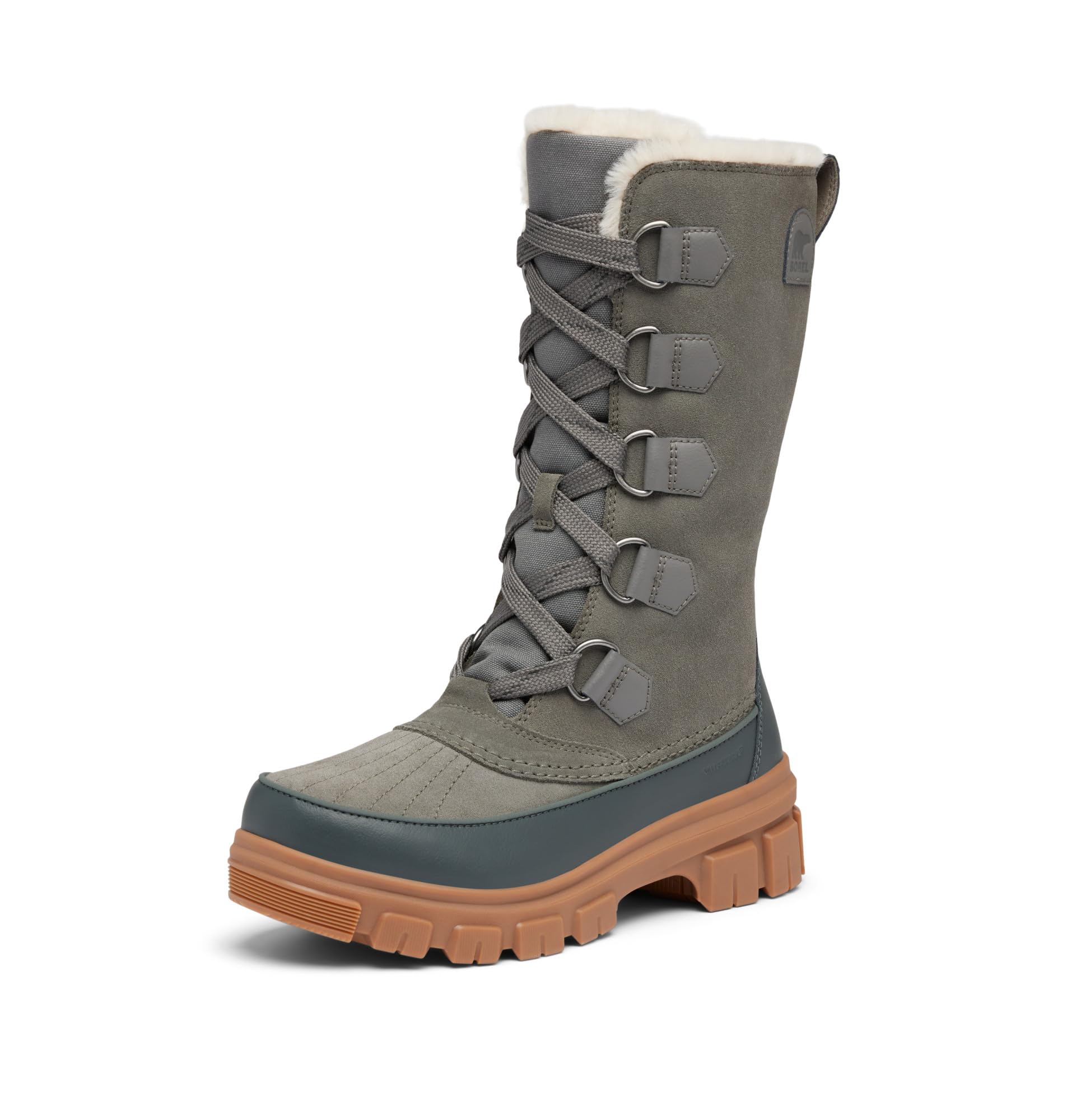
1. SOREL Women’s Tivoli V Tall Waterproof Boot
Our pick — over 4.5★ from 550+ verified ratings; the strongest balance of quality and price.
The two-foot-snow champion that blends alpine performance with city-ready style.
This is the boot owners reach for when the forecast reads “winter storm warning.” Buyers report it keeps feet and ankles warm and dry in 2 feet of snow with temps in the low teens—and the fit at size 8 leaves room for thick socks while staying easy to pull on. The tall shaft means you can wade through drifts that would swallow a mid-cut boot.
What wins people over is the warmth—it’s the most-praised feature by a wide margin, with 122 owners calling it out. Quality and comfort follow close behind at 111 and 105 mentions respectively. Reviewers describe the interior as super soft, and the ice-and-snow performance holds up to deep winter conditions, not just light flurries. Several note the boots are dressy enough to wear out to dinner after a day on the trail.
There’s a reason SOREL’s prior model lasted buyers over a decade—durability is baked in here too. The laces are thick and don’t freeze in cold temps, and the arch support gets consistent praise. The only honest caveat is weight: at 22 mentions, it’s the one aspect with mixed feedback, so these aren’t the lightest boots for fast, long-distance hiking.
What Owners Rave About
- Exceptional warmth rated down to 0°F in one owner’s test
- True to size with room for thick socks
- Waterproof and snowproof through deep drifts
- Arch support that holds up for hours of walking
The Trade-Off
- Heavier than other picks—not ideal for ultralight hiking
- One size-11 buyer found it ran small with thick socks
- Ankle can rub when laced very snugly
Best for: Winter hikers who face deep snow and want a boot that goes from trail to dinner table without missing a beat.
Think twice if: You prioritize featherweight boots for high-mileage winter treks—this one favors warmth and durability over minimal weight.
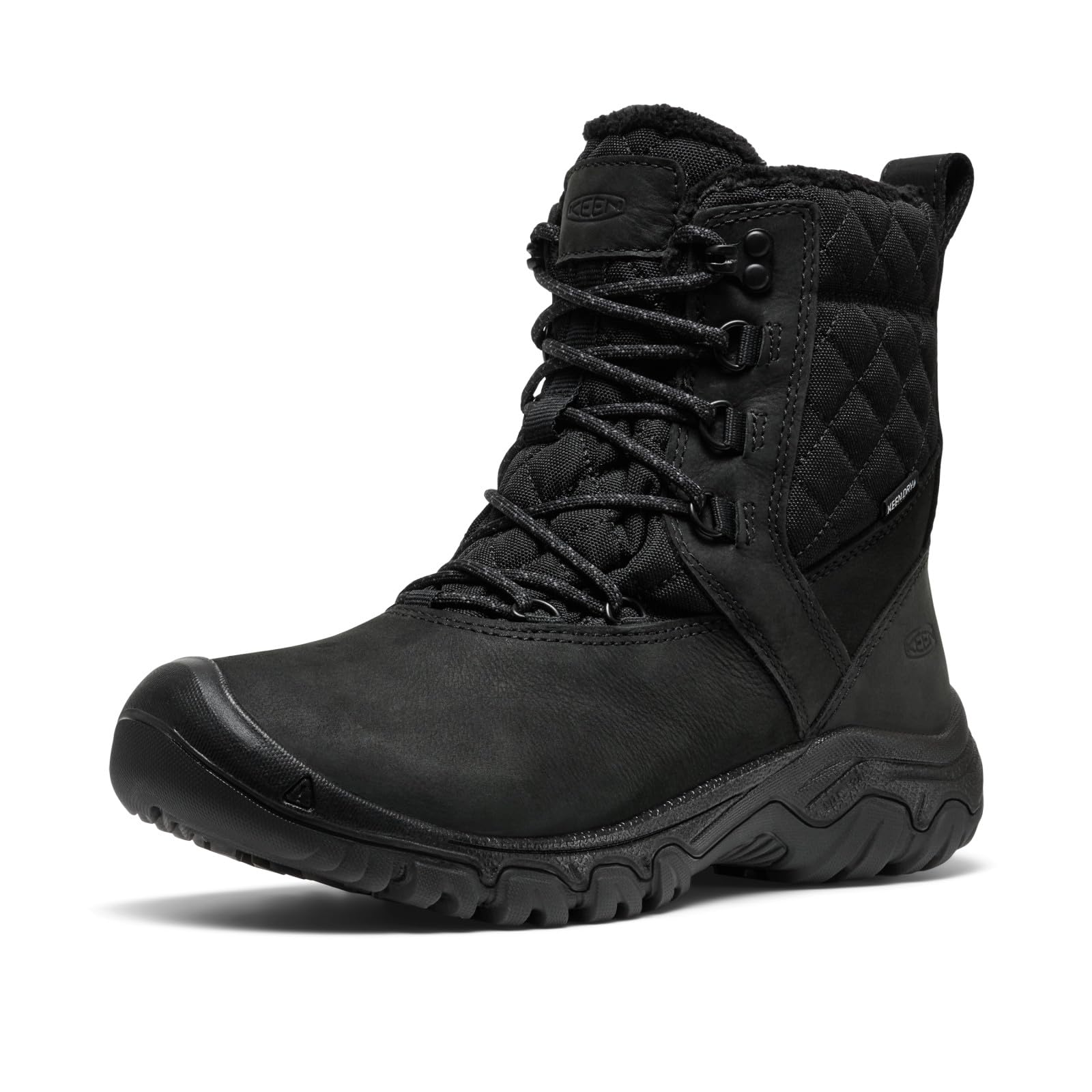
2. KEEN Women’s Greta 2 Classic Waterproof Insulated Boots
Puffy-jacket warmth meets leather hiker in a boot that’s winter-ready straight from the start.
KEEN built the Greta 2 on its traditional wider footwear form, which translates to a roomy toe box that fits thick socks without cramping. The 200g of insulation hits the balance for winter hikes—toasty on freezing days but breathable enough that owners say they’re “nice and warm but also not too hot.” The waterproof leather upper keeps slush and puddles out.
The fit stands out as the most-discussed strength here, with 12 owners praising it and one size-8 buyer ordering an 8.5 so they could wear their Smartwool socks comfortably. Plantar fasciitis sufferers report these are among the few boots that keep feet warm, dry, and supported all day—a meaningful win for anyone with picky feet. The traction holds up on icy, snowy ground, making them a solid Buffalo-winter pick.
The honest knock is the laces—multiple owners mention they’re too short to lace all the way up. One owner found them comfortable but “like a slipper” with almost no arch support, though that reviewer sits in the minority. If you need serious ankle support for rocky, uneven terrain, this is a lighter-duty option compared to the Oboz Bridger below.
Why It Works
- Breathable warmth that doesn’t overheat
- Roomy toe box true to KEEN’s wider fit
- Lightweight for a winter boot
- Plantar-fasciitis friendly support
The Catch
- Laces run short for full lacing
- Minimal arch support for some feet
- Runs slightly big per a couple of owners
Reach for this if: You want a lightweight, warm, waterproof boot for city walks and moderate winter trails without the bulk of a heavy snow boot.
Look elsewhere if: You need maximum arch support or plan to hike technical, rocky winter terrain—this leans toward casual comfort.
3. KEEN Kaci III Winter Mid Waterproof
The long-time favorite that swallows wide feet and still grips greasy kitchen floors.
If you’ve struggled to find winter boots that fit wide or problem feet, this is the one. Customers note it accommodates custom orthotics and extra-wide feet with room to spare—one size-10.5 wide wearer calls KEEN “the absolute best in this department” for actually making a wide toe box. The leather upper and KEEN.WARM insulation keep feet toasty through snowy city walks and sledding sessions.
The warmth holds up even in serious cold—one buyer wore them on a below-20°F day with only cotton socks and came away with toasty feet. Traction is another standout, with owners saying the boots are slip-resistant on all surfaces including ice, snow, and even greasy kitchen floors. The build quality earns consistent praise from Finland to the Midwest.
The sizing does run about half a size big, so many owners size down—an 8 becomes a 7.5. The sole has minimal cushioning per a few reviews, feeling quite hard underfoot, and the lacing hooks can dig into ankles for some. If you’re after plush cushioning over a rugged, wide-friendly fit, the Merrell Siren 4 below might suit you better.
Where It Shines
- Wide toe box that fits orthotics and bunions
- Excellent slip resistance on ice and snow
- Warm in below-20°F temps
- Rugged leather build quality
Consider This
- Runs half a size big
- Minimal sole cushioning
- Lacing hooks may rub ankles
Best for: Hikers with wide feet, bunions, or custom orthotics who need a warm, grippy boot that doesn’t squeeze.
skip it if: You want a plush, cushioned sole for long days on hard trails—this boot prioritizes room and traction over underfoot softness.
4. Merrell womens Siren 4 Thermo Mid Zip Waterproof
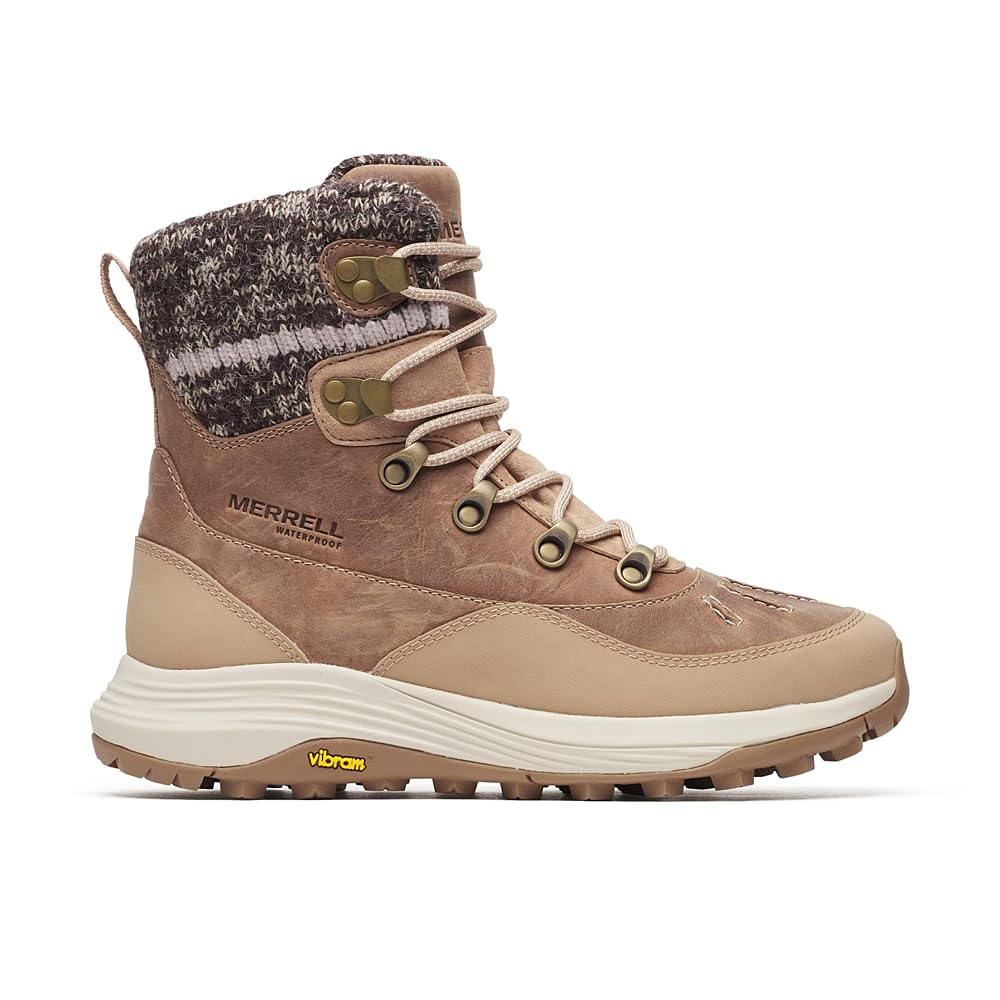
The no-break-in hiker with NASA-born insulation that takes you from waterfall hikes to icy trails.
Merrell poured 25 years of women’s-specific fit research into the Siren 4, and it shows in the comfort—the most-praised feature with 30 owners calling it out. The 200g of SOLARCORE insulation, a lightweight material originally designed for NASA, delivers warmth without the bulk. The side zip makes them easy to get on and off, which matters when you’re fumbling with gloves in the cold.
Reviewers rave about wearing these all day with zero break-in period. One owner hiked waterfalls and volcanoes in Iceland without any trouble, and another praised the slip-resistant Vibram sole for solid grip on ice. The waterproof construction and ankle support round out a boot that’s genuinely trail-capable, not just a fashion statement.
The one consistent warning is sizing—these run small. Most owners advise sizing up at least a half size for medium socks and a full size for thick hiking socks. Wide feet fit well here, with a size 9 accommodating an 8.5 foot comfortably. The laces also run short when using all eyelets, so some owners skip one to tie them properly.
Why Buyers Love It
- No break-in period—comfy from first wear
- SOLARCORE insulation keeps feet warm without bulk
- Vibram sole grips ice and snow
- Easy side zip entry
The Fine Print
- Runs small—size up a half to full size
- Laces too short for all eyelets
- Can overheat on warmer days
Grab these if: You want a hiker that works from the first step, with real insulation and ice-gripping traction for snow trips.
Not for: Buyers who refuse to size up—order a half to full size larger than your normal shoe size.
5. SOREL Women’s Kinetic Impact Conquest Plus Waterproof Boot
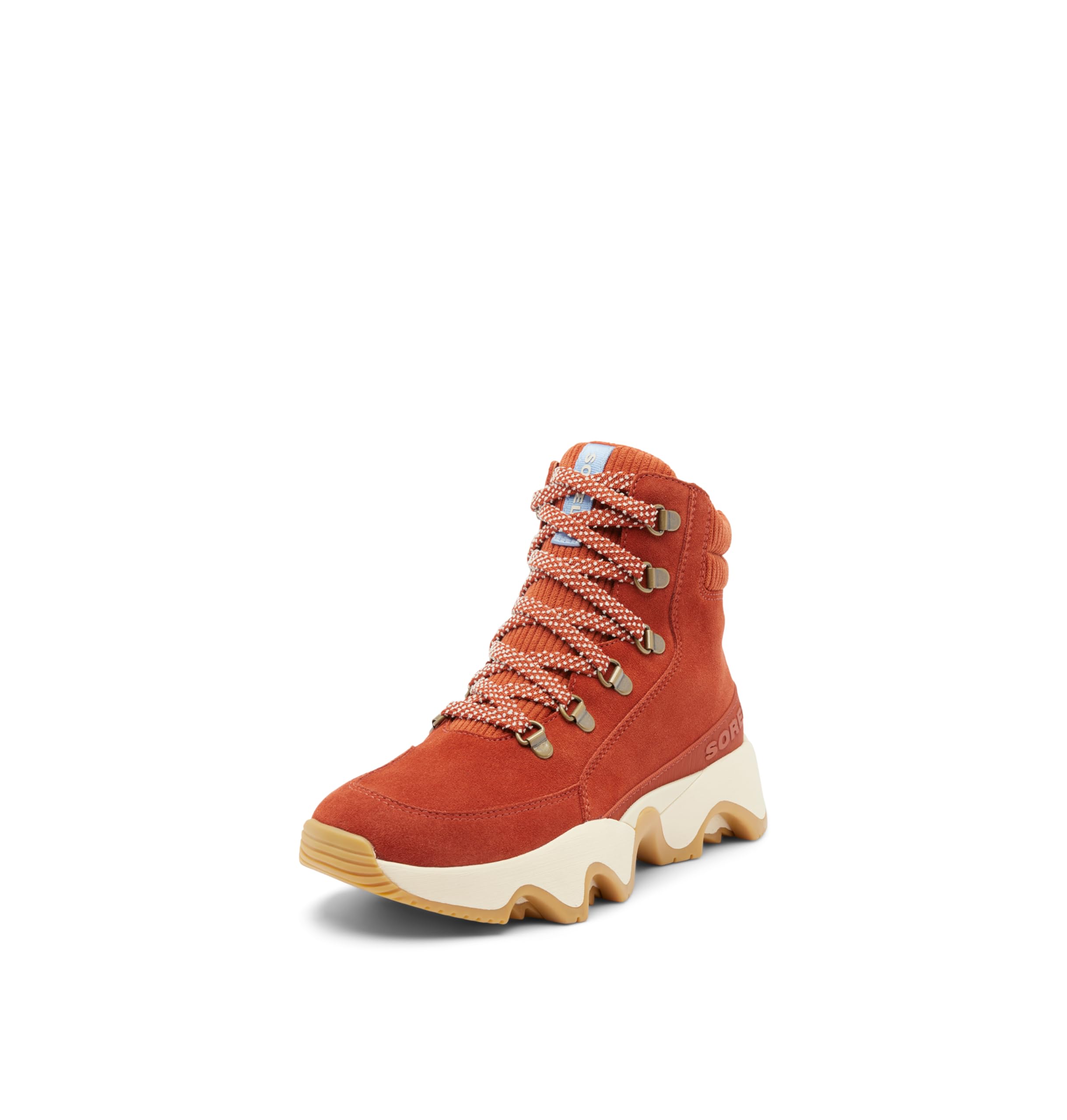
A classic-meets-cool waterproof boot that keeps feet warm at 2°F without feeling like snow boots.
Owners wanted warm winter shoes that weren’t as heavy as snow boots—and the Conquest delivers exactly that. It’s more flexible than a traditional snow boot, with a thick sole that handles slush and a suede upper with metal lace loops that feels higher-quality than cheaper SOREL styles. The comfort is the most-mentioned strength at 61 owners, followed by style at 44.
The warmth handles serious cold—reviewers point out feet staying toasty in 2-degree weather, and the traction gets consistent praise for grip on snow and ice. The arch and ankle support are strong enough that one owner wears them for snow hiking and beach walks alike. It’s a statement piece that transitions from trail to casual wear without looking out of place.
Several owners find these run large, so a size 6 fits a 6.5 wearer, and they’re not ideal for wide feet. They also run warm—one buyer suggests avoiding them above 68°F. Compared to the Tivoli V above, these are lighter and more flexible but offer less ankle coverage for deep-snow wading.
High Points
- Warm to 2°F with excellent grip
- More flexible and lighter than snow boots
- High-quality suede with metal lace loops
- Strong ankle and arch support
Watch Out For
- Runs large—consider sizing down
- Narrow fit not for wide feet
- Too warm for temps above 68°F
Best for: Hikers who want a warm, stylish boot that’s lighter and more flexible than traditional snow boots for city and trail.
Think twice if: You have wide feet or hike in deep powder—the narrower fit and mid-cut height limit it.
6. KEEN Women’s Revel III Cold Weather Hiking Boot
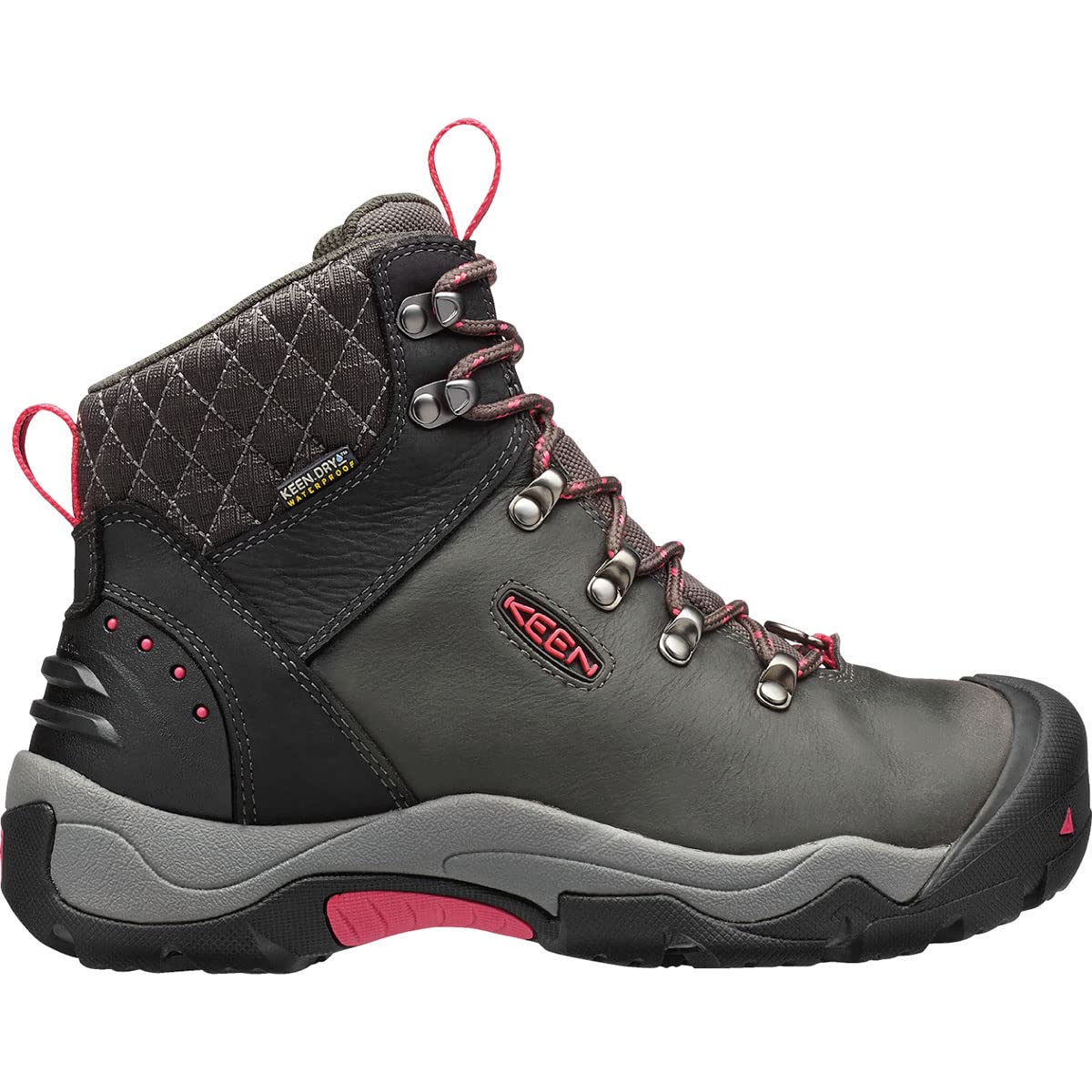
The nubuck hiker that holds its ground on ice and keeps feet dry through soggy terrain and mud.
KEEN engineered the Revel III for “whatever the weather,” and owners confirm it delivers. The nubuck leather upper is all-terrain durable, lined with a KEEN.Dry waterproof, breathable membrane that keeps feet dry even when hosed off or wading through mud and water. The dual-compound snow and ice grip outsole holds its ground on slick surfaces.
The fit earns the most praise at 135 mentions, accommodating orthotics and thick socks without blisters. Comfort follows at 128, with owners calling these comfy right from the start. One size-11 true-to-size buyer reports no falls on icy sidewalks, and another took them on 2-3 mile walks in warmth and dryness. The ankle support and flexible fabric get consistent positive feedback.
These run wide, so some owners size down, and the toe box is roomy enough that a few find it makes their feet look wide. They’re ankle height, which means they’re not for deep snow—one owner notes this limitation. The laces tend to wear out around the 9-month mark, and a size-8 buyer had toes smashed hiking, advising to buy larger. If you need deep-snow coverage, the taller Sorel Tivoli V is the better call.
Strengths
- Comfortable from the start, no blisters
- Fits orthotics and thick socks
- Waterproof through mud, slush, and hosing
- Dual-compound snow and ice grip
Trade-Offs
- Runs wide—size down
- Ankle height, not for deep snow
- Laces wear out around 9 months
Best for: Hikers who face icy sidewalks and soggy spring trails and want a comfortable, orthotic-friendly boot straight from the box.
pass on it if: You need to wade through deep powder—the ankle-height cut tops out at moderate snow.
7. Merrell Women’s Thermo Chill 2 Mid Waterproof
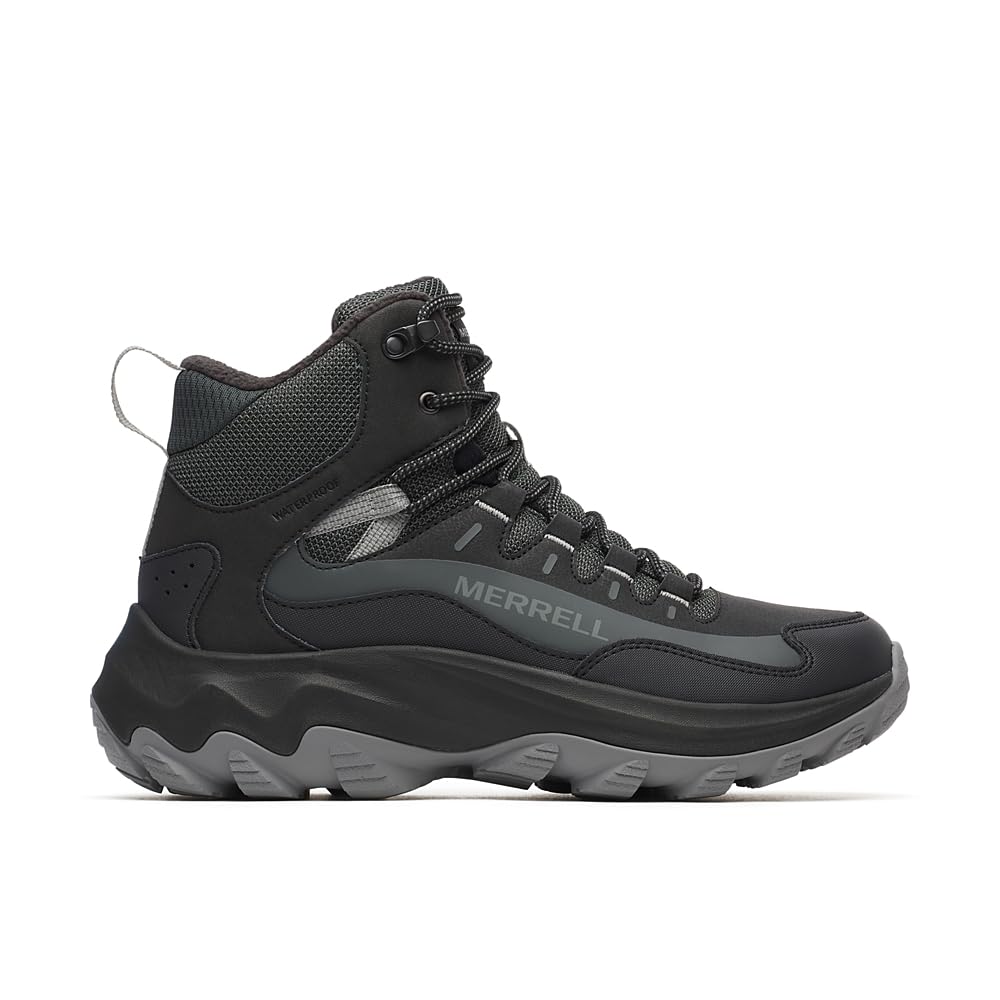
The eco-minded winter overachiever that’s comfy from first wear and ready for snow-covered trails.
Merrell calls this one a “winter overachiever,” combining eco-friendly materials with waterproof and insulation tech for all-over defense against snow and cold. Owners confirm the comfort—the most-praised feature at 8 mentions—with one hiker using them for trail walks in the snow and reporting feet that “do NOT get cold at all.” The no-break-in construction is a recurring theme.
The warmth holds up in serious conditions, though it has limits. One buyer wore them in sub-zero Alaskan winter and found toes getting cold without heated socks, so they’re best for standard winter hikes rather than extreme cold. The waterproofing kept feet dry, and the stability earned praise on gravel, dirt, and rocks. Owners consistently advise sizing up a half size for thick socks.
The fit is the main point of contention—it’s mixed, with most finding it great but one Merrell loyalist saying the same size 8.5 fits too tight across the whole foot. Another found them hard to get on and returned them. If you have wide feet or high volume, this may not be the fit for you. It’s a comfortable, warm mid-range pick, but the Oboz Bridger below offers more support for serious terrain.
Why It’s Great
- Comfortable with zero break-in
- Warm on snow-covered trails
- Eco-friendly materials
- Stable on gravel, dirt, and rocks
The Catch
- Fit is tight for some—size up a half
- Toes get cold in sub-zero temps without heated socks
- Hard to get on for some buyers
Grab these if: You want a comfortable, eco-conscious winter hiker for standard snow trails without the bulk of a heavy boot.
Not for: Extreme cold or wide feet—size up generously and consider heated socks below zero.
8. THE NORTH FACE Women’s Shellista V Mid Insulated Waterproof Snow Boot
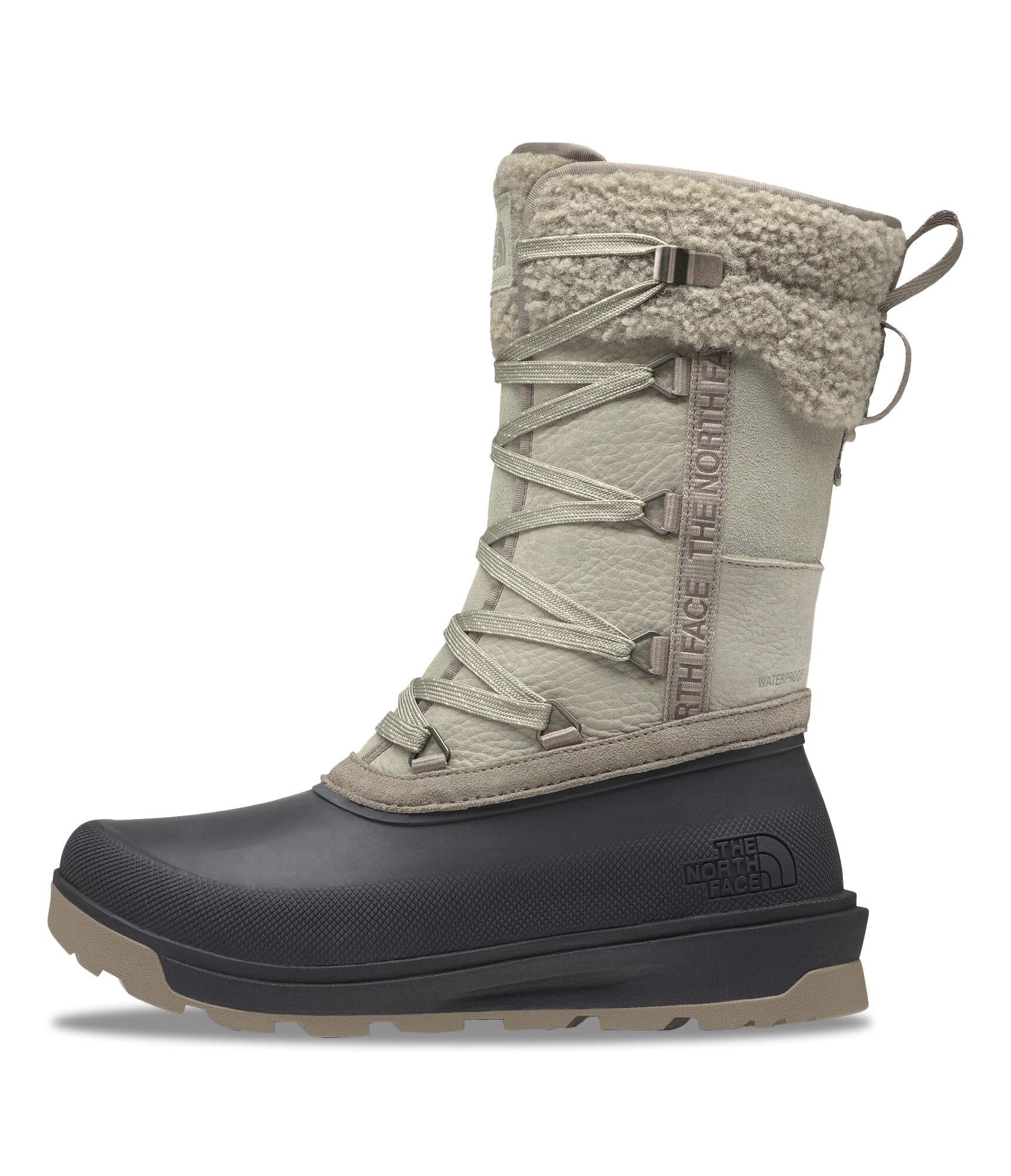
A durable everyday snow boot with molded 4.5mm lugs that grip winter weather with ease.
The Shellista V brings North Face’s outdoor pedigree to everyday winter wear. The molded 4.5mm lugs on the rubber outsole provide solid traction on snowy sidewalks, and the insulation keeps feet warm through typical winter conditions. Owners praise the durability, with one reporting their previous North Face boots lasted 5 years and still looked new.
The quality and warmth earn consistent praise, with one buyer calling it “exceptional quality for the price.” The boots are true to size for some, but the dominant theme in reviews is that they run small. One regular size-7 buyer ordered both a 7.5 and an 8 and found neither came close to fitting—a strong signal to size up significantly.
The narrow fit is the other recurring issue. One owner returned them because they were too tight on the top of the foot for thick winter socks. If you have narrow feet and plan to size up, these could be a great everyday winter boot. If you need room for wide feet or heavy socks, the KEEN Kaci III above is the safer bet.
What Wins
- Durable—lasts years with proper care
- 4.5mm lugs grip snow and ice
- Warm and well-made
- True to size for some wearers
Watch Out
- Runs extremely small—size up
- Narrow fit, no room for thick socks
- Not for wide feet
Best for: Everyday winter wear and light snow walks if you have narrow feet and can size up appropriately.
Think twice if: You have wide feet or need to fit thick socks—the narrow cut makes this a tough fit.
9. THE NORTH FACE Women’s Chilkat V 400 Waterproof Snow Boot

The 400g-insulated snow boot built for glaciers, snowshoeing, and bitter Chicago winters.
For the coldest conditions, this North Face boot brings serious firepower—400g of premium insulation that owners say keeps toes warm on snow and glaciers and during snowshoeing. One Colorado owner reports 5 years of winter durability with soles intact, no shredding, and full warmth. The warmth is the most-praised feature at 83 mentions, with quality close behind at 63.
The non-slip outsole holds on glacier ice and wet pavement, and the full waterproof rubber upper keeps feet dry through snow, rain, and sleet. Owners use these for farm work in 4-7 hour stretches, sledding, and long walks—and report feet staying warm and comfortable throughout. The design is good for wide feet per one happy owner.
The dominant complaint is sizing—owners consistently say these run small and narrow, with most advising to size up a full size. One 7.5 buyer needed an 8.5. The weight is also a factor; at 1.63 pounds per boot, many find them heavy and bulky for energetic hiking. If you need maximum warmth for stationary or slow-paced cold-weather activities, this is your boot. For lighter, faster winter hikes, consider the Merrell Siren 4 above.
Why It’s a Powerhouse
- 400g insulation for extreme cold
- Durable—5 years in Colorado winters
- Non-slip on glacier ice and wet pavement
- Full waterproof rubber upper
The Trade-Off
- Runs small and narrow—size up a full size
- Heavy and bulky at 1.63 lbs
- Not fully waterproof in deep puddles
Reach for this if: You face bitter cold, snowshoe, or need a durable boot for standing in snow for hours—the 400g insulation is the warmest here.
Look elsewhere if: You want a light, agile boot for energetic hikes—the weight and bulk add up on the trail.
10. Oboz Women’s Bridger 7″ Insulated B-DRY Hiking Boot

The snowshoe-ready trail boot with 200g Freeze Guard insulation that survives subzero treks and deep mud rescues.
Oboz built this as a true winter hiking boot, and owners confirm it’s the real deal. The 200g of Freeze Guard insulation—made from 100% post-consumer recycled polyester—keeps feet warm without overheating during high-intensity activities. One Minnesota owner tested them on 4.5-mile hikes in 12 inches of snow at -1°F (with a -14°F windchill) and came away warm, comfy, and dry. The warmth is the most-praised feature at 22 mentions.
The support here beats every other boot on this list. The O FIT Insole Thermal traps and reflects heat, while the Granite Peak Midsole with its TPU chassis delivers stability and stone protection. Owners with ankle injuries report excellent support, and the B-DRY waterproof membrane keeps feet dry through puddles and pouring rain. One owner even survived a deep mud rescue with feet staying dry inside.
The 7-inch height hits the balance between ankle coverage and flexibility—taller than the Keen Revel III for better snow resistance, but not as bulky as the Chilkat. At 20.5 oz per boot, they’re light enough for serious hiking. The trade-offs: the tread is weaker on ice than some rivals, and snow can ball up on the midsole. The toe box is also smaller than KEEN’s, needing a brief break-in.
Why It’s the Premium Pick
- Exceptionally warm—tested at -1°F
- Excellent arch and ankle support
- B-DRY membrane keeps feet dry in mud and rain
- Lightweight at 20.5 oz for the support offered
Consider This
- Weaker tread on pure ice than some rivals
- Toe box smaller than KEEN—needs break-in
- Snow can ball up on the midsole
Best for: Serious winter hikers and snowshoers who need real support, warmth, and waterproofing for multi-mile treks in freezing conditions.
it’s not for you if: You mostly walk icy sidewalks and want maximum ice grip—the tread favors snow and mud over pure ice.
Understanding the Specs
Insulation Weight
Measured in grams, this tells you how much synthetic insulation lines the boot. 200g is the versatile balance—warm enough for freezing temps but breathable for active hiking. 400g, like in the North Face Chilkat V, delivers serious warmth for bitter cold but runs heavier and hotter. If you run warm or hike hard, 200g usually beats 400g to avoid sweaty, cold feet.
Waterproof Membrane
This is the barrier that stops snow and puddles from soaking your feet. Brands have their own versions—KEEN uses KEEN.Dry, Oboz uses B-DRY, and others use generic waterproofing or treated leather. In winter, a boot that leaks is a boot that freezes your feet, so waterproofing is non-negotiable for snow hiking.
FAQ
How much insulation do I need in winter hiking boots?
Should I size up in winter hiking boots?
Are waterproof boots enough for winter, or do I need insulation too?
Can I wear winter hiking boots in spring and fall?
What makes a boot good for icy trails?
How do I know if winter boots will fit my wide feet?
What’s the difference between a winter hiking boot and a snow boot?
How long should winter hiking boots last?
Are insulated boots too hot for active hiking?
Can I use my winter hiking boots for snowshoeing?
What should I look for in a boot for deep snow?
Final Thoughts: The Verdict
For most people, the clear winner in the women’s hiking boots for winter category is the SOREL Tivoli V Tall—it pairs deep-snow coverage with the warmth and durability owners rave about. If you want a lighter, breathable option for active hikes, the Oboz Bridger 7″ delivers premium support that stands up to subzero treks. And for the coldest, harshest conditions where warmth outranks everything, the North Face Chilkat V 400 brings serious insulation for bitter-cold adventures.
How We Picked
We do not accept paid placement. Every pick is matched to a real buyer and a real use-case; we do not hands-on test units.
Sources & Methodology
Specifications: manufacturer listings and product documentation. Review insights: verified customer reviews, as of July 2026. Pricing: not shown on this page (it changes often); check the current price via the retailer link.
As an Amazon Associate, Calories Fit earns from qualifying purchases. This does not affect which products we feature.