
Our readers keep the lights on and the coffee maker working hard! As an Amazon Associate, I earn from qualifying purchases.
Specs are compiled from manufacturer listings and verified buyer reviews and can change over time — please confirm the key details on the product page before buying.
If you are searching for Yemeni coffee beans, you are likely after that legendary, wine-like complexity — the chocolate and spice depth that made this origin famous centuries before any other. The catch is that real Yemeni beans are scarce, pricey, and vary wildly between roasters, so the bag you grab can either deliver a dessert-like cup or an average brew with an exotic label. This guide cuts through the origin story to tell you which roast and grind actually delivers the mocha magic, and which one might be better left on the shelf.
I’m Mohammad — the founder and writer behind Calories Fit. This guide is built by comparing the manufacturers’ published specifications and the patterns across verified customer reviews, so you get each pick’s real strengths and trade-offs instead of marketing spin.
You’ll learn what separates an authentic, complex Yemeni roast from a generic cup, and exactly which yemeni coffee beans are worth the premium price.
Our Picks at a Glance
How To Choose The Best Yemeni Coffee Beans
Choosing Yemeni coffee is a different game than picking a standard morning blend. You are trading predictable comfort for a wild, complex cup, but that only works if you pick the right roast and grind for your brewing style.
Start With the Roast Profile
The roast level is your single biggest flavor lever. A light roast tends to preserve the bright, juicy, honey-like acidity that Yemeni coffees are famous for, while a dark roast pushes toward bold, earthy, and cocoa-laden depth. Know which tasting profile you crave before you buy, because a light roast will not suddenly become chocolatey just because it is from Yemen.
Whole Beans vs. Pre-Ground
Yemeni coffee loses its delicate aromatics fast once ground. Buyer feedback consistently points out that whole beans keep their complexity and stability longer, especially if your grinder can handle a fine setting for espresso. Pre-ground bags offer convenience, but you sacrifice some of the nuance that makes this origin special.
Beware the “Authentic” Label
Not every bag stamped with a Yemeni name tastes like the real thing. Some reviewers compare certain products to standard café chains rather than the wild, complex brew they expected, so look for specifics like the region, the cooperative, or the roast date. A little skepticism about marketing language goes a long way when you are spending a premium for an origin that is genuinely rare.
Quick Comparison
| Model | Best For | Roast Level | Grind | Bag Size | Amazon |
|---|---|---|---|---|---|
| Barnie’s Caramel★ Best Overall | Sweet-flavor lovers | Medium | Ground | 24 oz | Amazon |
| Al Mokha Medium | Chocolate & body | Medium | Whole Bean | 12 oz | Amazon |
| Al Mokha Dark | Bold & earthy | Dark | Ground | 12 oz | Amazon |
| Reserve Light | Bright & juicy | Light | Whole Bean | 12 oz | Amazon |
In‑Depth Reviews
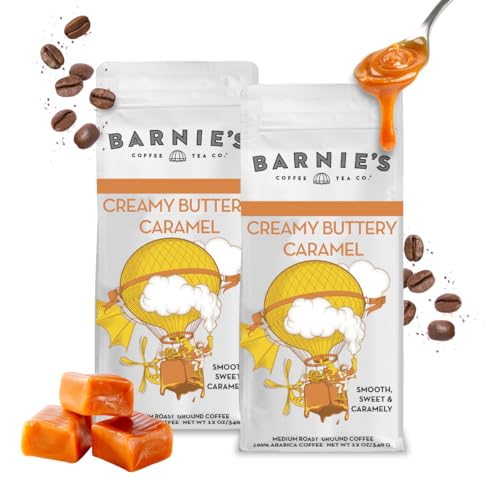
1. Barnie’s Coffee Creamy Buttery Caramel Ground Coffee
Our pick — 4.5★ from 150+ verified ratings; the strongest balance of quality and price.
The crowd-pleasing caramel cup that turns your morning into a dessert treat.
This pick leads our list because it delivers exactly what its name promises: a creamy, buttery caramel flavor that owners consistently praise as the best they have found. The standout is the flavor — it’s the aspect buyers mention most, and it earns rave reviews for being a genuine treat rather than a subtle hint. It’s a medium roast Arabica blend, and the two-pack gives you a generous 24 ounces total, so this is the value option for anyone who wants a reliable, sweet daily coffee without the hunt for rare origins.
What makes it so flexible is its grind. It comes pre-ground and ready for your drip machine, but buyers report you can “grind it down more and use it in an espresso machine!” That versatility means one bag can serve your slow weekend pour-over and your quick weekday espresso shot. It’s also gluten-free and nut-free, which removes a layer of worry for anyone with sensitivities.
There is a honest trade-off to weigh. A few buyers find the caramel flavor can be overwhelming on its own, with one suggestion being to blend it with a darker roast for a mellower experience. Another owner couldn’t taste the flavor distinctly and found it just sweet, so your mileage will vary depending on how you brew it. If you want a pure, unflavored authentic Yemeni profile, this is not that — this is a flavored coffee that leans into sweetness, not terroir.
What Wins People Over
- The caramel flavor is the most-praised aspect, with buyers calling it the best they’ve found
- Comes in a two-pack for 24 oz total, great value per cup
- Versatile grind that works in drip and espresso machines
Consider Before Buying
- Flavor can be intense — some prefer blending with a darker roast
- Not an authentic, unflavored Yemeni origin experience
- A minority couldn’t taste the caramel distinctly
Your daily treat: Grab this if you want a sweet, creamy, reliably delicious cup that works for both drip and espresso.
Know this: If you are after the authentic wild acidity of Yemeni terroir, this flavored roast won’t scratch that itch.
2. Al Mokha: Yemen Medium Roast (Whole Bean)

The whole-bean medium roast that delivers intense chocolate dessert notes with Yemeni soil undertones.
This is the pick for anyone chasing the famous mocha flavor that made Yemen legendary. Owners mention “intense milk chocolate notes” that they describe as 2-3x more pronounced than Guatemalan Huehuetenango, with a taste that lands somewhere between a chocolate dessert and a cafe mocha. The flavor is the aspect that wins people over, and for a good reason — it’s deep, complex, and carries distinct Yemeni soil undertones that you simply don’t get from standard supermarket beans.
Because it comes as a whole bean, you control the grind, and owners find it performs “excellent even on cheap espresso machine” when ground fine. That freshness matters for an origin this delicate, and the 12 oz bag fits neatly in a 6 x 4 x 2.5 inch package — noticeably more compact than the Reserve light roast’s 7 x 4 x 2.5 inch bag. There’s an ethical dimension too, as the company is a small DC-based operation that directly supports Yemeni farmers.
The honest caveat here is the price-to-cup equation. While some owners call it one of the best coffees they’ve ever had, others tested it across drip, French press, and pour-over and found the flavor didn’t justify the premium over far cheaper coffees. The value-for-money feedback is genuinely mixed, so this is a gamble on your palate. If you love bright, wild acidity, you might prefer the darker roast from the same brand; this medium sits in between, balancing body and the chocolate-forward character.
Chocolate-forward verdict: If you want a whole-bean Yemeni that tastes like a dessert cup with real complexity, this is the one to try.
The price reality: Buyers are split on whether the premium is justified, so it’s a treat-yourself purchase, not a daily-driver for frugal sippers.
3. Al Mokha: Yemen Dark Roast (Ground)

The bold, earthy dark roast that owners call the best coffee they’ve ever consumed.
If your preference runs toward a full-bodied, creamy cup with cocoa undertones, this dark roast is Al Mokha’s top-selling offering for a reason. The maker describes it as indulgent and full-bodied, and the coffee quality is the most-praised aspect in the reviews, with many calling it outright amazing. It’s a rich, deep dark roast flavor that satisfies anyone who wants intensity in every sip, making it a standout choice for espresso drinkers who like a heavy body.
This is also the pick with a story attached. The label carries the historical tale of a Sufi monk in Yemen, and the company directs proceeds toward supporting Yemen partnerships. Owners describe it as gift-worthy, meaning this bag does double duty as both a delicious coffee and a meaningful present for the coffee geek in your life. It arrives pre-ground in a 12 oz bag, ready for immediate brewing.
Here’s where the authenticity debate gets interesting. One buyer frankly compares it to Dunkin rather than authentic Yemeni coffee, calling it “delicious and strong” but questioning the value against better grades. That’s a polarizing take — most owners rave about it, but a single mixed review notes the packaging can arrive damaged. If you are a strict Yemeni purist seeking the bright, wild light-roast character, this darker profile is a different animal entirely.
Bold & earthy call: Reach for this if you want a strong, creamy, cocoa-rich cup that’s ready to brew straight from the bag.
Authenticity check: Purists may find the dark roast smooths away the wild Yemeni brightness, so treat it as a bold daily cup rather than a terroir showcase.
4. Reserve Coffee: Yemen Light Roast (Whole Bean)

The prized light roast from Yemen’s Haraaz mountains, described as smooth and honey-sweet.
This is the pick for the true Yemeni purist who wants the famous bright, juicy character that put this origin on the map. Sourced from a coffee cooperative high in Yemen’s Haraaz mountains, this light roast is described by the maker as smooth, well-rounded, and carrying a honey-like sweetness with natural Yemeni vibrancy. The roast quality is the aspect that wins buyers over, with one self-described master roaster and sommelier declaring it “the best coffee in the world.”
It arrives as whole beans in a 7 x 4 x 2.5 inch bag, compared to the Al Mokha medium roast’s 6 x 4 x 2.5 inch package for the same 12 oz weight — a quirk of packaging density, not a sign of more coffee. Owners highlight its remarkable smoothness, with one calling it “a smooth flavor with no bitterness,” which is exactly what a light roast at this altitude should deliver. This is also a veteran-owned, small DC-based business, so your purchase supports a specific community.
The flip side is a real split in the reviews. While some adore the smooth brightness, others find the flavor overwhelmingly bitter and call the price overhyped — one buyer, inspired by a CBS Sunday Morning feature, bluntly disagreed with the “best coffee in the world” label. That mixed reaction on flavor is worth heeding: if you dislike bright, acidic light roasts in general, this won’t convert you. But if you appreciate nuanced, terroir-driven coffee, this is the most authentic expression of Yemen on this list.
What Converts Buyers
- The roast quality is the top praise, with smooth, no-bitterness results
- Whole beans preserve the delicate light-roast aromatics
- Supports a specific Haraaz mountain cooperative
Honest Limits
- Flavor feedback is genuinely mixed — some find it bitter
- Premium price for a 12 oz bag, with buyers split on value
- Light roast means a distinctly different profile than the dark picks above
Purist’s choice: Pick this if you appreciate bright, complex, honey-sweet light roasts and want the full Yemeni terroir experience.
Think twice: If you prefer bold, chocolatey dark cups or dislike acidic light roasts, the medium and dark Al Mokha options suit you better.
Understanding the Specs
Roast Level
The roast level is the single biggest flavor lever in Yemeni coffee. A light roast preserves the bright, juicy, honey-like acidity this origin is famous for, while a dark roast pushes toward boldness, earthiness, and cocoa undertones. The medium roast in our top pick balances body with that chocolate-forward character, making it the most approachable entry point for newcomers.
Whole Bean vs. Pre-Ground
Yemeni coffee’s delicate aromatics fade quickly after grinding, so whole beans are the better choice for preserving the complex flavor. Pre-ground bags offer convenience but sacrifice some nuance, which is why the whole-bean options in this list — the Al Mokha medium and the Reserve light — get the nod from buyers who want maximum freshness.
FAQ
What makes Yemeni coffee beans different from other origins?
Which roast level is best for a first-time Yemeni coffee buyer?
Should I buy whole beans or pre-ground Yemeni coffee?
Can I use Yemeni coffee beans in an espresso machine?
Is all coffee labeled “Yemeni” actually authentic?
How does a dark roast Yemeni coffee taste compared to a light roast?
Why is Yemeni coffee so expensive?
What size bag of Yemeni coffee should I buy?
Final Thoughts: The Verdict
If you want one dependable pick, the yemeni coffee beans winner is the Barnie’s Caramel because it delivers a reliably delicious, crowd-pleasing flavor with the best value in its two-pack. If you want the authentic mocha experience with intense chocolate notes, grab the Al Mokha Medium. And for the bold, earthy cup that owners call the best they’ve ever had, the Al Mokha Dark Roast is the one to reach for.
How We Picked
We do not accept paid placement. Every pick is matched to a real buyer and a real use-case; we do not hands-on test units.
Sources & Methodology
Specifications: manufacturer listings and product documentation. Review insights: verified customer reviews, as of August 2026. Pricing: not shown on this page (it changes often); check the current price via the retailer link.
As an Amazon Associate, Calories Fit earns from qualifying purchases. This does not affect which products we feature.