
Our readers keep the lights on and the coffee maker working hard! As an Amazon Associate, I earn from qualifying purchases.
Specs are compiled from manufacturer listings and verified buyer reviews and can change over time — please confirm the key details on the product page before buying.
If your knees ache after a run or your ankles roll inward as you land, a stability shoe can fix that—it uses support features like a firm post or guide rails to keep your stride aligned and stop overpronation (when your foot rolls too far inward). You want a pair that supports your arches, fits your daily routine, and lasts through your miles—here are the ones that earn their spot.
I’m Mohammad — the founder and writer behind Calories Fit. This guide is built by comparing the manufacturers’ published specifications and the patterns across verified customer reviews, so you get each pick’s real strengths and trade-offs instead of marketing spin.
We’ve analyzed the key support features and real owner experiences to find the pair that truly delivers on comfort and stability. women’s stability running shoes are your solution for balanced, comfortable strides.
Our Picks at a Glance
How To Choose The Best Women’s Stability Running Shoes
Choosing a stability shoe isn’t just about picking a color—it’s about finding the support system that matches how your foot moves when it hits the ground. The right pair guides your foot through a natural, efficient stride, reducing leg fatigue after runs or long days on your feet.
Match the Support to Your Foot’s Motion
Stability shoes use different methods to control overpronation. Some use a firm medial post—a denser piece of foam on the inner side of the midsole—to slow down that inward roll. Others use guide rails, which are firmer walls of foam around the heel that gently nudge your foot back into alignment only when needed. Both aim for the same result: a smoother, more balanced stride.
Balance Cushioning with Weight
More cushioning can feel like a cloud, but it often adds weight, which can make the shoe feel clunky on faster runs. You want enough plushness to absorb impact on long miles, but a sole that’s too soft can sometimes lack the firm support your foot needs. Think about your priority—daily comfort and recovery, or lighter weight for speed work—and let that guide your choice.
Don’t Overlook the Heel Drop
Heel drop is the height difference between the heel and the toe of the shoe. A higher drop, like 12mm, shifts impact toward your heel, which many runners find comfortable. A lower drop, like 4mm or even 0mm, encourages a more natural midfoot strike and can be easier on the knees, but it may require your calf muscles to do more work if you’re not used to it.
Quick Comparison
| Model | Best For | Support System | Heel Drop | Weight | Amazon |
|---|---|---|---|---|---|
| ASICS GT-1000 13★ Best Overall | Everyday balanced comfort | 3D Guidance System | — | 1.44 lbs | Amazon |
| New Balance Vongo V6Plush Support | Plush, supportive daily miles | Medial support | — | 2.1 lbs | Amazon |
| Saucony Guide 17Wide-Fit Wonder | Wide feet & long walks | Comfort-first stability | — | 1.5 lbs | Amazon |
| Saucony Hurricane 24 | Maximum cushioned miles | Premium stability platform | — | 1.88 lbs | Amazon |
| Topo Athletic Ultrafly 5 | Low-drop, roomy toe runs | Medial post | 5MM | — | Amazon |
| ALTRA Paradigm 8 | Zero-drop natural feel | GuideRail | 0 mm | — | Amazon |
| Mizuno Wave Inspire 21 | Firm, anatomical support | MIZUNO ENERZY NXT | — | — | Amazon |
| Hoka Arahi 7 | J-shaped support, light feel | Frame™ technology | — | 3 lbs* | Amazon |
| Brooks Ariel GTS 23 | Maximum support for flat feet | GuideRails | 12mm | 1.5 lbs | Amazon |
| Brooks Glycerin GTS 23 | Plush, luxurious support | GuideRails | 8mm | 9.8oz | Amazon |
| HOKA Gaviota 5 | Maximum stability, wide base | Wide sole platform | — | 3 lbs* | Amazon |
*Note: These figures include the shipping box weight provided by the manufacturer; the shoes themselves are lighter.
In‑Depth Reviews
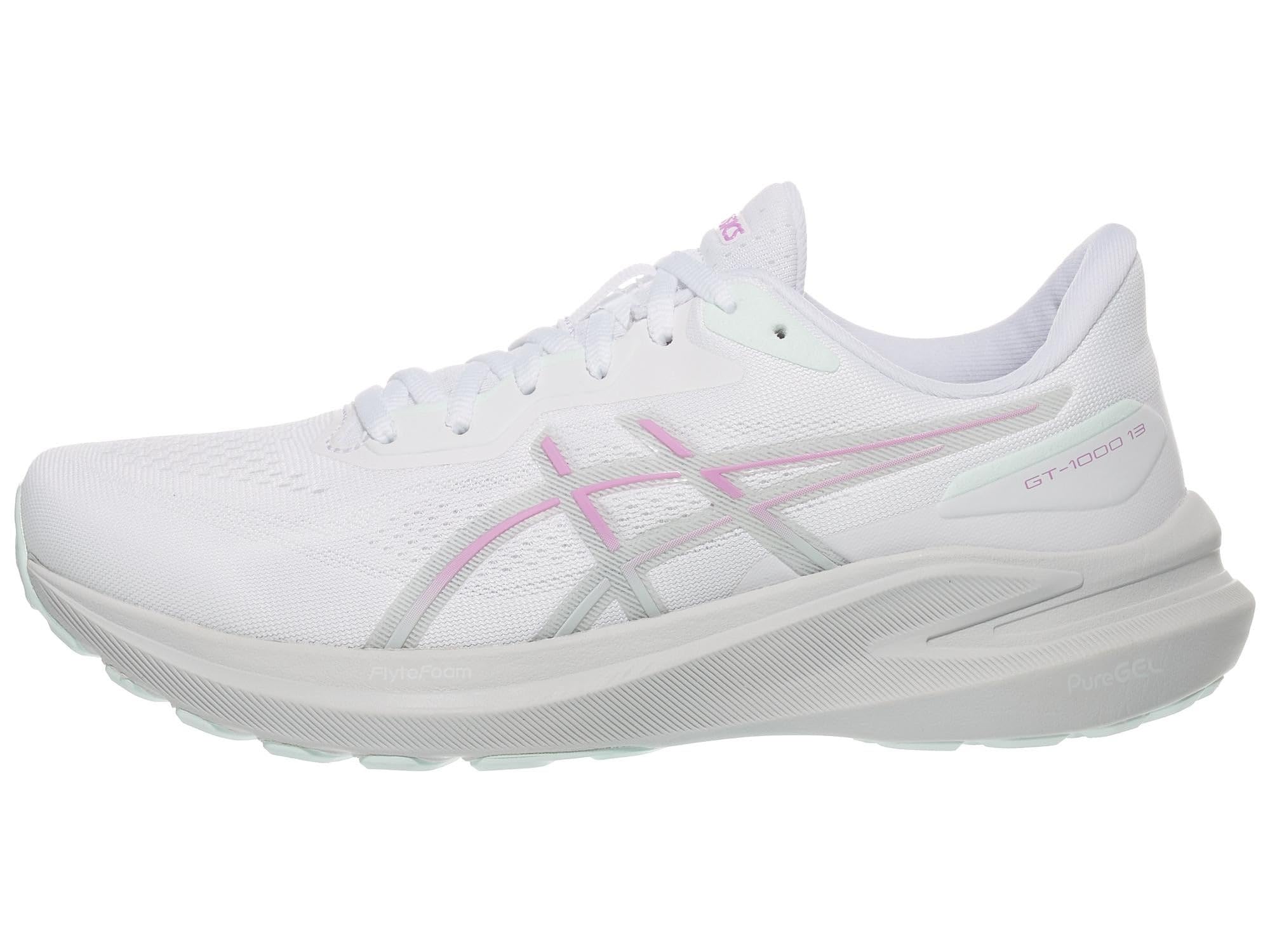
1. ASICS Women’s GT-1000 13 Running Shoes
Our pick — over 4.5★ from 850+ verified ratings; the strongest balance of quality and price.
The crowd-pleaser that balances support and softness for everyday miles.
Owners consistently praise this shoe’s comfort above all else. The magic comes from a 3D GUIDANCE SYSTEM, a design feature that increases stability for a more balanced stride, plus FLYTEFOAM cushioning in the midsole that creates a lightweight feel with softer landings. It also packs PureGEL technology, which adds another layer of shock absorption for a plush step.
The feedback from runners is remarkably consistent: it’s a workhorse for long distances. Buyers report it’s “lightweight for 6-8 mi runs 3x/wk” and comfortable for standing through 12-hour shifts, with plenty of room in the toe box and great arch support. The mesh and synthetic upper keeps your foot cool, while the rubber outsole provides solid traction. It handles long walks, workouts, and all-day wear with ease.
There are a couple of things to keep in mind. A few owners with narrow feet found the fit perfect, while others with wide feet appreciated the roomy toe box, so sizing can be a personal thing. Some reviews mention the laces are on the short side, and a couple of toe-strikers noted the sole feels a bit thin. For most runners, it delivers balanced comfort and support as promised.
What Wins Runners Over
- Extremely comfortable for long shifts and long runs alike
- Sleek, stylish design that suits athletic and casual wear
- Consistent sizing with a roomy toe box for wide feet
Before You Buy
- Laces run a bit short for some
- A few toe-strikers find the sole minimal
The daily driver: If you want one shoe that handles runs, long walks, and 12-hour work days with a balanced, cushioned feel, this is your pick.
Check your lace game: The short laces might bother you if you prefer a loose, relaxed fit.
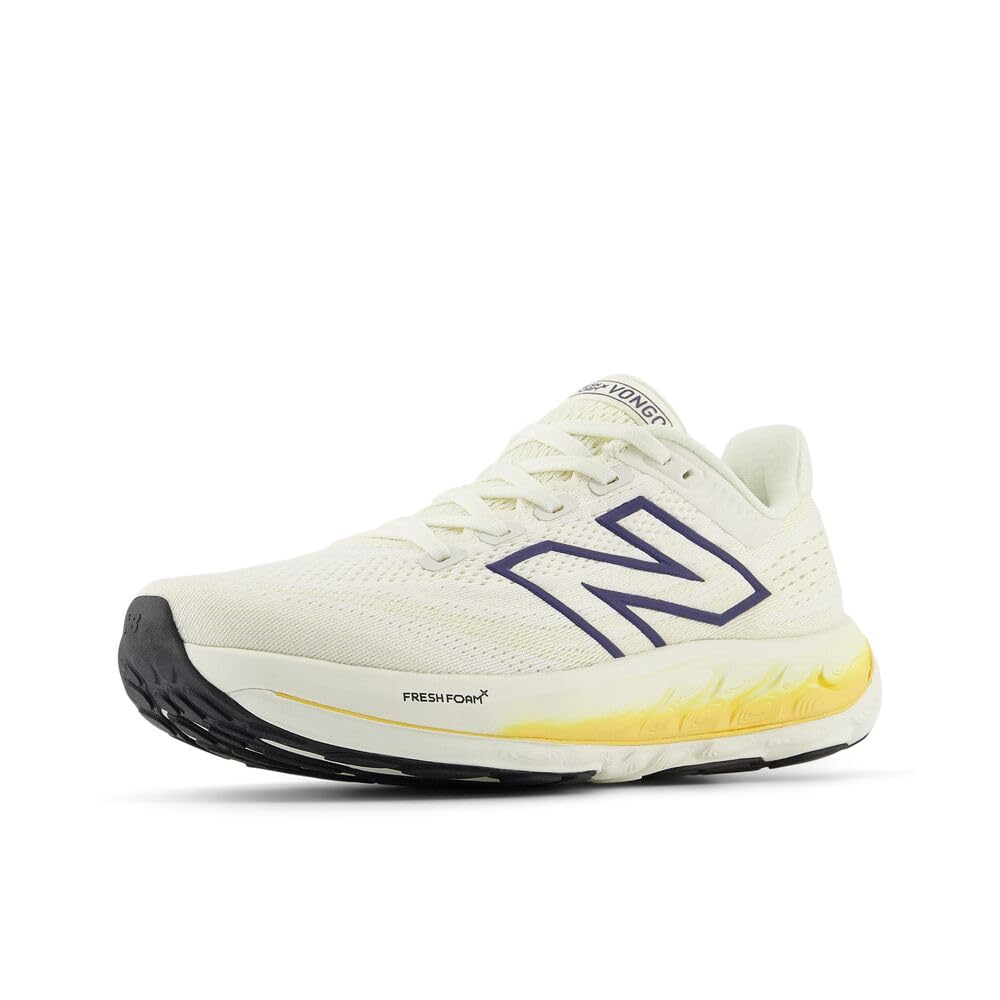
2. New Balance Women’s Fresh Foam X Vongo V6
The pillow-soft stability shoe that cushions every step without sacrificing support.
This is the shoe for runners who want a cloud-like feel but still need pronation control. Owners describe the cushioning as feeling like “running on pillows,” yet the shoe remains firm and supportive enough to prevent overpronation. It pairs plush cushioning with firm structure, ideal for mild overpronation or knee pain.
Owners mention that the support genuinely reduces knee pain and offers immediate relief when walking and running. It holds up well over time—one owner reports it durable at “4 months/150 mi.” At 2.1 pounds, it’s noticeably heavier than the ASICS GT-1000 13 at 1.44 pounds, so it feels more substantial underfoot, which many runners prefer for daily training.
The main trade-off is breathability. A few owners note their feet get hot in this shoe, which could be a dealbreaker for summer runs. Also, there are mixed reports on long-term durability, with some mentioning the sole showing wear. But for pure, cushioned comfort and support, this is a top-tier choice that many runners swear by.
The comfort king: If cushioning is your top priority and you want a supportive ride that feels like pillows, this delivers.
The warm factor: Be ready for a warmer foot, as breathability takes a backseat to plushness.
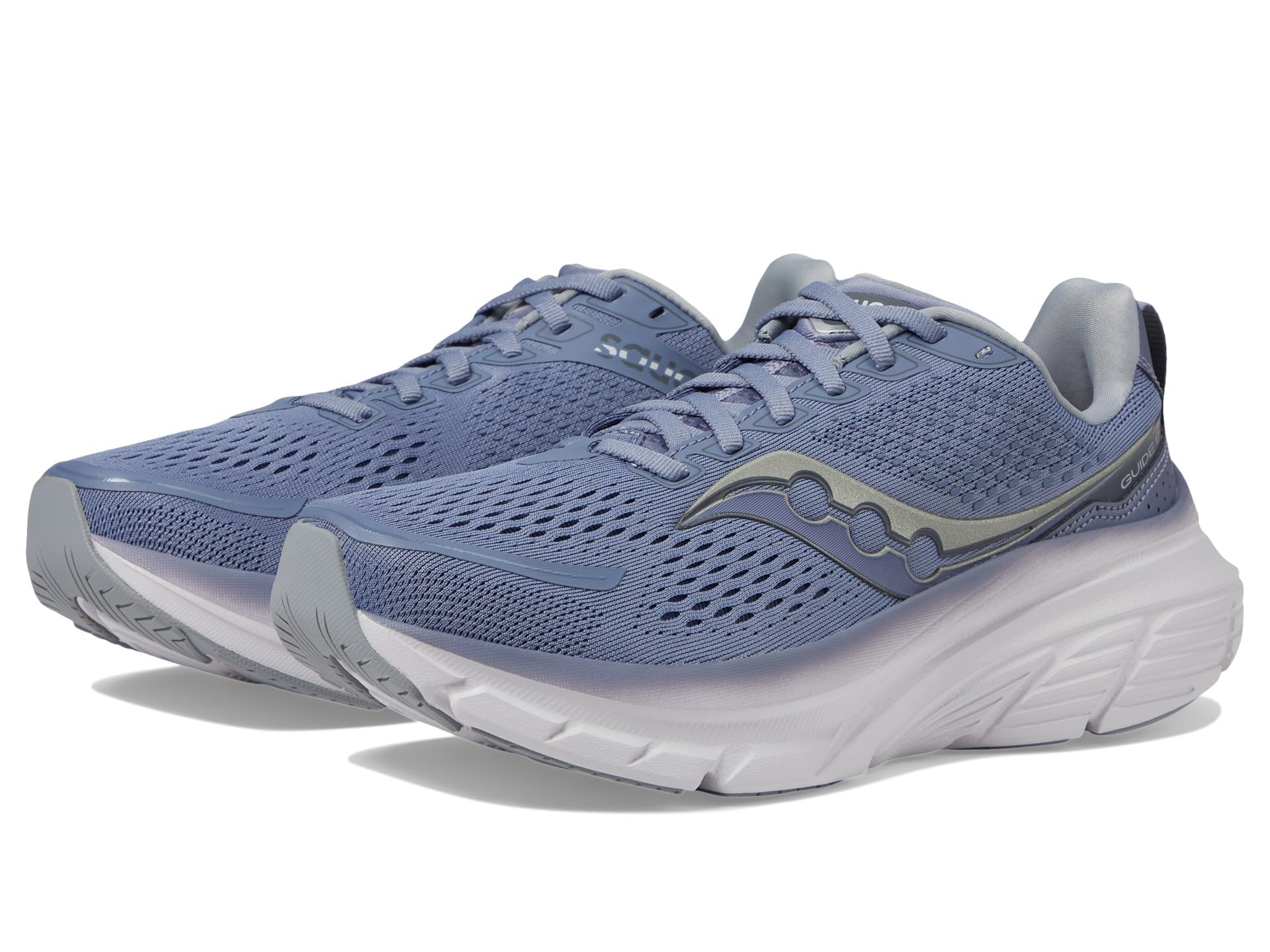
3. Saucony Women’s Guide 17 Running Sneakers
The stability shoe that feels like it was made for wide feet and long, pain-free walks.
Comfort is the overwhelming highlight in owner feedback, making this among the most comfortable options we’ve seen. The brand calls it “new era stability built with comfort-first protection,” meaning the shoe provides gentle guidance without feeling stiff or intrusive. The roomy toe section is a huge win for anyone with wide feet or bunions, and the arch support offers a gentle, stabilizing feel.
The cushioning is a standout—owners note that the extra foam feels great on pavement runs and makes walking feel easy. As one owner puts it, “I have owned many pairs of Saucony and they always wear well and are comfortable.” This shoe requires virtually no break-in period; it’s comfortable right from the start, which is a huge plus for sensitive feet or post-surgery recovery.
On the downside, the shoe has a somewhat bulky look and a huge sole that some find unappealing. There are also mixed reports on durability, with a few owners noting the soles breaking apart over time. But for immediate, all-day comfort and a fit that accommodates wider feet, this is a fantastic, lightweight choice—ideal for walking and everyday wear.
The wide-fit hero: If your feet need room to spread and you want pillow-soft cushioning, this is your match.
The style trade-off: The bulky platform look isn’t for everyone, even though the comfort is undeniable.
4. Saucony Women’s Hurricane 24 Sneaker
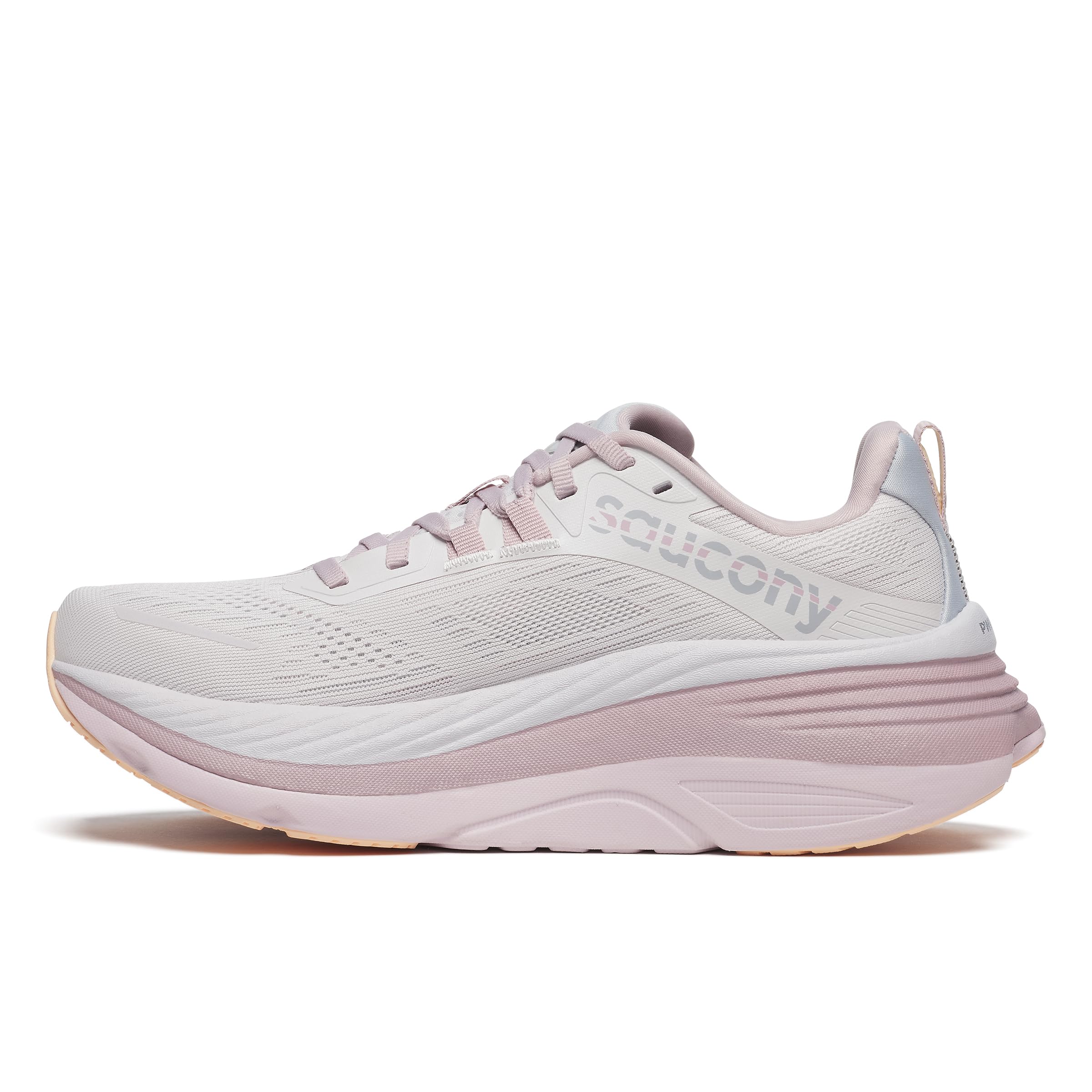
Saucony’s most premium, maximum-cushioning shoe for those who want a plush, protective ride.
This is the flagship stability shoe from Saucony, and it lives up to its “most premium” billing. It’s a high-quality shoe with excellent arch support that owners say prevents foot and leg fatigue. The cushioning is responsive and generous, making it a reliable choice for long runs and daily training, and it’s particularly praised for its stability on uneven terrain.
It’s a chunky, stable shoe with an aggressive toe rocker (a curved sole that helps propel you forward) and a wide forefoot that provides a solid base. The boxier dimensions (11.37 x 7.37 x 4.11 inches) make it feel substantial, but the real story is comfort—customers note it has “cured hammer toe and tendon pain” and is great for injury recovery, especially after a grade 2 sprain.
The biggest caveat is weight. Owners who prioritize a light feel for speed work have noted it’s “just too heavy for running,” causing leg fatigue on faster miles. There are also some quality-control gripes, like short shoelaces and an inner heel that can rub off after months of use. If your goal is plush, stable miles over speed, this is a top contender; if you’re chasing a featherlight racer, look elsewhere.
The Plush Protector
- Outstanding arch support that prevents foot fatigue
- Stable, cushioned platform great for injury recovery
- High-quality build with a durable feel
The Heavy Hitter
- Too heavy for tempo runs and speed work
- Laces are notably short
The long-run cruiser: If you want maximum cushioning and don’t mind the weight, this is a superb daily trainer for road running.
Not for speedsters: If you need a light shoe for fast sessions, this one will feel like a burden.
5. Topo Athletic Women’s Ultrafly 5
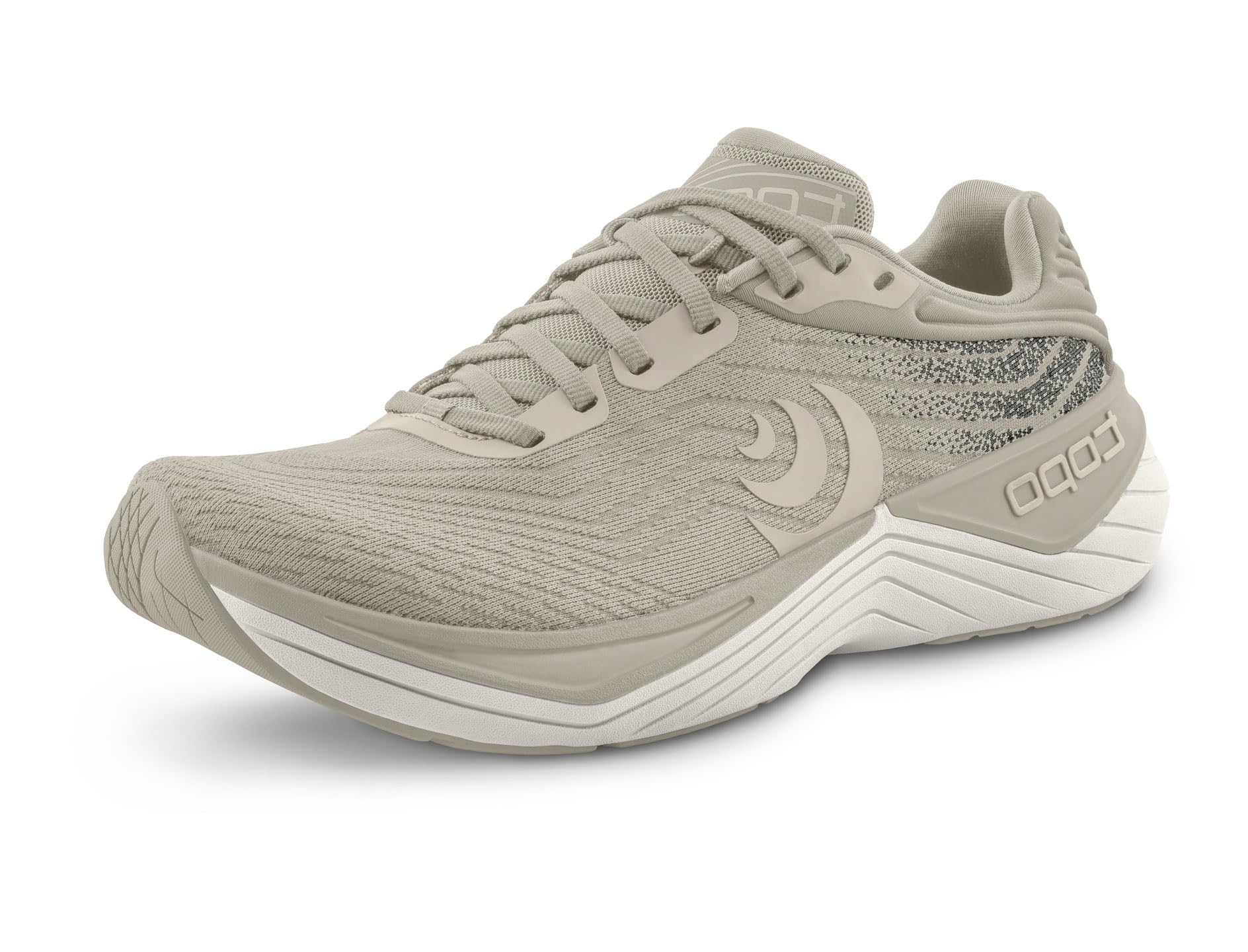
The low-drop trainer that gives your toes room to spread and your gait room to improve.
Topo Athletic is a favorite among runners who want a more natural foot position without going full barefoot. The Ultrafly 5 features a 5MM drop (the height difference between heel and toe), which encourages a more midfoot strike and can be gentler on the knees. The standout feature is the roomy, anatomical toe box that allows your toes to spread naturally—a huge plus for anyone with bunions or hammer toes.
The fit is what owners rave about most. The wide toe box, combined with a narrow heel that doesn’t slip, creates a secure yet freeing feel. It has a medial post for light pronation support, and the OrthoLite footbed provides a soft step-in feel. Owners with bunions report “less pain immediately,” and the shoe is considered accurate in sizing, though some suggest sizing up.
The trade-off is its all-day durability. Some owners found the cushioning wore out within months of daily use, and there are mixed reports on how well the sole holds up over time. It’s a shoe that shines for runs, walks, and gym work, but it might not be the most durable option if you’re on your feet 12 hours a day, every day. It’s a niche pick for those prioritizing natural foot mechanics over maximal cushioning.
The natural-motion pick: If you want a low drop and a toe box that lets your feet breathe, this is a great fit.
The durability question: For daily 12-hour wear, the cushioning might not last as long as you’d hope.
6. ALTRA Women’s Paradigm 8 Road Running Shoe
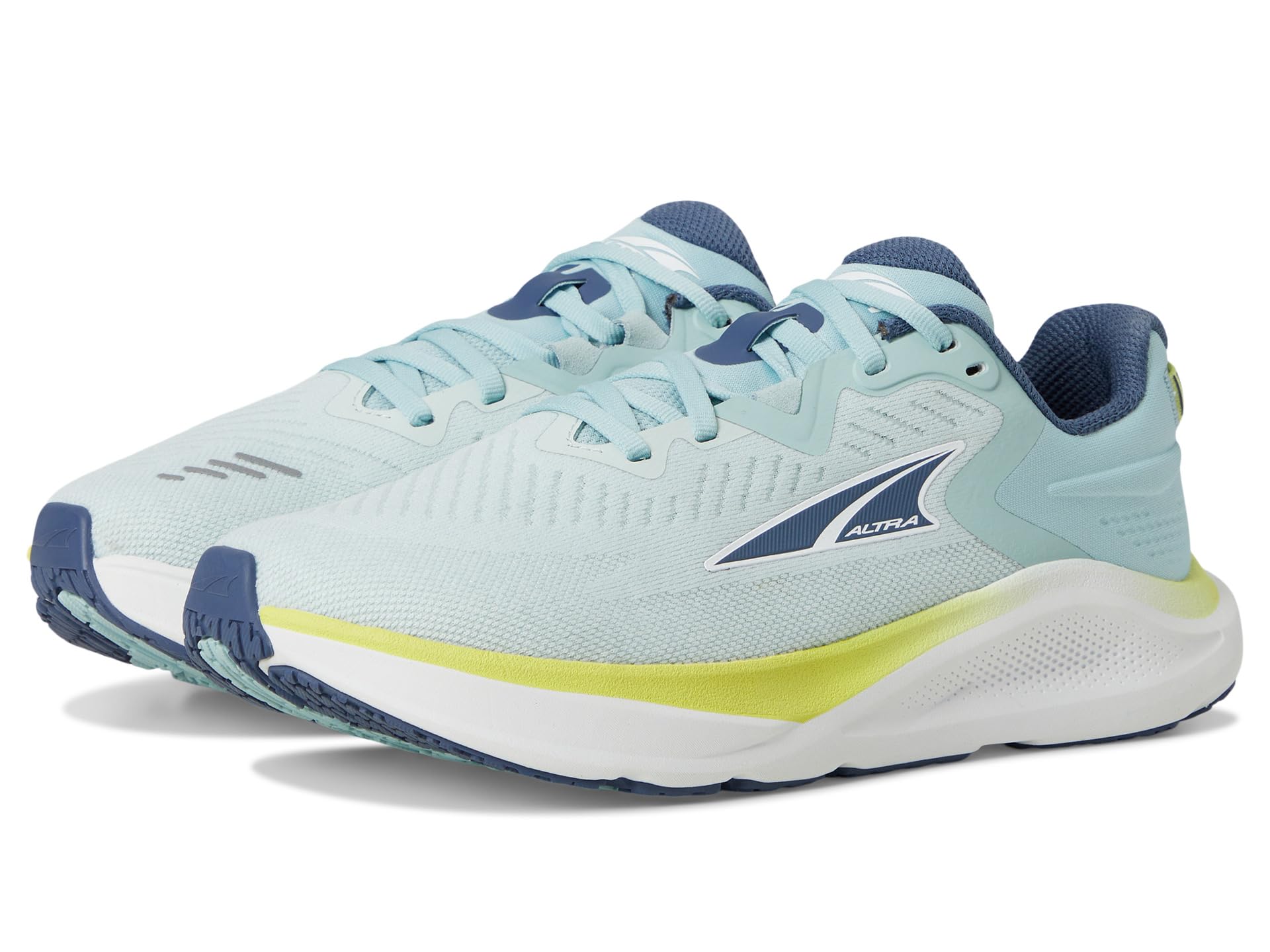
The supportive shoe that stays out of your way, guiding your stride only when you need it.
Altra built the Paradigm 8 on a “guided comfort” philosophy. This is a supportive shoe that uses GuideRail technology, which offers gentle, on-demand guidance along the medial side of the shoe. It doesn’t force your foot into any position—it only steps in to encourage natural foot placement when your stride drifts. This makes it an excellent choice if you want stability without feeling like you’re walking on a brace.
The shoe is built around a zero drop (the heel and toe sit at the same height), which promotes a natural, efficient stride and is loved by runners transitioning to a more minimal style. The roomy toe box is a godsend for bunions—one nurse reports being able to “work 12 hours without my feet hurting!” The EGO MAX midsole provides a cushioned yet lightweight feel, and the engineered mesh upper improves breathability.
The fit is a bit of a mixed bag. Some owners find the toe box narrower than previous versions, and there are reports of the inside seams rubbing on the foot. While many find it true to size, others suggest sizing up, so it’s a shoe to try on if you can. It’s also on the pricier side, but for those who want a zero-drop stability shoe, it’s a specialized, well-regarded option.
The natural stride guide: If you want zero-drop support that’s gentle and allows natural foot movement, this is a standout.
The sizing gamble: Fit feedback is mixed, so you may need to experiment with sizes.
7. Mizuno Women’s Wave Inspire 21 Running Shoe
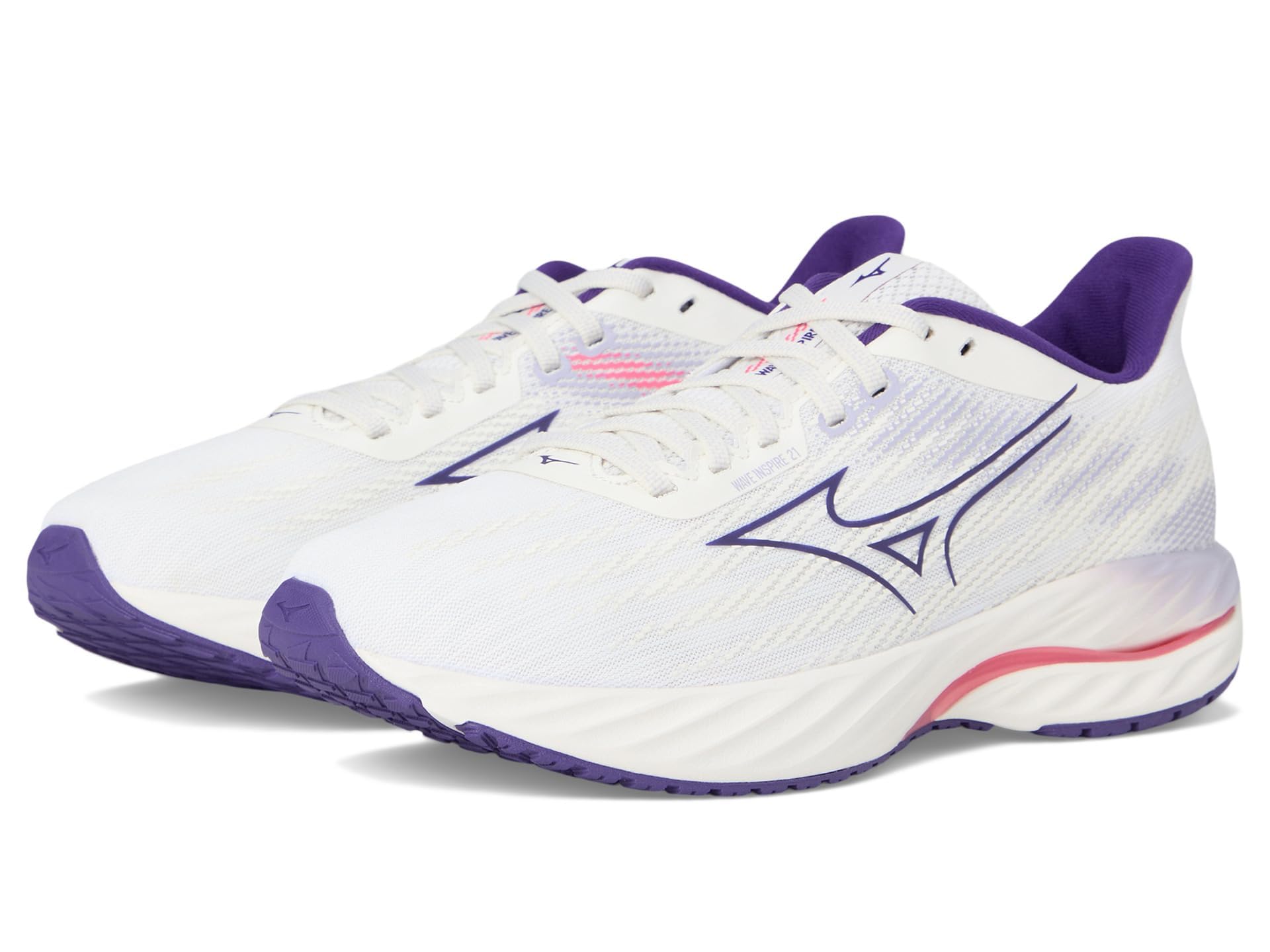
The classic, firm-riding stability shoe that keeps your feet happy and your back pain-free.
If you prefer a firmer, more responsive feel over a super-soft cloud, Mizuno’s Wave Inspire 21 is for you. It’s crafted with MIZUNO ENERZY NXT (a foam that delivers a softer heel landing) and provides moderate medial support to keep your stride in line. The result is a shoe that feels “smooth” and balanced, giving you a stable, cruising sensation mile after mile.
Owners love this high-quality daily trainer for its support and fit, especially for high arches—one owner notes it’s great for plantar fasciitis. The support effectively controls pronation, leading to “less or no backaches after walking.” It’s also a relatively uncommon choice—a shoe that “still looks like a running shoe” in a market full of bulky platforms, which some runners really appreciate.
The main feedback is that the previous version was a bit more comfortable, but that’s a high bar to clear. It’s a very light, durable shoe that fits as expected, making it a reliable pick for walking, hiking, and everyday training. If you want a classic, low-profile runner with top-tier arch support, this is an understated gem.
The understated champ: If you want a firm, supportive ride that doesn’t look like a platform shoe, this is the one.
The past-comfort comparison: Loyal Mizuno fans might find the latest version slightly less forgiving than older models.
8. Hoka ONE ONE Womens Arahi 7
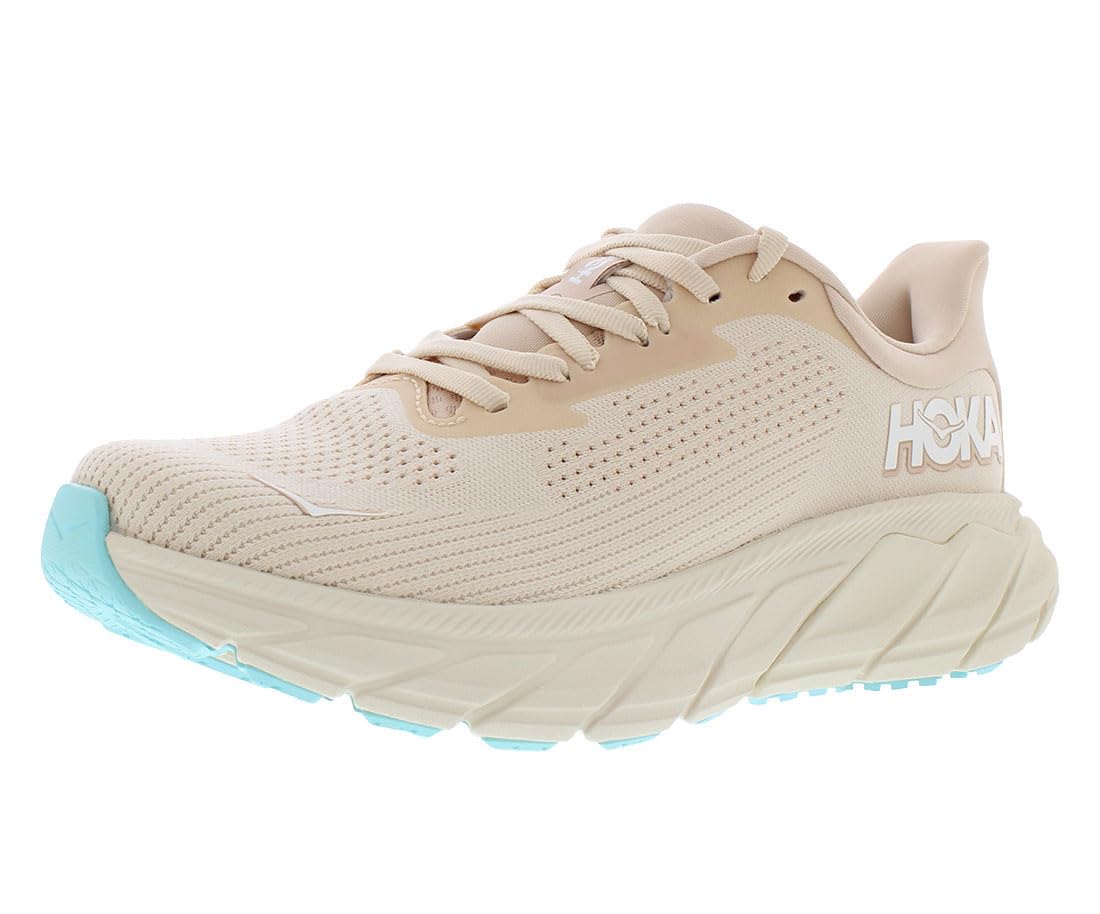
The lightweight stability shoe that delivers Hoka’s plush feel with a supportive twist.
Hoka isn’t just about maximum cushioning—the Arahi 7 proves you can have a soft ride and support your foot at the same time. It uses the brand’s patented Frame™ technology, a J-shaped support frame that provides stability without the heavy, clunky feel of traditional stability shoes. The result is streamlined support that feels surprisingly light on the foot.
Comfort dominates owner feedback—many note that toe pain disappears and the firm footbed provides great arch support. It’s ideal for teachers and others who spend all day on their feet. The zonally engineered flat knit upper gives a secure midfoot lockdown, and the plush tongue and ghillie lacing system (a lacing pattern that loops through the upper) keep your foot snugly in place. For runners with posterior tibial tendon issues, this shoe has been a “standout” in reducing pain.
However, the fit is a point of contention. A significant number of owners find the shoe too narrow, especially in the toe box, so it may not work well for wide feet. There are also mixed opinions on value for money, as it’s a premium-priced shoe. If you have a narrow-to-medium foot and want a light, supportive Hoka, this is an excellent choice; if you need more width, you may want to size up or look elsewhere.
The Light Stabilizer
- Lightweight support that doesn’t feel clunky
- Excellent for all-day wear, especially for teachers
- High-quality build with a firm, supportive footbed
The Width Watch
- Runs narrow for many, especially in the toe box
- Premium price tag that some find hard to justify
The light-and-tight pick: If you want Hoka’s signature comfort but need stability and have a narrower foot, this is a great match.
The wide-foot warning: If you need a roomy toe box, this might feel cramped—consider sizing up.
9. Brooks Women’s Ariel GTS 23 Supportive Running Shoe

The heavy-duty stability shoe that’s a godsend for flat feet and wide sizes.
If you need maximum support, the Ariel GTS 23 is a serious contender. It’s designed specifically for runners who need extra stability, and it delivers with Brooks’ GuideRails support system, which keeps your body aligned and reduces excess movement. It boasts a 12mm midsole drop (the heel is 12mm higher than the toe), which offers a traditional, cushioned feel that many runners find very comfortable for heel-striking.
The owner feedback is a chorus of praise from those with flat feet and wide feet. It comes in double-wide sizes, and the spacious toe area means there’s plenty of room to accommodate orthopedic inserts. One owner notes the shoe eliminates “hip, foot, and knee pain,” and it’s a common choice for those with plantar fasciitis. It’s a soft and protective shoe that’s marketed as great for both walking and road running, and it feels surprisingly light for its level of support.
The main caveat is that it’s a bit stiffer than some other Brooks models, which is expected for a shoe with this much support. It’s also a premium-priced shoe, but the high quality and durability make it a worthwhile investment for those who need it. If you have flat feet and crave a stable, roomy, and supportive ride, this is a top recommendation.
The flat-foot fortress: If you have flat, wide feet and want a shoe that keeps your body aligned, this is a standout.
The stiffness factor: Be prepared for a firmer, more structured feel compared to neutral Brooks models.
10. Brooks Women’s Glycerin GTS 23 Supportive Running Shoe
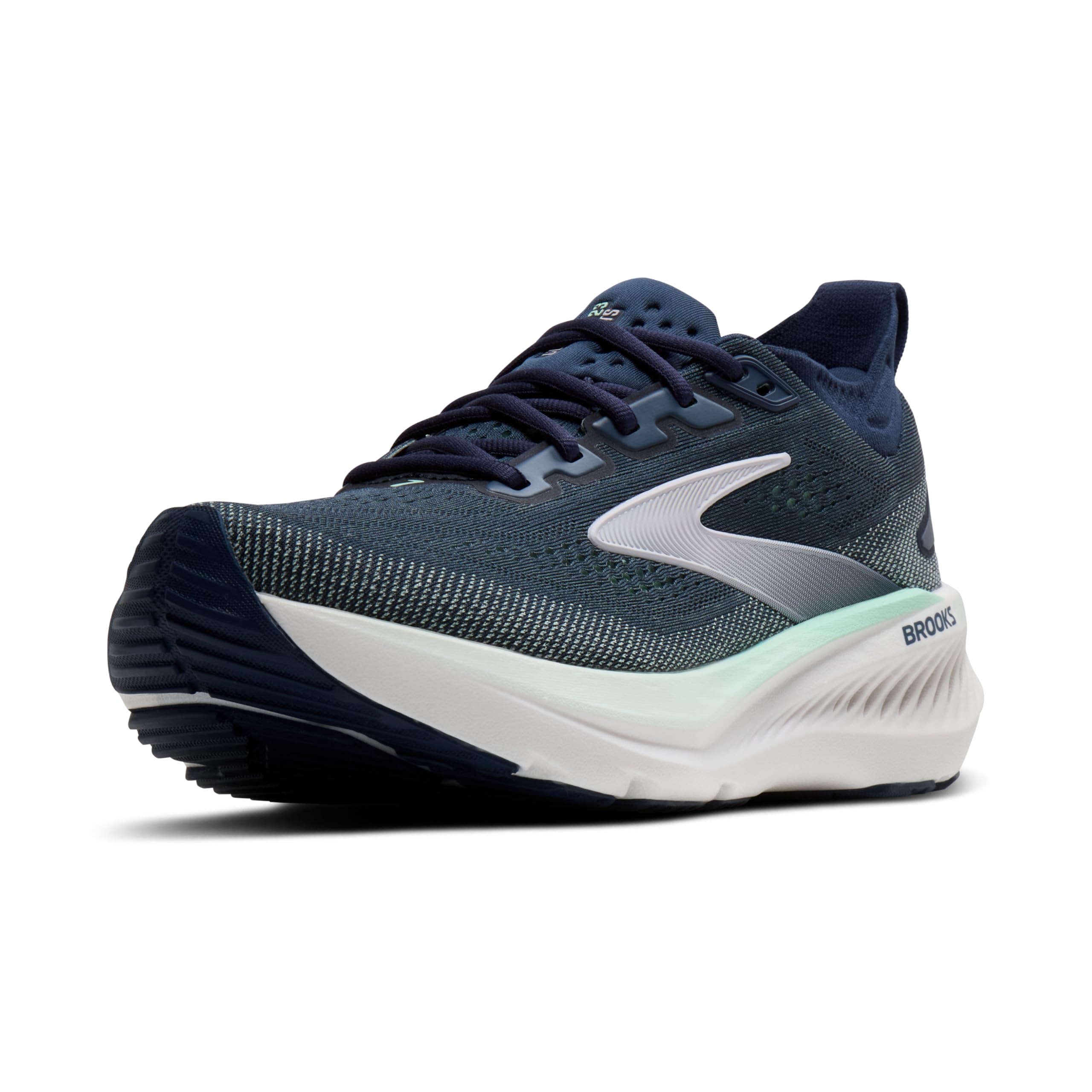
Brooks’ plushiest stability shoe, delivering luxurious soft landings without skimping on support.
This is the “plush” version of Brooks’ stability line. The Glycerin GTS 23 is built for soft, luxurious landings, and the name “Glycerin” is fitting—it feels smooth and buttery underfoot. It uses the same GuideRails support as the Ariel, but with a softer, more flexible feel that many describe as “solid yet non-stiff.” With an 8mm drop (the heel is 8mm higher than the toe), it offers a slightly more natural, lower-profile feel than the Ariel.
Comfort is this shoe’s standout trait. Owners consistently report that their feet don’t ache after long days or runs, and that the right amount of toe space prevents blisters and sore toenails. It’s a favorite among long-distance runners—one owner reports using it for two half marathons with the shoe still intact. The arch support is strong enough to help those with high arches and plantar fasciitis feel more stable, but it doesn’t feel stiff.
The shoe is a joy for daily wear, but it’s not ideal for marathon-length walking sessions. One owner notes that while it’s a 5-star daily shoe, it dropped to 3 stars for long days at theme parks due to toe and heel rubbing after 9,000+ steps. It also runs a bit small for some, so sizing up half a size is a common suggestion. If you want a plush, supportive daily runner that’s also cute, this is a fantastic choice.
The plush all-rounder: If you want a soft, supportive shoe for daily runs and everyday wear, this is a top-tier pick.
The sizing note: Consider going up half a size, and don’t plan on wearing them for 20,000-step walking marathons.
11. HOKA Women’s Gaviota 5 Shoes
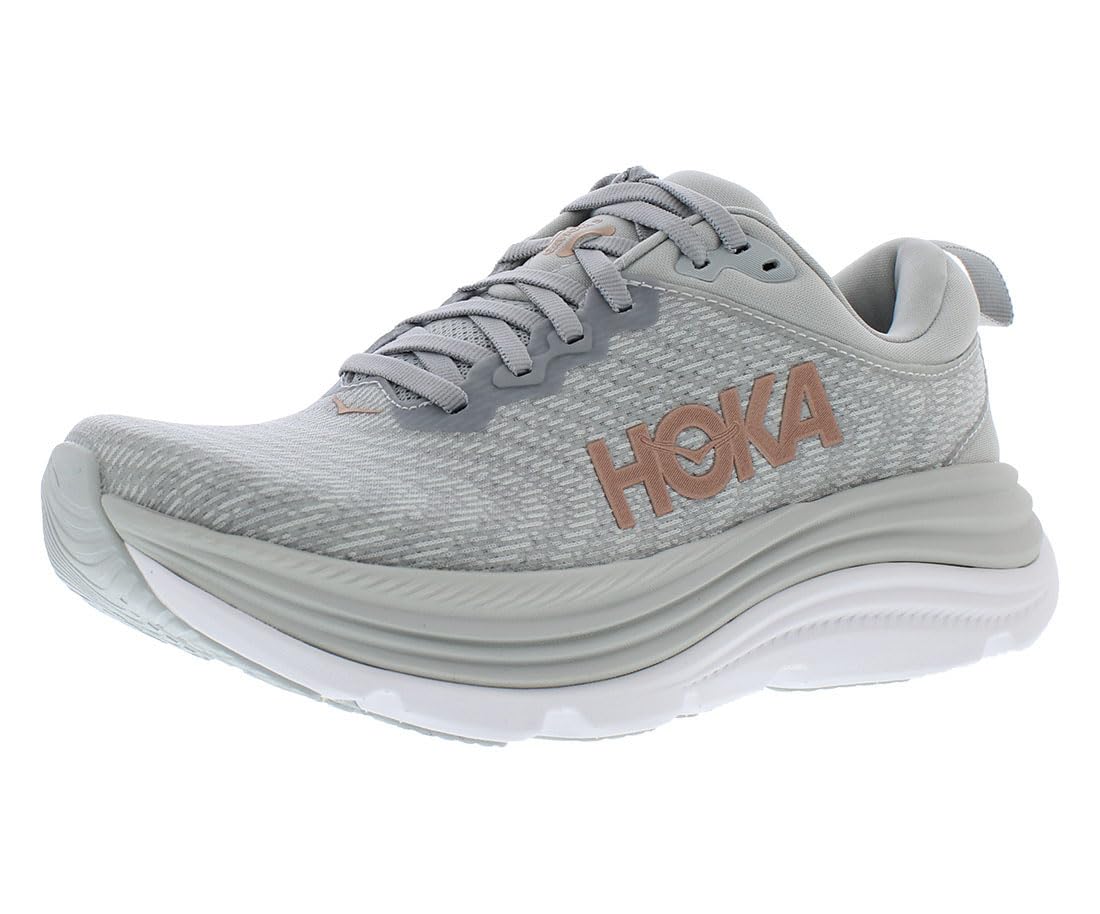
Hoka’s maximum-stability shoe with a wide, rock-solid base for the ultimate secure feel.
This is for those who want the most stability Hoka has to offer. The Gaviota 5 is built on a wide sole platform that provides a very solid, planted feel—ideal for runners and walkers who need extra balance or have flat feet. It’s designed for those who want maximum support and aren’t worried about a light, nimble feel.
The wide sole is the standout feature, providing exceptional balance for seniors or those with balance issues. Owners with flat feet and plantar fasciitis find it comfortable from the first step, with a roomy toe bed that’s “wide enough for your toes, but narrow enough to keep the heel on.” There’s no breaking-in period, and the instant cushioning makes it a favorite for long walks and runs. It’s a high-quality, durable shoe that owners say lasts.
The flip side is that this maximum support comes with a hefty feel and a premium price. Some owners who are used to other Hoka models find the soles “hard” and not as plush as they expected, and there are isolated reports of stitching irritating a bunion. This is a specialized tool: if you need maximum stability and a wide base, it’s excellent; if you want a lighter, more flexible feel, look elsewhere.
The Solid Base
- Wide sole provides excellent balance and stability
- Roomy toe bed that doesn’t cramp toes
- No break-in period with instant comfort
The Premium Trade-Off
- Feels heavy and firm compared to other Hoka models
- Premium price point
The maximum-stability pick: If balance is your priority and you want the most solid, supportive base available, this is for you.
The weight compromise: If you want a light, nimble shoe, this heavy-duty design will feel like a lot.
Understanding the Specs
Support Systems: Medial Post vs. Guide Rails
The support system is what makes a stability shoe stable. A medial post is a firmer, denser piece of foam on the inner side of the midsole that acts as a wall to slow down excessive inward rolling of the foot (overpronation). Guide rails, in contrast, are firmer walls of foam that wrap around the heel and gently nudge your foot back into alignment only when your stride drifts off course. Both are designed to keep your stride balanced, but guide rails often feel less intrusive and allow for a more natural foot motion.
Midsole Drop and Cushioning
Midsole drop is the height difference measured in millimeters between the heel and the toe of the shoe. A higher drop (like 12mm) places more cushioning under the heel, which can feel comfortable for those who land heel-first. A lower drop (like 4mm or 0mm) encourages a more natural midfoot or forefoot strike and tends to be easier on the knees, though it requires more work from your calf muscles. Cushioning level is about how much shock-absorbing foam is in the midsole; more cushioning typically means more comfort on long runs but can add weight and reduce ground feel.
Arch Support and Pronation Control
Arch support refers to the shape and density of the midsole under your arch, designed to support the natural curve of your foot. Good arch support is crucial in a stability shoe because it helps distribute your weight evenly and provides a foundation for your stride. This is directly tied to pronation control—the shoe’s ability to limit excessive inward rolling. By supporting the arch and firming up the medial side of the shoe, stability shoes aim to keep your foot and leg aligned, which can help prevent injuries like shin splints, plantar fasciitis, and knee pain.
Fit: Toe Box and Sizing
Fit is arguably the most important factor in a running shoe, and it goes beyond just the length. The toe box—the part of the shoe that houses your toes—needs to be wide enough to allow your toes to spread naturally and prevent blisters or cramped toes. A roomy toe box is especially important for runners with bunions or wide feet. Sizing also varies significantly between brands, so you may need to go up half a size in one brand and down in another. Pay attention to reviews that mention sizing quirks, as a shoe can be technically perfect but unusable if it doesn’t fit your foot shape.
FAQ
What is the difference between stability and neutral running shoes?
How do I know if I need a stability running shoe?
What does a medial post do in a stability shoe?
Are stability shoes heavier than neutral shoes?
What is a good heel drop for stability shoes?
Will a stability shoe fix my plantar fasciitis?
Do stability shoes come in wide widths?
How long do stability running shoes last?
Can I use stability running shoes for walking?
How should stability running shoes fit?
Final Thoughts: The Verdict
For most runners, the clear winner for women’s stability running shoes is the ASICS GT-1000 13, a crowd favorite that delivers a superb balance of comfort, support, and lightweight feel. If you need maximum support for flat feet and wide sizes, grab the Brooks Ariel GTS 23. And for those who want the plushest, most luxurious stability ride, the Brooks Glycerin GTS 23 is the one to reachfor.
How We Picked
We do not accept paid placement. Every pick is matched to a real buyer and a real use-case; we do not hands-on test units.
Sources & Methodology
Specifications: manufacturer listings and product documentation. Review insights: verified customer reviews, as of August 2026. Pricing: not shown on this page (it changes often); check the current price via the retailer link.
As an Amazon Associate, Calories Fit earns from qualifying purchases. This does not affect which products we feature.