
Our readers keep the lights on and the coffee maker working hard! As an Amazon Associate, I earn from qualifying purchases.
Specs are compiled from manufacturer listings and verified buyer reviews and can change over time — please confirm the key details on the product page before buying.
Cold, wet feet can ruin a whole day of walking, whether you are commuting, hiking a snowy trail, or just shoveling the driveway. The right pair of winter boots keeps you warm, dry, and steady on ice, but picking one from the endless options takes time. This guide breaks down the best women’s winter walking boots by what actually matters: warmth, waterproofing, traction, and fit.
I’m Mohammad — the founder and writer behind Calories Fit. This guide is built by comparing the manufacturers’ published specifications and the patterns across verified customer reviews, so you get each pick’s real strengths and trade-offs instead of marketing spin.
From tall snow boots to slip-on Chelseas, these nine picks cover every winter walking need. Find your next pair of women’s winter walking boots that keep feet warm, dry, and steady on ice.
Our Picks at a Glance
How To Choose The Best Women’s Winter Walking Boots
Winter boots are a durable-goods purchase, so it pays to match the boot to your actual winter. A light commuter boot won’t cut it for a deep-snow hike, and a heavy expedition boot feels like overkill for a short walk to the car. Focus on these four pillars and you will land on the right pair.
Match Insulation to Your Climate
Insulation is measured in grams, and more grams mean more warmth. Boots with 200g of insulation handle most everyday winter wear down to around freezing, while 400g models push into seriously cold territory. If your winters are mild, lighter insulation keeps your feet from sweating; if you face sub-zero stretches, look for the heavier fill and a lining that traps heat.
Waterproofing Beats Water-Resistance
Walking through slush and puddles demands a fully waterproof boot, not just a water-resistant one. Look for an explicit waterproof membrane, sealed seams, and a water-repellent upper. A boot that lets moisture in will leave your socks wet and your toes cold within minutes, regardless of how much insulation it packs.
Traction Is What Keeps You Upright
Ice and packed snow are where good boots earn their keep. A deep, multi-directional tread pattern with aggressive lugs grips better than a smooth sole. Some brands use special cold-weather rubber compounds that stay flexible and grippy in freezing temperatures, which makes a real difference on icy sidewalks and trails.
Get the Fit Right the First Time
Winter boots are often worn with thick wool socks, so sizing gets tricky. Some brands run true to size, others run narrow or small, and a few are designed with a generous toe box for wide feet. Read the sizing notes for each model, and when in doubt, many buyers find that sizing up half a size gives room for those warm socks without your toes feeling pinched.
Quick Comparison
| Model | Best For | Insulation | Waterproof | Shaft Height | Amazon |
|---|---|---|---|---|---|
| SOREL Tivoli V Tall★ Best Overall | Deep snow & style | — | Yes | Tall | Amazon |
| Kamik Momentum 3Best Value | Extreme cold value | HEAT-MX™ | Yes (seam-sealed) | Mid | Amazon |
| Kalkal Rubber BootsMost Versatile | Wet, muddy work | 6mm Neoprene | Yes (100%) | 15 inch | Amazon |
| KEEN Greta | Hiking & shoveling | 200g | Yes | Mid | Amazon |
| KEEN Revel 4 Mid | All-day icy trails | 200g (to -25°F) | Yes (KEEN.DRY) | 3.94 inch | Amazon |
| North Face Thermoball Progressive | Lightweight commutes | ThermoBall | Yes | Mid | Amazon |
| Comfy Moda Legend II | Stylish commutes | Wool lining | Yes (CanDry) | Short | Amazon |
| North Face Chilkat V 400 | Bitter cold & snowshoeing | 400g | Yes | Mid | Amazon |
In‑Depth Reviews
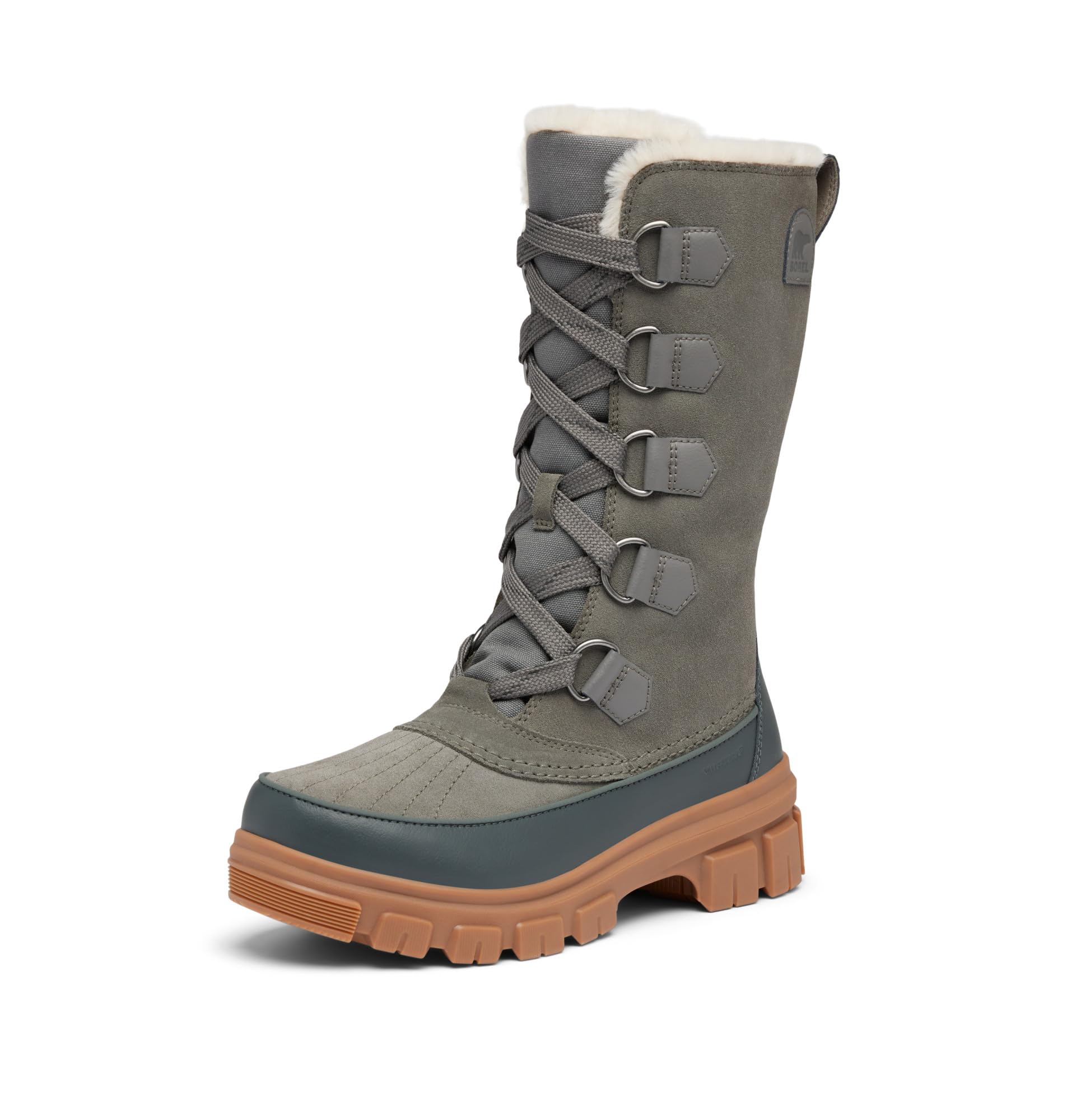
1. SOREL Women’s Tivoli V Tall Waterproof Boot
Our pick — over 4.5★ from 550+ verified ratings; the strongest balance of quality and price.
The tall, dressy snow boot that conquers two feet of powder without looking clunky.
Warmth is what wins people over here, and the numbers back it up: 122 owners single out warmth as the boot’s best trait, with quality close behind at 111. Buyers report wearing these through deep snow and ice while their feet stay dry and warm, and one owner notes they are “not sloppy like other winter boots” — a real compliment for a tall silhouette.
Style is a genuine second act for the Tivoli V. One buyer describes them as dressy enough for dining out, and another says they still look new after a full winter of use — that is the 30 durability mentions talking. The thick laces are a small but telling detail, with owners mention they “don’t freeze in colder temps,” and the boots walk comfortably for hours at a stretch.
The fit runs true to size for most, though a few note the ankle can rub when laced tightly — looser laces or moleskin solves it. For a boot this tall, the weight gets a mixed reaction from 22 owners, so if you prefer an ultralight feel, this is the trade-off to weigh. It stands out as the crowd favorite — 4.7 stars across 500+ owners.
The everyday verdict: a genuinely warm, waterproof, and good-looking boot that handles real winter without sacrificing style. The only real knock is the heavier feel that comes with a tall snow boot.
Reach for these if: you face deep snow and want a boot that transitions from trail to dinner table.
Look elsewhere if: you want the lightest possible feel for long daily miles.
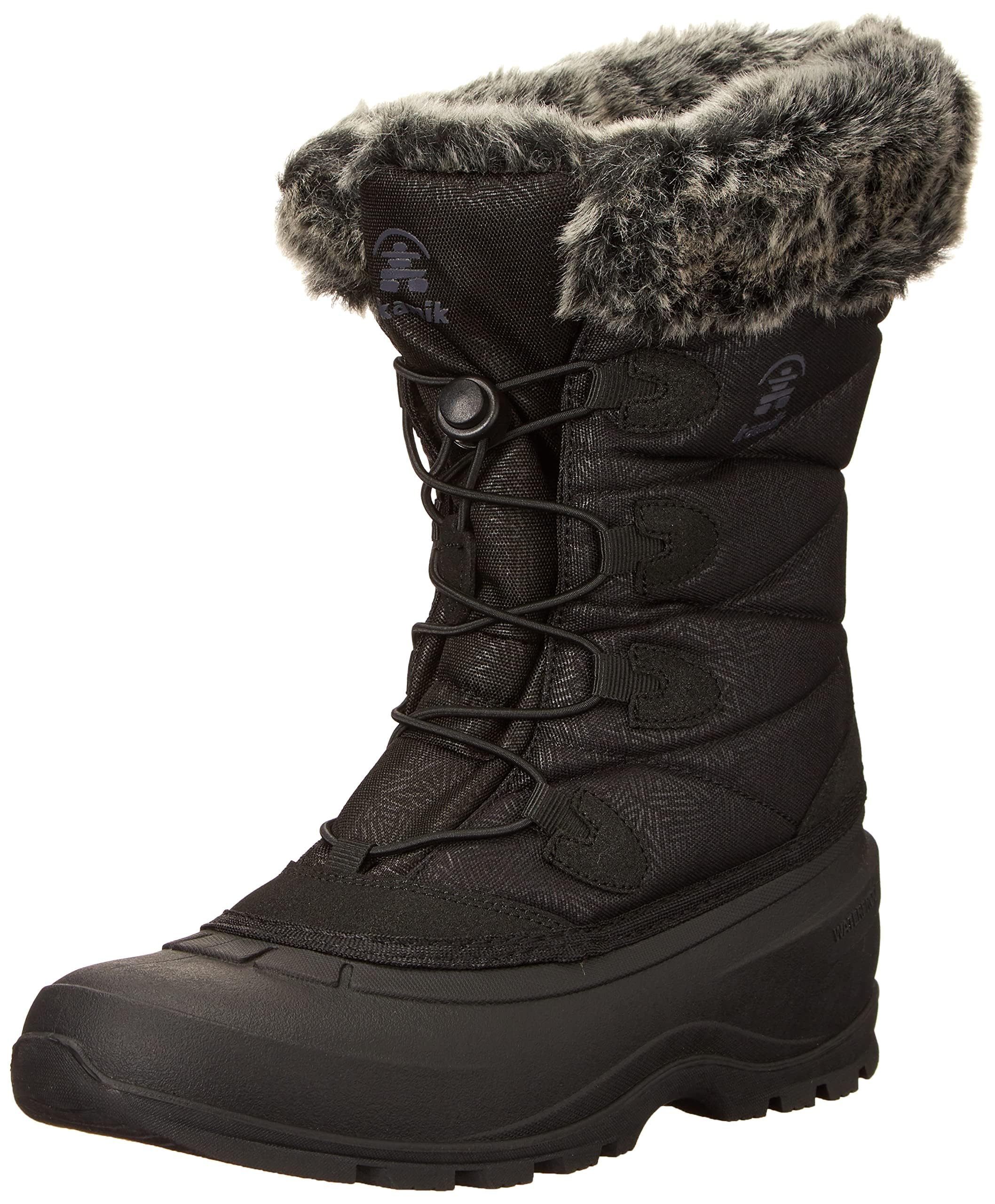
2. Kamik Momentum 3 Insulated Snow Boots
A featherlight snow boot with serious cold-weather credentials that punches far above its price.
The defining spec here is warmth — 121 owners call it out as the highlight, and the HEAT-MX™ technology delivers all-day heat without the bulk of heavier boots. Customers note the fur lining runs all the way to the toes, and the waterproof, seam-sealed construction means tramping through slush and deep snow leaves socks completely dry. One buyer’s story says it all: nine days walking through snowy Lapland with no foot pain, no cold, and no slipping on ice.
You get serious warmth and traction without the high price tag—this boot undercuts the SOREL Tivoli V by a wide margin, yet matches it on cold-weather performance. The elastic laces and drawstring closure let you slip it on and off in seconds, and the fuzzy top collar blocks snow from sneaking in.
Two honest caveats: the ankle runs slightly narrow with thick socks, and one reviewer noted the seam gave out after four months of light use—a durability flag echoed in 26 mixed mentions. If you’re a half-size, size up: a US W9.5 fits best in a size 10 for wiggle room with thick socks. For the price, the warmth-to-weight ratio is tough to top.
What Owners Love
- Excellent warmth with a fur lining to the toes
- Strong traction on ice and snow
- Easy pull-on closure and lightweight feel
Watch Out For
- Ankle can feel snug with thick socks
- Some durability concerns over time
- Minimal arch support for some
Best for: budget-conscious buyers who refuse to freeze and want a boot that disappears on the foot.
Not for: those needing serious arch support or a boot that survives years of hard daily use.
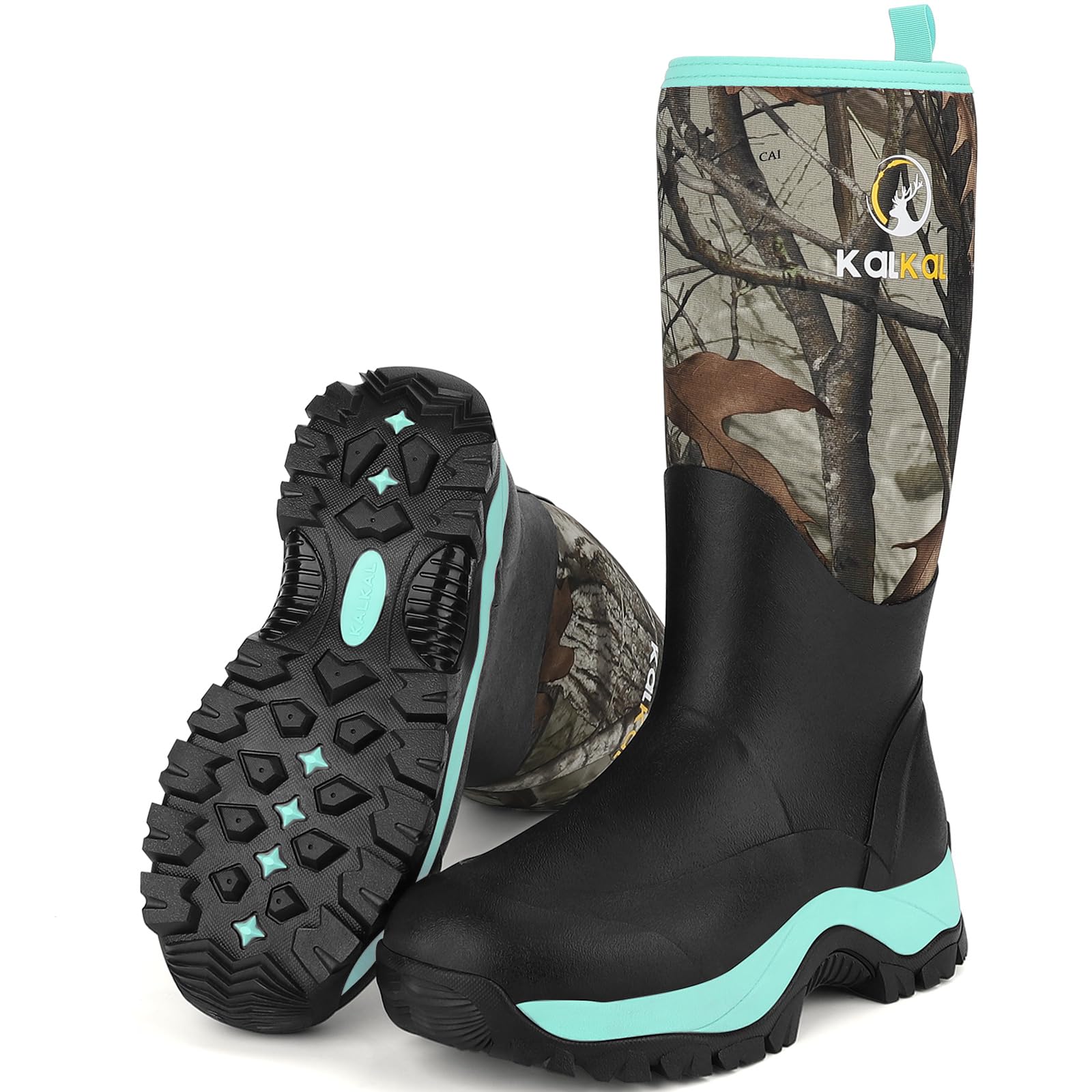
3. Kalkal Insulated Waterproof Rubber Boots
A 15-inch, 6mm neoprene workhorse that shrugs off mud, slime, and freezing water alike.
This is the boot for wet, messy work, not just snowy sidewalks. The 6mm neoprene and rubber build is 100% waterproof, and the 15-inch shaft means you can wade into clamming, farming, or barn chores without a second thought. Reviewers point out the sole is “sturdy” and offers real grip on slimy rocks and seaweed — exactly the kind of traction a slick rubber boot usually lacks.
Owners repeatedly say the insulation keeps feet “toasty warm” and that comfort is there right from the start. One buyer, a size 8, ordered a 9 for thick socks and found it perfect—so the general wisdom is to size up for sock room, or size down if you prefer a snug fit with thin socks. Fit feedback is mixed: some find them true to size, others say they run big.
It undercuts the premium rubber brands by a wide margin while matching their comfort, which is why shoppers say they haven’t bought the expensive names in years. The main trade-off is the tall shaft and the calf fit — a few wish the calf were wider, and the top can flop if the front rubber piece is missing. For the price, this is a workhorse that handles conditions most fashion boots can’t touch.
The honest take: a surprisingly comfortable, fully waterproof work boot that eats up mud and wet ground. Just mind the sizing — order a size up for thick socks or a size down for a trim fit.
Choose this when: your winter involves mud, water, and serious outdoor labor rather than dry city streets.
skip it if: you need a sleek, narrow boot for casual urban wear.
4. KEEN Greta Waterproof Boot
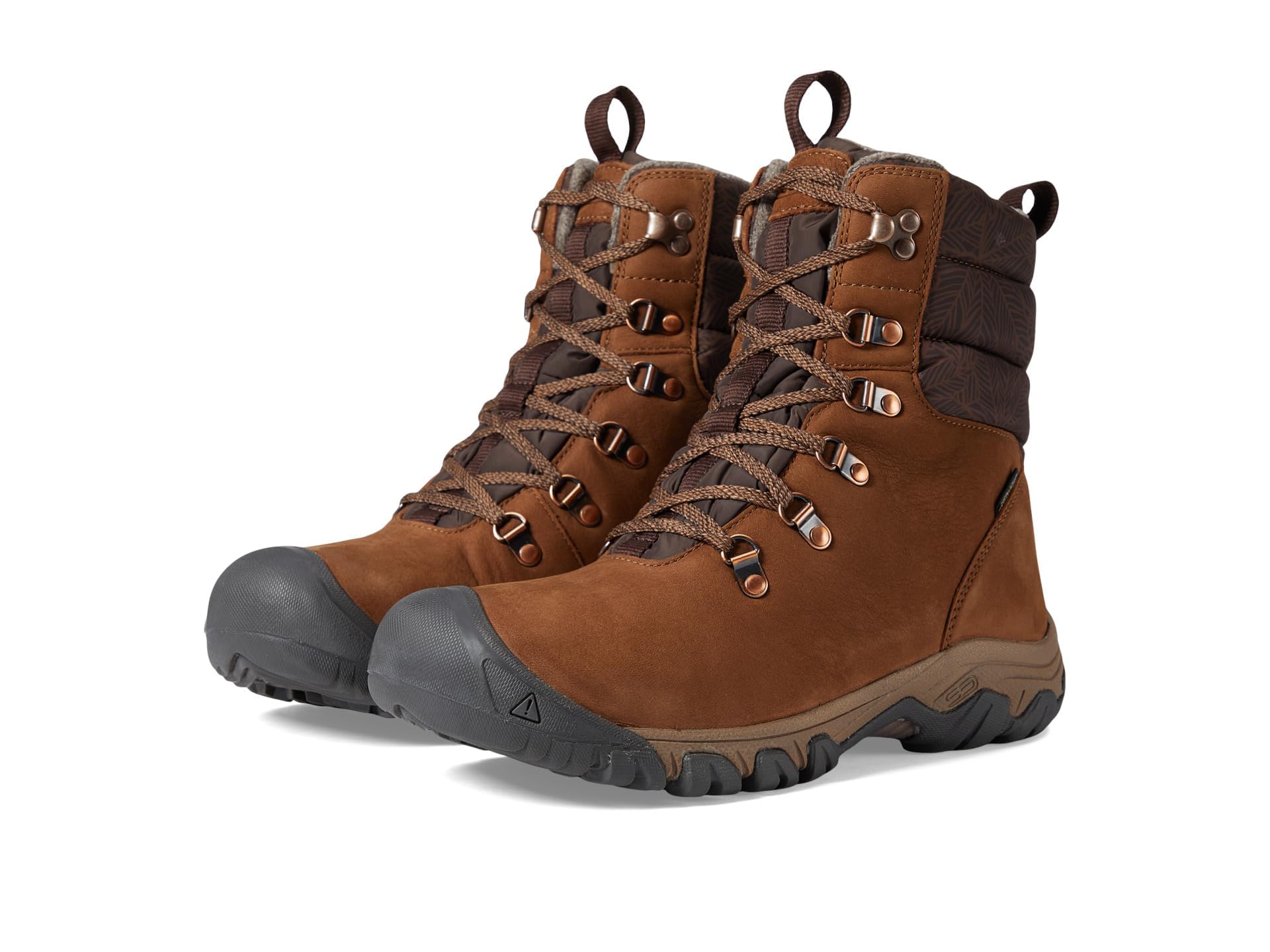
A waterproof leather hiker that turns icy trails and shovel duties into a warm, sure-footed walk.
The standout spec is the 200g of insulation, which pair with a quilted collar and cold-weather traction to make this a true all-rounder. Quality leads the praise here — 43 owners call it out — with comfort right behind at 37. Buyers report the grip is perfect on ice and slippery rocks, and one Iceland hiker says dirt and sand wipe right off for easy cleaning at the end of the day.
This boot is built on KEEN’s traditional wider foot form, which means a roomier toe box that lets your toes spread out. That makes it a strong pick for anyone with wider feet or bunions. One long-time KEEN owner notes the brand’s winter boots have been their go-to for about 15 years, and the Greta works great even with snowshoes strapped on.
The honest caveat is the warmth rating. While it handles most winter walking, one buyer reports feet froze at 30-35°F standing still outdoors, despite the advertised cold-weather rating. That makes it a better fit for active walking and mild-to-average winters than for long stretches of standing in bitter cold. Go with your actual size — ordering up runs big and very stiff before break-in.
The case for it: a comfortable, well-made hiker with a wide toe box and excellent traction. The catch: it falls short of true extreme-cold performance when you are standing still.
Grab these for: snow hiking, shoveling, and everyday winter walks where you stay moving.
Think twice if: you plan to stand outdoors for long stretches in sub-freezing temps.
5. KEEN Women’s Revel 4 Mid Height Polar Insulated Snow Boots

The agility of a light hiker with the warmth of a down jacket, rated to a bone-chilling -25°F.
Fit is the number-one praise here, with 77 owners calling it out—the “Original Fit” gives generous space across the forefoot so your toes can spread out, making it a dream for thick wool socks. Add 200g of KEEN.WARM recycled P.E.T. insulation (a synthetic fill that traps heat) and three layers of heat-trapping materials underfoot, and the boot is rated to -25°F—among the most aggressive cold-weather specs in this lineup.
Traction is where this boot genuinely excels. The KEEN.POLAR TRACTION outsole uses microscopic shards in the rubber to dig into icy, frigid terrain, and owners mention no slipping even on an Angels Landing hike. The 5mm multi-directional lugs and stability shank add to the sure-footed feel, and the notch in the back supports Achilles movement for all-day comfort.
The durability verdict is mixed, with 50 owners splitting on how long these last, though the first pair held up for 3+ seasons for one buyer. Sizing runs snug through the toe box — a couple of owners found it tighter than expected despite the wide-fit promise, so a half-size up may be the safer call for thick socks. This one beats the KEEN Greta’s warmth with a far lower cold rating while keeping a similar light-hiker feel.
Why It Wins
- Rated to -25°F with 200g recycled insulation
- Exceptional grip on ice and snow
- Roomy toe box and quick break-in
The Trade-Offs
- Toe box can feel snug despite the wide fit promise
- Mixed long-term durability reports
- Snug around the foot with mid-weight socks
Perfect for: icy trails, snowshoeing, and those who want serious cold-weather protection without the hefty expedition feel.
Better elsewhere if: you have very wide feet or need a boot for extreme, sustained sub-zero cold.
6. THE NORTH FACE Women’s Thermoball Progressive Zip Up II Snow Boot

A snow boot that feels like wearing sneakers — light, comfy, and zero break-in needed.
The defining experience here is the weight. Customers note it feels like wearing a running shoe, not a winter boot, and the ThermoBall insulation keeps feet warm without the bulk. One New Hampshire owner says it keeps feet warm and dry in the snow, and the zip-up design makes it ridiculously easy to get on and off — no laces to fight with cold fingers.
This is the boot for the commuter who wants winter protection without the clunky snow-boot look. Owners describe it as “cute” and say it looks like a sneaker, which makes it a more versatile everyday option than a tall insulated boot. The fit is true to size with a narrow profile that still offers an ample toe box.
The main issues are fit-related. The boot runs narrow — one buyer couldn’t even get their foot in, and another needed a half-size up that doesn’t exist since these come in whole sizes only. The zippers can also stiffen after a week of use, which may be a challenge for anyone with limited bending mobility. If you have wide feet, this one is a gamble; for narrow-to-average feet, it is a featherweight winner.
The quick read: a genuinely lightweight, easy-on winter boot that nails the sneaker-like feel. The catch is the narrow fit — wide-footed buyers should look elsewhere.
Best suited to: daily commuters and walkers who hate heavy boots and want easy on-off access.
Pass on it if: you have wide feet or want half-size adjustability.
7. Comfy Moda Women’s Waterproof Leather Wool Lined Chelsea Winter Boots Legend II
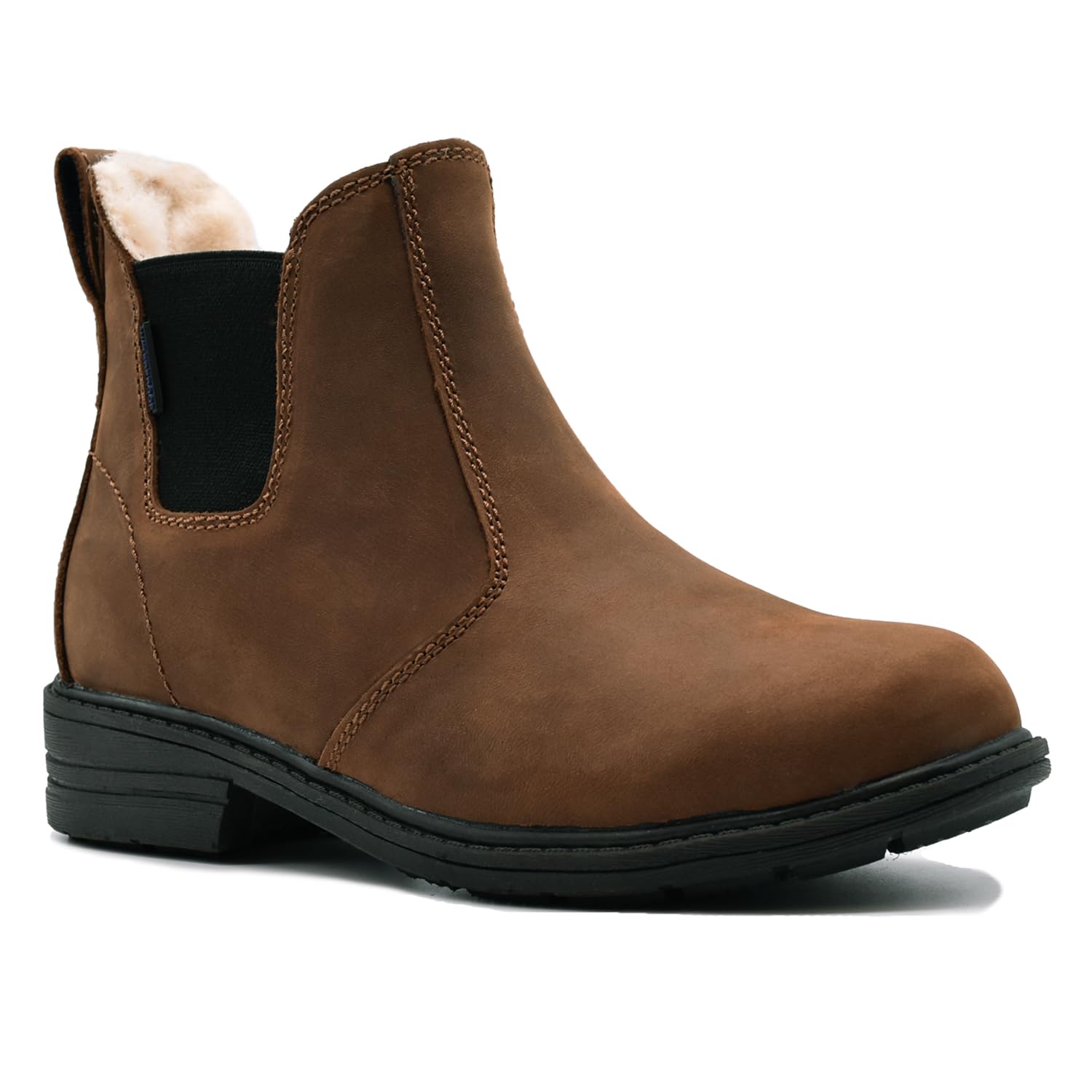
A wool-lined Chelsea that brings warm, waterproof style to commutes, dog walks, and city errands.
Comfort is the headline here, with 42 owners calling it out, and the full wool lining is the reason. Buyers report no irritating rubbing around the ankles and describe the inside as soft and warm — one owner even says the wool lining is superior to Uggs. The WarmEx insole system layers a soft wool top over memory foam and shock-absorbing support for all-day comfort.
This is the pick for the buyer who wants winter protection without sacrificing style. The classic Chelsea silhouette slips on easily with elastic side panels and a rear pull tab, and CanDry Waterproof Technology keeps moisture out while water beads right off the leather. Owners mention these handle Montana and Minnesota winters, and the antique brown color ages well.
The honest trade-offs are traction and fit. One buyer warns there is “NO traction in the snow” and you will slip on snow or slush, which is a real concern for icy walks. The toe box can feel boxy and snug for some, and a few find the tops dig into their ankles before break-in. If your winter is more slushy sidewalks than icy trails, and style matters, this is a strong pick.
The Highlights
- Soft, warm wool lining with memory foam support
- Easy slip-on Chelsea style with waterproof leather
- Versatile enough for work, walks, and travel
The Drawbacks
- Weak traction on snow and ice
- Boxy toe can feel snug for some
- Mixed durability reports over time
Go for this if: you want a stylish, warm, and easy slip-on boot for urban commutes and casual winter wear.
Avoid it if: you regularly walk on icy or snowy terrain and need serious grip.
8. THE NORTH FACE Women’s Chilkat V 400 Waterproof Snow Boot

A 400g-insulated fortress that keeps toes warm on glaciers, snowshoe treks, and mail routes.
Warmth leads by a wide margin here — 83 owners single it out — and the 400g of premium insulation is the spec that makes it happen. This is the warmest boot in this entire lineup, built for snowshoeing, glacier walks, and the kind of bitter cold that makes lesser boots useless. Customers note no slipping on glacier, snow, or ice, and toes stay warm even on long walks.
The proof is in the longevity stories. One owner has worn these for 5 years in the Rocky Mountains with the soles intact and no shredding inside, surviving hikes, dog walks, work, and snowshoes. Another, a mail carrier logging 8-12 hour days in snow and ice, says they are warm, waterproof, and sturdy — with the size-up recommendation to fit two thick socks.
The trade-offs are weight and sizing. This is a bulky, heavy boot — 24 owners flag the weight as a downside — so it is not for light daily commutes. Sizing is notoriously tricky, with 45 owners noting it runs small and narrow; the consistent advice is to size up, sometimes a full size, for thick socks and a comfortable fit. If you want the warmest boot here and don’t mind the heft, this is the one.
The bottom line: class-leading warmth and durability for extreme cold, but it demands a size-up and accepts its own bulk. A serious tool for serious winter—if you face -25°F conditions, this is the one to grab.
Choose this for: sustained bitter cold, snowshoeing, and long days standing in snow where warmth trumps weight.
Pass if: you want a light, agile boot for short city walks.
Understanding the Specs
Insulation Weight (grams)
Insulation is rated in grams, and it is the single clearest warmth indicator on a winter boot. A 200g boot handles most everyday winter wear and keeps you warm around freezing, while a 400g boot is built for bitter cold and long periods outdoors. More grams also mean more bulk, so match the fill to your climate — heavy insulation in a mild winter just makes your feet sweaty.
Waterproof Membranes
A true waterproof boot uses a membrane or seam-sealed construction to keep moisture out, not just a water-repellent coating. Look for terms like “waterproof membrane” or “seam-sealed” — these mean the boot keeps feet dry in slush and puddles, not just light rain. A boot that only resists water will eventually let wetness through during a long walk in the snow.
Cold-Weather Traction
Ice is where winter boots live or die. Aggressive multi-directional lugs dig into snow, while special cold-weather rubber compounds stay flexible and grippy in freezing temperatures — regular rubber hardens and loses grip. Brands like KEEN use dedicated polar-traction outsoles with microscopic shards that bite into ice, which is a meaningful difference on slippery sidewalks and trails.
Rise and Shaft Height
The shaft height determines how much snow stays out and how much ankle support you get. Tall boots, around 15 inches, are for deep snow and wet work. Mid-height boots balance warmth and mobility for everyday winter walking. Short boots and Chelseas prioritize style and easy on-off but let snow in more easily — a real trade-off to weigh for your main use.
FAQ
How much insulation do I need for winter walking boots?
Should I size up in winter boots to wear thick socks?
What is the difference between waterproof and water-resistant boots?
How do I get better traction on icy sidewalks?
Are tall snow boots better than short Chelsea boots for winter?
What is the warmest boot in this list?
Can I use winter walking boots for hiking?
How do I make winter boots last longer?
What should I do if the boot runs narrow or tight?
Final Thoughts: The Verdict
If you want one dependable pick, the women’s winter walking boots winner is the SOREL Tivoli V Tall because it pairs the top warmth and quality praise with a true-to-size fit and a style that works beyond the trail. If you want the best cold-weather value, grab the Kamik Momentum 3 — it delivers serious warmth and traction at a fraction of the premium price. And for brutal sub-zero conditions, the North Face Chilkat V 400 is the one to reach for, as long as you accept the bulk and order a size up.
How We Picked
We do not accept paid placement. Every pick is matched to a real buyer and a real use-case; we do not hands-on test units.
Sources & Methodology
Specifications: manufacturer listings and product documentation. Review insights: verified customer reviews, as of August 2026. Pricing: not shown on this page (it changes often); check the current price via the retailer link.
As an Amazon Associate, Calories Fit earns from qualifying purchases. This does not affect which products we feature.