
Our readers keep the lights on and the coffee maker working hard! As an Amazon Associate, I earn from qualifying purchases.
Specs are compiled from manufacturer listings and verified buyer reviews and can change over time — please confirm the key details on the product page before buying.
Finding a running shoe when your arches are flat or your feet roll inward (overpronate, meaning your ankle rolls too much as you step) is a different game. You are not just looking for cushioning — you need guided stability that keeps your stride aligned mile after mile. The wrong shoe can turn a good run into knee, hip, or foot pain. This guide cuts through the noise and lines up the women’s running trainers for flat feet that actually deliver the right blend of support, comfort, and durability.
I’m Mohammad — the founder and writer behind Calories Fit. This guide is built by comparing the manufacturers’ published specifications and the patterns across verified customer reviews, so you get each pick’s real strengths and trade-offs instead of marketing spin.
Whether your flat feet need a plush ride for daily miles or a firm, guiding platform for race day, this breakdown of the best women’s running trainers for flat feet will help you lace up with confidence.
Our Picks at a Glance

How To Choose The Best Women’s Running Trainers for Flat Feet
Flat feet lack a natural arch, which often leads to overpronation — your ankle rolls inward too much as you step. Stability shoes are built with firmer medial posts (denser foam on the inner side) or guidance systems to slow that roll and keep your foot in a better line. Look for a shoe described as “stability” or “supportive” rather than “neutral.”
Arch Support and Midsole Guidance
The most effective trainers for flat feet have a built-in structure — a denser foam on the inner side or a plastic frame — that braces your arch. Brands like Brooks call it GuideRails (a pair of firm rails on the heel), ASICS uses a 3D Guidance System or Space Construction (denser foam on the inner edge), and Hoka uses its patented J-Frame (a dense foam wrap around the heel and inner side). These features prevent your foot from collapsing inward on every step.
Cushioning Level and Heel-to-Toe Drop
Too much soft cushion can destabilize a flat foot. Mid-range cushioning that balances softness and response is often better. The drop (the difference in height between the heel and the toe) usually sits around 8-12mm for stability shoes — that slight heel lift helps shift your weight forward and encourages a smoother gait.
Quick Comparison
| Model | Best For | Weight | Drop | Stability Type | Amazon |
|---|---|---|---|---|---|
| Brooks Adrenaline GTS 23★ Best Overall | Reliable everyday stability | 9.1 oz / 258.0g | 12mm | GuideRails | Amazon |
| ASICS GT-1000 14Budget Champion | Budget-friendly entry stability | 1.44 lb | — | 3D Guidance System | Amazon |
| Saucony Guide 19Maximum Cushion | Plush everyday protection | — | — | Maximum cushion + support | Amazon |
| ASICS Gel Kayano Lite 2 | Sustainable stability and comfort | 3.0 lb | — | 3D Space Construction | Amazon |
| Saucony Hurricane 24 | Maximum cushion overpronation | 1.88 lb | — | Max stability platform | Amazon |
| ALTRA Paradigm 8 | Zero-drop with guidance | 8.6 oz (women’s) | 0mm | GuideRail | Amazon |
| New Balance 860v15 | Durable long-haul stability | 2.1 lb | — | Stability Plane | Amazon |
| Hoka Arahi 7 | Streamlined Hoka stability | 3.0 lb | — | J-Frame | Amazon |
In‑Depth Reviews
1. Brooks Women’s Adrenaline GTS 23 Supportive Running Shoe
Our pick — 4.5★ from 8,500+ verified ratings; the strongest balance of quality and price.
The gold standard for stability that earns its reputation one pain-free mile at a time.
What wins people over here is the sheer breadth of positive experience. Over a thousand buyers specifically mention comfort, and the consensus is that the Brooks Adrenaline GTS 23 works — it is the crowd favorite for a reason. Its GuideRails system (a pair of firm rails on the heel that keep your foot tracking straight) delivers support without jamming a hard post under your arch. The result is a smooth, supported ride whether you are on a morning run or a 12-hour nursing shift. Buyers report a “nurse can stand 12 hours comfortably,” and that level of all-day relief is tough to top. The 12mm drop encourages a natural forward lean, while the 9.1-ounce (258.0g) weight keeps it light enough for daily training without feeling bulky.
Durability gets a mixed verdict from owners — some find the cushion flattens around the six-month mark — which is a reality for any high-mileage shoe. But the overwhelming feedback points to a shoe that fits well right from the start, especially for women with wide feet who appreciate the generous toe box. The APMA (American Podiatric Medical Association) seal of acceptance reinforces that this is a shoe built with foot health in mind. It also carries the PDAC A5500 diabetic shoe certification, adding a layer of reassurance for those with specific needs.
Stability workhorse
- Exceptional GuideRails support that stabilizes without feeling stiff
- Wide toe box with a ‘true to size’ fit that works for wider feet
- Breathable, perforated upper keeps feet cool
- Immediate comfort with zero break-in period
Firm ride feel
- Midsole cushion can flatten before the outsole wears out
- Narrow laces and small eyelets can be tricky to tighten
Best for overpronators: The first shoe to try if you are new to stability trainers or if you need a proven, do-it-all shoe for running, walking, and standing all day.
Not for neutral runners: You log heavy weekly mileage and need a shoe that holds its bounce past six months — you might burn through the cushion faster than expected.
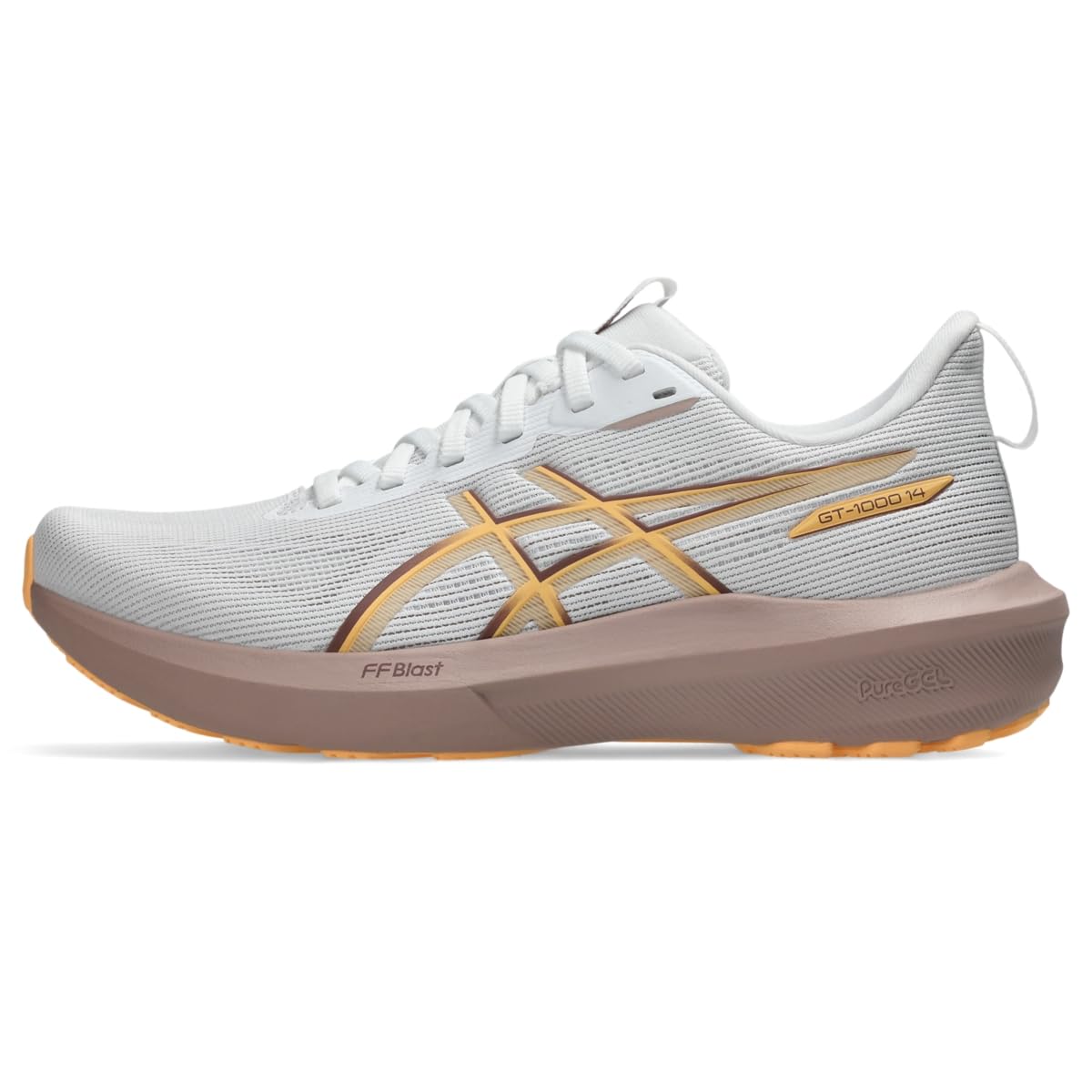
2. ASICS Women’s GT-1000 14 Running Shoes
A lightweight, wallet-friendly entry into ASICS stability that pulls surprising weight for the price.
Do not let the price tag fool you — the ASICS GT-1000 14 packs the essential features of its pricier siblings into a package that feels light on the foot. It weighs just 1.44 pounds, which is significantly lighter than the bulkier Gel Kayano Lite 2 at 3 pounds — a 2.1x weight difference you feel on your feet. It also occupies less space (its dimensions are 12.44 x 6.3 x 4.75 inches compared to the Kayano’s 14 x 9 x 5 inches), so it slips into a gym bag much easier. The updated FF BLAST midsole (the cushioning foam under your foot) delivers a cloud-like feel that buyers describe as “like walking on a cloud,” with an energized bounce that does not weigh you down. The 3D Guidance System (denser foam on the inner edge) is the key tech here — it boosts stability along the entire stride without feeling intrusive. For a flat-footed runner on a budget, this is the value king.
The fit is consistently described as true to size, with a particular nod toward women with narrow feet. The recurring love note in the reviews is durability — owners mention ASICS “have always been durable for at least 2 years,” which is a strong statement for any trainer. The synthetic rubber outsole is built to handle pavement and everyday miles. On the downside, the sole extends width-wise around the heel more than some prefer, and one reviewer noted it took a short break-in period. But for the price, the blend of stability, cushion, and longevity is hard to match.
Value pick: Grab this if you want full stability features at a fraction of the cost of premium models — especially if you have narrow feet and value a long-lasting shoe.
Lacks premium feel: You need a very plush, max-cushion ride or you have wide feet that need extra room in the toe box.
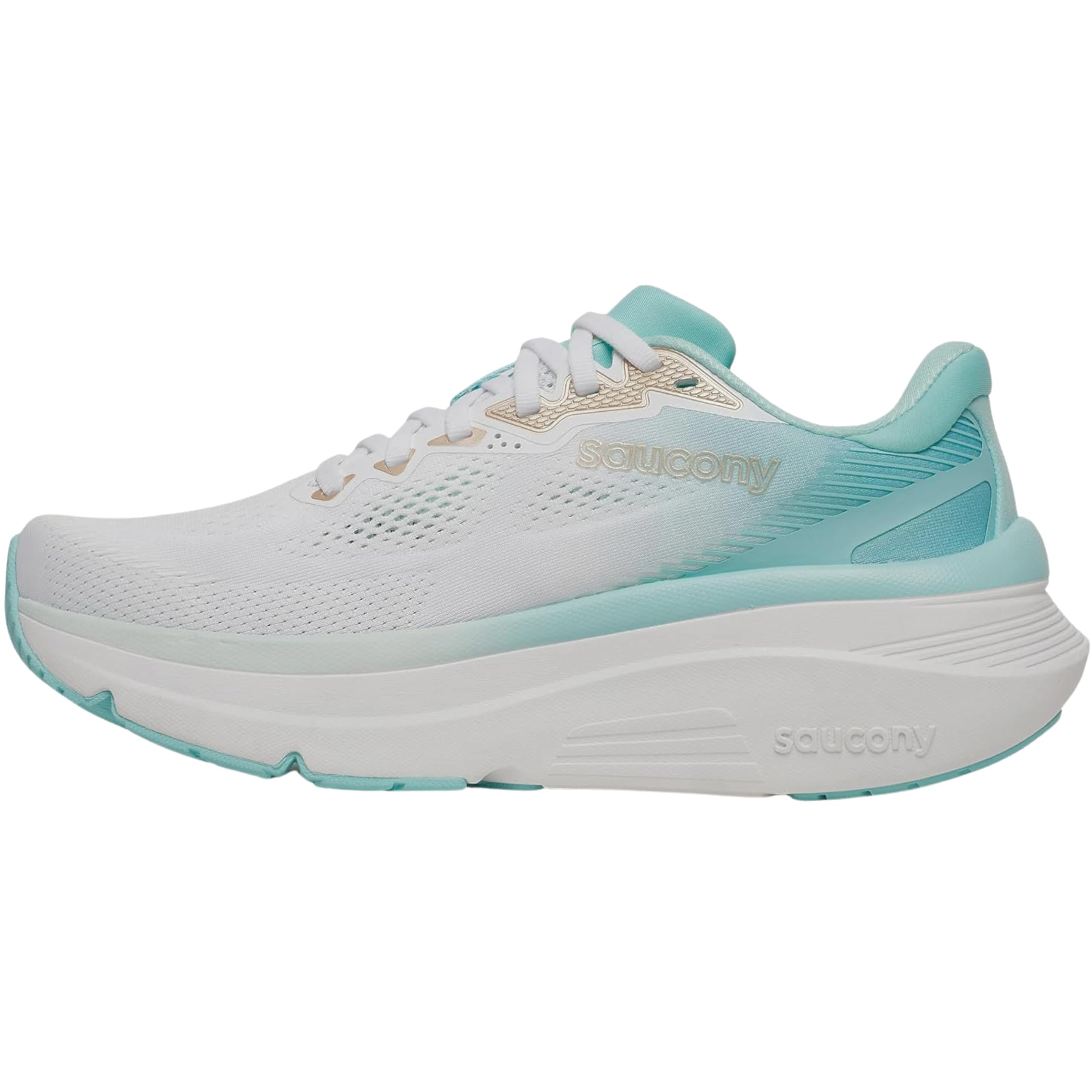
3. Saucony Women’s Guide 19 Sneaker
The Guide 19 wraps your foot in a marshmallow-soft ride that still refuses to let your ankle roll.
Saucony has engineered the Saucony Guide 19 for “maximum cushioning and protection,” and it shows. The blend of PWRRUN foam (the midsole material that absorbs impact) is softer than previous versions, delivering a plush landing that feels almost indulgent. But this is not a soft shoe that sacrifices stability — owners consistently praise the support, with one noting they “don’t fear their ankle rolling.” The enhanced forefoot flexibility adds a natural, rolling stride that feels less rigid than traditional stability shoes. The toe box is described as “very roomy,” which is a welcome detail for flat-footed runners whose toes splay naturally, though some find it runs “extremely small in length,” so sizing up may be smart.
The quality and comfort lead the conversation among owners, with many calling them “the most comfortable shoes ever.” It is an excellent choice for post-surgery recovery or anyone who needs a forgiving, high-cushion platform. The mid-range price point places it as a premium but accessible buy. The main caution from the community is the oversized toe box — some found it too wide and described it as “clown shoes.” This is a shoe that rewards a test-wear, but if the silhouette works for your foot shape, the cushioned support is a genuine standout.
Speed-oriented: Pick the Guide 19 if you crave a pillowy step-in feel but still need reliable stability to prevent ankle roll.
Tight fit: You have narrow feet or prefer a snug, performance-oriented fit — the roomy toe box may feel sloppy.
4. Hoka ONE ONE Womens Arahi 7
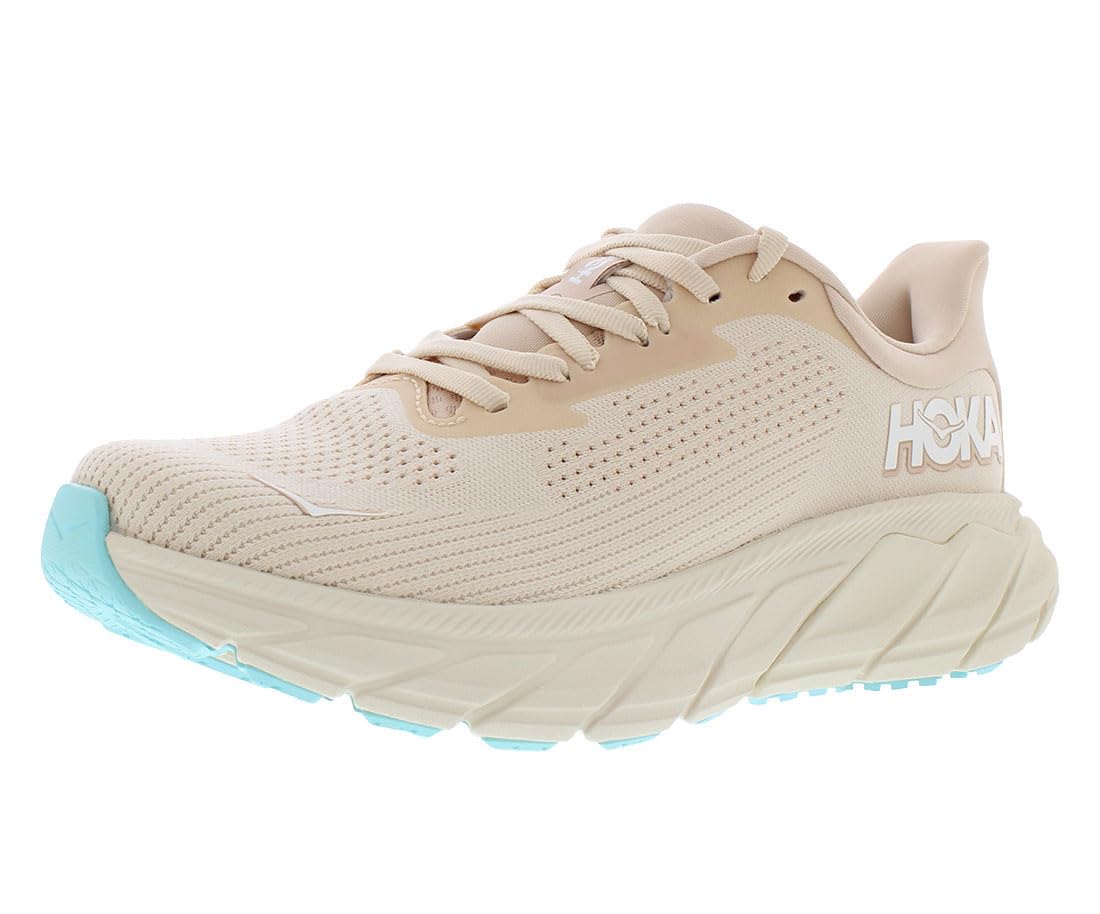
Hoka’s answer to stability is a clever J-Frame that supports without the heavy-handed feel of a traditional post.
The Hoka Arahi 7 uses Hoka’s patented J-Frame technology — a dense foam support that wraps around the heel and extends along the medial (inner) side to guide the foot, rather than just block it. The result is a streamlined ride that feels closer to a neutral shoe than a traditional stability tank. Over a hundred buyers specifically mention comfort, and the consensus is clear: the Arahi delivers where it counts. It is a favorite among teachers and anyone on their feet all day, with one owner noting the shoe “significantly reduced pain” for a posterior tibial tendon injury — a common complaint for flat-footed wearers. The flat knit upper improves midfoot lockdown, and the stretchy dual gusset under the lace line helps prevent tongue migration.
Fit is the main point of debate. While many find it true to size, a significant number of buyers mention the toebox runs too narrow, which can be a dealbreaker for wider flat feet. The inner heel has also been reported to rub off after about six months for some owners. But for those who can get the right fit, the Arahi 7 is a premium, lightweight stability shoe that manages to be both comfortable and supportive without the bulk. It holds a strong rating from nearly 800 owners, making it a well-vetted choice.
Maximum comfort: Runners and standers who want Hoka’s signature cushioned ride but need extra guidance to correct overpronation.
Less ground feel: The snug toe box — if you have wide feet or a high-volume forefoot, you may need to size up or look for a wide-width option.
5. Saucony Women’s Hurricane 24 Sneaker
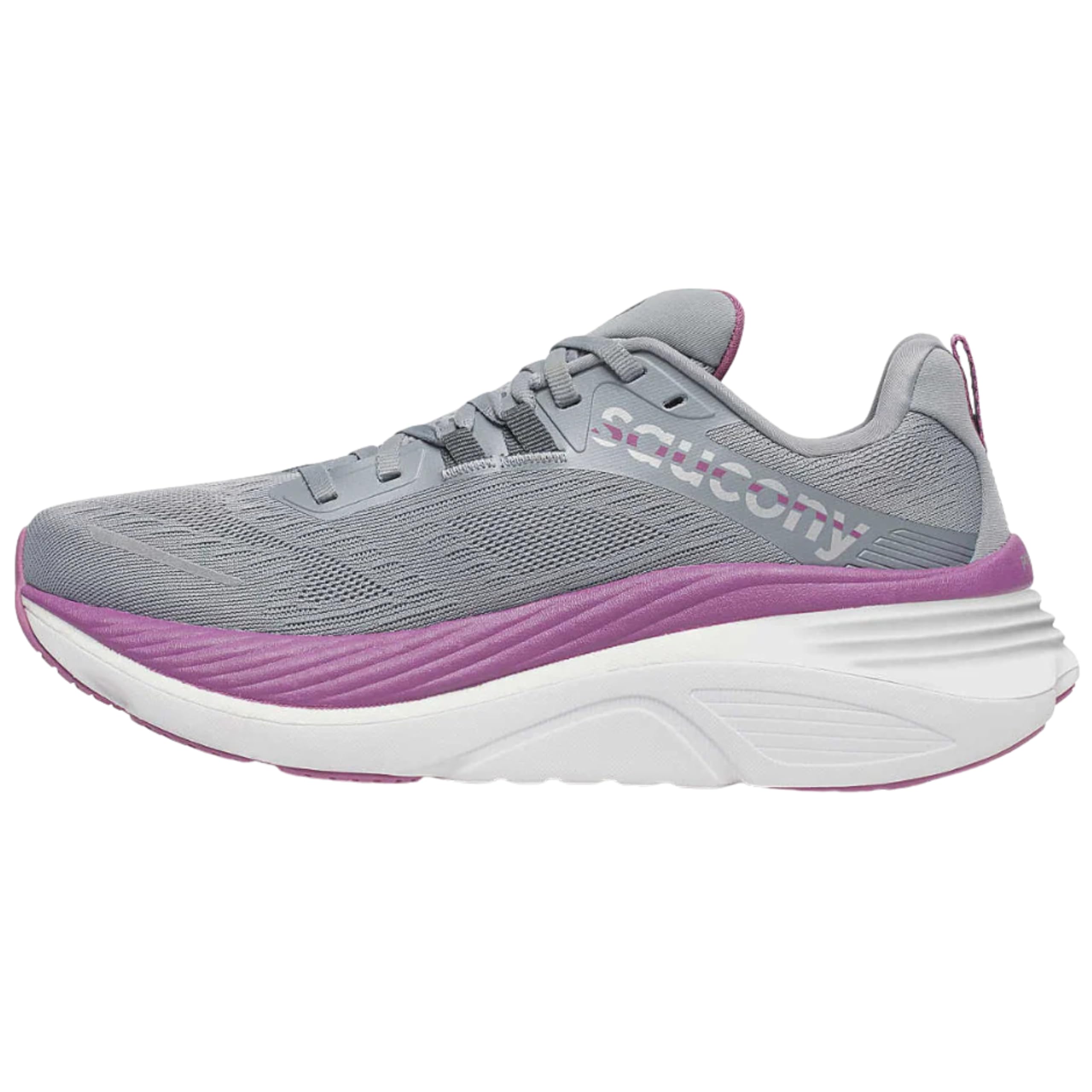
The Hurricane 24 is Saucony’s most premium stability cruiser, built for long runs and long days on your feet.
This is the shoe you reach for when you want the most cushioning Saucony offers without sacrificing a stable, guided ride. The platform is wide and chunky, which gives it a planted feel that flat-footed runners will appreciate. Over 40 buyers specifically praise the arch support, noting it “prevents foot and leg fatigue.” The cushion is described as “walking on clouds” — a squishy but surprisingly stable experience, thanks to the aggressive toe rocker that helps propel your stride forward. The narrow heel and wide platform create a secure fit at the back with plenty of room up front, ideal for injury recovery or long-distance miles.
The main trade-off is weight. At 1.88 pounds, the Saucony Hurricane 24 is noticeably heavier than lighter trainers like the ASICS GT-2000 14 (8.5 oz), and some runners found it caused leg fatigue after a mile. The shoelaces are also notably short, which is a small but persistent complaint. The fabric quality has also been questioned by some owners, with reports of the mesh staining easily and a reflective strip detaching. But for those who prioritize comfort and stability above all else, the Hurricane 24 is a top-tier choice that performs exceptionally well for walking and everyday wear, and it resolved hammer toe and tendon pain for at least one owner.
Severe overpronation: Walkers and distance runners who need maximum arch support and are willing to trade some speed for a plush, stable platform.
Too bulky: You want a light, fast feel for tempo runs or racing — the weight will hold you back.
6. ASICS Women’s Gel Kayano Lite 2 Shoes
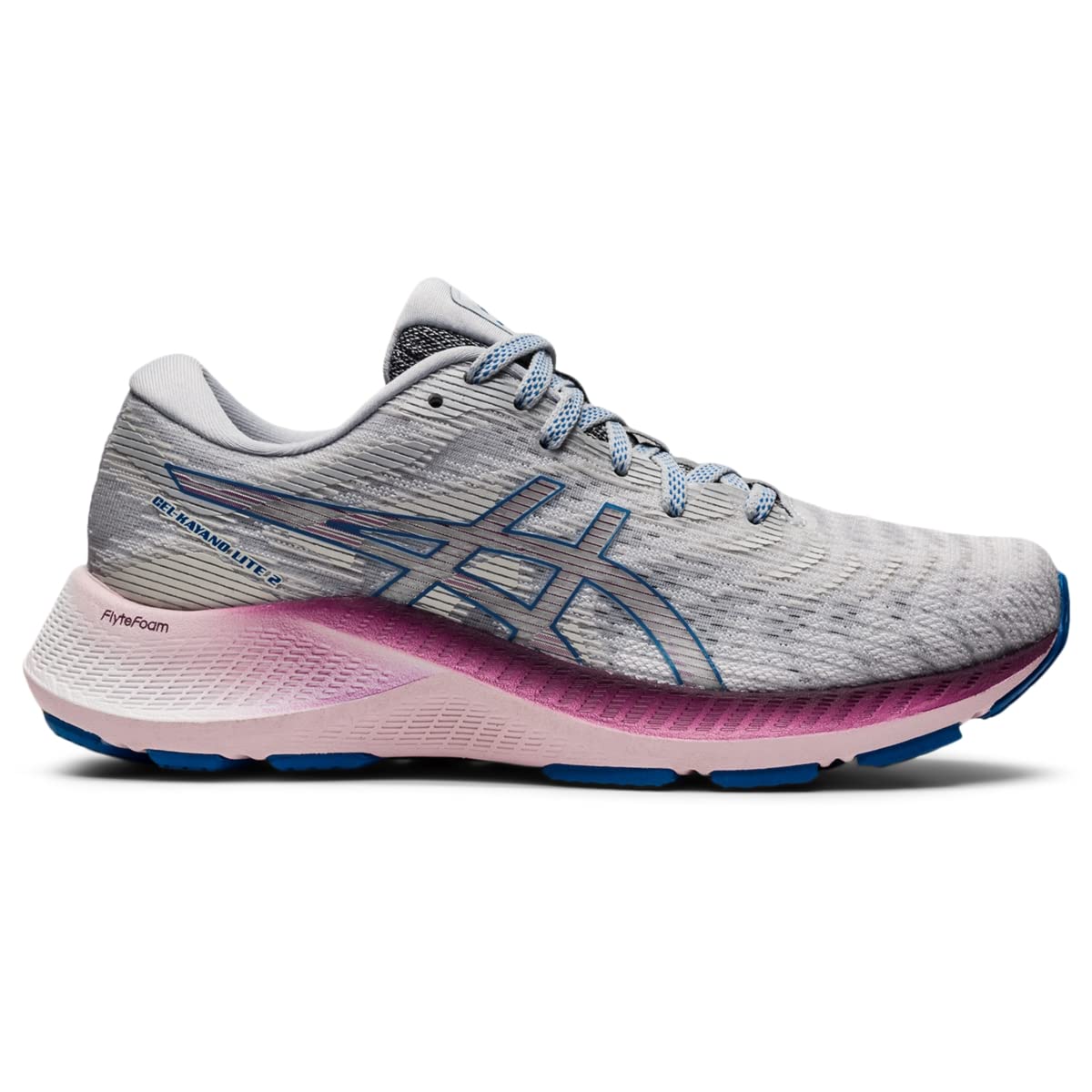
The Kayano Lite 2 lightens the environmental load without skimping on the arch cradling support flat feet need.
This is the sustainable choice in the stability category. The engineered mesh upper uses a higher percentage of recycled materials than the previous version, and the FLYTEFOAM cushioning is made from organically derived materials. It weighs 3 pounds and has dimensions of 14 x 9 x 5 inches — that is 2.1x heavier and 13% more voluminous in every dimension than the ASICS GT-1000 14, making it feel more substantial underfoot. The 3D Space Construction (denser foam on the inner edge) is specifically designed to address overpronation, and buyers confirm it improves plantar fasciitis pain (heel and arch pain) and cradles the heel with stability. The fit is described as “glove-like,” and plenty of toe room allows for natural splay.
But the sustainability and comfort come with some notable downsides. The most critical feedback comes from flat-footed owners who found the sole “very soft” and lacking the rigid support needed to stabilize a collapsing arch. As one put it, the shoe feels like “balancing on memory foam,” with feet getting tired after just 30 minutes. Durability is also a clear weak point — a tear at the crease after 1.5 months of daily wear is a documented issue. This is a shoe that divides opinion more than most on this list. It works beautifully for some (especially those with milder stability needs), but falls short for others who need maximum guidance.
Mild pronation: Runners who prioritize eco-friendly materials and need moderate arch support with a soft, pillowy step.
Not for heavy runners: Anyone with severe overpronation who needs a firm, structured medial post — the soft sole may not provide enough resistance.
7. ALTRA Women’s Paradigm 8 Road Running Shoe
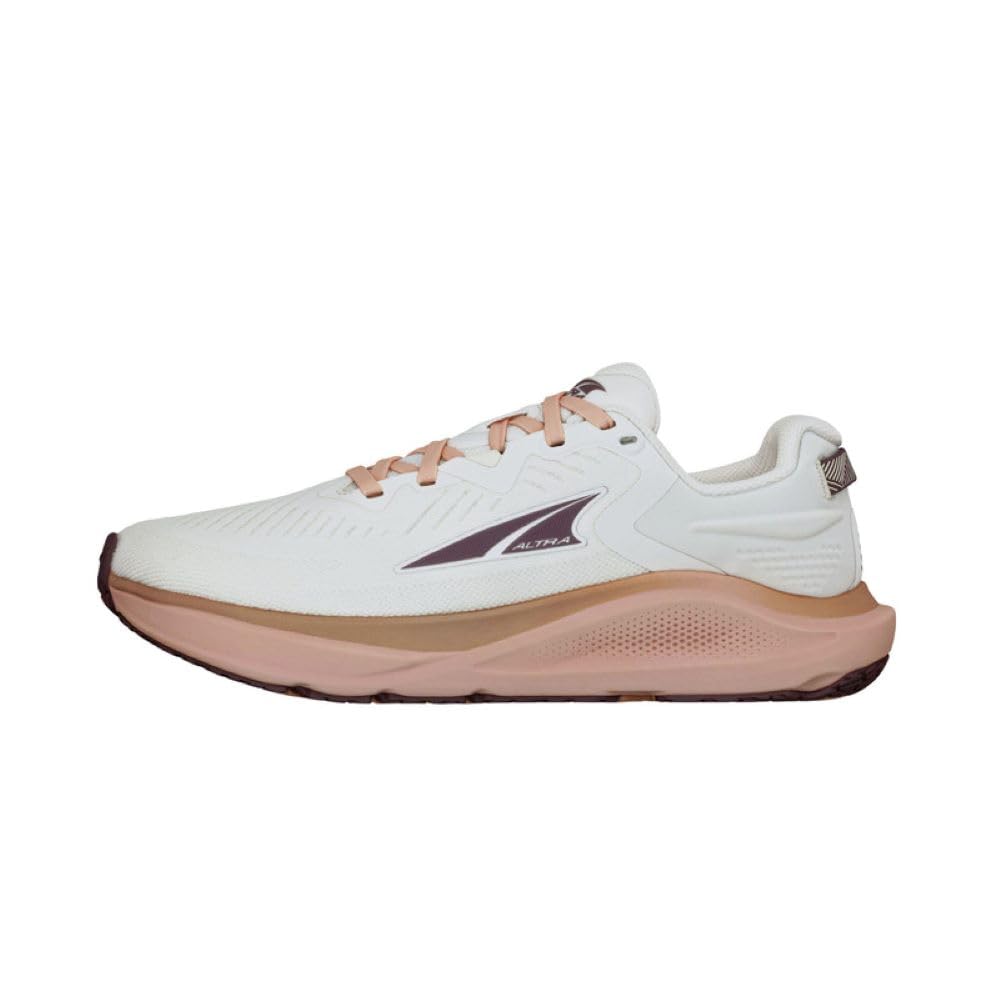
The Paradigm 8 reimagines stability with a zero-drop platform and a wide toe box that lets your foot work as nature intended.
If your flat feet are also wide, this is the most intriguing option. Altra’s signature is the FootShape toe box and zero-drop platform (0mm drop, so heel and toe sit flat), which encourages a more natural, midfoot strike. The GuideRail technology provides on-demand medial support that only kicks in when you need it, so your foot moves freely unless it starts to collapse. The EGO MAX midsole delivers cushioned but lightweight impact absorption, with a stack height of 30mm (the total cushion thickness under your foot) that feels plush without being heavy. The women’s version weighs a respectable 8.6 ounces. Owners with fallen arches and wide feet find it “perfect for pickleball and exercise classes,” and one buyer was able to avoid foot surgery thanks to this shoe.
The zero-drop design is not for everyone. It takes about a week to adjust if you are used to a traditional heel lift. Some owners found the ALTRA Paradigm 8 disappointed compared to the previous version (Paradigm 6), noting a narrower toe box, flimsier arch support, and poorly finished internal seams that rubbed the foot. The fit is also described as “a bit small,” so sizing up half a size is a common recommendation. This is a niche shoe that genuinely helps some flat-footed runners, but only if you are willing to adapt to the zero-drop design and accept the construction trade-offs.
Natural stride: Choose the Paradigm 8 if you have wide feet, want to transition to a zero-drop stride, and need optional medial guidance rather than a firm post.
Lacks responsiveness: You need a traditional heel-to-toe drop and a plush, conventional stability feel — the adjustment period can be frustrating.
8. New Balance Womens Fresh Foam X 860v15
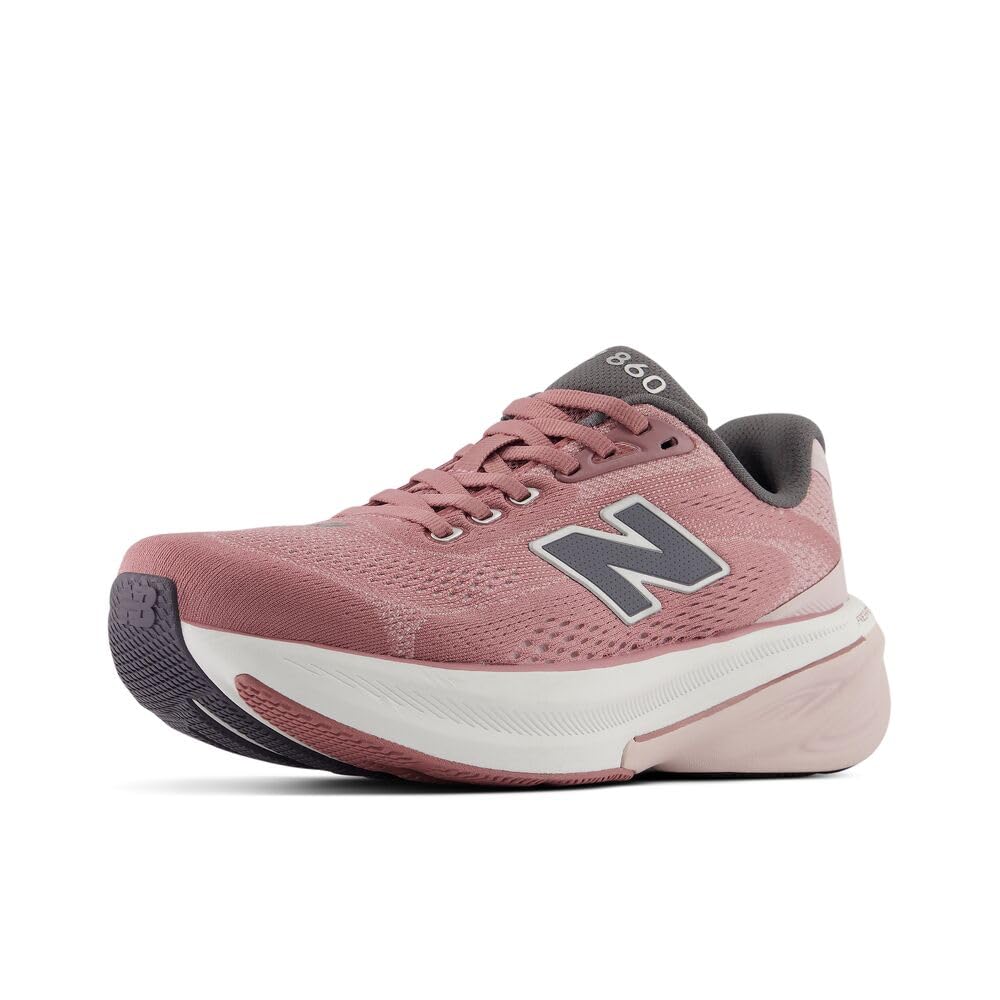
A long-haul stability shoe from New Balance that blends plush Fresh Foam X with a supportive Stability Plane.
The New Balance 860v15 is built for reliability over the long haul, and that is exactly how it performs. The Fresh Foam X cushioning provides a premium underfoot feel that is both soft and responsive, while the Stability Plane technology delivers dependable guidance for overpronation. For flat feet that also need arch support, this shoe gets strong marks — buyers specifically mention it is “very comfortable” and “good for my flat feet.” The lightweight synthetic upper keeps things breathable, and the colorways are well-liked. One owner walked about 6 miles in them on the first day without needing any break-in period, which speaks to the immediate comfort level. At 2.1 pounds and with dimensions of 12.7 x 7.9 x 4.5 inches, it is a middleweight in the pack.
The catch is the fit and a few quality quirks. Fit is the most mixed aspect — some find the 860v15 “runs small” and fits a bit short, while others say the narrower width can be too snug for wider feet. There is a notable camp of long-time 860 fans who dislike this version, reporting that the back of the shoe digs into the ankle and a clicking noise develops when walking. Poor arch support for an insole user and a “chunky, ugly style” are other complaints. With a 4.0 average from less than 100 ratings, it is the lowest-rated shoe on this list. It still works for many, but it is not the sure-hit consistency of previous versions.
Heel strikers: You are a dedicated 860 fan or need a comfortable, stable shoe for everyday walking and are willing to try the new version.
Tight midfoot: The fit runs short for some and the quality control has slipped compared to older versions — order with free returns to be safe.
Understanding the Specs
Heel-to-Toe Drop
This is the height difference between the heel and the forefoot. Most stability shoes use 8mm to 12mm drops. A higher drop reduces strain on the Achilles tendon (the tendon at the back of your ankle) and helps guide your step forward. Zero-drop shoes (like the Altra Paradigm 8) keep your foot flat and encourage a midfoot strike, but require an adjustment period. For flat feet prone to overpronation, a moderate drop often feels most natural.
Stability Systems
Brands use different names, but they all aim to do the same thing: prevent the foot from rolling inward. Brooks uses GuideRails (a dual-density rail around the heel), ASICS uses a 3D Guidance System or Space Construction (a denser foam on the inner edge), and Hoka uses a J-Frame (a firm foam wrap that extends along the side). These features add a small amount of weight but make a big difference in keeping your stride aligned.
Cushioning Foams
The midsole foam is what absorbs impact. FF BLAST (ASICS), PWRRUN (Saucony), and Fresh Foam X (New Balance) are all modern foams that balance softness with energy return. PureGEL (ASICS) is a silicone-based gel inserted in the heel for extra shock absorption. Softer foams feel great but can be less stable, so look for a stability shoe that combines soft cushion with a firmer guidance system.
Weight and Breathability
Stability shoes are heavier than neutral trainers because they have additional support structures. A typical weight is around 9-10 ounces for a women’s stability shoe. The upper material (engineered mesh or flat knit) determines breathability. If your feet overheat, look for a well-ventilated mesh upper and avoid heavy overlays. A removable insole is a bonus if you need custom orthotics.
FAQ
What is the difference between stability and motion control shoes for flat feet?
Can I wear running shoes for flat feet all day even if I do not run?
How do I know if I overpronate?
Are zero-drop running shoes good for flat feet?
How long should stability running shoes last for flat feet?
Do I need custom orthotics if I have flat feet?
What size should I buy for flat feet in stability shoes?
Can I wear stability shoes if I do not overpronate?
Are Brooks Adrenaline GTS 23 true to size?
Which shoe is best for plantar fasciitis with flat feet?
Final Thoughts: The Verdict
For most buyers, the women’s running trainers for flat feet winner is the Brooks Adrenaline GTS 23 because it combines a proven GuideRails stability system, all-day comfort, and a wide toe box that flat feet love. If you want the best value for the price, grab the ASICS GT-1000 14 — it is lightweight, durable, and delivers ASICS reliability at a lower entry point. And for a plush, protective ride with maximum arch support, the Saucony Hurricane 24 is the one to reach for if you prioritize cloud-like comfort over speed.
How We Picked
We do not accept paid placement. Every pick is matched to a real buyer and a real use-case; we do not hands-on test units.
Sources & Methodology
Specifications: manufacturer listings and product documentation. Review insights: verified customer reviews, as of July 2026. Pricing: not shown on this page (it changes often); check the current price via the retailer link.
As an Amazon Associate, Calories Fit earns from qualifying purchases. This does not affect which products we feature.