
Our readers keep the lights on and the coffee maker working hard! As an Amazon Associate, I earn from qualifying purchases.
Specs are compiled from manufacturer listings and verified buyer reviews and can change over time — please confirm the key details on the product page before buying.
You know that feeling when the trail gets loose, the climb gets steep, and your feet start sliding inside your shoes? A women’s trail shoe lives or dies by its grip on loose, steep terrain. You want underfoot grip, protective cushioning, and a secure lock-down for confident steps.
I’m Mohammad — the founder and writer behind Calories Fit. This guide is built by comparing the manufacturers’ published specifications and the patterns across verified customer reviews, so you get each pick’s real strengths and trade-offs instead of marketing spin.
Here is everything you need to choose the best women’s trail shoes for what you actually do outdoors — whether that is a nimble runner for technical singletrack (a narrow, winding dirt path) or a cushioned hiker for all-day adventures.
Our Picks at a Glance
How To Choose The Best Women’s Trail Shoes
A trail shoe must handle unpredictable footing, unlike a road shoe. Your goal is a secure platform that handles loose dirt, mud, rocks, and roots without foot slippage.
Outsole Traction (The Bite Under Your Foot)
The rubber compound and lug shape determine traction on wet roots and loose gravel. Vibram Megagrip is a trusted name for wet rocks and hardpack (firm, packed dirt). Deeper lugs (5 mm to 6 mm — that is the height of the rubber knob) handle mud better, while shallower lugs are smoother on packed dirt and pavement.
Cushioning and Drop (How Your Foot Meets the Ground)
Stack height ranges from low for ground feel to tall for fatigue absorption. Drop is the height difference from heel to toe — a zero-drop shoe like some Altras encourages a natural midfoot strike, while a 10 mm drop is more traditional and helps with uphill momentum.
Fit and Toe Box (Where Your Toes Live)
Your toes need to splay naturally on uneven terrain, not be cramped. A wide toe box prevents blisters and hiker’s toe on descents. Look for a shape that matches your foot width — narrow, standard, or wide — and shop the size up if reviews say a shoe runs short.
Quick Comparison
| Model | Best For | Weight | Drop | Cushion Level | Amazon |
|---|---|---|---|---|---|
| ALTRA Lone Peak 8★ Best Overall | Best Overall / Roomiest Fit | 10.7 oz / 303 g | 0 mm | Mid | Amazon |
| Columbia Vertisol TrailMost Versatile | Versatile Daily Trail Shoe | — | — | — | Amazon |
| New Balance Dynasoft Tektrel V1Budget Champion | Budget-Friendly Grip | 2.1 lbs | — | — | Amazon |
| Columbia Transverse Hike | Waterproof Boot Protection | — | — | — | Amazon |
| Merrell Speed Strike 2 | Lightweight Hiker Speed | 1.5 lbs | — | — | Amazon |
| Brooks Caldera 8 | Plush Trail Running | 9.3 oz / 263.5 g | 6 mm | Most | Amazon |
| Merrell Moab 3 Waterproof | Proven All-Terrain Hiker | 2.09 lbs | — | — | Amazon |
| Salomon Speedcross | Aggressive Mud Traction | 262 g / 9.24 oz | 10 mm | Moderate | Amazon |
| New Balance Fresh Foam X Hierro V9 | Ultra-Plush Cushion on Trails | 2.1 lbs | 4 mm | — | Amazon |
In-Depth Reviews
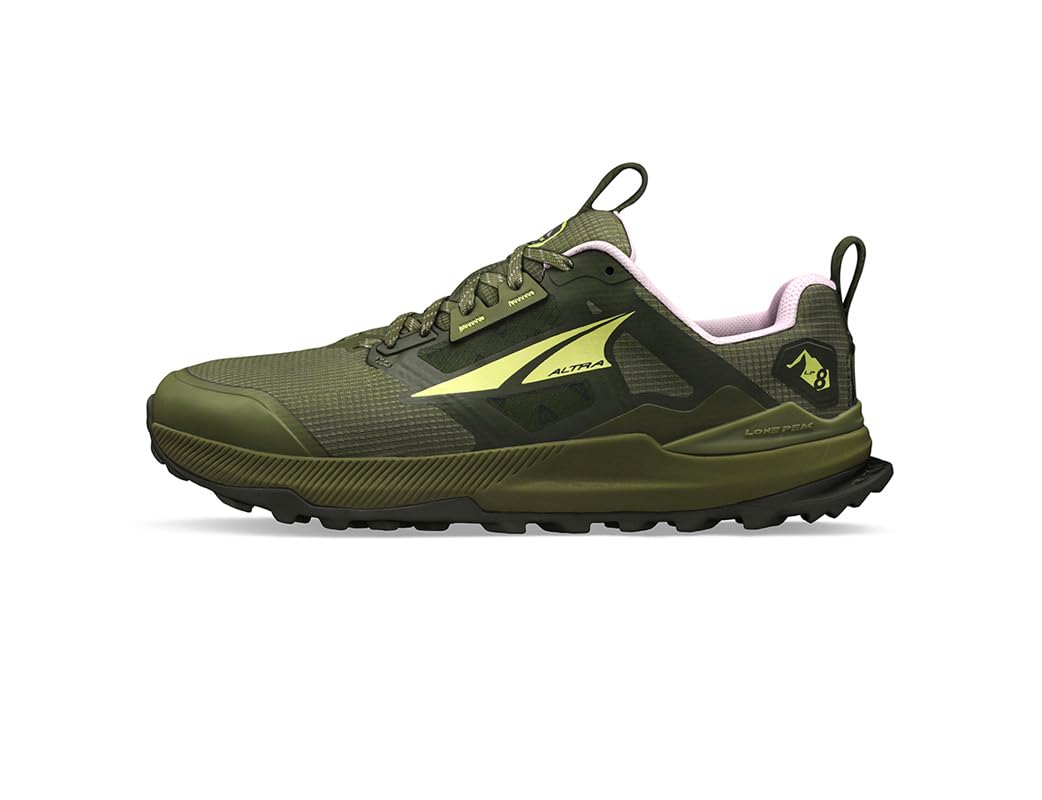
1. ALTRA Women’s Lone Peak 8 Trail Running Shoe
Our pick — over 4.5★ from 750+ verified ratings; the strongest balance of quality and price.
The legendary trail shoe with an ultra-wide toe box that keeps your toes pain-free on rocky miles.
The fit is the first thing you notice — this is the roomiest shoe on the list by far. ALTRA’s signature FootShape design gives your toes space to splay (spread out) naturally, and the zero-drop platform (0 mm difference between heel and toe) encourages a more natural, midfoot-oriented stride. It weighs 10.7 oz (303 g), which feels light on your foot considering the cushion it carries.
The MaxTrac outsole uses canted lugs (angled rubber knobs) under the metatarsals (the long bones behind your toes) for a sticky, confident bite on loose dirt and rocky climbs. What wins people over is comfort — the most mentioned aspect by a wide margin. Buyers report that the wide toe box prevents hiker’s toe (bruising under the toenail from jamming into the front on descents), and that five-mile hikes that used to leave them sore are now pain-free. One buyer with plantar fasciitis (a common foot condition causing heel pain) reported zero foot, knee, or hip pain after 10 days on her feet in these shoes.
Unlike the chunkier New Balance Hierro V9, the Lone Peak 8 feels nimble and connected to the ground. The trade-off is that the ripstop mesh upper isn’t waterproof, so you will feel wet crossing creeks. If you need waterproofing for wet grass and light rain, the Columbia Transverse Hike below is the better pick.
Zero-drop trail runner
- Wide, foot-shaped toe box that eliminates pinching and blisters
- Superb traction on loose dirt, rocky paths, and steep terrain
- Zero-drop design promotes a natural stride and reduces fatigue on long days
- Lightweight and breathable ripstop mesh upper (the fabric covering the shoe)
Not waterproof
- Not waterproof — expect wet feet in rain or stream crossings
- Limited color options compared to other models
- Side-to-side slippage possible if you use thick medical insoles (custom orthotics)
Best for natural stride: This is the one if you value a natural, comfortable fit above all else and mostly hit dry or well-drained trails.
Skip if wide feet: You need a waterproof membrane (a special layer that keeps water out but lets sweat escape) or a traditional high-drop shoe for steep fireroad ascents.
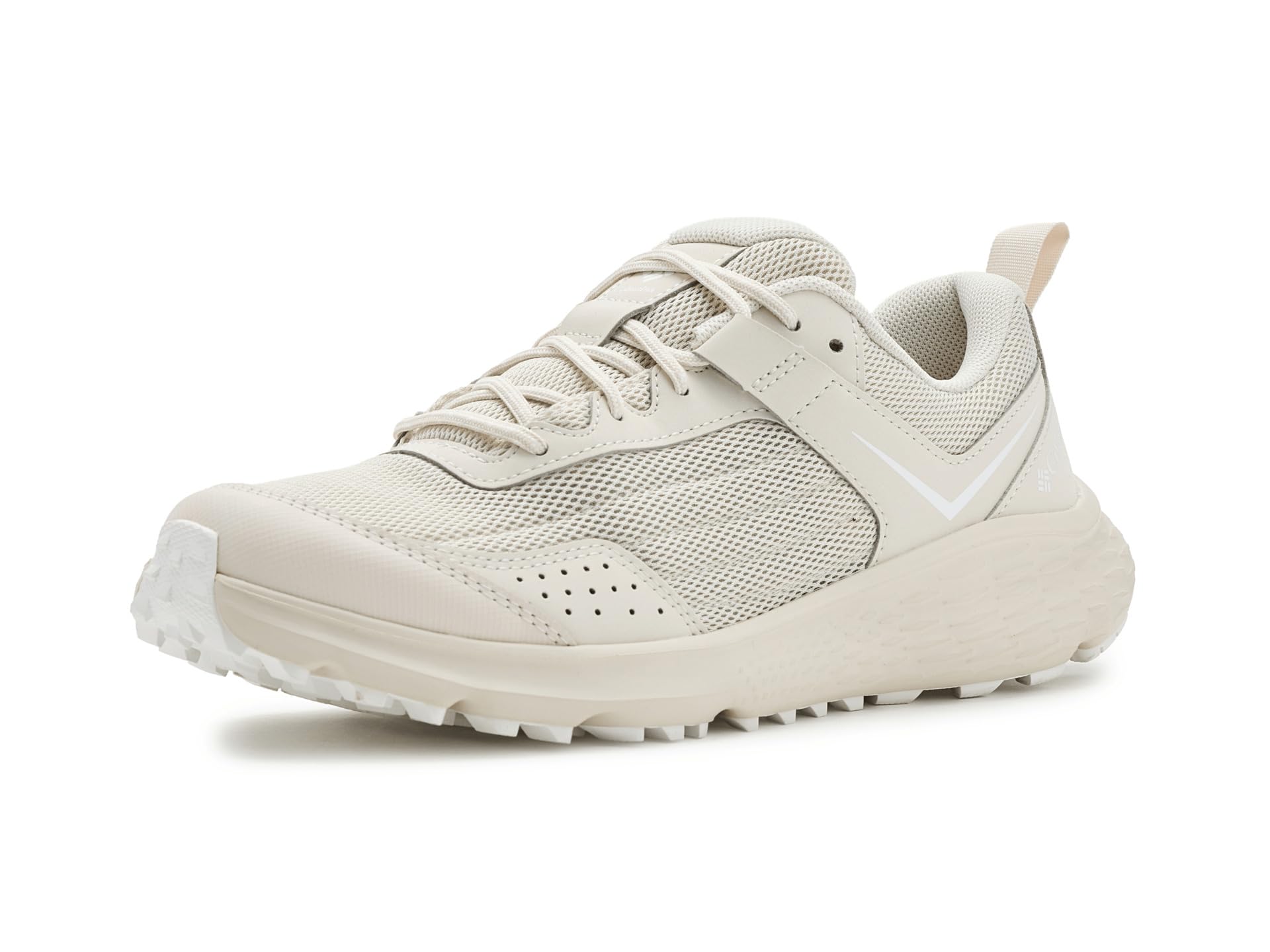
2. Columbia Vertisol Trail
A trail shoe that handles everything from paved roads to slippery caves with zero break-in time.
This is the shoe buyers reach for when they want one pair for every outing — and the customer feedback backs it up. The engineered underfoot system (OMNI-MAX) delivers comfort, stability, and rebound in a package that feels light and supportive from the first step. Owners mention that they went straight from the box to a 7-mile hike with no blisters or soreness. The traction rubber sole keeps you sure-footed on dirt, stone, and even sand.
Versatility is the standout quality here. Owners use the Vertisol for paved walking paths, dirt roads, caves, and slippery slopes — all with the same pair. The wide toe box accommodates normal and wide feet alike, while still being narrow enough that a narrow-footed buyer can tighten the laces for a secure hold. It is also an easy fit for custom orthotics (prescription insoles).
Compared to the ALTRA Lone Peak 8 above, the Vertisol has a more traditional last shape (the mold the shoe is built on) that feels familiar to anyone stepping from road shoes. The biggest unknown is long-term durability, as some customers note they have not had the shoes long enough to judge wear on the outsole (the rubber bottom of the shoe).
Stable all-terrain grip: The most balanced trail shoe for a buyer who wants one do-it-all pair that works on pavement, dirt, and rock without any break-in ritual. Perfect for casual weekenders and daily walkers who mix trail and town.
Best for rugged trails: You want a lightweight, comfortable shoe that handles many surfaces and fits a wide range of foot shapes with ease.
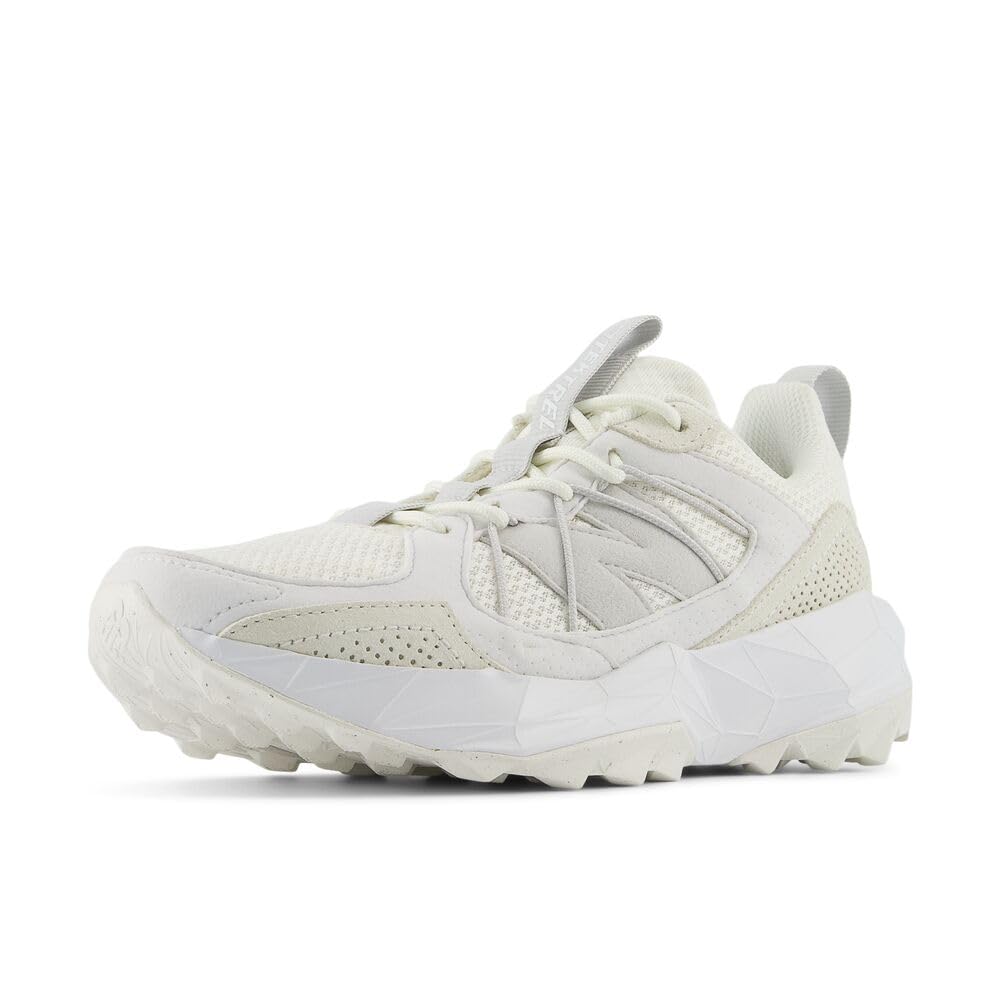
3. New Balance Women’s Dynasoft Tektrel V1 Suede
A budget-friendly trail shoe that punches above its price with aggressive tread and all-day comfort.
The aggressive lug pattern (deep rubber knobs) on the outsole is the headline — it grips well on wet, slippery surfaces and uneven terrain. Buyers mention it handles snow and rain puddles without slipping, which is impressive at this price tier. The Dynasoft midsole (the foam layer between the upper and outsole) offers a responsive, cushioned ride that keeps feet comfortable for teaching, walks, and daily wear.
Where the Tektrel differs from the pricier New Balance Hierro V9 below is the firmer, more responsive feel — it is a snappier ride rather than a plush cloud. The big catch is fit consistency. A significant number of reviewers point out that the shoe runs small and recommend ordering a half to full size up. The wide option exists and fits well for wide-footed buyers, but the standard width can feel tight. The shoelaces also tend to untie, so double-knotting is the workaround.
Appearance gets consistent praise, with the suede upper giving a stylish look that draws compliments. For a buyer on a tighter budget who wants real trail capability, this is the standout.
Budget-friendly pick: Grab these if you want excellent grip for light-to-moderate trail use and do not mind sizing up for the right fit.
Skip for long runs: You need a roomy, generous fit right from the start without playing size roulette.
4. Columbia Women’s Transverse Hike Waterproof Hiking Boots
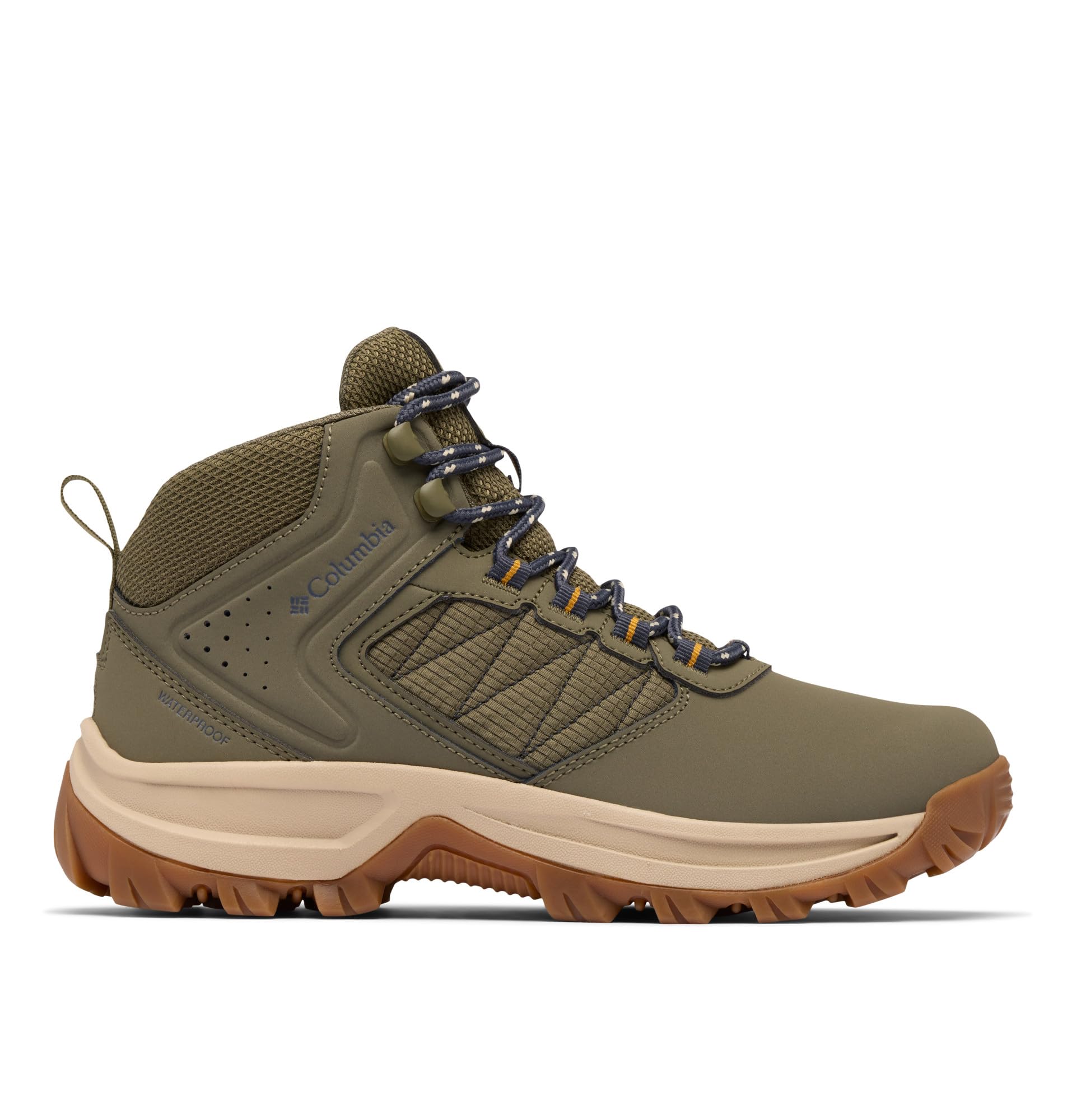
A waterproof mid boot that hits the trail ready with zero break-in and true all-day comfort.
This is the boot to grab when your hike starts in wet grass and puddles. The waterproof-breathable construction keeps feet dry while the flexible leather build does not feel stiff or clunky. Buyers consistently say these required zero break-in — one buyer opened the box and traversed Ireland and Scotland through rain and cobblestone without a single blister. The boot offers ankle support without feeling restrictive, which matters for uneven terrain and carrying a light pack.
Compared to the other waterproof choice here (the Merrell Moab 3), the Columbia runs lighter and more nimble while still being fully waterproof. It fits true to size and works particularly well for narrow heels and high arches. The only recurring note is that arch support is moderate, not prominent — a few buyers added their own insoles for a higher arch profile.
On wet trails and muddy sections, the grip holds well. Buyers who took it to Alaska and throughout the UK reported warm, dry feet and solid traction in mud and rain. It has held up well on multi-week trips with easy cleaning.
Wet-weather winner: Perfect for hikers who need a reliable waterproof boot that is comfortable from the first wear and light enough for long days.
Skip if lightweight needed: Runs slightly narrow — if you have wide feet, opt for the wide size.
5. Merrell Women’s Speed Strike 2
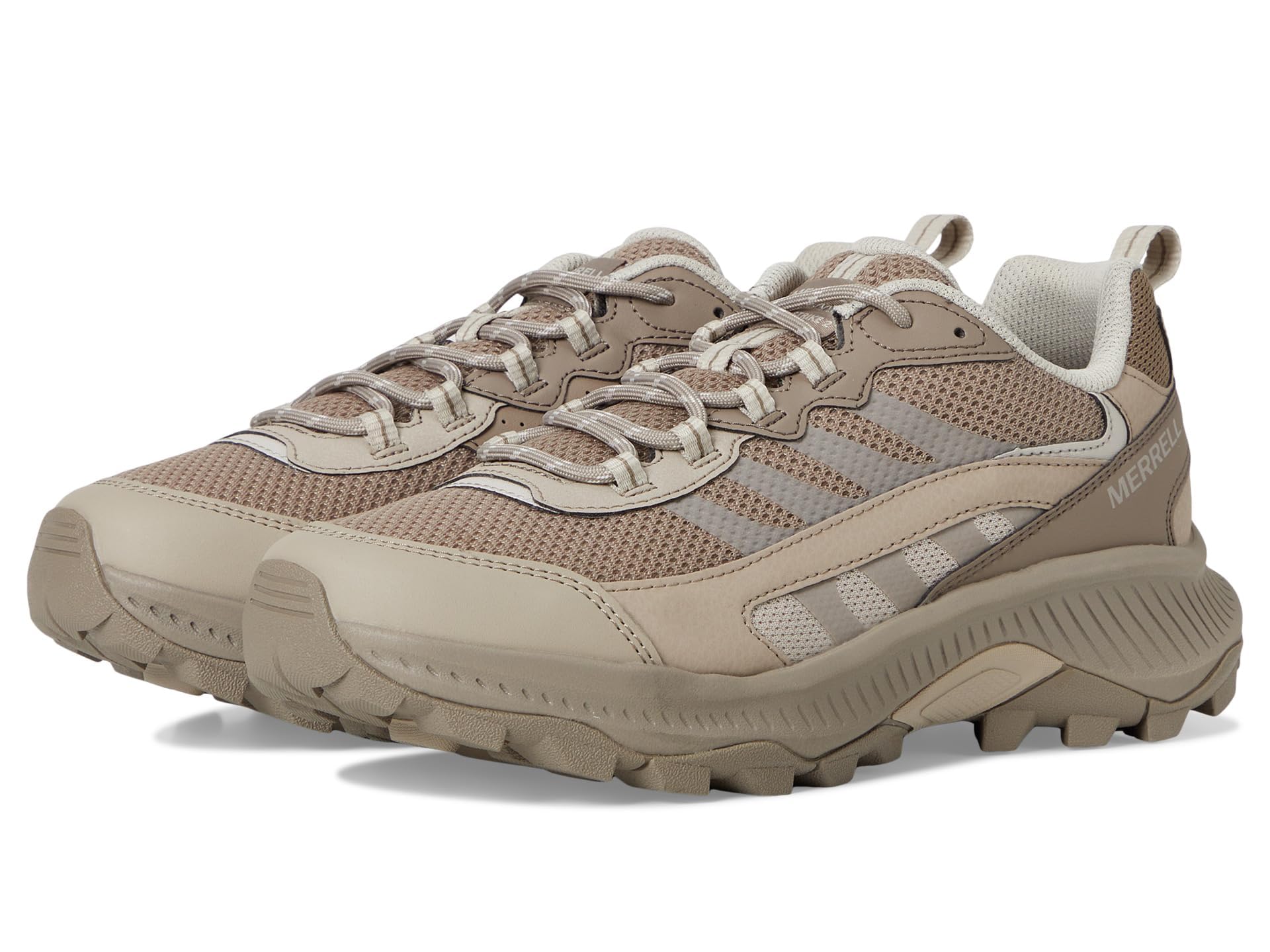
A nimble hiker with athletic speed that feels more like a fast trail shoe than a clunky boot.
The Speed Strike 2 walks the line between a hiking shoe and a trail runner. It is low-profile, lightweight (1.5 lbs), and has a flexible sole that encourages a quick step. The Merrell sticky rubber outsole grips well on rocky terrain — buyers who hiked Sedona reported never slipping. Arch support is a frequent praise point, and the roomy toe box leaves space for thick socks without the shoe looking oversized.
One thing that sets this apart from the chunkier Moab 3 from the same brand is the speed-focused design. The supportive base helps prevent shin splints (pain along the shin bone from repeated impact) by promoting glute and quad engagement (using your larger leg muscles), a welcome feature for faster-paced hikers. The shoe uses 100% recycled laces, webbing, mesh lining, and footbed cover, plus a 50% recycled removable EVA foam footbed (the foam layer inside the shoe).
The durability score is mixed among buyers. Some find the outsole wears faster than expected with daily use. It is also not waterproof, so it is a dry-trail shoe by design. The laces are thick and do not stay tied as well as they should.
Speed-focused choice: Ideal if you move quickly on moderate trails and want a supportive, athletic feel with no break-in and a proper toe box.
Skip for comfort seekers: Laces that need a double knot and a sole that may show wear faster on rocky terrain.
6. Brooks Women’s Caldera 8 Ultra Trail Running Shoe
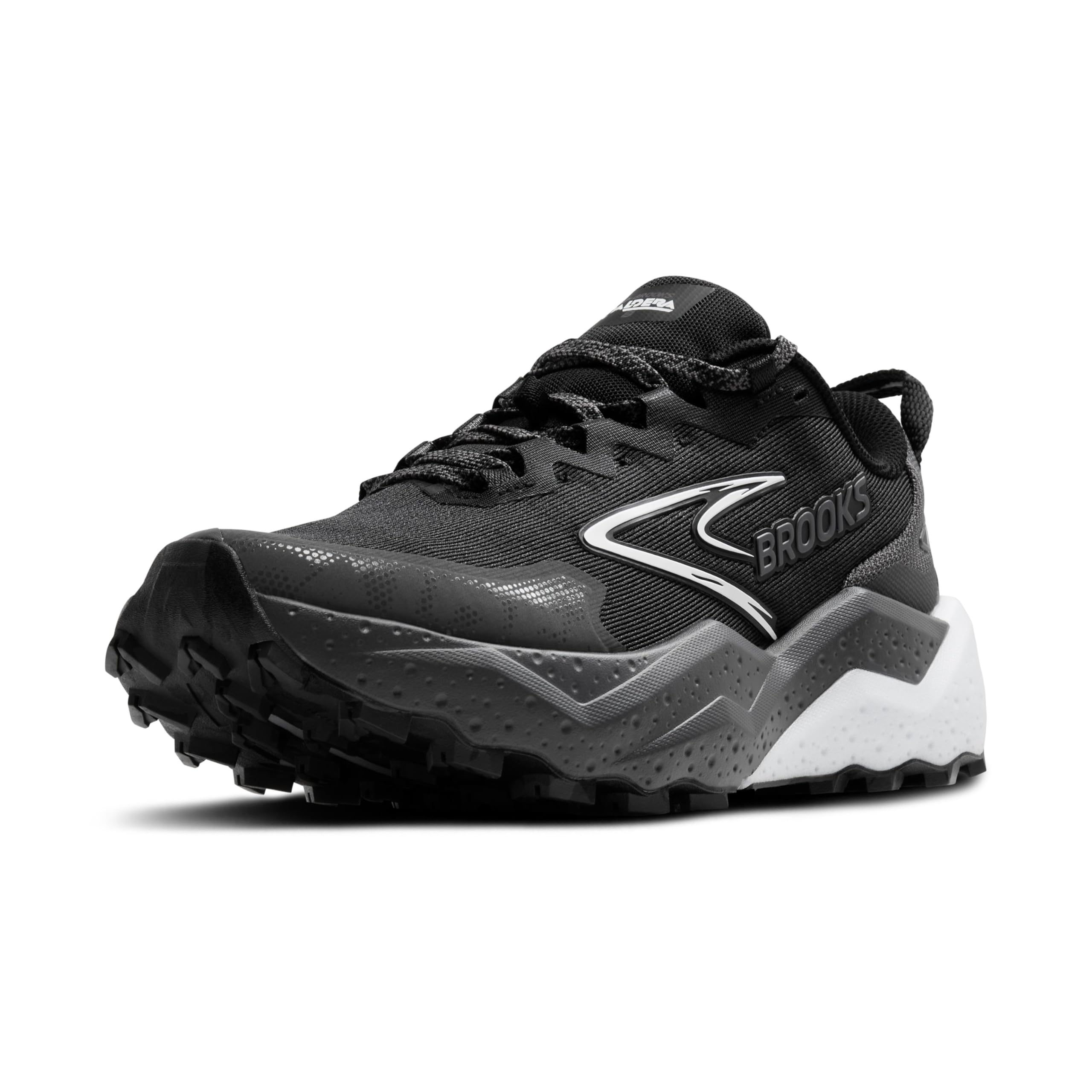
The thickest cushion in the lineup for runners and hikers who want a soft, knee-friendly ride.
Brooks markets the Caldera 8 as their “Most” cushion level, and it shows — the thick sole absorbs shock on hard-packed trails and pavement alike, with owners noting significant knee and leg relief. At 9.3 oz (263.5 g) with a 6 mm drop, it is surprisingly light for the amount of foam underfoot. It is built for trail running and hiking, and buyers use it for delivery driving, long walks, and snowy conditions too.
What buyers love most is the comfort and quality. The accommodating toe box works well with orthotics (prescription insoles) — several buyers praised the arch support — and the sole is supportive without being overly stiff. The biggest complaint is the narrow toe box — it is not as roomy as the ALTRA Lone Peak 8 above. Several buyers with wider feet report toe cramping on long hikes, and one buyer wished for more width. The cushioning is also polarizing: for a max-cushion shoe (one with the highest possible amount of foam), some found it less plush than expected.
For a runner who lands on their heels and wants a forgiving platform for moderate trails and fire roads (wide, unpaved roads used by fire trucks), the Caldera 8 is a strong performer. But if your feet are on the wider side, the New Balance Hierro V9 below gives you more toe room with similar cushioning.
Ultra-distance comfort: Reach for this if your knees need a break and you run smooth, non-technical trails.
Skip for technical terrain: You have a wide forefoot or need a true wide-toe-box shoe for rocky descents.
7. Merrell Women’s Moab 3 Waterproof Hiking Shoe

The world’s bestselling hiker for a reason — proven comfort, build quality, and versatility that 20 million owners have trusted.
Version 3 of the Moab (Mother of All Boots) improves on the formula with a more supportive insole (the removable pad inside the shoe), a softer cushioned midsole, and a grippier Vibram outsole. It is a true waterproof hiking shoe that is both sturdy and comfortable right from the start. Shoppers say wearing it across Europe’s cobblestone streets and Ireland’s rugged paths with zero break-in and no foot pain.
Compared to the lighter Columbia Transverse Hike, the Moab 3 feels more substantial — it has a higher cuff, more sturdy waterproofing, and a Vibram sole that inspires confidence on wet rock and mud. The weight is higher (2.09 lbs), but owners view that as a trade-off for durability and protection. The quality is a frequent praise point, with many buyers saying they are buying a second or third pair after years of use.
The minor downsides: some buyers report the water resistance is decent but not full-on Gore-Tex (a specific high-end waterproof-breathable membrane) level, and the weight can feel noticeable on very long days. There is a mixed reaction to the fit — some find it true to size, others suggest a half-size down for a snug fit.
One-shoe quiver: The best choice for hikers who want a reliable, waterproof, well-built boot that is comfortable for full-day outings and holds up over years.
Skip for immediate comfort: This is a heavier shoe — if every ounce matters for fast hiking, consider the Speed Strike 2 instead.
8. Salomon Women’s Speedcross Trail Running Shoes
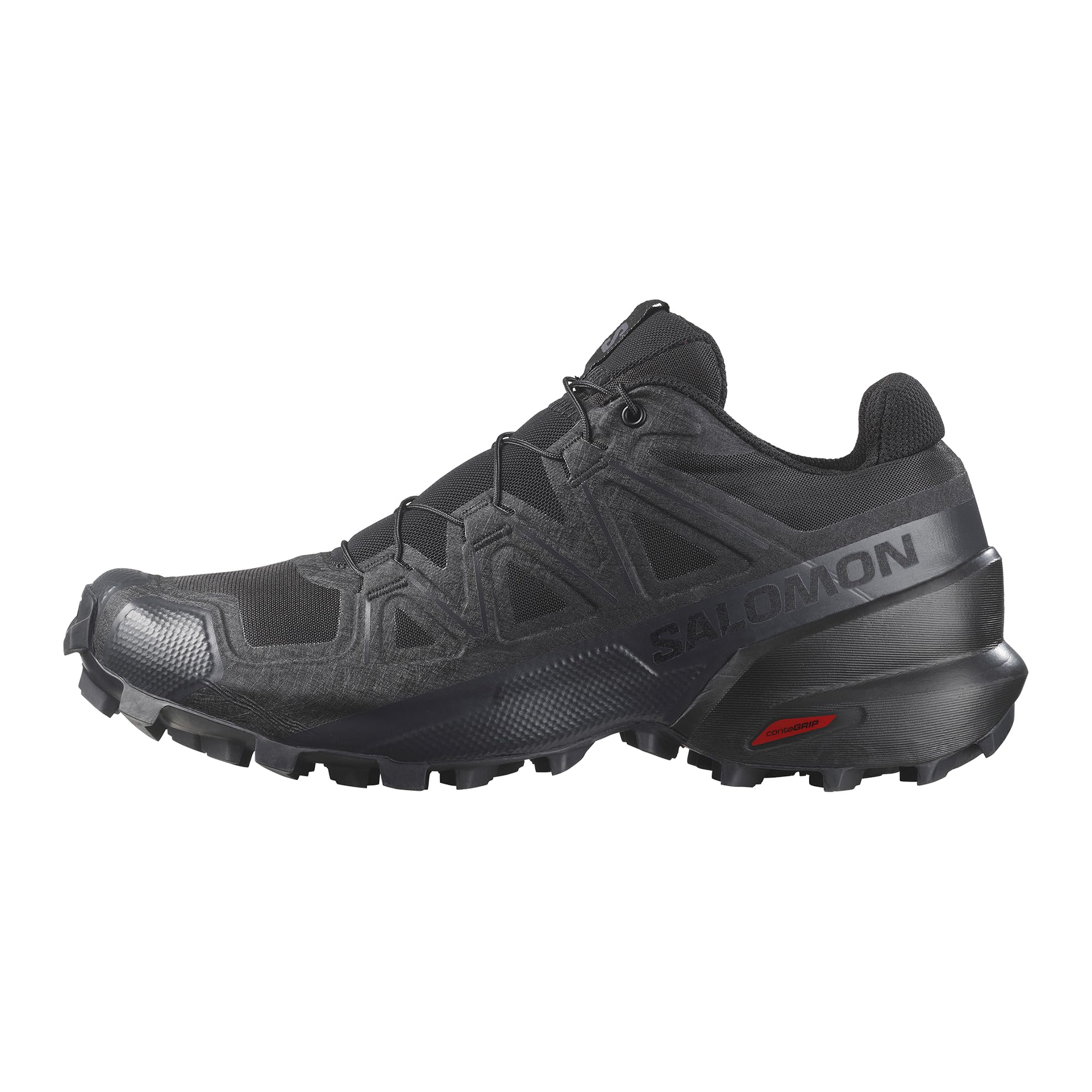
The aggressive lug pattern that chews through mud and loose scree (sharp, broken rock) with class-leading bite.
The Speedcross is built for one thing: maximum grip in sloppy conditions. The 5 mm directional lugs (rubber knobs angled to push through mud) bite deep into mud, loose gravel, and wet roots. At 262 g (9.24 oz) with a 10 mm drop, it is a true performance trail runner that feels glove-like and nimble. Buyers who took it on a 20-mile hike reported no blisters or foot fatigue, and the traction on mud and wet creeks was praised as exceptional.
This is the narrowest shoe on the list — it fits like a glove, which is perfect for narrow-footed runners but a no-go for wide feet. Unlike the ALTRA Lone Peak 8 which prioritizes toe splay (toes spreading out), the Speedcross prioritizes a locked-down heel and midfoot for aggressive off-camber (slanted) terrain. The no-tie Quicklace system (a single-pull cord that tightens the whole shoe) is a love-it-or-hate-it feature — it is convenient but cannot be swapped for standard laces. The shoe is not waterproof, but the breathable mesh dries quickly after stream crossings.
Several buyers mention the fit runs slightly small and recommend a half size up. The color in product photos can also be misleading — the “Phantom” color is lighter than it appears online. For a dedicated trail runner or hiker who faces steep, muddy, or loose terrain regularly, this is the shoe.
Mud-lover’s dream: Perfect if you run or hike technical, sloppy singletrack and need the most aggressive tread available.
Skip for dry trails: You have wide feet, need a waterproof shoe, or prefer a roomier, more relaxed fit.
9. New Balance Women’s Fresh Foam X Hierro V9
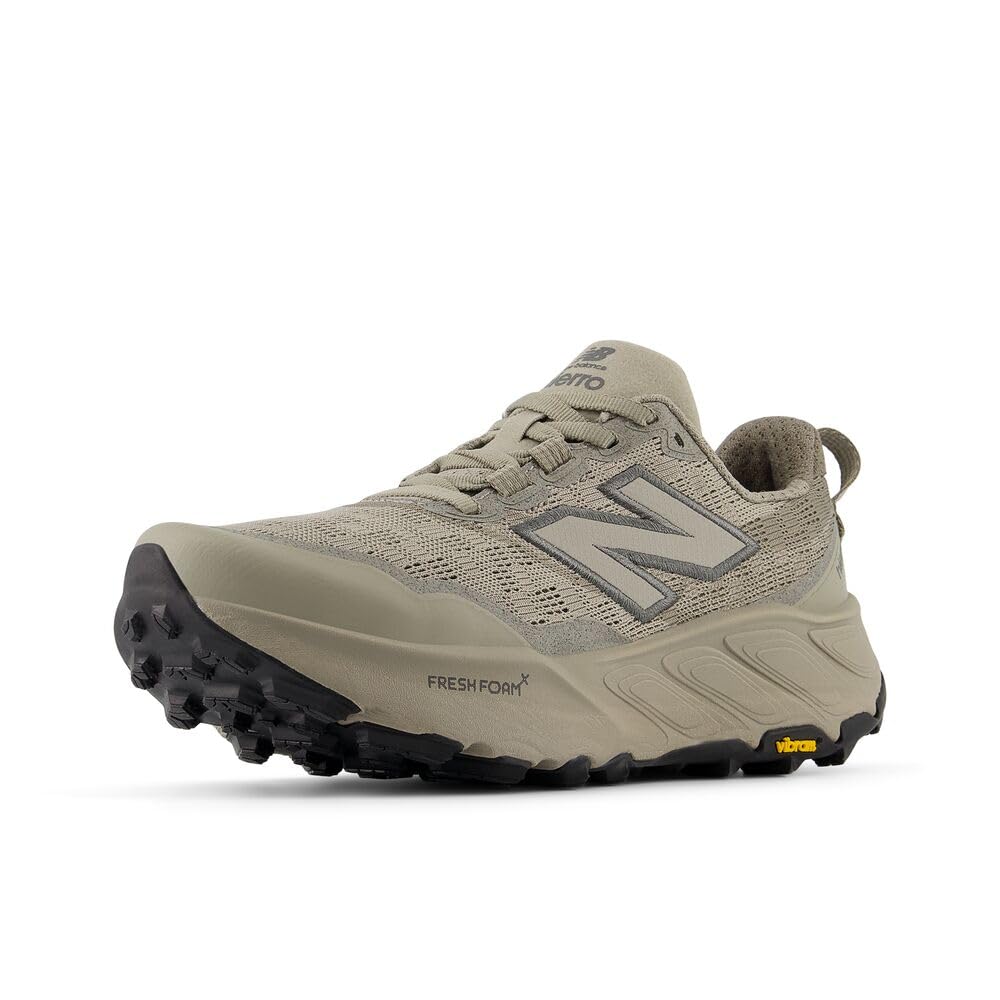
The plushest trail shoe in the lineup — a pillow-soft platform with Vibram Megagrip for wanderers who love comfort.
The Fresh Foam X midsole is the star — a dual-density foam (two different foam layers in one) that gives you plush heel cushion (buyers compare it to “walking on fluffy pillows”) with stable underfoot support. The Vibram Megagrip outsole with 6 mm lugs provides excellent grip in wet and dry conditions, making this shoe versatile enough for muddy trails and city sidewalks alike. The Toe Protect technology (a reinforced layer that shields your toes) shields your toes from roots and rocks, and the gusseted tongue (a tongue attached to the upper on both sides to keep debris out) keeps debris out.
Comfort and appearance are the top praise points — buyers love the vibrant green/orange color options and say the shoe fits well for wide feet. It adds roughly an inch of height, which is a welcome side effect for shorter buyers. The Hierro V9 is noticeably taller and more cushioned than the ALTRA Lone Peak 8 above, and the 4 mm drop is a middle ground between the ALTRA’s zero drop and the Salomon’s 10 mm drop. It is ideal for rolling terrain and moderate trails.
Fit is the challenge here. It runs a full size small for many buyers, especially in length, and the extreme rocker (a curved sole that rocks you forward) can cause over-pronation (excessive inward rolling of the foot) for runners who already roll inward. The high stack height (42 mm at the heel — the thickest on the list) is too tall for technical, rocky trails — a few owners mention turning an ankle on loose terrain. Size up by at least half a size and try on carpet first.
Cloud-like comfort: Reach for this if you prioritize soft, joint-saving cushion above all else for moderate trails and daily walks.
Tread carefully on slick surfa: This shoe runs small and the tall stack is not suited for technical, ankle-twisting terrain.
Understanding the Specs
Drop (Heel-to-Toe Offset)
Drop is the height difference in millimeters between the heel and the forefoot (the ball of your foot). A higher drop (8 mm to 10 mm) encourages a heel-first landing, which many runners used to road shoes find familiar. A lower drop (0 mm to 6 mm) promotes a midfoot or forefoot strike, which can feel more natural on uneven terrain but puts more load on your calves and Achilles tendon (the tendon running down the back of your lower leg). Zero-drop shoes like the ALTRA Lone Peak 8 require a short adjustment period if you have always worn traditional trainers.
Stack Height and Lug Depth
Stack height measures the total thickness of the midsole foam (the main cushioning layer) — more stack equals more cushion and protection from sharp rocks, but less ground feel and stability. Lug depth (measured in millimeters) describes how deep the tread is. Shallow lugs (3.5 mm or less) handle packed dirt and pavement quietly; deep lugs (5 mm to 6 mm) dig into mud and loose material but can feel clunky on hard surfaces. The Salomon Speedcross uses 5 mm lugs for aggressive mud grip, while the New Balance Hierro V9 uses 6 mm lugs for wet conditions.
FAQ
Should I buy a waterproof trail shoe or a breathable one?
How should my trail shoes fit compared to my everyday sneakers?
What is the difference between a trail running shoe and a hiking shoe?
What does “zero drop” mean, and should I be careful with it?
How do I know which traction is right for the trails I hike?
Can I wear trail shoes on pavement every day?
Why do some trail shoes have a wide toe box and others are narrow?
How do I care for my trail shoes so they last longer?
What does a mixed fit rating mean for a trail shoe?
Is a heavier hiking boot safer than a lighter trail shoe?
Final Thoughts: The Verdict
For most buyers, the best women’s trail shoes winner is the ALTRA Lone Peak 8 because the wide, foot-shaped toe box and zero-drop platform deliver class-leading comfort and natural movement on any trail. If you want the most versatile shoe that handles pavement to dirt with zero break-in, grab the Columbia Vertisol Trail. And for maximum plush cushion and joint-saving comfort on moderate trails, the New Balance Fresh Foam X Hierro V9 is the one to reach for. Whichever you choose, the common thread across every pair here is that the right fit — not the flashiest spec — makes the miles disappear.
How We Picked
We do not accept paid placement. Every pick is matched to a real buyer and a real use-case; we do not hands-on test units.
Sources & Methodology
Specifications: manufacturer listings and product documentation. Review insights: verified customer reviews, as of July 2026. Pricing: not shown on this page (it changes often); check the current price via the retailer link.
As an Amazon Associate, Calories Fit earns from qualifying purchases. This does not affect which products we feature.