
Our readers keep the lights on and the coffee maker working hard! As an Amazon Associate, I earn from qualifying purchases.
Specs are compiled from manufacturer listings and verified buyer reviews and can change over time — please confirm the key details on the product page before buying.
You step onto the gym floor, and your shoe pinches on the first lunge. That pinching distracts you, and your squat depth suffers. A good pair of women’s training shoes locks your heel in place, lets your toes spread wide, and grips the mat through burpees without letting you slide.
I’m Mohammad — the founder and writer behind Calories Fit. This guide is built by comparing the manufacturers’ published specifications and the patterns across verified customer reviews, so you get each pick’s real strengths and trade-offs instead of marketing spin.
These are the most reliable women’s training shoes available right now, covering everything you need to pick the right pair.
Our Picks at a Glance

How To Choose The Best Women’s Training Shoes
Picking a training shoe is different from buying a running shoe. You do lunges, lateral shuffles, box jumps, and heavy squats — all multidirectional moves. The platform needs to stay stable under load. The upper must hold your foot through dynamic cuts. The sole needs enough grip to stop you from sliding on a mat or turf. Here is what to watch for.
Midsole Firmness vs. Cushioning
For lifting, you want a midsole (the foam layer between your foot and the ground) that resists compression — foam that stays flat under a barbell keeps your foot planted and your energy directed into the movement. Running shoes often have soft, bouncy foam that collapses under heavy weight, making you feel unstable. Training shoes strike a middle ground: enough cushion for impact during box jumps or short runs, but firm enough that a deadlift does not sink the heel.
Toe Box Room and Zero Drop
A wide toe box lets your toes spread naturally, which improves balance and grip on the floor. That matters for practically every compound lift. Zero-drop (heel and forefoot at the same height) encourages a more natural squat stance, though many women prefer a small 4mm or 7mm drop for heel stability during walking or running portions of a class.
Outsole Traction Pattern
The outsole is the bottom layer of rubber that contacts the ground. Look for a multidirectional tread (a pattern of grooves angled in several directions) if you do agility drills or rope climbs. A full rubber outsole is more durable than exposed foam on the bottom — it means the shoe will not wear through at the forefoot after months of shuffling on gym mats.
Quick Comparison
| Model | Best For | Heel Drop | Weight | Outsole | Amazon |
|---|---|---|---|---|---|
| Under Armour Women’s Aurora 3★ Best Overall | All-day versatility & walking | 7mm | 9 oz | Full rubber outsole with multidirectional traction | Amazon |
| Nike Women’s Flex TrainBest Value | Gym workouts & daily wear | — | — | Cutouts for flexibility | Amazon |
| adidas Dropset ControlPro Grade | Heavy lifting & CrossFit | — | 2.43 lb | Solid rubber with TPU torsion system | Amazon |
| New Balance Women’s 608 V5 | Long-lasting comfort & wide fits | — | 2.4 lb | Durable rubber | Amazon |
| Nike W MC Trainer 2 | Circuit training & turf work | — | — | Versatile rubber with directional traction | Amazon |
| New Balance FuelCell Trainer V2 | Versatile gym-to-street wear | — | 1.5 lb | — | Amazon |
| Reebok Nano X5 | CrossFit & weight training | — | 3 lb | High traction with molded heel | Amazon |
| ALTRA Solstice XT 3 | Natural foot movement & lifting | 0 mm | 9.5 oz | Rubber | Amazon |
In‑Depth Reviews
1. Under Armour Women’s Aurora 3 Cross-Trainer Shoes
Our pick — over 4.5★ from 200+ verified ratings; the strongest balance of quality and price.
You get one shoe that handles everything: long walks, heavy sets, and HIIT without a single blister. The Under Armour Aurora 3 is built specifically for a woman’s foot. It has a streamlined fit, a soft breathable mesh upper with suede details, and the updated Charged+ midsole (the foam layer that cushions your foot). That midsole delivers comfort during a 10,000-step walk while staying stable under a barbell. The full rubber outsole with a multidirectional traction pattern grips gym floors, pavement, and turf without slipping. At 9 oz, it disappears on your foot.
The 7mm offset (the heel is 7mm higher than the forefoot) hits a balance for women who want a bit of heel drop without feeling like they are running downhill. The general consensus from buyers is to size up half a step if you have a wider foot. The toe box offers plenty of room at the front. Buyers report zero blisters on long walks and comfort right from the start. One buyer notes the shoe runs a bit snug, so going half a size up is a good plan if you are between sizes.
The Under Armour Aurora 3 is more cushioned than the adidas Dropset Control, so it works better for all-day wear and walking.
Aurora grip stability
- Remarkable cushioning that stays supportive all day — the Charged+ midsole delivers comfort and performance on long walks and heavy sets
- At 9 oz, it is featherlight for a training shoe, so you never feel weighed down
- Full rubber outsole gives you multidirectional grip that lasts on everything from pavement to gym mats
Sizing runs tight
- Fit is the most-discussed topic, and it is mixed — many owners say to size up half a step for the perfect snug but roomy fit
- The break-in period is short, but some found the shoe a little firm on the first wear before it softened
secure fit: Anyone who wants one shoe to handle daily walks, gym sessions, and long hours on her feet without blisters — the comfort and lightweight build make it a top-tier do-it-all cross trainer.
narrow toe: If you have a wider foot, order half a size up; the fit is the one thing owners flag, and a half-size bump solves it for most.
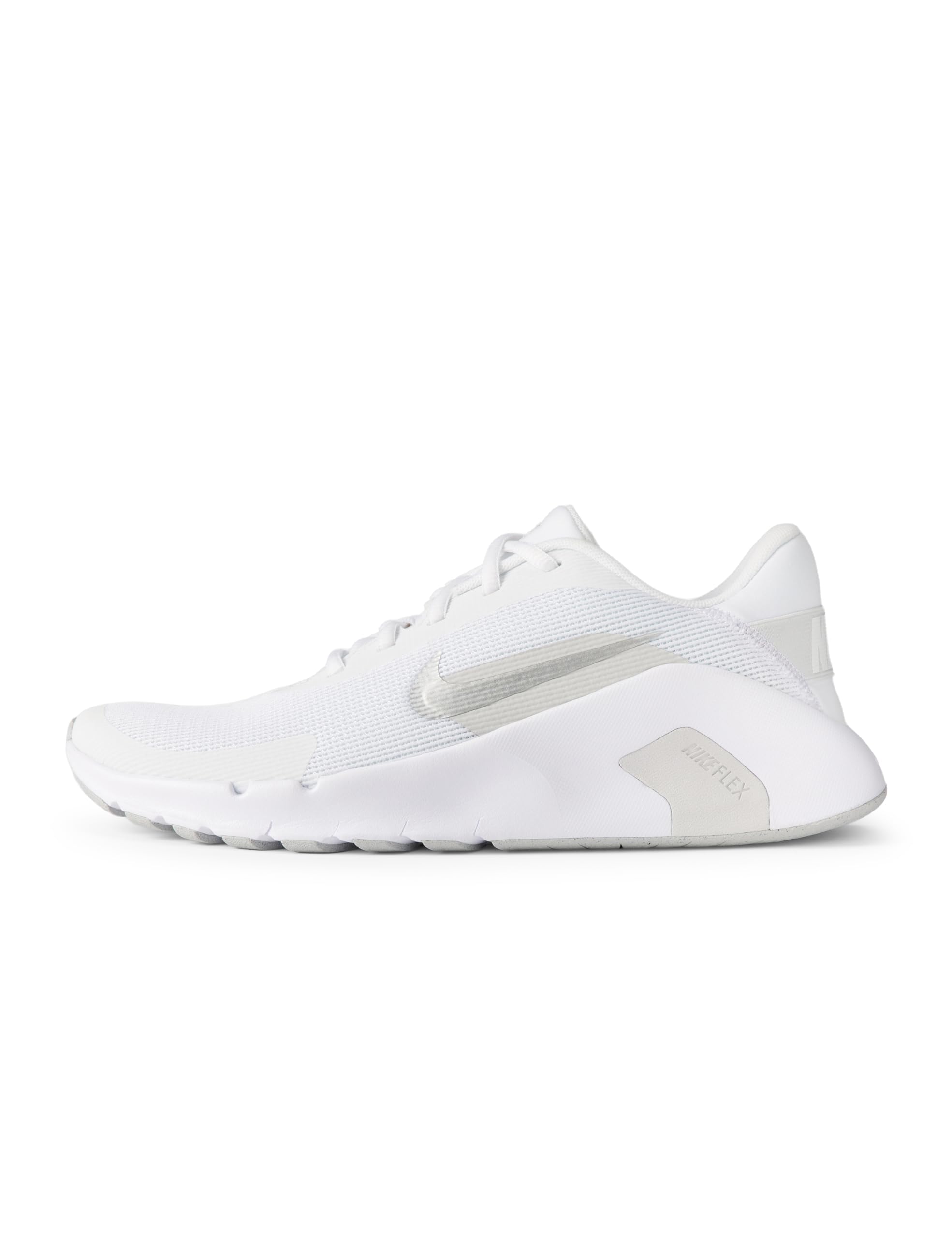
2. Nike Women’s Flex Train Training/Workout Shoes
You work on concrete all day and hit the gym after. The Nike Flex Train handles both. A full-length foam midsole delivers a soft, cushioned feel for your feet. The rubber outsole has built-in cutouts (gaps in the rubber) for flexibility — so you can pivot, lunge, and move naturally without the shoe fighting you. The upper is a soft and lightweight mesh that breathes well, making it comfortable for all-day wear at work or through a long gym session.
The arch support gets consistent praise, and the wide toe box fits feet that need room to spread. The fit draws mixed reactions: many find it true to size, but some mention it runs tight in width, so the wide sizing option is a smart move if that is your concern.
Over 50 owners highlight comfort as the most-praised aspect. Quality and style also get strong positive feedback — the shoe looks clean and resists creasing even after 9 miles of daily walking.
FlexTrain breathable mesh
- Comfort is the top praise — buyers love the cushiony feel that also offers good arch support for long hours on feet
- Flexible cutout outsole lets you move naturally through lateral work and plyometrics
- Breathable mesh upper keeps your feet cool, even during hour-long HIIT sessions
Lacks arch support
- Fit is noted as mixed — the width runs tight for some, so going with the wide option can save a return trip
lightweight trainer: You want a shoe that pulls double duty — comfortable enough for a full work day on concrete and capable enough for gym workouts — all at a price that feels like a deal.
flat footed: You need a very wide toe box for extreme splay; the width here may feel a bit snug unless you choose the wide version.
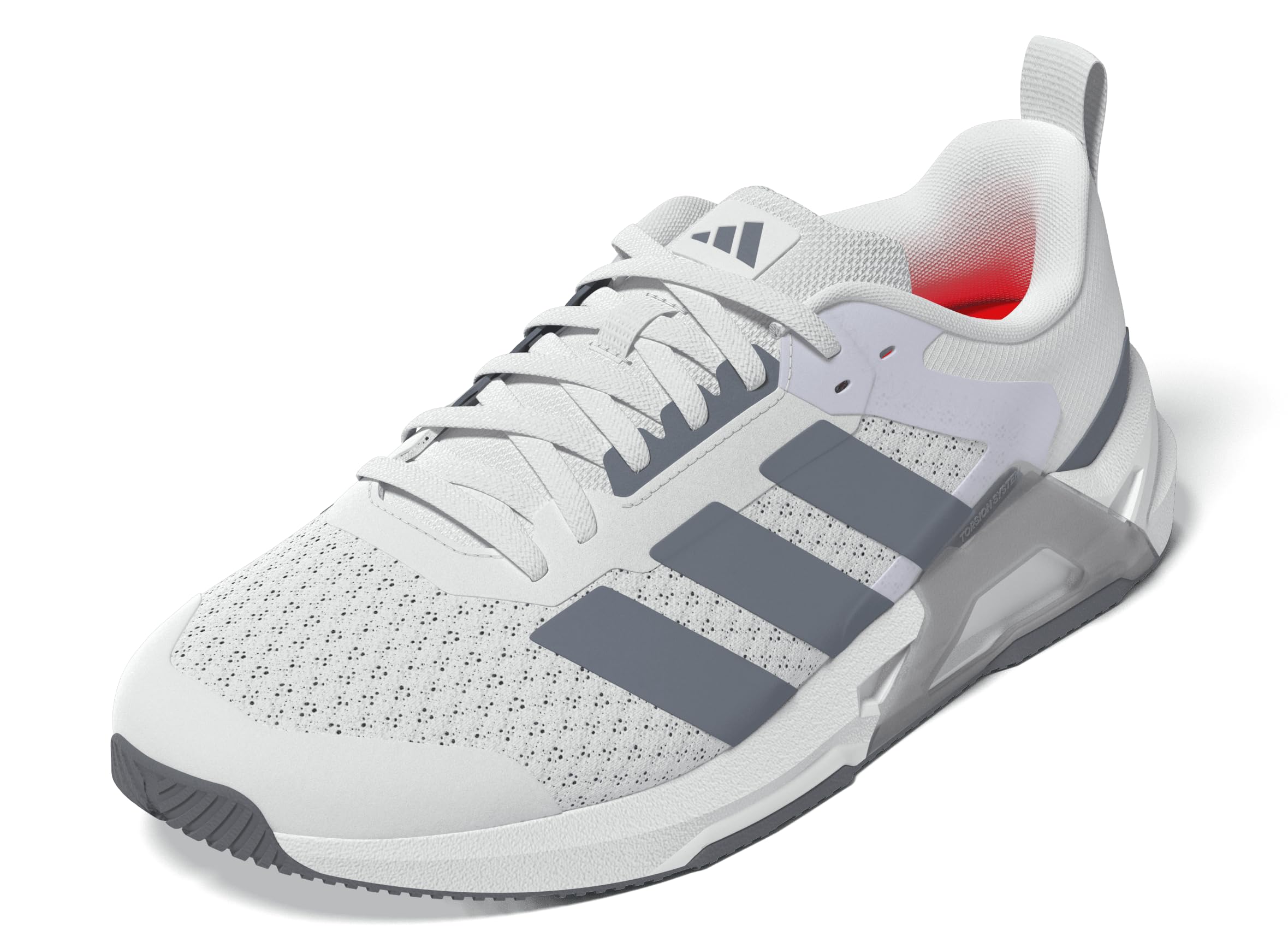
3. adidas Womens Dropset Control Training Sneakers Shoes
You lift heavy and need a shoe that stays flat under a barbell. The adidas Dropset Control is built for that. The solid midsole uses Repetitor foam — a firm foam that does not collapse under weight the way soft running-shoe cushioning does. It keeps you connected to the floor for squats, deadlifts, and overhead presses. The wide fit lets your foot spread naturally for maximum ground contact. A TPU (thermoplastic polyurethane, a rigid plastic) torsion system through the midfoot adds support during walking, lunges, or lateral raises.
The mesh upper promotes airflow to keep feet comfortable during extended gym sessions. It is not a shoe for running — the stiffness that makes it great for lifting makes it uncomfortable for distance. But for CrossFit, strength training, and any session where stability matters, it shines. Many customers note the true-to-size fit and the option of wide sizing. Owners say the fit and appearance are the top positive aspects, with the shoe looking good on.
The Dropset Control is noticeably firmer than the Under Armour Aurora 3, making it the better pick for heavy lifting but a stiffer ride for walking.
lifting sessions: Lifting-focused training — squats, deadlifts, and CrossFit where a stable platform and zero compression are non-negotiable. The Repetitor foam keeps your foot planted.
daily walk: Extended running or cardio — the stiffness that helps you lift will feel rigid on a treadmill or agility drills.
4. New Balance Women’s 608 V5 Casual Comfort Cross Trainer

You need a shoe that lasts years under daily wear. The 608 V5 has earned that reputation. The suede upper gives it a classic, durable look that resists scuffs. The IMEVA (injection-molded EVA foam) midsole paired with an ABZORB heel pad delivers added cushioning that absorbs impact step after step. The lightly cushioned footbed adds another layer of softness, making it a go-to for long days on your feet.
what separates it is the rare combination of wide-width availability — including AA and D options — and a fit that people describe as comfortable right from the start with zero break-in time. The quality is excellent, with owners reporting they last years under daily use. Fit is the top aspect by a wide margin, and it is a positive one: the shoe runs true to size and accommodates both narrow and wide feet well.
all-day comfort: Anyone who needs a reliable, comfortable cross trainer for walking, gym classes, and everyday wear — the wide sizing options and ABZORB heel pad make it a standout for comfort.
speed work: The shoe runs true to size, but if you have very wide feet, the dedicated wide widths handle it better than standard.
5. Nike Womens W Mc Trainer 2 Training Shoes
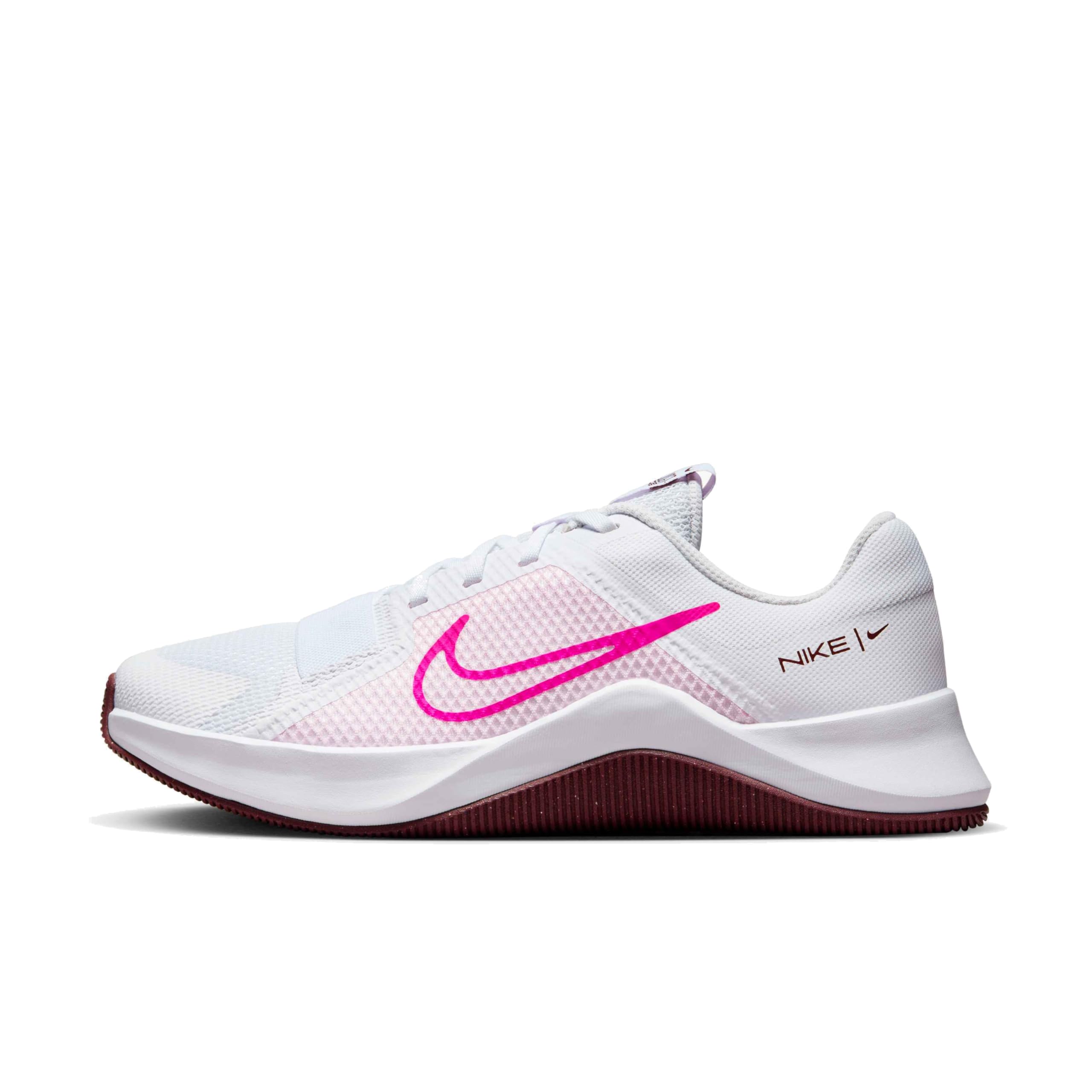
The shoe that goes from squat rack to turf without missing a beat.
You do circuit training that mixes the weight room with turf work. The MC Trainer 2 handles both. It uses a flat base that is wider around the heel to stabilize your foot during lifting. Soft foam provides supportive cushioning and is raised at the sides to support your foot during lateral movements — so side shuffles and lunges feel locked in. The versatile rubber traction profile is thicker under the heel for stability when lifting and thinner in the front for flexibility during short runs or speed exercises.
Directional traction on the side gives you grip during rope climbs. The mesh upper ensures breathability. Comfort and fit are the most-praised aspects — owners find it true to size and super comfortable for both gym and daily wear. A few buyers mention the shoe runs tight around the sides of the foot, so going half a size up if you have a wider foot is a common tip.
gym workouts: Circuit training and hybrid workouts that mix lifting with short runs, speed drills, or rope climbs. The versatile traction handles both gym floor and turf well.
agility drills: You need a stable lifting shoe that can also handle a light jog or plyometric box jumps — the sole’s thicker heel and thinner toe balance both tasks.
6. New Balance Women’s FuelCell Trainer V2 Cross Training Shoes
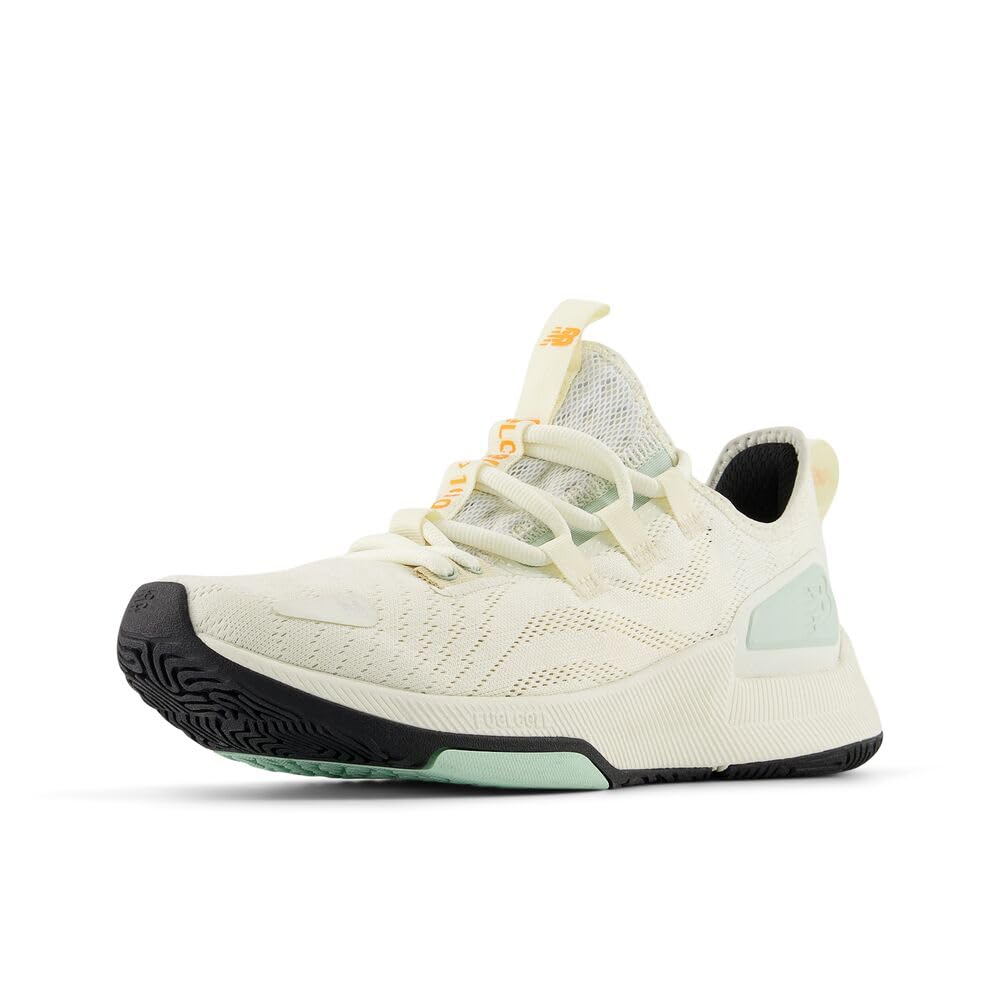
A sleek, lightweight trainer that feels like a sneaker but performs like a gym shoe.
You want one shoe for the gym and the street. The FuelCell Trainer V2 uses a textile upper with no-sew overlays for a smooth silhouette. The bootie construction (a sock-like sleeve that hugs your foot) with an Ariaprene tongue locks your foot in place securely. The FuelCell midsole delivers a propulsive feel — it is slightly bouncier than a pure lifting shoe, making it ideal for cross-training that includes short runs, jumping, and agility work.
It is comfortable and lightweight at 1.5 lb, with good support and a soft sole that adapts well to indoor gym workouts. The main point of dispute is the fit: comfortable for some right from the start in their regular size, but others find it runs narrow and short. Sizing up half a size is a common fix among owners. The connected tongue design makes getting it on a bit harder than a traditional tongue, but the heel and tongue loops help.
explosive moves: You want a single shoe that does double duty: comfortable enough for walking around town and capable enough for indoor training that mixes running with lifting.
wide feet: The fit runs small and narrow for many buyers — ordering half a size up is strongly recommended, especially if you have medium or wide feet.
7. Reebok Womens Nano X5
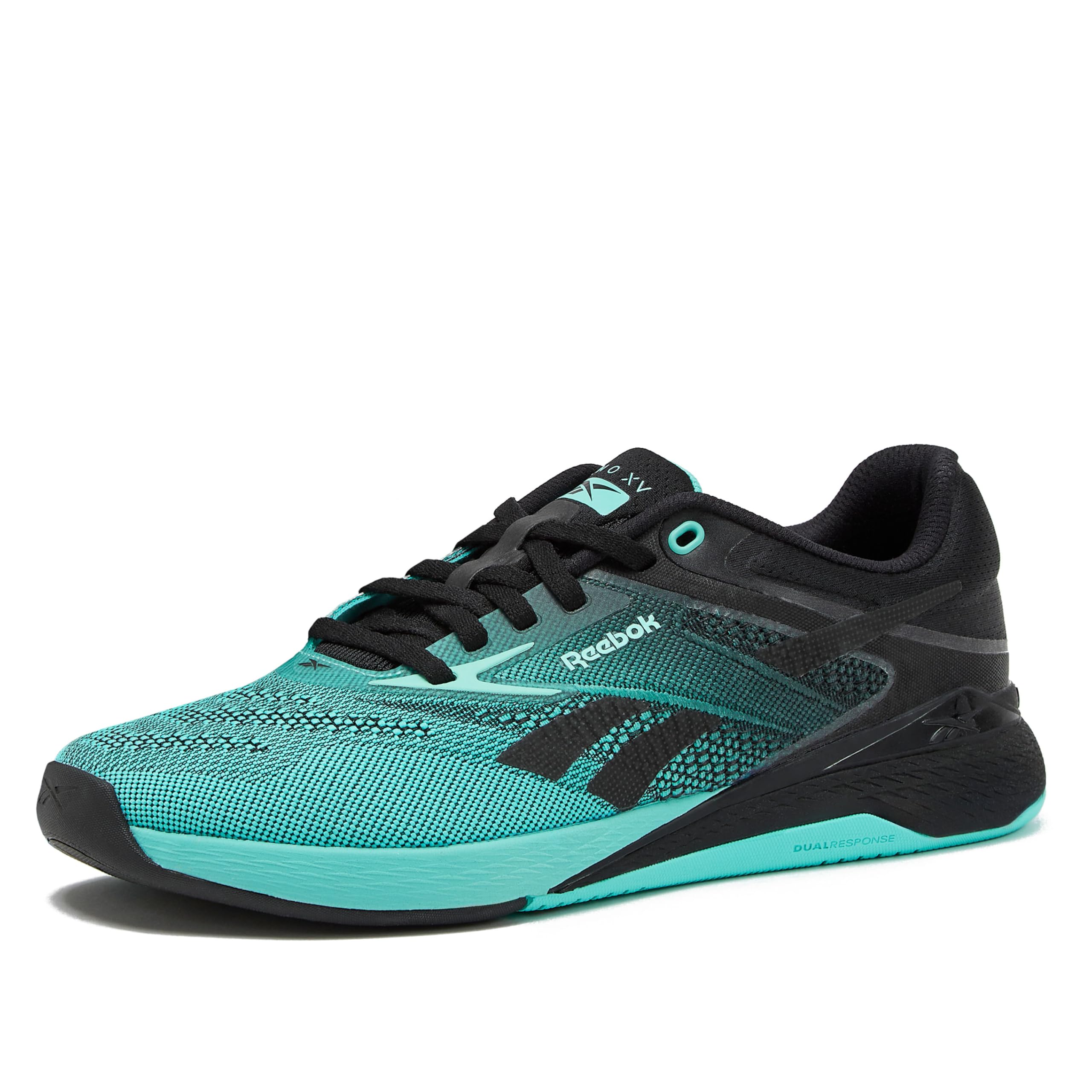
The third-pair-worthy cross trainer that owners come back to again and again.
You do CrossFit and need a shoe that handles everything from rope climbs to Olympic lifts. The Nano X5 is the latest version of Reebok’s flagship training shoe. The Flexweave knit upper is soft and breathable but tough enough for rope climbs. The high traction outsole and a molded heel designed for stability during lateral movement make it a go-to for CrossFit — it handles squats, Olympic lifts, and box jumps without shifting. The plush foam collar and bootie construction give it a comfortable, supportive fit that many owners describe as “a hug for your feet.”
It is light enough for cardio and HIIT, but the flat, non-flexible sole makes it particularly good for weight training — you eliminate the rocking that happens in running shoes during lifts. Quality and versatility are the most-praised aspects. A few owners note the fit runs slightly snug and the sole is stiff at first, but that stiffness is exactly what helps you feel connected to the floor during heavy sets.
crossfit WODs: CrossFit, HIIT, and serious strength training — the high traction outsole and flat platform give you the stability you need for heavy lifts, and the Flexweave knit holds up to rope climbs.
long runs: Pure walking or running; the firm sole that makes it great for lifting feels stiff during miles on pavement.
8. ALTRA Women’s Solstice XT 3 Cross Training Shoe
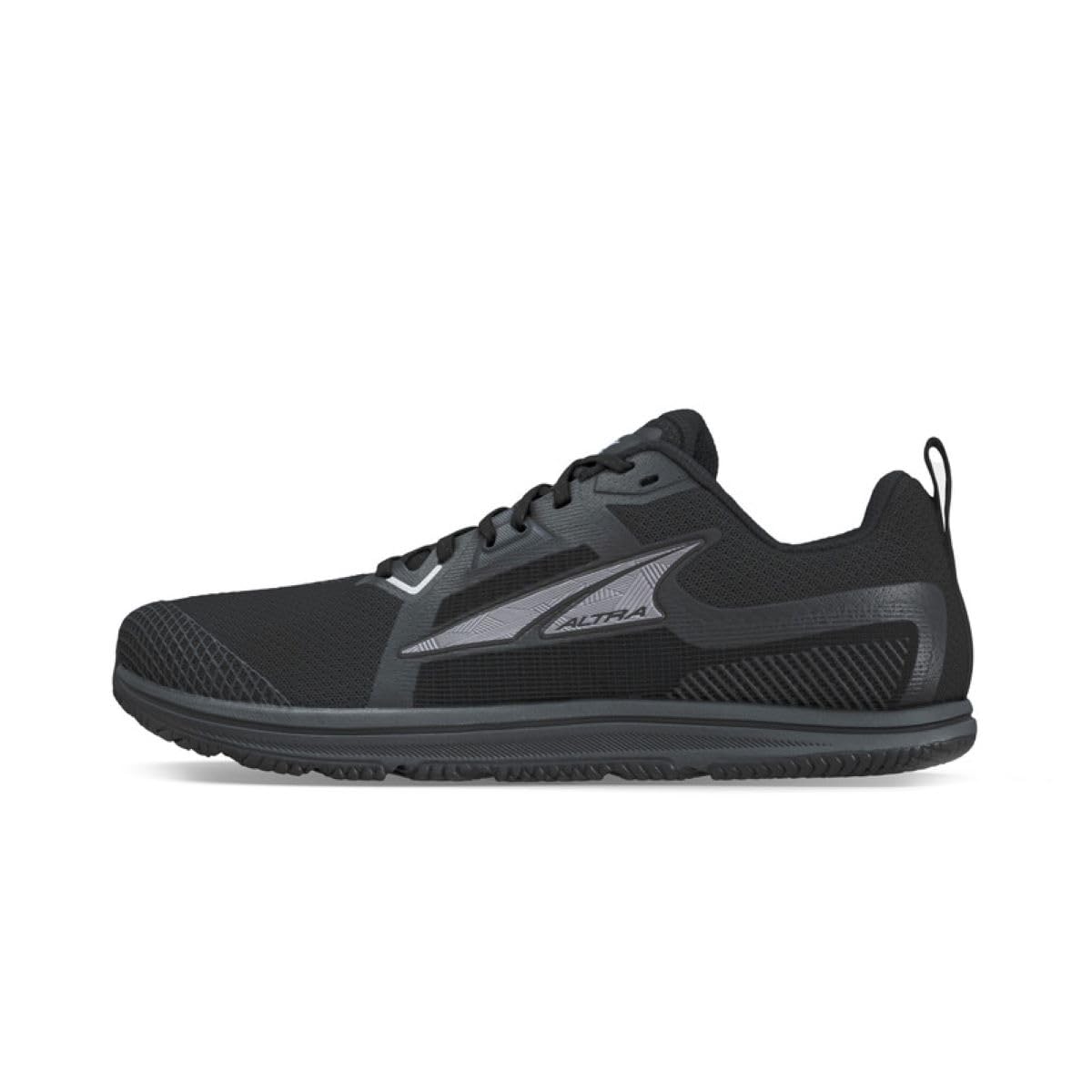
The zero-drop shoe that lets your toes spread naturally for better balance under a barbell.
You want a shoe that mimics barefoot movement for squats and deadlifts. The Solstice XT 3 is built around two signature features: a 0mm drop (heel and forefoot at the same level) and Altra’s FootShape fit (a roomy toe box that lets your toes splay naturally). That wider platform helps with stability during squats and deadlifts. The InnerFlex midsole has grid-like grooves that provide flexibility, so the shoe moves with you during lunges and lateral work.
The engineered mesh upper is breathable and the padded heel collar keeps things comfortable during long sessions. It is versatile across cross training, weight lifting, and HIIT — many owners say it is their favorite shoe for these activities. The main durability concern is real: a few reviewers point out the outer sole and heel cuff wear down after 3-5 months of daily use, so it may not be the longest-lasting option if you are putting lots of miles on them.
studio classes: Lifters and natural-movement enthusiasts who want zero drop and a wide toe box for toe splay during squats and deadlifts. The 9.5 oz weight keeps it nimble.
rough terrain: Durability has been flagged after 3-5 months of daily use — these are best for gym-only wear, not heavy outdoor mileage.
Understanding the Specs
Heel Drop (Offset)
This number tells you how much higher the heel is than the forefoot. A higher drop (7mm-12mm) is common in running shoes and can help heel-strikers (people who land on their heel when running). A lower drop (0mm-4mm) mimics a barefoot position and helps you squat deeper naturally. Most training shoes sit in the 4mm-7mm range — enough drop for comfort during walking, low enough to keep you stable under load.
Toe Box Width (FootShape Fit)
Brands like Altra use a “FootShape” fit that lets your toes spread naturally, improving balance during lifts. Traditional shoes taper at the front, which can cramp toes and reduce stability. If you do a lot of squatting, lunging, or deadlifting, a wider toe box is a real advantage — it gives you a bigger foundation to balance on.
Midsole Foam Composition
Not all foam is the same. Running shoe foam (like soft EVA, or ethylene-vinyl acetate) is designed to absorb shock on pavement — it compresses easily. Training shoe foam (like Repetitor foam from adidas or Charged+ from Under Armour) is firmer and resists compression, helping you feel the floor instead of sinking into the shoe. If you lift heavy, that firmness is crucial.
Outsole Traction Pattern
A full rubber outsole lasts longer than exposed foam, and the tread pattern matters: multidirectional patterns (grooves angled in several directions) help during agility drills and rope climbs, while cutout patterns offer flexibility for natural foot movement. If you do box jumps or lateral shuffles, look for a pattern that grips in multiple directions.
FAQ
Can I use training shoes for running?
How does zero drop affect my squat form?
Do I need a wider toe box for lifting?
Are training shoes good for walking all day?
How often should I replace training shoes?
What does a high traction outsole mean for rope climbs?
Can training shoes help with plantar fasciitis?
Is there a difference between CrossFit shoes and regular training shoes?
Final Thoughts: The Verdict
Across the board, the women’s training shoes winner is the Under Armour Aurora 3 because it nails the balance between plush cushioning and lightweight versatility at 9 oz, handling long walks, lifting, and HIIT with no blisters. If you want a stable platform for heavy lifting and CrossFit, grab the adidas Dropset Control. And for the best value in a shoe that works equally well on a warehouse floor and a gym mat, the Nike Flex Train is the one to reach for.
How We Picked
We do not accept paid placement. Every pick is matched to a real buyer and a real use-case; we do not hands-on test units.
Sources & Methodology
Specifications: manufacturer listings and product documentation. Review insights: verified customer reviews, as of July 2026. Pricing: not shown on this page (it changes often); check the current price via the retailer link.
As an Amazon Associate, Calories Fit earns from qualifying purchases. This does not affect which products we feature.