
Our readers keep the lights on and the coffee maker working hard! As an Amazon Associate, I earn from qualifying purchases.
Specs are compiled from manufacturer listings and verified buyer reviews and can change over time — please confirm the key details on the product page before buying.
You need a pair of trekking pants that can handle a steep climb, a sudden downpour, and a campfire dinner without making you look like you just stumbled off a mountain. The trick is finding the balance between tough fabric that won’t rip on a rock and a stretchy waistband that doesn’t dig in after a day of walking. The best trekking pants let you forget you’re wearing them, so you can focus on the trail.
I’m Mohammad — the founder and writer behind Calories Fit. This guide is built by comparing the manufacturers’ published specifications and the patterns across verified customer reviews, so you get each pick’s real strengths and trade-offs instead of marketing spin.
You want pants that survive the terrain and the wash cycle, which is why this breakdown of the best women’s trekking pants focuses on the fit quirks, pocket real estate, and weather protection that owners actually live with on the trail.
Our Picks at a Glance


How To Choose The Best Women’s Trekking Pants
Picking the right trekking pants depends on knowing what the day will throw at you — and your own body. You need one pair that moves with you, sheds light rain, and survives repeated wash cycles.
Fabric and Stretch: The Secret to Climbing Comfort
The fabric makeup is the single biggest factor in how the pants feel on a long day. A blend like nylon and spandex (often written as elastane) gives you the durability to brush past branches and the give to step up onto a high rock without splitting a seam. Look for at least 10-14% elastane if you want real freedom of movement. A 4-way stretch fabric is ideal — you can lunge, squat, and scramble without restriction.
Pockets: Real Storage, Real Placement
A trekking pant needs pockets that hold your phone, a map, or snacks without turning into lumps against your leg. Zippered pockets are a huge plus — they keep your valuables from falling out if you sit on a log or scramble up a slope. Pay attention to where the pockets sit: deep front pockets hold a phone securely, while thigh pockets give quick access without needing to take off your hip belt. Too many reviews mention “heavy items bang against the leg” to ignore pocket placement.
Weather Protection: Water Resistance and UPF
Most trekking pants use a DWR (Durable Water Repellent) finish to shed light rain and morning dew. This is not the same as a fully waterproof rain pant — it handles a drizzle but will wet through in a downpour. For sunny trails, UPF 50+ sun protection in the fabric itself shields your skin from UV rays without needing to slather sunscreen on your legs all day. A quick-dry fabric is also a lifesaver when you wash them in a hotel sink or get caught in a shower.
Quick Comparison
| Model | Best For | Fabric | Pockets | Sun Protection | Amazon |
|---|---|---|---|---|---|
| Outdoor Research Ferrosi★ Best Overall | All-day comfort & durability | 46% Recycled Nylon, 40% Nylon, 14% Elastane | 1 Front + Thigh Pocket | Not Specified | Amazon |
| Marmot KodachromeTop Performer | Lightweight hiking & casual wear | Not Specified | Not Specified | UPF 50 | Amazon |
| Mammut Zip-OffCompact Pick | Eco-conscious mountaineering | 85% recycled polyamide, 15% elastane | 1 Front | Not Specified | Amazon |
| BGOWATU Winter Hiking | Cold-weather warmth | Not Specified | 6 Pockets | Not Specified | Amazon |
| Haimont Lightweight Cargo | Budget-friendly versatility | 88% Nylon, 12% Spandex | 5 Pockets | UPF 50+ | Amazon |
| Haimont Water-Resistant Cargo | Travel & daily hikes | Nylon with 4-way stretch | 6 YKK Zipper Pockets | UPF 50+ | Amazon |
| Pioneer Camp Flared Cargo | Flared style with stretch | 89% Nylon, 11% Spandex | 2 Pockets | UPF 50+ | Amazon |
| Little Donkey Andy Convertible | Hot weather & changeable trails | 90% Nylon, 10% Spandex | 7 Pockets | Not Specified | Amazon |
| Fjällräven Keb Curved | Rugged terrain & durability | 65% polyamide (recycled), 24% polyester, 11% elastane | Hand & Thigh Pockets | Not Specified | Amazon |
In‑Depth Reviews
1. Outdoor Research Women’s Ferrosi Pants
Our pick — over 4.5★ from 70+ verified ratings; the strongest balance of quality and price.
The five-year pair that looks barely worn — proof of real trail durability.
These pants use a fabric blend of 46% Recycled Nylon, 40% Nylon, and 14% Elastane, which hits a balance between toughness and give. The crowd favorite — 4.7 stars — reflects what owners experience every day: lightweight breathability for summer hikes, water resistance for sudden rain, and a quick-dry property that means you can wash them in a sink and wear them the next morning.
What wins people over is the pocket layout: a top-loading thigh pocket fits an iPhone perfectly, and the deep front pockets hold a booklet or phone without everything falling out when you sit. The fabric is thin enough to be breezy on a warm day, though some find it shows pocket or underwear lines. The drawstring waist lets you adjust the fit without a belt, which is a relief when your weight fluctuates during a long trip. As owners put it: “I’ve owned one pair for five years that look barely worn.” That kind of lifespan is rare in a lightweight hiking pant.
Why They Earn the Top Spot
- 14% elastane provides excellent stretch for scrambling and climbing
- Water-resistant coating sheds light rain and dries overnight
- Thigh pocket keeps your phone accessible on the move
What to Know Before Buying
- Thin fabric may show pocket or underwear lines
- The ankle cord can be a tripping hazard for shorter hikers
Your everyday trail partner: If you want one pair of pants that handles summer heat, light rain, and years of abuse without looking ragged, these are it.
Think twice if: You need serious warmth for winter hikes — these are lightweight, designed for warm-weather trekking.
2. Marmot Kodachrome Pants
Hot-day trail pants that are breezy enough for everyday wear too.
The Kodachrome is built for “hot days in the hills” — the light fabric and good stretch let you move freely during a climb, and a water-resistant coating handles drips from a rain shower or a spilled coffee. The UPF 50 sun protection means you can spend a full afternoon on an exposed ridge without worrying about sunburn on your legs.
The catch is sizing: this is the most-discussed aspect by far, and it runs smaller than expected. Many buyers report needing to go up one or two sizes from their usual, with one hiker noting she needed a 10 when Amazon recommended a 4. The waistband has no elastic give, so if you are between sizes, the larger one is the safer bet. Once you get the right fit, the quality is excellent — owners call them comfortable for both hiking and casual wear, with a flattering cut through the rear and a perfect length for someone 5’6″.
A size-up situation: These are fantastic, light, and breezy pants for warm hiking days and casual outings — but order one to two sizes larger than you normally wear, or the fit will disappoint.
Best for sunny hikes and town runs: If you want a single pair that moves from trail to coffee shop without looking technical, these deliver.
Better for leaner builds: The lack of an elastic waistband makes them less forgiving for anyone with a curvy midsection.
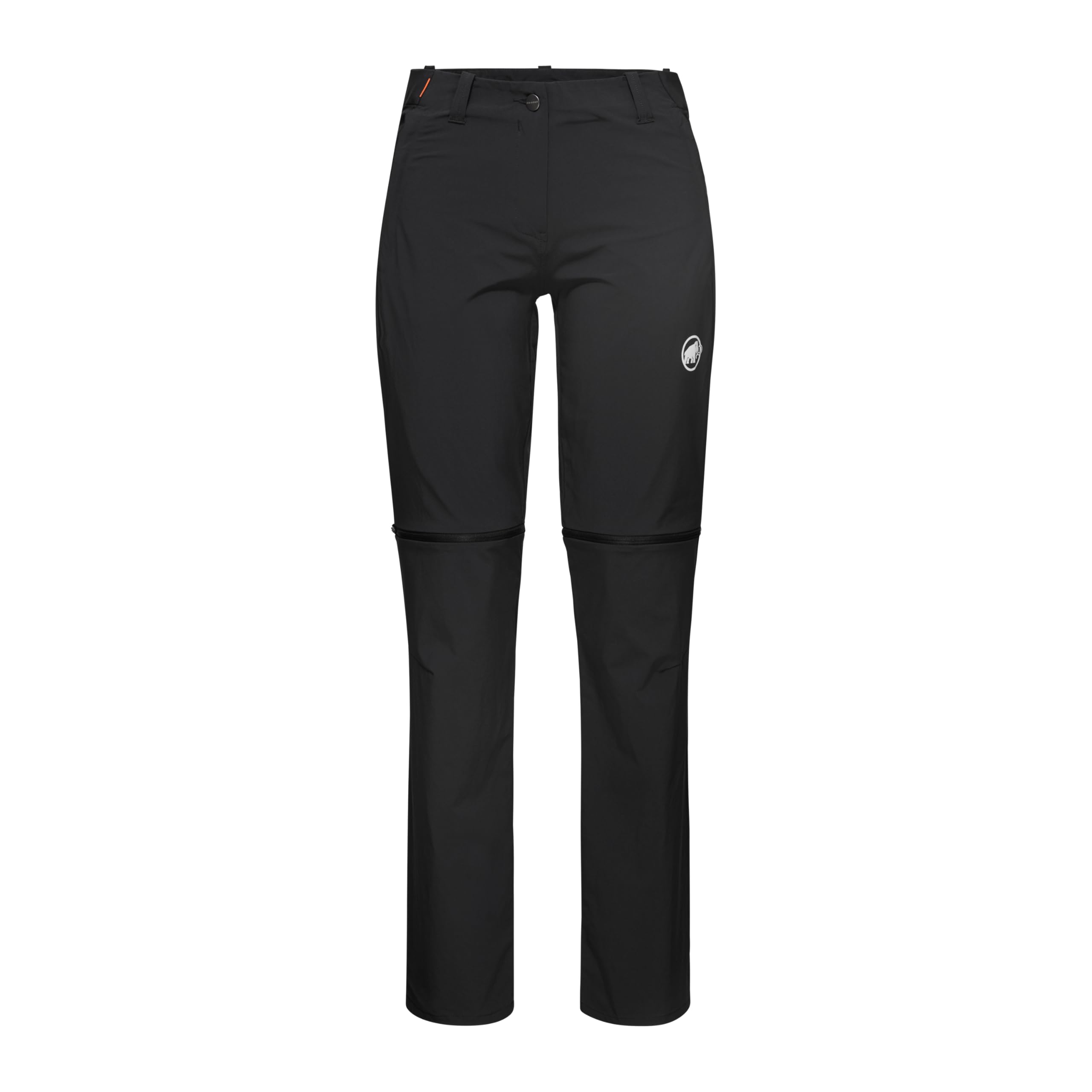
3. Mammut Womens Outdoor Hiking Zip-Off Pants
A zip-off design that lets you switch from pants to shorts on the move.
These pants are made from 85% recycled polyamide and 15% elastane, giving you a high-stretch, eco-conscious fabric that breathes well on warm days. The zip-off legs convert the pants into shorts in seconds, which is a huge convenience when the afternoon sun hits and you are still miles from the trailhead.
The lightweight, quick-drying fabric handles sweat efficiently, and the athletic fit works well for mountaineering and more technical terrain. One owner wore them for a full week in Yellowstone and loved them. However, the sizing is a point of caution — the fit is snugger through the hips than some expect, and a buyer who normally wears a size 2 found it tight. The high stretch in the fabric does help accommodate movement, but if you are between sizes, consider going up for a comfortable range of motion.
Versatile for changing weather: The zip-off feature and recycled stretch fabric make these a smart pick for anyone who wants one pant for a trip with variable temperatures — just size up for a comfortable fit through the hips.
Reach for these if: You hike in mountains where the weather shifts from cool morning to hot afternoon, and you want quick-conversion pants without carrying extra clothes.
Check the size chart carefully: The hips run snug, so measure yourself and consider ordering one size up from your usual.
4. Fjällräven Keb Curved Women’s Trekking Trousers
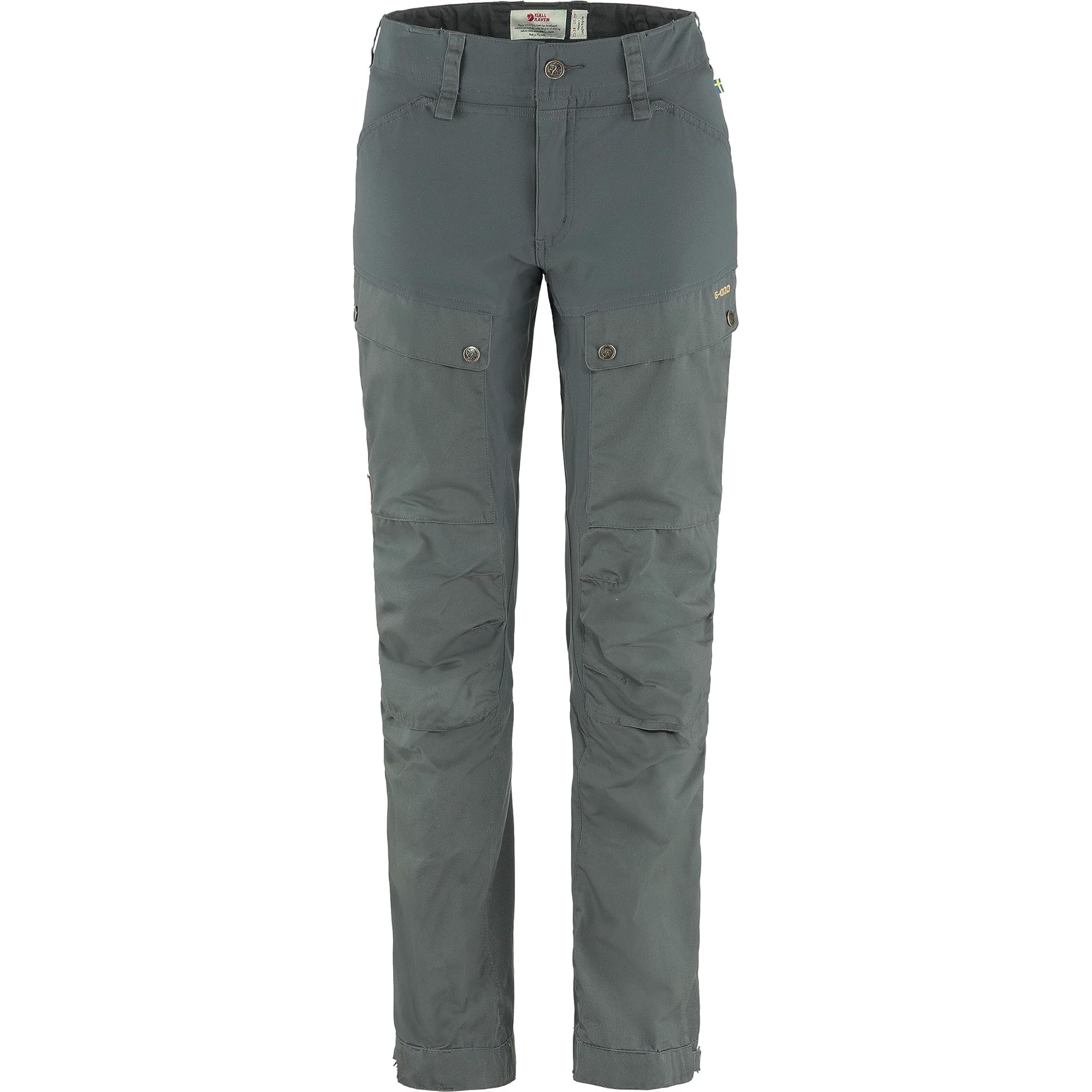
Knee pads and reinforcement for serious backcountry work.
Fjällräven designed these trousers with a curved fit for women with hips, using a blend of 65% recycled polyamide, 24% polyester, and 11% elastane. The fabric is noticeably sturdier than most trekking pants — it is reinforced in high-wear areas and has a vented design for when the temperature climbs. Owners who bought these for work (including one who wears kneepads) were so happy they bought multiple pairs.
The features are thoughtful for extended treks: the bottoms have snaps so they don’t drag on the ground, two thigh pockets (one zippered) keep gear accessible, and ventilation zippers let you dump heat on a steep climb. The waistband has no stretch, which is the one consistent note — owners recommend sizing up if you are between sizes. One 5’7″ hiker who usually wears a US 10 found the labeled size 42 (supposedly a US 10) fit like a 12, so the sizing can be inconsistent. For those who get the right fit, the verdict is clear: “Best hiking pants I have owned.”
Backcountry durability: The reinforced fabric, ventilation, and knee-pad compatibility make these the toughest pants on this list — ideal for long expeditions where a rip would be a real problem.
Built for hard use: If you need trekking trousers that survive scraping against rocks and carrying heavy gear, these are worth the money.
Not for casual hikers: The stiff waistband and premium price point suit dedicated trekkers who spend full days on rough terrain, not occasional walkers.
5. Haimont Women’s Lightweight Hiking Cargo Pants with Zip Pockets
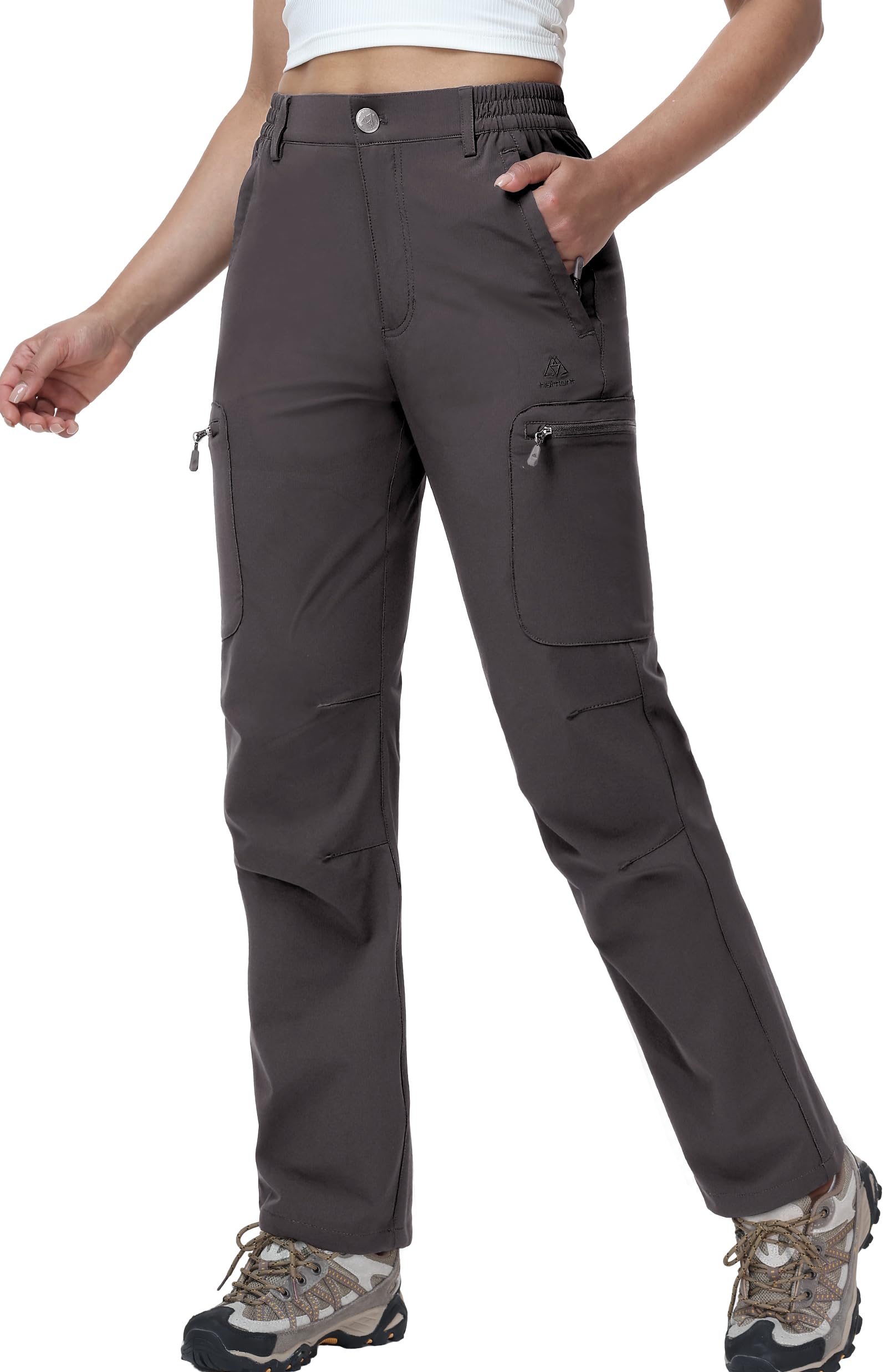
Short, regular, and long inseams mean you finally get the right length.
The Haimont cargo pants are made from 88% Nylon and 12% Spandex with a ripstop weave that resists tearing. The biggest advantage here is the option of 27, 29, or 31-inch inseams — a rarity in budget trekking pants. A 5’3″ owner reported the short length was correct, while a 5’7″ athlete found the 31-inch inseam perfect and tapers well at the ankle.
The fabric is lightweight, quick-drying, and has a water-resistant finish plus UPF 50+ sun protection. The five pockets include zip-secured ones for valuables. The elastic waist paired with belt loops handles weight fluctuations comfortably. The main downside: the length is the most-discussed aspect and it is genuinely mixed. While some find the inseam perfect, others say even the short version is too long for their frame. The fabric also feels “cheap” to a few, so these are better for occasional trekkers than someone who needs a hard-use staple.
Length options make the difference: If you struggle to find trekking pants that are not dragging under your heel, the 27-inch and 31-inch choices here are a genuine relief — just verify your size before ordering.
Smart buy for shorter or taller hikers: The inseam variety and UPF 50+ protection make these an excellent value for anyone tired of hemming every pair they buy.
Skip if you want a premium fabric feel: The material is serviceable but does not feel as sturdy as pricier options.
6. Haimont Women’s Lightweight Water-Resistant Hiking Cargo Pants
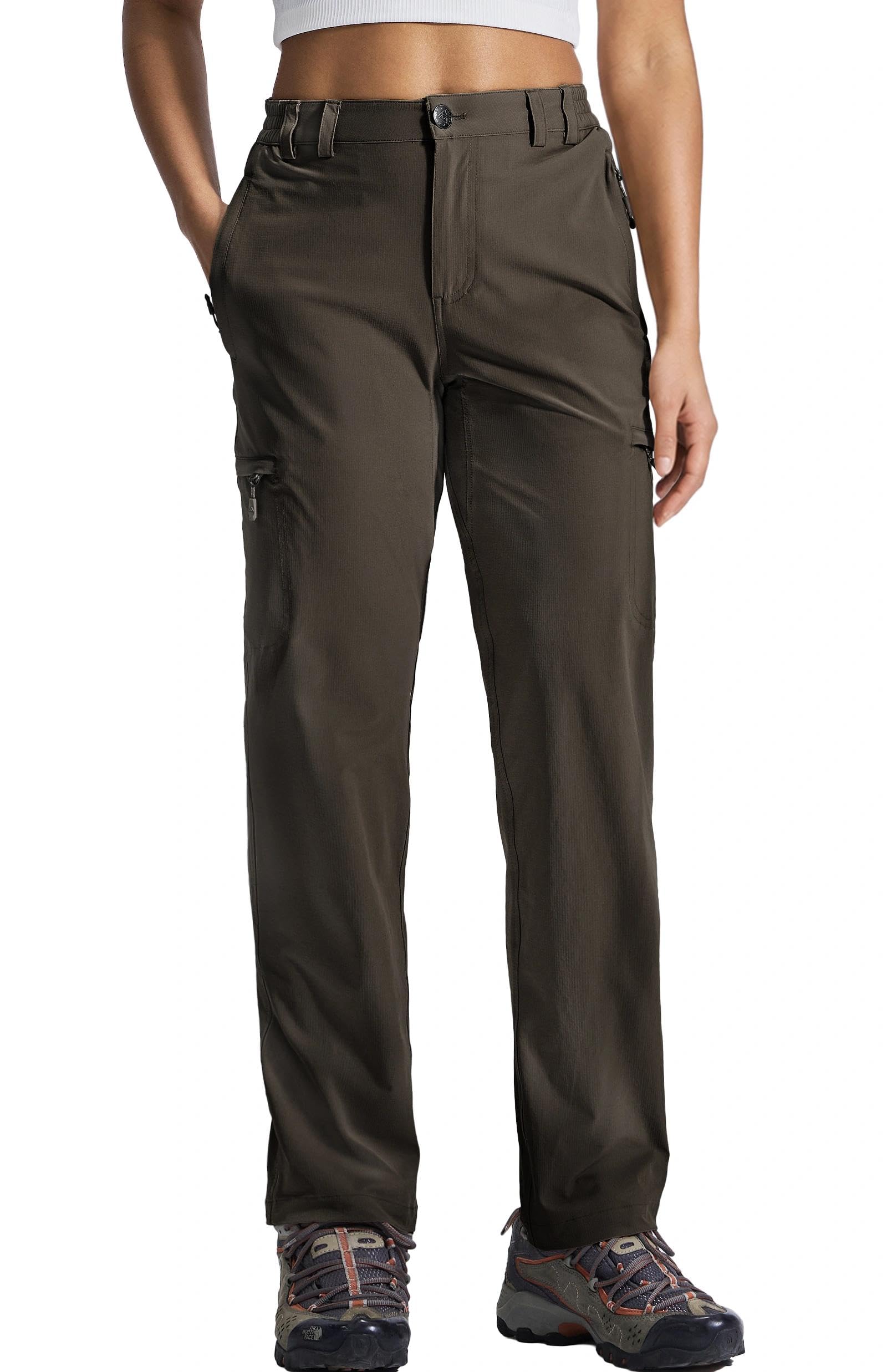
Six zippered pockets that actually fit a phone, passport, and snacks.
These pants use a nylon ripstop fabric with 4-way stretch and a durable water-resistant finish. The six YKK zipper pockets are the standout feature — they are large enough for a phone, passport, and keys, and they stay secure whether you are on a 12-hour plane ride or scrambling up a scree slope. The quick-dry, wrinkle-resistant fabric makes them a go-to for travel, with one buyer purchasing four pairs for trips in warm to cool temperatures.
The partial elastic waistband and zip fly create a secure fit, and the UPF 50+ protection lets you hike exposed ridges without sunscreen on your legs. The fabric is lightweight and breathable, though a few owners found the sizing runs large — one 5’3″, 133-pound buyer described the medium as “big” and “bulky.” There is also a note that a zipper handle broke off after a few washes, so treat the hardware gently. For the price, the mix of pocket security, stretch, and sun protection is tough to top.
Travel-ready design: The combination of 6 secure pockets, quick-dry fabric, and wrinkle-resistance makes these an ideal companion for trips where you pack light and move fast.
Best for travelers: If you spend as much time on planes and in cities as you do on trails, these handle both worlds without looking out of place.
Consider sizing down: The fit runs generous, and the hardware may not survive years of heavy use.
7. BGOWATU Women’s Winter Hiking Pants Fleece Lined Waterproof Windproof
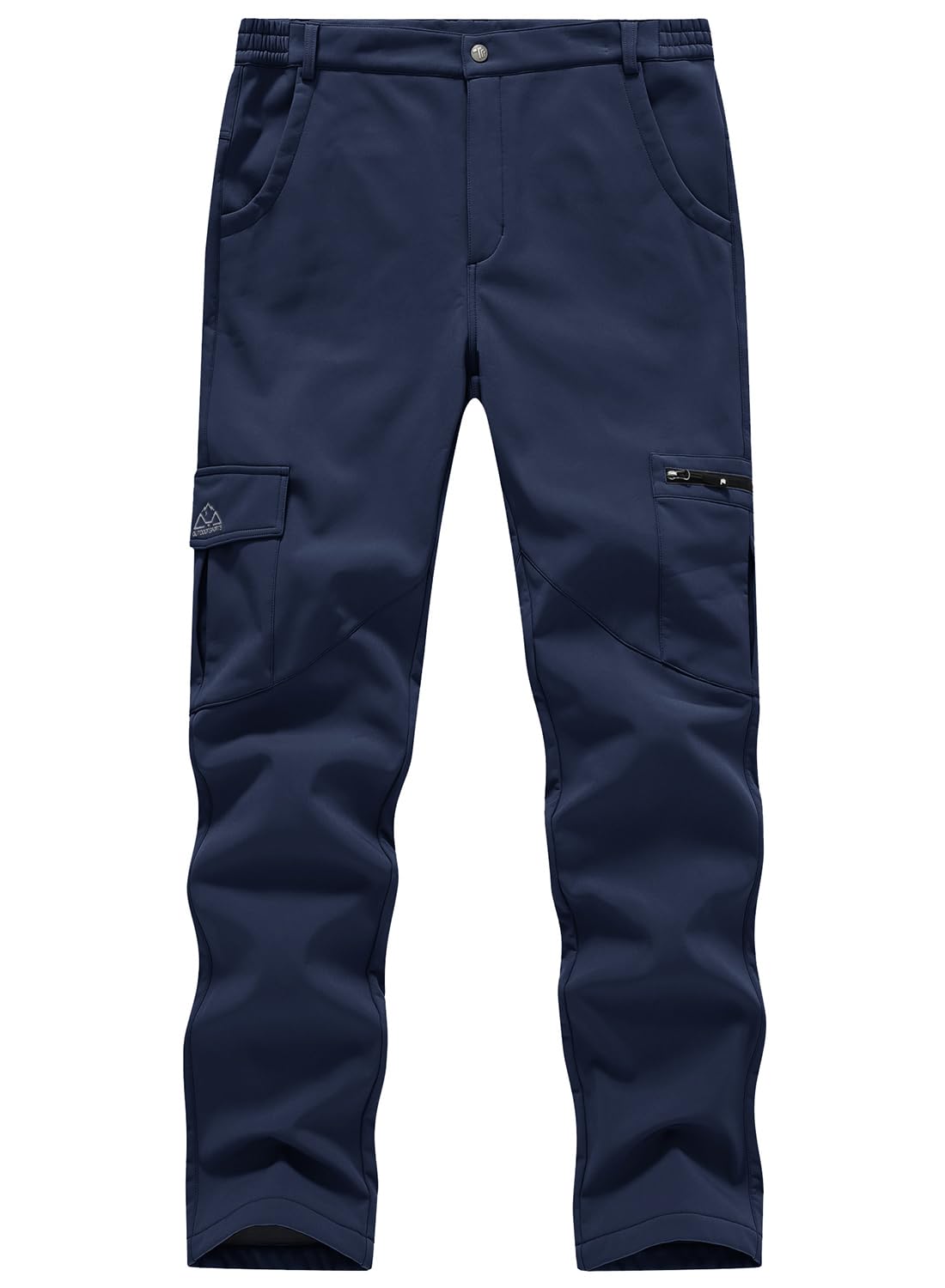
Real warmth in a budget pant — tested at 34 degrees on an outdoor workday.
These fleece-lined pants are built for cold weather, with warmth being the most-praised aspect by a wide margin. One owner wore them every day over leggings on a trip to Iceland and the Baltics, calling them “warm, waterproof, and very comfortable.” Another buyer used them for outdoor work in a 34-degree morning and reported they “worked very well.” The six pockets give you plenty of storage for hand warmers, a phone, or a trail map.
The fabric is thick but not bulky, and it washes and dries in a machine without issues. The fit earns positive marks overall, though the sizing gets mixed feedback — one owner found that different colors of the same size were cut differently, and another with an athletic build found the knees tight. A few buyers felt the pants did not deliver the warmth they needed, so if you are in extreme cold (below freezing all day), you may still want a base layer underneath. For the price, the warmth-to-quality ratio is impressive.
Winter-proof on a budget: The fleece lining and windproof fabric deliver genuine warmth for cold mornings, outdoor jobs, and winter hikes at a price that leaves you room to buy a good base layer too.
Made for cold-weather trekkers: If your hiking season runs through winter and you need affordable insulated pants, these are the most practical choice on this list.
Not for mild climates: The fleece lining is too warm for anything above 40°F, and the sizing can be inconsistent between colors.
8. Little Donkey Andy Women’s Stretch Convertible Pants

Zip-off legs that turn into shorts, capris, or full pants in seconds.
These convertible pants are a 3-in-1 solution: zip the legs off at the knee to turn them into three-quarter ankle pants or fully remove them for bermuda shorts. The 90% Nylon and 10% Spandex fabric is lightweight, quick-drying, and has a cooling effect — ideal for hot treks where the temperature shifts throughout the day. One owner took them on a week-long Boundary Waters trip and said they “exceeded expectations.”
The pants have seven pockets total (3 slant pockets, 2 thigh, 2 back), which is more storage than most hiking pants offer. The fabric is also wrinkle-resistant, making them safari-ready. The most common praise is quality and fit, though the sizing runs slightly large and the crotch area feels baggy for some. Owners with pear-shaped builds recommend sizing up, and shorter hikers (around 5’5″) find the legs too long. The elastic waist and adjustable drawcord at the leg openings help dial in the fit, but a belt may be needed to prevent sag when pockets are loaded.
Ultimate versatility: The zip-off legs let you switch from pants to shorts mid-hike, and the seven pockets add storage.
Reach for these if: You hike in changeable weather and want one pant that gives you three lengths, plus enough pockets to leave the daypack behind on short loops.
Better for taller legs: The inseam runs long, and the crotch cut may feel loose on shorter frames.
9. Pioneer Camp Women’s Hiking Pants Flared Lightweight Water Resistant
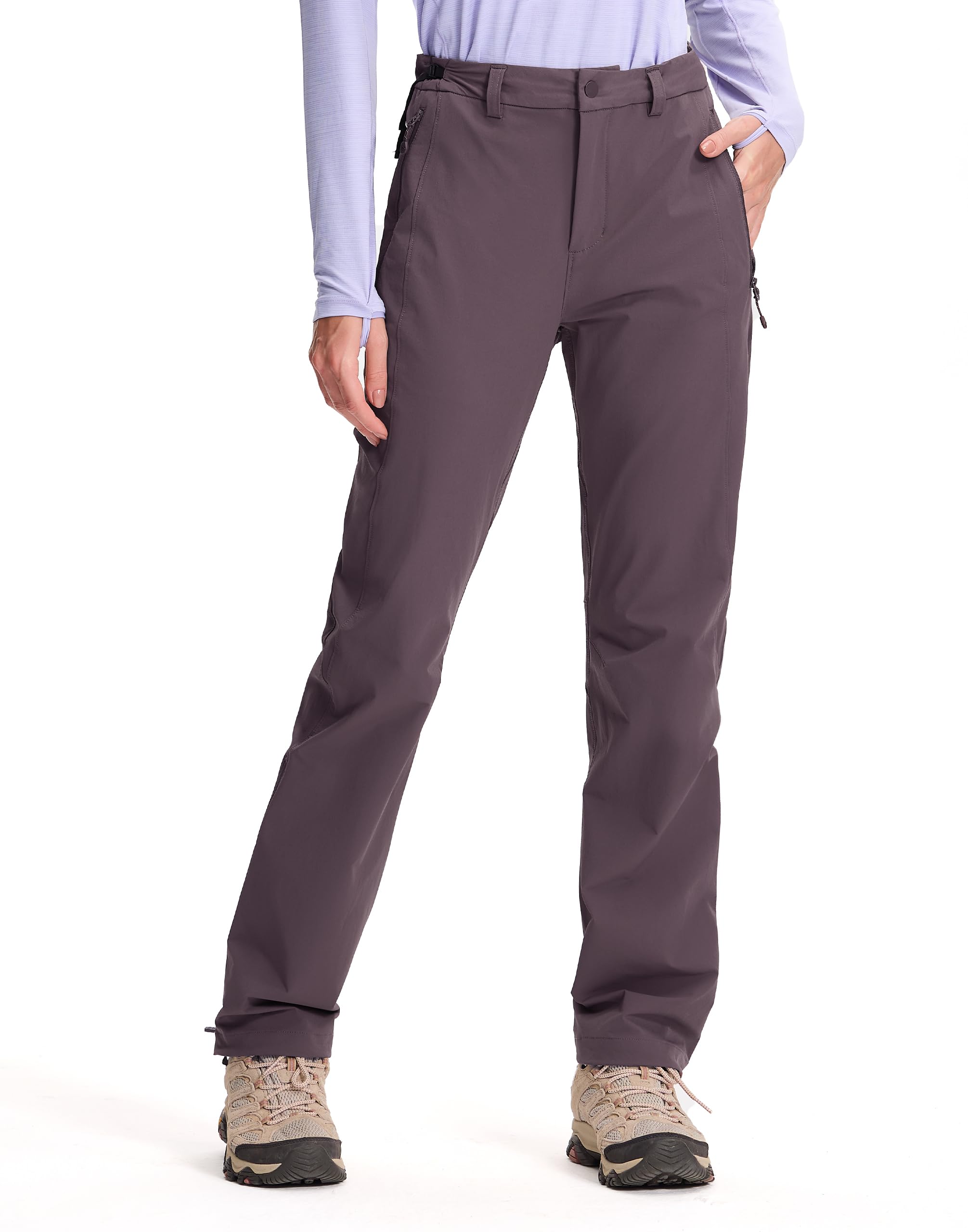
A flared bootcut that looks sharp on the trail and in town.
The Pioneer Camp pants use 89% Nylon and 11% Spandex with a ripstop weave and UPF 50+ sun protection. The standout feature is the flared bootcut leg, which is a welcome change from the skinny or straight-leg fits dominating the category. The zipper flare at the ankle lets you pull the pant over laces or boots, and the gusseted crotch gives you freedom to climb without restriction.
Quality is the most-praised aspect — owners find the fabric sturdy without being heavy, and the snap closure feels more durable than a button. The pants have a small cinch belt for waist adjustment, deep enough front pockets for a Samsung S26 Ultra in an OtterBox, and two additional zipper pockets. The water-repellent finish handles light rain, though it is closer to a DWR spray-on than a fully waterproof membrane. The fit runs slightly small in the hips for some, with a size 10 buyer needing an XL for comfortable movement. The color can vary slightly from product photos, so check recent review images before ordering.
Flared fit, serious function: If you want trekking pants that do not look like technical gear, the bootcut silhouette and sturdy fabric make these a great pick — just size up if you have wider hips.
Best for style-conscious hikers: The flared cut and deep pockets make these a rare combination of function and fashion for trail-to-town wear.
Not for ultra-light enthusiasts: The fabric is thicker than some ultralight options, and the water repellency is mild, not a downpour solution.
Understanding the Specs
Fabric Weight and Stretch
A pant with a high stretch percentage (elastane or spandex) moves with you when you step over a log or climb a boulder. Lightweight fabric (around 3-5 oz per yard) breathes well on warm days but may not hold up to repeated contact with rocks. Midweight fabric offers more durability for off-trail bushwhacking. The blend is usually written as a percentage — “88% Nylon, 12% Spandex” — and the second number tells you how much give it has. Anything above 10% elastane is enough for a wide lunge without feeling restricted.
Water Resistance vs. Waterproofing
A DWR (Durable Water Repellent) coating on trekking pants causes raindrops to bead up and roll off. That is enough for a light shower, morning dew, or brushing against a wet bush. But DWR is not a waterproof membrane — in a sustained downpour, the water will eventually soak through. Fully waterproof pants use a taped-seam membrane (like Gore-Tex), which keeps you dry in heavy rain but does not breathe as well for active hiking. Most trekkers prefer DWR-treated stretch pants for day hikes and save fully waterproof shells for alpine conditions.
FAQ
How should trekking pants fit?
Are trekking pants the same as hiking pants?
Can I wear trekking pants in hot weather?
Do I need UPF-rated trekking pants?
How do I care for trekking pants?
Are expensive trekking pants worth it?
What is a gusseted crotch and do I need it?
How long should trekking pants last?
Can I wear trekking pants for travel or everyday use?
What is the difference between a zip-off and a convertible pant?
Final Thoughts: The Verdict
For most buyers, the best women’s trekking pants is the Outdoor Research Ferrosi because it balances lightweight stretch, water resistance, and a five-year lifespan that owners rave about. If you want serious cold-weather insulation on a budget, grab the BGOWATU Winter Hiking Pants. And for variable weather where you need pants one minute and shorts the next, the Little Donkey Andy Convertible Pants are the one to reach for.
How We Picked
We do not accept paid placement. Every pick is matched to a real buyer and a real use-case; we do not hands-on test units.
Sources & Methodology
Specifications: manufacturer listings and product documentation. Review insights: verified customer reviews, as of July 2026. Pricing: not shown on this page (it changes often); check the current price via the retailer link.
As an Amazon Associate, Calories Fit earns from qualifying purchases. This does not affect which products we feature.