
Our readers keep the lights on and the coffee maker working hard! As an Amazon Associate, I earn from qualifying purchases.
Specs are compiled from manufacturer listings and verified buyer reviews and can change over time — please confirm the key details on the product page before buying.
The right pair of lightweight hiking boots can save your trip — or ruin it. You want boots that won’t weigh you down, keep your feet dry when you cross a stream, and grip the rock so you don’t slide — all without a painful break-in period. Here are the best women lightweight hiking boots available now, each chosen for how it balances weight, support, and real-world waterproofing.
I’m Mohammad — the founder and writer behind Calories Fit. This guide is built by comparing the manufacturers’ published specifications and the patterns across verified customer reviews, so you get each pick’s real strengths and trade-offs instead of marketing spin.
Whether you hike on weekends or spend full days on uneven terrain, the right balance of support and weight in a boot changes everything. This guide to the best women lightweight hiking boots helps you find that balance.
Our Picks at a Glance

How To Choose The Best Women Lightweight Hiking Boots
Picking the right hiking boot is about matching the shoe to the trail you actually walk, not the mountain you dream about. The most common mistake is buying a heavy, overbuilt boot for easy day hikes — it just tires your legs out faster. Focus on three things: weight, waterproofing, and traction.
Weight and Your Energy
Every extra ounce on your foot feels like a pound on your back over the course of a few miles. A good lightweight boot weighs under 2 pounds per pair. Lighter boots let you hike longer with less fatigue, but they often trade some ankle support and durability to get there.
Waterproofing vs Breathability
A waterproof membrane (look for names like B-DRY, Rain.RDY, or a Danner dry lining) keeps your feet dry in rain and streams. The trade-off is heat — waterproof boots run warmer because they trap sweat. If you hike in hot climates, a breathable mesh boot with a water-resistant treatment might be better.
Traction on Real Terrain
Look at the outsole. A deep, multi-directional lug pattern (around 4mm deep) grips loose dirt and wet rock. A flatter sole is fine for gravel paths but slides on slick surfaces. The rubber compound matters too — stickier compounds grip better but wear faster on pavement.
Quick Comparison
| Model | Best For | Weight | Waterproofing | Break-In | Amazon |
|---|---|---|---|---|---|
| Columbia Newton Ridge BC★ Best Overall | Best Overall | Lightweight | Rain-and-stain resistant | None needed | Amazon |
| Merrell Speed Strike 2Agile Trail Companion | Agile hiking | 1.5 lbs | Not waterproof | None needed | Amazon |
| Columbia Crestwood MidAll-Terrain Value | All-terrain value | 14 oz/shoe | Waterproof | None needed | Amazon |
| Adidas Terrex Anylander Mid | Wet-weather hikes | 2.43 lbs | Rain.RDY | Minimal | Amazon |
| Danner Adrika 5″ | Premium comfort | 14.8 oz | Danner dry lining | Minimal | Amazon |
| Oboz Bridger Mid B-DRY | Serious day hikes | 19 oz | B-DRY | Short | Amazon |
| Viakix Monterra Mids | Long-distance hiking | 11.7 oz (size 7) | Yes (mesh) | None needed | Amazon |
| KEEN Hightrail Mid | Wide-toe fit | Lightweight | Water-resistant leather | Low | Amazon |
| G4Free Zn-30 | Budget-friendly | Lightweight | Water-resistant | Needs break-in | Amazon |
In‑Depth Reviews
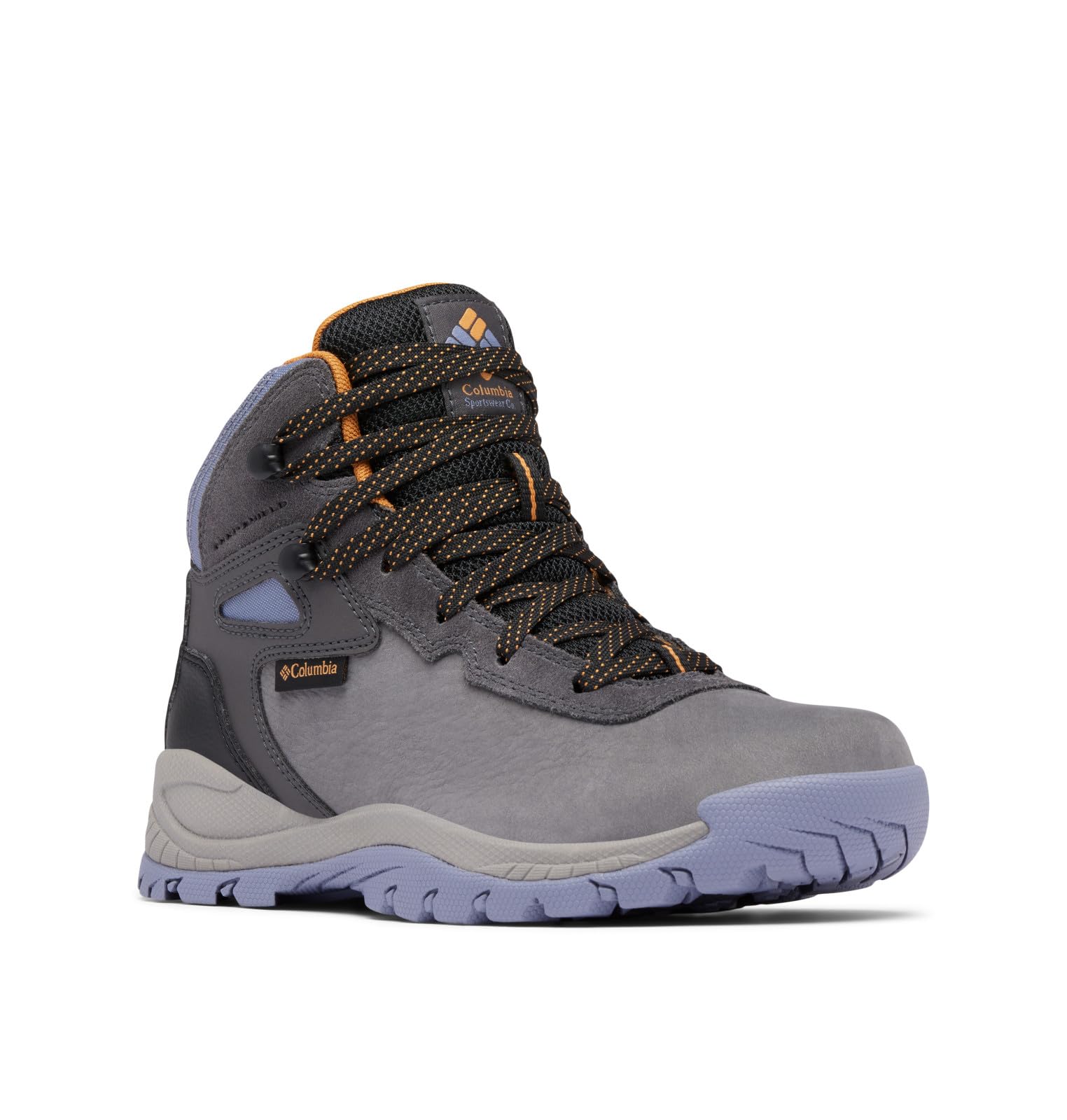
1. Columbia Newton Ridge™ BC
Our pick — over 4.5★ from 650+ verified ratings; the strongest balance of quality and price.
The crowd favorite that hikes three hours through water without a blister.
Comfort is the thing people praise most here — and it shows in every review. Buyers report hiking a 12-mile rocky route with no blisters, good ankle support, and feet that stayed dry. The boot uses a rugged suede and leather upper with rain-and-stain resistance, plus a grippy traction outsole that handles hills and wet terrain without slipping. One owner summed it up: “Replaced insole for more cushion; 12-mile rocky hike, no blisters, good ankle support, feet dry, easy to clean.”
The fit runs true to size with a roomy toe box, so you can wear a thicker sock without your toes hitting the front. Multiple owners mention zero break-in — they wore these straight from the start for a three-day trip and had no complaints. The 4 hooks for lacing give you solid ankle support, which owners note is great for post-surgery stability as well as trail hiking. A few owners mention that these get warm in warmer weather, which is the trade-off for the waterproof build.
What Wins People Over
- No break-in needed — comfortable from the first step
- Waterproof performance that keeps feet dry in rain and streams
- Ankle support with 4 lace hooks for a secure fit
The Honest Trade-Off
- Runs warm in hot weather due to waterproof lining
- Insole may feel thin for some; a replacement adds cushion
Best suited for: Day hikers and commuters who want a boot that works from the start, handles wet trails, and keeps feet comfortable for hours. The shoe is lighter than most leather boots, so your legs stay fresher on longer walks.
Who should look elsewhere: If you hike in very hot, dry climates and prioritize breathability over waterproofing, a mesh trail shoe without a membrane will keep your feet cooler.
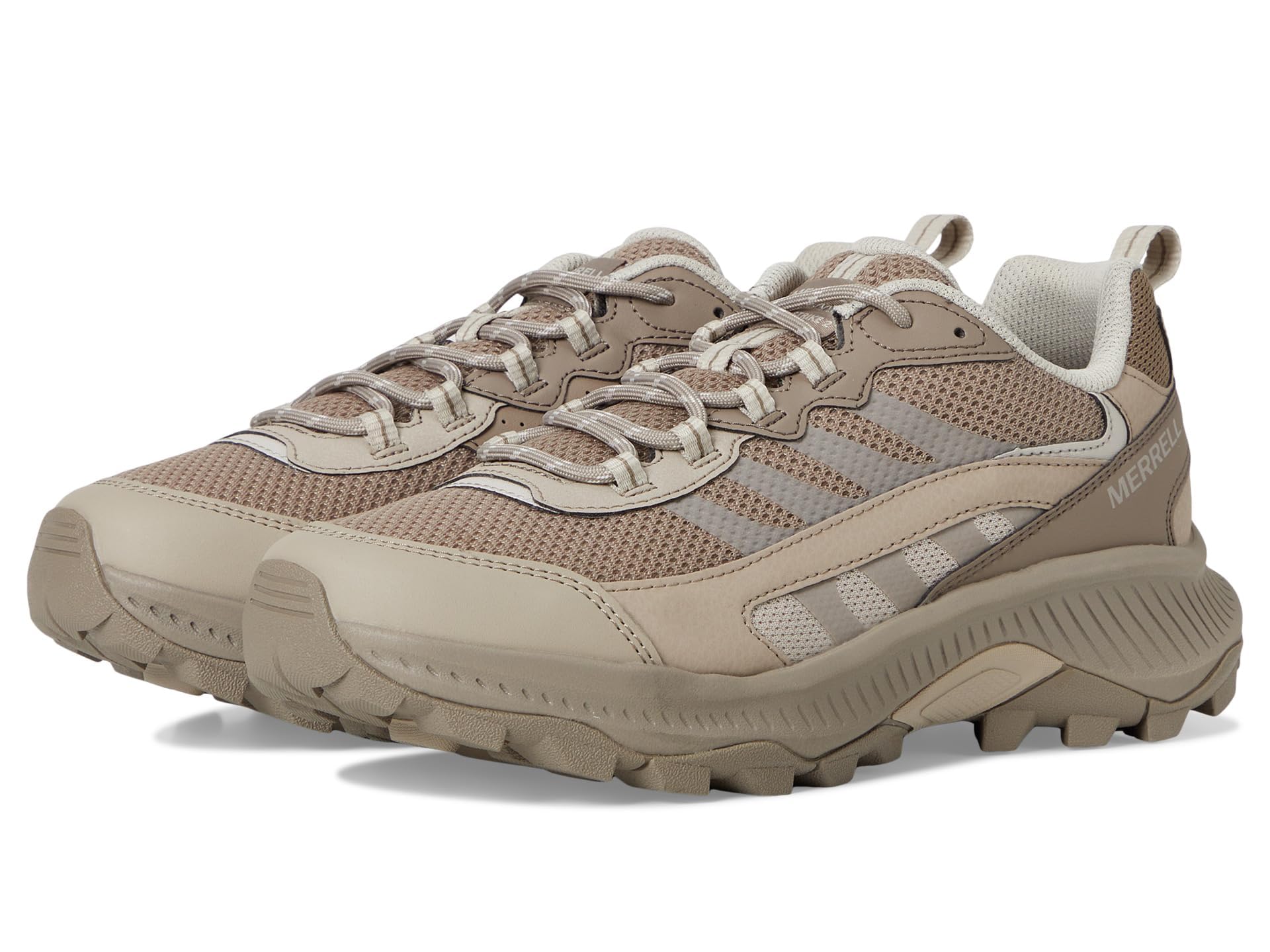
2. Merrell Women’s Speed Strike 2
A featherweight hiker that grips Sedona slickrock without a slip.
This boot is built for speed, weighing in at just 1.5 pounds per pair — noticeably lighter than the Adidas Terrex Anylander which comes in at 2.43 pounds. That weight difference means your legs feel fresher after a full day of hiking. The Merrell sticky rubber outsole delivers traction that owners genuinely rely on; one buyer who wore these in Sedona reported never slipping once. They come in a roomy toe box design that accommodates thick socks without pinching, and the removable EVA foam footbed includes 50 percent recycled materials.
Comfort and fit are what people praise most, with an overwhelming number of reviews highlighting how the supportive base prevents shin splints by encouraging proper glute and quad engagement. There is zero break-in required — slide them on and hit the trail. One owner even played pickleball in them, which says a lot about the all-day wearability. The main drawback is that these are not waterproof, so wet grass and puddles will soak through. A spray-on water repellent can help, but they work best in dry conditions.
Where It Shines
- Extremely lightweight at 1.5 lbs — saves energy on long hikes
- Superb traction on rock; owners mention no slipping on slick stone
- Roomy toe box and zero break-in period
One Thing to Know
- Not waterproof — wet conditions require a separate spray treatment
- Thick laces can be hard to keep tied
Reach for these if: You want a fast, nimble shoe for day hikes on dry trails. The low weight and sticky outsole make them ideal for rocky, technical terrain where you need to feel the ground.
Skip them if: Your hikes cross streams or involve wet weather. Without a waterproof membrane, your socks will get soaked.
3. Columbia Women’s Crestwood Mid Waterproof Hiking Boots
A 14-ounce boot that passed the stream test with dry socks after two hours.
At just 14 ounces per shoe, these are among the lightest waterproof boots in the lineup. Owners consistently call them comfortable right from the start, with a cushiony, bouncy fit that feels more like a sneaker than a boot. One owner tested them in a stream and reported dry feet after two hours of hiking — the waterproofing works. The tread grips rock well, and the breathable membrane means your socks don’t turn into sponges, even on longer hikes.
There is a sizing catch here. Multiple owners say these run small, and the general advice is to order half to a full size up from your usual. The toe box can feel tight for wider feet, though some owners with slightly wide feet found the fit good after sizing up. A few owners noted that the fabric loops for lacing are narrower than metal eyelets and harder to thread. Still, for the price, you get genuine waterproofing and a very lightweight feel.
What Stands Out
- Excellent weight at 14 oz per shoe — keeps legs fresh all day
- Waterproof and breathable; feet stay dry through stream crossings
- Great traction on rock surfaces
A Real Concern
- Runs small — size up half to a full size for a comfortable fit
- Fabric lace loops are less durable than metal eyelets
Grab these if: You want a budget-friendly, lightweight boot that actually keeps water out. They work great for day hikes on mixed terrain where you cross puddles or streams.
Think twice if: You have a wide foot that needs extra space in the toe box. Even after sizing up, some owners found the forefoot snug.
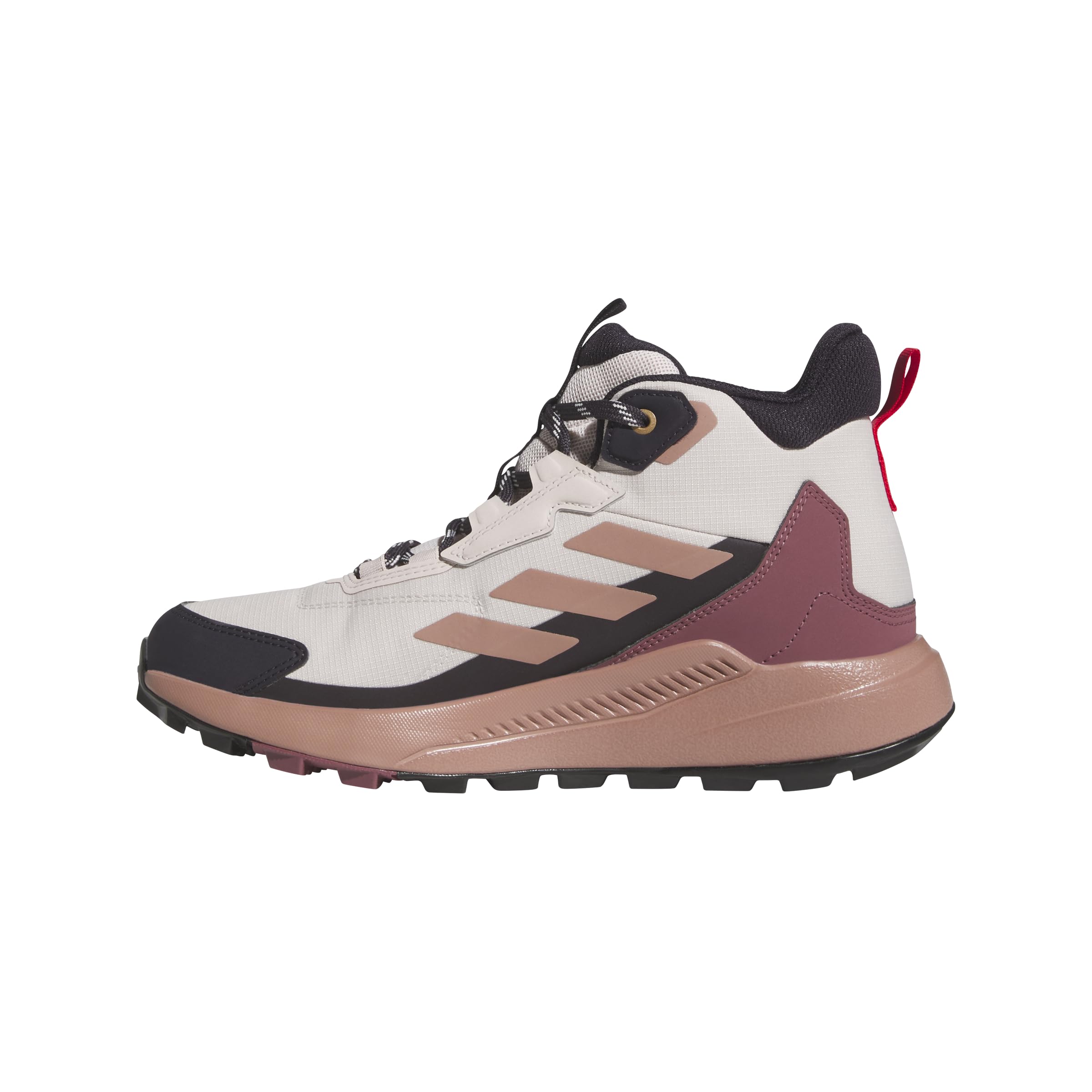
4. Adidas Women’s Terrex Anylander Mid Top Rain.rdy Hiking Sneakers
Nine miles in a downpour with completely dry feet — that is the Rain.RDY promise in action.
The Adidas Rain.RDY membrane is the real story here. One owner described getting lost on a hike, walking 9 miles over rough terrain in a pouring rain, and ending with feet that were “completely dry the whole time” — with no blisters. The Traxion outsole provides grip on wet rock and mud, and the EVA midsole delivers lightweight cushioning that makes these suitable for light running as well as hiking. They weigh 2.43 pounds, which is heavier than the Merrell Speed Strike 2 (1.5 pounds) by a noticeable margin, but that extra weight comes from the heavier waterproof construction and the mid-top design.
Fit is a mixed bag here. Some owners find them true to size, while others say they run large enough that a heavier sock is needed to take up space. The boot works well for wide feet according to some reviews, but a few owners found the insole thin and the left shoe tighter than the right. If you plan on long hikes in consistently wet conditions, these are tough to top — but they are not the most breathable option, and they run a bit warm in warm weather.
Why It Stands Out
- Excellent waterproofing — Rain.RDY membrane keeps feet dry in heavy rain
- Good traction on wet terrain with Traxion outsole
- Versatile for light running and hiking
The Trade-Off
- Heavier than many competitors at 2.43 lbs
- Not very breathable; feet can get warm
Pick these if: You hike in rainy, muddy environments and want guaranteed dry feet. The Rain.RDY technology is proven in heavy downpours.
Skip them if: You hike in hot, dry weather and need breathability. The waterproof membrane traps heat.
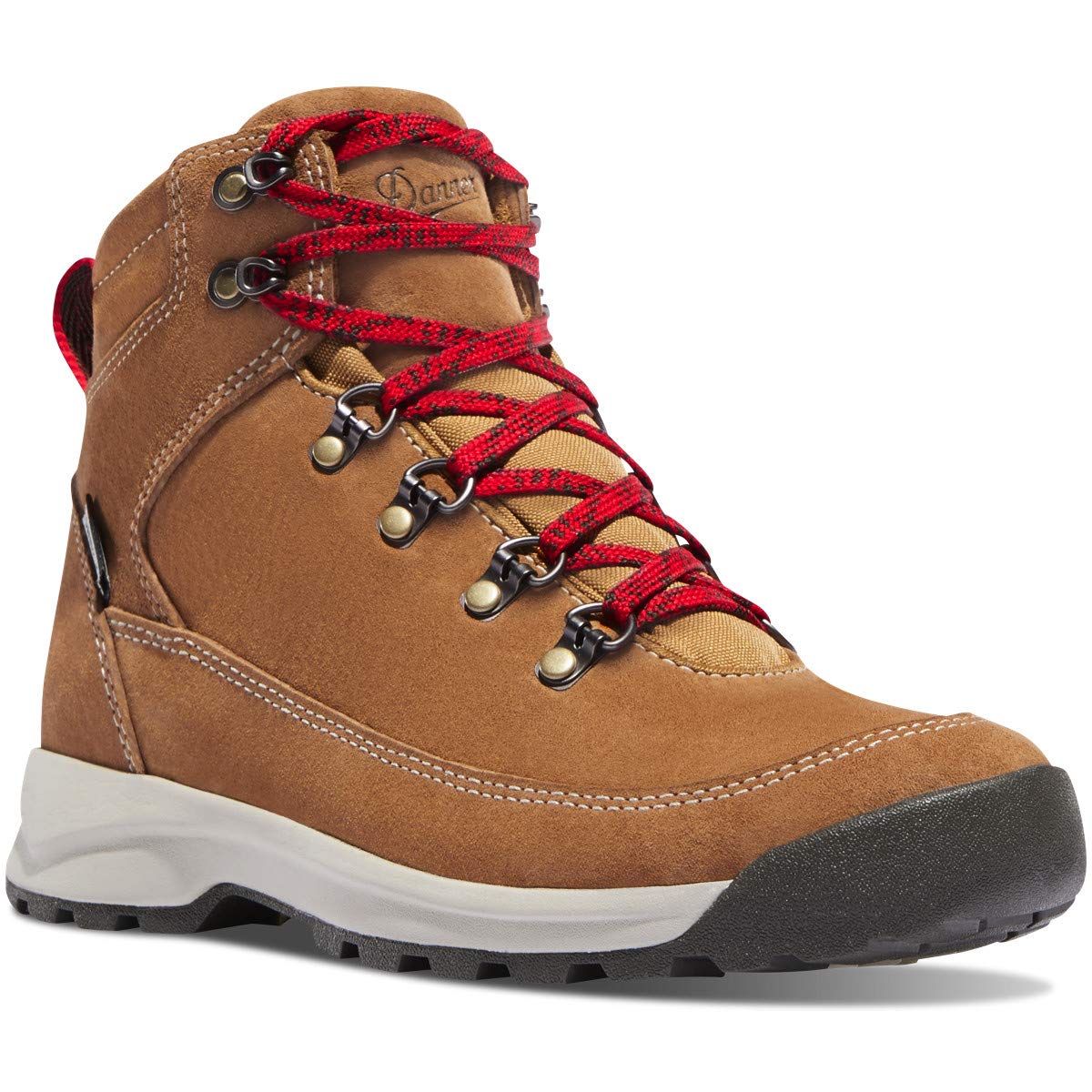
5. Danner Hiker Women’s Adrika 5″ Boot Waterproof
A 14.8-ounce boot that hiked ten days straight with zero blisters or aches.
These boots are a benchmark for comfort in the lightweight category. Owners consistently report zero aches, no blisters, and a fit that works straight from the start with no break-in period. The Danner dry lining provides waterproof protection that one owner tested in a full day of rain in Spain — feet stayed completely dry. The suede upper is durable and repels moisture well. The removable Ortholite footbed adds an extra layer of cushioning that keeps your feet happy on long days.
The boot comes with a second set of laces for style versatility, but the real draw is the weight. At 14.8 ounces per boot, it is light enough for all-day wear without feeling like a heavy hiking boot. Owners wear these for long walking tours and city travel as well as trail hikes. The main feedback is that they run true to size with a roomy toe box, though some owners noted the ankle area feels stiff initially and takes a few wears to soften up.
What Makes It Great
- Extremely comfortable — zero break-in, no blisters, no aches
- Good waterproofing with Danner dry lining
- Lightweight at 14.8 oz per boot
A Small Issue
- Ankle area can feel stiff initially; a short break-in period helps
- Toes can slam into the front on steep downhills for some foot shapes
Best for: Hikers who prioritize comfort above all else and want a boot that feels great from the first wear. They work well for multi-day hiking trips and travel.
Not ideal if: You need maximum traction on steep, loose terrain. The outsole grip is good but not as aggressive as more technical boots.
6. Oboz Women’s Bridger Mid B-DRY Hiking Boot

A tree-planting boot that fixed chronic foot pain with its O-FIT insole.
Oboz plants a tree for every pair sold, but the real story here is the O-FIT insole, which is molded to each shoe for an class-leading fit. Owners consistently mention that these boots relieved chronic foot pain immediately — one owner who works with horses reported that the pain disappeared from the first wear. The B-DRY waterproof membrane keeps sweat out while letting moisture escape, and the Granite Peak outsole with a TPU chassis provides stability on roots and rocks. The boot weighs 19 ounces, which puts it on the heavier side of lightweight, but the support is substantial enough for multi-day treks.
Fit is the main variable here. These boots run narrow, and the consensus is that you should order a half size up and go with the wide width. The volume runs standard to wide, so there is room in the toe box for thick socks once you get the width right. The leather upper is durable but does absorb water despite the B-DRY membrane, according to some owners. The boots require a short break-in period before they feel truly broken in, but owners who push through that stage report years of reliable use.
Why It Excels
- Superior arch support — relieves chronic foot pain for many owners
- Durable construction with TPU chassis for stability
- Waterproof B-DRY membrane keeps feet dry
Important Fit Note
- Runs narrow — order a half size up and choose wide width
- Leather upper can absorb water despite waterproof claim
Choose these if: You need serious arch support and stability for long day hikes or work on uneven terrain. The O-FIT insole is a genuine difference-maker for foot pain.
Skip them if: You have wide feet and do not want to size up. The standard width is noticeably narrow.
7. Viakix Womens Waterproof Hiking Boots (Monterra Mids)
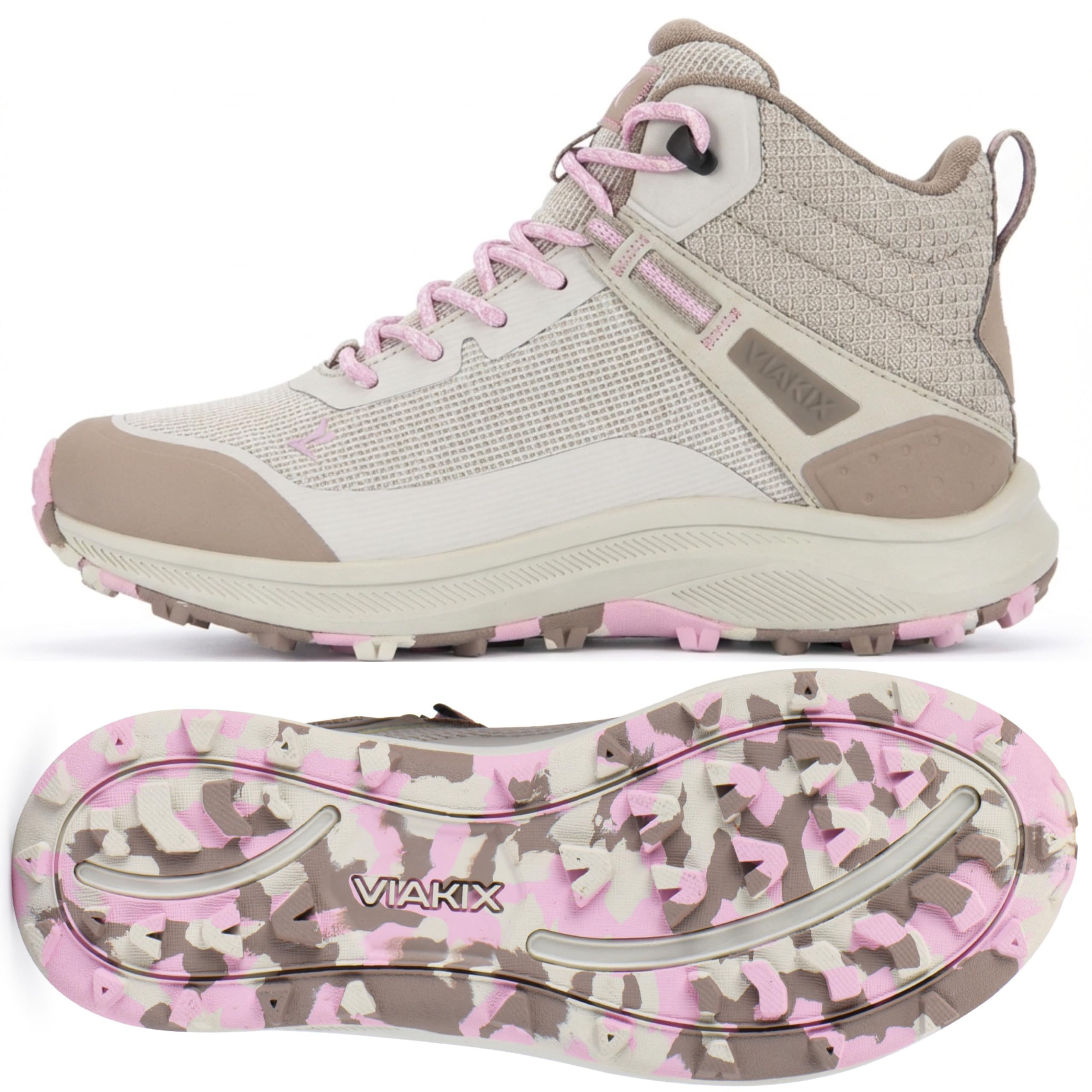
An 11.7-ounce boot that survived six days of hiking with zero blisters.
At just 11.7 ounces per boot in size 7, these are the lightest waterproof boots on this list. The weight makes them feel more like trail runners than boots, which is a standout for long-distance hiking. One owner wore them for six days of hiking and sightseeing in South Dakota and reported no blisters, warm and dry feet, and great traction. The 4mm lug depth provides reliable grip on dirt and gravel without being too aggressive for casual walks. The ergonomic 8mm heel-to-toe drop encourages a natural walking stride.
The fit is generous in the forefoot, which owners appreciate if they have wider feet or a bunion. Some with narrow feet found the toe box too roomy and sized down half a size. The cushioning is mid-level, so it is supportive without being squishy. An occasional owner noted that the boot runs narrow in the midfoot, which may be a concern for people with high-volume feet. The waterproof mesh upper works well in mud and snow, but breathability is adequate rather than exceptional.
What Stands Out
- Ultralight at 11.7 oz per boot — minimal leg fatigue
- Good waterproofing for mud, snow, and wet grass
- Generous forefoot fits wide toes comfortably
One Catch
- Narrow midfoot may not suit high-volume feet
- Breathability is average; can feel warm in hot weather
Ideal for: Backpackers and thru-hikers who count every ounce. The ultralight design makes them perfect for long days where weight savings add up mile after mile.
Not for: People with very wide midfeet or those who need maximum breathability in hot climates.
8. KEEN Women’s Hightrail Mid Height Waterproof Hiking Boots

A leather hiker that feels like a sneaker and fits wide feet straight from the start.
KEEN is known for its wide toe box, and the Hightrail Mid delivers exactly that. The sneaker-like design fuses the durability of water-resistant leather with a lightweight, flexible feel that makes it easy to move in. Owners who wore these for multiple day-long hikes in the Pacific Northwest reported that their feet stayed dry through creek crossings and that the boots were comfortable from the first wear. The Contoured Fit curves with the natural shape of your foot for a secure feel without squeezing.
Arch support and appearance get mixed feedback. Some owners found the arch support lacking and needed to add their own orthotic insoles, while others found it adequate for moderate hikes. The look divides opinion — some find it feminine and stylish, while others find the design outdated and the laces cheap. Breathability is also a weak point; a few owners returned them because their feet got hot and sweaty even in mild weather. The traction excels on slippery rocks, which owners highlight as a key strength.
Why It Works
- Wide toe box accommodates natural foot shape
- Comfortable right from the start with low break-in time
- Good traction on wet and slippery rocks
Consider This
- Arch support is weak for some owners — orthotics may be needed
- Poor breathability; feet can get hot and sweaty
Pick these if: You have wide feet or bunions and want a leather boot that fits from the first wear. The sneaker-like feel is great for fast day hikes.
Skip them if: You need strong arch support from the start or hike in hot, dry climates where breathability matters.
9. Women’s Hiking Boots Waterproof Lightweight Trail Shoes Zn-30
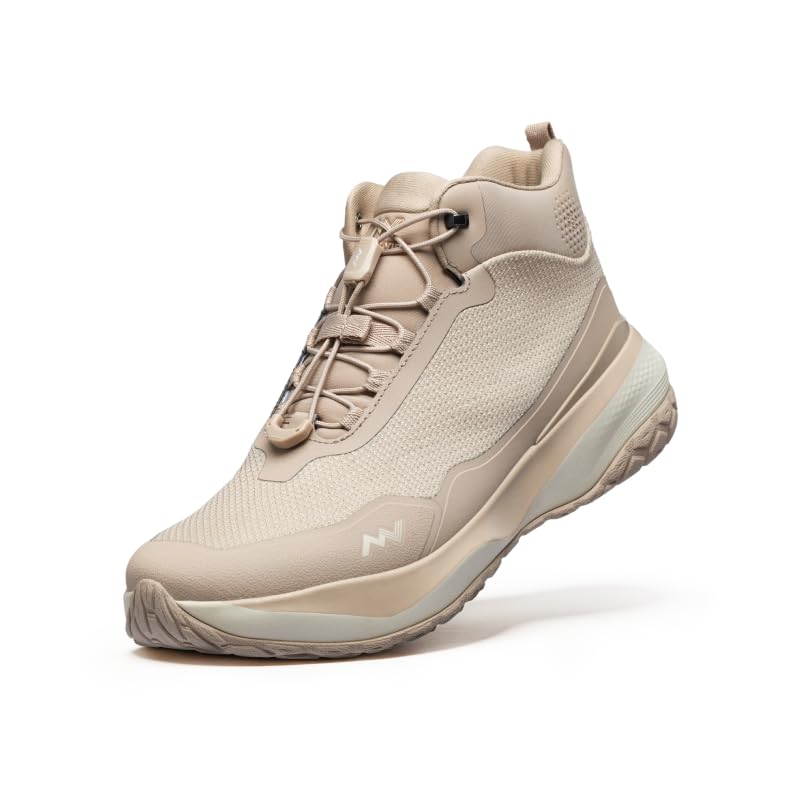
A budget hiker with quick-pull laces that handles gravel and wet grass without complaint.
These boots are built for the casual hiker who needs a lightweight, affordable option for easy trails and daily walks. The quick-pull laces are convenient for getting in and out fast, and the rubber outsole provides reliable traction on pavement, gravel, and packed dirt. Owners note that the cushioning is excellent and that the boot feels light and supportive for everyday wear. The mid-cut design provides ankle support without feeling restrictive.
The main trade-offs are heat retention and fit. These boots run large, so sizing down or using thick socks is recommended. A few owners found them bulky on the foot, especially in larger sizes. The waterproofing is water-resistant rather than fully waterproof — they handle mud and light rain but not submersion. Breathability is poor; customers note that feet get hot and sweaty even on mild days. One owner noted that they needed a break-in period due to initial stiffness, which is unusual for a budget boot.
What Works
- Very affordable for a waterproof mid-cut hiking boot
- Quick-pull laces make them easy to put on and take off
- Good cushioning and arch support for casual walks
Drawbacks to Know
- Poor breathability — feet get hot and sweaty
- Runs large; needs careful sizing
Grab these if: You need a very budget-friendly boot for light trails, errands, and travel where you will not be in wet conditions for long.
Pass on them if: You plan on long, sweaty hikes or need a boot that keeps your feet cool in warm weather. The heat retention is significant.
Understanding the Specs
Waterproof Membranes
A waterproof membrane (like B-DRY, Rain.RDY, or Danner dry lining) is a thin layer inside the boot that blocks liquid water from getting in while allowing water vapor (sweat) to escape. This keeps your feet dry in rain and puddles, but it makes the boot warmer because it traps heat. A boot labeled “water-resistant” uses a treated outer material that repels light moisture but will soak through in heavy rain or a stream crossing.
Outsole and Lug Depth
The outsole is the rubber bottom of the boot. Lug depth refers to how deep the tread grooves are — measured in millimeters. A deeper lug (4mm or more) digs into loose dirt and mud for better grip. A shallower lug (2mm) is smoother and works fine on pavement and hard-packed trails but slides on wet rock. Sticky rubber compounds (like Merrell’s sticky rubber) help you grip slick surfaces better than standard hard rubber.
FAQ
Do I really need a waterproof hiking boot?
How much should a lightweight hiking boot weigh?
Should I size up for hiking boots?
What is the break-in period for lightweight hiking boots?
Are mid-cut boots better than low-cut hiking shoes?
Can I use lightweight hiking boots for everyday walking?
How do I clean my hiking boots after a muddy hike?
Why do my feet hurt in some hiking boots but not others?
What is the difference between waterproof and water-resistant?
Can I put my orthotic insoles in lightweight hiking boots?
Final Thoughts: The Verdict
For most hikers, the women lightweight hiking boots winner is the Columbia Newton Ridge BC because it combines comfort, waterproofing, and no break-in period at an accessible price point. If you want the fastest, lightest feel for dry trails, grab the Merrell Speed Strike 2. And for serious day hikes with superior arch support, the Oboz Bridger Mid B-DRY is the one to reach for.
How We Picked
We do not accept paid placement. Every pick is matched to a real buyer and a real use-case; we do not hands-on test units.
Sources & Methodology
Specifications: manufacturer listings and product documentation. Review insights: verified customer reviews, as of July 2026. Pricing: not shown on this page (it changes often); check the current price via the retailer link.
As an Amazon Associate, Calories Fit earns from qualifying purchases. This does not affect which products we feature.