
Our readers keep the lights on and the coffee maker working hard! As an Amazon Associate, I earn from qualifying purchases.
Specs are compiled from manufacturer listings and verified buyer reviews and can change over time — please confirm the key details on the product page before buying.
The single biggest question for any youth baseball mitt is simple: can your kid actually close it? A stiff glove that fights back turns catching into a chore, not a joy. Every pick here is judged on how easily a young hand can squeeze it, how securely it holds the ball, and whether it will last through a season of grounders, coach-pitch, and backyard tosses without falling apart.
I’m Mohammad — the founder and writer behind Calories Fit. This guide is built by comparing the manufacturers’ published specifications and the patterns across verified customer reviews, so you get each pick’s real strengths and trade-offs instead of marketing spin.
The best youth baseball mitt for your child balances a soft, game-ready feel with real leather that won’t disintegrate by July, and we have sorted out which ones actually deliver that.
Our Picks at a Glance

How To Choose The Best Youth Baseball Mitt
The right glove is the one your child can actually control. A youth mitt that is too stiff or too large is the most common reason young players struggle in the field. Start with the real fit, then the leather, then the pocket shape.
Size: It Is Not About Growing Into It
You might want to buy a glove your kid can “grow into” over two seasons, but that instinct backfires at this age. A glove that is too long slows down the transfer (the time it takes to get the ball from glove to throwing hand) and makes closing the pocket a real effort. For a 6-year-old, a 9- to 10-inch mitt is plenty. For most 8- to 10-year-olds, an 11- to 11.5-inch glove is the balance. The size recommendation is usually printed right on the tag — trust it over the future.
Leather Level: Game-Ready vs. Rock-Hard
Full-grain or top-grain leather lasts longer, but it can arrive stiff as a board. A youth glove that demands two weeks of hot water, hand-pounding, and parent labor is a mismatch for a young player. Look for “game-ready” or “soft/ready-to-play” break-in levels. That is industry-speak for “it will flex right away.” If the data says “synthetic leather” or “faux leather,” that usually means a lighter, easier-to-close mitt — fine for t-ball, less durable for coach pitch and beyond.
Web Type and Position
The web is the webbing between the thumb and index finger. An H-web (a horizontal bar across the middle) is the classic all-purpose design — it gives you a clear window to track the ball, making it great for infielders learning sight lines. An I-web (a single vertical strip) is more traditional for infield and adds a slight stiffness. A basket web is a closed design that feels a bit like a small basket, popular for younger kids because it traps the ball easily. For t-ball and first-year players, the web shape matters far less than the softness and fit.
Quick Comparison
| Model | Best For | Size | Material | Break-in Level | Amazon |
|---|---|---|---|---|---|
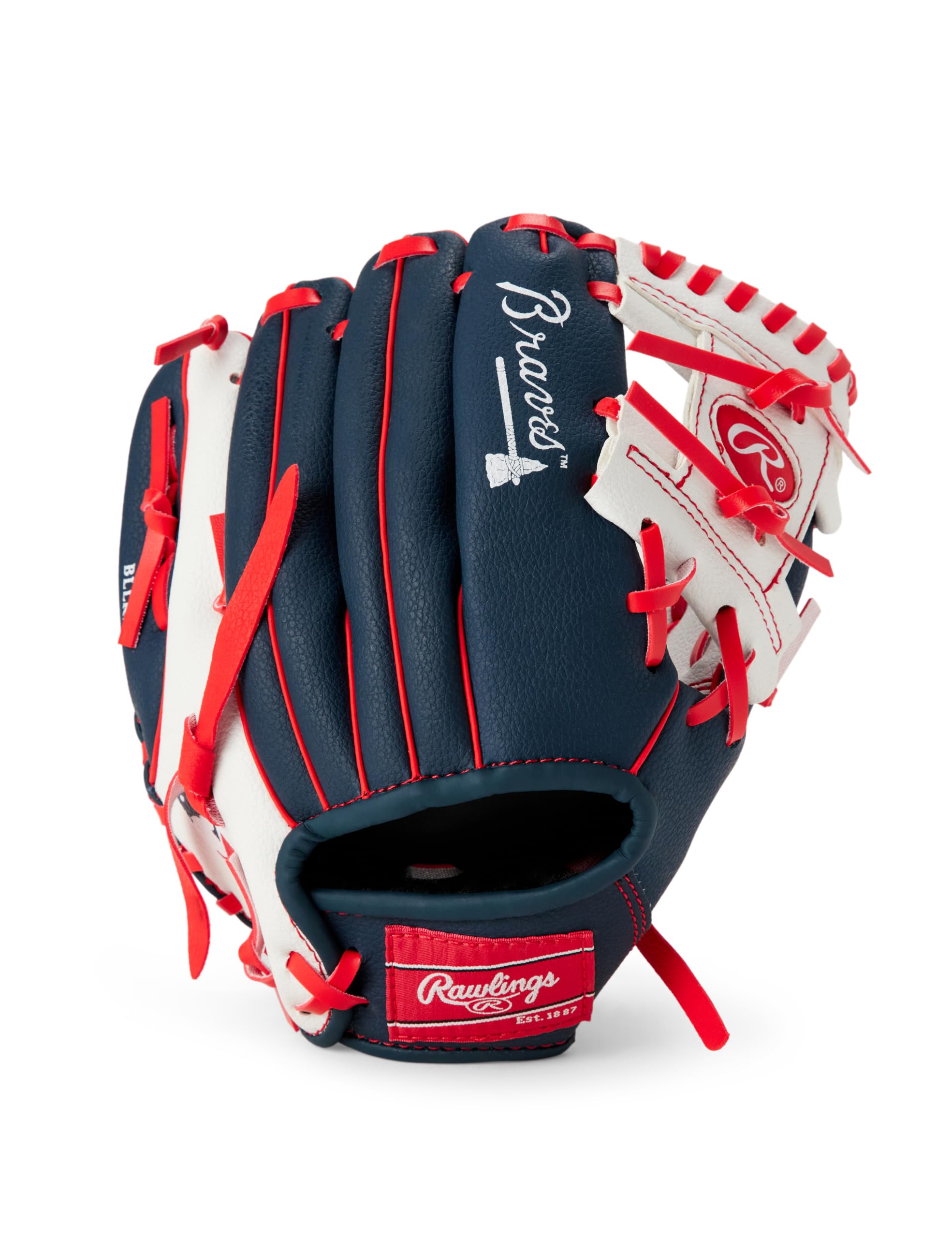
| Rawlings MLB Players Glove★ Best Overall | Team-color fans / t-ball starters | 10″ | Synthetic Leather | Ready-to-Play | Amazon |
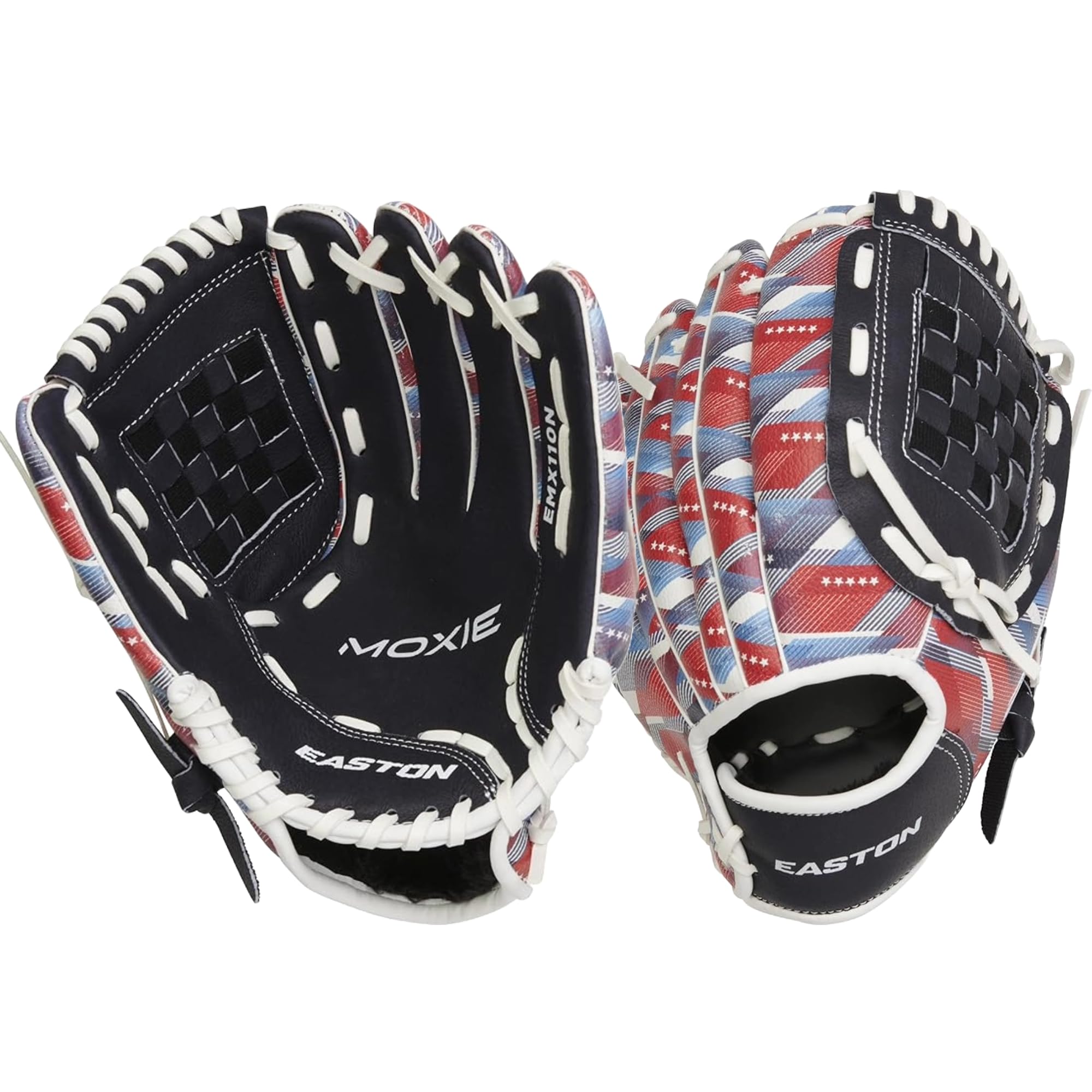
| Easton MoxieTop Performer | First-time players ages 6-9 | 10.5″ | Leather | Ready-to-Play | Amazon |
| Wilson A200 EZ CatchBest for Tiny Hands | Toddlers / tiny hands | 9″ | Pro Stock Leather | Ready-to-Play | Amazon |
| Wilson A500 (12.5″) | Older youth / utility play | 12.5″ | Top Grain Leather | Soft | Amazon |
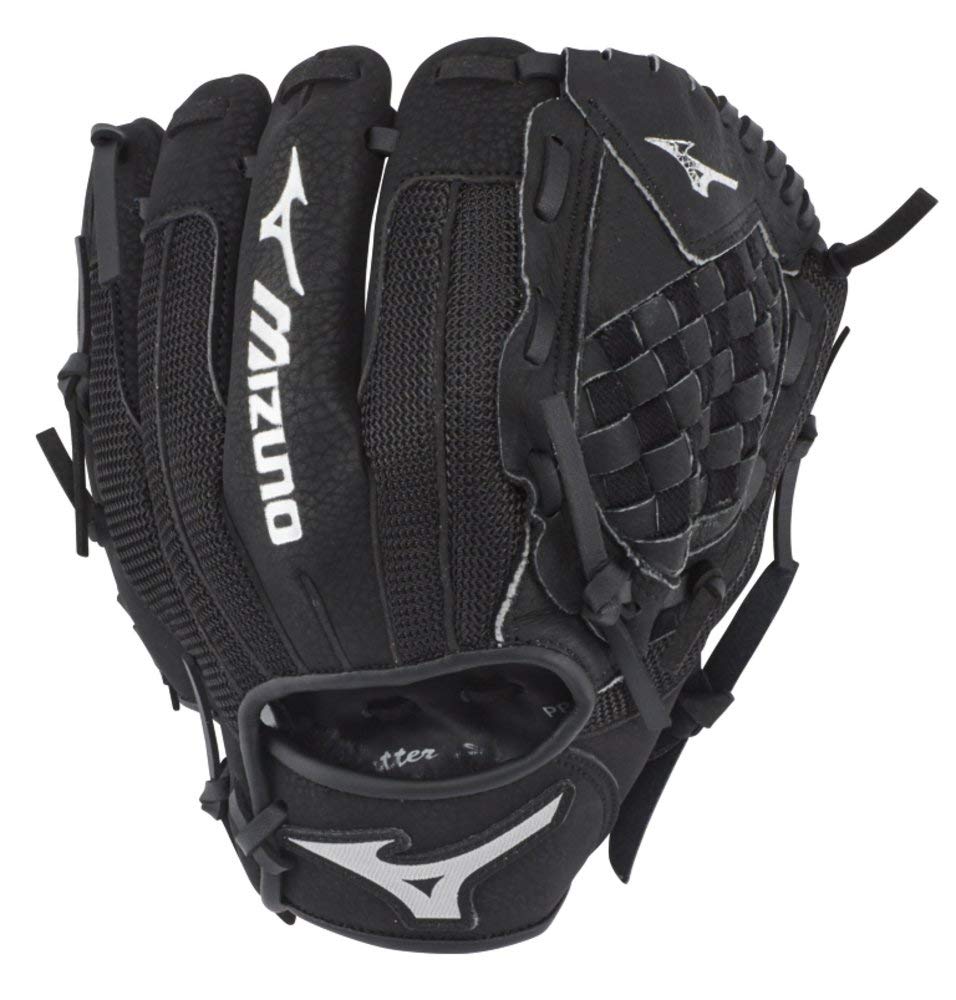
| Mizuno Prospect PowerClose | Easy-close / beginners | 10.5″ | Full Grain Pigskin | Ready-to-Play | Amazon |
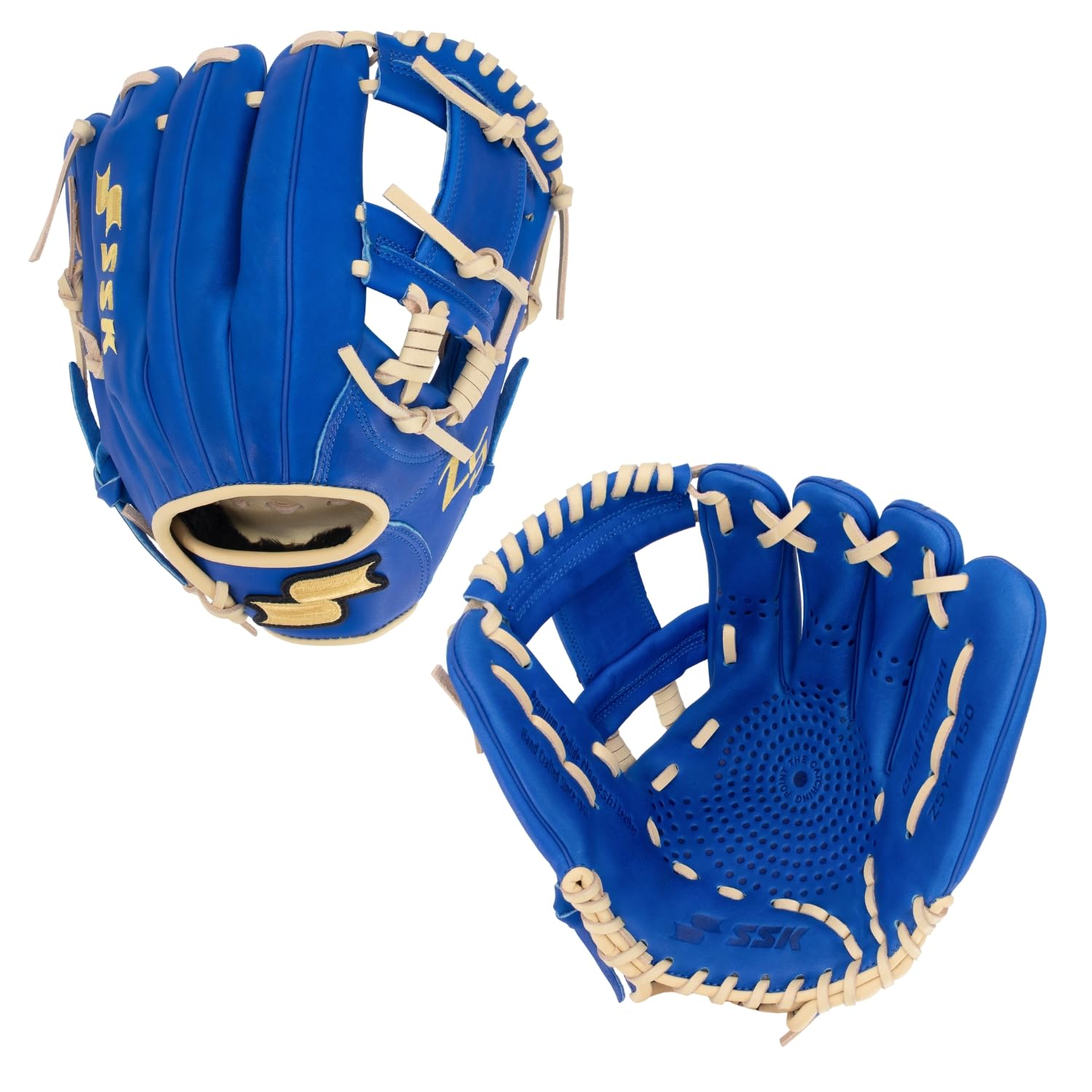
| SSK Z5 Craftsman | Ages 8+ / serious players | 11.25″ | Premium Cowhide Nameshi Leather | Ready-to-Play | Amazon |
| 44 PRO BB Stock Rise | Competitive youth / ages 8-12 | 11.5″ | Steer Series US Steerhide | Ready-to-Play | Amazon |
In‑Depth Reviews
1. Rawlings MLB Players Glove Series
Our pick — over 4.5★ from 650+ verified ratings; the strongest balance of quality and price.
The team-logo glove that wins on softness and a crowd-pleasing fit.
Nothing gets a young player out the door faster than a glove bearing their favorite MLB team’s logo, and this Rawlings delivers the full look — wordmark, cap logo, and team colors. But the real win is the 10-inch Pro I Web pattern designed to be game-ready from the start. The synthetic leather shell stays pliable so small hands can actually squeeze it, and the soft inner linings make it comfortable for long practice sessions. Buyers report that the “10” glove fits tall 7-year-old well; good for catching and ball retention,” which is exactly the balance you want at this age.
The quality is the most-discussed aspect here — it is a major selling point that parents repeatedly highlight. At 10 inches, it is perfectly sized for t-ball and early coach pitch, though a few families note a child may outgrow it within a single season.
Compared to the Easton Moxie below, this Rawlings is a full 0.5 inches smaller and uses synthetic leather versus real leather, which means it is lighter and easier to close but likely less durable across two seasons. That trade-off makes perfect sense for a budget-friendly starter mitt.
Why it wins
- Team logo design that kids actually get excited about
- Game-ready soft synthetic leather — no break-in needed
- Quality is the top praised aspect among owners
The honest trade-off
- 10-inch size means a growing child will likely need a bigger glove next season
- Synthetic leather won’t hold up as long as real leather for frequent play
Reach for this if: your child is in t-ball or early coach pitch and you want a fun, soft, logo’d glove they can actually use right away.
Look elsewhere if: you need something that lasts through two seasons of competitive play — you will want a real leather option like the Mizuno or Wilson A500.
2. Easton Moxie Youth Baseball Glove
The leather starter glove that stings less and squeezes easier right from the box.
Easton packs a surprising amount of technology into the Moxie. The Zero Shock sting reduction technology sits in the palm to protect young players from the sharp pain of a hard catch — a feature you rarely see at this price tier. The all-leather shell is soft and easy to squeeze, meaning a 6- or 7-year-old can close the glove without a parent’s hand-over-hand workout session. The 10.5-inch basket web is a smart choice for infielders learning to trap ground balls and make quick transfers.
Quality leads the praise by a wide margin, with owners consistently calling it a great fit for the 6-to-9 age range. The colors are a standout feature too — the USA-themed style and other vibrant options get frequent compliments for looking sharp on the field. The recurring note is that it may need a brief break-in to reach peak flexibility, but most buyers find that process simple compared to traditional leather mitts.
Durability here is rated as mixed by some, but for a first-season glove it holds up well.
What stands out
- Zero Shock sting reduction protects young palms
- All-leather shell that is soft and easy to close
- Vibrant color options that kids love
The catch
- Some buyers find a short break-in period is still needed for ideal flex
- Durability receives mixed feedback — not built for heavy multi-season use
Ideal for: a 6 to 9-year-old taking their first steps into coach pitch who needs sting protection and a glove that opens and closes easily.
Not for: a child who outgrows gear slowly and needs a mitt that will last three seasons — the mixed durability signals suggest it may not hold up that long.
3. Wilson A200 EZ Catch Youth T-Ball Glove
The smallest glove here, built with a smart strap to trap the ball securely.
At just 9 inches, this Wilson A200 is designed for the smallest players — think age 3 to 6 — who need a glove that is proportionate to their hand. The all-position pattern means a child can play infield, outfield, or pitcher without switching gear. The standout feature is the removable Velcro strap on the outside of the glove that helps keep the ball from spilling out after a catch. Owners love this for building early confidence. The Pro Stock Leather construction at this size also feels genuinely high-end, not like a cheap toy.
Quality and fit are the two most frequently praised aspects, and the strap itself gets a specific shout-out for how well it works. The crowd sums it up: “Great size for little hands.” The red and metallic gold colorway is sharp and gets compliments. Compared to the Rawlings above, the A200 uses real leather (Pro Stock Leather) versus synthetic, which gives it a more substantial feel but also makes it heavier for the smallest hands.
The main trade-off is that several owners mention it runs a bit more expensive than other t-ball options — a 9-inch glove at this price point puts it in a premium position for the youngest age group. Some parents also mention it runs slightly larger than expected for a 3-year-old, feeling more like an 8-to-12-year-old fit.
Money where it matters: real Pro Stock Leather at 9 inches is rare — most tiny gloves are synthetic. The strap is genius for building catching confidence in a toddler who is just learning to close the glove.
Who this fits: a 3-to-5-year-old just starting t-ball or playing catch, especially one who struggles to keep the ball in the glove.
Who should pass: families on a strict first-glove budget — the Easton Moxie or Rawlings team glove cost less and still offer a soft, playable feel.
4. Wilson 2023 A500 Youth Baseball Glove (12.5″)

The largest youth glove here, built for older kids who need real outfield reach.
This Wilson A500 is in a different size class than the rest of the list. At 12.5 inches, it is a utility glove meant for an older youth player, not a t-ball beginner. The top grain leather construction gives it a durable, lightweight feel, and the rolled dual welting (extra stitching integrated into the glove liner) helps the pocket hold its shape across a full season. The Quick Fit wrist system uses an elastic adjustment to hug the wrist without a complicated lacing process, making it easy for a child to put on and take off independently.
The quality leads the conversation here, with many owners confirming the fit works well for 8 and 10-year-olds. The “almost zero break-in time” is a recurring point that parents appreciate — it arrives soft and playable straight out of the bag. However, the durability discussion is the largest negative in the data. Several reports mention that the laces at the end of the lacing can come loose or even snap within a month of use if not checked periodically.
Compared to the 11.5-inch Wilson A500 infield glove below, this one is a full inch larger, which translates to significantly more reach in the outfield but less control on quick infield transfers. It competes with gloves meant for 10-to-12-year-olds, not the 6-to-9 set.
The real-world smart pick: if your child is 8-10 and playing outfield, the bigger size and top grain leather (a durable, full-hide leather that lasts longer than cheaper synthetic materials) are tough to top at this price. Just budget five minutes a week to check and retie the laces — that one habit solves the main durability concern.
Solid choice for: an 8-to-10-year-old outfield or utility player who needs a larger glove pattern with real leather that is soft right away.
Skip it for: a child under 8 or a coach-pitch infielder — the 12.5-inch size will feel unwieldy for quick transfers and smaller hands.
5. Mizuno Prospect PowerClose Youth Baseball Glove
Full-grain pigskin leather that breaks in fast and keeps its shape.
Mizuno is a respected name in baseball leather, and the Prospect PowerClose series delivers the quality at a youth-friendly price. The full-grain pigskin leather is a smart choice for durability — pigskin is naturally more breathable and stays lighter than cowhide while still offering excellent structural integrity. The Butter Soft palm liner increases comfort and feel, and the air mesh back adds flexibility and ventilation for warm summer games. The “Less 2 Lacing” system removes the last two lace loops on the web to increase flexibility along the closing axis, which is engineering-speak for “easier for a kid to close.”
Suitability for beginners is the second-most praised aspect here, right after overall quality. A typical report describes a 6-year-old in tee ball who went from struggling to catch to confidently fielding grounders after switching to this glove. The 10.5-inch basket web is a forgiving pattern that helps trap the ball. The “game-ready” label is accurate — most customers note needing about an hour of break-in, much less than traditional Mizuno leather gloves.
This is a more specialized option than the Easton Moxie. The Moxie includes sting reduction technology, which the Mizuno does not. But the Mizuno’s full-grain leather is a higher grade of material than the Moxie’s general leather, so it may last longer at the cost of a slightly longer break-in period.
What works
- Full-grain pigskin leather — tough, breathable, and holds shape well
- Less 2 Lacing design helps the glove close with less force
- Butter Soft palm liner and air mesh back for comfort and ventilation
The adjustment
- No sting reduction padding like the Easton Moxie offers
- Some buyers find it stiff on arrival and need an hour or more of shaping
Great fit for: a 6-to-8-year-old in their first or second season who wants a real leather glove that will last longer than a synthetic one.
Not the best for: a very small 5-year-old — the 10.5-inch size may be a bit large; the Wilson A200 at 9 inches is a better starting point.
6. SSK Z5 Craftsman Youth Baseball Glove
Premium Japanese leather, a narrow-fit wrist, and a build that respects the game.
SSK is a Japanese brand with a serious reputation among advanced players, and the Z5 Craftsman Youth Series is their child-specific take on that tradition. The Premium Cowhide Nameshi Leather is lightweight, soft to the touch, and surprisingly easy to shape despite being a high-grade material. The narrow-fit wrist and shorter finger stalls are engineered specifically for young hands — they eliminate the loose space that makes a youth glove feel floppy. The Dimple Sensor Technology adds a textured grip deep in the palm that helps the ball stick on contact.
Quality leads the praise, closely followed by durability. Owners describe it as a “best bang for buck in gloves” and note that the leather feels premium without being too heavy. The Z5 undergoes an extra factory break-in process, so it arrives with a great pre-formed shape. However, some buyers still find it extremely stiff from the start and need a weekend of mallet work and catch to get it game-ready. The consensus is that it is better suited for ages 8 and up rather than 6-year-olds.
Compared to the 44 PRO below, the SSK is slightly more expensive and uses a different leather type (cowhide versus steerhide). The SSK’s narrow-fit wrist design gives it an edge for smaller hands, while the 44 PRO offers a slightly larger 11.5-inch pattern and steers toward older youth.
The edge it has
- Premium Cowhide Nameshi Leather — lightweight, durable, and easy to shape
- Narrow-fit wrist and shorter finger stalls for a truly youth-specific fit
- Dimple Sensor Technology in the palm for better grip and quicker transfers
The honest ask
- Some units arrive very stiff and require significant break-in effort
- Best for ages 8+ — too large for a typical 6-year-old’s hand
Perfect for: a competitive youth player aged 8 to 11 who needs a premium, durable leather glove that will hold up through travel ball and multiple seasons.
Not for: a beginner parent who wants a glove their child can use immediately without any break-in — the stiffness from the start can be frustrating for someone not ready to invest the time.
7. 44 PRO BB Stock Rise Youth Baseball Glove
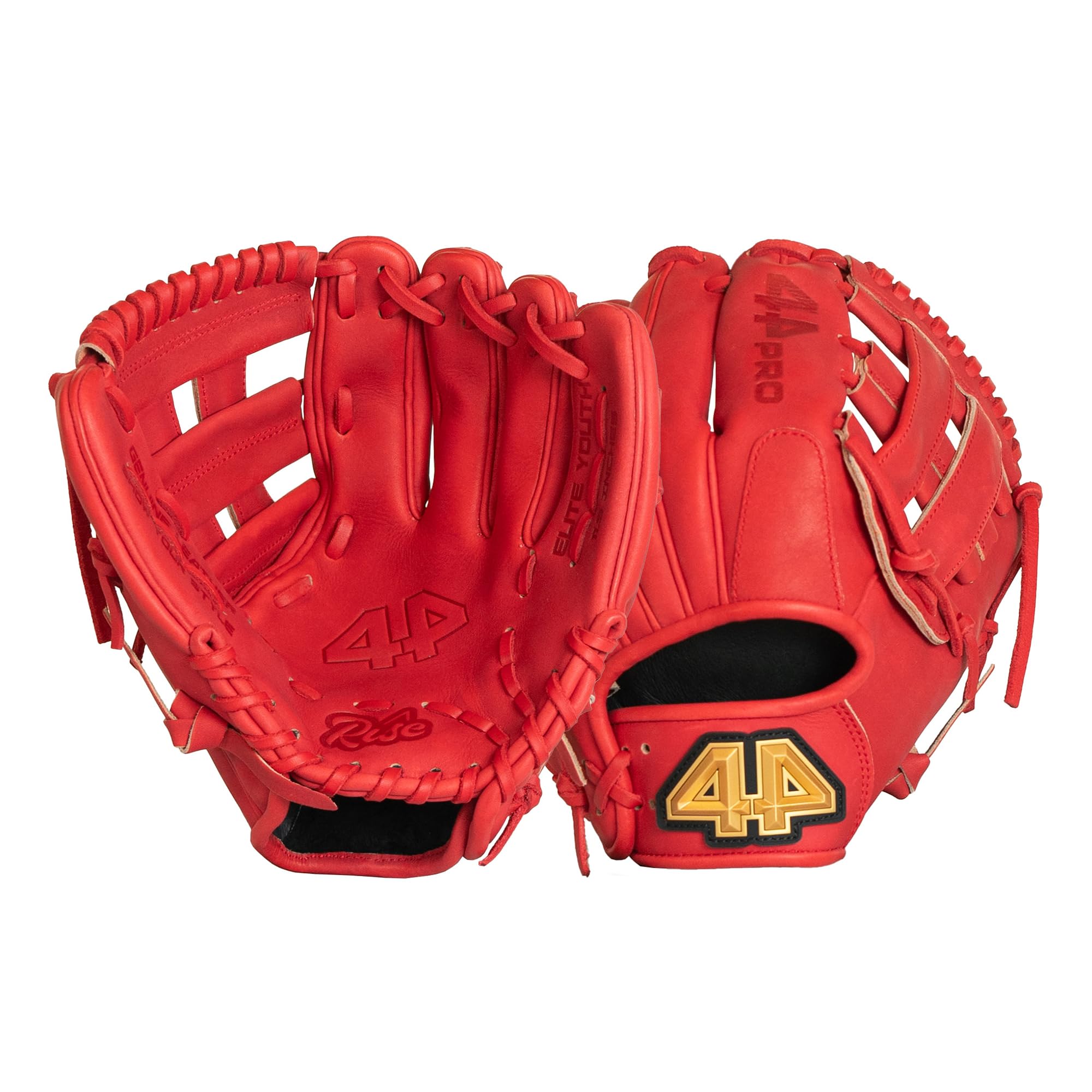
Steerhide leather in a youth pattern — durability that borderlines on over-engineered.
The 44 PRO Rise is a serious piece of equipment. It uses Steer Series US Steerhide, which is a step up in toughness from standard cowhide. That means exceptional durability — it will not bag out or lose its shape after a season of hard play — but it also means it arrives feeling firmer than the “game-ready” competitors. The narrow-fit and ultra-light build are specifically designed for ages 8 to 12, and the H-web with a medium pocket depth balances control and reach for both infield and outfield. The pre-curved fingers and heavy padding are immediate relief for young players who hate ball sting.
Quality is the top aspect, with owners confirming it is well-constructed with no loose threads and great leather. The look also gets frequent compliments, with the hot red colorway and modern styling appealing to kids. The leather quality is a mixed topic — while many praise the buttery feel, some find the steerhide stiffer than expected and wish it were softer from the start. The brand’s reputation is significant here: 44 PRO claims over 10% of Major League players use their custom gloves.
This is the most expensive youth glove on the list and the toughest to break in, but it is also the most likely to survive two to three seasons of competitive youth ball. Compared to the SSK Z5, the 44 PRO uses a stronger leather (steerhide vs. cowhide) and is targeted at the upper end of the youth age range — think 10-to-12-year-olds who already know how to work a glove.
The durability equation: steerhide lasts longer than any other leather here, but it demands the most break-in effort. If your child is serious about baseball and willing to put in the work, this glove will still be going strong when the Easton Moxie has been retired to the garage bin.
Choose this for: a competitive 9-to-12-year-old who plays multiple times per week and needs a glove that will not wear out mid-season.
Skip it for: a casual weekend player or a first-timer — the break-in effort and premium price are not justified unless the child is already committed to the game.
Understanding the Specs
Leather Type and Quality
The type of leather determines how long the glove lasts and how much effort it takes to break in. Synthetic leather is the softest and most affordable — fine for t-ball, but it will not hold its shape across a full season of coach pitch. Top-grain cowhide is the most common mid-range option: durable, moderately soft, and easy to form. Full-grain pigskin breathes better and stays lighter than cowhide, while steerhide is the toughest and most resistant to stretching, making it the best choice for competitive players who can handle a longer break-in.
Break-in Level
“Ready-to-Play” or “Game-Ready” means the glove arrives soft enough for a child to close it with little-to-no effort. “Soft” break-in means it is partially broken in but may still need a few catch sessions. Some gloves arrive “stiff” — those require hot water, oil, and manual shaping that can take several days. For a young player, especially a beginner, a Ready-to-Play glove is almost always the right choice. A stiff glove that fights back is demoralizing and can discourage a child from practicing.
Web Type and Position Fit
The web is the connection between the thumb and index finger. An H-web has a horizontal bar and is the most versatile, offering a clear sightline for tracking fly balls. An I-web is a single vertical strip that gives a traditional infield feel. A basket web is closed and helps young players trap the ball, though it catches more dirt. For a beginner, the web type matters less than whether the glove fits their hand and closes easily. For an older youth player, match the web to their primary position.
Size (Inches) vs. Age
Glove size is measured in inches from the heel to the top of the index finger. A 9-inch glove fits a 3-to-5-year-old. A 10-inch glove suits 5-to-7-year-olds. An 11-inch glove works for 7-to-9-year-olds. An 11.5 to 12-inch glove is appropriate for 9-to-12-year-olds. A 12.5-inch glove is best for older youth players who play outfield or utility. Buying a glove that is too large is the single most common mistake — it slows down the transfer and makes catching harder, not easier.
FAQ
What size youth baseball mitt does my 7-year-old need?
Is synthetic leather okay for a youth baseball mitt?
How much break-in time should I expect for a youth glove?
What is the difference between an infield and an outfield youth glove?
Can a left-handed child use a right-hand throw glove?
How do I break in a stiff youth baseball mitt quickly?
Is the Wilson A200 worth the money for a 3-year-old?
What does “H-Web” mean and when should I choose it?
Do youth gloves come with any sting protection?
How long should a youth baseball mitt last?
Final Thoughts: The Verdict
For most families, the youth baseball mitt winner is the Easton Moxie because it combines sting protection (a padded palm that reduces the shock of a hard catch), real leather, and a game-ready feel at a mid-range price that does not punish a growing child’s first season. If you want the best for a tiny toddler starting t-ball, grab the Wilson A200 EZ Catch — the 9-inch Pro Stock Leather with the Velcro strap is class-leading for that age. And for the serious 10-to-12-year-old who plays multiple times a week, the SSK Z5 Craftsman or the 44 PRO Rise are the two gloves that will still be going strong two seasons from now.
How We Picked
We do not accept paid placement. Every pick is matched to a real buyer and a real use-case; we do not hands-on test units.
Sources & Methodology
Specifications: manufacturer listings and product documentation. Review insights: verified customer reviews, as of July 2026. Pricing: not shown on this page (it changes often); check the current price via the retailer link.
As an Amazon Associate, Calories Fit earns from qualifying purchases. This does not affect which products we feature.