
Our readers keep the lights on and the coffee maker working hard! As an Amazon Associate, I earn from qualifying purchases.
Specs are compiled from manufacturer listings and verified buyer reviews and can change over time — please confirm the key details on the product page before buying.
A cramped shoe turns a rocky trail into a painful ordeal for wide feet. True extra wide hiking shoes must secure the heel while allowing toe splay on descents — most “wide” options taper at the toe box. This guide highlights picks that deliver genuine width without compromising grip or support.
I’m Mohammad — the founder and writer behind Calories Fit. This guide is built by comparing the manufacturers’ published specifications and the patterns across verified customer reviews, so you get each pick’s real strengths and trade-offs instead of marketing spin.
Whether you have bunions, plantar fasciitis, or simply a broad forefoot, you need a trail shoe that fits from the first step — which is exactly what this roundup of the best women’s extra wide hiking shoes provides, tested by thousands of hikers just like you.
Our Picks at a Glance
How To Choose The Best Women’s Extra Wide Hiking Shoes
Extra wide hiking shoes differ fundamentally from standard-width trail runners. A shoe that pinches the ball of your foot for an hour turns a beautiful ridge walk into a painful hobble. Here is what to look for before you click buy.
Understand the Width Label
Women’s extra wide typically means a 2E or 4E width, but brands do not label it consistently. A shoe listed as “wide” may only add a few millimeters — always check the customer reviews to see if buyers with your foot shape call it truly roomy. The toe box shape matters as much as the letter designation: a tapered “wide” still squeezes bunions.
Prioritize Traction and Cushioning
A wider shoe spreads your weight differently across the sole, so the outsole’s rubber compound and lug depth directly affect how stable you feel on loose gravel or wet rock. Look for a proven grip technology — Vibram Megagrip or the brand’s proprietary traction system — and a midsole that absorbs shock without being too plush for uneven terrain.
Consider the Break-In Period
One of the biggest reliefs for a wide-foot hiker is a shoe that is comfortable right from the start. Many extra wide designs now use knit uppers and flexible midsoles that mold to your foot immediately, skipping the painful break-in that stiff leather boots require.
Quick Comparison
| Model | Best For | Outsole | Cushioning Tech | Weight | Amazon |
|---|---|---|---|---|---|
| Columbia Vertisol Trail★ Best Overall | Zero break-in comfort | OMNI-MAX traction rubber | Engineered underfoot system | Lightweight | Amazon |
| Columbia Strata Trail Low Waterproof | Wet-weather reliability | Omni-Grip rubber | Responsive cushioning | Lightweight | Amazon |
| OrthoComfoot Wide Running Shoes | Orthopedic support | Slip-resistant rubber | Dual insole system | Standard | Amazon |
| New Balance Fresh Foam X Hierro V9 | Rugged technical trails | Vibram Megagrip (6mm lugs) | Dual-density Fresh Foam X | 2.1 lb | Amazon |
In‑Depth Reviews
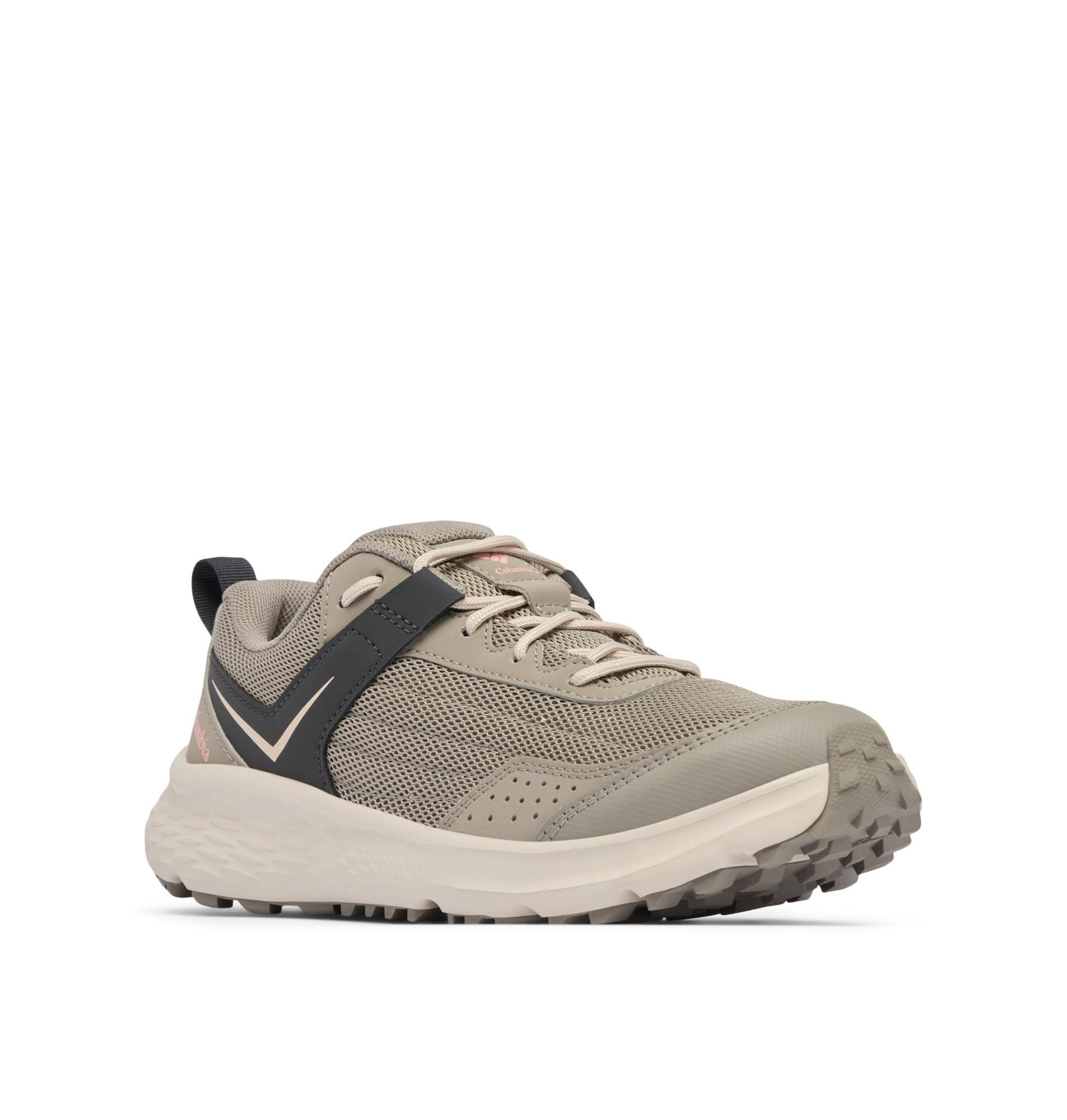
1. Columbia Vertisol Trail
Our pick — 4.5★ from 800+ verified ratings; the strongest balance of quality and price.
Zero break-in needed — this shoe handles a seven-mile hike straight from the start.
This is the crowd favorite for a reason — buyers call Comfort the single best thing about it, and the numbers back it up: 145 owners highlight it, with Fit close behind at 82 mentions. The engineered underfoot system (a built-in shock and rebound setup under your foot) soaks up rocks and roots so your knees feel fresh at the end of a long trek. The OMNI-MAX traction rubber sole keeps you sure-footed on everything from paved roads to slippery slopes.
What wins people over is the zero break-in promise — reviews are full of owners who opened the box, laced up, and headed straight to the trail. As buyers report: “I opened them and went straight to a 7 mile hike. Next day 5.5. No blisters or soreness.” That roomy toe box makes it a natural fit for wide feet, and the lightweight build (another 44 buyers call it out) means you are not dragging dead weight on the uphill.
Note that long-term durability is still unproven in the longer reviews, and occasional owners mention the laces are a bit thin — but at this price point, the value is hard to argue.
What Makes It a Trail Favorite
- No break-in period — comfortable from the first wear, even on multi-mile hikes
- OMNI-MAX traction rubber grips wet rock and loose gravel reliably
- Roomy toe box accommodates wide feet and custom orthotics
- Lightweight enough for all-day wear without fatigue
Who Should Think Twice
- Not ideal for extreme winter conditions or deep mud
- Some owners wish for a more substantial insole for arch support
Reach for this if: you want a light, comfortable trail shoe that fits wide feet straight from the start and handles mixed terrain without complaint.
Look elsewhere if: you need serious ankle support or a waterproof membrane for wet-season hiking.
2. New Balance Fresh Foam X Hierro V9
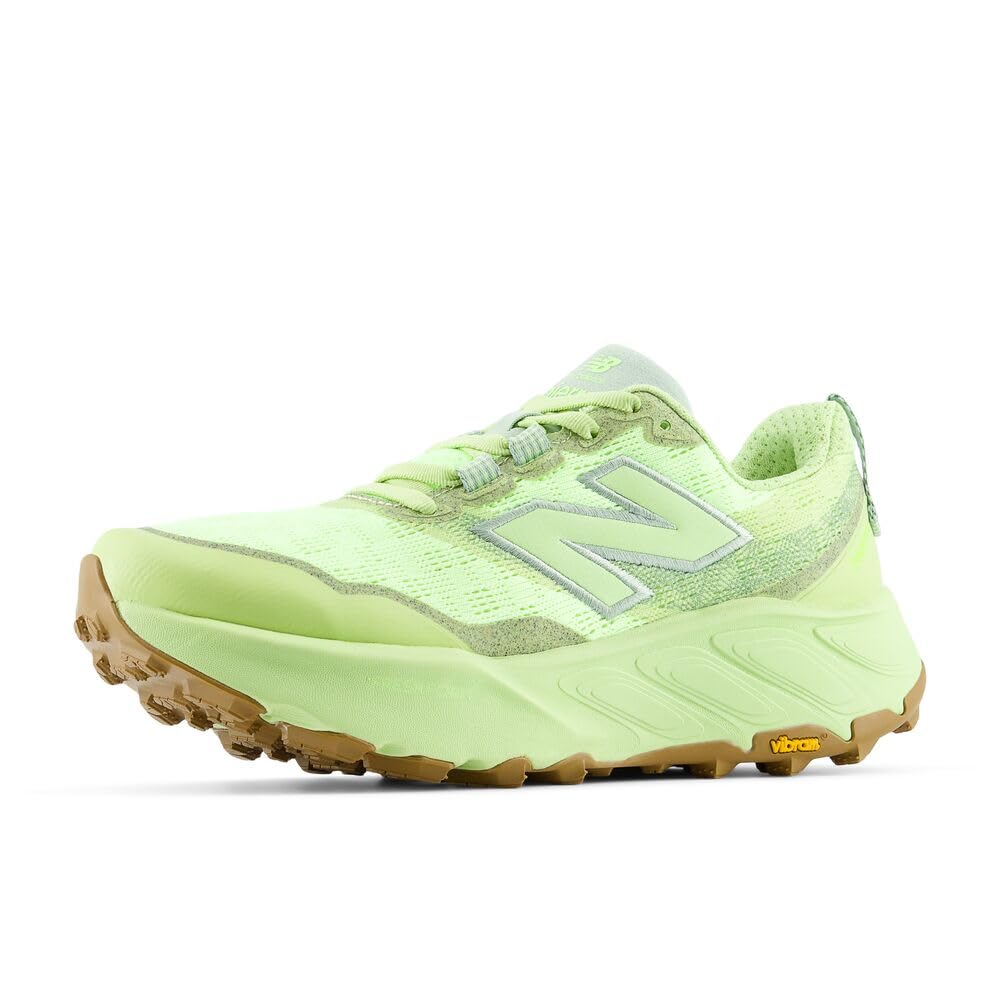
Cloud-like cushioning that absorbs jagged cobblestone without sacrificing trail grip.
Comfort is the top praise here — 70 owners call it out — but Appearance runs a close second at 60, so you get a shoe that looks as good as it feels. The dual-density Fresh Foam X midsole (a two-layer foam that puts plushness near your foot and stability under it) plus a Vibram Megagrip outsole with deeper 6mm lugs — those measuring 6 millimeters deep — give you serious grip when the trail gets wet or loose. The Toe Protect technology shields your front foot from rocks and roots you might kick.
The catch with the Hierro V9 is the fit: 56 buyers rate Fit as mixed, and many say it runs a half to a full size small. The general advice is to size up — owners who jump from 8 to 8.5 or 10 to 10.5 report a perfect fit. The 42mm heel stack (the height of the cushioning under your heel) is tall, which feels amazing on rolling terrain but can feel unstable on very technical, rocky trails where you need close-to-ground feel.
After six months of daily use, tread wear is mostly on the ball of the foot — the heel holds up better — so durability is strong for moderate hiking. It is 2.1 pounds per shoe, noticeably heavier than the Columbia options, but the cushioning payoff is real.
The Soft-Landing Trade-Off: The Fresh Foam X sole saves your joints on long walks — owners mention it eliminated foot pain on cobblestone and city streets — but the tall stack height means you need to watch your footing on steep, technical descents.
Great for: hikers who prioritize cloud-like cushioning and want a shoe that performs equally well on gravel paths and urban sidewalks.
Consider this if: you are willing to size up a half size for a proper wide fit and do not need a waterproof membrane.
3. OrthoComfoot Women’s Orthopedic Wide Running Shoes
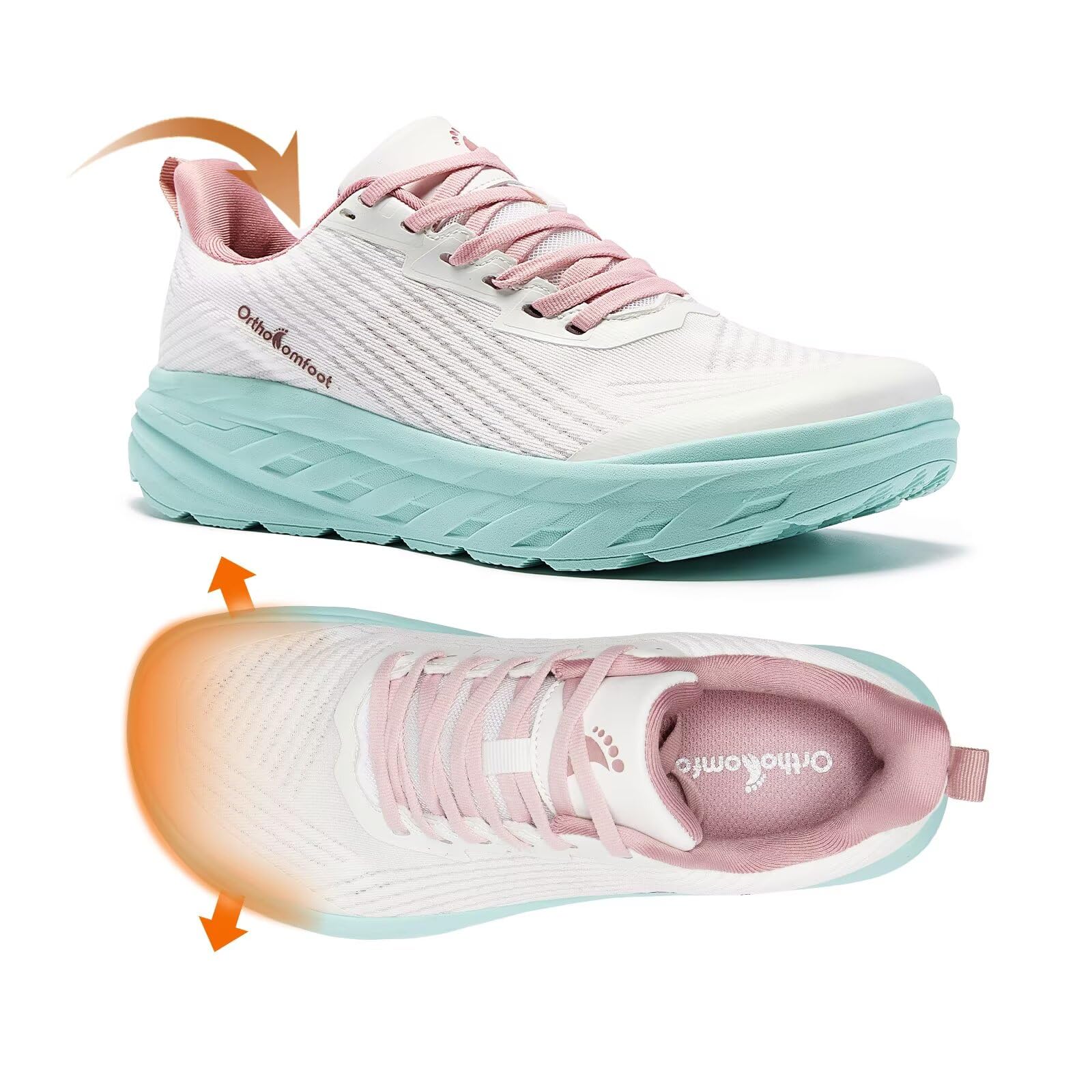
Arch support and cushioning take priority over width alone in this orthopedic-focused shoe.
If you deal with plantar fasciitis, bunions, or diabetes-related foot sensitivity, comfort alone is not enough — you need targeted support. The OrthoComfoot delivers with 150 buyers praising its comfort and 53 specifically calling out foot support. It comes with two insoles and arch supports, so you can dial in the fit for your exact foot shape. The wide toe box gets consistent praise for accommodating bunions and custom orthotics.
The trade-off is the fit: 121 buyers rate it as Mixed, and a few say even the wide option is “not wide enough” for very broad feet. The shoe also leans toward an orthopedic look — “just looks too orthopedic for me,” one buyer notes honestly — so it is not winning style awards like the New Balance Hierro does. But for what it is built for — all-day wear on concrete floors, trail walks, and recovery — it holds up well against grease and water, making it a go-to for nurses and long-distance walkers.
The dual-insole system is the standout: you get one insole for normal support and an extra one for higher arches, making this a rare pick that adapts to different foot needs without buying aftermarket inserts.
Not a Style Statement: The fit and function are excellent for problem feet, but the look skews medical — skip it if appearance matters as much as support.
Best suited for: hikers and walkers with plantar fasciitis, bunions, or flat feet who need extra arch support and a truly roomy toe box.
Not for: anyone who wants a sleek, modern trail-runner silhouette or who has very broad feet beyond standard extra wide.
4. Columbia Women’s Strata Trail Low Waterproof Brown Hiking Shoe
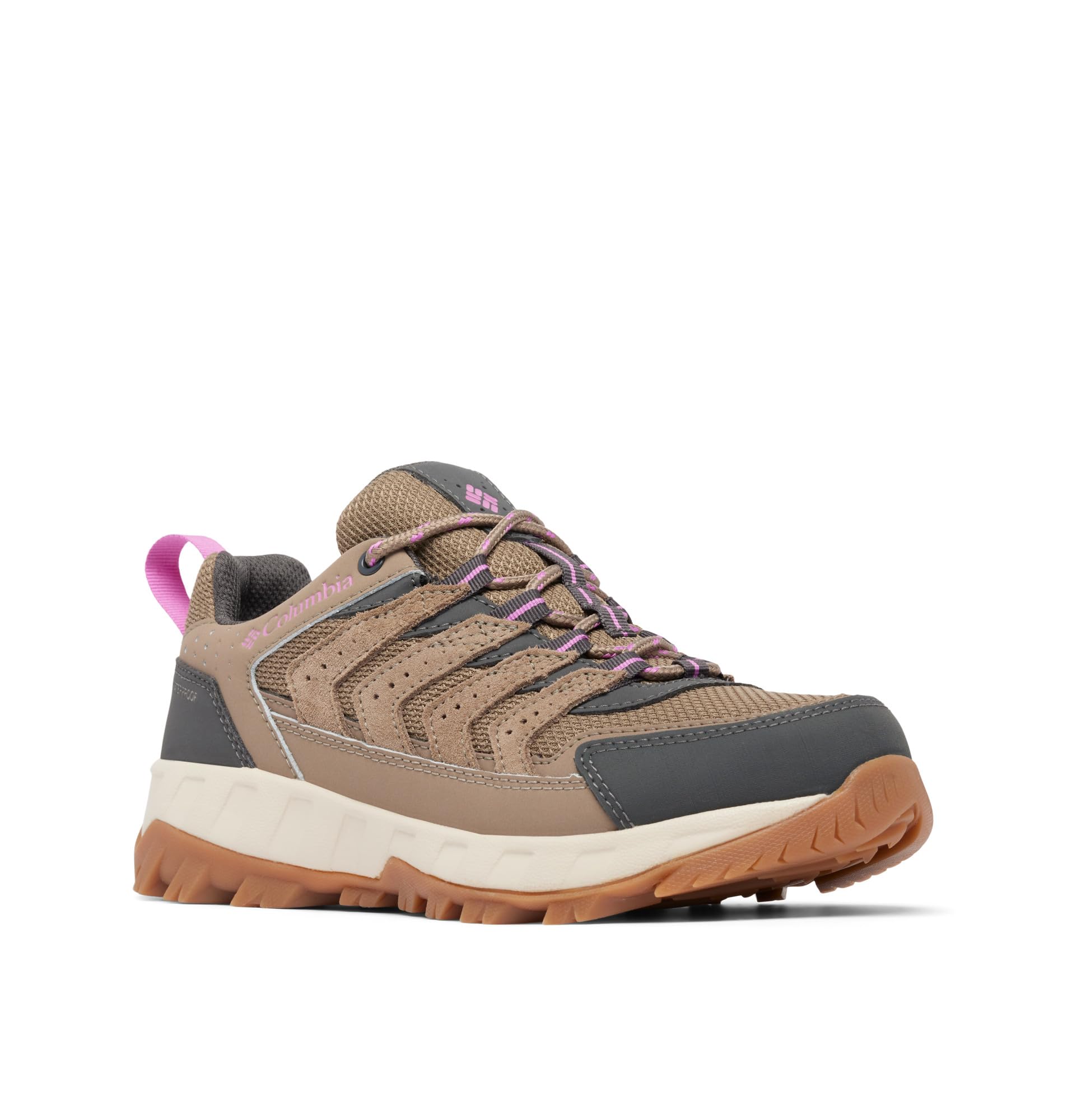
Budget-friendly waterproofing that keeps feet dry on a rainy 10-mile walk.
Customers note: “I wore these walking 10 miles and they were comfortable and kept my feet dry through rainy weather.” The waterproof-breathable construction and gusseted tongue (a flap sewn to the sides that keeps dirt and water out) are the star features here. Comfort is the most-praised aspect at 43 mentions, followed by Quality at 31 — impressive for a shoe at this price tier. The responsive cushioning absorbs shock mile after mile, and the Omni-Grip rubber sole holds its own on rocky terrain.
The catch: Fit and Traction both get Mixed scores from buyers. Some find the shoe too wide (a plus for extra-wide seekers) while others report heel slip — the Achilles collar sits low, and if your heel is narrow, you may need to cinch the laces tight. A small number of buyers experienced blisters from heel movement. The shoe is also not fully waterproof — it is water-resistant, meaning it handles puddles and light rain well but will soak through in a full stream crossing.
It is lighter than the chunky look suggests, and owners with arthritis and bunions find it very comfortable. If your priority is a waterproof extra-wide shoe at a budget-friendly price, this is a strong contender.
Weather-Ready Strengths
- Waterproof-breathable membrane keeps feet dry in rain
- Gusseted tongue blocks trail debris effectively
- True-to-size fit with room for thick hiking socks
Fit Notes to Know
- Heel slip is a recurring issue — try a heel-lock lacing method
- Not fully submersible; best for wet roads and light puddles
Choose this for: wet-weather day hikes where keeping dry matters more than ankle support or precision fit.
pass on it if: you have a narrow heel tend to slip out of low-cut shoes, or you need a boot that can handle stream crossings.
Understanding the Specs
Traction and Outsole
The rubber compound on the bottom of the shoe is your lifeline on loose gravel, wet rock, and muddy descents. Look for named technologies like Vibram Megagrip or OMNI-MAX — these are proven to stay grippy when wet. Deeper lugs (the treads on the sole) measured in millimeters — like the New Balance’s 6mm lugs — dig into soft terrain, while shallower lugs work better on hard-packed trails.
Cushioning Technology
This is the midsole layer between your foot and the trail. Different brands use different foams: Fresh Foam X is New Balance’s plush, dual-density foam that sits between soft and stable. Columbia’s engineered underfoot system combines cushioning with rebound. If you have joint pain or plantar fasciitis, a well-cushioned shoe with removable insoles lets you swap in custom orthotics.
FAQ
What does extra wide mean in women’s hiking shoes?
Can I put custom orthotics in extra wide hiking shoes?
Are extra wide hiking shoes good for plantar fasciitis?
Do extra wide hiking shoes need a break-in period?
How do I know if I need extra wide hiking shoes?
What is the difference between waterproof and water-resistant hiking shoes?
Can extra wide hiking shoes be too wide?
Do I need to size up in extra wide trail shoes?
Final Thoughts: The Verdict
For most buyers, the best women’s extra wide hiking shoes winner is the Columbia Vertisol Trail because it delivers immediate comfort, genuine width, and solid traction at a fair price — no break-in, no fuss. If you want serious cushioning for long days on technical terrain, grab the New Balance Fresh Foam X Hierro V9 (size up a half). And for orthopedic needs like plantar fasciitis, the OrthoComfoot is the one to reach for.
How We Picked
We do not accept paid placement. Every pick is matched to a real buyer and a real use-case; we do not hands-on test units.
Sources & Methodology
Specifications: manufacturer listings and product documentation. Review insights: verified customer reviews, as of July 2026. Pricing: not shown on this page (it changes often); check the current price via the retailer link.
As an Amazon Associate, Calories Fit earns from qualifying purchases. This does not affect which products we feature.