
Our readers keep the lights on and the coffee maker working hard! As an Amazon Associate, I earn from qualifying purchases.
Specs are compiled from manufacturer listings and verified buyer reviews and can change over time — please confirm the key details on the product page before buying.
If your heels ache or your toes cramp by midday, the culprit might be hiding under your feet — a sloped heel that throws your whole body out of line. Zero-drop shoes level that playing field by putting your heel and forefoot at the same height (0 mm apart), so your body moves the way it evolved to. The hard part is finding a pair that actually fits a woman’s foot, with a toe box wide enough to let your toes spread, and enough cushioning for pavement or trail.
I’m Mohammad — the founder and writer behind Calories Fit. This guide is built by comparing the manufacturers’ published specifications and the patterns across verified customer reviews, so you get each pick’s real strengths and trade-offs instead of marketing spin.
Below are the eight most trusted pairs for walking, running, and everyday wear — the ones owners actually wear day after day. This is your essential shortlist for the best zero drop women’s shoes on the market right now.
Our Picks at a Glance
How To Choose The Best Zero Drop Women’s Shoes
Zero drop sounds simple — a flat shoe from heel to toe — but the differences in cushioning, toe room, and outsole grip (the rubber pattern on the bottom that gives traction) make one pair perfect for trail miles and another better for a day at the office. Here is what to weigh before you buy.
Cushioning Level: Barefoot Feel vs. Plush Protection
Barefoot-style shoes have a very thin sole (sometimes just 4–6 mm from your foot to the ground), so you feel every pebble underfoot. That ground feel strengthens small foot muscles over time, but it can be jarring on concrete. On the other end, shoes with a 25 mm or 30 mm stack height (the distance between your foot and the ground) absorb impact and feel soft — they are better for long pavement runs or all-day standing. There is no wrong answer, just a trade-off between sensory feedback and shock absorption.
Toe Box Shape: Room to Splay
A true zero-drop shoe should let your toes spread sideways, not just forward. Look for a “FootShape” (Altra’s name for an anatomical toe box that mirrors the shape of a human foot) or similar wide design. If the shoe pinches your pinky toe or squishes your big toe inward, the zero-drop benefit is lost. Many buyers find they need to go up half a size to get the right toe room, especially in brands like Altra and Flux.
Outsole Grip and Terrain
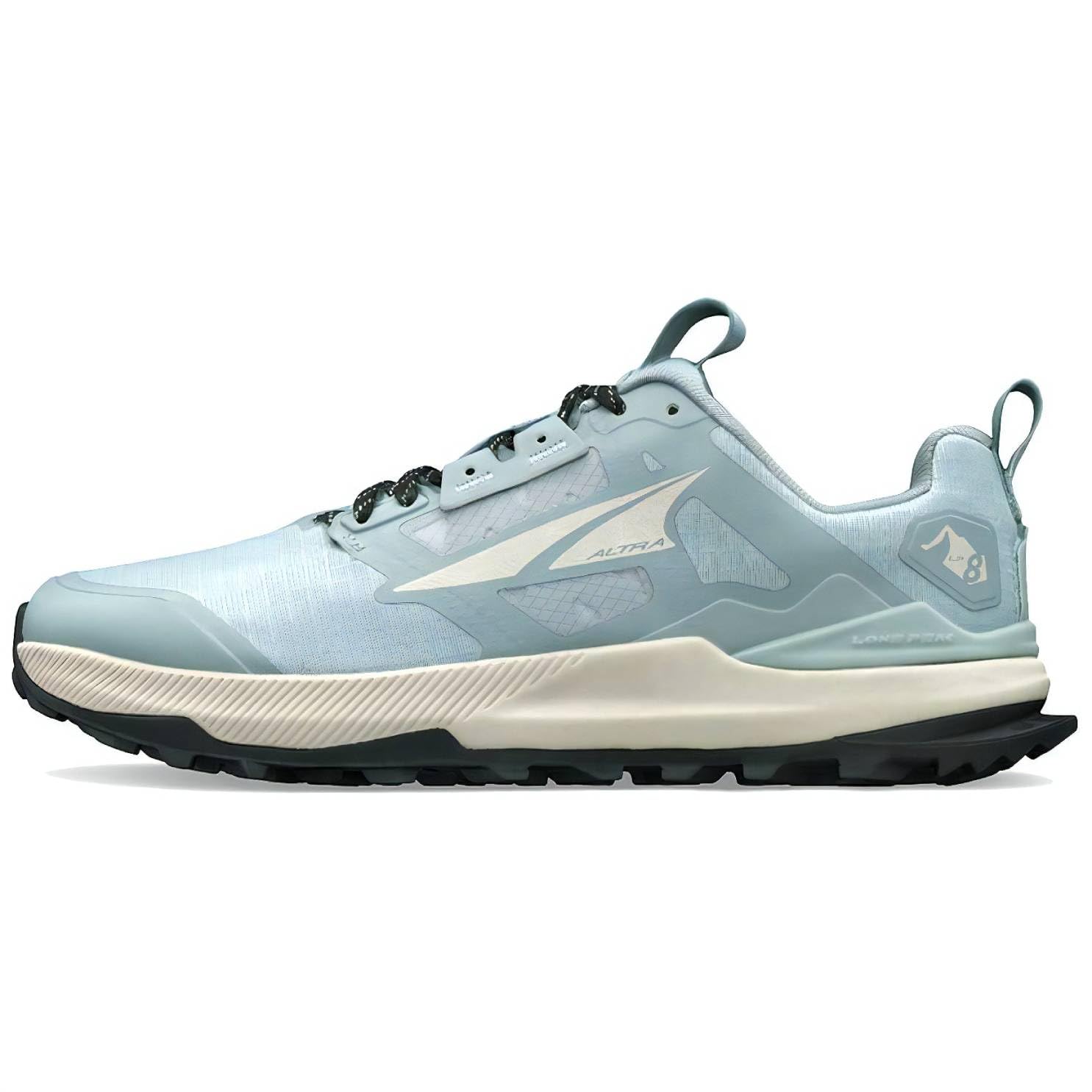
Trail shoes use deeper lugs (the rubber treads on the bottom) to bite into loose dirt and rocks. Road shoes have a flatter, smoother outsole for consistent pavement contact. A shoe like the Lone Peak 8 uses a MaxTrac outsole, which has canted lugs (angled rubber ridges) under the metatarsals for extra grip on steep climbs. If you only walk on sidewalks, a road-focused sole is quieter and more comfortable indoors.
Quick Comparison
| Model | Best For | Drop | Cushion | Weight | Amazon |
|---|---|---|---|---|---|
| ALTRA Lone Peak 8★ Best Overall | Trail hiking & running | 0 mm | Mid (25 mm) | 10.7 oz | Amazon |
| Xero Shoes HFSPremium Pick | Barefoot running & gym | 0 mm | Minimal (thin) | — | Amazon |
| ALTRA Lone Peak 9Premium Trail | Long-distance trail hiking | 0 mm | Mid (25 mm) | 11.15 oz | Amazon |
| Xero Shoes HFS II | Road running & lifting | 0 mm | Minimal (thin) | — | Amazon |
| FLUX ADAPT Runner | Everyday wear & gym | 0 mm | Minimal (thin) | — | Amazon |
| Hike Footwear HF Shade | Walking & stability | 0 mm | Minimal (thin) | — | Amazon |
In‑Depth Reviews
1. ALTRA Women’s Lone Peak 8 Trail Running Shoe
Our pick — over 4.5★ from 750+ verified ratings; the strongest balance of quality and price.
Your toes stay pain-free mile after mile on the trail — that’s the Lone Peak 8’s superpower.
Nothing dominates the zero-drop trail scene like the Lone Peak 8, and the 4.6-star rating from hundreds of long-distance hikers backs it up. The roomy toe box (Altra calls it “FootShape” — an anatomical shape that mirrors a natural human foot) is the defining feature. It completely eliminates the toe-pinching misery of steep rocky hikes, even over 4–5 miles, because your toes can splay naturally. The MaxTrac outsole (a rubber compound designed for grip) provides the “sticky underfoot grip” you need on loose dirt and rock. The 25 mm / 25 mm stack height (identical heel and forefoot at 25 mm) gives you mid-level cushioning — enough for a full day on the trail without feeling marshmallowy.
What really wins people over is the comfort right from the start — reviewers report no break-in period and no hot spots. The ripstop mesh upper (a woven nylon fabric that resists tearing) is tough enough for bushwhacking, and there is a small Velcro patch at the heel for attaching gaiters (covers that keep debris out of the shoe). At 10.7 oz (303 g), it is not the lightest shoe here, but it is remarkably nimble for something this rugged. One honest trade-off: the upper is not waterproof, so expect wet feet on stream crossings; they dry fast, though. A few owners mention that the color selection is limited, and if you use custom medical insoles, the foot can slide slightly side-to-side inside the shoe. Stick with the standard insole and the fit is locked in. Compared to the plush Torin 8, the Lone Peak 8 gives you way more grip on dirt and rock — you would not want the Torin 8 on a muddy climb.
The crowd favorite: class-leading toe room and trail grip at a reasonable price point — The Lone Peak 8 is the most versatile zero-drop shoe for women who hike, run, or walk all day.
Reach for these if: you want one shoe that handles everything from a 5-mile trail run to a week of travel in Europe without foot pain.
Look elsewhere if: you need a waterproof membrane or a very plush, high-cushion road shoe — those are different beasts.
2. Xero Shoes HFS
Paper-thin soles reconnect you with every crack and pebble — the purest barefoot experience for women.
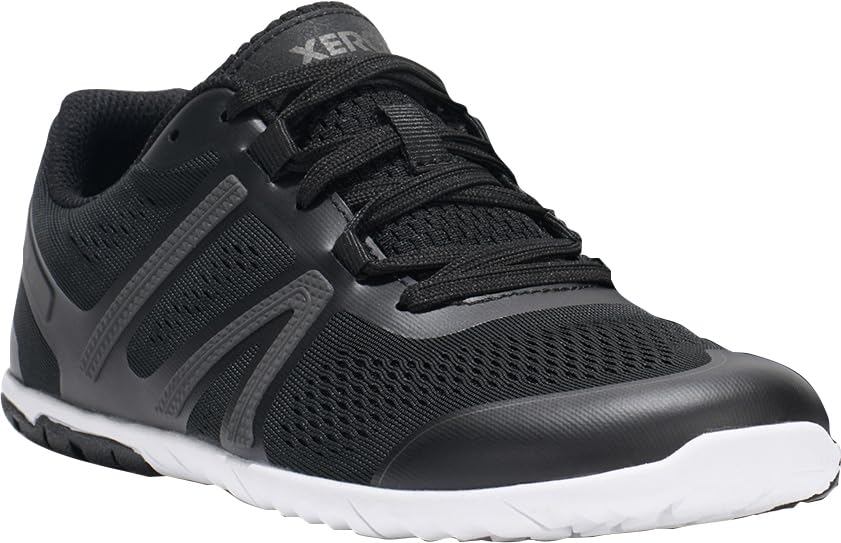
For the purist who wants the most ground feel possible, the Xero Shoes HFS is the benchmark. The sole is extremely flexible — you can bend it in your hands — which allows the foot to curl, flex, and push off the way nature intended. One owner logged 720 pain-free miles in 100 days after switching to the HFS., and the story is common: people who spent years hunting for comfortable shoes finally found relief in the HFS’s ultra-thin platform. The wide toe box accommodates bunions without any seam rubbing, and the mesh upper stretches to let your toes splay.
This is not a shoe you can run a half-marathon in straight away. Multiple owners stress the need for a gradual break-in — start with just one mile. The thin sole has zero shock absorption on concrete, so you must land softly with smaller steps. If you add a thin aftermarket insole, it helps cushion the pebbles on the road. Sizing is a common point of confusion: most buyers go up half a size. Compared to the plush Torin 8, which cushions every step, the Xero HFS gives you raw road feedback; you will feel every pebble in a way the Torin 8 completely masks. For women with wider feet looking for the purest zero-drop experience, this is the one, but treat it as a training tool, not a daily commuter shoe.
What wins people over: Buyers report complete elimination of foot, knee, and back pain after the transition period. — owners mention it is “the best barefoot trainer around.”
The reality: not for long pavement runs, and sizing requires patience (order half a size up).
Reach for these if: you want maximum ground feel for short runs, the gym, or rehabbing foot strength.
Look elsewhere if: you need cushion for hard surfaces or you cannot tolerate a gradual break-in period — try the Altra Torin 8 instead for immediate plushness.
3. ALTRA Women’s Lone Peak 9 Trail Running Shoe
Even more toe room and a lighter midsole — the LP9 refines the trail icon for high-mileage days.
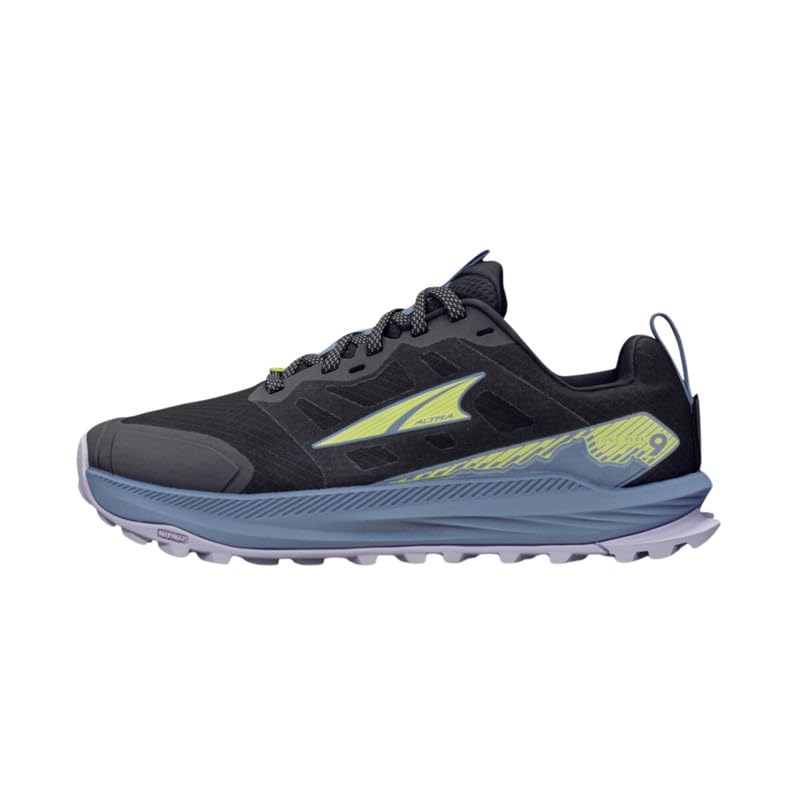
The Lone Peak 9 builds on its predecessor with a revised midsole foam that is lighter than the LP8’s, plus a recycled ripstop mesh upper built for high-mileage durability. Even though it carries a 25 mm / 25 mm stack height like the 8, the underfoot feel is slightly more responsive. The toe box is actually wider than the Lone Peak 8, which is saying a lot — buyers with bunions now find enough width without the seam pressing on the joint. The MaxTrac outsole remains grippy on wet rock and loose dirt, and the Stoneguard insert (a thin plate under the footbed) adds protection from sharp trail debris. Reviewers report that the “super grippy treads” keep them stable on wet surfaces.
At 11.15 oz / 316 g, it is half an ounce heavier than the LP8, largely due to the tougher upper materials. The design now includes no-sew overlays that reduce irritation points. The trade-off is price: this is a premium shoe, and most buyers recommend waiting for a sale. Also, the upper is not waterproof — it dries fast but your socks will get soaked in a creek crossing. A few women with very wide bunions still find the toe box snug; it is roomy but not “wide width” certified. If you choose between the LP8 and the LP9, the LP9 wins for durability and toe room, but the LP8 costs less and weighs less.
Why it stands out
- Wider toe box than the Lone Peak 8 for bunion relief
- Lighter midsole foam for long trail days
- MaxTrac outsole with deep lugs for steep, loose terrain
Drawbacks to note
- Heavier than the LP8 at 11.15 oz
- Not suitable for very wide bunions despite the roomy shape
Best for serious hikers: the extra durability and wider toe box make this a long-term investment for women who spend whole weekends on the trail.
Skip if: you are on a budget — the Lone Peak 8 offers similar performance for less.
4. Xero Shoes Women’s HFS II Barefoot Running Shoes
A sleeker, more road-friendly version of the original HFS — but check your toe width first.
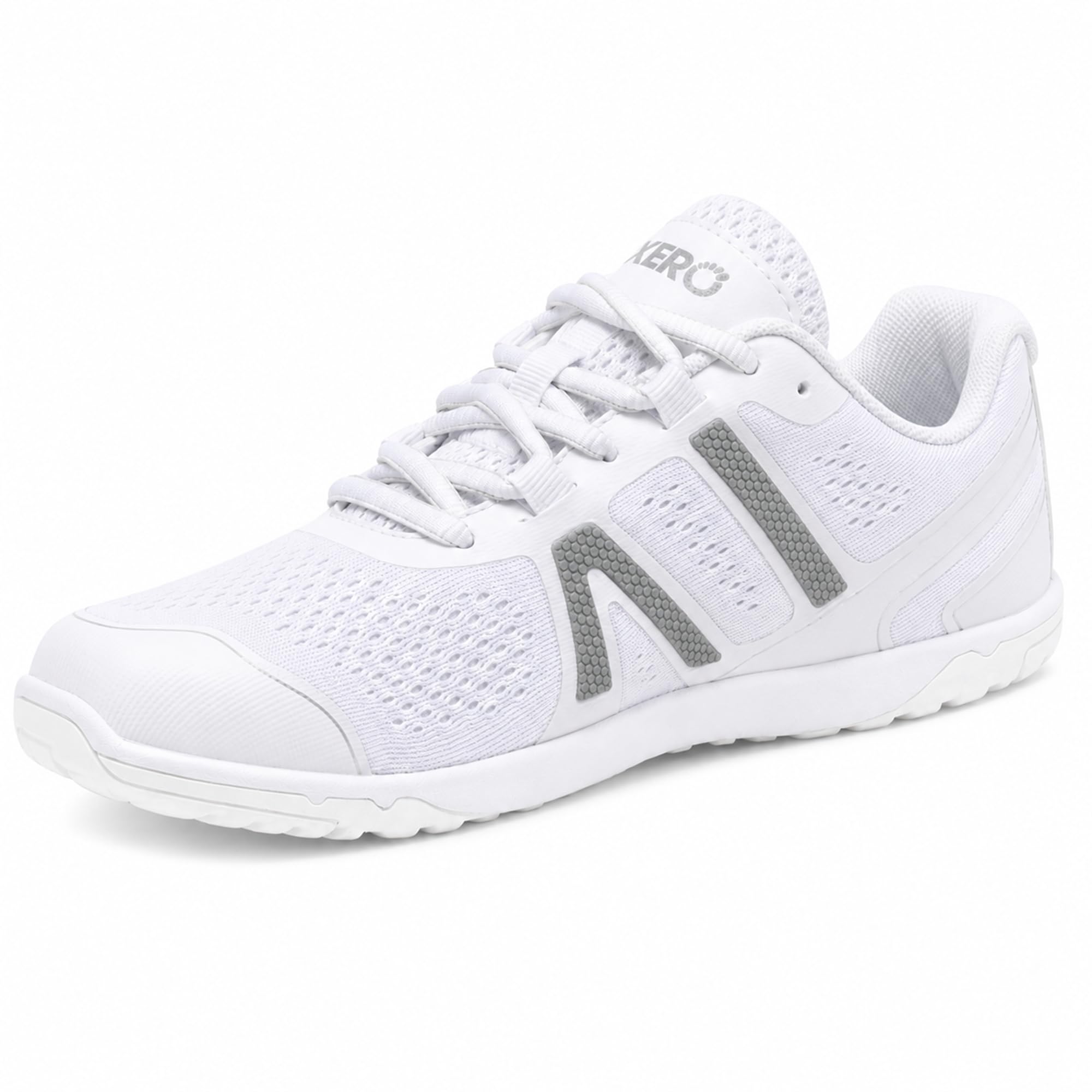
The HFS II updates the original with a slightly thicker sole and a more streamlined profile. Shoppers say it is excellent for lifting, HIIT, and daily walks up to 12+ miles — the “zero-cushion barefoot shoe” feel allows you to feel the floor in the gym while still having enough sole to handle pavement. The mesh upper is breathable and stretches to accommodate toe splay, and the zero-drop platform aids ankle stability during lateral movements like pickleball. One owner with balance issues found the barefoot sole resolved her stability problems entirely. Compared to the original HFS, the HFS II looks a bit more athletic and less like a water shoe.
The catch is sizing and width. Compared to the original HFS, the HFS II runs narrower through the ball of the foot. Multiple owners say it is too tight for their pinky toe, causing pain and even plantar fasciitis. If you have wider feet or a longer big toe, this may not be the right model. Sizing is also inconsistent — some buyers need to go half a size down, others half a size up. The laces are stiff and hard to keep tied during vigorous activity. For narrow to medium-width women’s feet, this is a fantastic gym and short-run shoe; for wider feet, the original HFS is a better fit.
What it does well
- Lightweight and flexible with excellent ground feel for the gym
- Great for gym, lifting, and short road runs
- Thicker sole than the original HFS for daily walking
Room for improvement
- Too narrow for wider feet — pinky toe rub is a real issue
- Inconsistent sizing between models and colors
Reach for these if: you have narrow-to-medium-width feet and want a barefoot shoe for the gym and short runs.
Look elsewhere if: you need a wide toe box — the original HFS or the FLUX Adapt Runner are roomier.
5. FLUX FOOTWEAR Adapt Runners
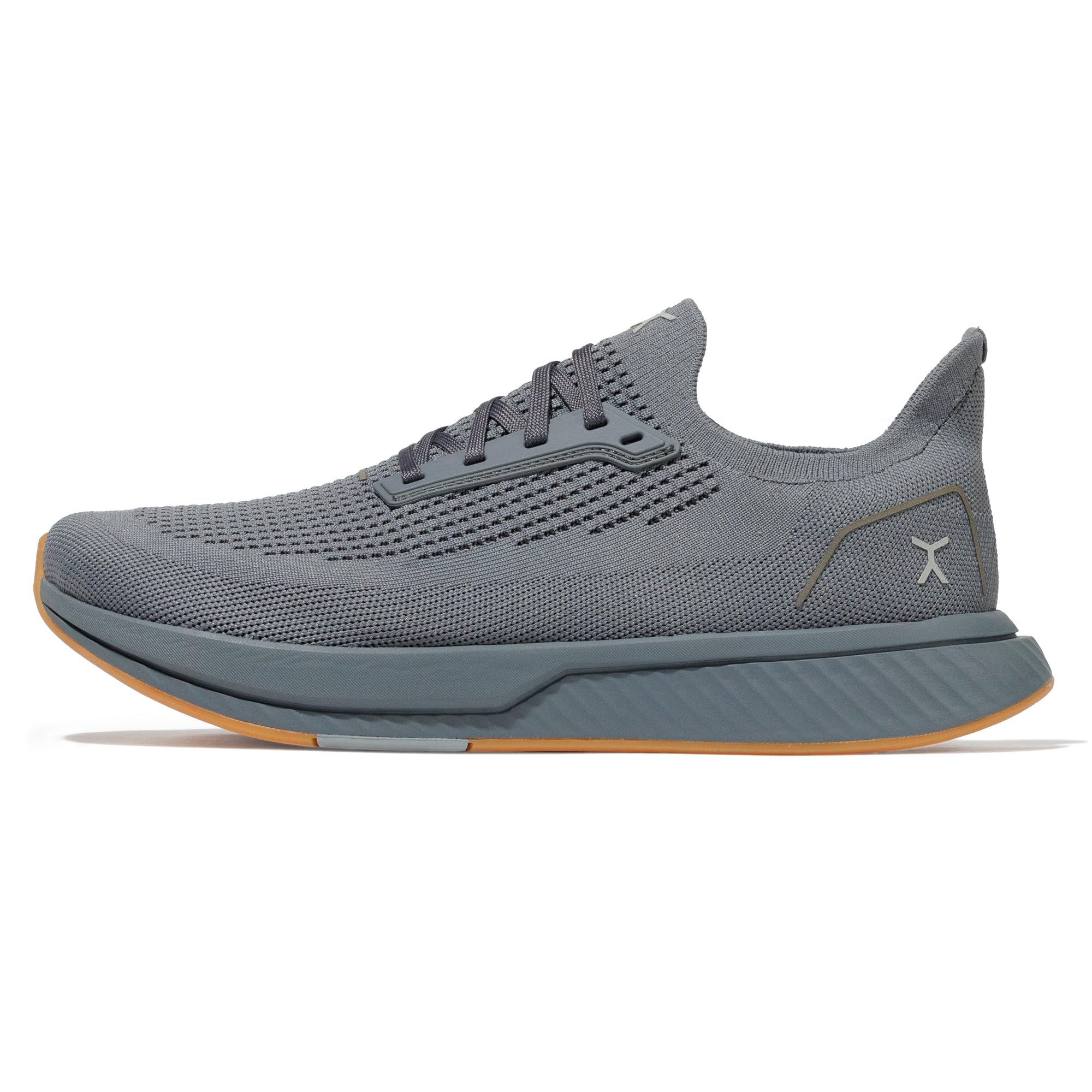
The slip-on zero-drop shoe that feels like a structured sock — perfect for travel and errands.
Flux has built a real following with the Adapt Runner, and the numbers back it up — comfort is the #1 aspect mentioned by owners. The shoe uses a stretchy knit upper that hugs the midfoot but leaves the toe box wide and free. It is essentially a slip-on design (no laces needed for most people), which makes it incredibly convenient for daily wear. The textured insole provides a gentle massage sensation underfoot, and the zero-drop platform keeps your heel and toe level for natural alignment. Buyers report reduced knee, back, and foot pain even after 15,000 steps a day on concrete.
The biggest practical advantage is machine-washability — you can toss these in cold water on a gentle cycle and air dry them. That is a huge plus if you wear them for work or travel. The catch is that the toe box is wide but the arch area is tight for some high-arched women. A few owners mention foot pain after 30 minutes if their arches are particularly high. Also, the sole can separate at the heel after months of heavy use, though most owners say the comfort outweighs the durability concern. The brand recommends sizing up half a size. Compared to the Xero HFS II, which requires careful sizing, the Adapt Runner’s slip-on fit is more forgiving for everyday use but less secure for fast movement.
What owners love most: the slip-on convenience and stretchy knit that feels like wearing a sock — perfect for women who hate laces.
Who it may not suit: women with very high arches or those who need a very rigid sole structure for heavy lifting.
Best for everyday wear: commuting, travel, theme parks, and casual walking — the most “lifestyle-friendly” zero-drop shoe here.
Skip for trail running: the smooth outsole offers minimal grip on loose terrain, and the knit upper lacks toe protection.
6. Hike Footwear HF Shade
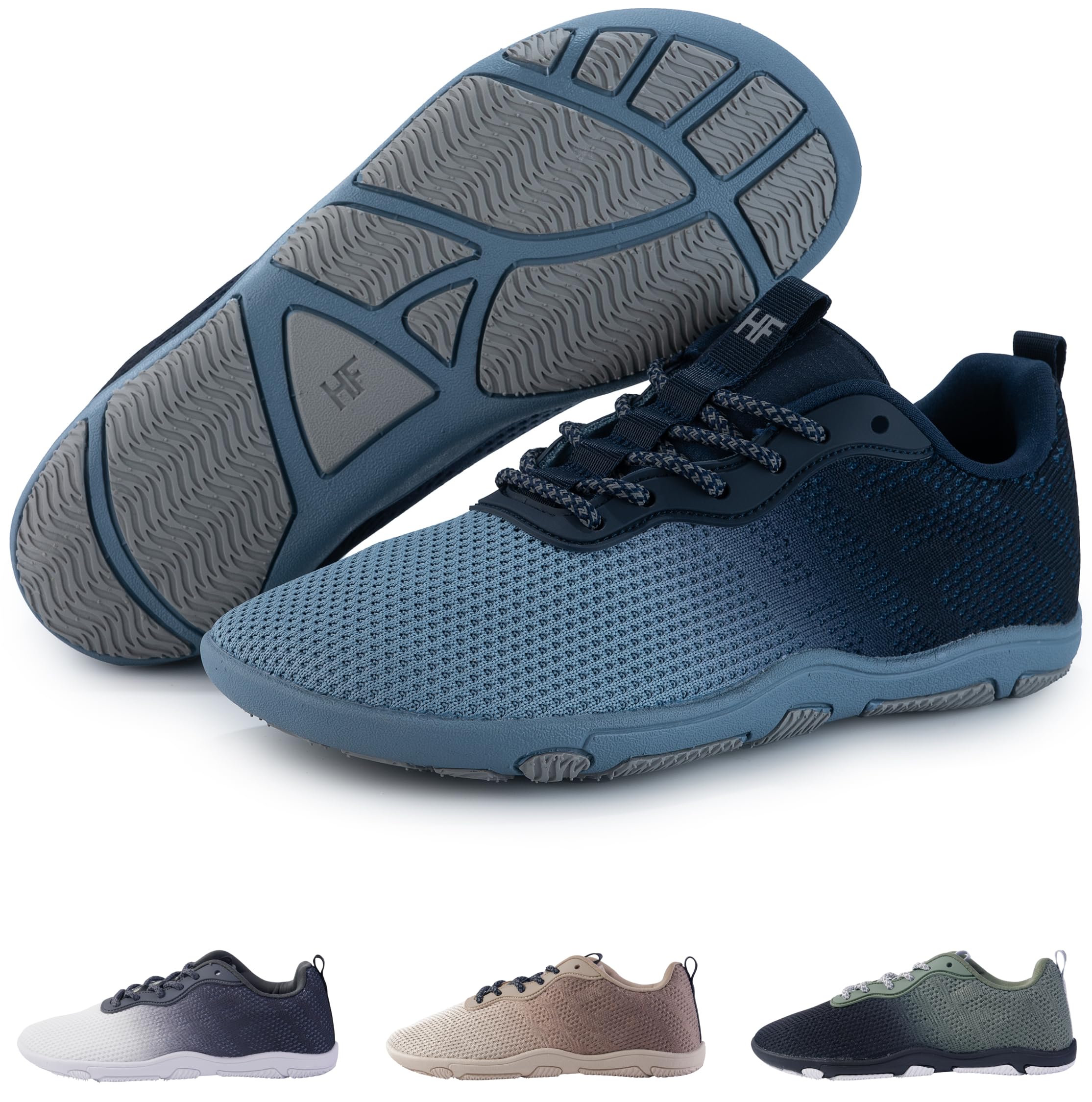
A low-cost way to try zero-drop if balance and back pain relief are your top priorities.
The HF Shade is the most accessible price point on this list and serves a specific audience: older women or those new to zero-drop who want a stable, comfortable shoe without a huge investment. Owners in their 70s report that the shoe “definitely helps with balance” and, in one case, One owner reported a 50% reduction in back pain from degenerative scoliosis at age 79.. The wide toe box allows toes to spread, and the zero-drop sole encourages a more natural stride. The shoe is lightweight, breathable, and easy to slip on.
Fit consistency is the main issue here. Some owners find the toe box too tight, especially compared to previous Hike models. The company has been responsive — one buyer received a replacement pair in a better-fitting size — but it is a gamble. Also, a few customers note that the sole is not as flexible as they expected for a barefoot shoe, and durability is a question mark after extended wear. If you are just dipping your toe into zero-drop and want something inexpensive to try, the HF Shade is a low-risk starting point. For serious runners or hikers, the ALTRA Lone Peak 8 or Xero options offer more proven performance, especially if you plan to put down consistent miles.
The positives
- Budget-friendly entry to zero-drop walking
- Improves balance and stability for older wearers
- Breathable, lightweight, easy on/off
Potential drawbacks
- Inconsistent fit — some pairs run short or narrow
- Sole is less flexible than true barefoot shoes like Xero or Flux
Reach for these if: you want to try zero-drop at the lowest cost, or if you prioritize balance and stability over extreme flexibility.
Look elsewhere if: you need a consistent fit for daily running — the ALTRA Lone Peak 8 costs more but delivers dependable sizing.
Understanding the Specs
Drop (Heel-Toe Offset)
The “drop” is the height difference between the heel and the forefoot, measured in millimeters. A zero-drop shoe has a heel and forefoot that sit at exactly the same level — 0 mm apart. This encourages a midfoot or forefoot strike rather than a heavy heel strike, which can reduce impact on your knees and hips. Most conventional running shoes have a drop between 8 mm and 12 mm, which tilts your pelvis slightly forward. When you switch to zero-drop, your calves and Achilles tendon (the cord connecting your calf to your heel) need time to adapt — starting with short walks of a mile or less helps prevent strain.
Stack Height (Cushion Thickness)
Stack height is the total thickness of the midsole material between your foot and the ground, measured in millimeters. A high stack height (like the Torin 8’s 30 mm) offers plush cushioning that absorbs road shock, making it comfortable for long distances on hard surfaces. A low stack height (like the Xero HFS’s approximately 5–8 mm) gives you maximum ground feel — you sense every pebble and crack — which can strengthen foot muscles over time but requires a careful, short-stride technique on concrete. Mid-stack shoes (25 mm, like the Lone Peak) strike a balance between protection and sensory feedback.
FAQ
What does “zero drop” mean in women’s shoes?
Will zero drop shoes help with plantar fasciitis?
Are zero drop shoes the same as barefoot shoes?
How long does it take to transition to zero drop shoes?
Should I size up for zero drop shoes?
Can I wear zero drop shoes if I have bunions or hammertoes?
What is the difference between ALTRA Lone Peak 8 and Lone Peak 9?
Are zero drop shoes good for walking?
How do I clean my zero drop shoes?
Can zero drop shoes help with knee pain?
Final Thoughts: The Verdict
For most women, the best zero drop women’s shoes overall is the ALTRA Lone Peak 8 because it combines a roomy toe box, reliable trail grip, and mid-level cushioning (25 mm) that works for both hiking and daily wear. If you want the plushiest road-cushioning available — 30 mm stack height that feels like a soft landing — grab the ALTRA Torin 8. And for a lightweight barefoot feel at a great value, the Xero Shoes HFS is the one to reach for.
How We Picked
We do not accept paid placement. Every pick is matched to a real buyer and a real use-case; we do not hands-on test units.
Sources & Methodology
Specifications: manufacturer listings and product documentation. Review insights: verified customer reviews, as of July 2026. Pricing: not shown on this page (it changes often); check the current price via the retailer link.
As an Amazon Associate, Calories Fit earns from qualifying purchases. This does not affect which products we feature.