
Our readers keep the lights on and the coffee maker working hard! As an Amazon Associate, I earn from qualifying purchases.
Specs are compiled from manufacturer listings and verified buyer reviews and can change over time — please confirm the key details on the product page before buying.
The wrong shoe is quietly robbing you of power on every squat and deadlift. Running shoes have soft, squishy soles that absorb the force you want to put into the barbell, making you less stable and less strong. A proper lifting shoe gives you a solid, non-compressible platform, so every bit of energy goes into moving the weight. This guide breaks down the best women’s lifting shoes, from flat-soled CrossFit trainers to improve heeled shoes for Olympic lifts, so you can pick the pair that matches exactly how you train.
I’m Mohammad — the founder and writer behind Calories Fit. This guide is built by comparing the manufacturers’ published specifications and the patterns across verified customer reviews, so you get each pick’s real strengths and trade-offs instead of marketing spin.
You want a shoe that keeps you stable and safe whether you are chasing a new squat PR (personal record) or grinding through a HIIT (high-intensity interval training) circuit. Here are the best women’s lifting shoes worth buying right now.
Our Picks at a Glance


How To Choose The Best Women’s Lifting Shoes
Picking the wrong lifting shoe can leave you wobbly on squats or with aching feet. A well-chosen shoe makes every rep feel more solid. Here is what matters most.
The Sole: Flat vs. Raised Heel
The sole type is the biggest fork in the road. A flat shoe (like a deadlift slipper or a CrossFit trainer) keeps your foot level with the floor, which many lifters prefer for deadlifts and squatting with a wider stance. A raised heel shoe (often called an “olympic lifting shoe”) tilts your foot forward slightly. That angle helps you squat deeper with a more upright torso — a massive help if your ankle mobility is limited.
Sole Stiffness and Compression
A lifting shoe’s sole must not squish under weight. Running shoes use soft foam that compresses, which makes you feel unstable under a bar. You want a sole made of solid rubber, wood, or a high-density TPU (a firm plastic material) that does not compress. A non-compressible sole sends your power straight into the floor.
Fit, Width, and Lockdown
Lifting shoes fit differently than casual sneakers. Many have a narrower toe box, especially in the adidas and Nike models, so you may need to go half a size up if you have wide feet. A strap over the midfoot (a velcro or buckle strap) helps lock your foot in place so it does not slide forward when you squat. Pay close attention to return policies if you are between sizes.
Durability and Materials
You push, pull, drop, and scrape these shoes against heavy equipment. A breathable mesh upper keeps your feet cooler, but it can tear faster than a full leather or synthetic overlay. The outsole’s rubber density determines how long the tread lasts. If you train heavy three or more times a week, prioritize tougher materials.
Quick Comparison
| Model | Best For | Heel Type | Weight | Closure | Amazon |
|---|---|---|---|---|---|
| Nike Metcon 9★ Best Overall | Best Overall / CrossFit | Flat | 3 lbs | Lace-up | Amazon |
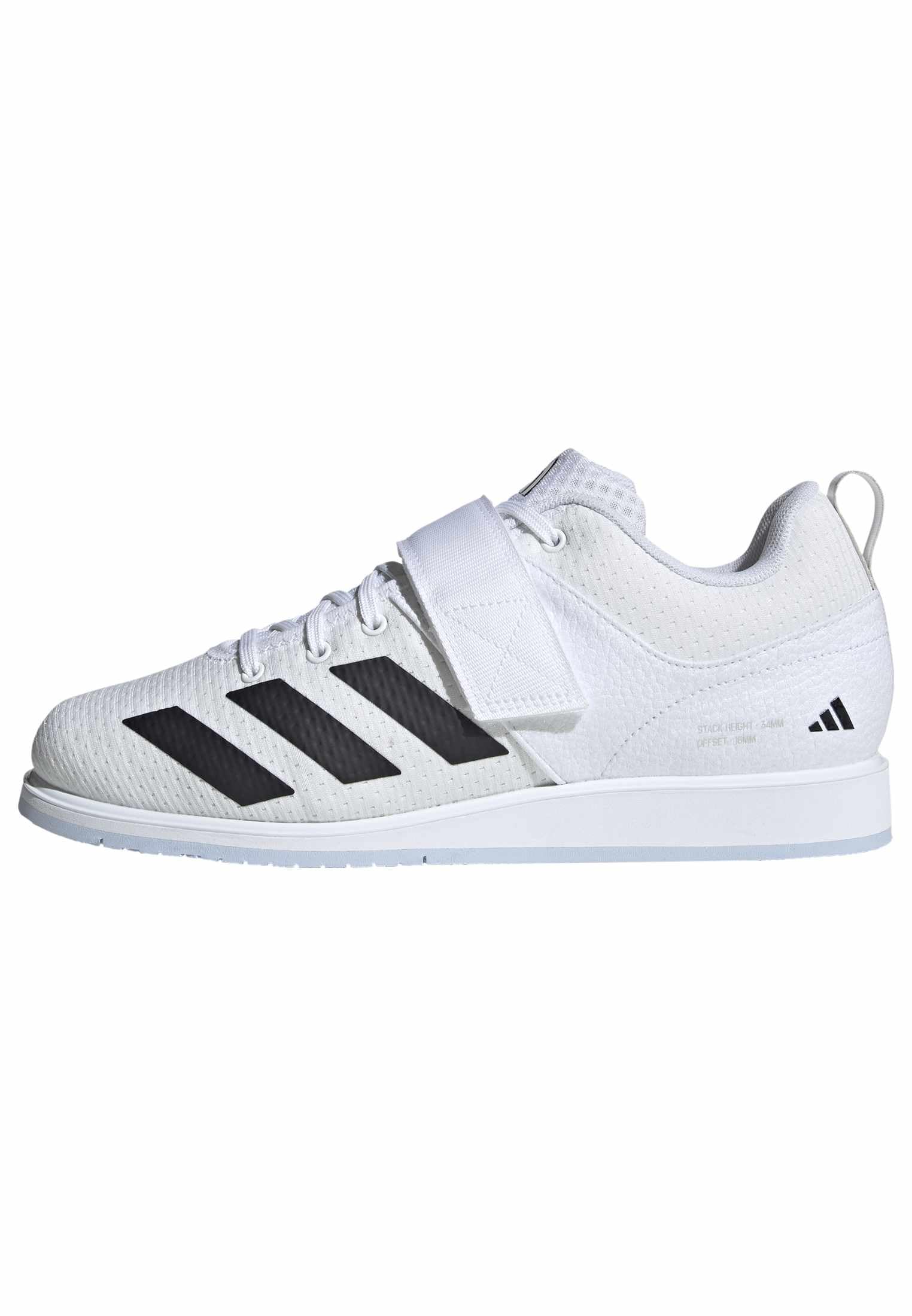
| adidas Powerlift 5Heeled Specialist | Heeled Squat Shoe | Raised Heel | 2.43 lbs | Lace-up + Strap | Amazon |
| UA Project Rock 4Everyday Comfort | Everyday Comfort | Flat | — | Lace-up + Strap | Amazon |
| Reebok Nano X4 | Versatile Cross-Training | Flat | — | Lace-up | Amazon |
| Nike Free Metcon 5 | Hybrid Lifting & Cardio | Flat | 3 lbs | Lace-up | Amazon |
| Reebok Nano X5 | Sturdy Cross-Trainer | Flat | 3 lbs | Lace-up | Amazon |
| adidas Dropset Control | Wide-Foot Lifters | Flat | 2.43 lbs | Lace-up | Amazon |
| Osterland Lifters | Budget Heeled Shoe | Raised Heel | — | Lace-up + Strap | Amazon |
In‑Depth Reviews
1. Nike Women’s Metcon 9 Workout Shoes
Our pick — over 4.5★ from 650+ verified ratings; the strongest balance of quality and price.
The gold standard that balances stability, grip, and all-day CrossFit wear.
The Metcon 9 earns its spot because it gives you a larger Hyperlift plate (a firm plastic insert in the heel) for extra stability under heavy weight, plus added rubber rope wrap around the midfoot so the shoe lasts longer during rope climbs. This is a flat-soled shoe, so you get a solid, non-compressible base for squats and deadlifts, but it does not have a raised heel like traditional Olympic lifters. The shoe weighs 3 pounds — noticeable but not heavy — and the fit runs short: many buyers report needing to go half a size up from their normal sneaker size, especially if you have wide or flat feet. It is a better all-rounder for CrossFit than the Nike Romaleos 4, which has a raised heel for strict weightlifting. skip it if you need a dedicated heel lift for deep Olympic squats.
Fit is the single most talked-about feature here, and the consensus is that it runs true to size for narrow-to-medium feet but feels tight for wider ones. Stability is a standout — owners praise the solid platform for heavy lifting, and the grip on gym floors is reliable. However, comfort gets mixed marks: some find the shoe stiff from the start, and the rigid sole is not built for walking or running between sets. This is a dedicated training shoe, not an all-day walker, which makes it perfect for the lifter who wants raw stability above all else.
What Owners Rave About
- Rock-solid flat platform for stable squats and deadlifts
- Grip is strong on gym floors for lateral moves and rope climbs
- Updated rubber rope wrap adds noticeable durability for CrossFit athletes
The Catch to Know
- Runs short — many buyers suggest going up half a size
- Sole is stiff and not comfortable for walking or running
- Heel lockdown can feel loose for some foot shapes
Reach for these if: you do CrossFit or heavy strength training and want a flat, bombproof shoe that has been tested by thousands of athletes.
Look elsewhere if: you need a shoe for mixed cardio and lifting, or you have wide feet and can’t try on a half-size up first.
2. adidas Unisex Adult Powerlift 5
A lower raised heel that transforms squat depth without the premium price tag.
The adidas Powerlift 5 is the entry point into heeled lifting shoes. It gives you a raised heel (a moderate 0.6-inch or so) that helps you squat deeper with a more upright torso, which is a standout if tight ankles hold you back. It weighs just 2.43 pounds, lighter than the Metcon 9, and the lace-up closure with an additional velcro strap locks your foot in place. The catch is the toe box — it is notoriously narrow. The data shows that ordering half a size up is the common fix, and that advice is echoed widely in reviews. For lifters with wider feet, this is likely not the right fit.
Where this shoe truly shines is in squat form. The consensus among owners is that it instantly improves squat alignment and activates the quads and glutes better than any flat shoe. It is also praised as a perfect beginner heeled shoe because the lower heel is less aggressive than pricier models like the adidas Adipower. It is not, however, ideal for deadlifts or floor work, as the raised heel can push your weight forward. The durability is decent — it gets scratches quickly on lighter colors, but the construction holds up well over time.
The bottom line: If you struggle to hit depth in squats and have narrow-to-medium feet, this is the most cost-effective way to buy into a heeled lifting shoe. It is not for deadlifts or wide feet.
Best for: anyone with limited ankle mobility who wants an affordable, proven raised-heel shoe for squats and overhead presses.
Skip if: you have wide feet or need a shoe for traditional deadlifting (go flat).
3. Under Armour Women’s Project Rock Blood Sweat Respect 4
The shoe that feels like a slipper but holds its ground under a heavy squat.
The Project Rock 4 is the outlier here — it is a training shoe with real cushion. Under Armour’s Charged Cushioning midsole absorbs impact and converts it into a responsive bounce, which makes this shoe comfortable for walking, HIIT, and even short runs, unlike the rigid Metcon 9. Yet it still has a UA TriBase sole that boost ground contact and provides flexibility to grip during lifts. It is not a pure lifting shoe, but for the lifter who also does box jumps and burpees, this is a smart compromise. The bootie design and strap overlays give a secure fit that buyers describe as “amazing.”
Comfort is the headline feature here. The feedback is overwhelmingly positive — owners call it the most comfortable shoe they have ever worn, noting that it does not pinch toes or rub ankles. The fit is true to size, with an ample toe box width that accommodates wider feet better than the adidas Powerlift 5. The trade-off is that the sole is not as stiff as a dedicated lifter. For very heavy back squats or deadlifts over 300 lbs, some lifters may feel a slight compression under load. For most gym-goers, however, this is a near-perfect all-rounder.
Why It Wins People Over
- Extremely comfortable — many owners say these are the best shoes they have ever owned
- True-to-size fit with generous toe box width for wider feet
- Versatile enough for lifting, walking, and HIIT
The Honest Trade-Off
- Charged Cushioning sole is less stable under extremely heavy loads than a flat lifter
- Initial pair may feel slightly snug for running until broken in
Perfect for: the versatile athlete who does lifting mixed with cardio and wants a shoe that does not punish your feet all day.
Consider an alternative if: your main focus is powerlifting or Olympic lifting with heavy weights and you need maximum rigidity.
4. Reebok Women’s Nano X4 Cross Training Shoes
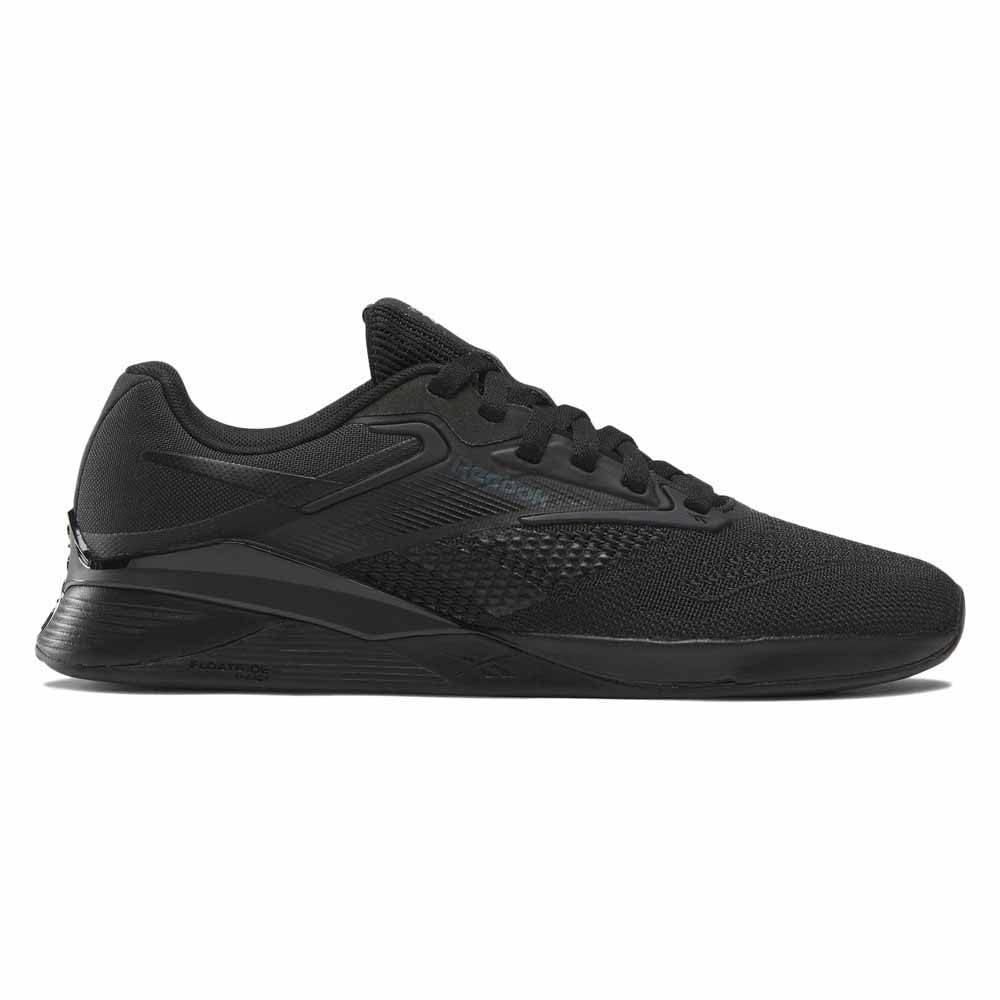
A flat, stable platform with a wide toe box that your feet will thank you for during burpees.
The Reebok Nano X4 is a flat-soled cross-trainer designed for the mix of lifting, jumping, and sprinting that defines HIIT and CrossFit. The standout feature here is the wide toe box, which gives your toes room to splay for better balance during squats and lunges. The shoe is true to size for most, though owners with wider feet may still consider going half a size up. Functionality is the most-praised aspect, with the shoe performing well across leg day, plyometrics, and even short treadmill runs.
Comfort is more mixed here than in the Project Rock 4. While some owners find the Nano X4 super comfortable, others report foot pain — particularly during walking or standing for long periods, as the shoe lacks arch support for some foot shapes. The sole is notably flat and stable, which is excellent for lifting but can feel harsh for all-day wear. It does have a reputation for being slightly overpriced at retail, but the quality and durability are strong enough that many buyers consider this a long-term investment. The shoe is machine-washable too, which is a practical bonus for stinky gym gear.
A clear verdict: the Nano X4 is a serious, versatile trainer for the lifter who also runs, jumps, and wants a wide toe box. It beats many pricier brands on raw stability, but do not expect plush arch support.
Grab these if: you do HIIT and strength training and want a flat, durable shoe with room for wider feet.
Look elsewhere if: you need substantial arch support or plan to walk miles in them.
5. Nike Womens Free Metcon 5
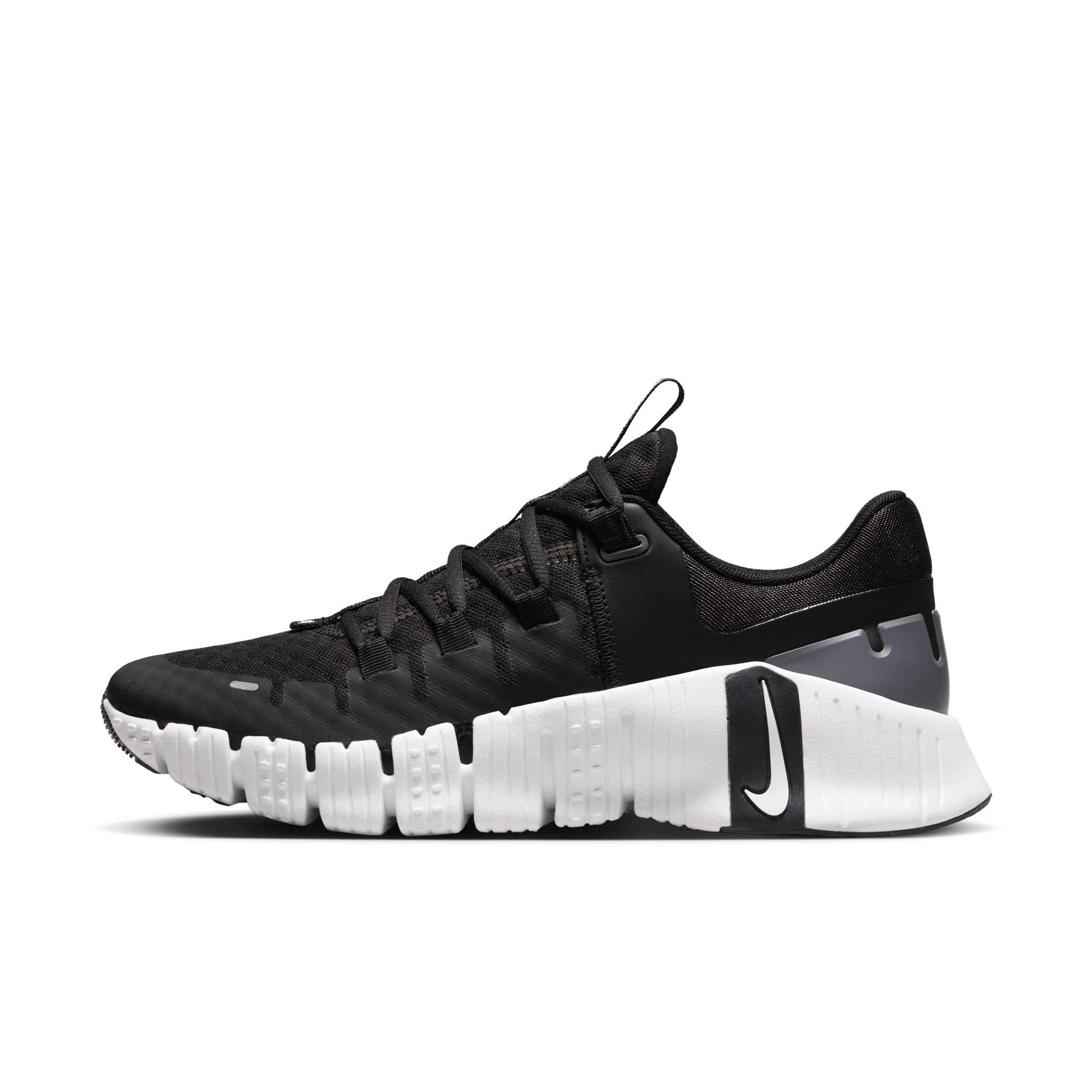
The rare shoe that flexes like a runner but locks down like a lifting shoe.
The Nike Free Metcon 5 is designed to bridge the gap between flexibility for agility drills and stability for heavier sets. The “chain” mesh upper provides breathability and stretch during lateral movements, while the midfoot and heel are reinforced for support under a barbell. It is a flat-soled shoe (no raised heel) that weighs 3 pounds, and it is a crowd favorite for good reason — comfort is the most-praised aspect by a wide margin. The shoe requires no break-in period, with a plush collar and a secure heel clip that feels supportive right from the start.
Where this shoe truly stands out is its versatility. It works for heavy lifting, but the Flex grooves in the sole allow for natural foot movement during running and lunges, which the rigid Metcon 9 does not. The arch support is also a frequently praised feature — the shoe fits like a glove for narrow feet. The main downsides are that the toe box is narrow (some owners mention bruised toes after extended wear) and the light-colored uppers are hard to keep clean. For the lifter who wants one shoe that can do it all — lifting, HIIT, and even walking — this is a strong contender.
Standout Strengths
- Exceptional comfort — no break-in period, feels great immediately
- Excellent arch support for those who need it
- Flexible enough for cardio, stable enough for heavy squats
Honest Limitations
- Narrow fit — not ideal for wide feet, some report toe bruising
- Light colors mark and stain easily
Ideal for: the athlete who needs a single shoe for mixed training — lifting, running, and agility work all in one session.
Not for: lifters with wide feet who need a roomy toe box or those doing exclusively heavy powerlifting.
6. Reebok Womens Nano X5
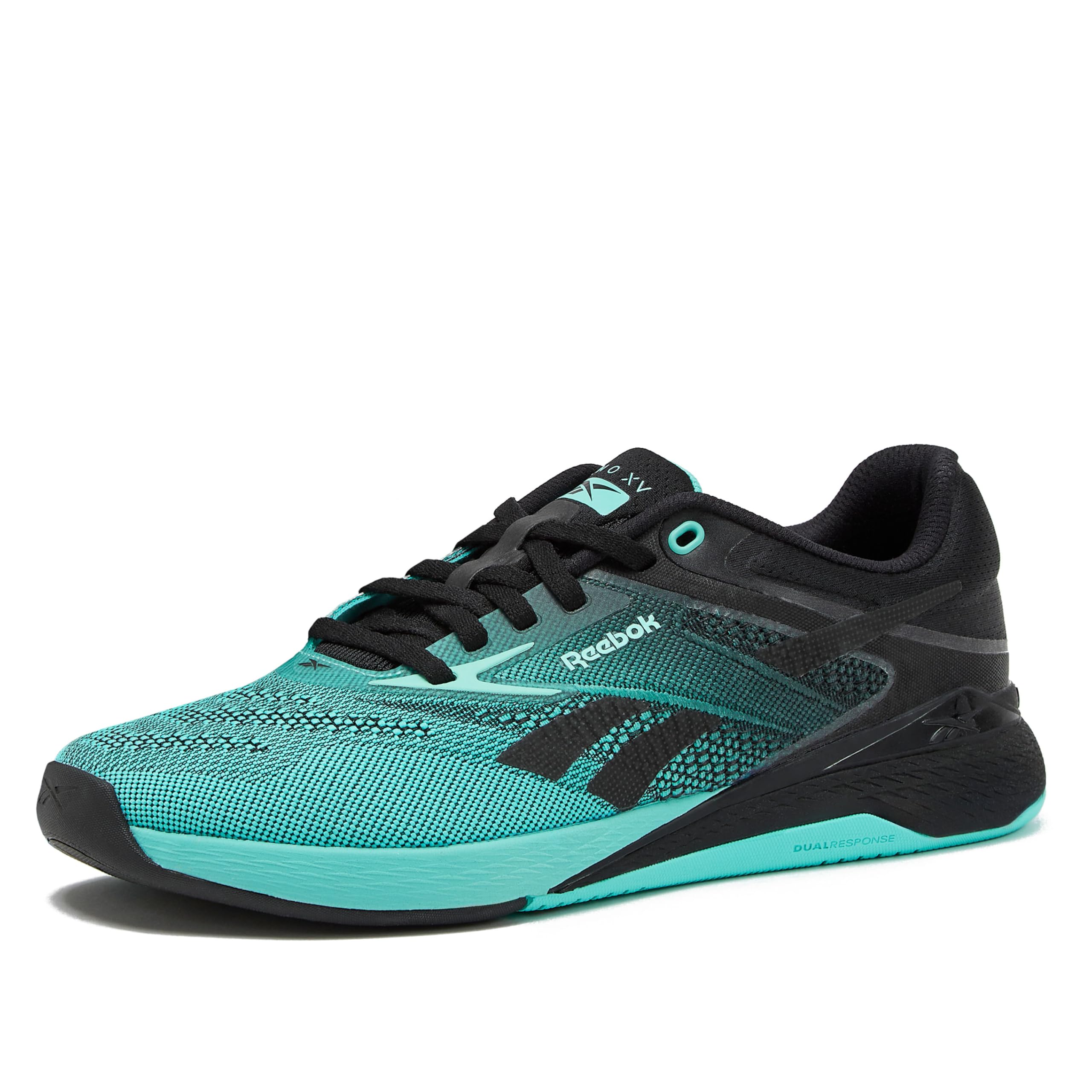
The latest Nano iteration that gives you a wide toe box and a stable, non-flexing sole.
The Reebok Nano X5 is the most recent update in the famous Nano line, and it focuses on stability for strength training. It features a high-traction outsole paired with a molded heel designed for lateral movement and a Flexweave knit upper that is soft and breathable. The sole is notably flat and stiff (non-flexible), which is a huge advantage for lifting — it prevents the rocking motion that plagues softer shoes. Weight is 3 pounds, consistent with the category. The fit is slightly snug, which is a deliberate design choice to lock the heel in place.
Quality and versatility are the most-praised aspects. Owners love that the shoe is sturdy enough for strength training but has enough support and flexibility for cardio sessions. The wide toe box is a recurring positive, giving toes room to spread for better balance during squats. The sole flexibility does receive some mixed feedback — it is intentionally stiff for lifting, which is great for squats but less forgiving for running or walking. A few owners also note that the arch support is minimal, so if you need a lot of support, plan on using your own insoles. The light weight and comfort earn consistent praise.
Bottom line: If you want a durable, flat cross-trainer that prioritizes stability and has a toe box that accommodates foot swelling during long sessions, the Nano X5 delivers. Just know the sole is not meant for long walks.
Best for: CrossFit and HIIT athletes who want a stable, lightweight shoe with a wide toe box and a non-flexing sole.
Skip if: you need a cushioned walking shoe or substantial arch support built in.
7. adidas Womens Dropset Control Training Sneakers
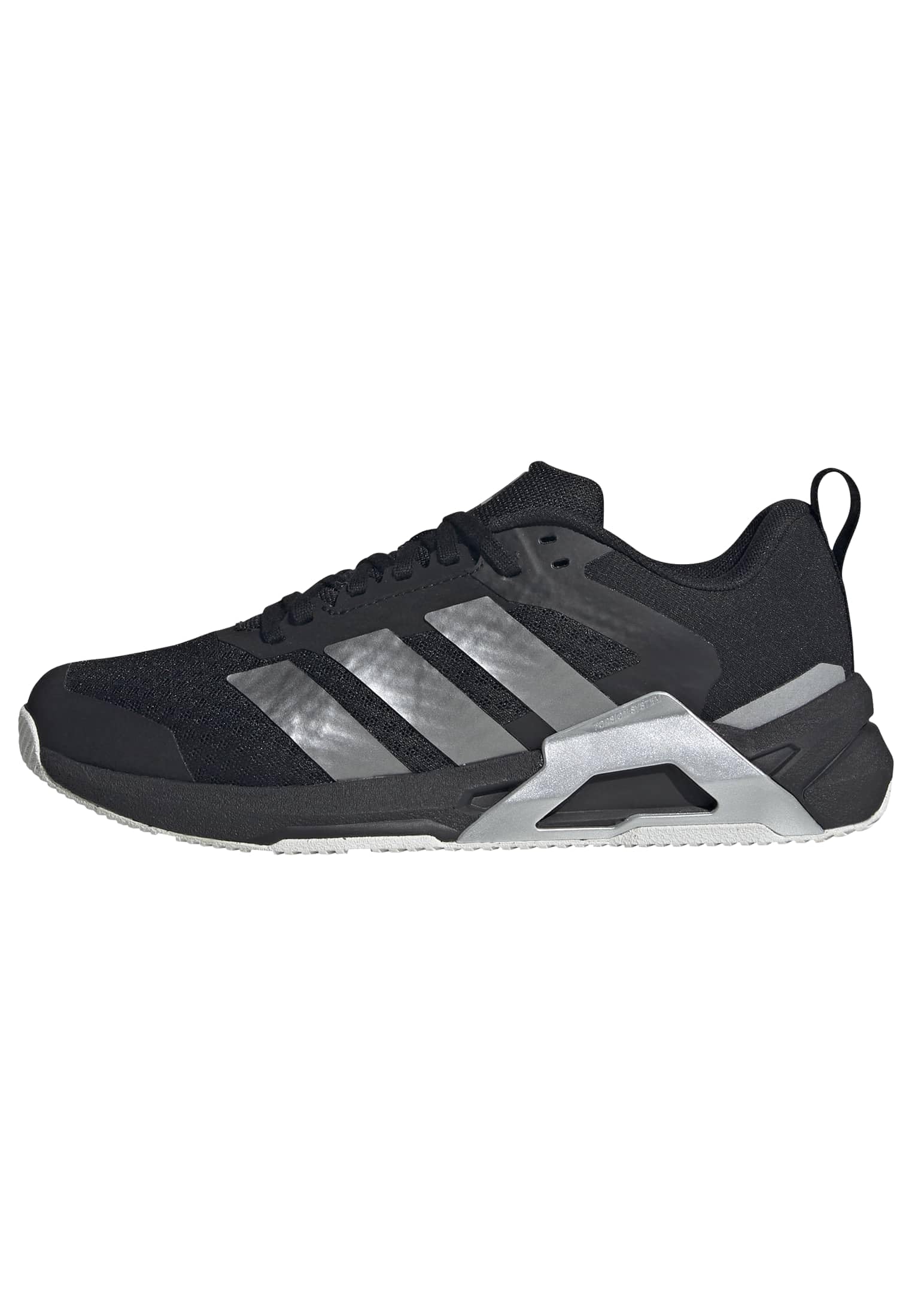
Serious stability for strength work with a rare wide-fit option that actually fits.
The adidas Dropset Control is built specifically for lifters who need a stable platform under load. The solid midsole uses Repetitor foam, which resists compression when you are squatting or deadlifting — unlike softer running shoe foam, this material keeps you connected to the floor. It also features a TPU torsion system through the midfoot, which adds support during lunges and lateral raises. The shoe is available in a wide fit, which is a genuine differentiator. It weighs 2.43 pounds, making it one of the lighter options here. The mesh upper promotes airflow during long gym sessions.
Fit is the most-praised aspect here, particularly for those with wide feet — customers note that the wide option is a rare find that actually works. Appearance also gets good marks. However, comfort is the most-discussed topic, and it is a polarizing one. While some find the shoe comfortable for lifting and stable for lower body work, others say the shoe is very stiff and only good for weightlifting, not for any type of cardio or even movement like lunges. The toe box is described as non-stretchy, which can cause foot pain for those between sizes. If you have wide or swelling feet, this is a strong candidate — but test the fit carefully.
What It Does Best
- Excellent stability for heavy squats, deadlifts, and overhead presses
- Available in a true wide fit — a rare advantage in this category
- Lightweight build (2.43 lbs) for a trainer with this much structure
The Main Frustration
- Very stiff — not comfortable for cardio, lunges, or walking
- Upper has no stretch, which can feel restrictive for some foot shapes
Reach for these if: you have wide feet and need a stable, non-compressible shoe for dedicated strength training.
Look elsewhere if: your training includes running, jumping, or any dynamic cardio movements — these are strictly for weights.
8. Osterland Weightlifting Shoes
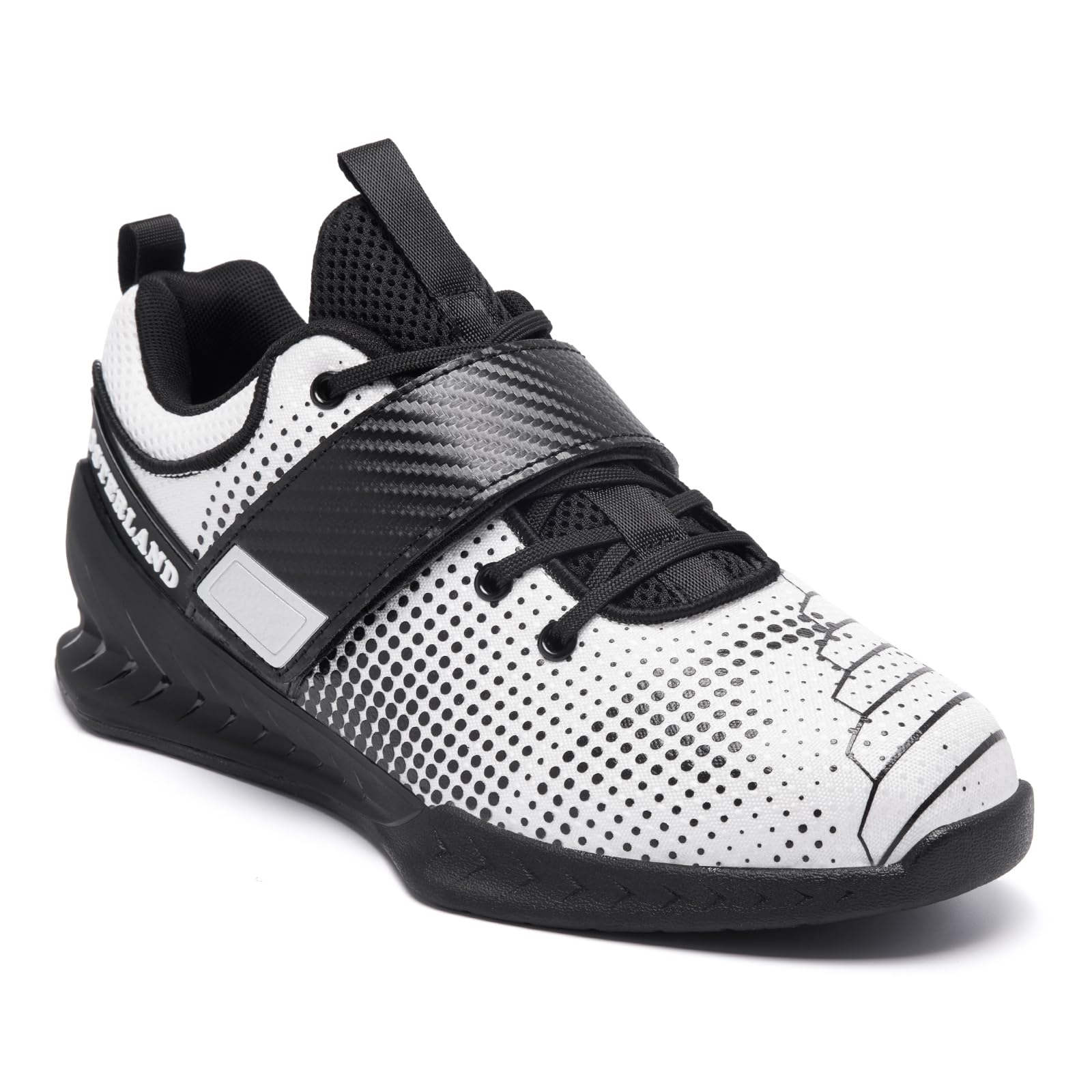
An affordable raised-heel shoe that punches above its price for beginner and intermediate lifters.
The Osterland Weightlifting Shoe is a unisex model designed with a raised heel to improve ankle flexibility and support deeper squats. The outsole is solid hard rubber with no compression — it is not soft like a running shoe — which ensures efficient force transfer during heavy lifts. The upper uses breathable mesh and microfiber to wick moisture and reduce sweat. It is a lace-up closure with an additional velcro strap for midfoot lockdown. The shoe fits true to US sizes, but the brand recommends going half a size up if you have wide feet.
Quality and lifting performance are the most-praised aspects. Owners say the heel is moderate and helps activate the quads during squats while reducing lower back strain. For the price, it is considered a well-made, comfortable alternative to pricier brands. The main durability concern is the pull tab on the tongue — one documented report notes it ripped after three months of weekly use. The toe box is also described as stiff by some, which can cause foot discomfort during squats and deadlifts. For a first-time buyer of heeled lifting shoes who is not ready to spend premium money, this is a solid entry point.
The call: If you want to try a heeled lifting shoe without a big investment, the Osterland delivers on stability and fit. Treat the pull tab gently and expect a stiff front that may not suit every foot.
Best for: beginner to intermediate lifters on a budget who want a raised heel for better squat depth.
Consider a pricier model if: you need a softer toe box or plan to train heavy multiple times a week and want maximum long-term durability.
Understanding the Specs
Heel-to-Toe Drop
This is the difference in height between the heel and the forefoot. “Zero drop” means your foot is flat, level with the floor — ideal for deadlifts, squatting with a wide stance, and functional fitness. A “raised heel” (usually between 0.5 and 0.75 inches) tilts your foot forward, reducing the ankle flexibility needed to hit depth in a squat. If you have tight ankles or do Olympic lifting, a raised heel is often a better fit. If you pull sumo deadlifts or do CrossFit, zero drop is usually preferred.
Sole Compression
This refers to how much the sole squishes down when you put weight on it. A running shoe’s foam compresses, absorbing energy and making you less stable under a barbell. A lifting shoe uses a firm rubber, TPU, or wood sole that barely compresses at all. The result is a direct, solid transfer of force from your foot to the floor. If you can easily squish the heel of a shoe with your thumb, it is not a good lifting shoe.
FAQ
Can I use running shoes for lifting weights?
Do I need a raised heel for squatting?
Should I size up in women’s lifting shoes?
Are flat lifting shoes good for deadlifts?
What is the difference between the Nike Metcon 9 and the Free Metcon 5?
Can I wear lifting shoes for walking?
Are CrossFit shoes good for weightlifting?
How long do lifting shoes usually last?
Final Thoughts: The Verdict
If you want one dependable pick, the women’s lifting shoes winner is the Nike Metcon 9 because it is the most proven flat-shoe option for heavy lifting and CrossFit, backed by a massive community of satisfied owners. If you want a raised heel to improve your squat depth, grab the adidas Powerlift 5. And for all-day comfort that still handles a barbell, the Under Armour Project Rock 4 is the one to reach for — the crowd favorite with over 400 ratings behind its 4.6-star average.
How We Picked
We do not accept paid placement. Every pick is matched to a real buyer and a real use-case; we do not hands-on test units.
Sources & Methodology
Specifications: manufacturer listings and product documentation. Review insights: verified customer reviews, as of July 2026. Pricing: not shown on this page (it changes often); check the current price via the retailer link.
As an Amazon Associate, Calories Fit earns from qualifying purchases. This does not affect which products we feature.