
Our readers keep the lights on and the coffee maker working hard! As an Amazon Associate, I earn from qualifying purchases.
Specs are compiled from manufacturer listings and verified buyer reviews and can change over time — please confirm the key details on the product page before buying.
A well-fitted road helmet disappears on your head, keeping you cool and safe without distraction. A wrong-shaped helmet creates pressure points, shifting straps, or wobbles when you look over your shoulder. This guide cuts through the noise to find a road helmet that fits your head shape, riding style, and budget — focusing on real safety features that matter before you ride.
I’m Mohammad — the founder and writer behind Calories Fit. This guide is built by comparing the manufacturers’ published specifications and the patterns across verified customer reviews, so you get each pick’s real strengths and trade-offs instead of marketing spin.
Whether you are a weekend century rider or a daily commuter, the right headgear keeps you protected and comfortable mile after mile, which is why finding the best women’s road bike helmet means balancing fit, ventilation, and certified impact protection that you will not even notice you are wearing.
Our Picks at a Glance


How To Choose The Best Women’s Road Bike Helmet
A road helmet is not a one-size-fits-all accessory. The wrong fit or missing safety layer can ruin a ride or fail when you need it most. Here are the three specs that separate a forgettable helmet from a great one.
Fit and head shape
Your head is not a sphere, and helmets are built on different molds. Some brands run round, others run long-oval. A helmet that pinches at the temples or wobbles on descents is a distraction. The best road helmets pair a snug, even contact with an adjustable retention dial (like Giro’s Roc Loc Sport or KASK’s Octo system) so you can fine-tune pressure in seconds.
Rotational impact protection (MIPS, KinetiCore, Koroyd)
A standard bike helmet protects you from a straight-on hit. A MIPS (Multi-directional Impact Protection System) layer adds a low-friction slip-plane that helps redirect rotational forces from angled impacts — the kind common in real-world crashes. Alternatives like LAZER’s KinetiCore use integrated crumple zones inside the foam, and Smith’s Koroyd is a honeycomb structure that crushes on impact. All three reduce rotational energy, and any of them is a meaningful step above a basic shell.
Ventilation and weight
A road helmet sits on your head for hours at speed, so airflow matters more than in any other cycling category. Look for at least 19 vents and deep internal channeling that pulls hot air out the rear. Weight is the second factor: a helmet under 300 grams (roughly 10.6 ounces) feels like almost nothing, while anything near 1.5 pounds starts to tug on long climbs. The lightest picks here sit around 240 grams (8.5 ounces).
Quick Comparison
| Model | Best For | Weight | Vents | Impact System | Amazon |
|---|---|---|---|---|---|
| Giro Verce MIPS★ Best Overall | Best Overall | 1.5 lbs | — | MIPS | Amazon |
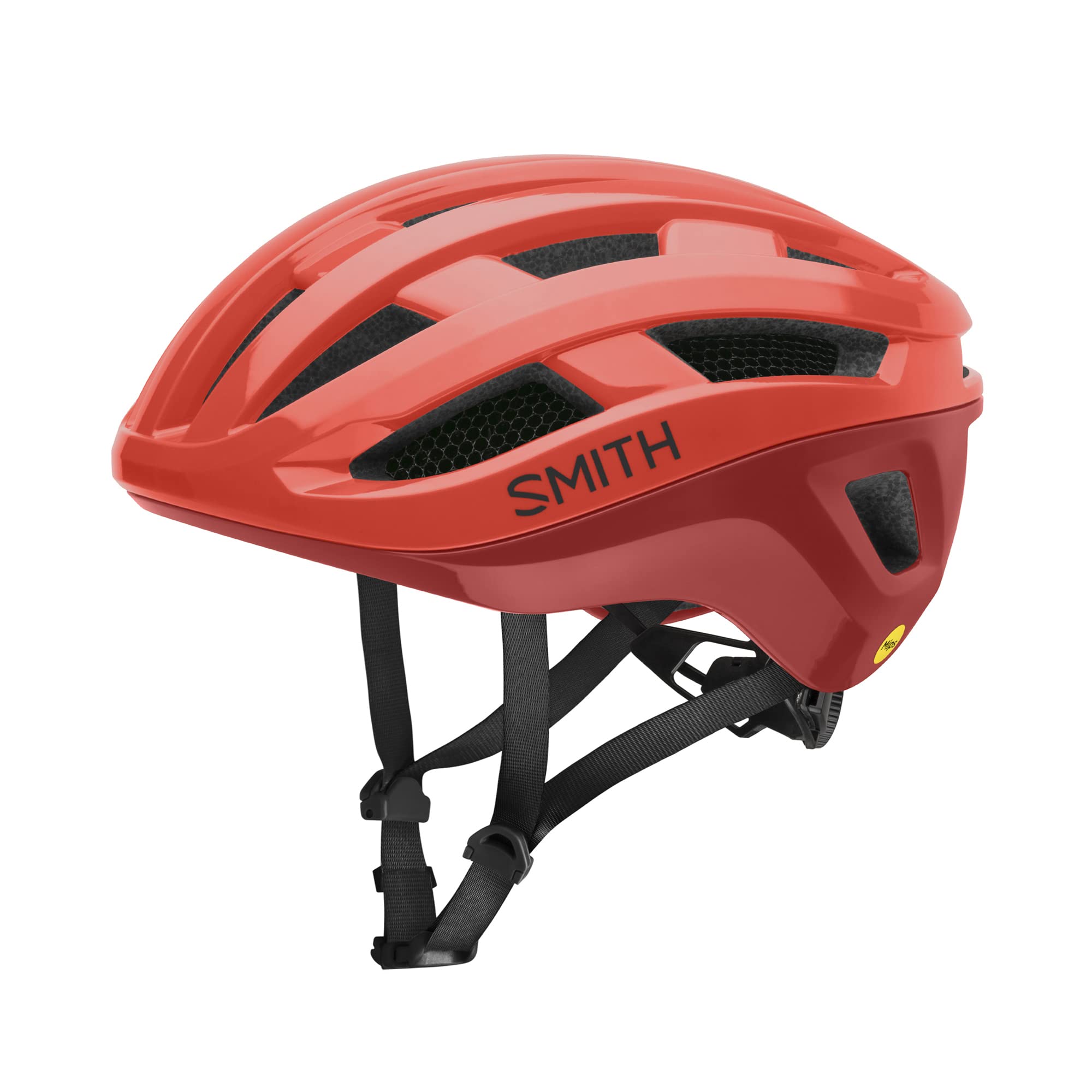
| Smith Persist MIPSPremium Pick | Premium Pick | 1.2 lbs | 21 | MIPS + Zonal Koroyd | Amazon |
| LAZER Tonic KinetiCoreBest Value | Best Value | 240 g | — | KinetiCore | Amazon |
| KASK Mojito3 | Top Performer | 1.2 lbs | — | WG11 Rotational Impact | Amazon |
| POC Omne Air MIPS | Trusted Geometry | — | — | MIPS | Amazon |
| KASK Protone Icon | Premium Aero | — | — | WG11 Rotational Impact | Amazon |
| Bell Soquel MIPS | Lightweight Budget | 12 oz | — | MIPS | Amazon |
| BELL Avenue MIPS | Compact Fit | 0.69 kg | — | Mips Evolve | Amazon |
In‑Depth Reviews
1. Giro Verce MIPS Womens Matte Midnight
Our pick — over 4.5★ from 400+ verified ratings; the strongest balance of quality and price.
The crowd favorite that earned perfect marks in real impacts — three crashes, zero injuries.
The Giro Verce MIPS earns its top spot not on a spec sheet but on the road: buyers report it survived three bike accidents in four months with only scratches, keeping their heads unharmed every time. The combination of a MIPS slip-plane layer (a low-friction liner that reduces rotational forces on impact) and the Roc Loc Sport fit system (a rear dial that tightens evenly around your head) means you dial in a secure, wobble-free fit in seconds, then forget the helmet exists until you need it. The plush, quick-dry padding handles summer sweat without turning soggy, and the in-mold construction bonds the polycarbonate shell directly to the EPS foam liner (the energy-absorbing foam inside), making the whole thing sturdier than a glued-on alternative.
What wins people over is the fit — it is the most-discussed trait, and the praise is almost unanimous. Owners with long-oval head shapes in particular call it a perfect match. The trade-off is size: several buyers find the Universal Women (50-57 cm) runs small, so measure your head circumference carefully before ordering. At 1.5 pounds it is a gram heavier than some ultralight competitors, though most riders never notice the difference on a long ride.
What Riders Rave About
- MIPS layer reduces rotational force from angled impacts — real-world proof from three crash survivors.
- Roc Loc Sport dial lets you fine-tune snugness mid-ride with one hand.
- Reflective details boost visibility at dusk without looking bulky.
Who Should Measure Twice
- Universal Women (50-57 cm) runs small for some — verify your head circumference first.
- At 1.5 pounds it is on the heavier side compared to sub-300g alternatives.
Your best bet if: you want a proven, crowd-tested road helmet with MIPS that has actual survival stories behind it — and you have a long-oval or average head shape.
Look elsewhere if: your head measures above 57 cm or you need the absolute lightest shell for competitive climbing.
2. Smith Persist Cycling Helmet with MIPS + Zonal Koroyd
A honeycomb safety layer that breathes like no other shell at this weight.
Smith stacks two protection systems inside the Persist: a MIPS slip-plane and Zonal Koroyd (a honeycomb-like structure of thin, welded tubes that crumple on impact while letting air flow through the gaps). The result is a helmet at 1.2 pounds that vents through 21 fixed vents — more than any other pick here — plus an AirEvac channel that pulls hot air off your sunglasses so they never fog on a humid climb. Owners mention the fit vanishes so completely that they forget they are wearing it, and the easy-to-adjust chin strap system gets consistent praise for its precision.
Nothing close to a premium helmet at this price point — the fit earns the most mentions by far, and comfort runs a close second. The one caveat is the shape: several owners note a slight “mushroom” silhouette on certain head shapes, and there are no dedicated sunglass dock holes if that matters to you. But for all-day road rides in the heat, the ventilation here is class-leading.
Coolest Head on the Road
- 21 fixed vents plus AirEvac channel keep your head and glasses fog-free in summer heat.
- Zonal Koroyd honeycomb adds impact absorption without blocking airflow.
- At 1.2 pounds it feels like a feather compared to heavier shells.
A Shape and Storage Trade-Off
- Some buyers find the silhouette mushroom-like on round heads.
- No dedicated sunglass ports if you want to stow shades on the helmet mid-ride.
Reach for this if: you ride in hot climates or on long summer centuries and need the best airflow of any helmet here, plus dual-layer impact protection.
Think twice if: a low-profile, sleek shape matters to you and you plan to clip sunglasses to the shell.
3. LAZER Tonic KinetiCore Bike Helmet
At 240 grams, this is the lightest shell in the list — and it earns a top safety rating.
The LAZER Tonic KinetiCore sits at a featherlight 240 grams (8.5 ounces) — lighter than the Giro Verce and the Smith Persist by a wide margin — yet it is the only helmet here that replaces MIPS with KinetiCore (an integrated crumple-zone system built directly into the EPS foam). Instead of a separate slip-plane layer, the foam itself has engineered channels that crush and redirect rotational energy on impact. Buyers consistently say it fits better, breathes better, and tests better (including at the Virginia Tech helmet lab) than many more popular brands. The rear adjustment knob clicks into a precise fit, and the white color option helps reflect radiant heat on sunny rides.
The biggest praise here is the combination of weight and fit: owners call it the best-fitting helmet they have ever used, and one rider survived a crash with a deer that broke their collarbone but left their head completely unharmed. The trade-off is that KinetiCore is a newer, proprietary system — if you want the widely recognized MIPS branding, this is not it. But for a shell that is lighter, cooler, and independently rated as safer, the value is tough to top.
Featherweight Champion
- At 240 grams it is the lightest road helmet in this guide — unnoticeable on climbs.
- KinetiCore crumple zones provide rotational impact protection without a separate liner.
- Buyers praise the fit and ventilation as superior to more expensive brands.
A Different Safety Language
- KinetiCore is not MIPS — some riders prefer the familiarity of the MIPS brand.
- The exact inner material is not specified, leaving some detail gaps in the specs.
Your lightweight ace if: you care most about grams and want a helmet that is both safer by independent testing and noticeably lighter than anything else here.
skip it if: you are set on MIPS for brand consistency or want a more detailed spec sheet on inner materials.
4. KASK Mojito3 Road, Gravel and Commute Helmet

Italian design meets a leather chin strap that eliminates chafe on all-day rides.
The KASK Mojito3 is the helmet that buyers call “forgettable” in the best way — they forget they are wearing it. The Octo rubberized micro-dial adjuster and gel-padded contact points let you tweak the fit while riding, and the supports oscillate through 180 degrees, meaning the helmet cradles your head regardless of shape. The soft leather chin strap eliminates the irritation that nylon straps cause on long days, and the tune vent system on the front, crest, and rear pulls airflow through interior channels. It is Rotational Impact WG11 approved, a European standard that exceeds the basic CPSC norms.
Fit and quality are the two most-discussed traits, and the praise is loud: owners with hard-to-fit heads (56cm round, 59cm narrow) say the medium and large sizes fit perfectly. One rider logged over 400 hours wearing it without discomfort. The catch is the price — this is clearly a premium-tier shell — and a few owners mention that the large can feel snug on heads near 62cm, so measure first.
Italian craftsmanship at its most wearable: the Mojito3 earns top marks for fit and quality, with owners calling it the best helmet under the premium threshold. The chin strap alone is a reason to upgrade from a scratchy nylon model.
One honest limit: at the upper end of the size range (62cm) the fit can be tight, so measure your head before ordering.
Perfect for buyers who: want a beautifully made, ultra-comfortable road helmet with a leather strap and a fit system that disappears on your head.
Not for you if: you are on a strict budget or your head circumference pushes the maximum of a size large.
5. POC Omne Air MIPS Bike Helmet

The POC shape that helped a racer walk away from a crash — and buy two more.
The POC Omne Air MIPS blends a slim, low-profile shape with a lightweight EPS liner and an integrated MIPS system. It sits lower on the head than many road helmets, which some buyers love (better coverage at the nape) and others find unusual at first. The adjustment band lets you fine-tune between haircuts, and owners say it accommodates prescription glasses without pinching — a small but critical detail for riders who wear eyewear. The white and orange color options are deliberately high-visibility.
The thing everyone raves about is the protection: multiple owners say the Omne Air survived crashes that split the helmet open, with no resulting head injury, and they immediately bought another. Fit is the most-discussed aspect, but the feedback is mixed — several customers note it runs small and recommend sizing up. The straps can feel thin and uncomfortable for some, and one owner noted that the paint may fade over time on the bright colors.
A crash-tested design with a loyal following: the Omne Air MIPS has repeat buyers who trust it after real impacts. The slim profile and glasses-friendly shape are genuine advantages for everyday use.
The sizing reality: run it small, so measure carefully and consider going up one size from your usual. The straps are a minor comfort trade-off for some.
Ideal for riders who: wear glasses and want a low-profile MIPS helmet with a proven crash record and high-vis colors.
Think twice if: you are between sizes — the small sizing is the most common complaint — or you want a plush, padded chin strap.
6. KASK Protone Icon Aerodynamic Road Helmet
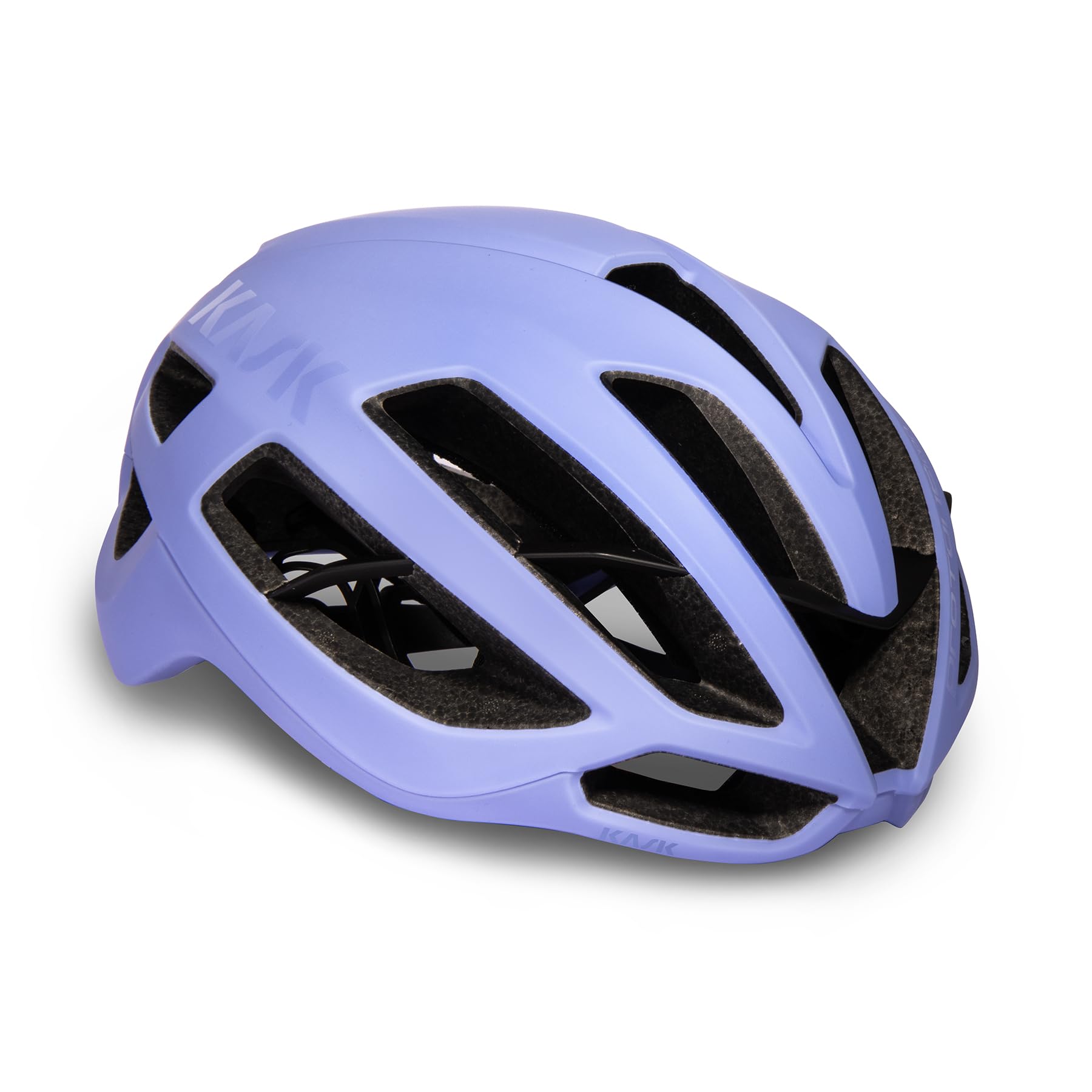
An aero shell that sheds wind and sweat, with a fit that veterans buy again and again.
The KASK Protone Icon is built for speed: it is an aerodynamic road helmet designed for cyclocross, XC marathons, and road racing. The redesigned internal frame and a vertical stabilizer across the nape of the neck enhance safety, and it carries Rotational Impact WG11 approval — a certification that surpasses standard U.S. norms. The inner padding uses fibers that speed up perspiration evaporation, slowing humidity build-up on your skin, and the Octo micro-dial adjuster with gel pad contact points lets you dial fit on the fly. Buyers who have purchased several over the years praise the style, comfort, and fit consistently.
Quality is the most-praised trait, followed closely by comfort. The ventilation is strong enough that owners call it well-ventilated even in summer. The catch is the fit — it receives mixed feedback, and the ratchet strap on the back can loosen during a ride, according to some. It is a trade-off for its aero profile and integrated safety frame.
A proven race-day pick for repeat buyers: the Protone Icon earns its premium status with WG11 approval and evaporation-boosting padding. Owners come back to it year after year.
The honest trade-off: heavier than any other helmet here at 1.9 pounds, and the fit can be polarizing — try it on if possible, and watch the rear ratchet.
Best for competitive road cyclists who: want an aero advantage and WG11 safety certification, and who have tested the fit in person.
Not the one for: weight-weary climbers or riders who prefer a helmet that disappears weight-wise — it will be noticeable on long ascents.
7. Bell MIPS Soquel Bike Helmet, Matte Black Ti

Weighs 12 ounces, compared to the Formula’s 16 ounces, with the same core safety tech.
The Bell Soquel MIPS is the lighter sibling in Bell’s budget line: 12 ounces compared to the Formula’s 16 ounces, a weight reduction that makes it far less noticeable on long rides. It uses the same Fusion In-Mold construction (shell bonded to EPS foam) and the same MIPS slip-plane, so you do not sacrifice safety for weight. The extended rear coverage adds protection at the nape, a feature typically found on more expensive helmets. Owners say it survived a car hit without causing a major concussion, and the lightweight design makes it a strong companion for both road and mountain biking.
Fit is the most-praised feature by a wide margin. The easy-turn dial retention system works for heads from 53-60 cm, and buyers with larger heads (7 5/8 hat size) say it fits on the last click. The durability receives mixed feedback — some find the shell feels flimsy compared to thicker shells, and the sun visor is too short and high to offer real eye protection. But for a helmet this light at this price, the MIPS coverage is hard to argue with.
Ultralight for the Price
- At 12 ounces it is one of the lightest MIPS helmets in the budget tier — noticeable difference from the 16-oz Formula.
- Extended rear coverage adds protection where many budget helmets cut corners.
- Proven in real-world impacts, including a car collision.
Build-Quality Cautions
- Durability is mixed — some owners find the shell feels flimsy.
- Visor is too short and high to shade your eyes effectively.
Grab this if: you want the lightest MIPS road helmet you can get without paying premium prices — the weight savings over the Formula are real.
Pick something else if: you prioritize a thick, premium-feeling shell or need a functional sun visor.
8. BELL Avenue MIPS Adult Road Bike Helmet
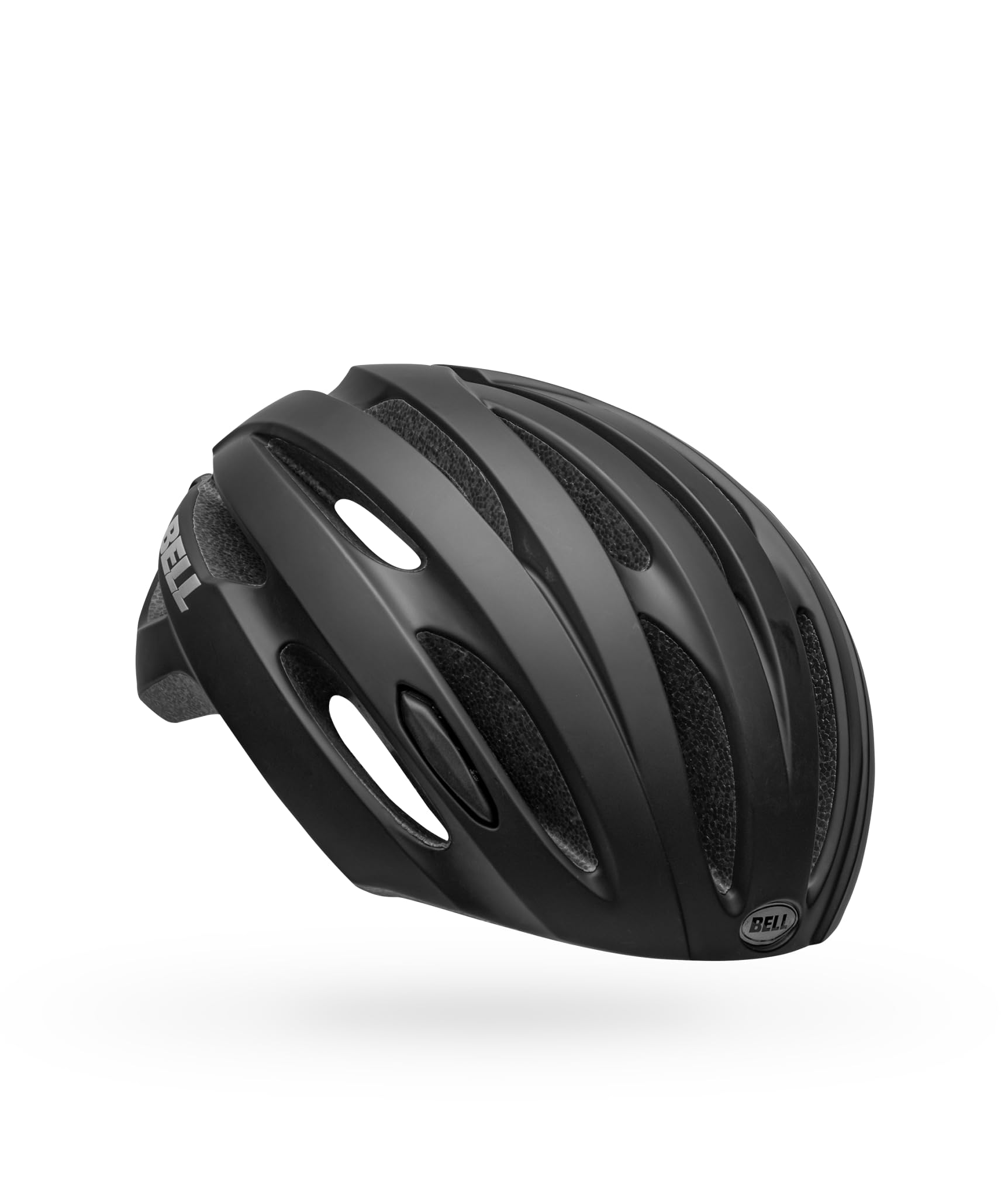
A compact, close-fitting MIPS shell that survived serious crashes where expensive helmets failed.
The BELL Avenue MIPS uses the newer Mips Evolve system, which integrates the slip-plane directly into the retention system to reduce weight and complexity while fitting closer to the head. At 0.69 kg (about 1.5 pounds) it is not the lightest here, but owners say the compact shape and close fit make it feel smaller than it is. The Sweat Guide pad pulls moisture away from the brow and eyewear, and the quick-adjust No-Twist Tri-Glides keep straps flat and positioned correctly.
The thing that stands out in the reviews is crash survival: multiple owners say the Avenue MIPS survived serious impacts (one involving a motorcycle, another where an e-bike crash cracked the old helmet in four places) with no head injury, outperforming a trendy, expensive helmet that damaged easily. Fit and comfort are the most-praised aspects, and buyers call it a great quality helmet. The recurring downside is the chin strap, which several owners say works loose and does not stay tight — a genuine annoyance on longer rides. The strap length also gets mixed feedback, with some finding it too short.
Compact Protection
- Mips Evolve system is integrated into the fit system, reducing bulk and weight compared to older MIPS designs.
- Proven crash survival — shoppers say it held up in high-speed impacts.
- No-Twist Tri-Glides keep straps aligned without constant adjustment.
Strap Annoyances
- Chin strap can work loose during rides — a recurring complaint.
- Strap length feels too short for some head shapes.
Best for riders who: want a close-fitting, compact MIPS helmet with a proven crash history and a low-bulk fit system.
Look elsewhere if: you have a larger head or dislike adjusting chin straps mid-ride — the loose-strap issue may frustrate you.
Understanding the Specs
Rotational Impact Systems (MIPS, KinetiCore, Koroyd, WG11)
Standard bike helmets protect against straight-on impacts. Rotational impact systems add a second defense: a low-friction layer (MIPS), integrated crumple zones (KinetiCore), or a honeycomb structure (Koroyd) that allows the helmet to slide slightly on angled hits, reducing the rotational force transferred to your brain. WG11 is a European certification that tests this kind of performance independently and surpasses basic CPSC norms. Any of these systems is a meaningful upgrade over a basic foam shell.
Virginia Tech Helmet Ratings
Virginia Tech’s lab tests helmets by dropping them at multiple angles and measuring impact forces. They assign a 1-to-5 star score — a 5-star rating means the helmet is among the best available at reducing both linear and rotational forces. The rating is independent and far more granular than the basic CPSC pass/fail standard. When a helmet like the Bell Formula MIPS carries a 5-star score, it means it ranks in the top tier of all helmets tested.
Retention and Fit Systems (Roc Loc, Octo, Float Fit)
A retention system is the dial and cradle at the back of the helmet that tightens around your head. Roc Loc Sport (Giro) uses a simple dial with vertical adjustment so the cradle sits at the right height on your occipital bone. Octo (KASK) uses a rubberized micro-dial with gel contact pads that oscillate 180 degrees for a custom contour. Float Fit (Bell) is the lightest option, integrating the MIPS system into the dial itself. A good retention system makes the difference between a helmet that wobbles and one that disappears.
Vent Count and In-Mold Construction
Vents are more than holes — their shape and internal channeling determine how well hot air exits the rear. Look for deep internal channels that pull air across your scalp before escaping. In-mold construction bonds a thin polycarbonate (PC) outer shell directly to the EPS (expanded polystyrene) foam liner during molding, creating a sturdier helmet that resists delamination. Fusion In-Mold (Bell) and equivalent processes are the industry standard for road helmets today.
FAQ
How do I measure my head for a road helmet?
Is MIPS worth the extra money on a women’s road helmet?
What is the difference between MIPS, KinetiCore, and Koroyd?
Can I use a men’s road helmet as a woman?
How often should I replace my road bike helmet?
What does WG11 certification mean on a KASK helmet?
Will a road helmet fit my ponytail?
What is the difference between road and mountain bike helmets for women?
How do I clean a sweaty road helmet?
Do I need a road helmet with a visor?
Final Thoughts: The Verdict
For most riders, the best women’s road bike helmet is the Giro Verce MIPS because it combines a proven MIPS safety system, an easy Roc Loc Sport fit dial, and real-world crash survival stories at a price that still feels fair. If you want the absolute best ventilation and dual-layer safety (MIPS plus Koroyd), grab the Smith Persist. And for the lightest shell in the guide with its own innovative crumple-zone safety, the LAZER Tonic KinetiCore is the one to reach for — at 240 grams it is the unbeatable choice for riders who count every gram.
How We Picked
We do not accept paid placement. Every pick is matched to a real buyer and a real use-case; we do not hands-on test units.
Sources & Methodology
Specifications: manufacturer listings and product documentation. Review insights: verified customer reviews, as of July 2026. Pricing: not shown on this page (it changes often); check the current price via the retailer link.
As an Amazon Associate, Calories Fit earns from qualifying purchases. This does not affect which products we feature.