
Our readers keep the lights on and the coffee maker working hard! As an Amazon Associate, I earn from qualifying purchases.
Specs are compiled from manufacturer listings and verified buyer reviews and can change over time — please confirm the key details on the product page before buying.
A strength training shoe is really just a stable, flat platform for your foot — nothing squishy, nothing that rocks. The wrong pair leaves you wobbling during a heavy squat or sinking into a foam heel during a deadlift. This guide lines up nine women’s-specific trainers built so your force travels straight from the floor through the barbell, with no energy lost to a mushy midsole.
I’m Mohammad — the founder and writer behind Calories Fit. This guide is built by comparing the manufacturers’ published specifications and the patterns across verified customer reviews, so you get each pick’s real strengths and trade-offs instead of marketing spin.
Whether you are chasing a new PR or just want a pain-free session on the gym floor, these are the best women’s strength training shoes for every budget and lifting style.
Our Picks at a Glance

How To Choose The Best Women’s Strength Training Shoes
Strength training shoes are different from running shoes in one critical way: you need a firm, non-compressible sole so your foot stays stable under a bar. A thick, soft midsole lets your foot sink and roll, which can throw off your squat form and reduce force transfer during a deadlift. Look for a flat outsole, minimal heel-to-toe drop, and a secure upper that locks your foot in place without pinching.
Sole Firmness and Heel Drop
The sole should resist compression under heavy weight. A zero-drop shoe (where the heel and forefoot sit at the same height) keeps your posture natural for deadlifts and Olympic lifts. Some lifters prefer a slight heel lift — typically between 4 mm and 12 mm — for better ankle mobility in deep squats. Know your own flexibility before you choose.
Toe Box Shape and Width
A narrow toe box can cramp your toes and reduce balance. Many women’s strength shoes now offer a wider or more anatomical shape so your toes can spread naturally for a wider base of support. If you have wider feet, look for models with a dedicated wide option or a brand known for a roomy forefoot.
Upper Construction and Breathability
Mesh uppers help keep feet cool during long sessions, but they need enough structure or overlays to hold your foot steady during lateral moves. Some shoes use a bootie construction or a strap system for extra lockdown. A padded heel collar also prevents slipping when you are driving through your heels on a squat.
Quick Comparison
| Model | Best For | Drop | Sole Type | Weight per Shoe | Amazon |
|---|---|---|---|---|---|
| Reebok Nanoflex TR 2.0★ Best Overall | All-around gym versatility | Low (approx. 4mm) | High-traction rubber | — | Amazon |
| UA Project Rock 4Top Performer | Dynamic training & HIIT | Low (approx. 4mm) | UA TriBase rubber | — | Amazon |
| Nike Metcon 9Premium Pick | Heavy lifting & CrossFit | Flat (approx. 4mm) | Hyperlift plate rubber | — | Amazon |
| Osterland Weightlifting Shoes | Heavy squat & deadlift focus | Moderate heel lift | Solid hard rubber | — | Amazon |
| Nike Zoom Bella 6 | Weightlifting with style | Flat | Flat rubber sole | — | Amazon |
| Reebok Nano Gym | CrossFit & daily training | Flat (approx. 0-4mm) | High-traction outsole | — | Amazon |
| adidas Dropset Control | Stability for lifters | Flat (approx. 0mm) | Solid Repetitor foam | — | Amazon |
| Reebok Nano X5 | Versatile gym & lift | Flat (approx. 0-4mm) | Sturdy rubber outsole | — | Amazon |
| ALTRA Solstice XT 3 | Natural foot movement | 0 mm | Zero-drop rubber outsole | 9.5 oz | Amazon |
In‑Depth Reviews
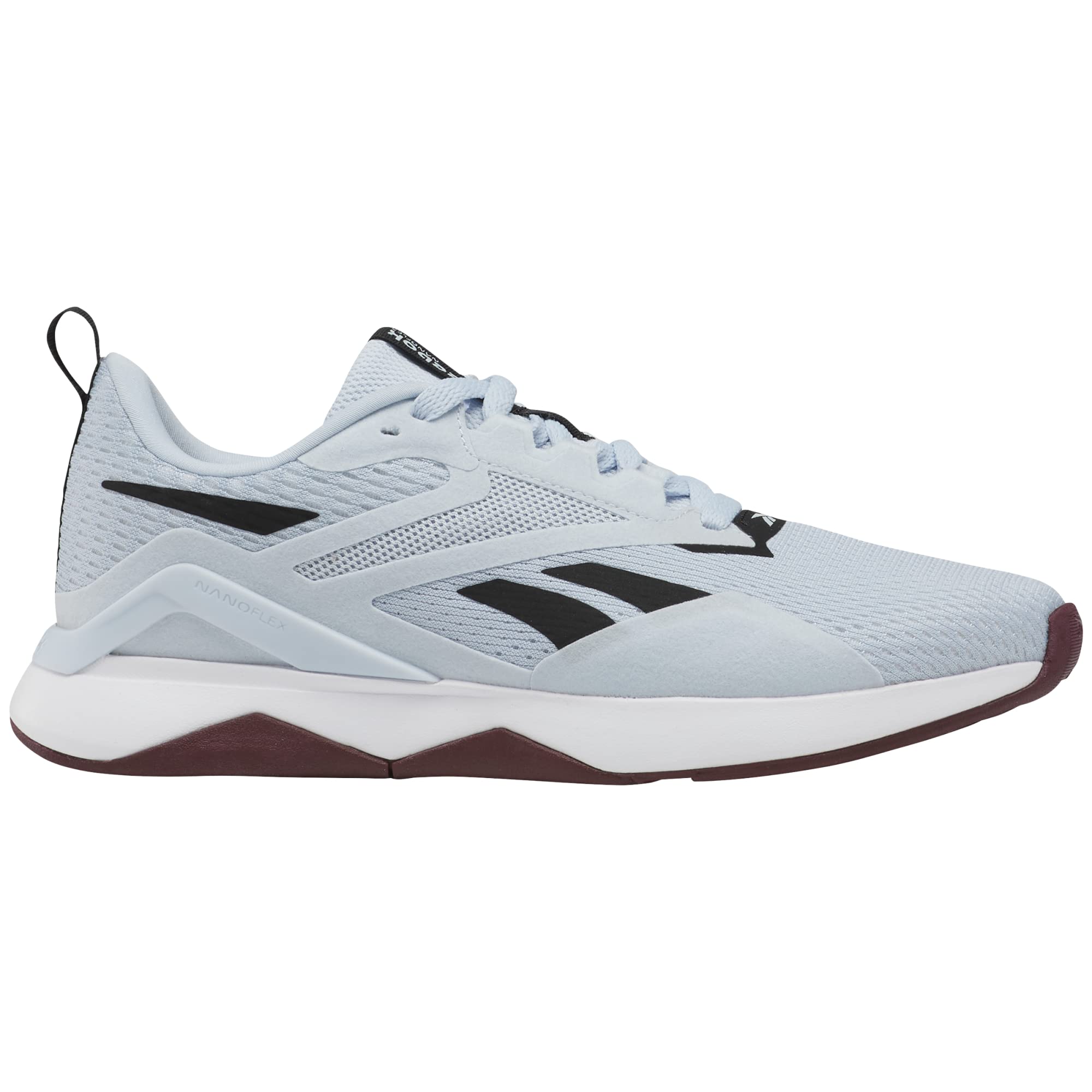
1. Reebok Nanoflex TR 2.0
Our pick — over 4.5★ from 750+ verified ratings; the strongest balance of quality and price.
The crowd-favorite that works from burpees to barbells without missing a beat.
This is the shoe that owners simply call the best cross-training sneaker they have owned — and at a price that undercuts premium brands like NoBull. The breathable mesh upper is reinforced with durable overlays for a lightweight feel while a heel clip adds stability during lateral movements. The high-traction outsole offers enhanced grip on gym floors, so you stay planted during dynamic warmups or heavy sets.
You get comfort right from the start, thanks to a toe box that is roomier than the Reebok Nano X1 and X2 — that extra space lets your toes spread naturally for better balance during lifts. It runs true to size for most, though a few with narrow feet find it slightly large. Reviewers report it transitions smoothly from jump-rope drills to kettlebell swings to deadlifts, and even light cardio sessions. The trade-off: durability gets mixed feedback — some owners note the outsole shows wear faster than pricier options, making this more of a 12-month gym partner than a forever shoe.
What keeps buyers coming back
- Comfort is the single most-praised trait — owners love the fit from day one.
- Versatile enough for lifting, cardio, and daily wear without feeling clunky.
- Stable platform with a flat sole and good grip for heavy lifting.
The honest trade-off
- Long-term durability is mixed; some owners see wear after a year of frequent use.
- Runs slightly large for some, so narrow-footed buyers may need to size down.
Your gym’s new workhorse: Perfect if you want a do-everything trainer that hits heavy lifts, HIIT, and even treadmill work without a second pair.
Think twice if: You need a shoe that will survive multiple weekly CrossFit sessions for years — the outsole may fade faster than you would like.
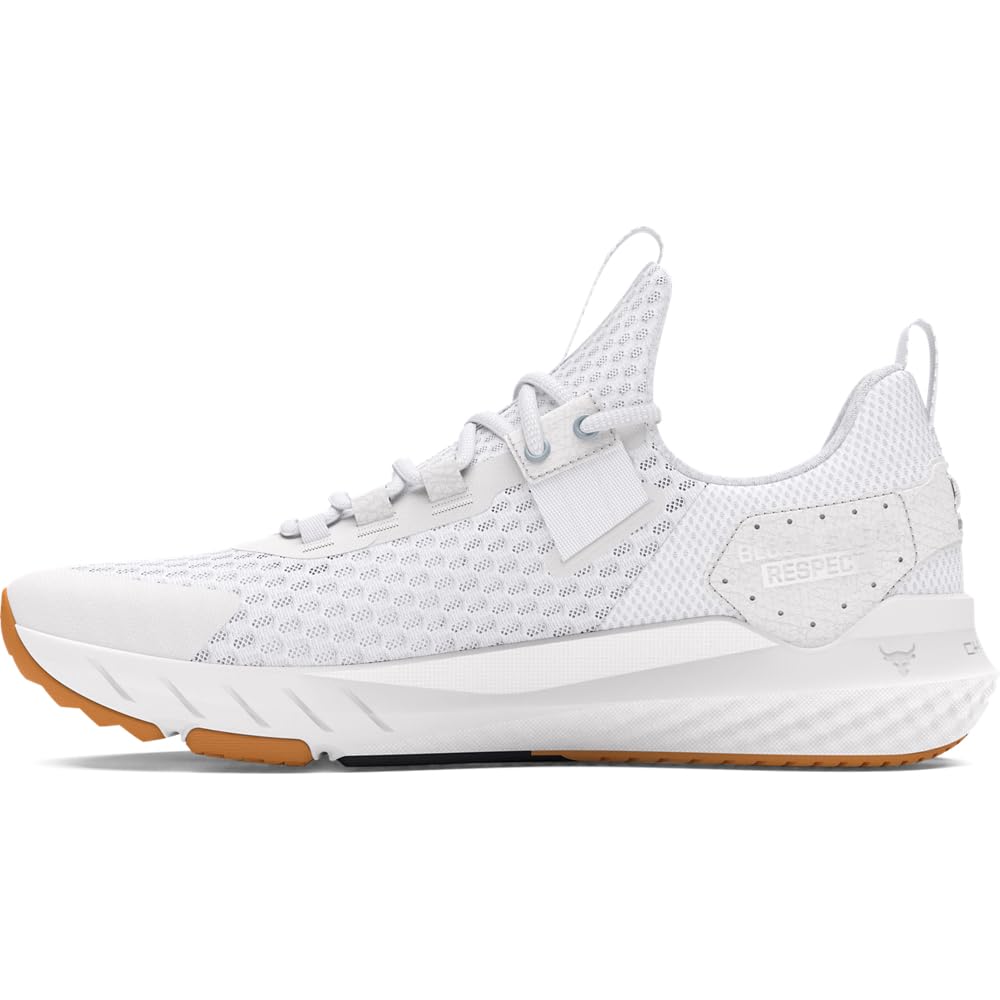
2. Under Armour Women’s Project Rock Blood Sweat Respect 4
The shoe that makes you forget you’re wearing a lifting shoe — in the best way.
These are built for explosive movement, day after day, with a stability that supports heavy lifting and a flexibility that does not hinder HIIT. The Charged Cushioning midsole absorbs impact and converts it into a responsive burst, while the UA TriBase boost ground contact and promotes natural motion so you stay planted during lifts. A perforated mesh upper with strap and heel overlays provides durable ventilation and a locked-in fit.
Comfort is the most-praised aspect across hundreds of owners. As buyers put it: “these are the most comfortable shoes I have ever had.” They fit true to size and offer a roomy toe box that does not pinch, plus excellent arch support. The rubber outsole delivers traction and durability, and the color options get consistent compliments. The catch is that the bootie-style construction can feel snug for those with high insteps initially, though it breaks in well. A few owners mention going up half a size if they plan to use them for running or all-day walking.
Comfort king: If you prioritize a shoe that feels broken-in from the first wear and still delivers a stable lifting platform, this is a standout. The versatility holds up for everything from heavy squats to theme park days.
Tight squeeze warning: If you have a very high arch or a wide forefoot, try a half-size up for a comfortable fit from the start.
One-shoe solution: This is the pick if you want a trainer that handles gym sessions and everyday wear without compromise.
Not ideal if: You need a very rigid, zero-compression sole for maximal weightlifting — the Charged Cushioning has some give for comfort.
3. Nike Women’s Metcon 9 Workout Shoes
The gold standard for heavy lifting gets a wider platform and better grip.
The Metcon 9 improves on the 8 with a larger Hyperlift plate for a broader, more stable base under the heel and added rubber rope wrap for durability during rope climbs. Sworn by elite athletes, this shoe delivers a firm, flat platform that resists compression under the heaviest loads. The outsole is grippy on gym floors, and the fit is the most-praised feature — it runs true to size, though many owners with wider feet recommend it for its accommodating shape.
It is important to note that the Metcon 9 is purpose-built for lifting, not running. Buyers report it is excellent for squats, deadlifts, and CrossFit WODs, but it is stiff under the forefoot and not comfortable for long jogs or extended walking. The comfort and stiffness aspects get mixed reviews: some love the firm support, while others find it too rigid for lunges or dynamic warmups. It also runs a bit short, so going up half a size is a common tip.
Built for the bar
- Larger Hyperlift plate increases stability for heavy squats and overhead work.
- Very stable and grippy, with a flat sole that delivers uncompromising force transfer.
- True-to-size fit that works well for flat and wide feet.
Know before you buy
- Stiff forefoot makes it less suitable for running or long walks.
- Some owners find it too short; ordering a half size up is common.
The serious lifter’s choice: Reach for the Metcon 9 if your gym session is built around barbell work and you need a rock-solid platform.
skip it if: You need one shoe for both lifting and a 5K warmup — it is too stiff for sustained cardio.
4. Osterland Weightlifting Shoes
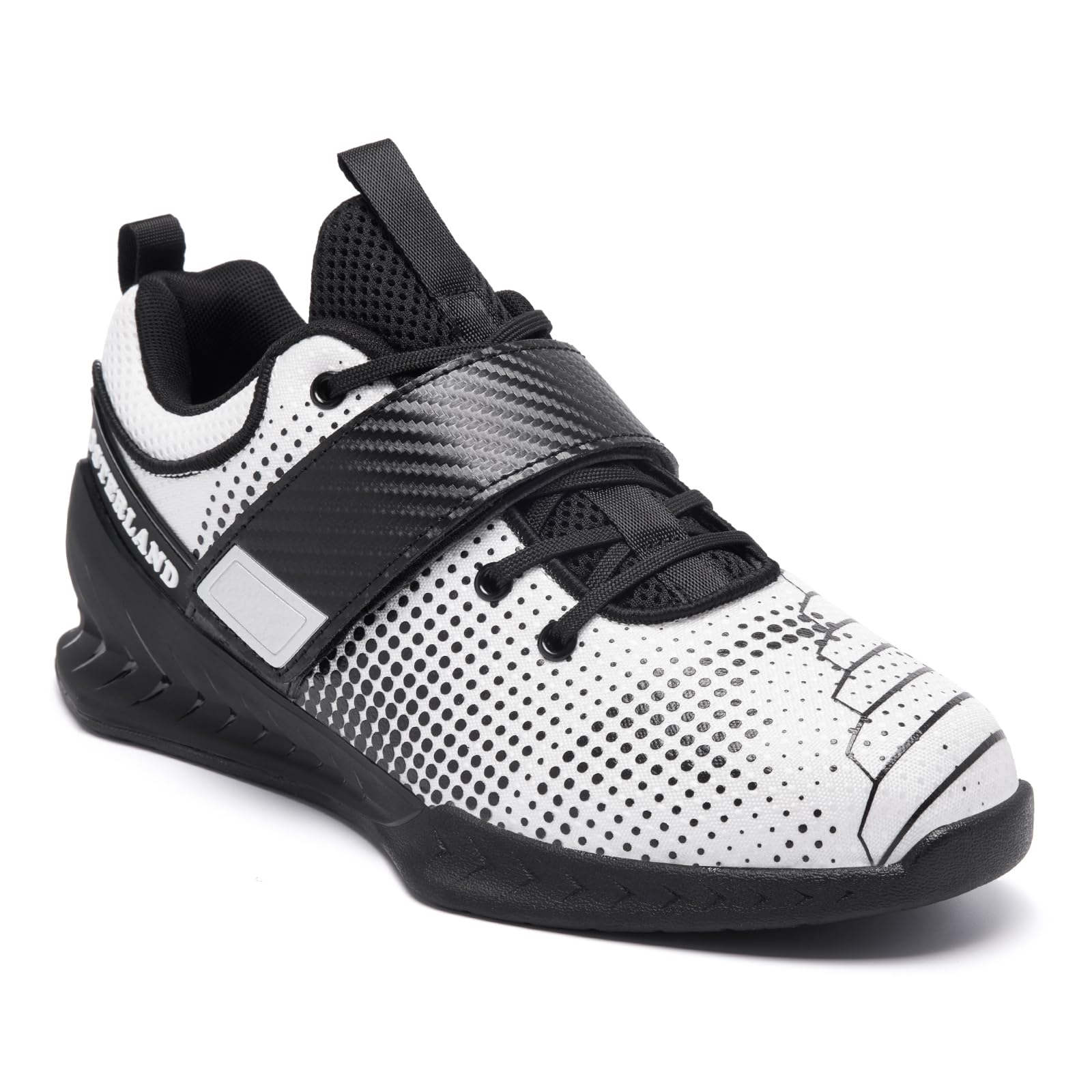
A budget-friendly heeled lifting shoe for squatters who need ankle mobility help.
Unlike flat trainers, the Osterland has a moderate heel lift built into a solid hard rubber outsole that does not compress under heavy weight. This makes it a good choice for beginners or intermediate lifters who lack ankle dorsiflexion and need extra heel height to reach proper squat depth. The upper uses breathable mesh and microfiber with a Velcro strap over the laces for a secure lockdown. Many owners note it reduces lower back strain during deep squats.
The quality and lifting performance are the top-praised aspects. It fits true to standard US sizing, though those with wide feet should go half a size up. A recurring gripe is the pull tab on the tongue — it can rip after months of use. The toe box is also on the stiffer side, and one owner with a wide forefoot found it causes toe cramping during squats and deadlifts. For the price, though, it delivers the core benefit: a stable, heeled platform that helps you squat deeper with better mechanics.
Budget depth finder: If you are new to weightlifting or your squat form struggles with ankle mobility, this shoe gives you the heel lift you need without the price tag of dedicated lifting shoes.
Stiff front warning: The stiff toe box may not suit those with very wide feet or long training sessions that involve toe flexion; the pull tab is the weakest part of an otherwise well-made shoe.
Best for: Beginner to intermediate lifters who want an affordable heeled shoe for squats and deadlifts.
Look elsewhere if: You have a very wide forefoot or you want a flexible shoe for dynamic warmups and lunges.
5. Nike Women’s W Zoom Bella 6 Trainers
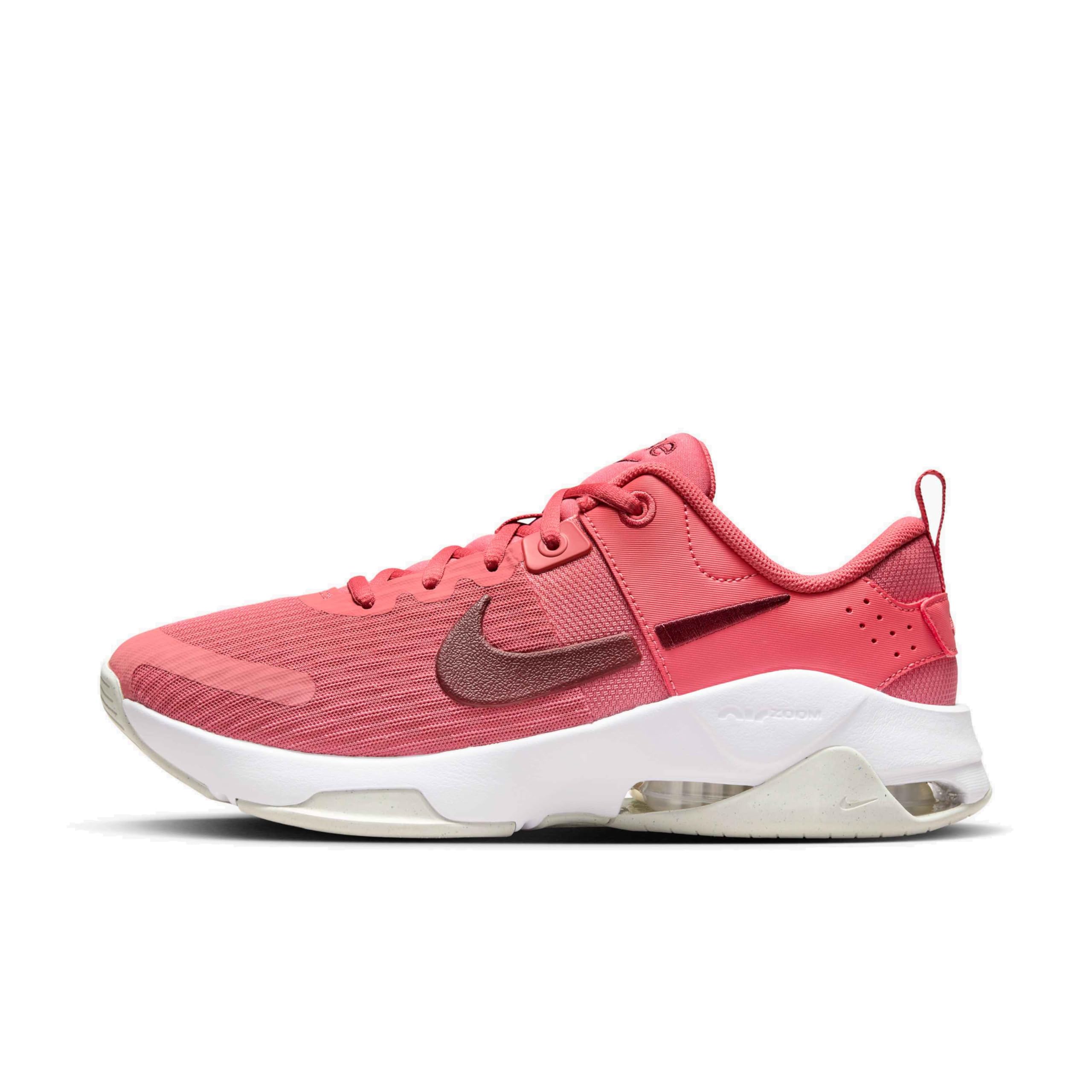
A stylish trainer that packs a Zoom Air element for high-performance comfort.
The Zoom Bella 6 is designed for lifting and explosive movements with a newly introduced Zoom Air element that stretches from heel to midfoot, providing responsive, high-performance comfort underfoot. The flat sole delivers stability on gym floors, and an elastic strap crosses the arch for a more secure fit. The forefoot has been updated with a new shape that adds volume for a more inclusive fit, accommodating wider foot shapes better than earlier versions.
Comfort and style lead the feedback — owners love the support and the fact that it can be worn all day at work or while nursing. The midfoot fabric provides grip without completely locking the foot, which allows some natural movement. Fit is a mixed bag: many find them true to size, but a significant number report they run half a size small. The shoe also feels narrow in the toe box, so those with wide feet or a high instep may find it uncomfortable. As owners mention: “if you have high arches, this is not for you.”
Where it shines
- Zoom Air element gives high-performance comfort for long gym sessions and all-day wear.
- Flat sole and good arch support make it suitable for lifting and walking.
- Stylish design that transitions from gym to daily life.
The fit warning
- Runs half a size small for many; plan to size up.
- Narrow toe box and high upper can be painful for wide feet or high arches.
Best if: You want a shoe that works for lifting and as an everyday sneaker and you have a narrow to medium foot.
Avoid if: You have a wide forefoot, bunions, or a high instep — the narrow fit will be uncomfortable.
6. adidas Womens Dropset Control Training Sneakers
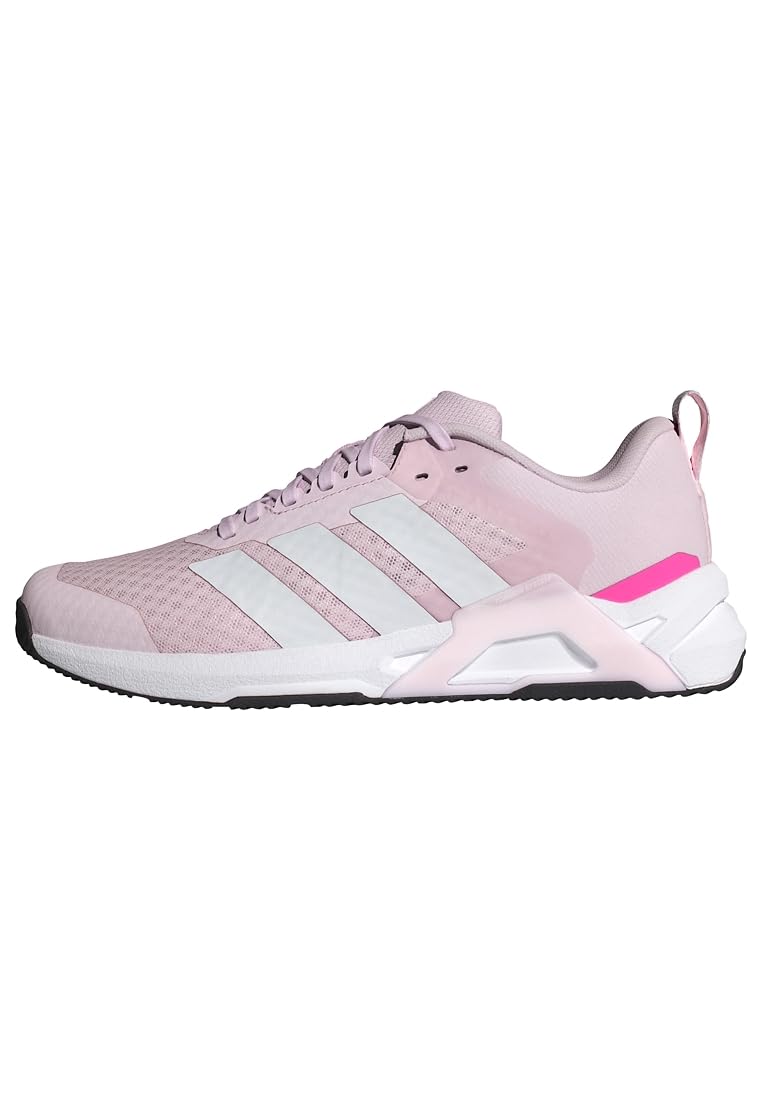
A solid midsole that refuses to compress, made for lifters who hate a wobbly base.
The Dropset Control is engineered specifically for lifters who need a stable platform during strength work. The solid Repetitor foam midsole resists compression under load, keeping you connected to the floor during squats, deadlifts, and overhead presses. A TPU torsion system through the midfoot adds support during lateral movements like lunges and lateral raises. The wide fit lets your foot spread naturally for maximum ground contact, and the mesh upper promotes airflow for extended gym sessions.
The fit is the most-praised aspect — it runs true to size and accommodates wide feet well. As one owner with wide feet put it: “these fit great. I have had them a few months and am still very pleased.” The appearance also gets positive feedback. However, comfort and support are mixed. The shoe is very stiff — owners call it great for weightlifting but note it is uncomfortable for any type of cardio or even lunges. Those with very wide feet may still find the wide option not wide enough.
Stable platform, limited range: This is a dedicated lifting shoe for serious strength work, not a general gym trainer. The firm sole is exactly what you want for a heavy squat session, but it will punish your feet during a burpee ladder.
Not for running: The stiffness makes this unsuitable for treadmill work or long warmups.
Reach for this if: You are primarily a lifter who wants a stable, non-compressible platform and you appreciate a wide fit for natural foot splay.
Pass it by if: Your gym sessions include running, jumping, or dynamic movements — the stiffness will be a liability.
7. Reebok Nano X5 Sneakers for Women
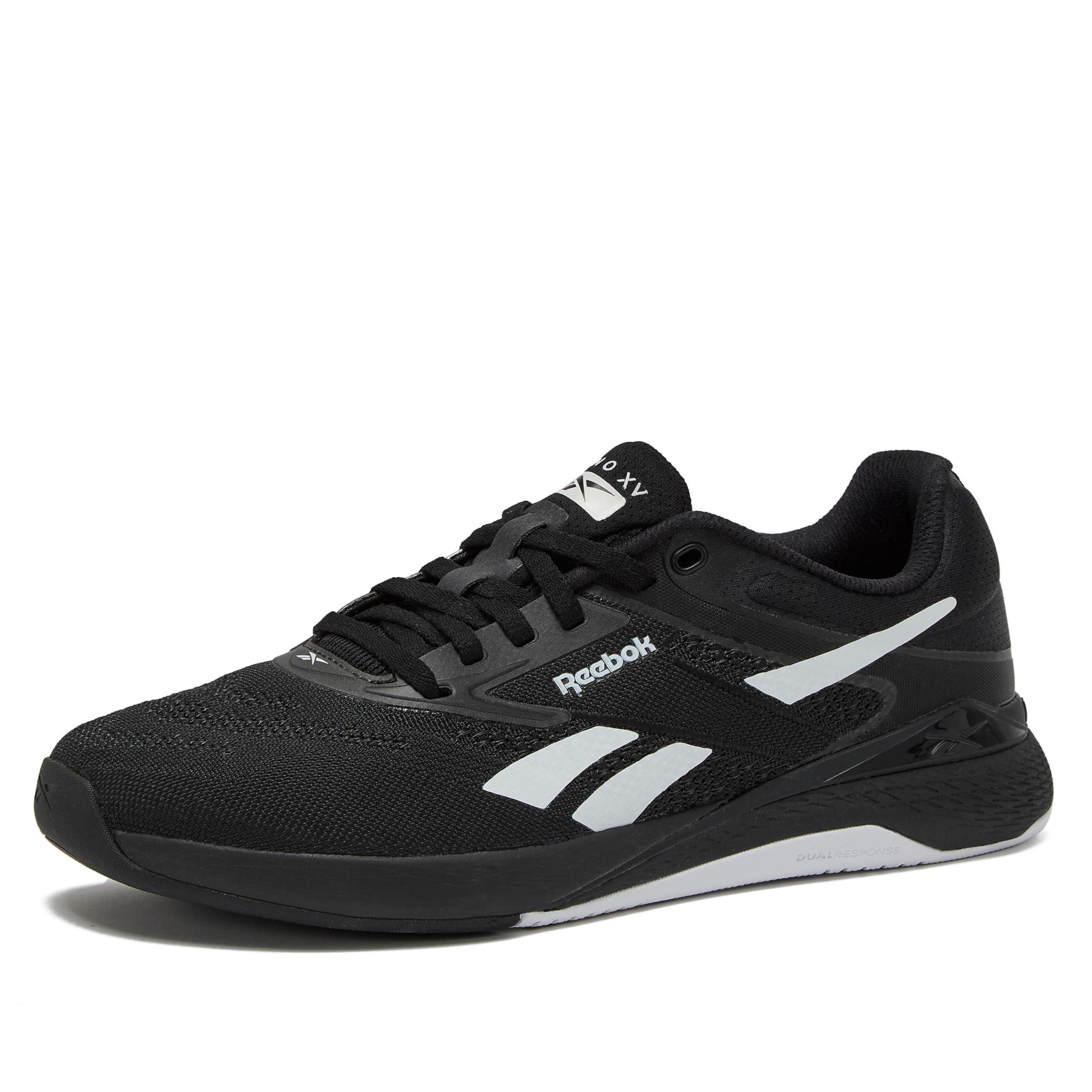
The Nano line evolves with a sturdy base that still bends enough for treadmill strides.
The Nano X5 continues Reebok’s legacy of CrossFit-ready trainers with a hard, flat bottom that provides solid stability for weightlifting, yet retains enough flex for treadmill work and stairs. The full rubber outsole delivers traction, and the upper keeps your foot secure during dynamic movements. It is a purpose-built gym shoe that does not force you to swap into a different pair for light cardio.
Gym functionality is the single most-praised feature — owners love it for weight lifting and CrossFit. Comfort and durability also earn strong marks, with one owner reporting nearly a year of use three times a week with the shoes still looking new. The fit is a point of division: some find it runs true to size, while others caution that it runs wide, making it a better option for those with narrow feet to size down. Arch support also gets mixed feedback, with some owners finding the arch sits too far back, causing discomfort.
What owners love
- Excellent for heavy lifting with a sturdy, flat base that provides stability.
- Comfortable enough for treadmill and stairs, adding versatility.
- High-quality build that holds up well to regular training wear.
Fit notes
- Runs wide; narrow-footed buyers may need to size down for a snug fit.
- Arch support placement is hit-or-miss; some find it uncomfortable.
Solid all-rounder: A reliable gym shoe if you have a medium to wide foot and you want one pair for lifting and light cardio.
pass on it if: You have a very narrow foot or a specific arch support need — the fit is not universal.
8. Reebok Nano Gym
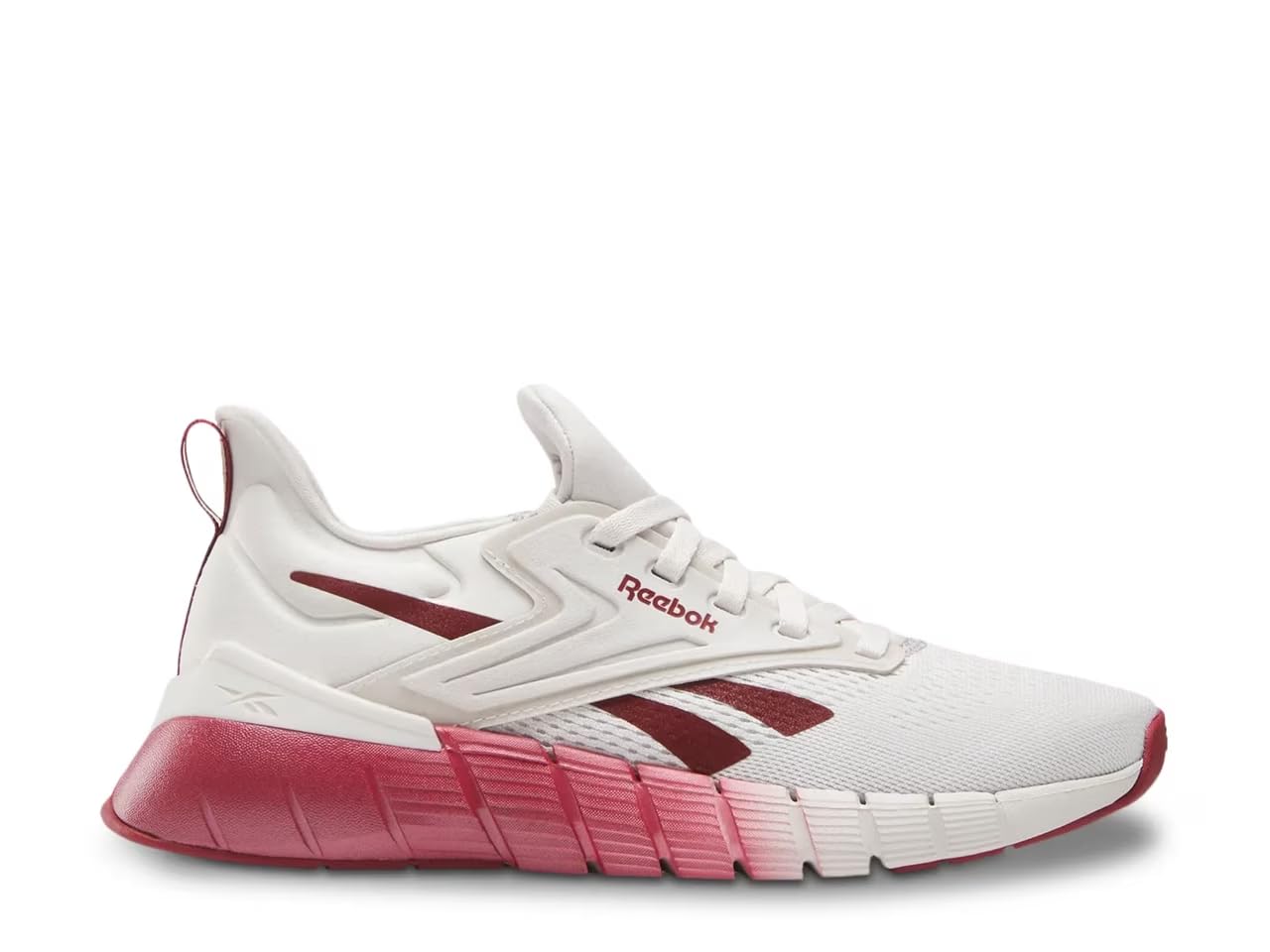
A bootie-built gym sneaker that wraps your foot for a locked-in feel.
The Reebok Nano Gym is designed for ultimate performance during exercise, featuring a high-traction outsole paired with a TPU heel clip for stability and support during lateral movements. The plush foam collar and bootie construction give it a comfortable, supportive fit, making it suitable for CrossFit, daily walking, or general gym sessions. The slip-on design with no lace adjustments appeals to those who want a quick on-and-off experience.
Comfort is the most-praised aspect — it is soft to the touch yet durable, with one owner reporting nearly a year of use three times a week. The appearance also gets strong marks for vibrant color options. However, fit is the most-discussed trade-off, and it is a mixed bag. Many owners find it runs small, especially in the toe box, which is not super roomy. Those with wider feet often need to size up by a full size or more. A few also note that the one-piece design lacks a separate tongue, which can make the fit across the top of the foot too snug.
Great comfort, tricky fit: If you have a narrow to medium foot and you get the sizing right, this is a very comfortable, durable gym shoe. The plush collar and bootie construction feel premium.
Size sensitivity: The most common advice is to size up — a full size for wider feet. The snug toe box is a dealbreaker for those who need splay room.
Best suited for: Women with narrow to medium feet who want a comfortable, slip-on style gym sneaker for lifting and light cardio.
Look for a different fit if: You have wide feet, need a roomy toe box, or prefer a more adjustable lace system.
9. ALTRA Women’s Solstice XT 3 Cross Training Shoe
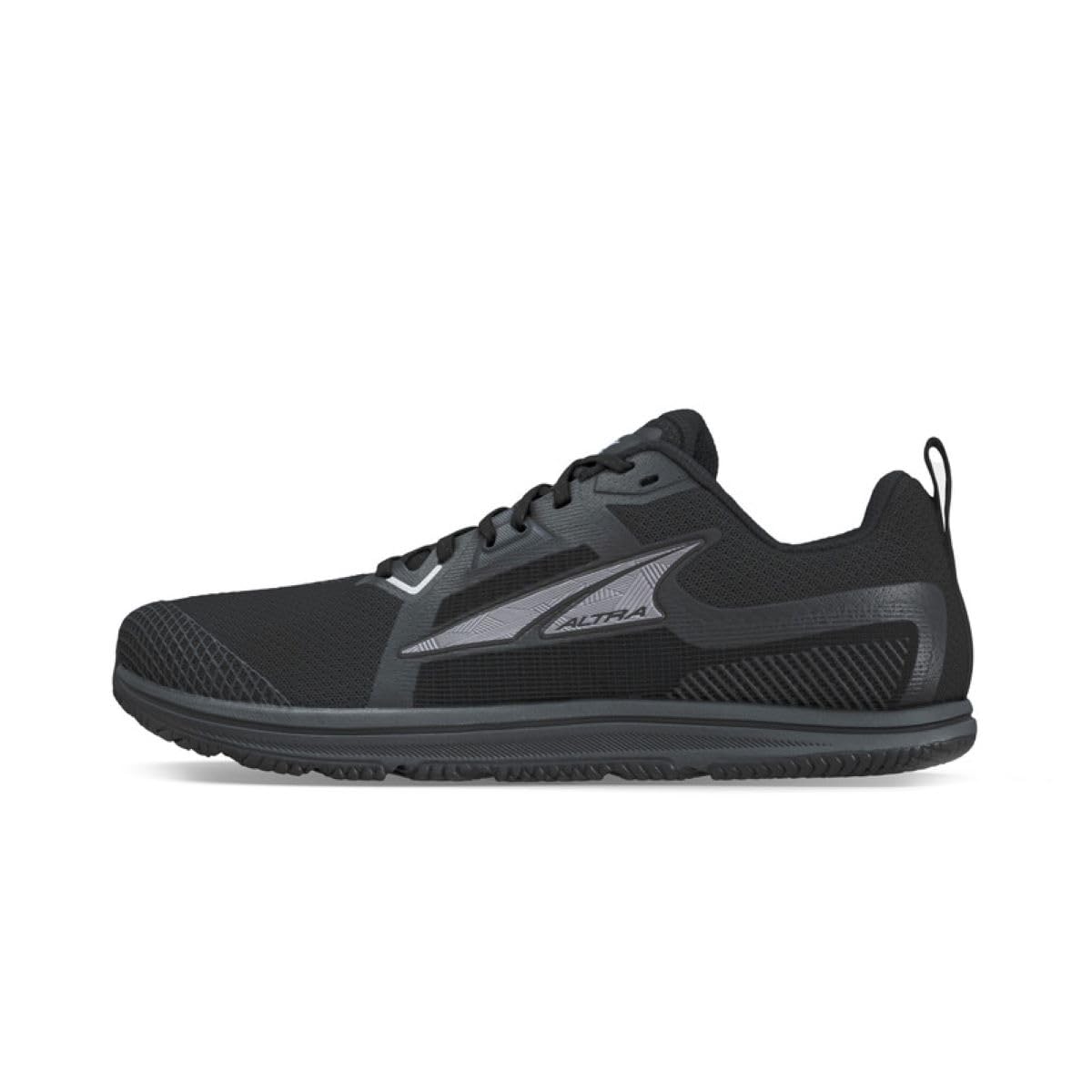
A zero-drop shoe with a famously wide toe box that lets your toes spread and grip.
The ALTRA Solstice XT 3 uses the brand’s signature FootShape fit to give your toes plenty of room to splay naturally for a wider, more stable base. The zero-drop platform (23 mm stack height at both heel and forefoot) keeps your foot in a natural position, ideal for deadlifts, squats, and functional fitness. An InnerFlex midsole with grid-like grooves provides flexibility for movement, while the A-frame quarter panel and padded heel collar add stability and comfort.
Comfort and versatility are the top-praised aspects. Owners love the roomy toe box for balance and cross training. The shoe is great for strength-based workouts and HIIT, with just enough cushion to absorb impact without being bouncy. A podiatrist recommended this model to one owner for the larger toe box. The catch is durability — several customers note the outsole and heel cuff fabric wearing out around the 3-month mark with daily walking mileage. The zero-drop design also means it is not cushioned enough for pavement running beyond short distances.
Best for natural movement
- Extremely wide toe box allows toes to spread for better balance and grip.
- Zero-drop design keeps your foot in a natural, flat position for lifting.
- Versatile enough for strength training, HIIT, and light cardio.
The durability reality
- Outsole and heel cuff wear out quicker than typical gym shoes under frequent use.
- Not cushioned enough for pavement running beyond short distances.
Best for: Natural-foot advocates and those with wide feet who want a zero-drop shoe for gym work and short runs on a track.
Be aware: The outsole is not the most durable — expect to replace it within a year of heavy use. The short laces are a minor annoyance for some.
Understanding the Specs
Heel-to-Toe Drop
This is the difference in height between your heel and your forefoot. A zero-drop shoe (0 mm) keeps your foot flat, which mimics barefoot posture and is ideal for deadlifts and Olympic lifts. A low drop (around 4 mm) is common in cross-training shoes and offers a slight heel rise that can help with ankle mobility during squats. A high drop (8 mm or more) is typically found in running shoes and is not recommended for heavy lifting because the compressed heel can cause instability.
Outsole Material & Firmness
Strength training shoes need a firm, non-compressible outsole so your force transfers directly to the floor. Rubber outsoles with a flat, lug-free pattern provide the best grip on gym mats and platforms. Avoid thick, spongy midsoles — they let your foot sink, which can lead to wobbling under a heavy bar. Some specialized lifting shoes use a hard plastic or wooden heel for zero compression.
FAQ
Can I use running shoes for strength training?
What is a zero-drop shoe and why would I want it?
Is a wide toe box important for lifting?
How do I know if I need a shoe with a heel lift?
Can I wear strength training shoes for cardio?
How should strength training shoes fit?
How long do strength training shoes last?
Can I use men’s lifting shoes if I have a women’s foot?
Do I need dedicated squat shoes or are cross-trainers enough?
What is the difference between the Metcon and the Reebok Nano?
Final Thoughts: The Verdict
For most women, the women’s strength training shoes winner is the Reebok Nanoflex TR 2.0 because it delivers the best balance of comfort, stability, and versatility at a very accessible price. If you want the most comfortable shoe that doubles as an everyday sneaker, grab the Under Armour Project Rock 4. And for dedicated heavy lifting without the squish, the Nike Metcon 9 remains the standard that serious lifters swear by.
How We Picked
We do not accept paid placement. Every pick is matched to a real buyer and a real use-case; we do not hands-on test units.
Sources & Methodology
Specifications: manufacturer listings and product documentation. Review insights: verified customer reviews, as of July 2026. Pricing: not shown on this page (it changes often); check the current price via the retailer link.
As an Amazon Associate, Calories Fit earns from qualifying purchases. This does not affect which products we feature.