5 Best X Country Ski Boots | For Miles of Groomed and Virgin Snow

Our readers keep the lights on and the coffee maker working hard! As an Amazon Associate, I earn from qualifying purchases.

Specs are compiled from manufacturer listings and verified buyer reviews and can change over time — please confirm the key details on the product page before buying.

Your cross country ski boots are what transfer every push from your leg into motion. Get the fit or the binding type wrong, and your day on the trails turns into a shuffle of cold toes and blisters. The best pair locks your heel down, keeps your feet warm, and sends your energy straight into the ski — no wasted motion, no slipping.

I’m Mohammad — the founder and writer behind Calories Fit. This guide is built by comparing the manufacturers’ published specifications and the patterns across verified customer reviews, so you get each pick’s real strengths and trade-offs instead of marketing spin.

If you are shopping for the best x country ski boots, you need to match your binding type (NNN or 75mm) and your terrain — groomed tracks or backcountry powder — to a boot that delivers warmth all day and precise control on every stride.
Our Picks at a Glance

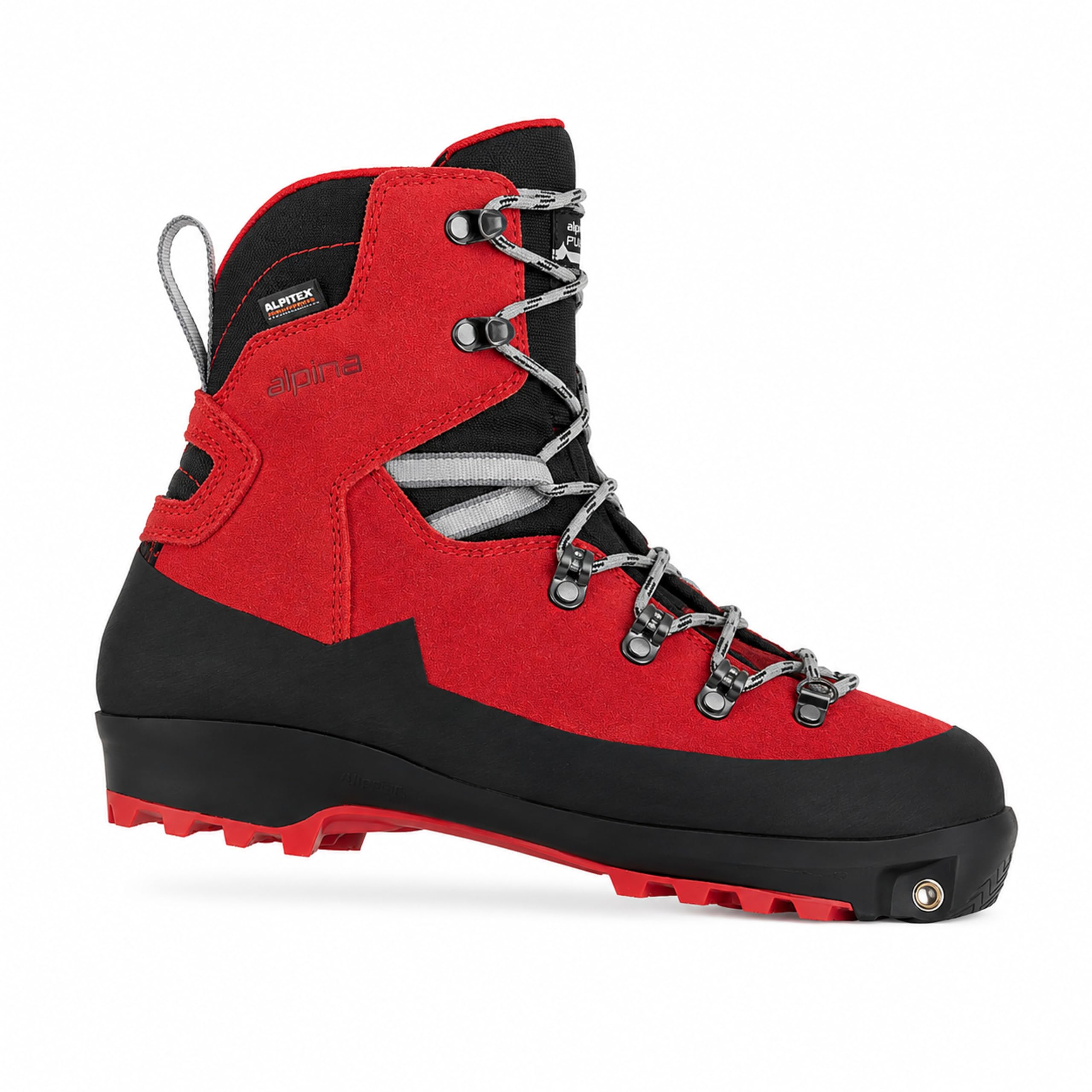
Alpina ALASKA Backcountry Ski Boots
Best OverallAlpina ALASKA Backcountry Ski Boots4.6★66 ratingsThe backcountry specialist that doubles as a telemark boot and a snowmobile companion — it works with three binding types right from the start. This boot is for skiers who leave the groomed track behind.Check Price on Amazon
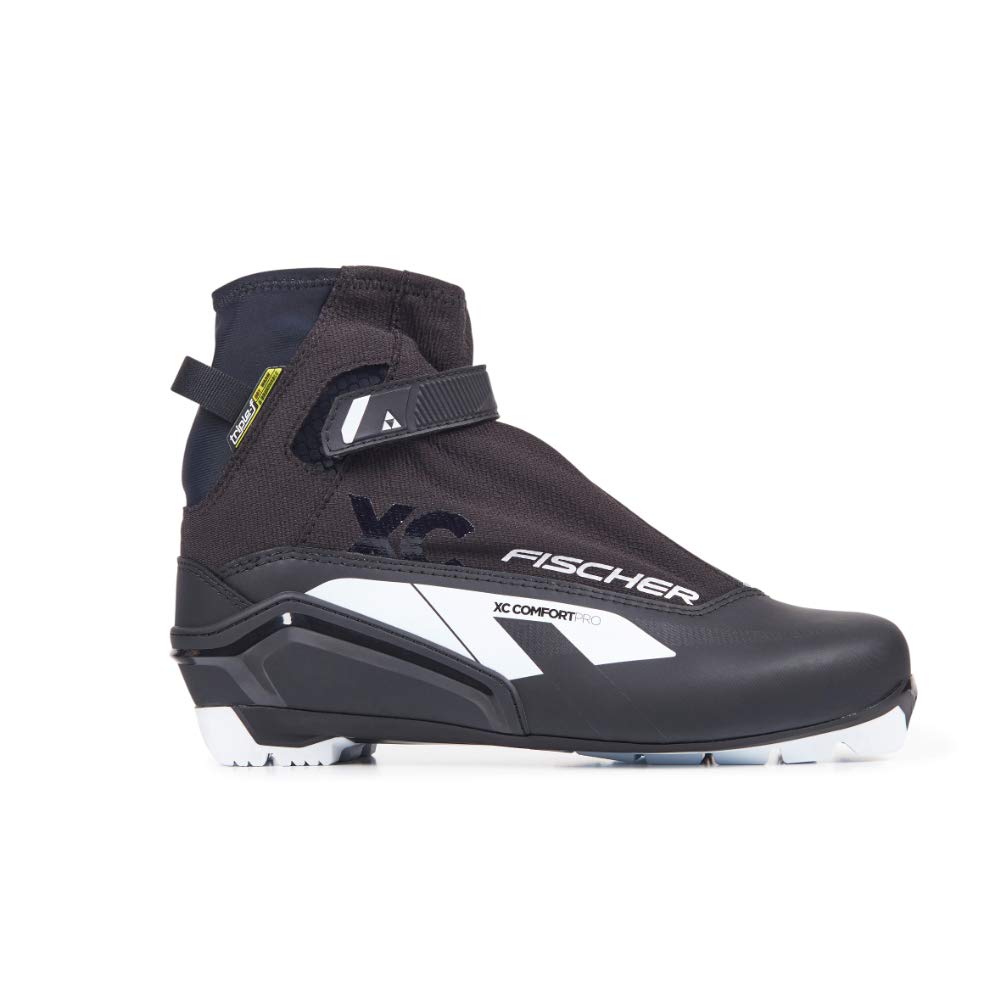
Fischer Men's XC Comfort PRO Nordic Ski Boots
Premium PickFischer Men’s XC Comfort PRO Nordic Ski Boots4.6★47 ratingsWarmth and comfort that make long track days feel easy — you forget you are wearing boots at all. The Fischer XC Comfort PRO changes what “comfortable” means in a cross country boot.Check Price on Amazon

How To Choose The Best X Country Ski Boots

Your boot is the bridge between your body and the ski. A mismatch in binding type or a poor fit turns any trail into a workout you will remember for the wrong reasons. Focus on these factors first.

Binding Compatibility: NNN or 75mm

Almost every modern boot uses a NNN (New Nordic Norm) sole with two parallel bars that click into a matching binding. Some backcountry and telemark setups still use the 75mm (three-pin) standard. This older system has three pins at the toe that fit into holes in the boot, giving you a looser, more pivot-friendly feel for turning. Check your skis before you buy — the two systems do not work together.

Insulation and Weather Protection

Cross country skiing keeps your core warm, but your toes take the worst of freezing wind. Look for a boot with an insulating membrane — brands like Fischer use a Triple-F or Comfort Guard layer to block wind and wet — plus a lace cover that stops snow from sneaking in through the tongue.

Heel Hold and Power Transfer

A loose heel wastes energy on every stride. Molded heel cups, a Velcro power strap (a wrap that cinches your ankle), and a snug Achilles pocket lock your foot in place. That way, your push-off drives forward into the ski, not sideways against the boot wall.

Sole Stiffness and Walking Grip

Touring boots need a sole that bends at the ball of your foot for a natural walking motion but stays stiff under the arch to carve an edge on snow. A Tech Grip or rubber tread pattern helps you stay sure-footed on icy parking lots and log crossings.

Quick Comparison

Model Best For Binding Type Weight Insulation Amazon
Alpina ALASKA Backcountry★ Best Overall Backcountry / Telemark 75mm / NNN / XPLORE 1.91 kg Leather + Textile Amazon
Fischer XC Comfort PROPremium Pick All-Day Track Touring NNN 1.38 kg Comfort Guard + Triple-F Amazon
Rossignol XC-2 Touring Budget Trail Skiing NNN 1.32 kg Amazon
Fischer XC Pro Fitness / Sport Performance NNN 1.27 kg Amazon
Whitewoods Cross Tour Package Complete Beginner Setup NNN 12 lb (entire package) 100g Thinsulate Amazon

In‑Depth Reviews

★ Best Overall

1. Alpina ALASKA Backcountry Ski Boots

Our pick — over 4.5★ from 60+ verified ratings; the strongest balance of quality and price.

75mm / NNN / XPLORELeather Upper

The backcountry specialist that doubles as a telemark boot and a snowmobile companion — it works with three binding types right from the start.

This boot is for skiers who leave the groomed track behind. The Alpina ALASKA uses a leather, rubber, and textile construction that shrugs off brush and wet snow. It comes in three sole options — 75mm, NNN, and XPLORE — so you can match it to almost any ski setup. The quality is the single most talked-about trait among reviewers: they say the boot delivers superior support and comfort mile after mile. One owner reports clocking “hundreds of miles over the last 5 years” and still praises the fit.

It stays warm in 0-30°F conditions, and buyers report the laces hold tight through a full 9-10 hour day. At 1.91 kg, it is heavier than the Rossignol XC-2 (which is 1.32 kg). That extra heft comes from a stiffer, more supportive chassis that pays off when you are breaking trail or making telemark turns. A buyer who uses the boots 100 days a year says they last roughly two seasons before needing replacement — a solid run for gear that sees daily abuse.

Durability gets mixed feedback. One owner reports the tongue on the 75mm version can blow out under hard use. Sizing is specific: a size 43 fits a US size 10 with a thin or thick sock. If you need a boot for untracked snow, frozen lakes, and the occasional groomed run, this one gives you versatility without feeling flimsy.

Alpine grip, walk mode

  • Superior support for backcountry and telemark skiing
  • Warm and dry in 0-30°F; lacing holds all day
  • Compatible with three binding standards (75mm, NNN, XPLORE)

Heavy for long tours

  • Heavier than most NNN-only boots (1.91 kg)
  • Some 75mm versions had tongue durability issues

Backcountry explorers: you ski off-track, do telemark turns, or want a single boot that works on multiple binding systems from the factory.

If your season is all groomed track only, skip it — a lighter touring boot like the Fischer Comfort PRO will serve you just as well without the extra heft.

Premium Pick

2. Fischer Men’s XC Comfort PRO Nordic Ski Boots

NNNTriple-F Membrane

Warmth and comfort that make long track days feel easy — you forget you are wearing boots at all.

The Fischer XC Comfort PRO changes what “comfortable” means in a cross country boot. It uses a breathable Triple-F membrane (a three-layer film that sheds moisture while keeping cold air out) and Comfort Guard insulation that wraps your forefoot and toe in thermal protection. Buyers sum it up neatly: “very comfortable, lightweight, and warm.” That trio of adjectives comes up again and again from owners who spend three or four hours on groomed trails without thinking about their feet.

The neoprene outer (a flexible, weather-resistant synthetic rubber) and practical entry loops make getting in and out fast — no wrestling with a stiff collar after a cold car ride. A molded heel cup and a Velcro power strap anchor your foot for efficient power transfer on every push-off. Compared to the Fischer XC Pro (reviewed below), this Comfort PRO model leans toward warmth and forgiveness rather than sporty stiffness. The lace cover blocks snow from the tongue, and the Fischer Fresh treatment stops odors after a wet day.

The only friction point is the sole on wet hard surfaces. Buyers flag it as “a little slick for wet pavement or floor,” so watch your step at the trailhead. If you want a mid-range NNN boot that puts warmth and a roomy toe box first (best for medium-width feet), this is the pair to beat. For a sportier ride with a customizable heel lock, choose the XC Pro instead.

Warm, precise fit: the classic touring skier who values warmth, easy entry, and day-long comfort over off-track stiffness. Stiff flex: the outsole is slippery on wet pavement — take it slow at the parking lot.

Good Value

3. Rossignol XC-2 Cross Country Touring Ski Boots

NNNThermoadjustable Liner

A capable NNN touring boot that undercuts the premium crowd on price — and still gives you a custom-molded liner for the fit.

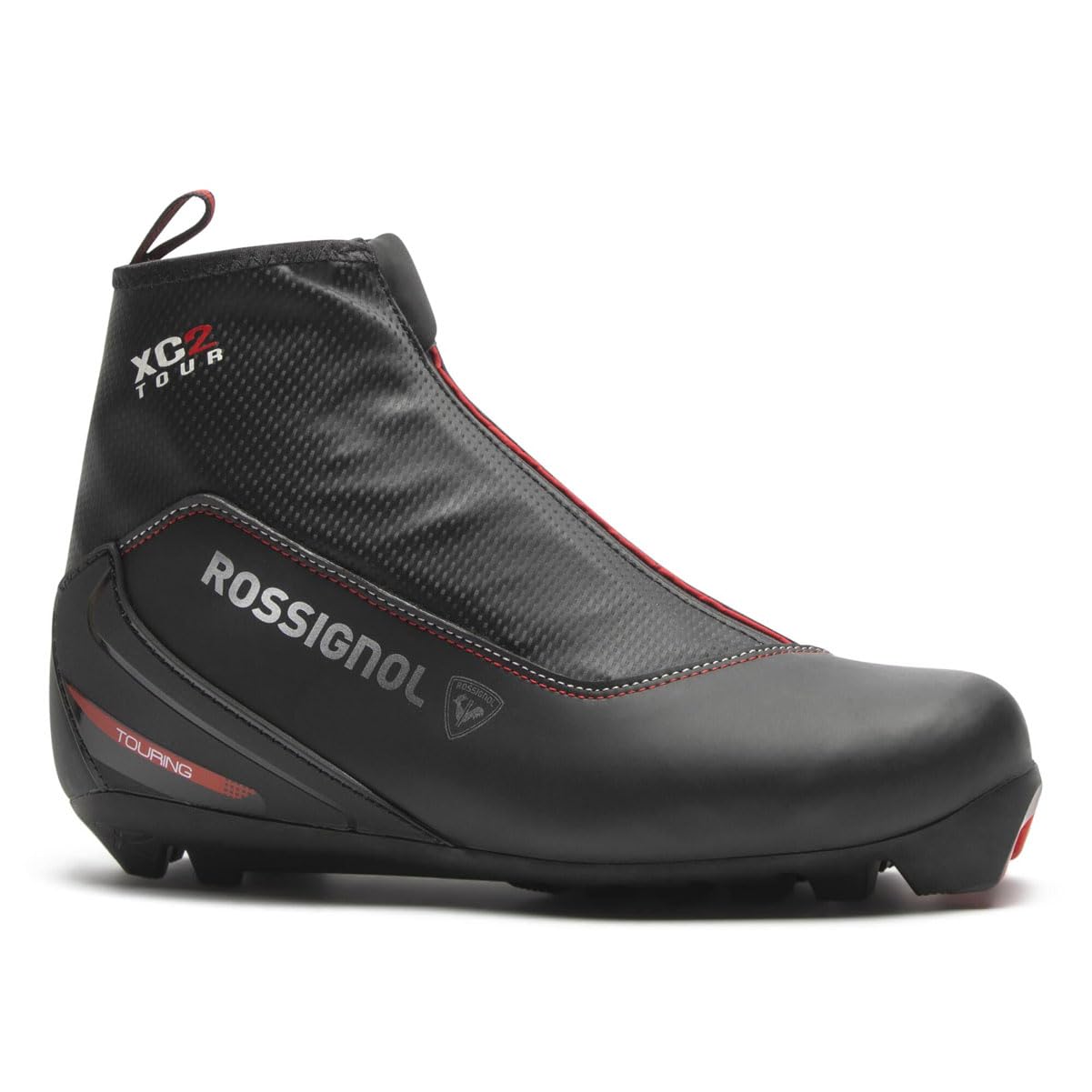
The XC-2 is Rossignol’s mid-tier touring boot, and it hits a balance for skiers who hit groomed trails a few times a week. The standout feature is the thermoadjustable liner (a heat-moldable layer that shapes around your foot for a custom fit that a standard boot cannot match). At just 1.32 kg, it is the lightest boot in this lineup, shaving about 590 grams off the Alpina ALASKA. That lighter weight makes a real difference when you are striding out on rolling terrain.

The Sport Sole with Tech Grip gives you central insert cleats for precision control on the ski while staying comfortable for walking around the trailhead. Quality and comfort are the most-discussed aspects among owners, and a regular note is that this boot offers better value than Rossignol’s own XC-3: the laces stay put without slipping, and the front lace cover does the same ice-blocking job for less money. It is a clear step up from the Whitewoods package, which ships with skis but uses much simpler boots.

The honest downside is the heel padding: a buyer reports that the rear padding collapses and bunches up after moderate use, and that it happened on two separate pairs. That is a real durability concern if you rack up many miles. For someone whose main requirement is a light, comfortable, heat-moldable NNN boot that works without a high price tag, this is still a solid pick — but if you plan to ski 100+ days a season, you may want to budget for an eventual replacement or consider the Fischer Comfort PRO for its more durable liner.

Groomed trails: the occasional-to-regular trail skier who values a custom-molded fit and low weight. Off-piste use: heavy-mileage skiers who need a heel pad that lasts multiple seasons — consider the Fischer Comfort PRO instead.

Sport Performer

4. Fischer Men’s XC Pro Nordic Ski Boots

NNNThermoformable Heel

A sportier, more precise boot for skiers who want performance-focused feedback on every stride — the heat-moldable heel locks you in.

Fischer positions the XC Pro above the Comfort PRO, and you feel the difference in your heel. The internal molded heel cap is thermoformable (you heat it up and it shapes to your individual Achilles and heel bone for a lock-in fit that eliminates slop). The full-lace system runs all the way up the tongue, so you can micro-adjust tension across your instep and ankle. Combined with the Fischer Fresh odor management, this boot is aimed at the skier who treats cross country as a workout — not a casual glide.

At 1.27 kg, it is lighter than the Comfort PRO (1.38 kg), which fits fitness striding where every gram matters over a 10 km loop. The lace cover adds protection against snow, and the whole package is rated for recreational to beginner skill levels, per Fischer’s own label. So it is approachable even if you are new but want gear that will not hold you back as you improve. The heel hold is noticeably tighter than the Rossignol XC-2’s, according to owners who value control.

The catch is that a small number of early owners reported the lining inside the back heel wore through after about ten uses, exposing the plastic heel cup. That is a frustrating failure for this tier. Fischer’s online reputation for warranty support is mixed, owners mention. For the majority, the boot is comfortable and precise. But if you are prone to heel friction or ski in wet conditions that speed up liner wear, this may not be the safest long-term bet. For a warmer, more forgiving fit with less risk, pick the Comfort PRO.

Aggressive skiers: you want a sporty NNN boot with a customizable heel lock and do not mind a small risk of early liner wear. Wide feet: durability is your first concern and you prefer a warmer, more forgiving fit.

Full Package

5. Whitewoods Adult NNN Cross Country Ski Package

Complete Kit207 cm Skis

Everything you need to start cross country skiing in one box — boots, bindings, poles, and wax-less skis — so you can clip in and go.

The Whitewoods package is the answer for someone who owns nothing and wants to be on snow this weekend. It includes a pair of 207 cm Cross Tour NNN skis (designed for skiers 180 lbs and up) with a machined negative wax-less base, Rottefella NNN Touring Basic bindings already mounted, Cross Trail Nordic poles with adjustable straps, and the Whitewoods 302-NNN boots. The boots themselves pack 100 grams of Thinsulate lining and a quick-dry liner, plus metal lace guides and a removable insole. At 12 pounds total, the whole kit is heavy — but you buy it for convenience, not weight savings. The lightest boot here, the Fischer XC Pro at 1.27 kg, beats the package boots significantly, but you get everything you need at once.

Buyers consistently mention fast shipping and a perfect fit on the boots and skis. Customer service gets specific praise for handling a free, fast exchange when the first boot size was wrong. The lamination wood core and cap construction on the skis give a forgiving flex that suits an emerging skier, and the negative wax-less base means no waxing, no scraping — just clip in and go. The powder tip and 64-55-59 side-cut (a narrow waist for tracking) handle light off-track and packed powder well for a beginner setup.

The most consistent criticism targets boot durability: one reviewer noted that the sole of one boot broke in half early in the second season. The poles also lack a bottom flange, which caused one owner’s poles to punch through soft snow on push-offs. For the price of a single pair of premium boots, you get an entire kit that will get a beginner through at least one full winter. Just know the boots are the weakest link, and you may want to upgrade them to a pair like the Rossignol XC-2 or Fischer Comfort PRO down the road.

Budget beginners: a first-time cross country skier who wants a turnkey package with skis sized for heavier adults (180 lbs+). Performance seekers: someone who already owns good skis or expects the boots to last multiple hard seasons — this is an entry-level kit, not a lifetime setup.

Understanding the Specs

NNN vs 75mm Binding

NNN (New Nordic Norm) is the modern standard. The boot sole has two parallel grooves that click into a matching binding on the ski — light, simple, and great for groomed tracks. 75mm (three-pin) is an older standard with three pins at the toe that fit into holes in the boot. It gives more lateral pivot for telemark turns and backcountry maneuvering. Boots labeled “XPLORE” use a rising third standard that is lighter than 75mm but stiffer than NNN for off-track use. Your skis determine which boot you can buy; the two systems are not interchangeable.

Insulation and Membrane Layers

Cross country boots cannot be thick and rigid like downhill boots, or you lose ankle flexion for striding. So warmth comes from thin, breathable membranes like Fischer’s Triple-F or Comfort Guard. These layers block wind and shed moisture while letting sweat vapor escape. Lace covers (the flap that zips or velcros over the laces) stop snow from packing into the tongue and melting, which is a common cause of cold feet. A boot rated for 0-30°F is typical for touring; below that, you want a thicker liner or an overboot.

FAQ

Can I use a NNN boot with a 75mm binding?
No. NNN soles have two parallel grooves that fit NNN bindings only. 75mm boots have three holes at the toe. There is no adapter that converts between the two. Always check your ski binding type before buying boots.
Will a boot that fits a size 10 running shoe work for cross country skiing?
Often yes, but sizing varies across brands. The Alpina ALASKA in size 43 fits a US size 10 with a thin or thick sock. Fischer boots tend to run true to running-shoe size for medium-width feet. Measure your foot length in centimeters and compare it to the brand’s size chart — the boot should feel snug at the heel but allow a slight wiggle in the toes.
How long do cross country ski boots typically last?
It depends on use frequency. An Alpina ALASKA used 100 days per year lasts roughly two seasons before the tongue or sole gives out. A Fischer Comfort PRO used 20-30 days a season should go three to four years. The heel liner and sole glue are usually the first things to fail.
Can I walk normally in a NNN boot after skiing?
Yes, but not like a hiking boot. NNN soles have a Tech Grip or rubber tread pattern that gives decent traction on pavement and packed snow, but they are stiff under the arch to maintain power transfer — so walking long distances on pavement will feel clunky. The Rossignol XC-2’s Sport Sole is one of the better options for post-ski walking.
Do I need a heat-moldable liner for recreational skiing?
Not strictly, but it helps a lot. A thermoadjustable liner (like the one in the Rossignol XC-2) shapes to your foot’s specific contours, which reduces pressure points and heel lift. For recreational skiing once or twice a week, it is a nice-to-have rather than a must. For high-mileage or performance-oriented skiers, it can make the difference between blisters and a comfortable day.
Is a leather or synthetic upper better for cross country boots?
Leather (like the Alpina ALASKA) is more durable against branch scrapes and offers better natural water resistance, but it is heavier and takes longer to dry. Synthetics like neoprene and polyester (Fischer Comfort PRO) are lighter, dry faster, and are easier to get on and off. The choice depends on whether you prioritize durability (leather) or quick-drying convenience (synthetic).
How do I know if my boot has enough ankle support?
Stand in the boot and lean forward as if you were striding. Your heel should lift no more than a few millimeters. If your heel slides up and down, the boot lacks effective heel hold. Look for a molded heel cup and a power strap (a Velcro band across the ankle) — these two features together provide the best stability for edging and climbing.
Can I use a boot that is slightly too big with thick socks?
Not recommended. A boot that is too big allows your foot to slide forward on downhills, smashing your toes into the front. You need a snug heel and about a half-inch of space at the toe. Thick socks compress and can actually make the fit looser over time. Buy for a thin ski sock and use the correct size.

Final Thoughts: The Verdict

For most skiers, the x country ski boots winner is the Alpina ALASKA Backcountry because it works across three binding standards, holds up to backcountry abuse, and delivers the support that hundreds of owners confirm mile after mile. If you want easy warmth on groomed trails, grab the Fischer XC Comfort PRO. And for a full beginner kit that skis on day one, the Whitewoods package is the one to reach for.

How We Picked

We do not accept paid placement. Every pick is matched to a real buyer and a real use-case; we do not hands-on test units.

Sources & Methodology

Specifications: manufacturer listings and product documentation. Review insights: verified customer reviews, as of July 2026. Pricing: not shown on this page (it changes often); check the current price via the retailer link.

As an Amazon Associate, Calories Fit earns from qualifying purchases. This does not affect which products we feature.

Related Guides

Please use a real email you check. If it's fake or mistyped, your message won't reach us and we can't reply — wrong addresses are rejected automatically.