
Our readers keep the lights on and the coffee maker working hard! As an Amazon Associate, I earn from qualifying purchases.
Specs are compiled from manufacturer listings and verified buyer reviews and can change over time — please confirm the key details on the product page before buying.
Wind cuts through a standard jersey like it is not there. Your fingers go numb first, then the legs, and the last few miles become a pure test of will. The right winter gear changes that — it turns a freezing commute into a comfortable ride and keeps you on the bike all season.
I’m Mohammad — the founder and writer behind Calories Fit. This guide is built by comparing the manufacturers’ published specifications and the patterns across verified customer reviews, so you get each pick’s real strengths and trade-offs instead of marketing spin.
Here is the bottom line on the best winter wear for cycling: finding it is about knowing which insulation type, windproof rating, and pad design actually matter in sub-40°F wind chill.
Our Picks at a Glance


How To Choose The Best Winter Wear for Cycling
You do not need to become a textiles expert to pick the right cold-weather kit. Focus on the three things that separate a great winter ride from a shiver-fest: how the fabric handles wind and moisture, the quality of built-in padding for saddle time, and a cut that lets you layer without feeling like a stuffed sausage.
The Fabric Trinity: Fleece, Windproofing, and Breathability
A brushed fleece inner lining traps body heat — that is your primary warmth layer. On its own, fleece does not stop wind, and moving air steals heat fast. You need an outer shell or integrated membrane that is windproof, ideally with a Durable Water Repellent (DWR) finish to shrug off light rain and road spray. The catch: a fully sealed shell can trap sweat, so look for underarm zipper vents or breathable panels to keep you dry from the inside out. A good winter piece balances all three — fleece warmth, windproofing up front, and breathability where you generate the most heat.
Chamois (Padding) That Works for the Cold
The pad in your winter bibs or tights does double duty: it absorbs road vibration and adds an extra insulating layer between you and a frozen saddle. Cheaper pads use a single-density foam that can feel like a brick. Better ones use multi-density gel or foam, like 4mm DoctorGel or 4D padding, with strategic relief channels. A thick pad is not automatically better — if it shifts forward (a common complaint in budget tights), it misses your sit bones entirely. For winter, a medium-to-thick chamois with a soft, fleece-backed top sheet is the balance.
Fit for Layering
Winter cycling gear should be snug but not compression-tight. A race cut (like Castelli’s) fits like a second skin and slices through wind but leaves zero room for a base layer underneath. A regular or semi-fitted cut gives you space for a thermal crew neck without flapping in the breeze. Pay extra attention to sleeve and inseam lengths — you do not want a cold gap between glove and cuff or tights and shoe cover. Many winter tights now include ankle zippers with an inner fabric flap, which helps over bike shoes and protects your leg hair from zipper pinch.
Quick Comparison
| Model | Best For | Insulation Type | Key Feature | Pad / Padding | Amazon |
|---|---|---|---|---|---|
| baleaf Men’s Winter Running Tights★ Best Overall | Versatile cold-weather bottoms | Fleece Lining | Zipper pockets | No pad | Amazon |
| GripGrab Ride Waterproof GlovesTop Performer | Wet, windy hand protection | Polyester Insulation | 4mm DoctorGel pad | DoctorGel | Amazon |
| CEROTIPOLAR Bibs TightsBest Value | Full bib warmth on a budget | Thermal Fleece | Back and leg pockets | Thick chamois | Amazon |
| Souke Sports Winter Bike Pants | Value 4D-padded tights | Fleece Thermal | 4D padding | 4D Pad | Amazon |
| Bikewa Winter Cycling Jacket | Windproof all-in-one jacket | 3-Layer (fleece) | 8 utility pockets | None | Amazon |
| baleaf Men’s Winter Jacket | Cycling-specific softshell | Softshell Thermal | Reflective elements | None | Amazon |
| GCRFL Winter Cycling Jersey Set | Complete kit in one box | Brushed Fleece | Jersey + bib set | Built-in bib chamois | Amazon |
| Castelli Squadra Stretch Jacket | Lightweight packable shell | Ripstop Nylon (windproof) | Ultra-light (102g) | None | Amazon |
In‑Depth Reviews
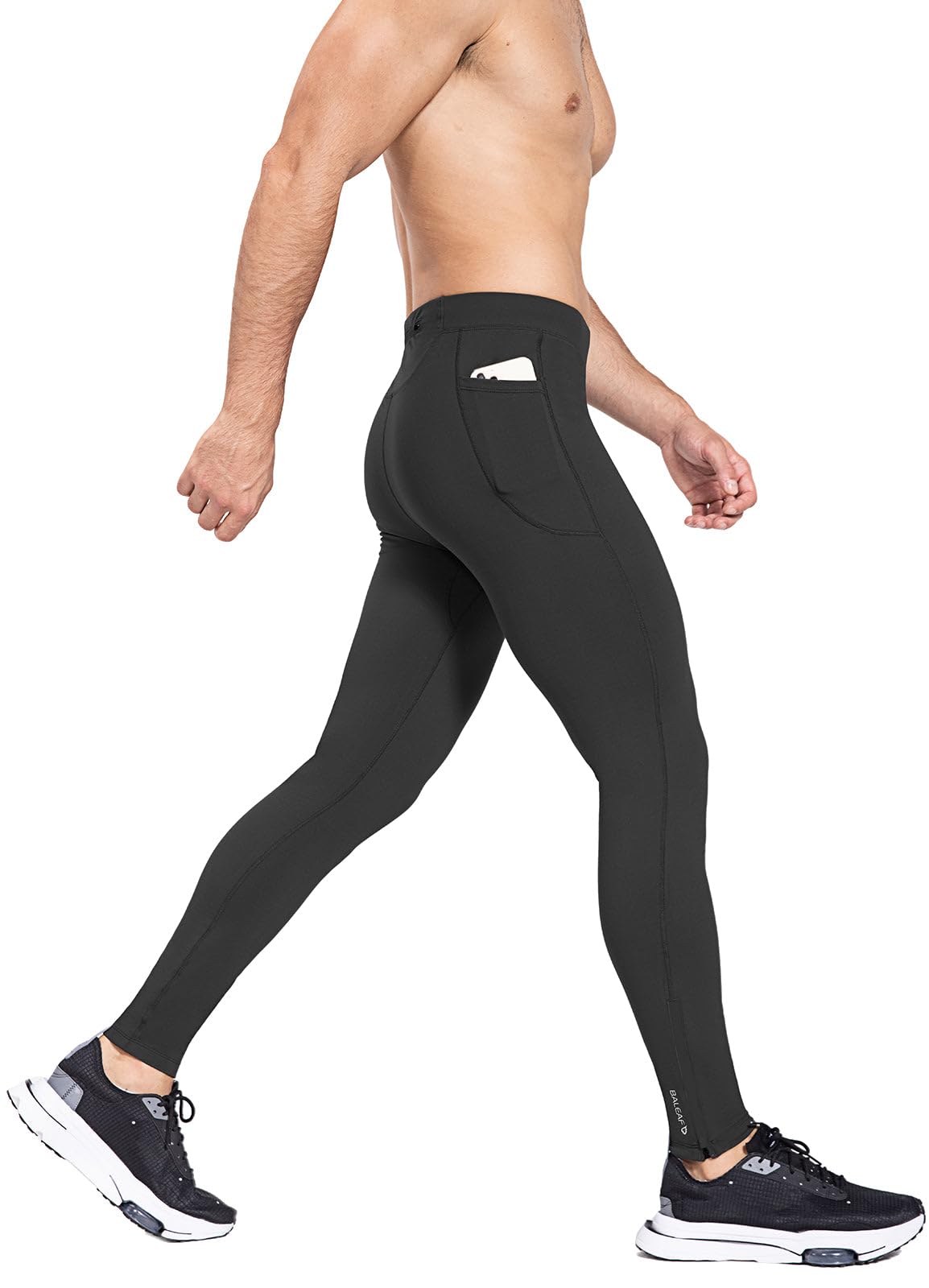
1. baleaf Men’s Winter Running Tights Thermal Cycling Pants
Our pick — over 4.5★ from 950+ verified ratings; the strongest balance of quality and price.
The crowd-favorite tight that proved itself through a thousand rides and runs.
The fleece lining here is the real deal — buyers report staying warm down to 20°F, with one even calling them “warm on my runs where the temp was down to 20f.” It is a thicker fabric than most running tights, so it blocks a fair amount of wind without a separate shell, and the water-resistant finish handles light road spray. The fit is what wins people over: the waistband uses an elastic drawstring, and the ankle zippers have a small inner fabric guard to protect bare skin.
Storage is handled by side pockets that secure a phone and a rear zippered pocket for keys or a wallet, which is more cargo space than many dedicated cycling tights offer. There is no built-in chamois (pad), so you will want to wear these over your existing cycling shorts or use a separate padded liner for longer saddle time. The sizing runs a little snug compared to standard casual pants — owners around a 30-32″ waist found the Large too small, so checking the size chart carefully pays off.
Versatile winter bottoms
What riders love
- Fleece lined and warm into the low 20s F without bulk
- Zippered ankles fit over cycling shoes and protect skin
- Four-way stretch fabric moves freely on the bike
One honest trade-off
- No pad means they work best over cycling shorts, not as standalone bibs
Best reach-for layer: This is the tight that fits more uses than any other on the list — winter runs, cold bike commutes, even casual lounging.
Skip if: you want a single-piece bib with a chamois built in for all-day road riding.
2. GripGrab Ride Waterproof Winter Cycling Gloves
The glove that keeps hands functional when most others let the cold through.
A waterproof and windproof membrane is the headline feature here, reinforced with 4mm DoctorGel padding across the palm to absorb road buzz and prevent the numbness that kills a ride. The back of the hand uses a polyester-elastane weave with polyester insulation, while the palm gets anti-slip silicone prints so you stay locked on the hoods or grips even in rain. Owners confirm the hi-vis yellow is genuinely bright, and one buyer described it as “effective for 30-32°F windy rides; fingers slightly cool after 1.5 hours but comfortable.” That suggests a practical balance around 1-hour commutes in the 20s to low 40s F.
Warmth and fit are the two subjects that divide opinion here. The glove fits close (GripGrab recommends sizing up compared to summer gloves), and the hook-and-loop wrist closure seals warmth in effectively. However, the 4.3 overall rating and owner chatter about the tight palm mean that if you have wider hands or run between sizes, you really need to go up one full step. The water resistance also gets a mixed verdict — impressive in a light shower but not intended for submerging or all-day downpours. The trade-off is a trim, dexterous glove that still lets you work shifters and brakes.
Waterproof winter glove
The strengths
- Gel padding cuts road vibration and finger numbness effectively
- Waterproof membrane handles rain and road spray
- Hi-vis yellow color stands out in low light
Know before you buy
- Fits small; expect to go up a full size for comfort
- Fingers can get cool after 90 minutes below freezing
Grab these for: wet, windy commutes and road rides where dexterity matters more than arctic-level warmth.
Look elsewhere if: your rides regularly push past two hours in sub-25°F temps or you have very wide palms.
3. CEROTIPOLAR Thermal Fleece Cycling Tights Bibs
A full bib tight that punches well above its price point for warmth and saddle comfort.
CEROTIPOLAR puts a thick fleece lining and a generous chamois into a bib format, which means no waistband pressure and a torso that stays covered when you lean forward. The warmth is the top compliment — owners call it “warm at 40 degrees F” and even warmer in near-freezing conditions. The pad is thick enough that one buyer compared it favorably to a Pearl Izumi bib, though a few find it excessive or slightly out of position. For most riders, the seat cushioning strikes a good balance for rides up to 3-4 hours in the 30-45°F range.
The bibs include rear pockets and external thigh pockets, a rare feature at this level that lets you stash a phone or energy bar without contorting. The fit is a known variable: these run snug, especially around the thighs and waist, so careful attention to the size chart is essential. A fairly common note is the lack of an ankle zipper, making them a challenge to pull on over big calves or winter shoe covers. Think of these as the warm, budget-friendly bib that gives you most of the performance of premium kit for a fraction of the spend.
Bib tight with real warmth
Biggest wins
- Thick fleece lining keeps you warm into the 30s and 40s F
- Thigh pockets provide easy phone access mid-ride
- Chamois comfort stands up to longer rides
Consider this
- No ankle zipper; tricky to get on over large calves
- Fit runs small — size up relative to your casual pants size
Reach for it if: you want the secure feel of a bib with rear storage and a warm chamois without a triple-digit price tag.
skip it if: you need easy on/off over bulky boots or prefer a pad that stays invisible off the bike.
4. Souke Sports Men’s Winter Bike Pants 4D Padded
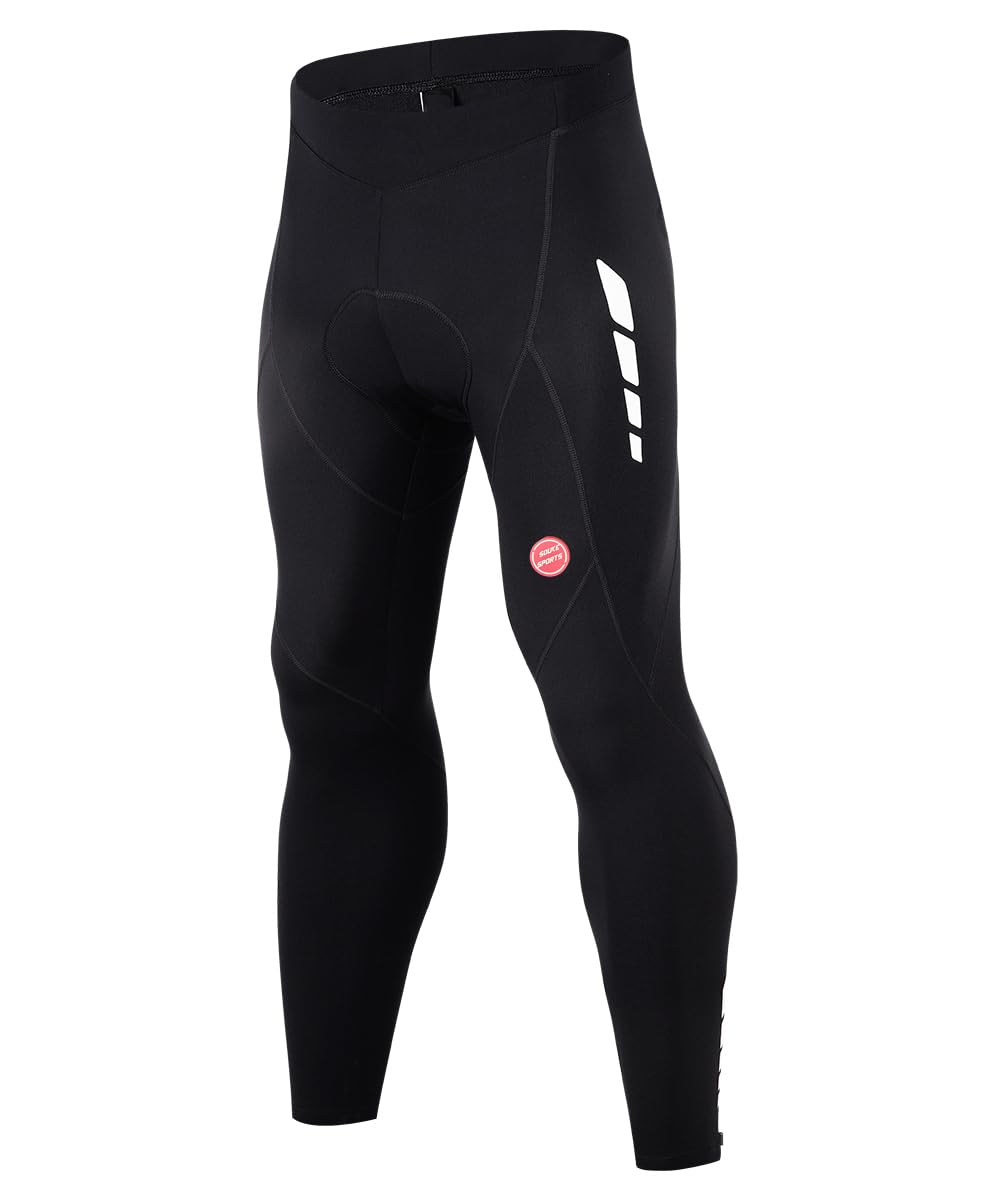
A 4D-padded tight that delivers surprising warmth and stretch for the price.
The 4D padding here is the standout feature — a multi-density foam design that adds insulation to the sit-bone area and, if positioned correctly, makes a real difference in saddle comfort. Owners riding in the 30s and 40s F report feeling “warm and comfortable” even on a single base layer, and the fabric blocks wind noticeably well for a non-membrane tight. The fleece inner is thick enough to handle a 34°F 20-mile test without the rider feeling cold, and the stretch fit accommodates varying body shapes better than many rivals at this price.
The most-discussed flaw is the chamois placement: several owners find the pad stitched too far forward, offering little protection under the sit bones on a road bike. It is a design quirk that you may never notice on a cruiser or commuter but becomes obvious after 30+ miles in an aggressive drop-bar position. The reflective details also tend to peel after machine washing. For shorter winter rides and a flat-bar bike, the warmth-to-value ratio is tough to top.
Warm and stretchy winter tight
What works
- 4D padding adds genuine warmth and cushion on winter rides
- Good stretch fit with accurate size guide for athletic builds
- Excellent wind blocking for a non-membrane fabric
The catch
- Pad placement can leave sit bones exposed on road bikes
- Reflective prints may peel with machine washing
Best for: upright commutes, fat-bike winter riding, and anyone who wants a warm padded tight without spending premium dollars.
Consider the upgrade if: your winter rides are long road miles in a low racing position where chamois alignment is critical.
5. Bikewa Men’s Winter Cycling Jacket Thermal Warm
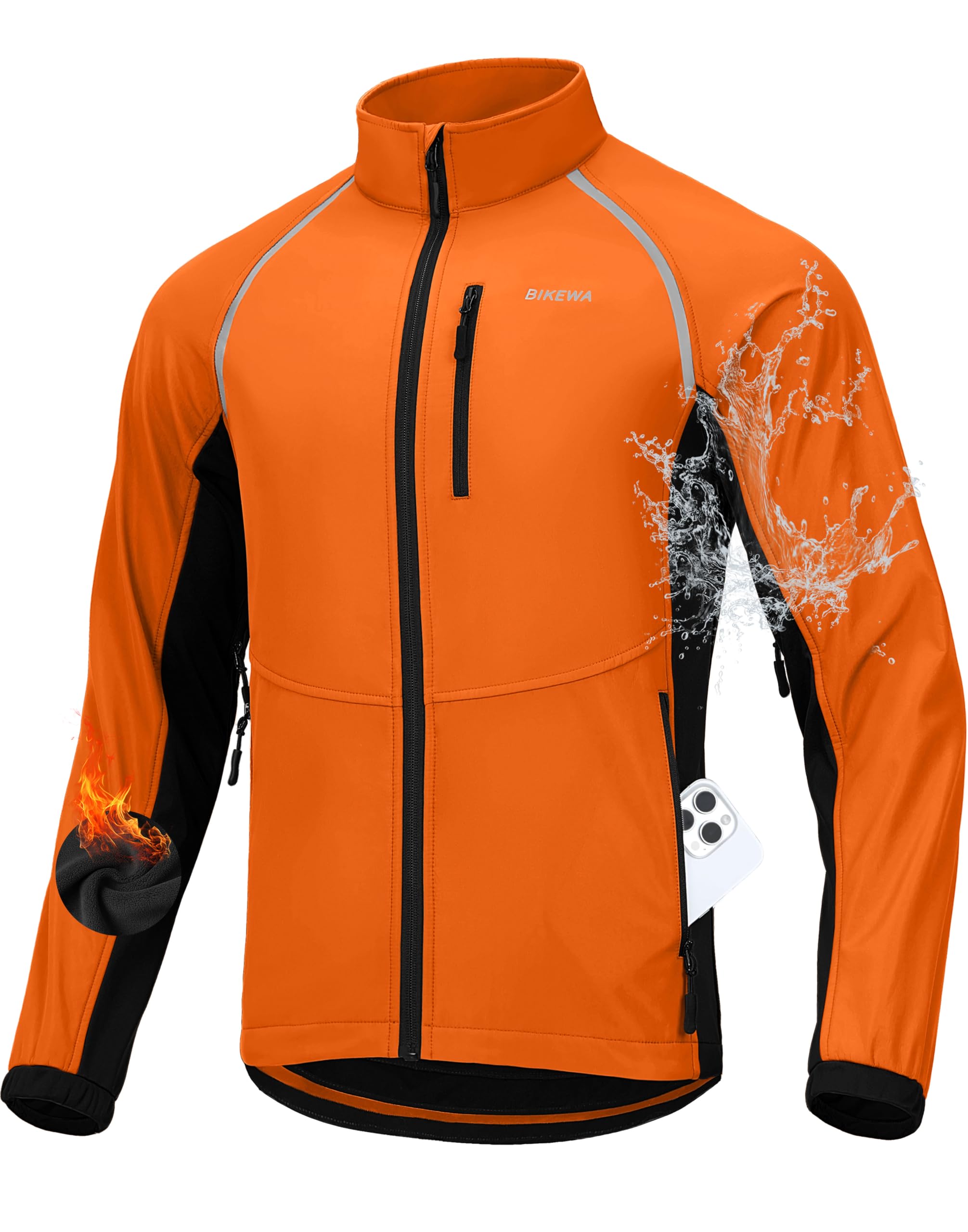
A jacket that packs 8 pockets, a 3-layer windproof shell, and zippered vents into one winter package.
The 3-layer construction does the heavy lifting here: an outer windproof face, a breathable membrane in the middle, and a soft fleece inner. That combination stops cold gusts from cutting through while the underarm zipper vents let you dump heat during a climb. Owners have taken this jacket into 17°F weather with two base layers and stayed warm, calling it “totally windproof” at the cuffs and waist. The hem cinch and high collar seal the bottom and neck so no cold air sneaks in.
Storage is off the charts for a cycling jacket — two side zippered hand pockets, a zippered chest pocket, two inner pockets, and three rear jersey-style pockets. That is enough room for phone, wallet, gloves, a neck gaiter, and a water bottle. The fabric feels stiff at first (it is a water-resistant shell, not a stretchy softshell), and the fit is trim enough that riders between sizes should size up for layering. For the rider who wants one jacket that handles both a cold commute and a weekend century, this delivers.
Versatile winter cycling jacket
Major pluses
- Windproof through cuffs, collar, and hem seals
- 8 pockets handle everything from phone to water bottle
- Underarm zipper vents prevent sweat buildup
Honest note
- Shell fabric is stiff, not a stretchy softshell
- Sizing is trim; size up if you plan to layer underneath
Reach for it if: you want a single cold-weather jacket with real wind protection, abundant storage, and venting for active riding.
Consider a softer shell if: you prioritize fabric feel and stretch fit over pocket capacity and water resistance.
6. baleaf Men’s Winter Jacket Windproof Softshell

A thoughtfully designed softshell that earned its loyal following through real winter miles.
Baleaf’s approach here is wind-resistant fabric on the front-facing panels with a more breathable rear, so you are shielded from headwinds without overheating on the climb. The recommended temperature range of 20-50°F lines up with owner experience — many use it down to the mid-teens with a thermal base layer and find it warm enough, yet it does not cook you when the mercury climbs. The tall collar seals the neck nicely and fits over a balaclava for those single-digit starts.
The pocket setup is 2+2: two front zippered hand pockets and two zippered chest pockets, a configuration that keeps gloves and snacks handy without bulging. Reflective elements on the front and back improve visibility in low light, a detail that owners specifically note for road safety. The fabric lacks a fully waterproof membrane (it is water-resistant only), and the sleeve openings use loose elastic rather than a snug hook-and-loop closure, which can let a draft in on very windy days. For cool-to-cold riding where breathability matters as much as wind blocking, this jacket has the balance dialed in.
Softshell for cycling
Why it works
- Wind-resistant front panels with breathable back fabric
- Tall collar seals the neck and fits under a helmet
- Bright colors and reflectors boost low-light visibility
One limitation
- Loose elastic cuffs let wind in; no hook-and-loop closures
- Not fully waterproof, only water-resistant
Ideal for: active winter riding in the 20-50°F range where you want wind protection up front and breathability across the back.
Pick a shell instead if: your rides often involve sustained freezing rain or you need a 100% wind seal at the cuffs.
7. GCRFL Winter Cycling Jersey Sets Thermal Fleece Set
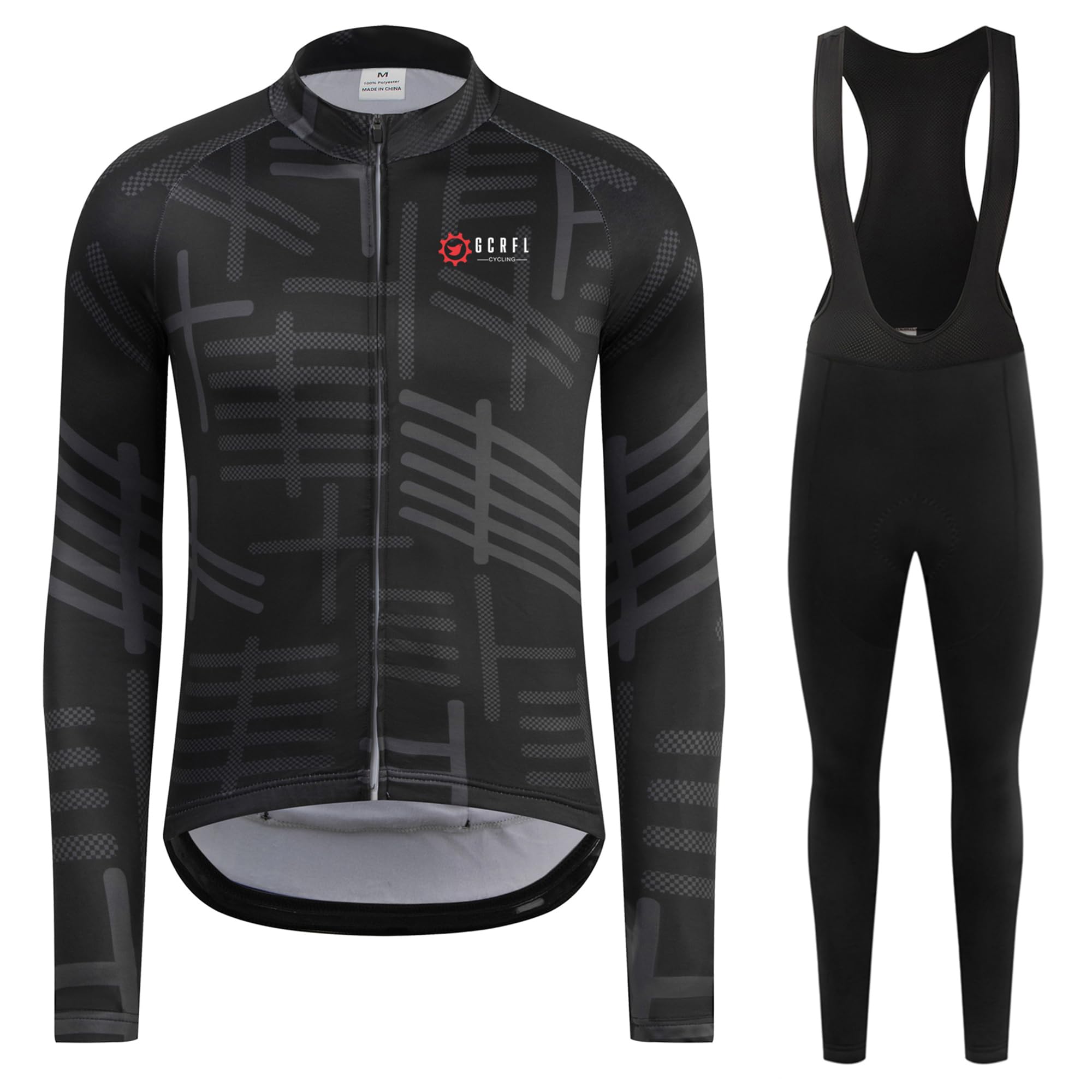
A jersey-and-bib combo that delivers matched winter kit without the boutique price tag.
This is a complete head-to-waist solution: a long-sleeve jersey with brushed fleece fabric and a matching bib tight with its own chamois. The thermal fleece on both pieces insulates well without overheating — owners rode comfortably in 30-35°F with just a short-sleeve base layer underneath. The jersey uses Italian ink transfer for prints that reportedly do not fade, plus a silicone gripper at the hem to stop the bib from riding up. Three classic rear pockets plus one zippered pocket give you storage for a phone (up to 6.1 inches), pump, and snacks.
The fit is the biggest variable. GCRFL uses a race-leaning cut, so the bib legs run snug, especially for riders with larger thighs. The company recommends sizing up if you prefer a looser fit, and the returns data supports that advice. The bibs lack an ankle zipper, and the stretch is limited in the lower leg, making them harder to pull on over shoe covers. Durability gets a mixed reception — most hold up fine, but a small number of owners mention seam separation.
Winter cycling kit set
The upside
- Brushed fleece insulates well in 30-40°F without overheating
- Complete kit means no mixing and matching colors
- Rear storage includes a zippered phone pocket
Know the fit
- Bibs run small, especially around the thighs
- No ankle zipper, so on/off over boots takes effort
Best for: riders who want one order to cover their whole winter upper-lower kit on a tight budget.
Look elsewhere if: you have muscular thighs or need a relaxed touring fit without compression.
8. Castelli Squadra Stretch Jacket

The 102-gram wind shell that disappears into a jersey pocket until you need it.
Castelli’s Squadra Stretch is built from windproof-coated ripstop nylon and weighs just 102g (3.6 oz) — light enough to ball up and stuff in a rear pocket for a chilly morning start that warms up by lunch. It is not an insulated jacket; it is a protection layer designed to stop wind and block a light shower. The temperature range on the spec sheet is 50-64°F, but owners find it useful down to the low 40s over a long-sleeve jersey. At this weight and packability, nothing else on this list compares for morning-start versatility.
The fit is a pure European race cut — trim, long in the sleeves, and no extra fabric. That means you must size up one or even two sizes compared to your normal jacket size. A 5’10” 160lb owner needed an XL for a comfortable fit over a baselayer, and even then, the waist elastic runs tight. The fabric is thin and has a “plasticky” feel, but it is well-constructed and durable for what it is. There are no rear pockets and only minimal stretch, so consider this a targeted tool — a wind vest alternative with sleeves — rather than an all-purpose winter jacket.
Ultralight wind jacket
The highlights
- Extremely packable at just 102g — fits in a jersey pocket
- Windproof ripstop fabric cuts cold gusts effectively
- Good for variable conditions from chilly morning to warm afternoon
Critical fit note
- Race cut is very snug — plan to size up 1-2 sizes
- No insulation; it is a wind shell only, not a warm jacket
Reach for it if: you commute or ride in fluctuating temps and need an emergency shell that fits in a pocket.
pass on it if: you need a winter jacket with insulation, storage pockets, or a relaxed touring fit.
Understanding the Specs
Fleece vs. Thermal Fleece vs. Softshell
A brushed fleece lining is the most common winter inner layer — it traps warm air close to your skin and feels soft, but it offers little wind protection on its own. Thermal fleece is denser and often laminated to a mid-layer that adds some wind resistance. Softshell fabric adds a stretchy outer face with a fleece back, giving you a balance of wind blocking, water resistance, and breathability. The trade-off is weight: softshell jackets are heavier and less packable than a fleece-lined shell.
Chamois (Pad) Density and Placement
The chamois is the padded insert in cycling shorts and bibs. Winter chamois tends to be thicker (4-12mm) to add insulation from a cold saddle. Multi-density pads (like 4D or DoctorGel) use softer foam near sensitive areas and firmer foam where the sit bones contact the saddle. Placement matters just as much as thickness — a pad that sits too far forward leaves your sit bones unprotected, causing pain on rides over 30 minutes. Read reviews for pad-position complaints, especially on budget tights.
Water Resistance vs. Waterproof
A water-resistant garment uses a DWR (Durable Water Repellent) coating on the outer fabric. This makes water bead up and roll off in light rain or spray but will wet through in a sustained downpour. A waterproof garment (typically with a taped-seam membrane like Gore-Tex) keeps you dry in heavy rain but is less breathable. For cycling, water-resistant with good breathability often works better than fully waterproof, because you generate so much body heat that a sealed membrane can leave you sweat-soaked from the inside out.
Race Fit vs. Regular Fit vs. Relaxed Fit
Race fit (also called “aero cut”) is designed for dropped-bar positions: long sleeves, small waist, and no extra fabric that could flap in the wind. It works great for performance but requires careful sizing — many customers note needing to go up one or two sizes. Regular fit gives you a bit more room in the chest and waist for a base layer or casual riding. Relaxed fit (sometimes called “touring fit”) is the roomiest, best for layering and comfort on upright bikes. Match the fit to your riding position, not your casual clothes size.
FAQ
What temperature range do most winter cycling tights cover?
Do I need a chamois (pad) for winter riding?
Can I wear my summer cycling jersey under a winter jacket?
How do I wash thermal cycling tights and jackets without damaging them?
What is the difference between bib tights and regular cycling tights?
How do I choose the right size for winter cycling gloves?
Will a windproof cycling jacket keep me warm in freezing rain?
Can I use winter cycling gear for running or other cold-weather sports?
Final Thoughts: The Verdict
For most riders, the winter wear for cycling foundation starts with the baleaf Men’s Winter Running Tights because their fleece warmth, zippered pockets, and budget-friendly construction make them the most versatile cold-weather bottom. If you want a full bib with integrated chamois and thigh storage, grab the CEROTIPOLAR Thermal Fleece Bibs. And for a do-it-all top layer, the Bikewa Winter Cycling Jacket packs the windproofing, pocket capacity, and venting to handle most winter conditions in one piece.
How We Picked
We do not accept paid placement. Every pick is matched to a real buyer and a real use-case; we do not hands-on test units.
Sources & Methodology
Specifications: manufacturer listings and product documentation. Review insights: verified customer reviews, as of July 2026. Pricing: not shown on this page (it changes often); check the current price via the retailer link.
As an Amazon Associate, Calories Fit earns from qualifying purchases. This does not affect which products we feature.