
Our readers keep the lights on and the coffee maker working hard! As an Amazon Associate, I earn from qualifying purchases.
Specs are compiled from manufacturer listings and verified buyer reviews and can change over time — please confirm the key details on the product page before buying.
Choosing an XC mountain bike helmet means finding one that disappears on your head while offering real protection for long days on the trail. The best models balance airflow, weight, and a secure fit system so you focus on the climb and the descent, not a sweaty, bouncing shell.
I’m Mohammad — the founder and writer behind Calories Fit. This guide is built by comparing the manufacturers’ published specifications and the patterns across verified customer reviews, so you get each pick’s real strengths and trade-offs instead of marketing spin.
We have broken down seven top contenders to help you pick the best xc mountain bike helmet for your next ride, looking at everything from MIPS technology to ventilation.
Our Picks at a Glance
How To Choose The Best XC Mountain Bike Helmet
Cross-country helmets are built to be lightweight and well-ventilated for long days in the saddle. The biggest mistake is buying one based on looks alone without checking whether it fits your unique head shape.
Focus on the Fit System
A dial-based fit system at the back lets you dial in tension in seconds, even with gloves on. Some systems also adjust vertically and by width to accommodate oval or round head shapes, which is critical for avoiding pressure points on a six-hour ride.
Prioritize MIPS or KinetiCore Protection
MIPS (Multi-directional Impact Protection System) is a low-friction layer inside the helmet that allows it to rotate slightly on impact, reducing rotational forces to your brain. LAZER’s KinetiCore works similarly but is built directly into the helmet foam. Either is a major step up from a helmet without rotational protection.
Quick Comparison
| Model | Best For | Weight | Vents | Protection | Amazon |
|---|---|---|---|---|---|
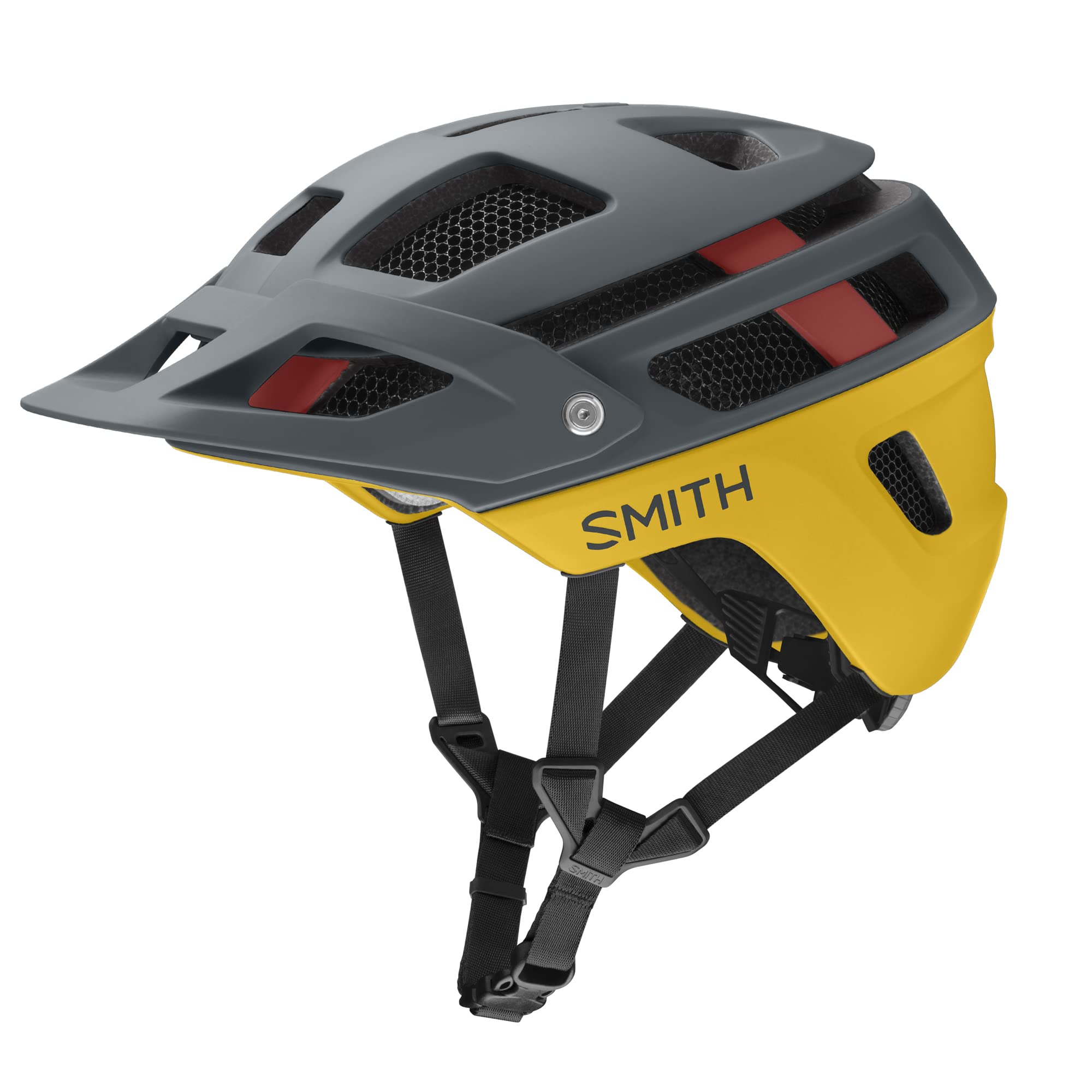
| SMITH Forefront 2 MIPS★ Best Overall | All-Day Comfort & Ventilation | — | 20 fixed vents | Koroyd + MIPS | Amazon |
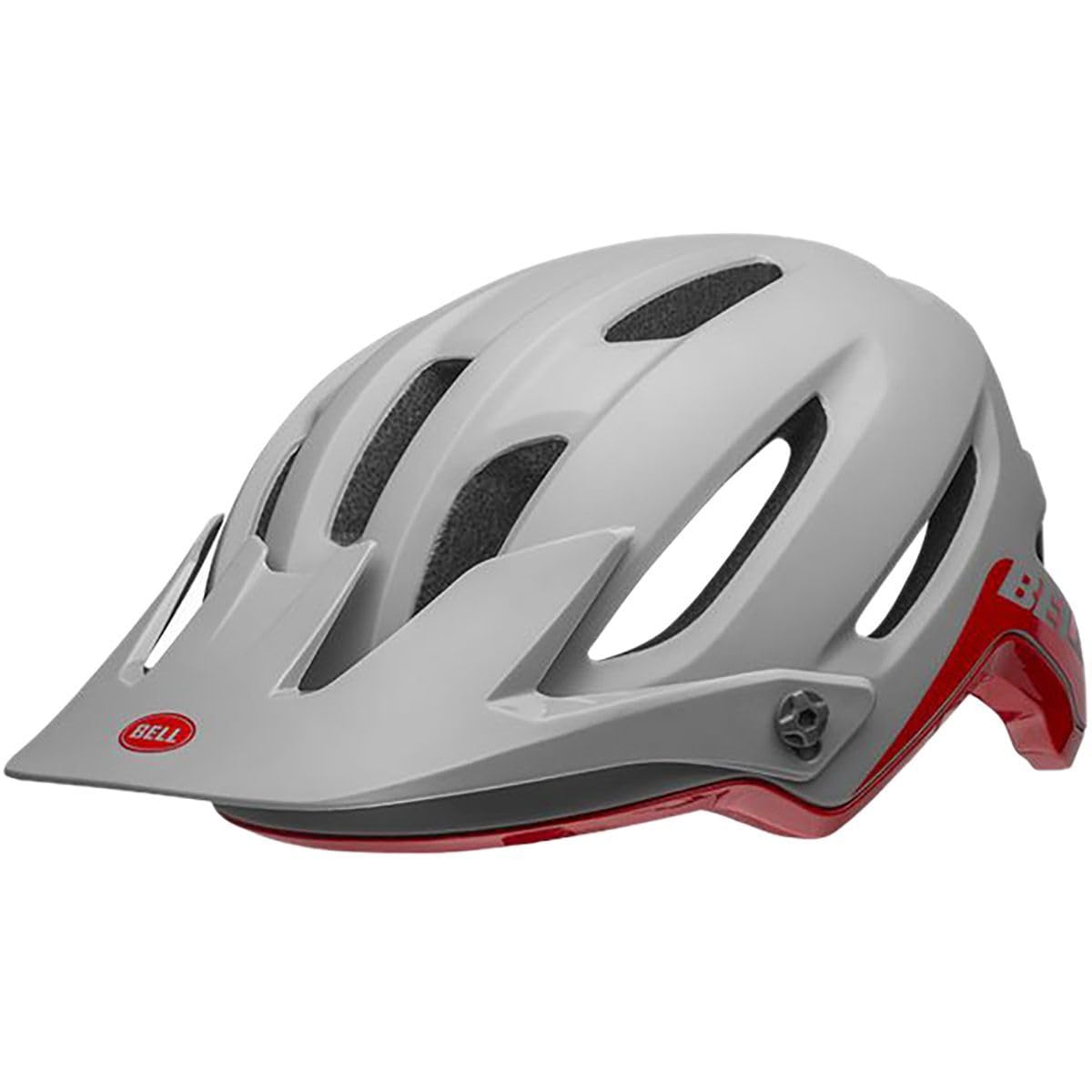
| Bell 4Forty MIPSBest Value | Budget-Friendly MIPS | 13.44 oz | — | MIPS | Amazon |
| LAZER Tonic KinetiCore | Round Head Shapes | 240 Grams | — | KinetiCore | Amazon |
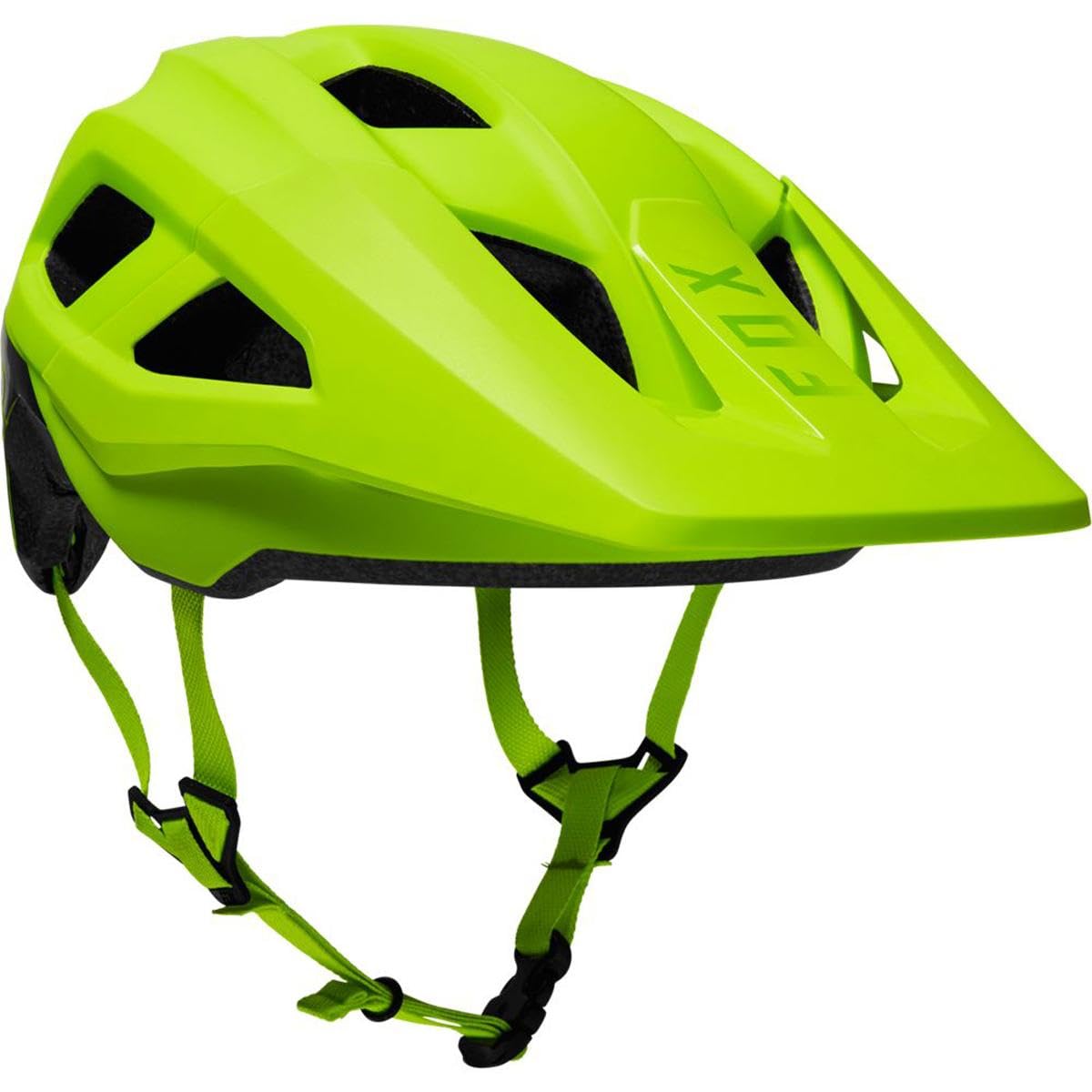
| Fox Racing Mainframe MIPS | Proven Trail Fit | 1.5 Pounds | tune venting | MIPS | Amazon |
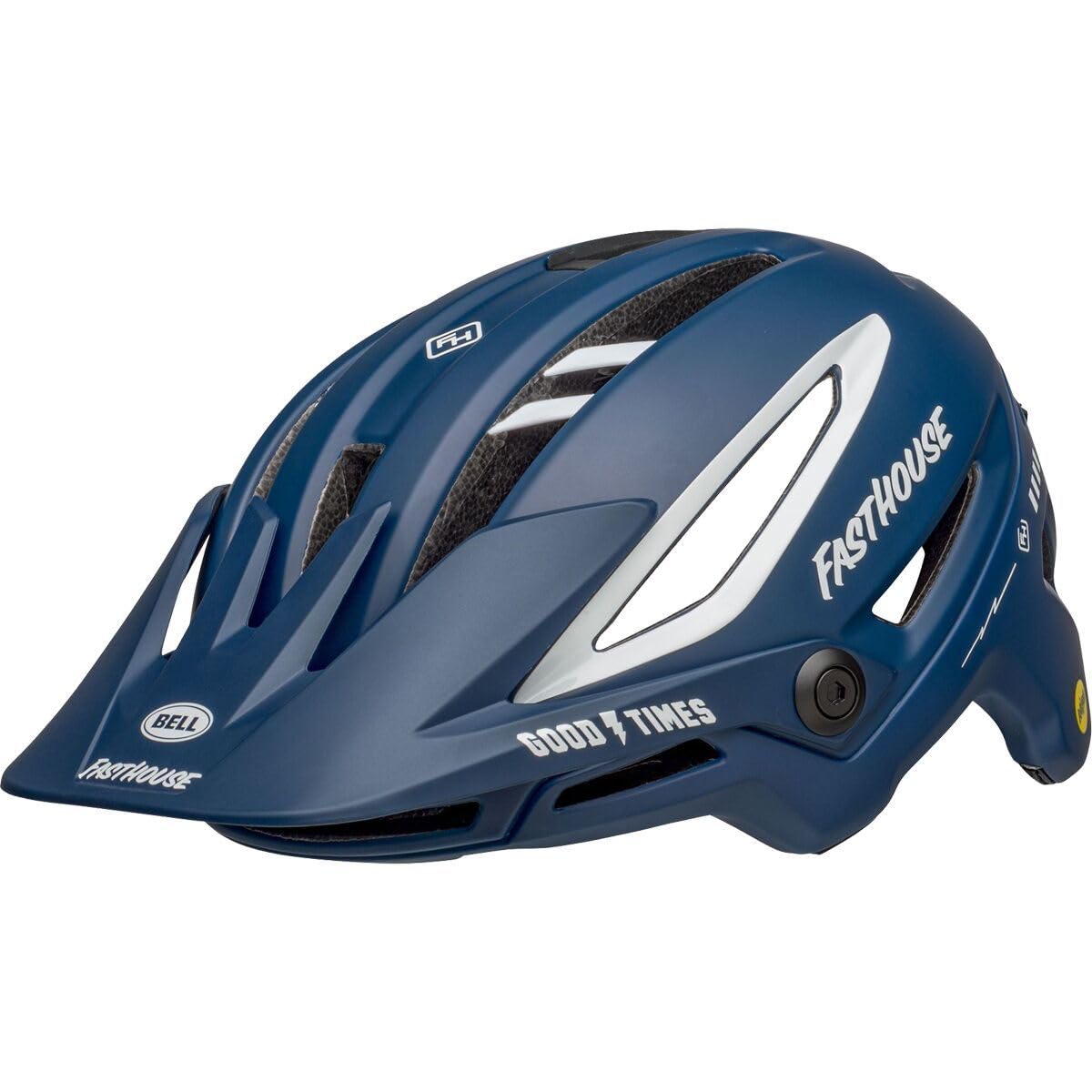
| Bell Sixer MIPS | Extended Coverage & Camera Mount | 16 oz | 26 Vents / 4 Brow ports | MIPS | Amazon |
| Giro Source MIPS | Lightweight All-Day Wear | 350g | 17 vents | MIPS | Amazon |
| POC Tectal | Trail & Enduro Coverage | 0.35 Kilograms | Ventilated airflow channels | RECCO + reinforced EPS | Amazon |
In‑Depth Reviews
1. SMITH Forefront 2 MIPS
Our pick — over 4.5★ from 950+ verified ratings; the strongest balance of quality and price.
The do-everything XC helmet that feels like it’s not there, even six hours in.
This is the one riders reach for when they want exceptional airflow without sacrificing coverage. The Koroyd core — a honeycomb of thin, energy-absorbing tubes — works alongside the MIPS layer to handle rotational forces, while the 20 fixed vents mean you stay cool on exposed climbs. Buyers consistently call it a quality build, and the three-position adjustable visor slides up easily to stash sunglasses or goggles.
The VaporFit dial system offers 270-degree adjustment, which lets you dial tension from the back in a single motion. At 13 x 8 x 10 inches, it sits lower on the head for a sleeker profile. The Ionic+ liner also helps manage sweat during hot rides, keeping fog off your lenses.
One trade-off: riders with larger heads note that the straps sit a little awkwardly around the ears. But for most XC riders looking for a ventilated, feature-dense lid, this is the crowd favorite.
Why It Wins
- Koroyd honeycomb core delivers ventilated, lightweight impact protection
- 20 fixed vents keep air moving on long climbs
- Three-position visor makes goggle and glasses storage easy
The Catch
- Strap placement can feel awkward for very large heads
Your go-to if: you prioritize cooling and want one helmet that climbs as well as it descends.
Check elsewhere if: you have a particularly big head and need extra strap room.
2. Bell 4Forty MIPS
MIPS protection that doesn’t punish your wallet or your neck muscles.
This helmet proves you don’t have to spend premium money for a quality lid with rotational protection. At just 13.44 ounces, it makes a real difference when you are pointing the bike uphill for hours. The Float Fit system integrates the MIPS layer directly into the retention dial, so you get a snug hold without any bulky extra mechanism.
The Sweat Guide pad pulls moisture away from your brow and away from your glasses, a small detail that pays dividends on hot days. Buyers love that it fits long, oval-shaped heads better than most helmets, and the adjustable visor works with goggles or glasses. As one owner put it, it “makes me look fast even when I’m struggling uphill.”
The biggest caveat is that the MIPS tightening dial can press on the skull nodules for some riders, though many find they can adjust the tension to relieve it.
The Strong Points
- Only 13.44 ounces keeps fatigue low
- Float Fit system pairs MIPS with an easy-turn dial
- Sweat Guide pad keeps moisture away from eyewear
What to Consider
- Rear dial can press on the skull for some head shapes
Reach for it when: you want MIPS at a price that leaves room for other gear.
Think twice if: you have a very sensitive crown area.
3. LAZER Tonic KinetiCore

The helmet that finally works for riders with round heads.
Many helmets pinch at the temples if your head is rounder than average, but the Tonic’s shape and fit system are built for it. At 240 grams, it is a featherlight helmet, which is exactly what XC racers want. Instead of a separate MIPS layer, LAZER uses its own KinetiCore technology — crumple zones molded right into the EPS foam that absorb rotational energy without adding weight.
The dial adjustment at the back is easy to use with gloves on, and the 15 buyers who single out the ventilation confirm it keeps your head cool on hot climbs. The white color option also reflects radiant heat, a thoughtful touch for summer riding. One owner summed it up: “The air vents help to keep your head cool.”
The only real cutback is that you don’t get silicone grippers on the straps or sunglass channels like on pricier helmets, but those are simple fixes.
Why It Stands Out
- 240g is featherlight — great for long climbs
- KinetiCore offers built-in rotational protection
- Excellent fit for round head shapes
Missing Details
- No integrated sunglass channels or strap grippers
Perfect for: riders with round-shaped heads who prioritize minimum weight.
skip it if: you want a dedicated sunglass dock built into the helmet shell.
4. Fox Racing Mainframe MIPS
A no-compromise trail lid from a brand that lives on the mountain.
Fox Racing’s Mainframe brings extended coverage — it wraps a little lower at the back and temples than a pure XC race helmet, which is why many riders reach for it on rougher trails. The MIPS system is integrated directly into the fit system to cut down on extra weight and bulk, and the channeled, in-molded EPS liner pulls hot air out efficiently. Buyers call it well-designed and comfortable enough to wear all day.
At 1.5 pounds, the trade-off is a sturdier shell and a visor that blocks sun without vibrating loose on descents. The removable, washable moisture-wicking liner is a welcome convenience for riders who hit the trails several days a week. One rider noted the ratcheting strap system helps lock it in place once you set it.
The biggest thing to know is the sizing runs large — most people need to size down compared to other helmet brands, so check the fit guide carefully.
The Upside
- Extended coverage provides more temple and rear head protection
- Integrated MIPS system keeps fit smooth
- Washable, moisture-wicking liner for frequent riders
Fit Note
- Sizing runs large — order one size smaller than usual
Best for: riders who want a little more downhill coverage in an XC-friendly package.
Not ideal if: you are between sizes and prefer a standard fit chart.
5. Bell Sixer MIPS
The helmet that breathes like a race lid but covers like a trail helmet.
With 26 vents and 4 brow ports, the Sixer pulls in more cool air than almost anything else here. It also packs Bell’s Progressive Layering — variable-density EPS foam — plus an exposed polycarbonate roll cage for extra impact management. The integrated breakaway camera mount is a clever touch for riders who film their rides but don’t want zip ties or tape messing up the shell.
The Float Fit Race system gives you three-way adjustment (height, width, and tension), which is why buyers rave about the secure fit. At 16 oz, it is heavier than the Bell 4Forty, but the added structure makes it feel more substantial on rowdier terrain. The X-STATIC and XT2 padding is woven with real silver fibers, helping to cut down on odor after sweaty days.
A few owners mention that the plastic visor bolts can fall out over time, and the MIPS retention rubbers on some units wore out after about a year. Both are fixable with metal replacements, but note if you plan to keep this helmet long-term.
Ventilation champ: 26 vents and 4 brow ports make this one of the coolest helmets on the list.
Long-term watch: Plastic visor bolts and MIPS retention rubbers can wear; some owners swap in metal hardware.
6. Giro Source MIPS

A quietly brilliant helmet that disappears on your head for long rides.
The Source MIPS manages to be one of the lightest helmets on the market at just 350g while still carrying a full MIPS system. The Roc Loc 5 Air system integrates the MIPS layer right into the fit dial, so you can adjust vertical position and tension with a single dial that buyers describe as easy to turn even with gloves on. The 17 vents are strategically channeled inside the shell to pull hot air out the back without creating drag.
You get soft, comfortable straps that won’t chafe on long rides, plus a low-profile shape that looks natural on the trail. Buyers who use it for long-distance riding report that the rear locking mechanism (the dial that tightens the fit) conforms to your head without pulling your hair. It also works with Giro goggles (a specific brand of eyewear), so you can switch between glasses and goggles easily on mixed terrain.
The only real letdown is the lack of a chin guard piece, which some riders expected on a helmet in this price range.
What Shines
- Only 350g for all-day riding comfort
- Roc Loc 5 MIPS integrates fit and protection smoothly
- Soft straps and non-hair-grabbing adjuster
Room for Improvement
- No chin guard piece included
Grab it if: you value a lightweight, low-bulk feel for long XC days.
pass on it if: you need a chin guard for aggressive descents.
7. POC Tectal

The enduro-inspired helmet that brings backcountry safety to XC rides.
POC’s Tectal is designed for everything from trail riding to enduro, and it shows in the extra coverage at the temples and back of the head. The unibody PC shell and reinforced EPS liner give it a solid, confidence-inspiring feel, yet at 0.35 kilograms it still feels quite light on the head. The integrated RECCO reflector makes it stand out — rescue services around the world use RECCO detectors, so if you ride alone in remote areas, this feature adds a layer of searchability.
The adjustable peak lifts to store goggles or sunglasses underneath, and the 360-degree size adjustment system provides a precise hold without any wobble. Owners consistently praise the build quality and note that the padding is comfortable and breathable. One rider says they “almost forgot I was wearing a helmet.”
The main consideration is the price point, which is the highest on this list. For local loop riders who don’t need RECCO or the extended coverage, the value might not click as much.
Standout Features
- Integrated RECCO reflector for backcountry safety
- Extended temple and rear coverage
- Unibody shell improves structural stability
Trade-off
- Premium price tier for casual trail riders
Best for: solo riders or backcountry XC enthusiasts who want the added security of RECCO.
Overkill for: short, group rides on well-traveled trails.
Understanding the Specs
MIPS / KinetiCore
These are two systems for managing rotational impacts. MIPS is a sliding layer inside the shell that lets the helmet rotate a few millimeters on impact. KinetiCore uses specially designed crumple zones in the foam itself. Both are far safer than a plain EPS helmet.
Ventilation (Vents & Channels)
The vent count (e.g. 20 fixed vents) tells you how many openings there are. But internal channels matter more — they route cool air across your scalp and push hot air out rear exhaust ports. More isn’t always better if the channeling is poor.
Fit System
A retention dial (like Bell’s Float Fit or Giro’s Roc Loc 5) lets you tighten or loosen the helmet’s grip around your head without taking it off. Some systems also provide vertical and width adjustment so the helmet sits at the correct angle above your eyebrows.
Weight
Weight matters for XC because you’re climbing for extended periods. A difference of even 100 grams between two helmets (like the 240g LAZER Tonic vs the 1.5 lb Fox Mainframe) can be felt over a 30-mile ride. Lighter is better for XC, but heavier lids often offer more coverage.
FAQ
Will a medium helmet fit my head?
How long does a mountain bike helmet last?
What does MIPS stand for and do I need it?
Can I use an XC helmet for trail riding or enduro?
How do I clean my helmet pads?
Is a lighter helmet always better for XC?
Can I mount a GoPro or light to these helmets?
What does the RECCO reflector do in the POC Tectal?
Does the Bell 4Forty run big or small?
How do I know if my helmet fits correctly?
Final Thoughts: The Verdict
For most riders, the xc mountain bike helmet that checks every box is the SMITH Forefront 2 MIPS — it pairs incredible 20-vent airflow with the honeycomb Koroyd core for lightweight protection. If you want a value pick with MIPS that still feels premium, grab the Bell 4Forty MIPS. And for riders who prioritize the lowest possible weight for big climbing days, the LAZER Tonic KinetiCore at only 240 grams is the one to reach for.
How We Picked
We do not accept paid placement. Every pick is matched to a real buyer and a real use-case; we do not hands-on test units.
Sources & Methodology
Specifications: manufacturer listings and product documentation. Review insights: verified customer reviews, as of July 2026. Pricing: not shown on this page (it changes often); check the current price via the retailer link.
As an Amazon Associate, Calories Fit earns from qualifying purchases. This does not affect which products we feature.