
Our readers keep the lights on and the coffee maker working hard! As an Amazon Associate, I earn from qualifying purchases.
Specs are compiled from manufacturer listings and verified buyer reviews and can change over time — please confirm the key details on the product page before buying.
Squinting at a fly ball or rubbing your eyes between innings can cost the play — and the fun. The best youth baseball sunglasses cut glare, stay put during a sprint, and survive drops in the dugout while fitting a growing head. This guide reviews five top options, focusing on features that matter for young players based on specs and buyer feedback.
I’m Mohammad — the founder and writer behind Calories Fit. This guide is built by comparing the manufacturers’ published specifications and the patterns across verified customer reviews, so you get each pick’s real strengths and trade-offs instead of marketing spin.
To find the best youth baseball sunglasses, you need to balance how they fit, what the lenses do for your child’s vision, and whether the frame can survive a season in the dirt.
Our Picks at a Glance

How To Choose The Best Youth Baseball Sunglasses
Youth baseball sunglasses must block sun without blocking peripheral vision, stay put during slides and sprints, and survive rough handling.
Lens Technology: Polarized vs. Basic Tint
Polarized lenses cut reflected glare from the grass, the dirt, and the outfield wall. That matters when your child is tracking a ball against a bright sky or a shiny infield. Basic tinted lenses simply darken everything — they do not eliminate the harsh reflections that make it hard to see. Polarized lenses are the clear winner for baseball.
Fit and Retention
Sunglasses that slip down the nose during running are useless. Look for adjustable nose pads, rubberized temple arms (the parts that hook over the ears), or strap-compatible frames. A wrap-around style also hugs the face tighter and keeps wind and dust out of the eyes when the player is moving fast.
Durability and Frame Material
Kids drop, sit on, and toss sunglasses in bags between games. A TR90 frame (lightweight, flexible nylon) is the gold standard—it bends under pressure instead of snapping. Polycarbonate lenses are shatter-resistant, which matters if a baseball catches the edge of the frame.
Quick Comparison
| Model | Best For | Lens Type | Frame Material | Lens Width | Amazon |
|---|---|---|---|---|---|
| Under Armour UA 7000/S★ Best Overall | Premium brand fit for older kids | High Quality Plastic | Plastic | 69mm | Amazon |
| Polarized Kids Sunglasses (Bo)Tough Enough | Budget durability for active play | Polarized | — | — | Amazon |
| Kids Sunglasses Polarized (G79) | Adjustable fit with anti-slip legs | Polarized | — | — | Amazon |
| X-TIGER Youth Sunglasses | Lightweight TR90 frame for ages 6-14 | UV400 Polarized TAC | TR90 | — | Amazon |
| FEISEDY Kids Sun Glasses | Versatile style for ages 8-16 | Polarized UV400 | — | 65mm | Amazon |
In‑Depth Reviews
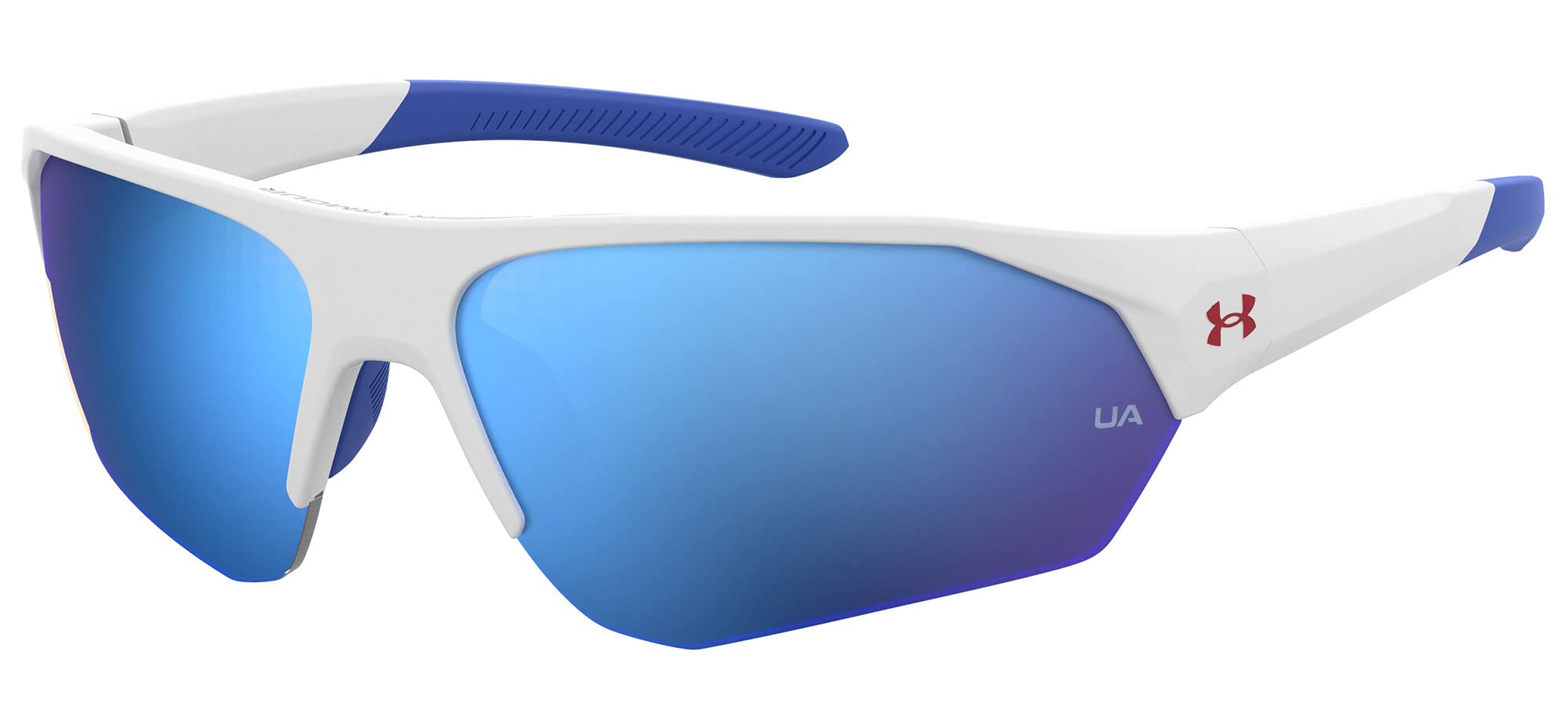
1. Under Armour Unisex-Kids UA 7000/S Rectangular Sunglasses
Our pick — over 4.5★ from 900+ verified ratings; the strongest balance of quality and price.
A 69mm lens that fits ages 7 to 14 without looking babyish — that is the trick the Under Armour UA 7000/S pulls off.
These sunglasses hit a balance that many youth models miss: they look cool enough for a 13-year-old but still fit a 7-year-old’s face. The lens width is 69mm, the bridge (the part that rests on the nose) is 9mm, and the temple arm (the part that hooks over the ear) is 125mm. Those dimensions explain why buyers report a great fit for both a boy whose head runs large (one wears a hat size 7-3/4) and a child just starting baseball. The dual-colored lenses got special praise for their appearance, and the sun and wind protection keeps kids focused on the game rather than squinting.
Quality is the most-discussed feature by a clear margin, and fit runs a close second — owners consistently say these stay in place during play. A few owners mention the green lens color is actually blue in person, so if color accuracy matters to you, check recent photos before ordering. There is also no carry case included, which is a small miss for the price point, but a separate hard case solves that easily.
What wins people over
- Quality and fit are the top praise points — they hold up to regular baseball use
- 69mm lens width suits a wide age range (7 to 14), growing with the child
- Strong sun and wind protection, effective on both bright and cloudy days
- Under Armour brand at a lower price than the brand’s own store
A couple of honest trade-offs
- Green lenses can arrive looking blue, which bothers some buyers
- No carry case included; you will want to buy one separately for storage
Reach for these if: you want a trusted sports brand with dimensions that actually fit a range of kids from elementary through middle school.
Think twice if: lens color accuracy is a make-or-break detail for you, or you need a hard case in the box.
2. Polarized Kids Sunglasses Youth Softball Cycling Sports Sun Glasses (Bo)
A direct baseball hit did not break this frame — one parent reports it prevented what could have been a serious eye injury.
This is the pair you buy when your kid is hard on gear. The polarized lenses cut glare on bright days — a real advantage for a young player tracking a ball against the sun — and the frame survived a direct hit from a baseball. One parent reports their five-year-old has been wearing these for months without a single break, which is practically a miracle in the youth sports world. The fit is comfortable enough that kids forget they are wearing them, and the lightweight build does not pinch the ears or dig into the nose bridge.
Quality and value for money lead the feedback here, with durability running a strong third. These are cheaper than the Under Armour UA 7000/S and offer polarized lenses that the UA pair does not, making them a better value for families who prioritize glare reduction. The trade-off is a less premium brand feel — these are not going to win style points the way the FEISEDY or X-TIGER options might. A few owners mention the size runs small, so they work best for younger kids (roughly ages 5 to 8).
Real-world proof: One buyer describes these as “baseball mom approved” and notes the lenses eliminate glare while causing no pain on the face or ears — a rare combination at this price.
Grab these for: the kid who is still young (5-8) and treats every pair of sunglasses like a crash test dummy.
Pass if: you need a larger fit for a 10-year-old or older, or you want a more recognizable brand name.
3. Kids Sunglasses Polarized Youth Baseball Softball Cycling Sports Sun Glasses (G79)
Three-year-olds and ten-year-olds both find their fit, thanks to the adjustable nose pad and elastic anti-slip legs.
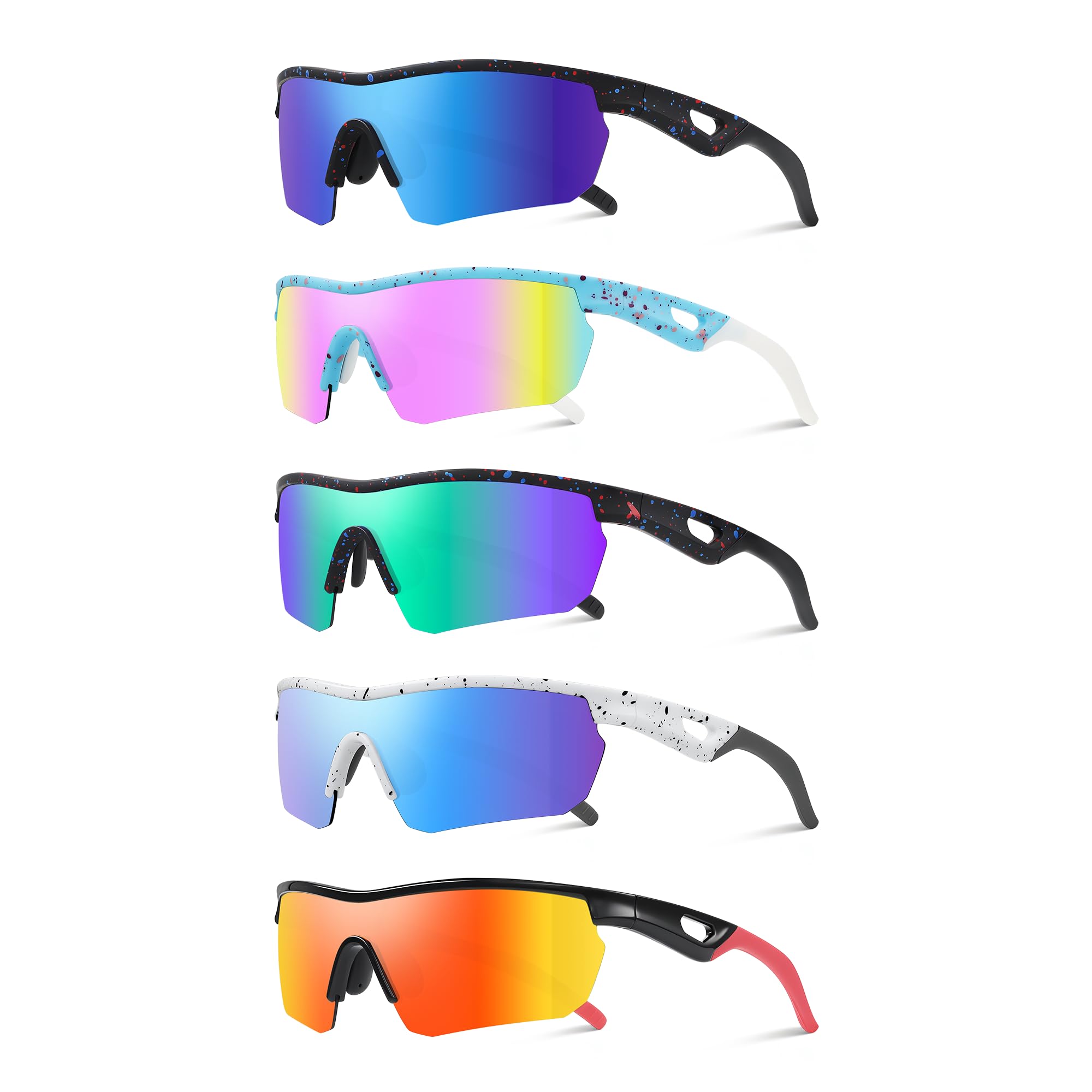
These come with three features that solve the single biggest headache of youth sunglasses: the nose pad adjusts, the temple legs (the parts over the ears) are elastic and anti-slip, and the frame is flexible enough to survive a few drops. Customers note a 3-year-old wearing them comfortably and a 10-year-old saying they fit perfectly — that span is unusual for any single pair. The polarized lenses cut glare effectively, and the look is sporty enough that kids feel like “real players,” as one owner put it.
Quality earns the most praise here, with fit close behind — 37 owners specifically call out the fit as a strength. Durability is a mixed story, though: some owners say the frame snaps after a few uses, while others describe it as flexible and long-lasting. The size also draws mixed feedback, with some saying it fits 10-12 year olds well and others noting it runs small. For the price, these are a solid bet for younger kids, especially those still growing into their first real pair of sports sunglasses.
The highlights
- Adjustable nose pad and anti-slip legs keep glasses in place during running and sliding
- Polarized lenses cut glare, making fly balls easier to track
- Fits a remarkably wide age range (3 to 10 years old according to buyer reports)
Where some owners hit a snag
- A minority report the frame snaps after limited use, so treat them with care
- Size is inconsistent — what fits a 10-year-old may not fit a 12-year-old
Best for: the younger player (ages 3-10) who needs a customizable fit that standard frames cannot offer.
Not ideal if: your child is hard on gear or already on the older side of the age range, where durability questions start to bite.
4. X-TIGER Kids Sunglasses Polarized Youth Baseball Sunglasses
A TR90 frame (a flexible nylon composite that bends, not snaps) that is light enough for a 6-year-old but tough enough for a 14-year-old’s game.
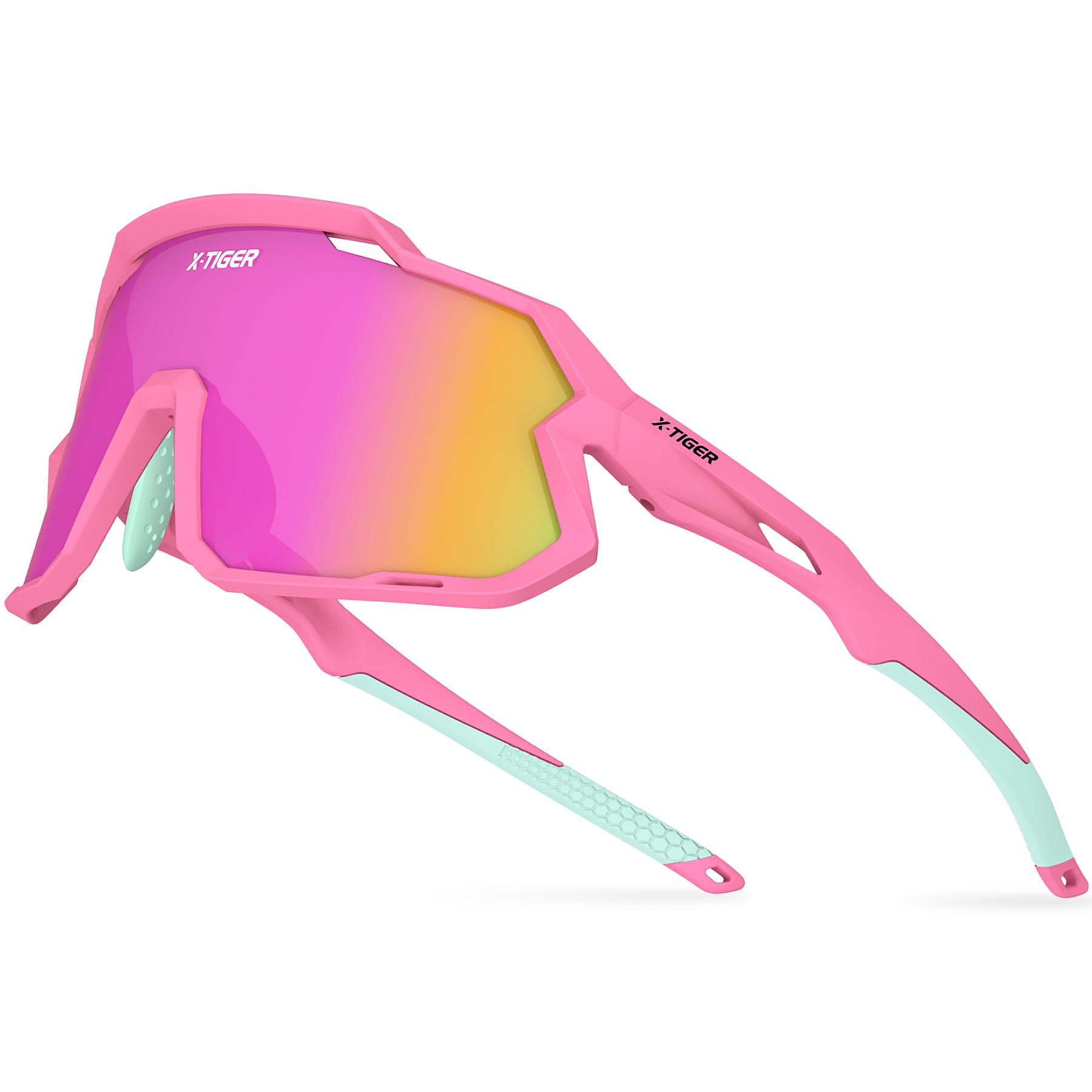
The X-TIGER uses a TR90 frame material and has ventilation holes on the sides that stop the lenses from fogging up when a kid is breathing hard between innings. The lenses are TAC (Tri Acetate Cellulose, a tough multi-layer lens material) with a UV400 coating, which blocks 99.99% of UVA and UVB rays — that is the highest standard for UV protection, so the eyes are fully shielded even during long afternoon games. Wrap-around, shatterproof lenses (they resist breaking on impact) keep the glasses secure during swings and slides.
Quality leads the feedback by far, with 47 owners calling it out positively. Fit comes second at 38 mentions, and the overall consensus is that these are “best sunglasses for baseball” — one parent has bought two pairs for their 9-year-old son. Durability gets a mixed verdict, with some noting the nose piece can come off after minimal use. The X-TIGER is noticeably lighter than the Under Armour UA 7000/S and uses a more modern frame material (TR90 vs standard plastic), which gives it an edge in comfort for longer games.
What reviewers point out: “Very good kids sunglasses for baseball. Screams All Star with the Stars and Stripes.” — owners consistently describe the build quality as solid and the look as game-ready.
Reach for these when: your child is between 6 and 14 and needs a lightweight, fog-resistant frame that actually stays put.
Consider something else if: the nose-piece fragility is a deal-breaker for you, or your child is particularly rough on accessories.
5. FEISEDY Kids Sunglasses Youth Baseball Sun Glasses (B0048)
Bigger than the small Oakley-style frames, so the 11-year-old with a growing head does not feel squeezed — the 65mm lens and 60mm bridge make that possible.
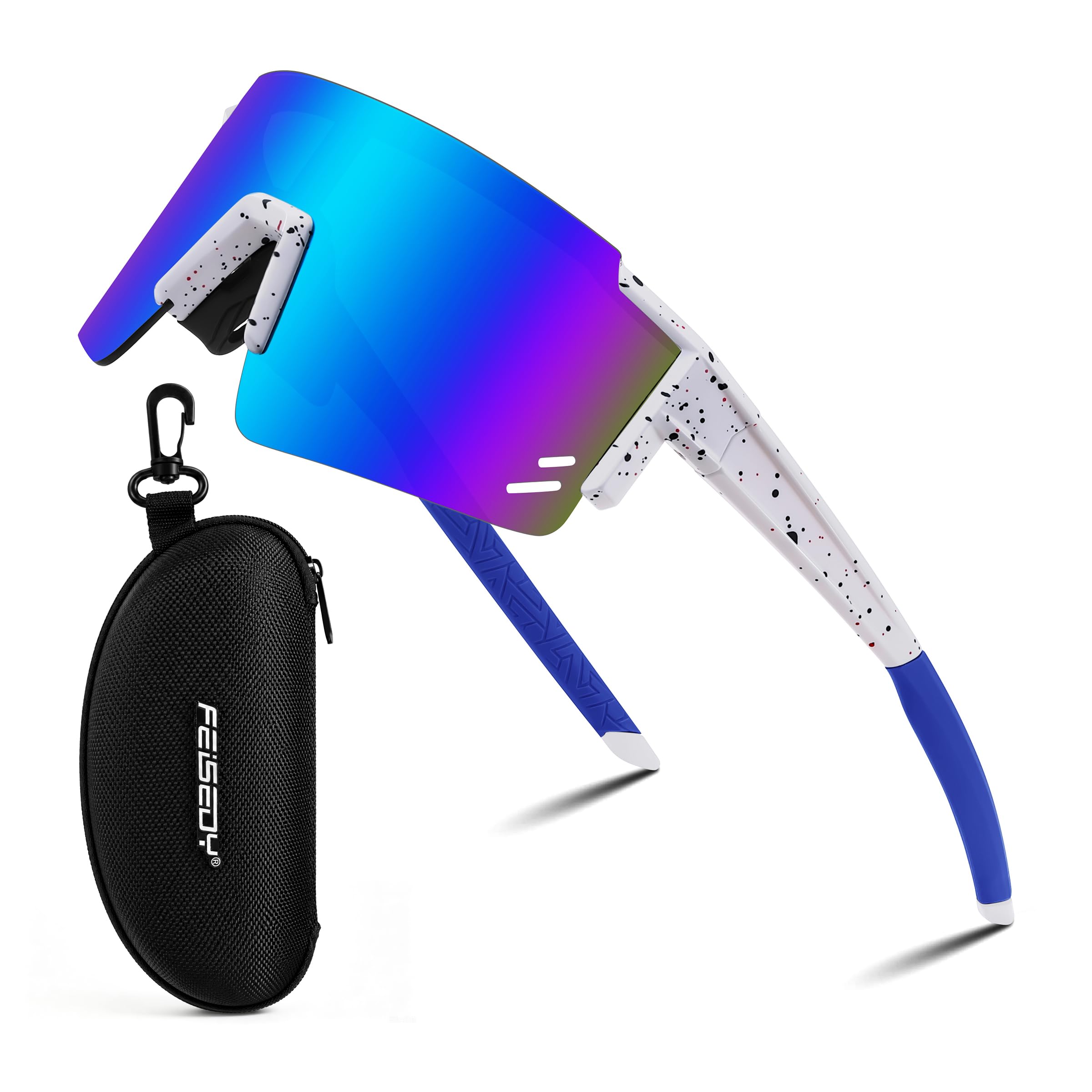
These are built for the older end of the youth spectrum — ages 8 to 16 — with a 65mm lens width and a 60mm bridge measurement that parents consistently describe as a perfect fit for kids who have outgrown smaller frames. One adult buyer even reports they fit well, which tells you these run generous for a “kid’s” pair. The polarized UV400 lenses keep the sun out of the eyes during afternoon games, and the all-black style was a hit with a young baseball player who “thought they were very cool.”
Fit is the standout here — 20 owners mention it positively, more than any other feature. Quality and style are tied for second at 13 mentions each. The durability feedback is mixed, with some saying they break easily, so these are not indestructible. The earpieces run long, which a few owners found odd, but they stay comfortable. Compared to the Under Armour UA 7000/S above, the FEISEDY has a 65mm lens (4mm narrower) and is about half the price, making it the better choice for families seeking a polarized lens and a roomier fit for older kids without spending premium money.
Choose these for: the 11-to-16-year-old who has outgrown youth frames but is not ready for adult sizes, especially if they want a polarized lens.
Look elsewhere if: your child is on the younger side (under 8) or you need a frame that can withstand heavy abuse — these reward careful handling.
Understanding the Specs
Polarized vs. Non-Polarized Lenses
A polarized lens uses a chemical filter that blocks horizontal light waves — the kind that bounce off flat surfaces like a grassy outfield, the hood of a car, or the dirt of the infield. For a young baseball player, that means less glare when tracking a fly ball against a bright sky. Non-polarized lenses simply darken everything equally, which reduces total light but does not eliminate harsh reflections. If your child plays in bright midday sun, polarized is the better investment.
UV400 Protection
UV400 blocks 99% to 100% of UVA and UVB rays up to 400 nanometers — that is the full spectrum of harmful ultraviolet light. Any lens sold as “UV400” meets that standard, regardless of price. A cheap pair with a dark tint but no UV400 rating can actually be worse than no sunglasses at all, because the tint makes the pupil open wider, letting more unfiltered UV hit the retina. Always check for UV400; it is the one spec that cannot be faked by a dark lens.
FAQ
What age range do youth baseball sunglasses cover?
Do I need polarized lenses for my child’s baseball sunglasses?
Can these sunglasses fit over prescription eyeglasses?
How do I keep youth sunglasses from slipping off during play?
What is TR90 frame material and why does it matter?
How long should a pair of youth baseball sunglasses last?
Are expensive youth baseball sunglasses worth the higher price?
Can an adult wear youth baseball sunglasses?
Final Thoughts: The Verdict
For most parents looking for the best youth baseball sunglasses, the Under Armour UA 7000/S wins because it combines a trusted sports brand with a 69mm lens that fits a wide age range and quality that owners consistently praise. If your child is younger or harder on gear, the Polarized Kids Sunglasses (Bo) offer polarized lenses at a budget-friendly price with proven durability. And for the older player who needs a larger fit with polarized protection, the FEISEDY is the one to reach for — it is the biggest frame in the group and costs significantly less than the premium pick.
How We Picked
We do not accept paid placement. Every pick is matched to a real buyer and a real use-case; we do not hands-on test units.
Sources & Methodology
Specifications: manufacturer listings and product documentation. Review insights: verified customer reviews, as of July 2026. Pricing: not shown on this page (it changes often); check the current price via the retailer link.
As an Amazon Associate, Calories Fit earns from qualifying purchases. This does not affect which products we feature.