
Our readers keep the lights on and the coffee maker working hard! As an Amazon Associate, I earn from qualifying purchases.
Specs are compiled from manufacturer listings and verified buyer reviews and can change over time — please confirm the key details on the product page before buying.
Your feet ache by mid-afternoon, and every step on the pavement feels heavier than the last. You need a sneaker that supports your arches and cushions your heels—without looking like a bulky medical shoe. This guide picks the women’s orthopaedic sneakers that actually deliver on comfort, fit, and daily wear, so you can walk the dog, stand at work, or run errands without pain.
I’m Mohammad — the founder and writer behind Calories Fit. This guide is built by comparing the manufacturers’ published specifications and the patterns across verified customer reviews, so you get each pick’s real strengths and trade-offs instead of marketing spin.
Whether you deal with plantar fasciitis (a common foot pain along the bottom of your foot), flat feet, or just tired feet after a long day, you’ll find honest picks that prioritize your foot health without sacrificing style.
Our Picks at a Glance
How To Choose The Best Women’s Orthopaedic Sneakers
Not all supportive sneakers are built the same. The right pair depends on your foot shape, daily activities, and the specific discomfort you’re trying to fix. Here’s what to look for.
Arch Support and Insole Quality
This is the backbone of any orthopaedic sneaker. A good shoe provides firm, built-in arch support that matches the natural curve of your foot, not just a flat squishy insole. Many models now come with removable insoles, which is a bonus because it lets you swap in your own custom orthotics if you need them.
Woman-Specific Fit
A shoe designed for a woman’s foot accounts for a narrower heel, a roomier toe box, and softer cushioning overall. Brands like Ryka are built around this principle, and it can make the difference between a shoe that feels “okay” and one that feels like it was made for you.
Closure and Ease of Use
If bending down to tie laces is a struggle, slip-on designs with stretch panels or side zippers are a standout. But if you need a locked-in, adjustable fit for high-intensity walking or running, a traditional lace-up gives you more control. Think about your daily routine and what feels easy.
Quick Comparison
| Model | Best For | Arch Support | Weight per Shoe | Closure Type | Amazon |
|---|---|---|---|---|---|
| Ryka Jumpstart★ Best Overall | Everyday slip-on wear | Anatomical insole | 8.3 oz | Slip-on + zipper | Amazon |
| OrthoComfoot Road RunnerTop Performer | Concrete and long walks | Built-in + extra insole | — | Slip-on | Amazon |
| OrthoComfoot Diabetic Wide | Wide feet and bunions | Removable + extra insert | — | Slip-on | Amazon |
| Ryka Devotion X Max RS | Fitness walking & shock absorption | Anatomical + RE-ZORB | 8.6 oz | Lace-up | Amazon |
| OrthoComfoot Fashion Sneaker | Versatile wide daily wear | Removable + two insoles | — | Slip-on | Amazon |
In‑Depth Reviews
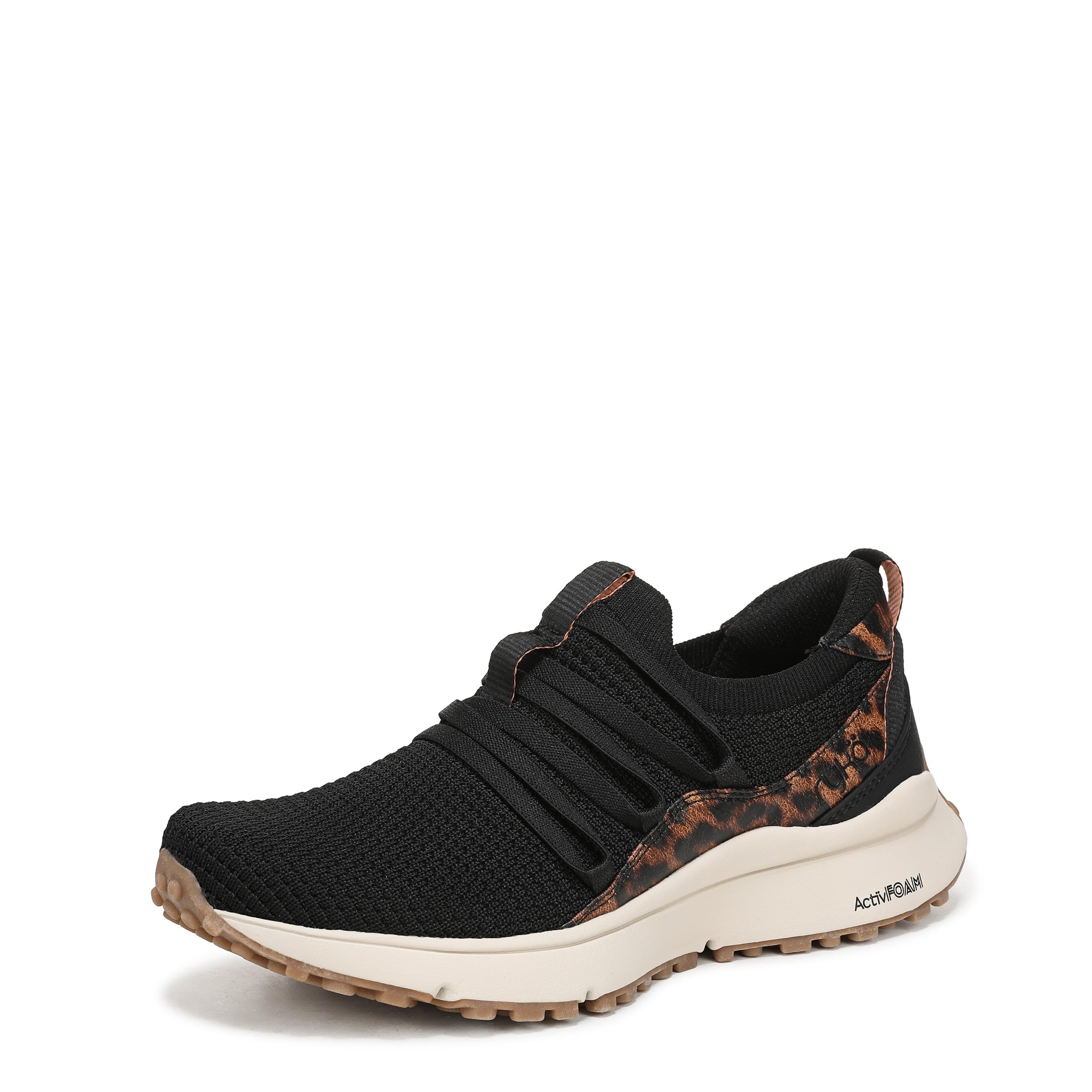
1. Ryka Women’s Jumpstart Sneaker
Our pick — over 4★ from 650+ verified ratings; the strongest balance of quality and price.
The slip-on that finally gets arch support right without the wrestle.
You get a shoe built for a woman’s foot here: a narrower heel stops slipping, a roomier toe box lets your toes spread, and softer cushioning runs through the whole design. The anatomical insole (a shaped pad that supports the natural curve of your arch and heel) delivers that support all day. Beneath it, the ACTIVfoam midsole (a lightweight foam layer) keeps each step springy. At just 8.3 ounces per shoe—lighter than most orthopaedic sneakers—you barely notice them on your feet from morning to night.
The front zipper and heel pull-tab make sliding in quick, though one reviewer noted the heel needs a gentle tug rather than a true hands-free slip. What wins people over is the comfort: buyers report zero aches after park walks and even long days at the office. The durable rubber outsole provides reliable grip on pavement and store floors. However, reviewers mention a stiff heel counter (the rigid piece at the back of the shoe) that can cause ankle blisters on hikes—so stick to flat ground or raise your socks.
The stretch engineered knit upper (a flexible fabric that moves with your foot) is easy to clean, and the leopard-print heel accent adds a playful detail that keeps these from looking purely medical. Owners mention they run true to size and work well for anyone who wants a go-anywhere sneaker that skips the lace-up ritual. If you compare it to the OrthoComfoot Road Runner, the Ryka Jumpstart wins on lightness and that woman-specific heel grip—but the Road Runner offers more cushioning for hard floors.
Everyday All-Star
- Woman-specific fit with narrower heel and roomier toe box
- Anatomical insole provides excellent arch and heel support
- Slip-on with front zipper is quick and easy for daily use
- Lightweight at 8.3 oz per shoe—great for all-day wear
One Thing to Note
- Stiff heel counter can cause blisters on hikes—stick to pavement
- Not a true hands-free slip-on; requires a gentle heel pull
Who it suits: You want a supportive, lightweight sneaker you can step into quickly for daily errands, walks, and standing shifts. skip it if: you need a rugged trail shoe or prefer a total hands-free slip-on experience.
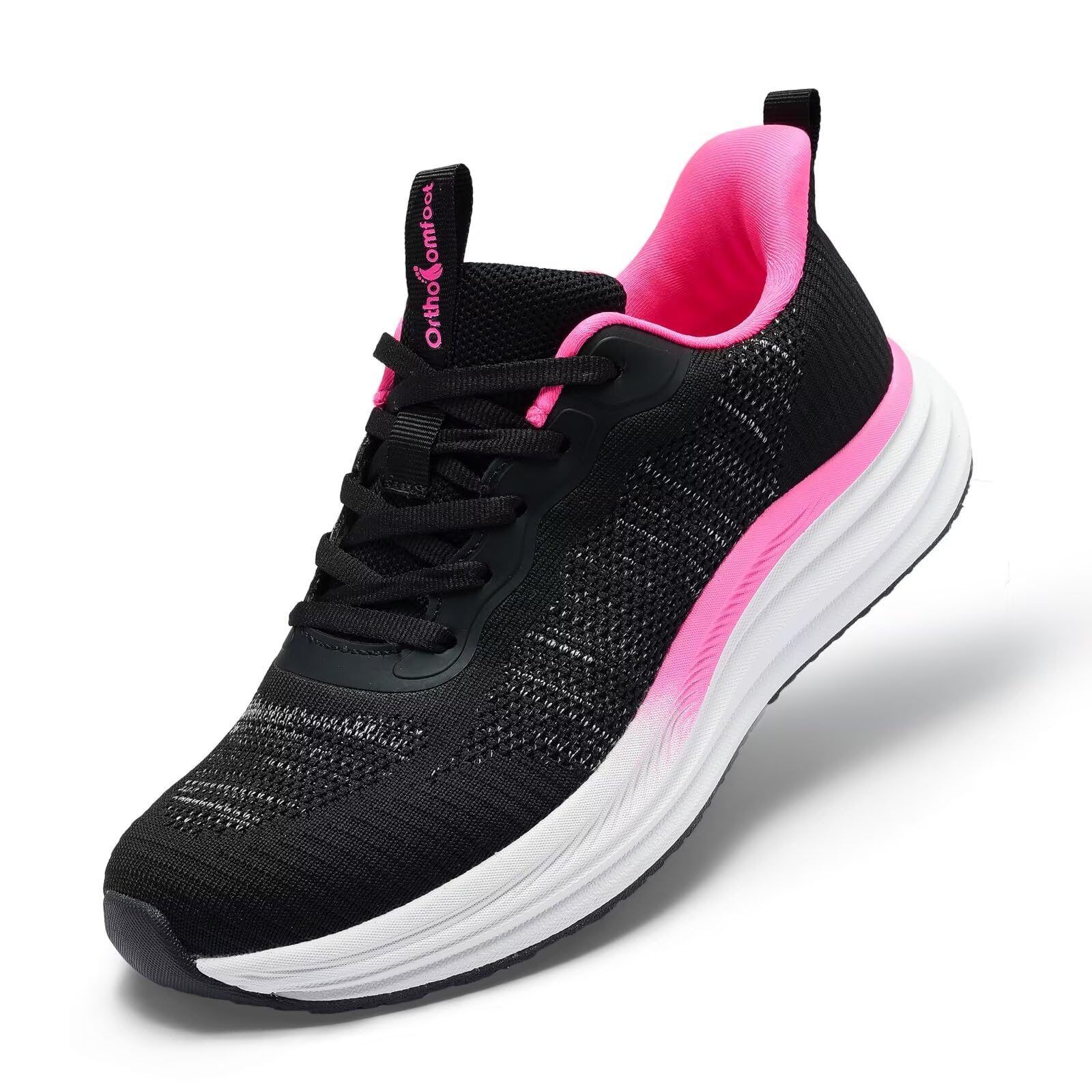
2. Women’s Orthopedic Road Running Shoes (OrthoComfoot)
The shoe that reportedly pitches Hokas for concrete-pounding relief.
Owners call these the most comfortable sneakers for concrete walking, with one reporting they are “better than Hokas” after 10-hour shifts. The secret is the dual insole system: the sneaker comes with two insoles (replacement pads for the footbed), including an extra high-arch option. You dial in the exact level of support your foot needs. That flexibility is rare at this price point, and it makes a real difference for people dealing with heel pain and plantar fasciitis (a strain of the tissue band along your foot’s bottom).
The breathable upper (a mesh fabric that lets air circulate) keeps your feet from overheating. The slip-on design includes loops on both the tongue and heel—a thoughtful touch for anyone who struggles to bend down. One owner shared that, for the first time in 3.5 years, they could put their shoes on independently. The outsole feels lightweight but well-constructed, and owners say the shoes look great even after two months of heavy use. The main trade-off reported is that the fit runs a little large for some, while others find it too tight, so ordering with a return-friendly policy is a smart move. The comfort and quality are the star here, with 30 owners specifically praising the cushioning and support.
If the Ryka Jumpstart’s woman-specific fit is your priority, this OrthoComfoot model counters with a more traditional unisex build that simply emphasizes plush cushioning and arch relief above all else. It is a better choice than the Jumpstart if you pound pavement for 10-hour shifts.
Walk-On-Clouds Verdict: Ideal for anyone who spends their day on hard floors or concrete and wants a cushioned, supportive sneaker that doesn’t look orthopedic. The dual insole is a genuine bonus.
Fit Alert: Sizing is inconsistent—some find them large, others tight. Order a size you can easily exchange if needed.
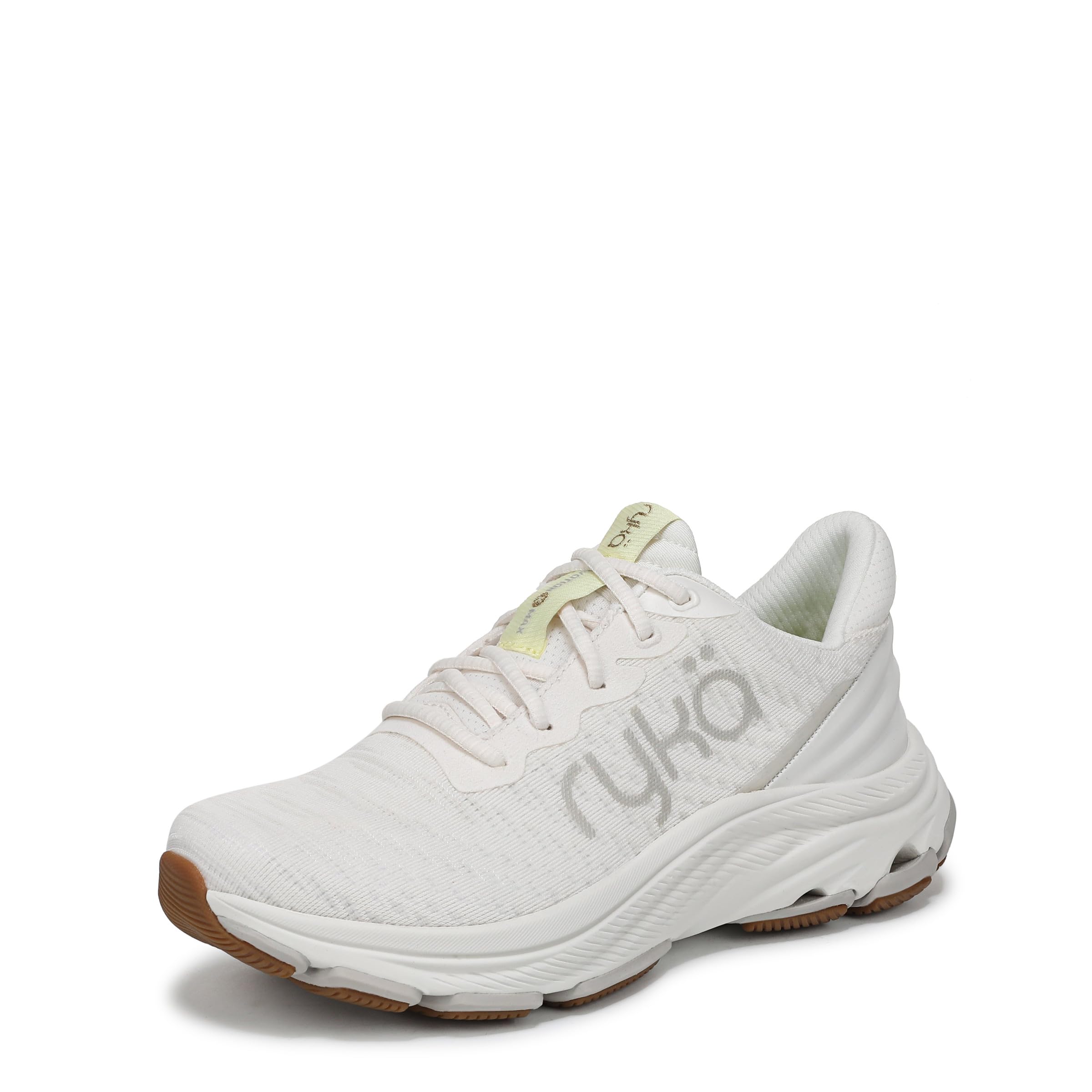
3. Ryka Devotion X Max RS Walking Shoe
Lab-tested walking shoe that one owner says is “more cushiony than my Hoka Bondi 9s.”
This is the high-performance pick for fitness walkers who need serious shock absorption without the weight. Ryka’s RE-ZORB technology runs the full midsole, delivering lab-tested low deceleration and impact forces so your feet and joints feel less jarring with each step. On top of that, lightweight RE-ZORB LITE pads sit in the forefoot and heel, so each step feels soft but bouncy. At 8.6 ounces per shoe, it is only slightly heavier than the Jumpstart, yet it offers far more advanced shock control.
What stands out in the customer feedback is the arch support: 90 owners praise it for easing heel and knee pain, with one reporting plantar fasciitis pain “significantly reduced in two days.” The lace-up closure gives you a secure, customizable fit, and the breathable air mesh upper (a ventilated fabric layer) keeps your feet cool during longer walks. The wide toe box gets consistent praise, and the anatomical insole is removable if you need to swap in your own orthotics (custom prescription shoe inserts). Buyers also call it “lightweight, washable, and non-slip”—a strong combo for daily use. Compared to the OrthoComfoot Road Runner, the Devotion X Max leads on advanced cushioning specs, but durability reports are weaker here.
The mixed feedback on durability is worth noting: a few customers note the mesh near the laces wearing through within a few months, and one owner had the heel foam break down after about five months.
Best for fitness walkers: if you log miles on pavement and want cloud-like cushioning plus genuine arch relief, this is your shoe. The RE-ZORB technology is designed for impact protection.
Just know: some units have shown mesh wear near the laces within months; consider it a performance trade-off for the exceptional comfort.
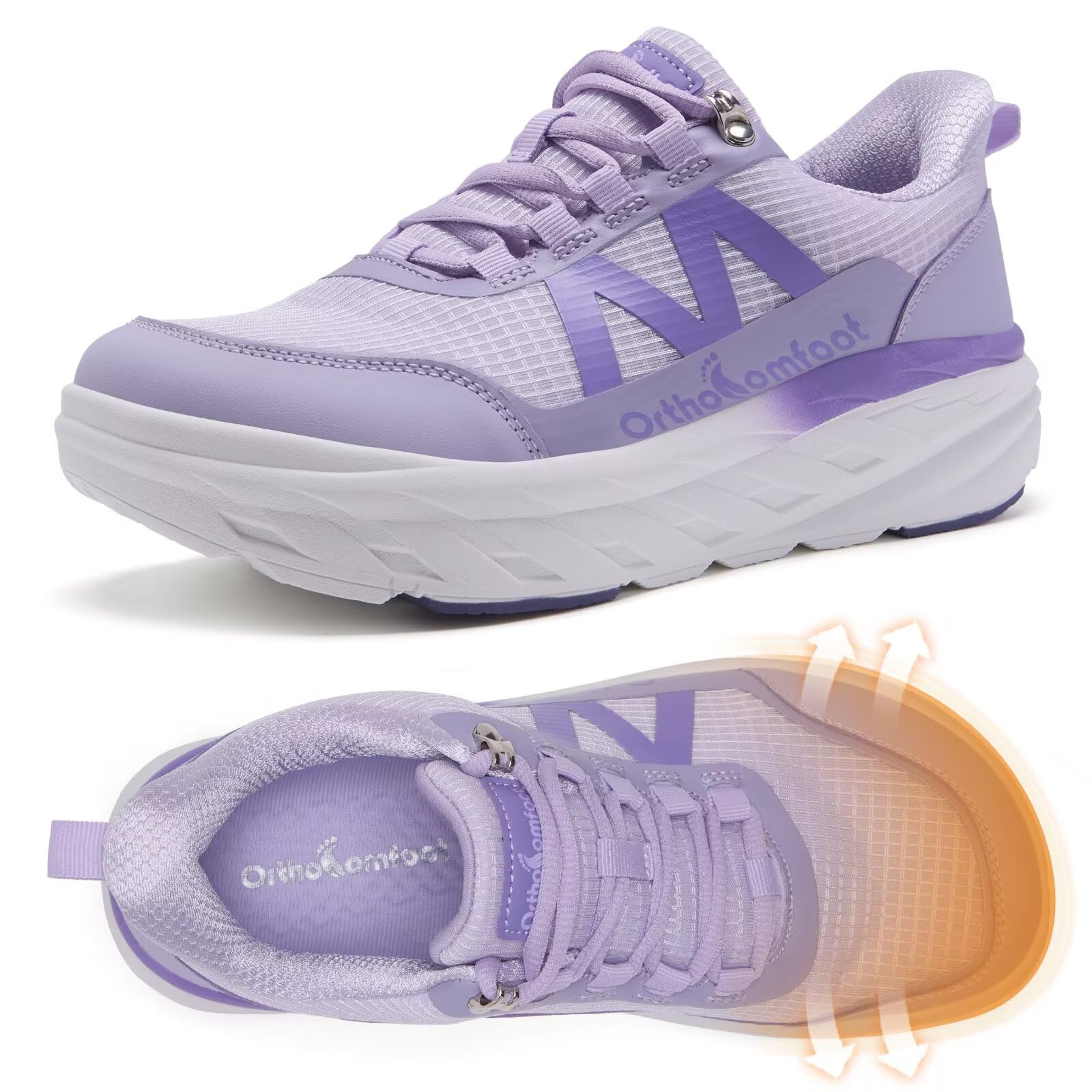
4. Women’s Orthopedic Diabetic Wide Walking Shoes (OrthoComfoot)
The wide-friendly pick that one owner with bunions calls “the most comfy shoes I’ve ever worn.”
If your feet are on the wider side or you deal with bunions (bony bumps at the base of your big toe), this OrthoComfoot model puts the toe box front and center. The design is intentionally roomy, with a wide toe area that accommodates unusual foot shapes without pinching. Owners say it works perfectly for wide feet, flat feet, and even post-surgery swelling. The slip-on construction opens up wide for easy entry, and the shoe comes with extra inserts so you can adjust the fit and arch height to your liking.
Comfort is the key theme here: after 6-8 hours of walking, reviewers point out their feet feel normal, which is a big deal for anyone with plantar fasciitis or tendonitis (inflammation of a tendon). The lightweight build and breathable mesh upper keep things airy, and the color options (especially the light purple) get compliments. However, the arch support gets mixed reactions: some find it just right, while others feel it sits too far back for their foot shape. A few owners also note the heel can slip slightly, so if you have a very narrow heel, this may not be the snug fit you need. The style is a bit bulky, which is the trade-off for the generous width.
Compared to the Ryka Jumpstart’s woman-specific narrower heel, this one prioritizes all-out toe room and adjustability over a locked-in heel fit. It is a budget-friendly choice that punches above its weight for wide-footed walkers.
Best for wide feet and bunions: if your toes need room to spread and you want a slip-on with customizable arch support, this is your pick. The comfort after long wear is consistently praised.
Consider this: the heel fit is loose for some, and the arch placement isn’t universal—test them with the extra inserts first.
5. OrthoComfoot Women’s Orthopedic Diabetic Wide Running Shoes (Fashion Sneaker)
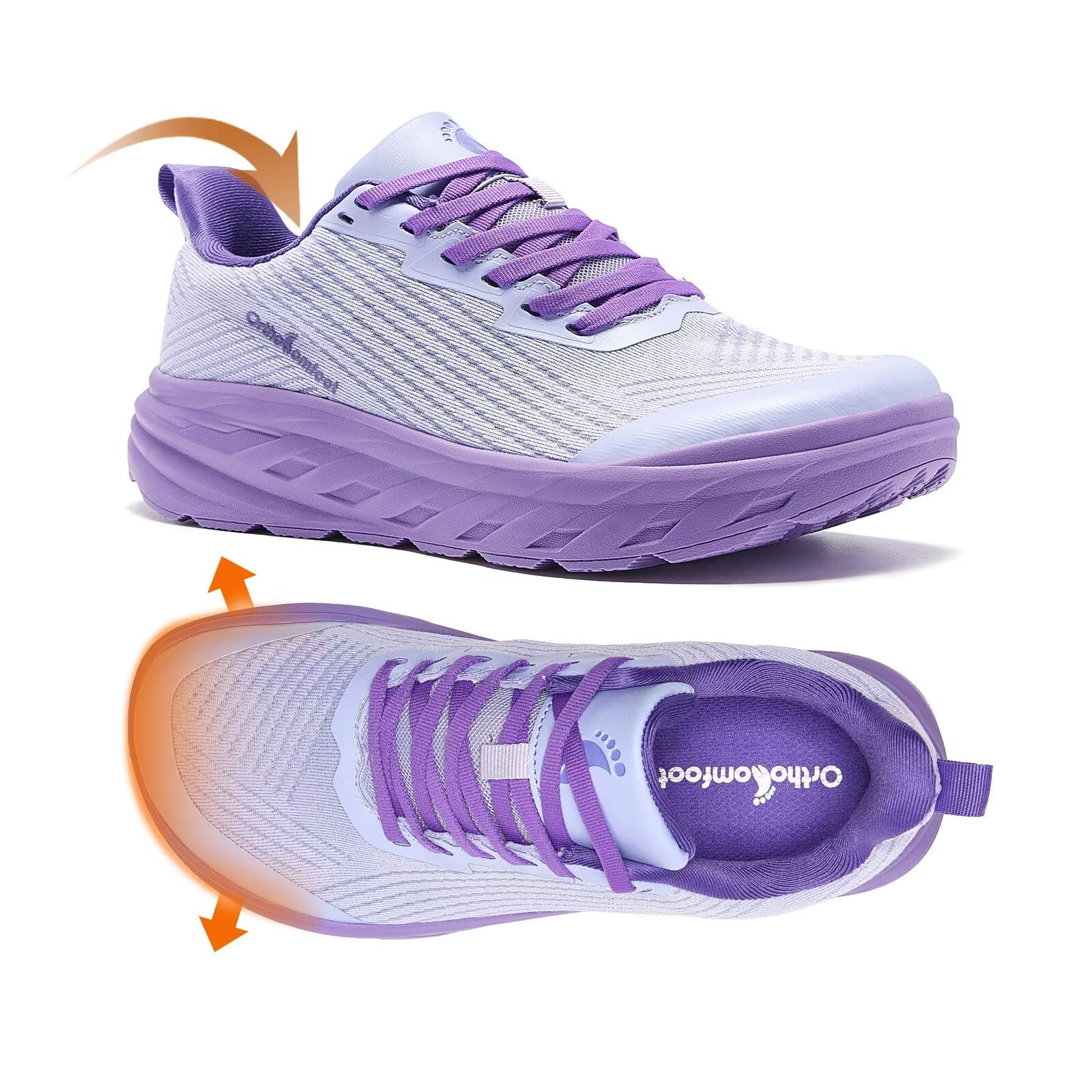
Nurse-approved sneaker that reportedly beats Hokas for nerve foot pain.
This model from OrthoComfoot is built for people who need a wide, supportive shoe that still looks like a modern fashion sneaker. It comes with two insoles and multiple arch support inserts (small pads that raise the arch area), letting you build a custom fit right from the start. The wide toe box is designed to accommodate bunions and diabetic swelling, and the slip-resistant outsole holds up well on wet kitchen floors and hospital linoleum—owners note it is grease- and water-resistant, a practical plus for long work shifts.
What wins people over here is the cushioning. Owners call these “Best shoes for nerve foot pain,” praising the thick, supportive sole that doesn’t press on sensitive nerves. The shoe is compatible with custom orthotics (prescription insoles), which adds flexibility if you already have a prescription insole. However, the fit feedback is mixed: while many find the wide toe box perfect, some with very wide feet say it is “wide but not wide enough,” and durability reports mention occasional fabric hole and sole separation after about four months. For the price, most owners feel the quality is solid.
It is heavier and more substantial than the Ryka Jumpstart, so if pure lightness is your priority, the Ryka wins. But if you need a workhorse sneaker that handles standing, walking, and light duty tasks all day, this is a versatile and supportive choice.
Best for long shifts and nerve pain: if you work on your feet and need a roomy, cushioned shoe that doesn’t flare up nerve or heel pain, this is a strong contender. The dual-insole system is a genuine bonus.
Keep in mind: the wide fit is generous but not extreme—very wide feet may find it just okay. Durability is acceptable for the price but not premium-grade.
Understanding the Specs
Arch Support
This is the raised area inside the shoe that matches the curve of your foot’s arch. Good arch support reduces strain on your plantar fascia (the band of tissue along the bottom of your foot) and helps prevent overpronation—when your foot rolls inward too much. Look for “anatomical insole” or “removable insole” so you can replace it with custom orthotics if needed.
Drop
This is the difference in height between the heel and the toe of the shoe, measured in millimeters. A 10 mm drop (common in many walking shoes) means the heel is 10 mm higher than the toe. A higher drop takes pressure off your Achilles tendon and is often better for heel strikers. A lower drop (4-6 mm) feels more natural for forefoot or midfoot strikers and mimics barefoot walking.
Woman-Specific Fit
Some brands, like Ryka, design shoes specifically for a woman’s foot shape. This usually means a narrower heel to prevent slipping, a roomier toe box to let toes spread naturally, and softer cushioning that accommodates a woman’s generally lighter frame. It is not just marketing—it changes how the shoe wraps your foot.
Cushioning Technology
Look for foam or pad names like EVA (ethylene-vinyl acetate—a lightweight, springy foam) or RE-ZORB (Ryka’s own responsive cushioning material). These absorb the shock of each footstrike. “Full-length” cushioning means the entire sole has it, rather than just the heel or forefoot, which gives a smoother ride.
FAQ
What size should I order for orthopaedic sneakers?
Can I use my own custom orthotics in these sneakers?
Are these sneakers good for plantar fasciitis?
How do slip-on orthopaedic sneakers stay secure?
Which sneaker is best for wide feet and bunions?
How much do orthopaedic sneakers weigh?
Are these sneakers machine washable?
Is a 10 mm drop good for walking?
Final Thoughts: The Verdict
For most people, the top pick in the women’s orthopaedic sneakers category is the Ryka Jumpstart because it combines a woman-specific fit, excellent arch support, and slip-on ease at a reasonable price point. If you need maximum cushioning for long walks on hard surfaces, grab the OrthoComfoot Road Runner. And for wide feet or bunions, the OrthoComfoot Wide Walking Shoe offers the most toe room and customizable fit at a budget-friendly value.
How We Picked
We do not accept paid placement. Every pick is matched to a real buyer and a real use-case; we do not hands-on test units.
Sources & Methodology
Specifications: manufacturer listings and product documentation. Review insights: verified customer reviews, as of July 2026. Pricing: not shown on this page (it changes often); check the current price via the retailer link.
As an Amazon Associate, Calories Fit earns from qualifying purchases. This does not affect which products we feature.