
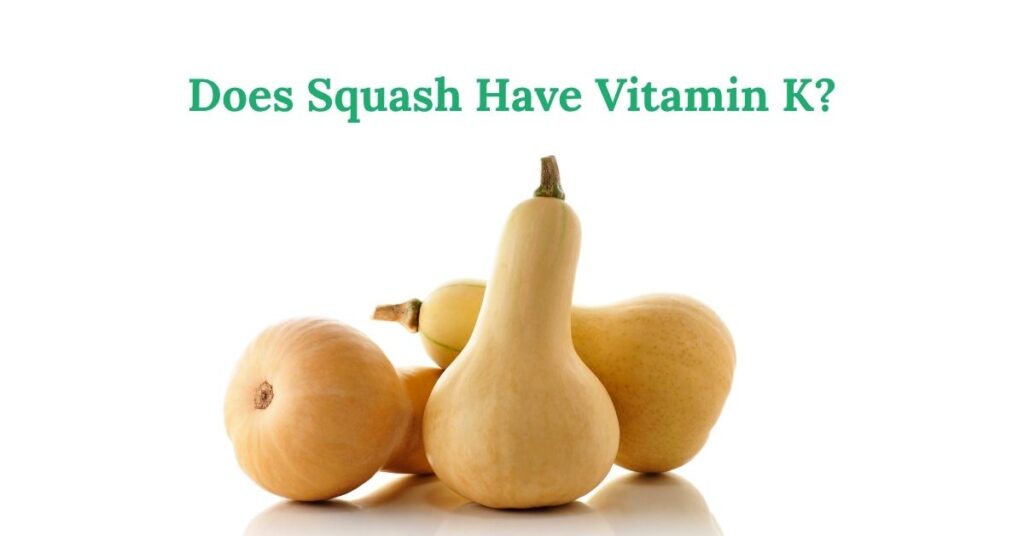
Yes—most squash contains small amounts of vitamin K, with summer types a bit higher than winter varieties.
Spaghetti Squash (100 g)
Zucchini (100 g)
Winter Mix (1 cup)
Raw Crunch
- Zucchini ribbons with lemon
- Salt, pepper, olive oil
- Serve beside protein
Low lift
Roasted Comfort
- Butternut cubes, 425°F
- Cinnamon or paprika
- Finish with yogurt
Cozy flavor
Pasta Swap
- Spaghetti squash strands
- Tomato-basil sauce
- Parmesan on top
Very low K
Does Squash Have Vitamin K? Varieties Compared
Squash shows up in soups, roasts, and quick sautés, so it’s natural to ask about vitamin K. The short answer is yes, squash does have vitamin K, but not much compared with leafy greens. That can help anyone who needs steady intake while planning meals.
Here’s a simple table using common weights to give you a feel for the range by type. Values reflect typical entries from USDA tables. Numbers vary a bit by cut size and water loss when cooked.
| Type | Vitamin K (mcg/100 g) | Vitamin K (per cup) |
|---|---|---|
| Zucchini, raw | ~4.3 | ~5.3 mcg (1 cup chopped, 124 g) |
| Summer squash, yellow, raw | ~3.3 | ~3–6 mcg (per cup sliced) |
| Summer squash, cooked slices | ~3.5 | ~6.3–10.4 mcg (per cup) |
| Winter squash, all varieties, cooked | ~4.4 | ~9.0 mcg (1 cup cubes, 205 g) |
| Butternut, raw | ~1.1 | ~1.5 mcg (1 cup cubes, 140 g) |
| Butternut, cooked | ~1.0 | ~2.0 mcg (1 cup cubes, 205 g) |
| Spaghetti squash, raw | ~0.9 | ~0.9 mcg (1 cup cubes, 101 g) |
| Spaghetti squash, cooked | ~0.8 | ~1.2 mcg (1 cup, 155 g) |
Squash plants shine for beta-carotene, potassium, and water. Vitamin K stays modest across the board, so even a generous helping won’t spike totals. That’s handy when you want predictable intake from day to day.
Fiber in squash also feeds gut microbes that make small amounts of vitamin K. If you’re curious about daily fiber targets, see our recommended fiber intake guide for an easy benchmark.
How Much Vitamin K Fits Daily Needs?
Adults generally aim for about 120 micrograms per day for men and 90 micrograms per day for women. With zucchini giving roughly 5 micrograms per chopped cup, you’d still be far from that target. Leafy greens, by contrast, deliver far more per bite.
If you want a deeper explainer on daily amounts and medication interactions, the NIH vitamin K fact sheet lays out the numbers and the steady-intake advice for people taking warfarin.
Cooking, Storage, And Vitamin K
Heat doesn’t change vitamin K much in squash because the baseline is low. What shifts totals is portion weight. A “cup” of cubes can weigh anywhere from roughly 100 to 205 grams depending on variety, cut, and moisture. That’s why tables list both per-100-gram values and per-cup estimates.
To see how methods line up, use the quick reference below. It’s based on common USDA entries for cup measures from raw to cooked.
| Method | Serving | Vitamin K (mcg) |
|---|---|---|
| Zucchini, raw | 1 cup chopped (124 g) | ~5.3 |
| Summer squash, cooked | 1 cup slices (180–192 g) | ~6.3–10.4 |
| Winter squash, all cooked | 1 cup cubes (205 g) | ~9.0 |
| Butternut, cooked | 1 cup cubes (205 g) | ~2.0 |
| Spaghetti squash, cooked | 1 cup (155 g) | ~1.2 |
Brand products and frozen mixes can differ a little from generic entries. Check labels if you need tighter tracking. Add-ons such as oil or cheese don’t change vitamin K much, though they raise calories.
Vitamin K Basics In One Minute
Vitamin K refers to a group of fat-soluble compounds needed for normal blood clotting and bone proteins. Many diets hit the target without effort because leafy greens, plant oils, and some fermented foods carry larger amounts. By comparison, squash plays a small supporting role.
Two forms show up in food: phylloquinone (K1) in plants and menaquinones (K2) from fermented foods and animal sources. Both contribute to daily totals. Squash contributes K1 in trace amounts, which is handy when you want color and volume without a big jump in K.
Meal Ideas With Predictable Vitamin K
Zucchini, Lemon, And Garlic
Slice two medium zucchini into thin coins. Sauté in a little olive oil with minced garlic, salt, pepper, and lemon zest. Finish with lemon juice. Expect roughly five micrograms of vitamin K per cup of zucchini used.
Roasted Butternut With Cinnamon
Toss one-inch cubes with oil, salt, and cinnamon. Roast at 425°F until caramelized. A cup of cooked cubes contributes around two micrograms of vitamin K and plenty of color.
Spaghetti Squash With Tomato-Basil
Roast halved squash until strands pull free. Toss with warm tomato sauce, basil, and parmesan. Even a full cup lands near a microgram of vitamin K, so it’s easy to keep steady.
Serving Size Math, Made Easy
Per-cup numbers can hide weight swings. One recipe’s “cup” might be dense; another might be light. When precision matters, weigh one serving once or twice so your eye learns what 120–200 grams looks like on your plates. After that, you’ll hit consistent totals without fuss.
What Else You Get From Squash
Beyond vitamin K, squash brings vitamin A precursors, vitamin C in many summer varieties, potassium, and water for volume. That combo helps with satiety and flavor while keeping vitamin K on the gentle side. For a broader nutrient picture on oils and dressings often used with vegetables, the USDA posts a detailed vitamin K list by food that includes plant oils.
People using warfarin focus more on day-to-day consistency than on hitting a single number. Since squash contributes only small amounts, it’s one of the easier vegetables to keep steady from week to week.
Pick The Right Squash For Your Goal
When You Want The Lowest Vitamin K
Reach for spaghetti squash or butternut. Both land near a microgram or two per cooked cup.
When You Want A Slight Bump
Choose zucchini or mixed summer squash. A single cup moves you only a few micrograms but gives tender texture and bright color.
When You Crave Sweet, Cozy Flavor
Roasted winter varieties—like butternut, hubbard, or kabocha—deliver caramel notes. Vitamin K remains modest, especially next to leafy greens.
How To Keep Vitamin K Intake Consistent
Pick a small set of vegetables and rotate them in a steady pattern. Squash fits nicely here because its vitamin K stays modest across varieties and cooking methods. If you make roasted butternut on Mondays and a zucchini sauté on Thursdays, you’ll keep intake predictable without tracking every gram.
Match portions to your plates. If your dinner bowls hold about two cups, portion cooked squash to the same line each time. That visual cue beats guesswork and keeps the number in the same neighborhood week after week. When recipes call for “one cup,” measure it once, then use the same scoop next time.
Balance plates with foods that don’t swing vitamin K sharply. Grains, beans, eggs, poultry, fish, and fruit all pair well with squash and sit low on vitamin K. When you do want more, add a side salad or a small serving of cooked greens to dial the number up in a controlled way.
Recipe Builder: Low-K, Flavor-Forward Plates
Roast Sheet Pan Supper
Scatter cubed butternut, sliced red onion, and chicken thighs on a tray. Season with salt, pepper, paprika, and olive oil. Roast until the squash caramelizes and the chicken juices run clear. Serve with a spoon of yogurt and lemon. The plate brings protein, color, and only a few micrograms of vitamin K from the squash.
Garden Skillet
Cook coins of zucchini and yellow squash in a hot pan with olive oil. Add cherry tomatoes, garlic, and a pinch of chili flakes. Fold in cooked orzo, then finish with parmesan and black pepper. Portion by the cup if you’re tracking. The squash contributes a predictable, small amount of vitamin K.
Simple Shopping And Storage Tips
Pick firm squash with intact skin. Store winter types in a cool, dry spot for weeks. Keep summer types refrigerated and use within a few days. Wash, trim, and cut just before cooking for the best snap.
Bottom Line For Meal Planning
Yes, squash has vitamin K, but only a little. Use it to round out plates, then look to leafy greens when you want a bigger push toward daily targets. Want more micronutrient reading? Try our magnesium glycinate benefits overview next.
Keep recipes simple, measure once, and you’ll enjoy squash dishes with vitamin K every week without tracking hassles.
Truly enjoy the meals you make at home tonight.