
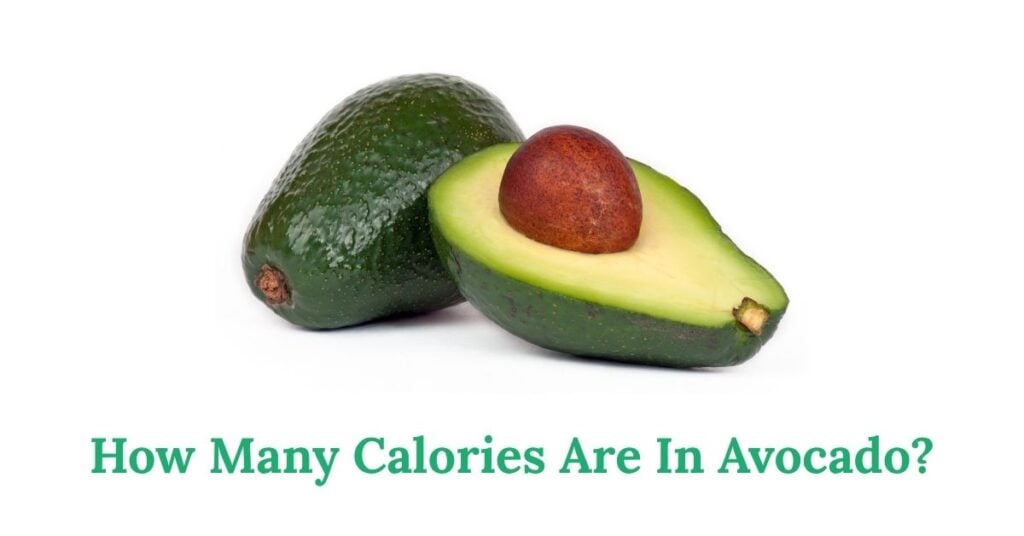
One medium Hass avocado has about 240 calories; 100 grams of avocado provides 160 calories, so portion size drives the total.
Calories
Calories
Calories
Basic Slice
- 30–50 g on toast
- Light salt and lime
- No added oil
Lowest calories
Mashed Mix
- 100 g with herbs
- Tomato and onion
- Lemon splash
Middle range
Loaded Scoop
- 150 g guacamole
- Chips or wraps
- Often adds oil
Highest calories
Calories In Avocado: Sizes, Portions, And Prep
Avocado calories scale with weight. The flesh is energy dense because most of its calories come from fat. That’s not a bad thing; it just means small changes in portion move the needle. Use these anchor numbers: 50 grams is about 80 calories, 100 grams is 160, and a whole medium fruit near 150 grams lands close to 240. Those figures keep you on track when you slice, mash, or cube.
Brands and seasons nudge the count a bit. Hass is the common type in markets, and its water content shifts with ripeness. The differences stay small for day-to-day tracking, so weighing the edible portion is the best habit. If you eyeball halves, you’ll often pour on more than you planned.
Table: Avocado Calories By Measure
This table puts common amounts in one place so you can log smarter early in the read.
| Measure | Grams (edible) | Calories |
|---|---|---|
| 2 thin slices | 20 g | 32 kcal |
| On toast (light) | 30 g | 48 kcal |
| Standard serving | 50 g | 80 kcal |
| Half small fruit | 70 g | 112 kcal |
| Half medium fruit | 100 g | 160 kcal |
| One medium fruit | 150 g | 240 kcal |
| 1 tablespoon mashed | 15 g | 24 kcal |
| 1 cup sliced | 150 g | 240 kcal |
Once you set your daily calorie intake, these portion cues help you place avocado without crowding out protein, grains, or produce.
What Drives The Calorie Number
Avocado is mostly water and fat, with a modest hit of fiber. Fat supplies 9 calories per gram, so most of the energy sits there. That’s why the count rises quickly as grams go up. A 100 gram portion sits near 160 calories, which lines up with values used in nutrition databases and teaching sheets from federal sources. You get a soft texture from monounsaturated fat, a friendly mouthfeel for salads, toast, and bowls.
Heat doesn’t change the calories much unless extra oil joins the pan. Baking avocado halves with an egg adds protein and a few calories from the egg; frying adds more because the surface soaks oil. The fruit’s fiber and water make it filling, so smaller portions can still feel satisfying at meals.
Serving Sizes That Work In Real Meals
Pick a size based on the role. For a toast topper, 30–50 grams gives color and creaminess without loading the slice. In a salad, 70–100 grams spreads through a bowl nicely. For guacamole, start at 50–75 grams per person when chips enter the picture. You can scale up for wraps and bowls that need a richer base.
When you swap butter or cheese for avocado, the swap can tame saturated fat in that plate. Federal nutrition materials point readers toward unsaturated sources, including avocados, when trimming saturated fat at meals; see the Dietary Guidelines fact sheet and the FDA’s note on replacing saturated fat with unsaturated fat in routine eating patterns in this saturated fat brief.
How To Weigh, Prep, And Log Avocado
Weigh after you remove the peel and pit. The scale should see only the edible portion. If you weigh before peeling, you’ll overcount by the weight of the skin and pit. A pocket scale works if you pack lunch; a countertop scale is great for batch prep at home.
To slice cleanly, run the blade around the fruit, twist, pop the pit, and scoop the halves with a spoon. For a finer mash, add salt and citrus, then press with a fork. Keep leftover mash under plastic wrap pressed to the surface or in a small airtight jar to slow browning.
Energy Density And Satiety
Avocado’s energy density is higher than most produce, yet the mix of fat and fiber can help a plate feel complete. That’s handy when you’re dialing down fried toppings or heavy dressings. On days with more avocado, trim added oils elsewhere. Balance matters across the whole day, not only in one dish.
Some plates need a boost; others don’t. A sushi roll may already carry mayo or fried crunch inside, so the avocado slice there is a small part of the total. A grain bowl with lean protein leaves more room for a larger scoop without pushing the tally too far.
Close Variant: Avocado Calorie Count By Size And Use
This section groups common styles so you can match the number to your plate. The goal is a quick estimate you can trust when you scan a menu or cook at home.
Table: Calories By Common Prep And Add-Ins
Numbers below assume the listed additions. Swap items and the math shifts.
| Prep Style | Typical Additions | Calories (per serving) |
|---|---|---|
| Toast topper | 30 g avocado + lime | 48 kcal |
| Toast with oil | 30 g avocado + 1 tsp olive oil | 87 kcal |
| Simple salad | 70 g avocado + greens | 112 kcal |
| Salad with dressing | 70 g avocado + 1 tbsp vinaigrette | 172 kcal |
| Guacamole (plain) | 100 g avocado + herbs | 160 kcal |
| Guacamole with chips | 100 g + ~10 chips | 280–320 kcal |
| Egg-baked halves | 150 g avocado + 1 egg | 300–320 kcal |
| Sushi roll slice | 15 g inside roll | 24 kcal |
Reading Labels, Menus, And Databases
Fresh produce doesn’t carry a Nutrition Facts label by default, so most calorie values come from databases and teaching sheets. The core reference pattern puts avocado close to 160 calories per 100 grams, which matches many entries across nutrition tools and aligns with research reviews that pool lab data. When eaters swap foods to lower saturated fat, federal pages point to nuts, seeds, oils, and avocados as helpful choices in that mix.
Menu entries can include spreads, oils, and dressings that add calories fast. If the plate looks glossy, oil likely joined the party. Ask for sauces on the side, or keep the avocado and skip a second fat. That small shift often brings the dish back into the range you want.
Avocado And Your Daily Budget
A 50 gram serving keeps room for protein and carbs at breakfast or lunch. For dinner bowls, 70–100 grams pairs well with beans, chicken, or fish. On days when you build a richer plate, keep snacks leaner. These swaps keep the ledger tidy without killing flavor or texture.
Oil counts stand on their own, so try not to stack two fats in one small dish. Toast doesn’t need butter if avocado is already on it. Salads dressed with olive oil don’t need a big scoop of guacamole and cheese at the same time. Pick one rich element and let it shine.
Smart Swaps That Save Calories
Use avocado to replace heavier spreads. A thin layer on sandwiches can stand in for mayo. A small dice mixed into salsa adds body without cream. Tacos pick up creaminess from a few slices, so sour cream can step aside. These swaps shift fat type toward monounsaturated while keeping the bite satisfying.
When you need more staying power, bump the serving to 70–100 grams and trim a drizzle of oil elsewhere. That simple move keeps flavor high and total calories steady across the meal.
Storage, Ripeness, And Waste
Store whole avocados on the counter to ripen, then move ripe fruit to the fridge for a few days of breathing room. For cut fruit, press plastic wrap against the surface or cover tightly in a small jar. A squeeze of lemon or lime slows browning. If a thin layer browns, scrape the top; the rest under the surface stays green and good to eat.
Ripeness affects texture, not the calorie math. A very soft fruit may lose a little water, making each gram a touch richer, but the swing is small next to portion size. The scale still wins.
Quick Reference Recap
Here are the big numbers you’ll use the most: 50 grams is about 80 calories, 100 grams is 160, and a medium fruit near 150 grams is close to 240. Spoon, weigh, and log. Keep add-ins modest when you want a lighter plate. Swap avocado for heavier spreads to tilt fat type toward the unsaturated side.
Want a simple walk-through on planning targets? Try our calorie deficit guide for the math and pacing.